


Which art books, prints and posters are available by and about this artist? Here is a sample of items of interest to a typical collector:


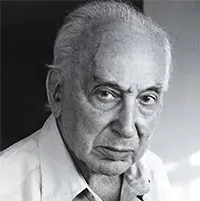
André Kertész (1894-1985)
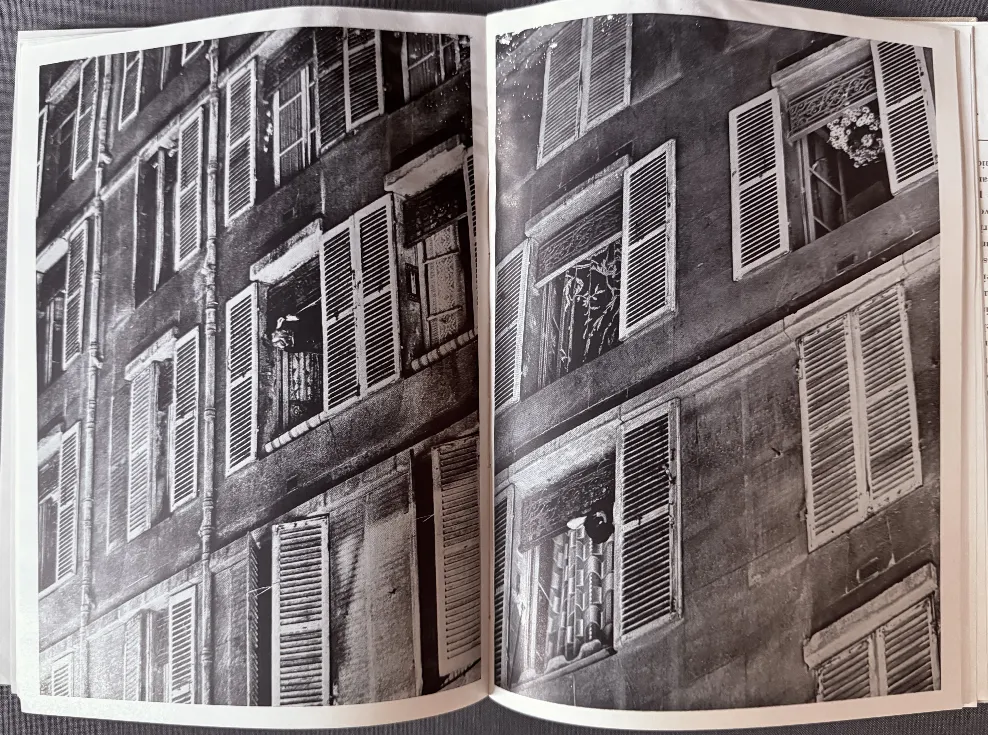
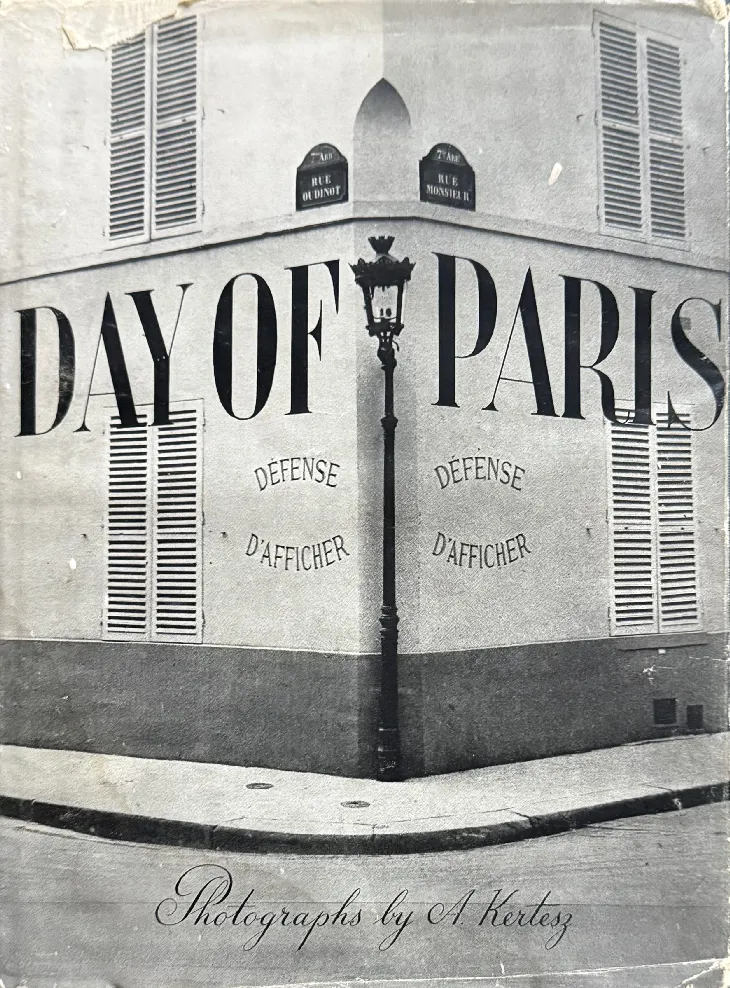
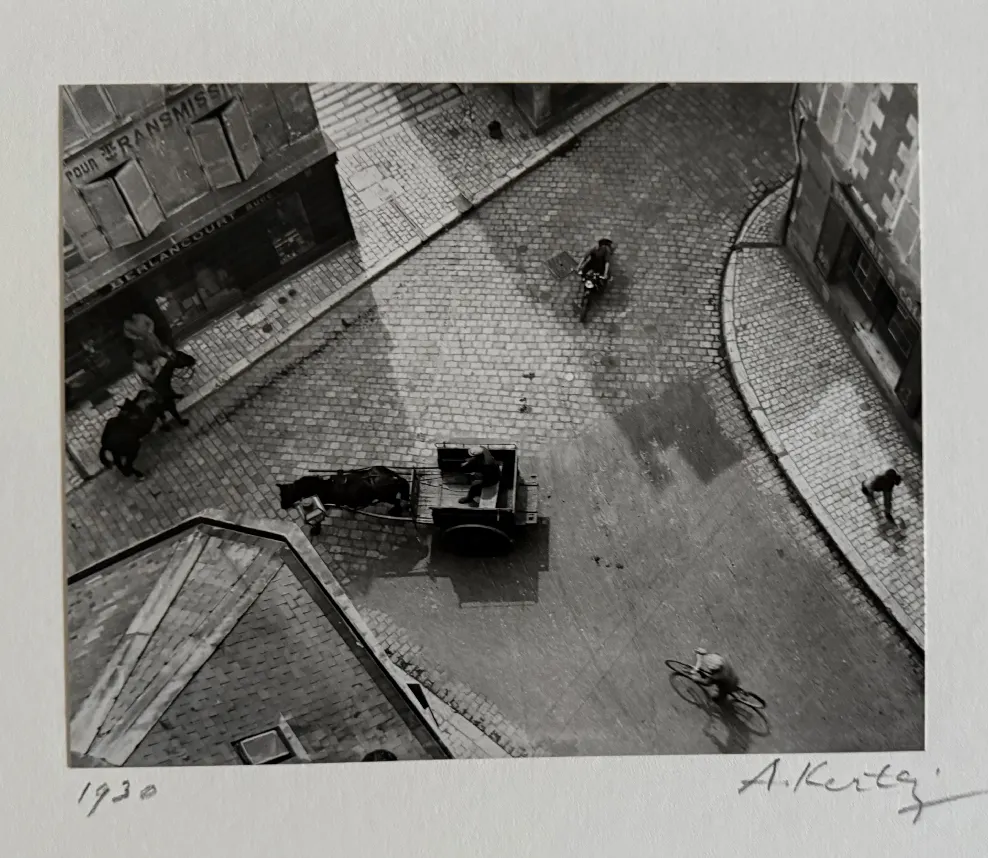
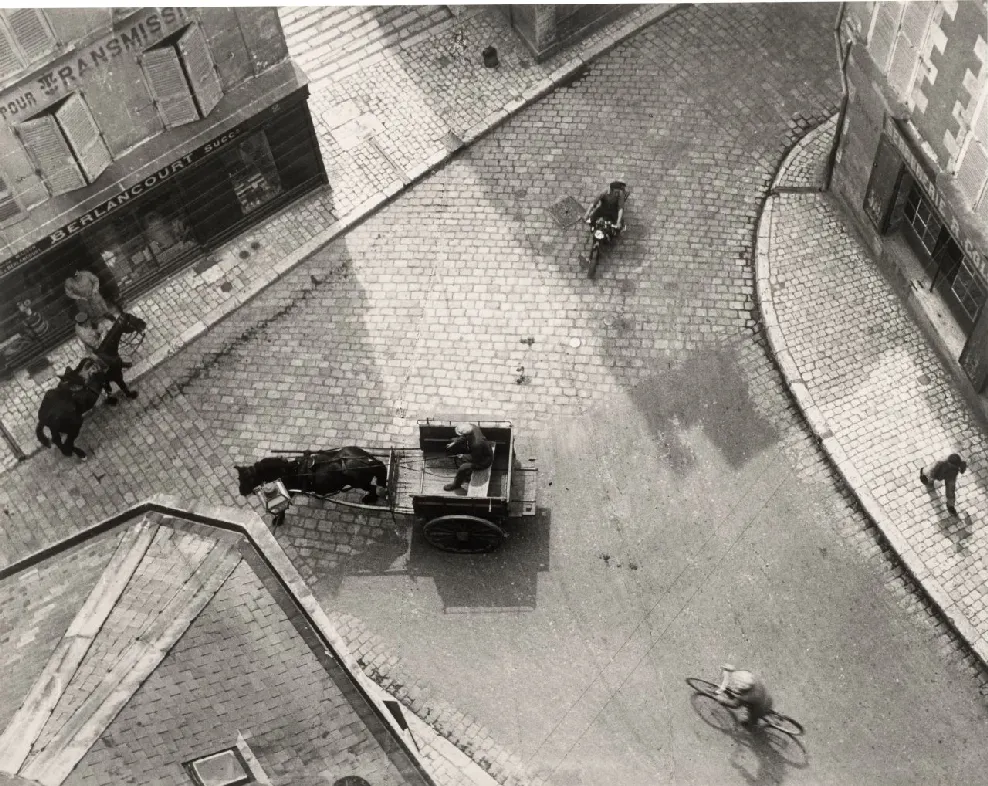
Kertész born in Budapest, studied at the Academy of Commerce until he bought his first camera in 1912. He served in the Austro-Hungarian army during World War I, and in 1925 had one of his photographs published on the cover of Erdekes Ujsay. That same year, he moved to Paris, where he did freelance work for many European publications, including Vu, Le Matin, Frankfurter Illustrierte, Die Photographie, La Nazione Firenze, and The Times of London. He bought his first 35-millimeter camera, a Leica, in 1928, and his innovative work with it on the streets of paris and other French cities was extremely influential. Being at the centre of the émigré art world, he also photographed fellow artists such as Brassaï, Mondrian, Chagall, Calder and Brancusi.
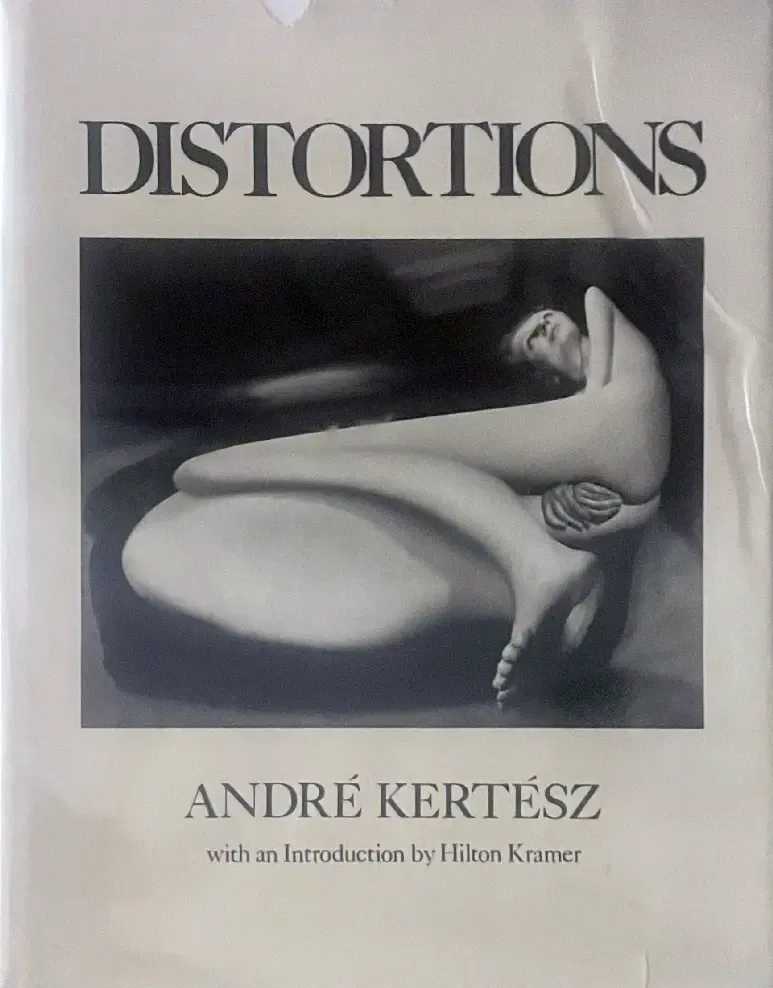
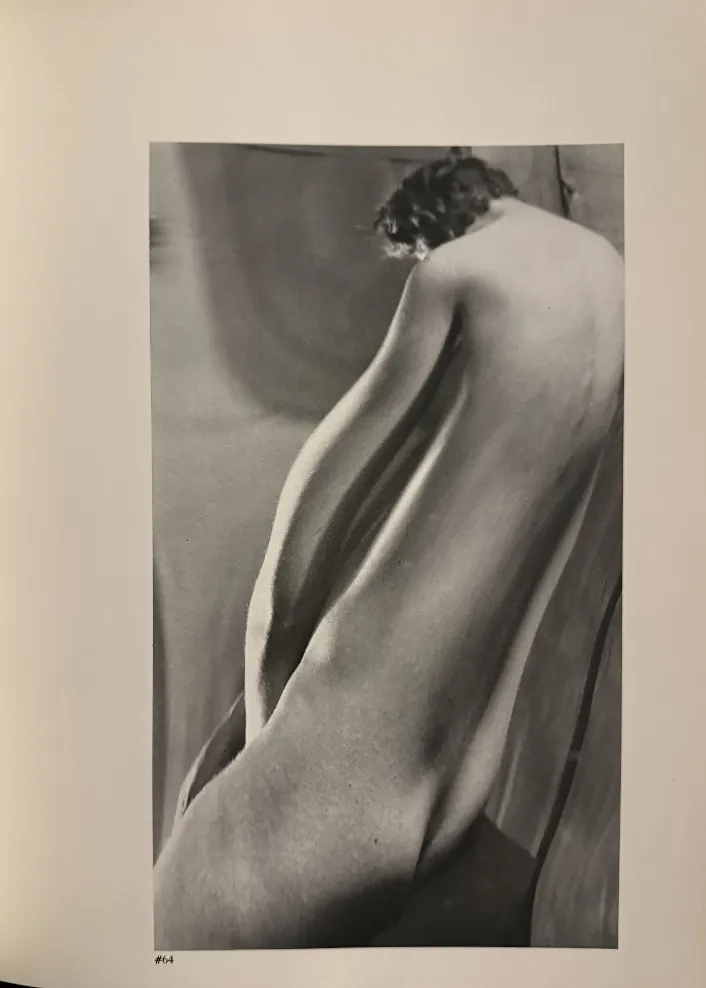
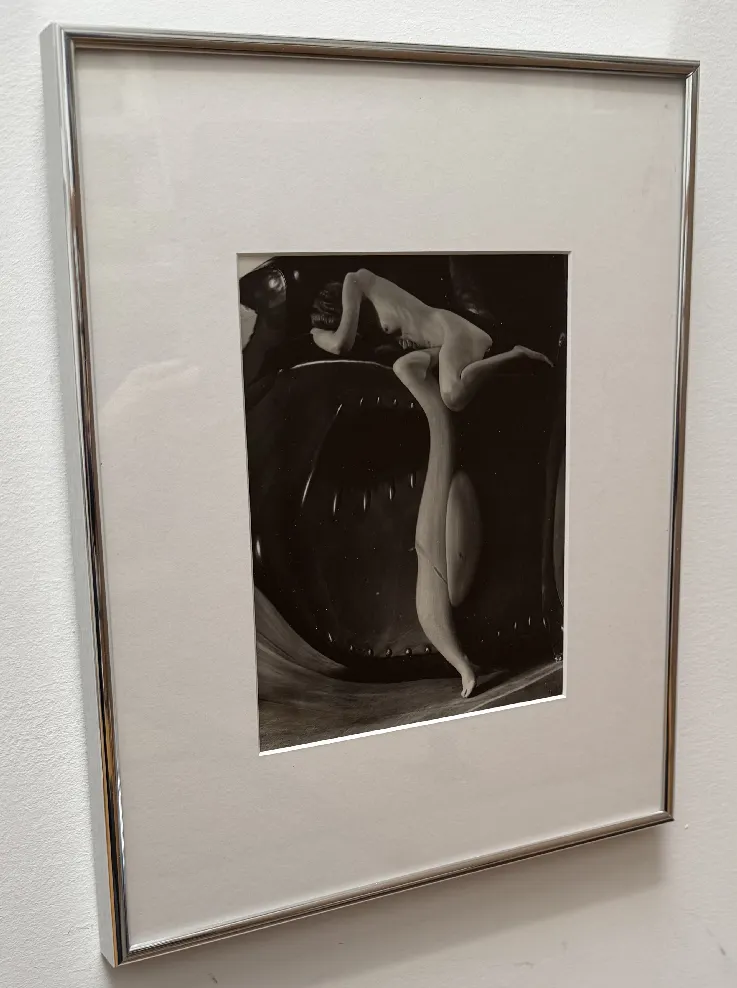
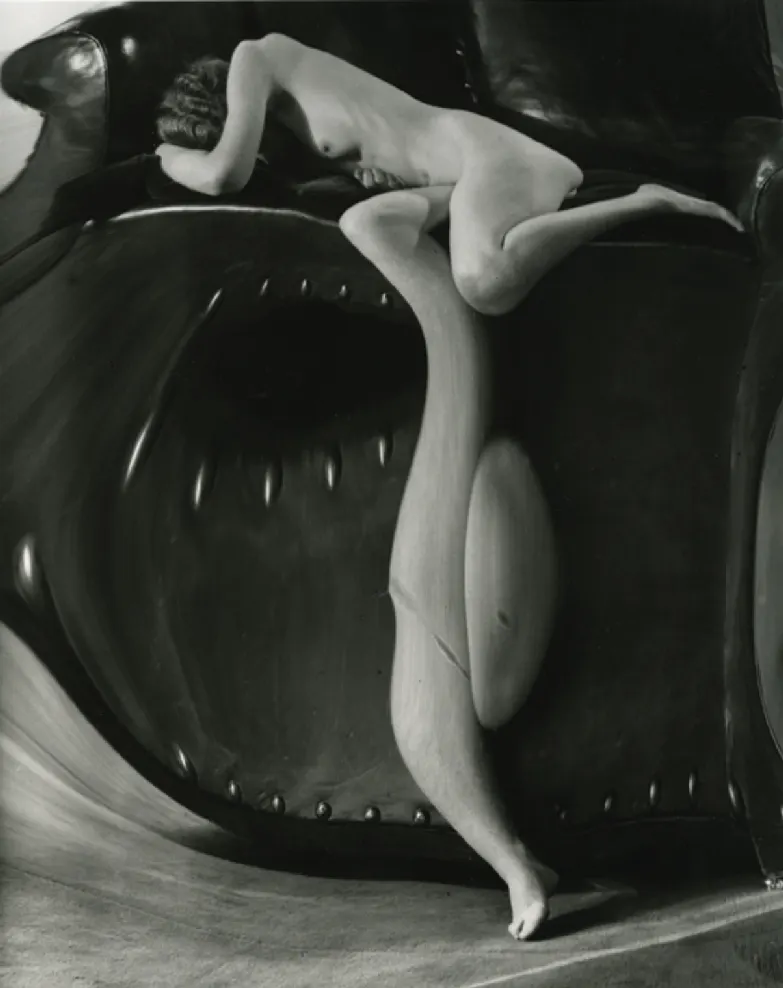
Although Kertesz had long been interested in mirrors, reflections, and the idea of distorting the human figure, he did not seriously investigate their photographic possibilities until 1933, when the risqué French magazine Le Sourire commissioned him to make a series of figure studies. Using a funhouse mirror from a Parisian amusement park, Kertesz, who had never photographed nudes before, spent four weeks making about two hundred negatives. He effectively applied the radical angles and manipulation of light and shadow of his street scenes to the human body to obtain a similar de-familiarizing effect. The series was later published as a photo-book by knopf in 1976 under the title Distortions.
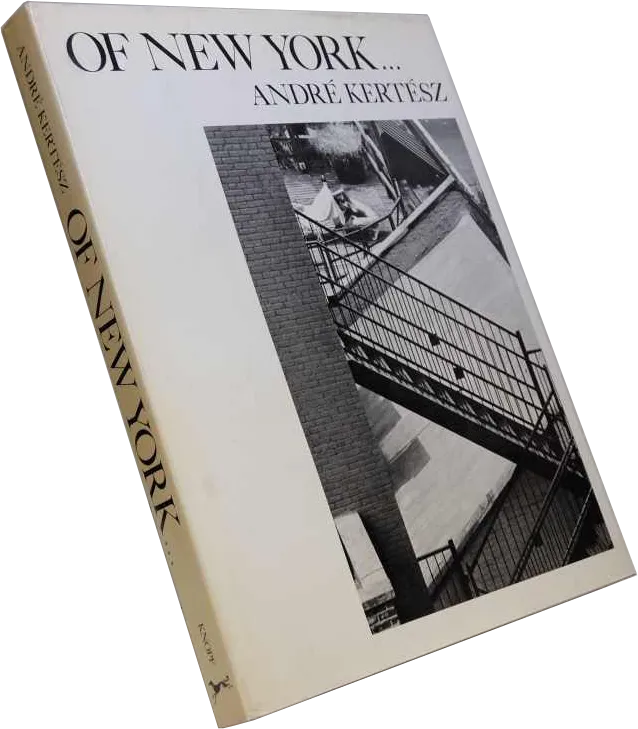
In 1936, he came to the United States, and began freelancing for Collier's, Harper's Bazaar, and House & Garden, among other mass-circulation magazines. Eventually, and until 1962, he worked under contract to Condé Nast. It was not until 1964 that his work gained recognition in the U.S., when he was given a one-man show at the Museum of Modern Art. Between then and his death, his independently produced photographs became more widely accessible, and Kertész became one of the most respected photographers in America. His work was the subject of many publications and other solo exhibitions at the Bibliothèque Nationale in Paris and and a major retrospective, Of Paris and New York, at the Art Institute of Chicago and the Metropolitan Museum of Art. Among his many honors and awards were a Guggenheim Fellowship and admission to the French Legion of Honor.
Kertész's work had widespread and diverse effects on many photographers, including Henri Cartier-Bresson, Robert Capa, and Brassaï, who counted him as a mentor during the late 1920s and early 1930s. His personal work in the 1960s and 1970s inspired countless other contemporary photographers. Kertész combined a photojournalistic interest in movement and gesture with a formalist concern for abstract shapes; hence his work has historical significance in all areas of postwar photography.

