
%20Resized.webp)


Which art books, prints and posters are available by and about this artist? Here is a sample of items of interest to a typical collector:

%20Resized.webp)
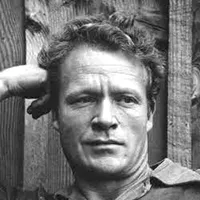
Brett Weston, American (1911–1993)
Weston was an influential American photographer celebrated for his masterly use of form, deep black-and-white tones, and pioneer work in visual abstraction.
The second son of photographer Edward Weston, Brett began his photographic career at age 13. In 1925, Edward removed him from school to serve as his assistant during a prolonged stay in Mexico. Working with a small Graflex camera alongside major modernists like Diego Rivera, José Clemente Orozco, and Tina Modotti, Brett developed a keen eye for architectural lines, structural geometry, and graphic compositions early in life.
By 17, his prints were included in the seminal Film und Foto exhibition in Stuttgart (1929) one of the defining avant-garde photography surveys between the World Wars, establishing him as an artistic force in his own right.
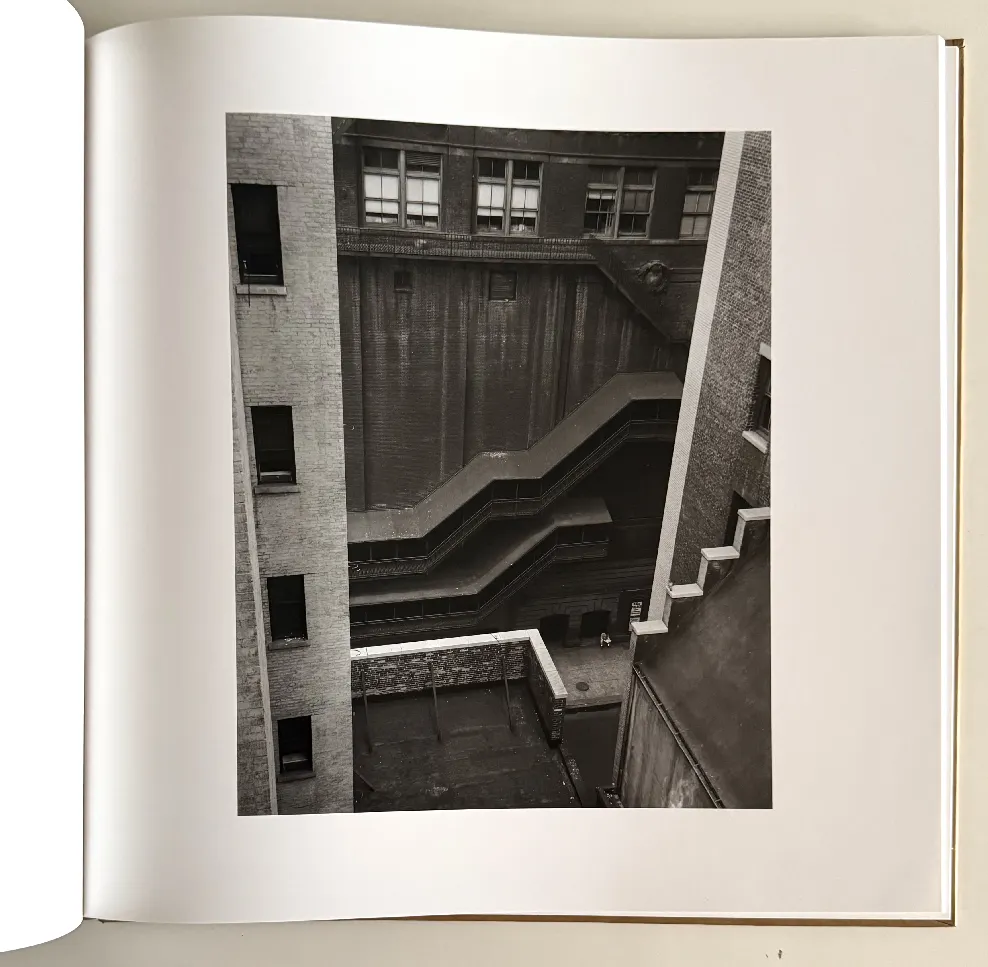
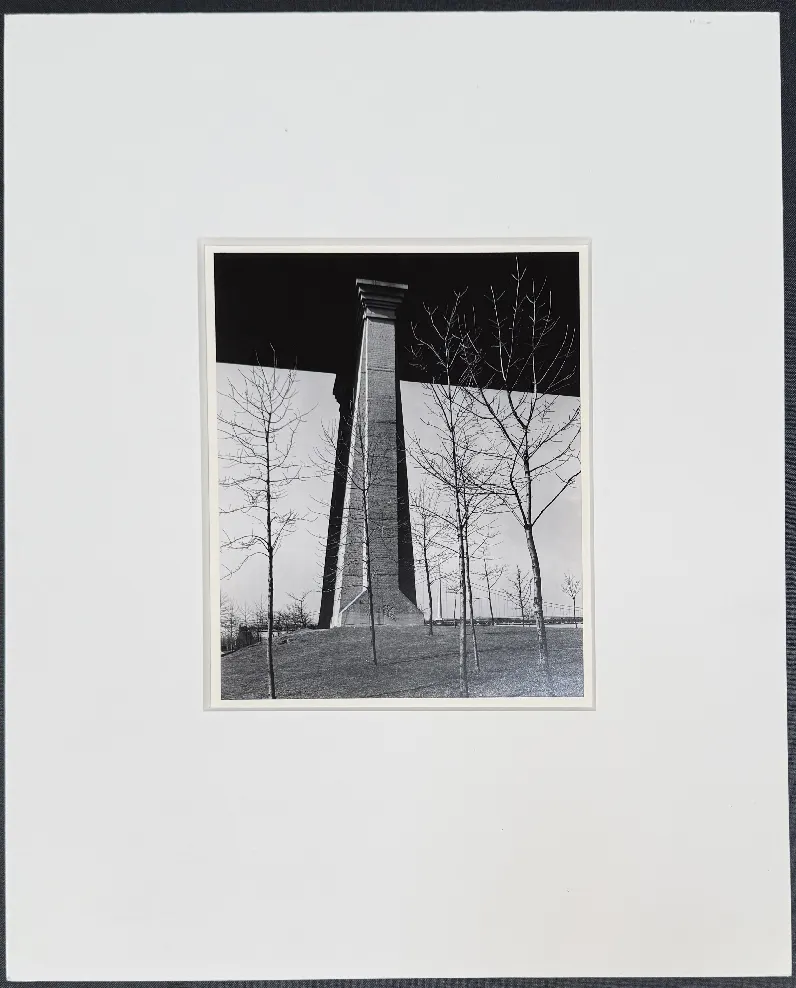
Weston was among the earliest photographers to treat negative space as a primary subject matter. His work frequently transformed organic details, such as cracked mud, kelp, ice formations, plant leaves, and blistered paint, into graphic, high-contrast structural designs.
Associated with the West Coast straight photography movement alongside Edward Weston and Ansel Adams, he favored large-format view cameras (8x10 and 11x14) and uncropped gelatin silver prints with deep, ink-black shadows.
Unlike many contemporaries of the 1920s who preferred platinum matte papers, Weston favored glossy gelatin silver papers, maximizing tonal range, deep blacks, and sharp clarity.
Weston maintained a nearly 70-year career, producing 14 limited-edition portfolios. His major series and monographic subjects include:
Today, his works are held in major public collections, including the Museum of Modern Art (MoMA), the Metropolitan Museum of Art, the Getty Museum, and the Center for Creative Photography.

