
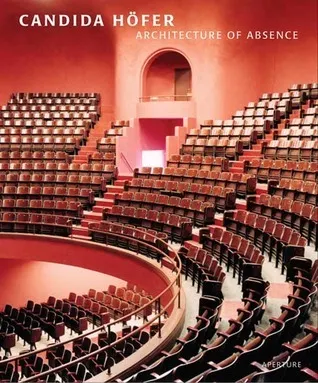


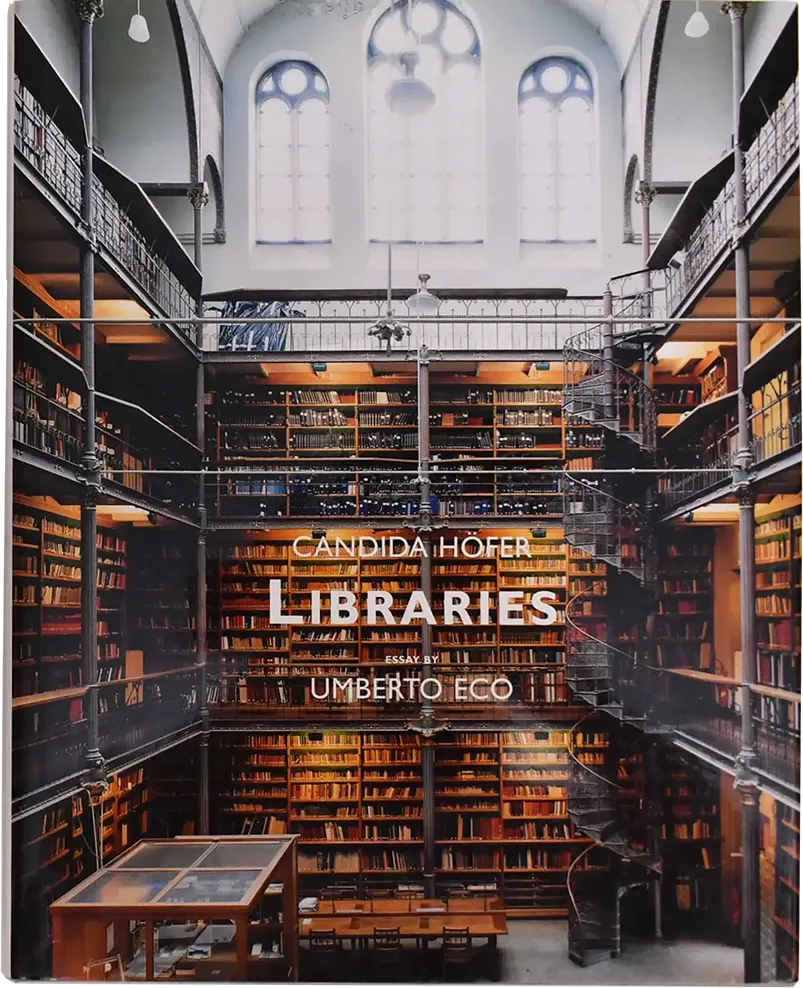
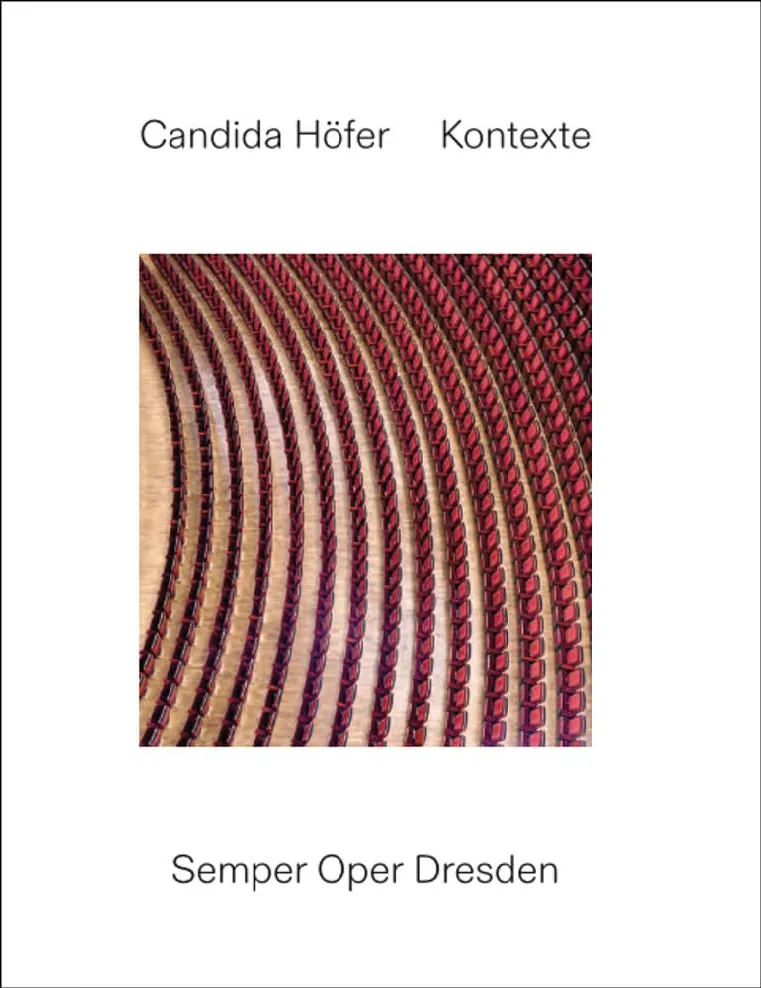
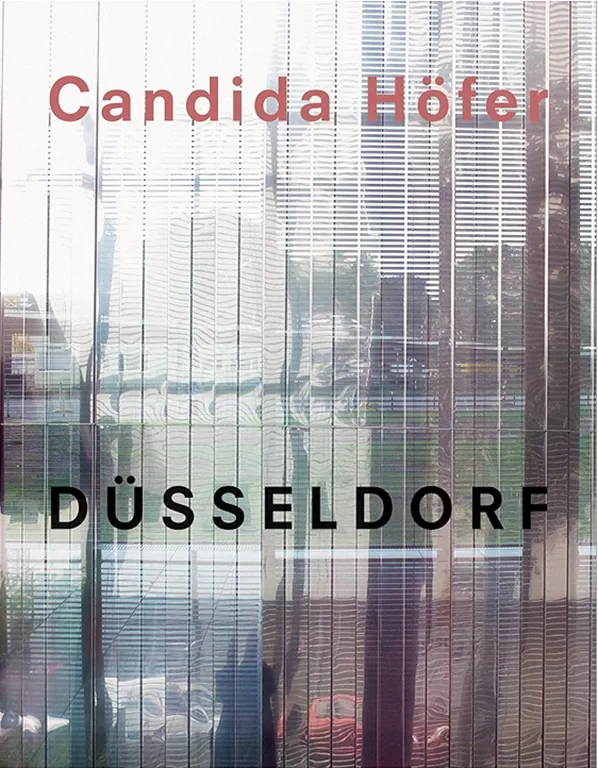
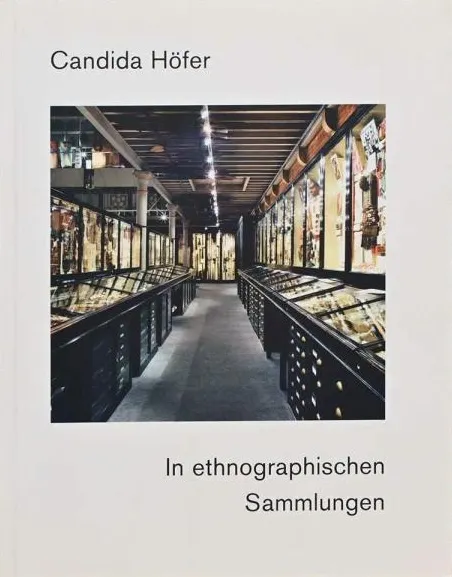
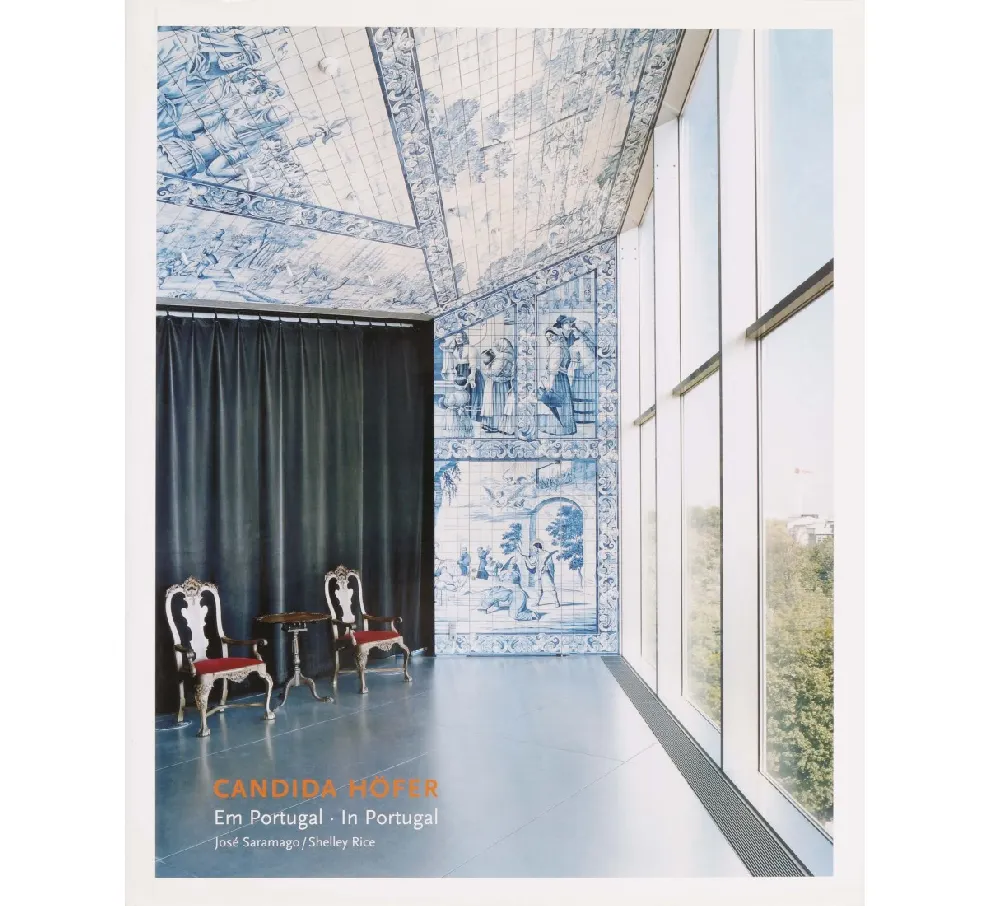
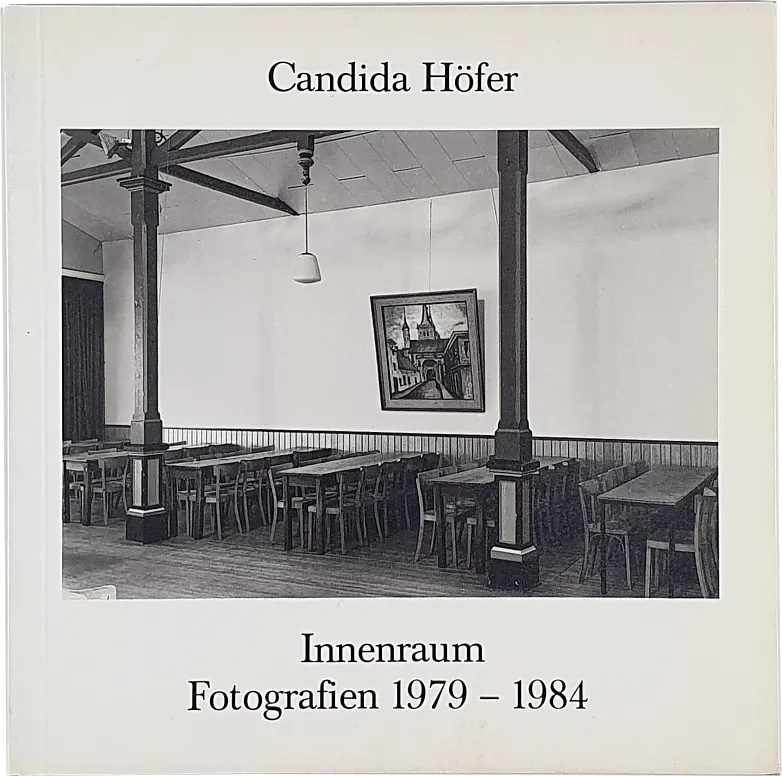
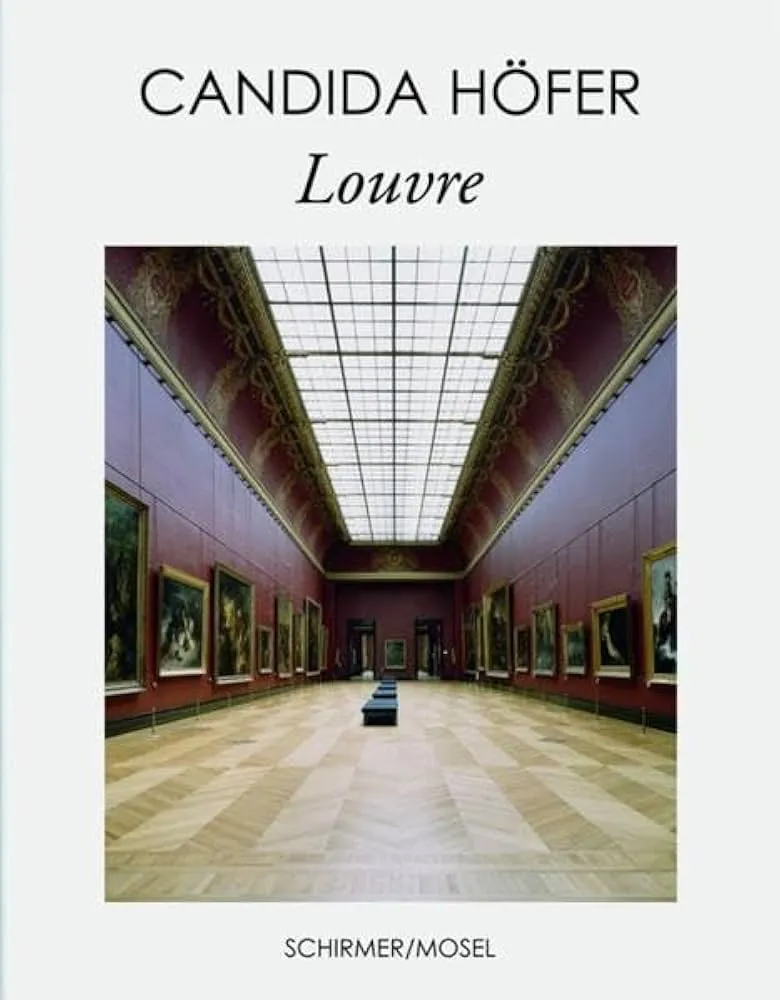
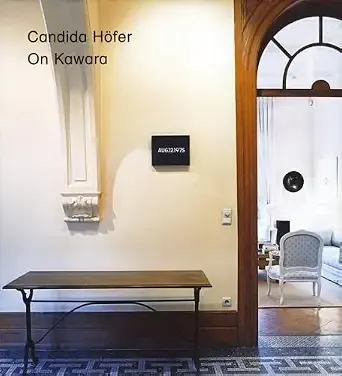
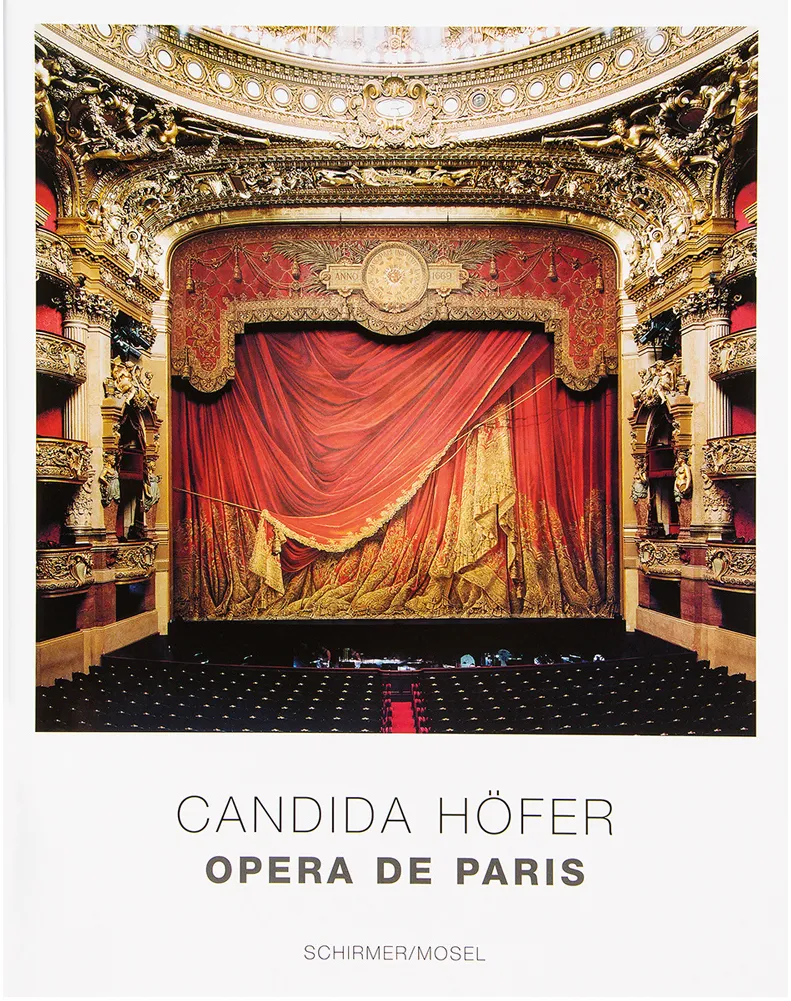
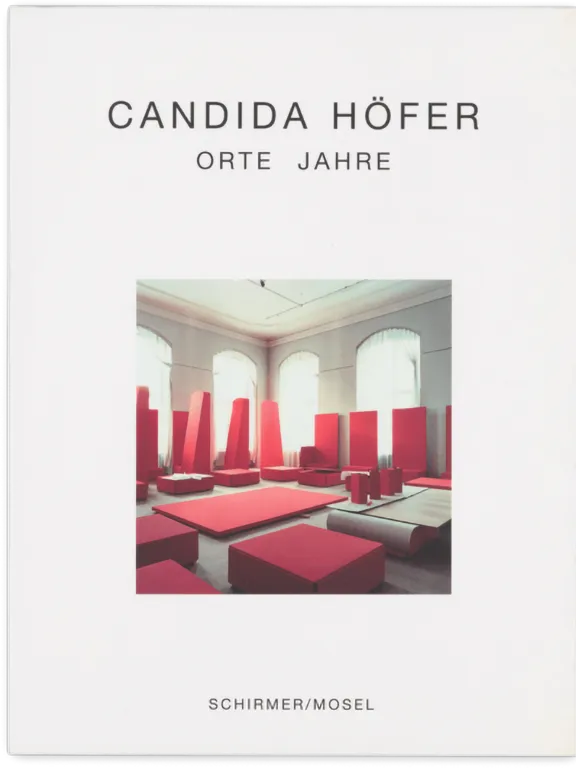
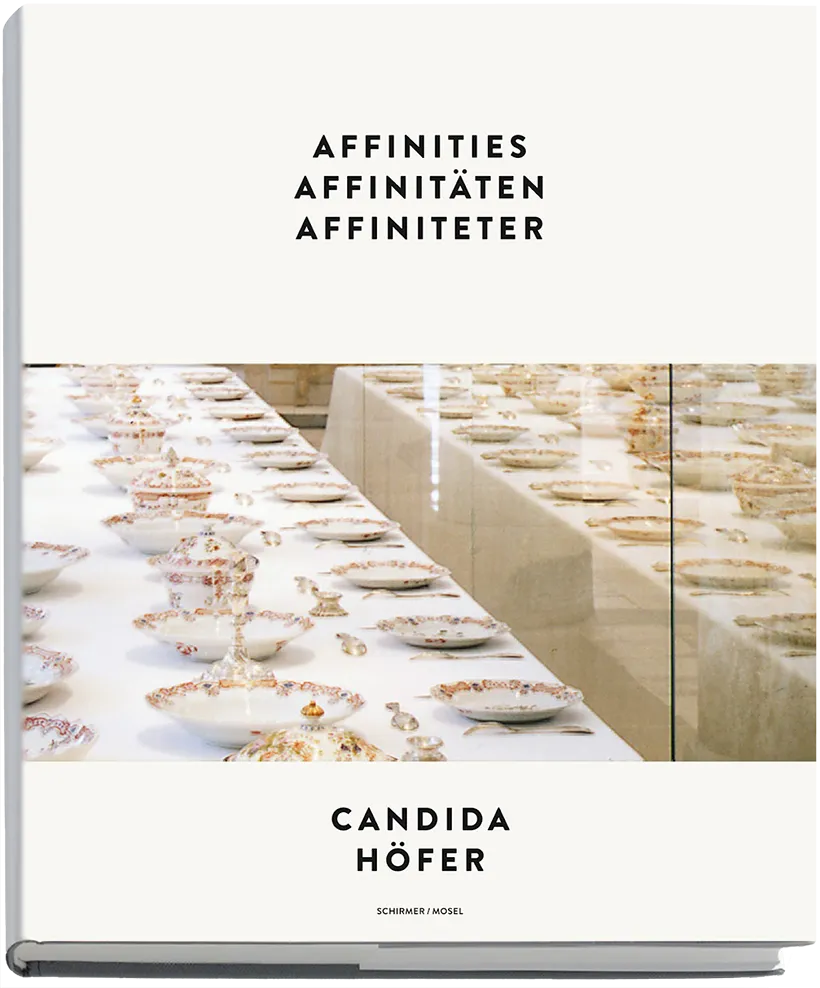
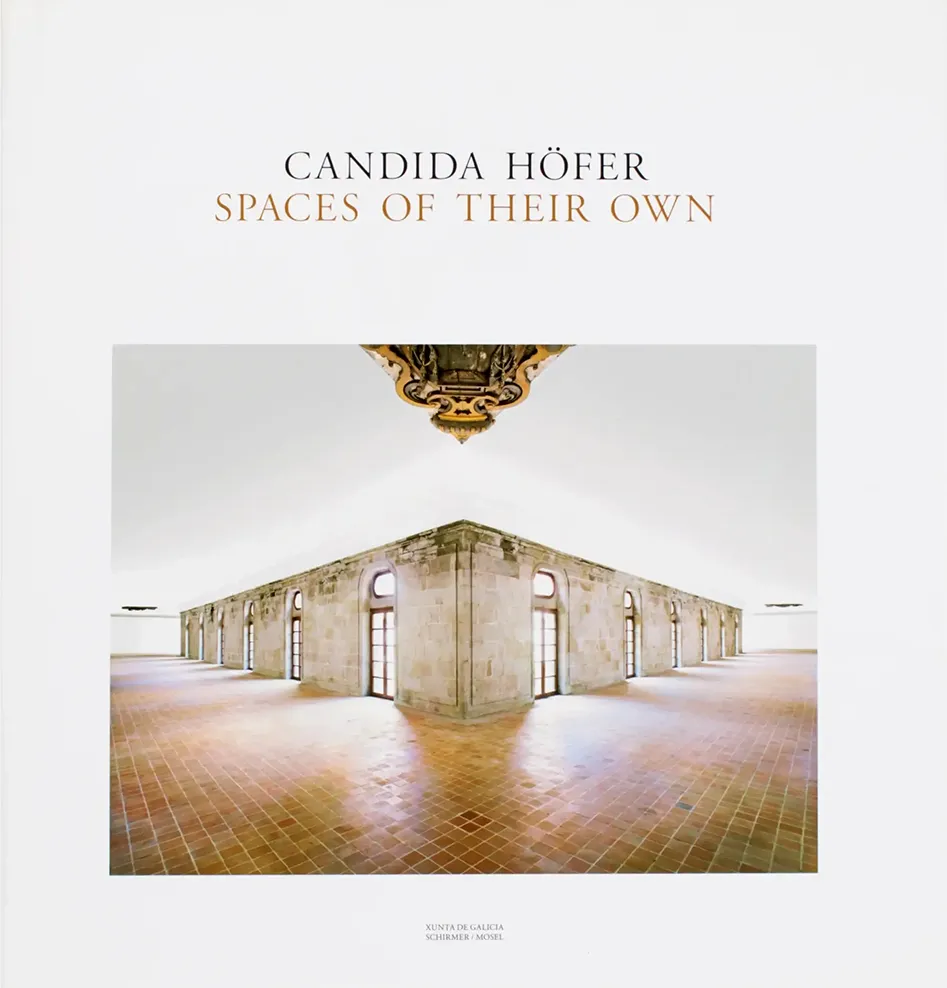
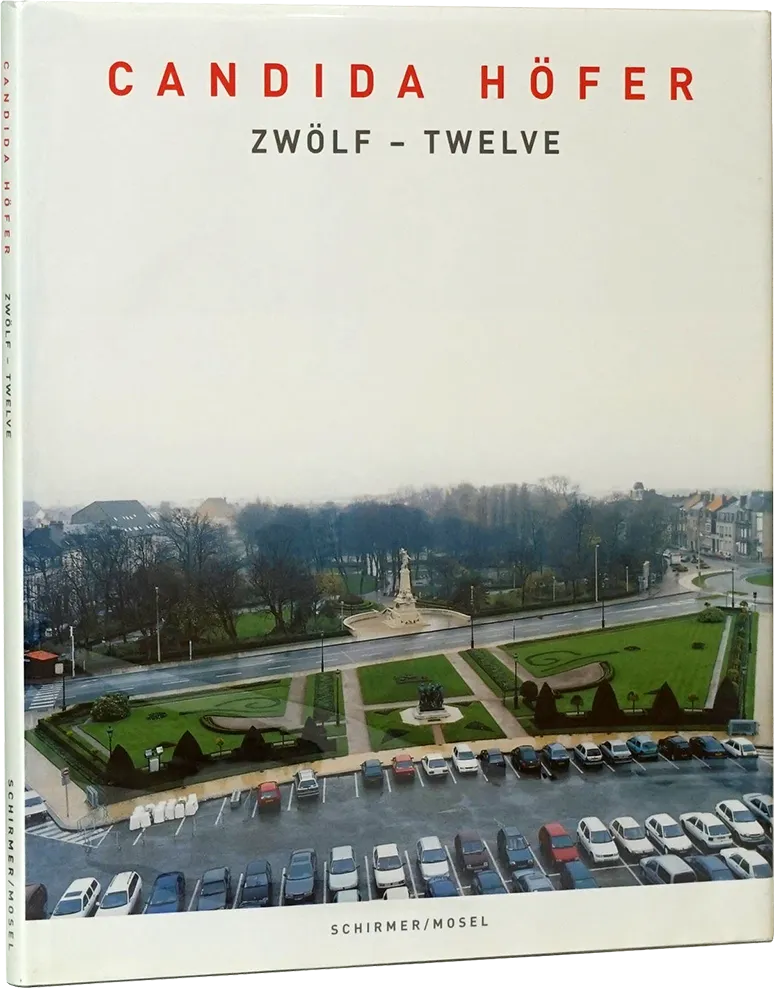
Which art books, prints and posters are available by and about this artist? Here is a sample of items of interest to a typical collector:

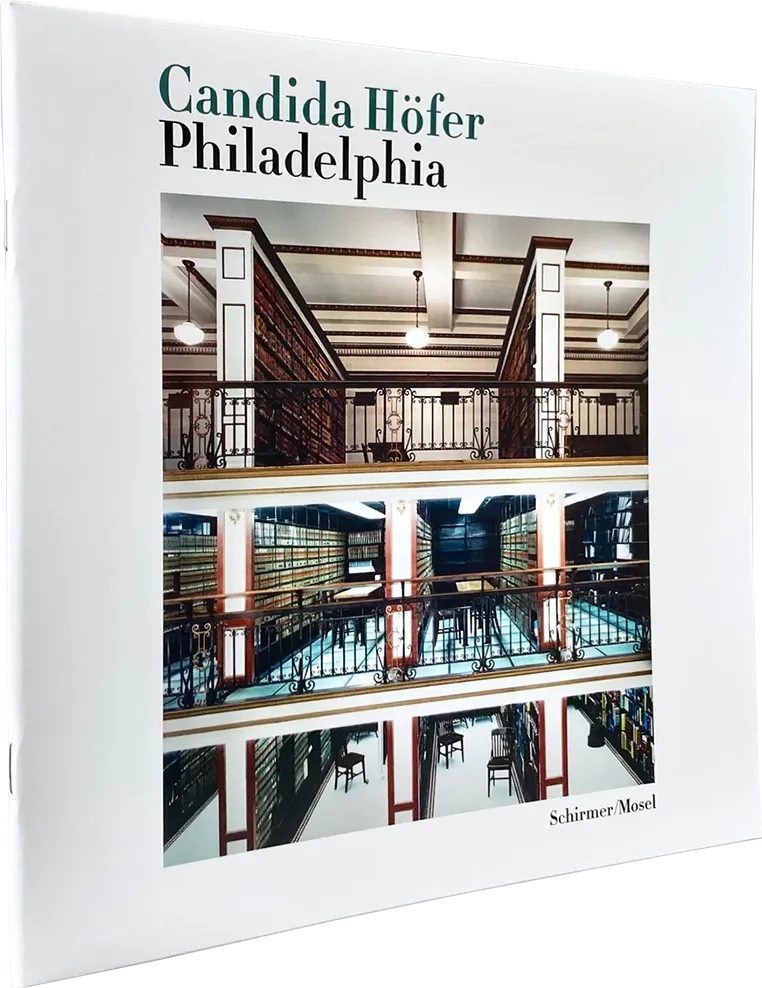
In 1347, during the seige of Calais, King Edward III agreed to spare the population of the town on the condition that six of the most important citizens leave Calais bareheaded and barefoot, with a rope around their necks, carrying the keys to the town and the castle.
In 1884, the City of Calais commissioned August Rodin to create what is arguably his most famous bronze statue, The Burghers of Calais, a radically new type of monument devoid of all heroic transfiguration.
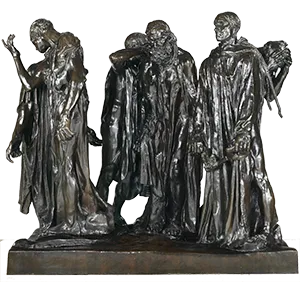
In 1997, the twelfth and last cast of The Burghers was unveiled in Seoul, and the City of Calais thus decided to commission a new work on the subject by Candida Höfer. In her trademark austere, unpretentious and sensitively detailed photographs, the artist captured the twelve casts of the sculpture at their locations across the world: in museums and squares in Paris, Tokyo, Brussels, London, Copenhagen, Washington, Philadelphia, Basel, Mariemont/Belgium, Pasadena, Seoul and Calais.
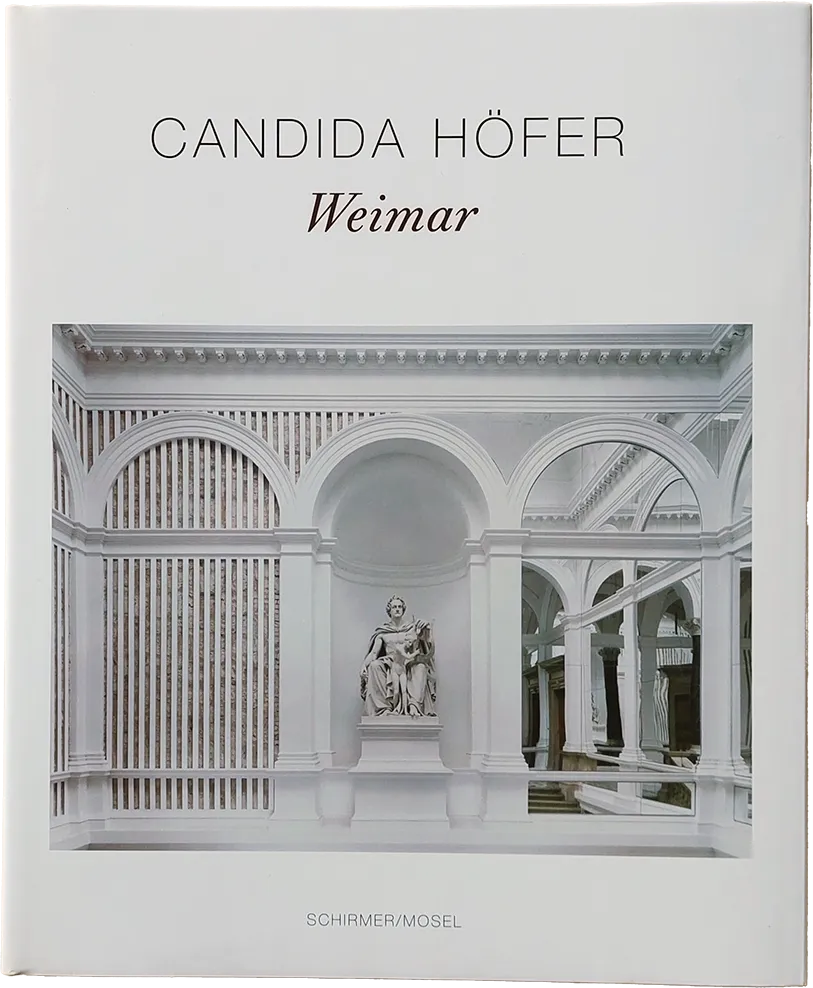

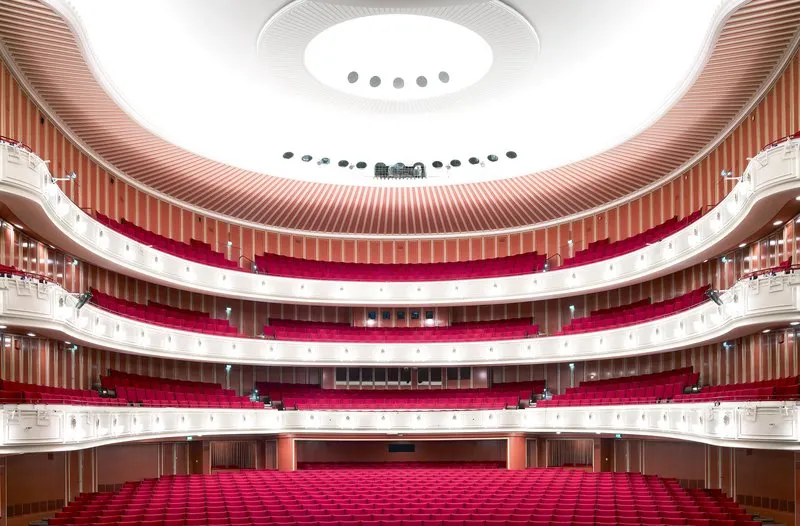

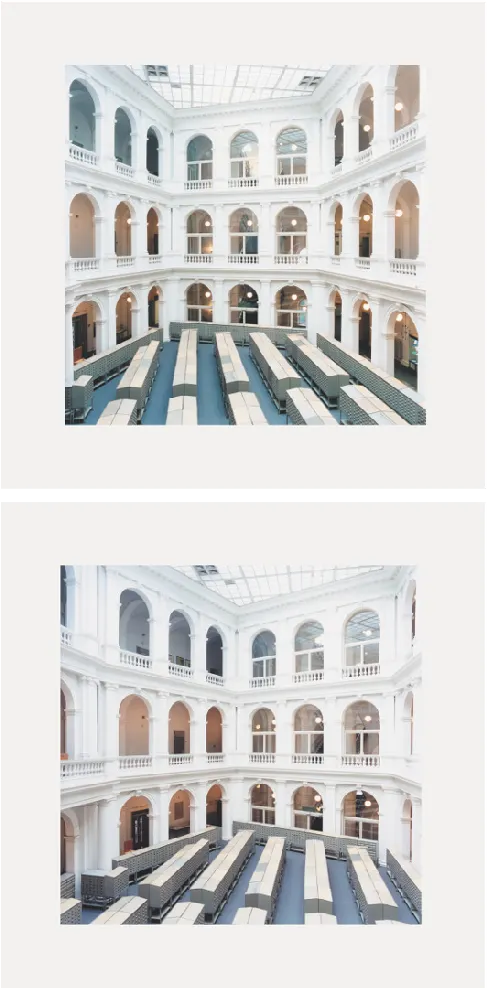
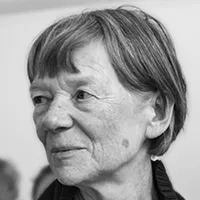
Candida Höfer (b. 1944, Eberswalde, Germany)
Höfer is a leading figure in contemporary architectural photography, associated with the renowned Düsseldorf School of Photography under the mentorship of Bernd and Hilla Becher . A graduate of Kunstakademie Düsseldorf (1973–82), she combines rigorous compositional precision with large-format color prints to document public and institutional interiors—libraries, museums, opera houses, hotels, and more—strikingly devoid of human presence .
Höfer's methodical approach captures not only the formal qualities of these spaces—symmetry, scale, light, and architecture—but also the silent psychological imprint left by their absent occupants. Her images invite viewers to reflect on how these environments structure human experience.
She has exhibited extensively—with major solo shows at institutions including Kunsthalle Basel, Kunsthalle Bern, Museum Folkwang (Essen), Musée du Louvre (Paris), North Carolina Museum of Art, Irish Museum of Modern Art, and the State Hermitage Museum. Notably, she represented Germany at Documenta 11 (2002) and the Venice Biennale (2003).
Höfer’s work is held in top-tier collections worldwide, including Centre Pompidou (Paris), MoMA and the Guggenheim (New York), Museo Reina Sofía (Madrid), Norton Museum of Art, Getty Museum, and Kunstmuseum Luzern. In 2018, she received the Sony World Photography Award for Outstanding Contribution to Photography, and in 2024 was honored with the Käthe Kollwitz Prize by the Academy of Arts, Berlin.
Living and working in Cologne, Candida Höfer continues to transform our perception of the built environment through her meticulous, contemplative practice.

