


Which art books, prints and posters are available by and about this artist? Here is a sample of items of interest to a typical collector:
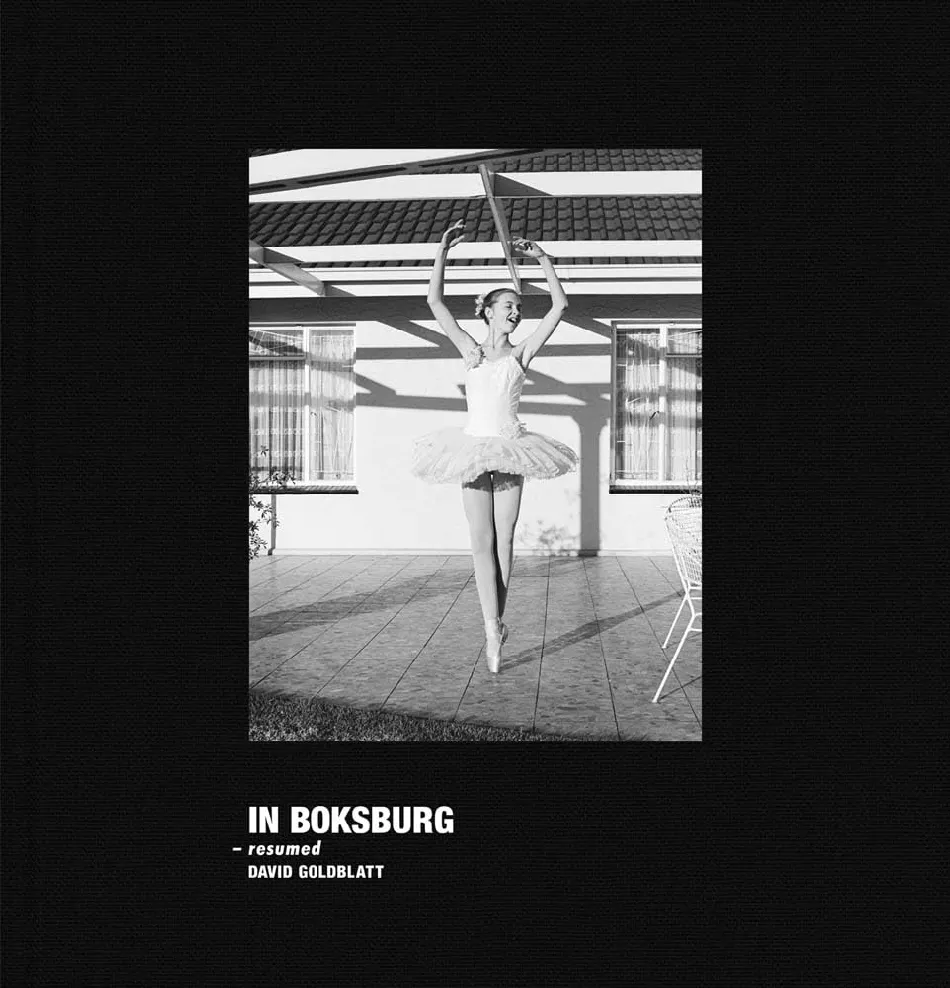

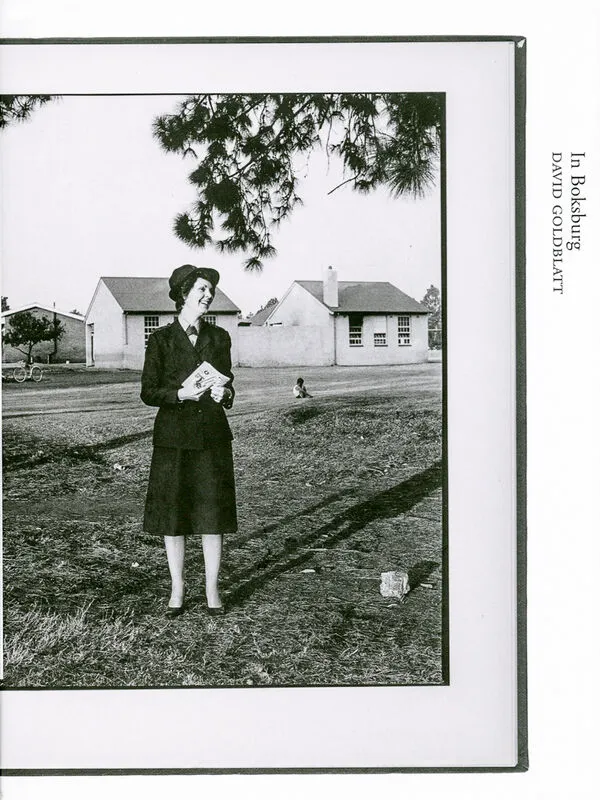
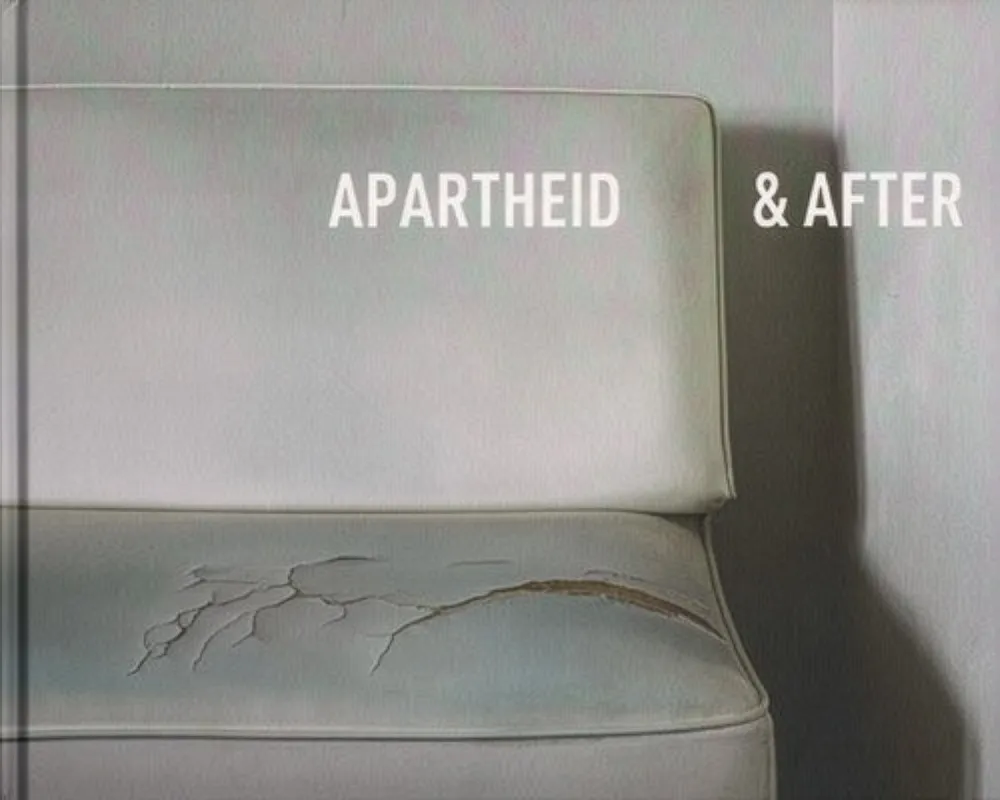
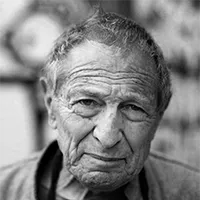
David Goldblatt, South African (1930-2018)
Goldblatt was a towering figure in South African documentary photography, widely revered as the visual conscience of his nation. Over a career spanning seven decades, he systematically chronicled the people, landscapes, and architecture of South Africa under the system of apartheid and during its subsequent transition to democracy.
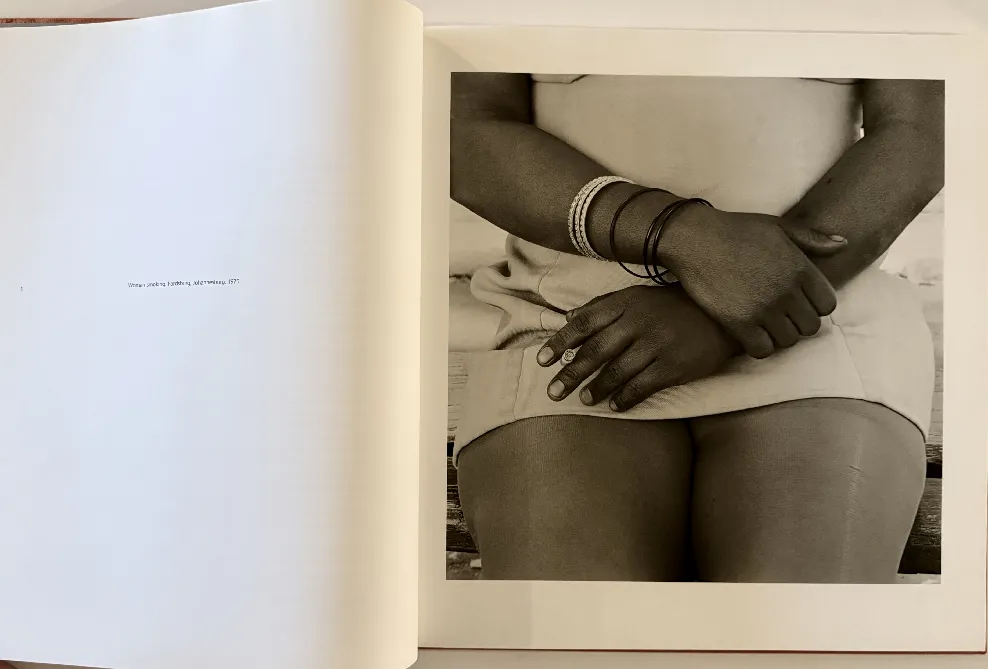
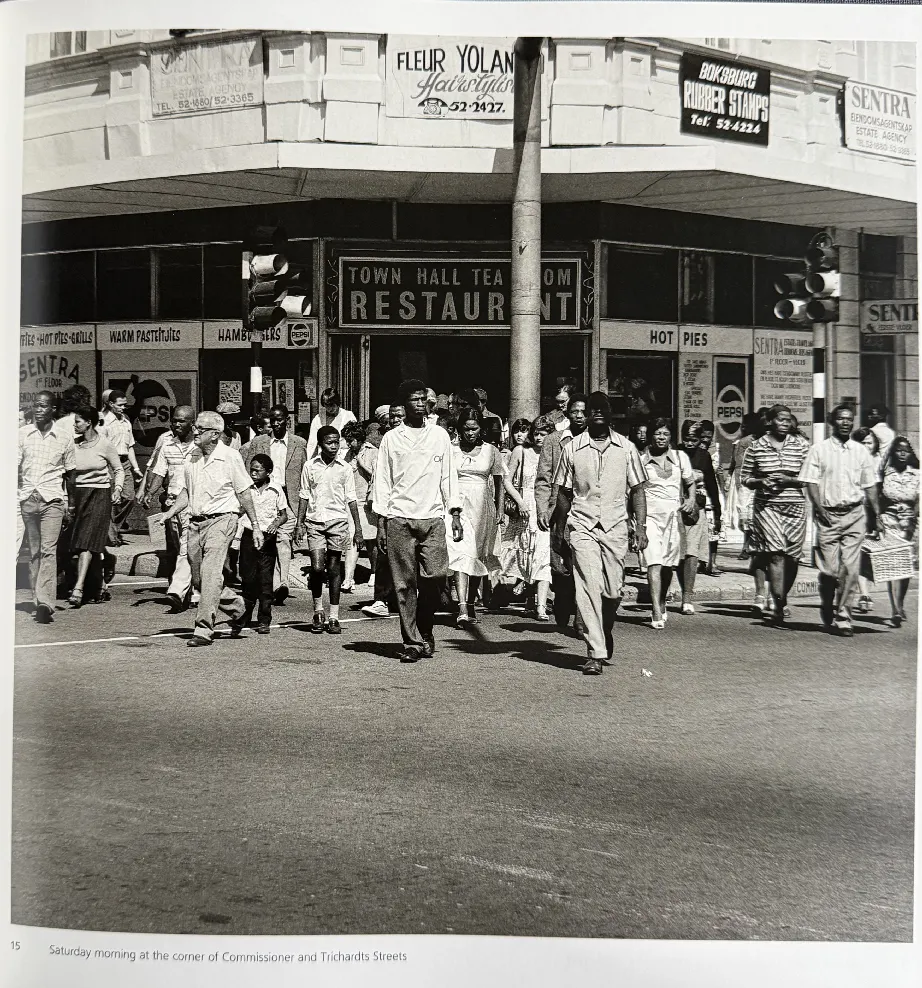
Unlike many photojournalists of his generation, Goldblatt intentionally avoided capturing overt violence or breaking news. Instead, he turned his lens toward the quiet, insidious ways racial segregation and systemic division permeated daily life, architecture, and the landscape itself.
Born on November 29, 1930, in the small mining town of Randfontein, South Africa, Goldblatt was the grandson of Lithuanian-Jewish immigrants who had fled persecution in the 1890s. He discovered photography as a teenager but spent years managing his family’s men’s outfitting clothing store after his father fell ill. Following his father's death, Goldblatt sold the family business in 1963 to venture into full-time photography at the age of 33, embedding himself within Johannesburg's vibrant intellectual and artistic circles.
Goldblatt refused to align himself with political organizations or allow his imagery to be used as overt propaganda, preferring the role of a "self-appointed observer and critic." His work was marked by a rigorous, detailed clarity—almost always in sharp black-and-white during the apartheid era—which he later supplemented with color work in his post-apartheid landscapes. He was a master of the documentary form, using highly descriptive, meticulous captions to add sociological depth to his visual framing.
Goldblatt’s career yielded some of the most critical photographic monographs of the 20th century, exploring the intersections of labor, class, and structure:
Beyond his personal practice, Goldblatt was a dedicated educator. In 1989, he founded the Market Photo Workshop in Johannesburg, a crucial institution designed to provide visual literacy and technical training to young photographers who were otherwise excluded from formal education under apartheid rules.
Goldblatt achieved immense international recognition, becoming the first South African artist to have a solo exhibition at the Museum of Modern Art (MoMA) in New York in 1998. He was honored with the Hasselblad Foundation International Award in Photography (2006) and the Henri Cartier-Bresson Award (2009). He passed away in Johannesburg on June 25, 2018, leaving behind an invaluable archive that continues to serve as an indispensable reference for the complexities of modern South African history.
