
Frank Gohlke

Frank Gohlke

Which art books, prints and posters are available by and about this artist? Here is a sample of items of interest to a typical collector:

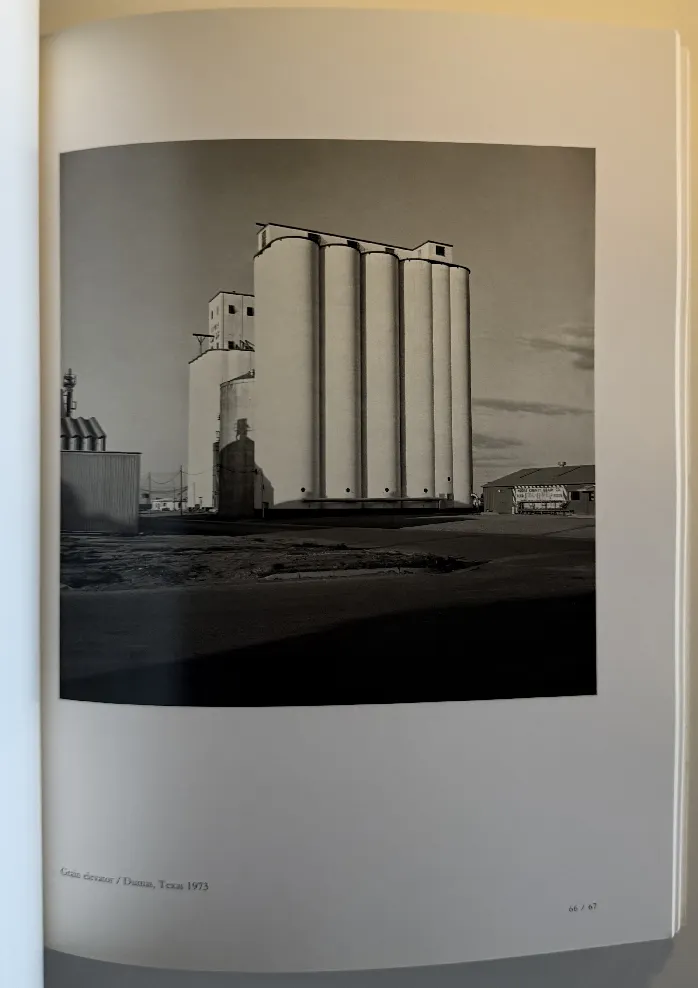
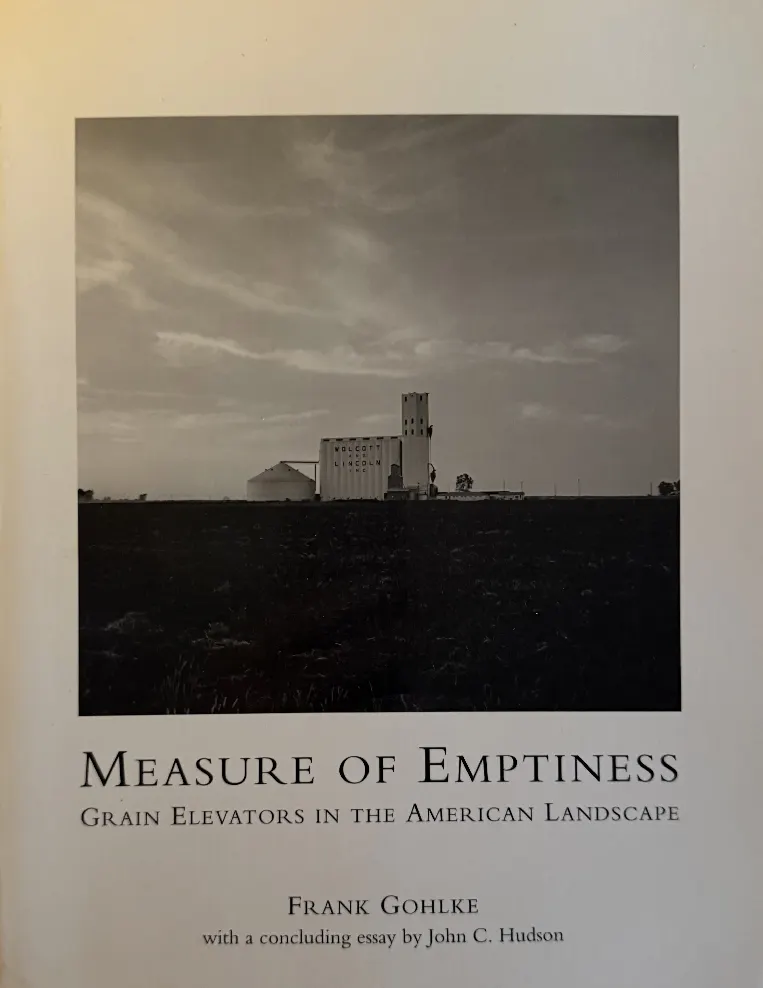
Measure of Emptiness: Grain Elevators in the American Landscape
Book images
Johns Hopkins University Press
1992
with:
Edition:
1st
Edition size:
Signed
Out of Print
Other edition(s):
The hardcover was issued on the same year
Softcover
ISBN:
Condition: Very Good
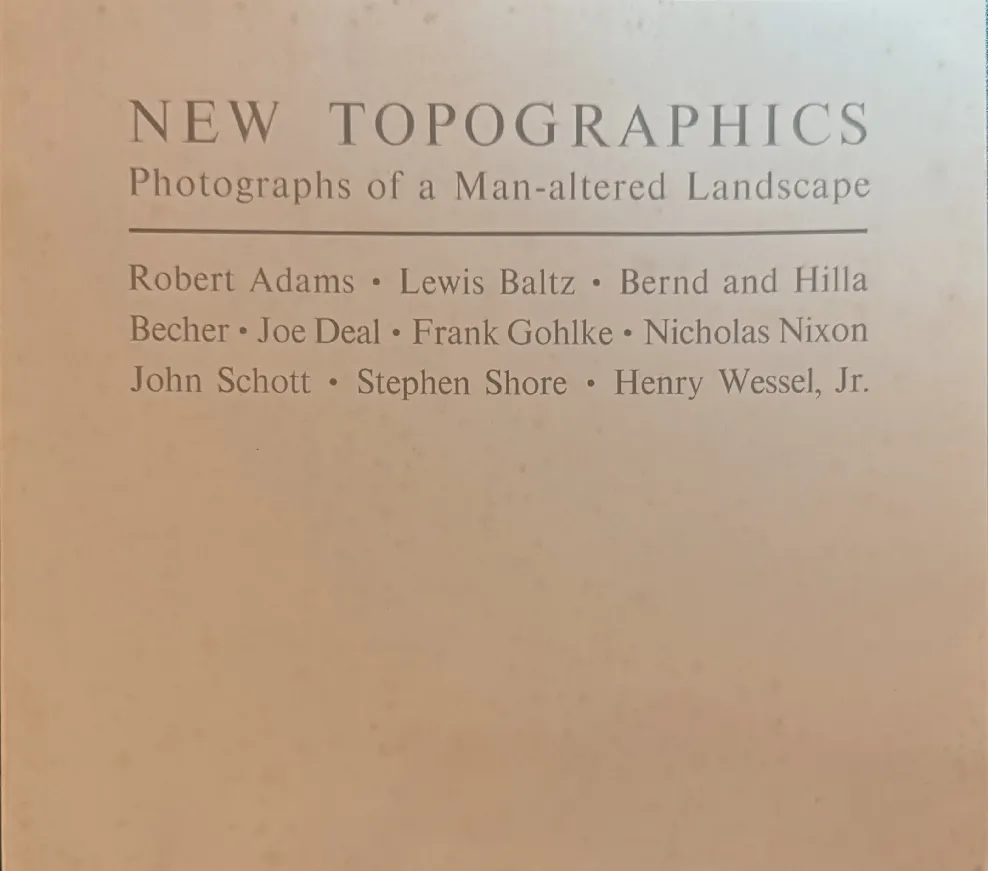
New Topographics: Photographs of a Man-Altered Landscape
Book images
George Eastman Museum
1975
with:
Lewis Baltz, Frank Gohlke, Bernd & Hila Becher, John Schott, Joe Deal, Nicholas Nixon, Henry Wessel, Stephen Shore.
Edition:
1st
Edition size:
Out of Print
Other edition(s):
Softcover
ISBN:
Condition: Very Good. Some fixing to the covers.

New Topographics: Photographs of a Man-Altered Landscape (1975) is the seminal exhibition catalog published by the International Museum of Photography at George Eastman House for the groundbreaking exhibition curated by William Jenkins.

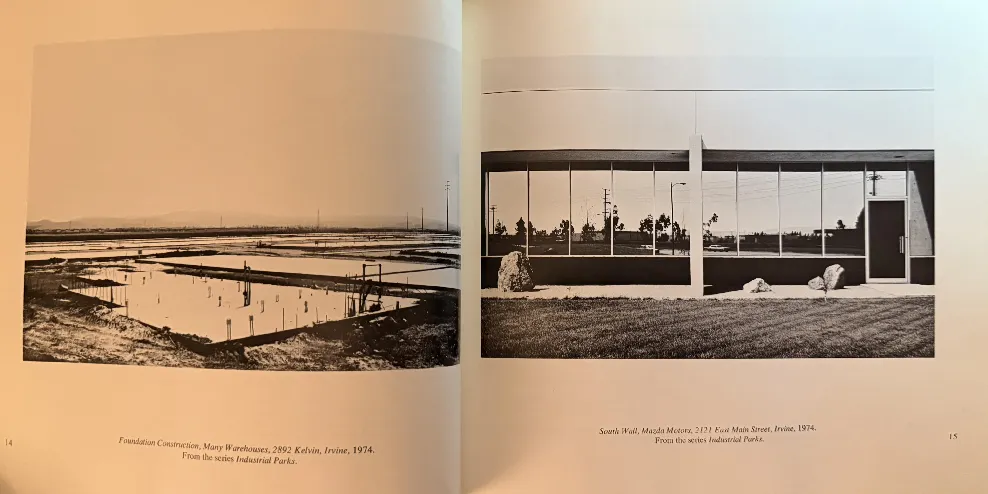
The catalog documents a pivotal shift in 20th-century American landscape photography away from the idealized, majestic wilderness traditions of Ansel Adams and Edward Weston. Instead, it features artists who approached the modern built environment with deadpan neutrality, clinical detachment, and objective, documentary precision.

The featured photographers, Robert Adams, Lewis Baltz, Bernd and Hilla Becher, Joe Deal, Frank Gohlke, Nicholas Nixon, John Schott, Stephen Shore, and Henry Wessel, systematically recorded suburban suburban sprawl, industrial parks, highway strip developments, housing developments, and motels across the American West and industrial centers.

Rather than seeking untouched natural beauty, the project examines the visual reality of human intrusion, suburban expansion, and land development. Images are characterized by a banality of subject matter, rigid geometric composition, wide-angle or large-format clarity, and an intentional lack of drama, sentimentality, or overt emotional commentary. Influenced heavily by Bernd and Hilla Becher's systematic documentation of industrial structures in Europe, the catalog emphasizes seriality, architectural forms, and comparative observation.

New Topographics fundamentally redefined how landscape photography was understood and practiced. By elevating ordinary, human-altered environments to formal art, it influenced generations of photographers and remains one of the most important intellectual and aesthetic turning points in contemporary photography.

Steidl
2010
with:
Lewis Baltz, Bernd and Hilla Becher, Joe Deal, Frank Gohlke, Nicholas Nixon, John Schott, Stephen Shore, Henry Wessel.
Edition:
1st
Edition size:
Out of Print
Other edition(s):
Later reprinted in 2025.
Hardcover without dust jacket, as issued
ISBN:
9783865218278
Condition: Fine

First edition about the iconic catalog of the 1975 photography show held at the IMP, at the G. Eastman House in Rochester, NY.

No items found.
No items found.
No items found.

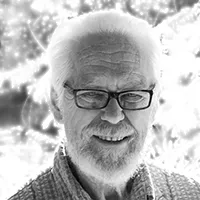
Frank Gohlke (b. 1942) is an American landscape photographer whose work examines the complex relationships between human habitation, architectural structures, and natural forces. Known for his meticulous large-format photography, he is a leading figure in documenting the vernacular American landscape.

Gohlke was one of ten photographers, alongside figures like Joe Deal, John Schott, and Robert Adams—selected for the landmark 1975 exhibition New Topographics: Photographs of a Man-Altered Landscape at the George Eastman House. This exhibition signaled a critical shift away from romantic nature photography toward an unvarnished, objective view of the built environment.

Initially pursuing literary academia, Gohlke earned a B.A. in English Literature from the University of Texas at Austin in 1964 and an M.A. in English from Yale University in 1966. While at Yale, he met the renowned documentary photographer Walker Evans, who encouraged him to pursue photography. He also studied privately with Paul Caponigro.

After relocating to Minneapolis in 1971, Gohlke began his first major body of work. Between 1972 and 1977, he photographed the monumental grain elevators of the American central plains, exploring their functional design and connection to the surrounding towns and landscapes.

A recurring theme in his practice is the impact of catastrophic natural forces. After a devastating F4 tornado struck his hometown of Wichita Falls, Texas, in 1979, he documented the destruction and subsequent rebuilding of the area, making multiple trips back over a decade. He similarly documented the radically altered terrain surrounding Mount St. Helens after its volcanic eruption. He approached these subjects deliberately to avoid "destruction voyeurism".

Gohlke has been a dedicated educator, teaching at institutions such as Harvard, Princeton, Yale, and the Massachusetts College of Art and Design. A recipient of two Guggenheim Fellowships and two National Endowment for the Arts fellowships, his photographs are held in the permanent collections of the Museum of Modern Art in New York, the Metropolitan Museum of Art, and the Art Institute of Chicago.