
%20Resized.webp)
Copyright ©
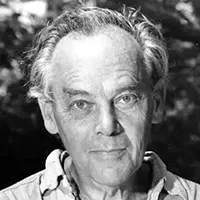
György Kepes
or applicable right holders.


Which art books, prints and posters are available by and about this artist? Here is a sample of items of interest to a typical collector:

%20Resized.webp)
.jpeg)
György Kepes, Hungarian-born American (1906–2001)
Kepes was a painter, photographer, designer, and educator who became a pivotal figure in 20th-century modernism. He is best known for his lifelong mission to bridge the gap between the arts and the hard sciences, believing that visual language was a primary tool for humanizing the modern technological world.
Early Career and the New Bauhaus
Kepes began his career in Budapest and Berlin, working closely with László Moholy-Nagy. In 1937, at Moholy-Nagy's invitation, he moved to Chicago to lead the Light and Color Department at the New Bauhaus (which later became the Institute of Design). During this time, he developed his influential theories on visual communication, which he eventually published in his landmark 1944 book, Language of Vision.
The MIT Years and CAVS
In 1946, Kepes joined the faculty at the Massachusetts Institute of Technology (MIT). His presence there was transformative:
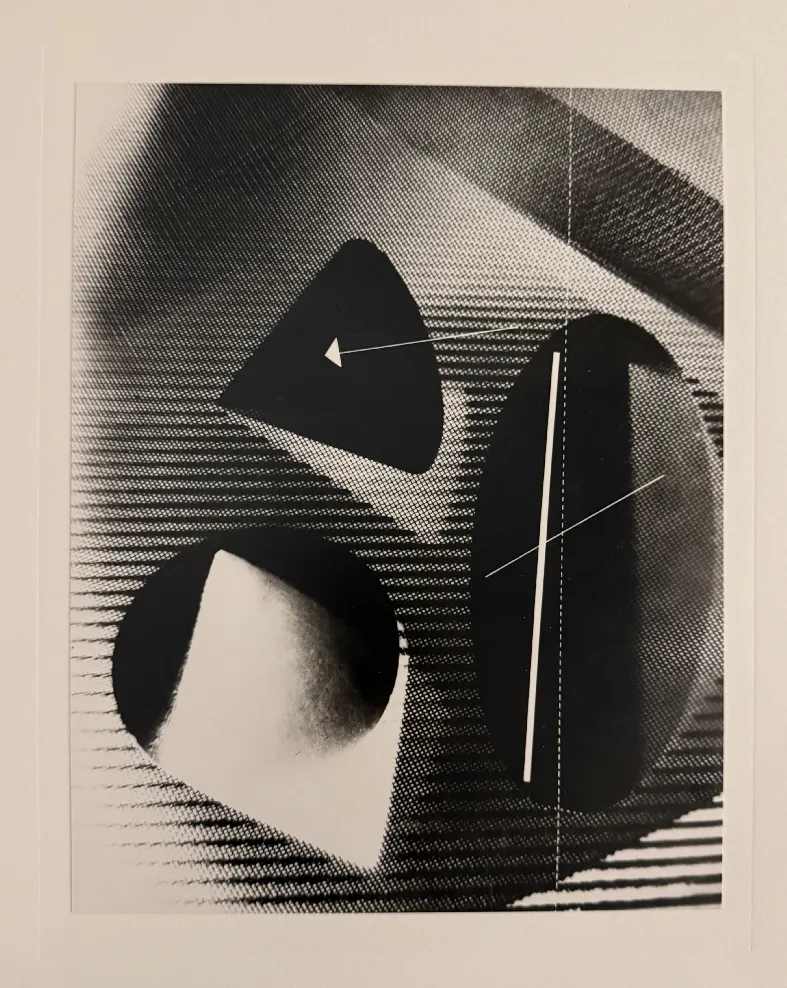
As an artist, Kepes was a master of the photogram (a camera-less photographic technique) and experimental light-based works. His aesthetic often merged organic, biological patterns with geometric, industrial precision.
"The instrument of the artist is the eye... but the eye is not an isolated window; it is a part of the human being." György Kepes
Kepes’s legacy lives on through the modern field of visual studies and the continued integration of art into technical institutions worldwide. He remains a foundational figure for anyone interested in how we perceive and organize the visual world in the digital and atomic age.
