


Which art books, prints and posters are available by and about this artist? Here is a sample of items of interest to a typical collector:


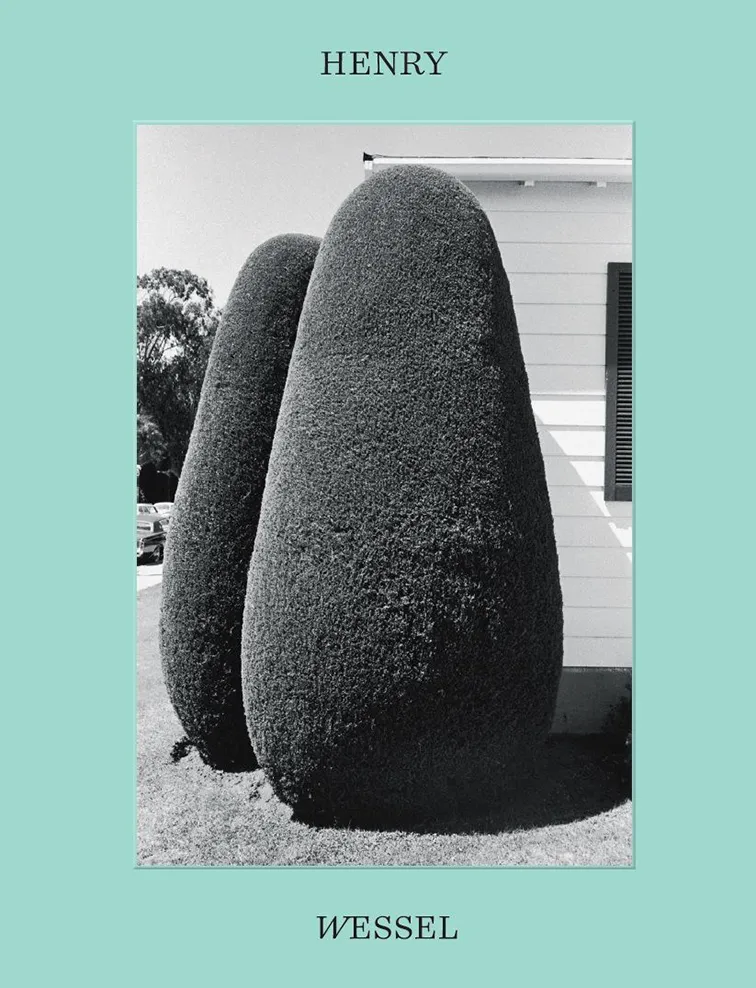

Henry Wessel, American (1942-2018)
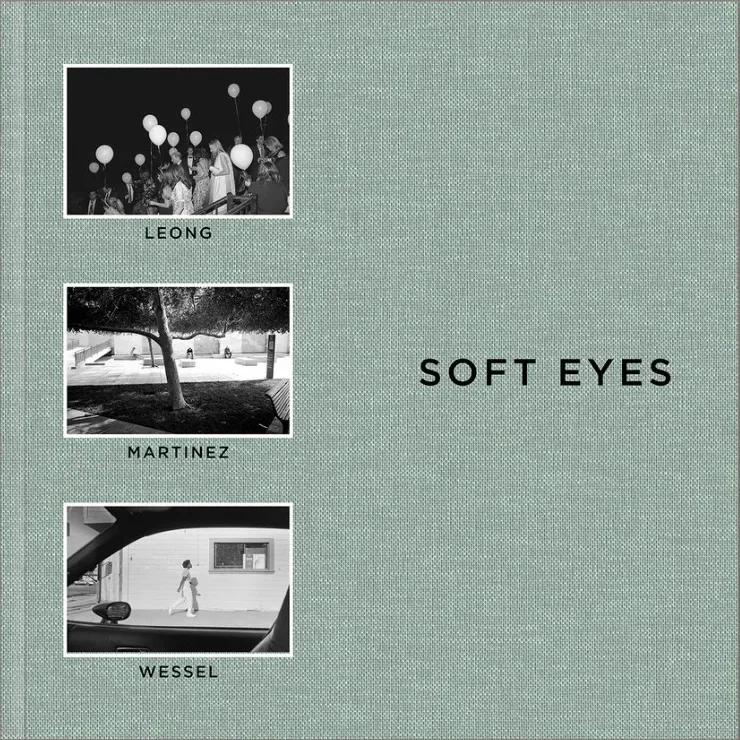
Wessel was a prolific American photographer known for his clinical yet witty observations of the American West, particularly the vernacular architecture and social landscapes of California. As a master of the "New Topographics" movement, Wessel’s work shifted the focus of landscape photography from the majestic and pristine to the mundane and man-made. He famously described his creative process as looking with "soft eyes," a state of receptive, non-judgmental observation that allowed him to capture the irony and formal beauty in everyday scenes like suburban ranch houses, parking lots, and palm trees.
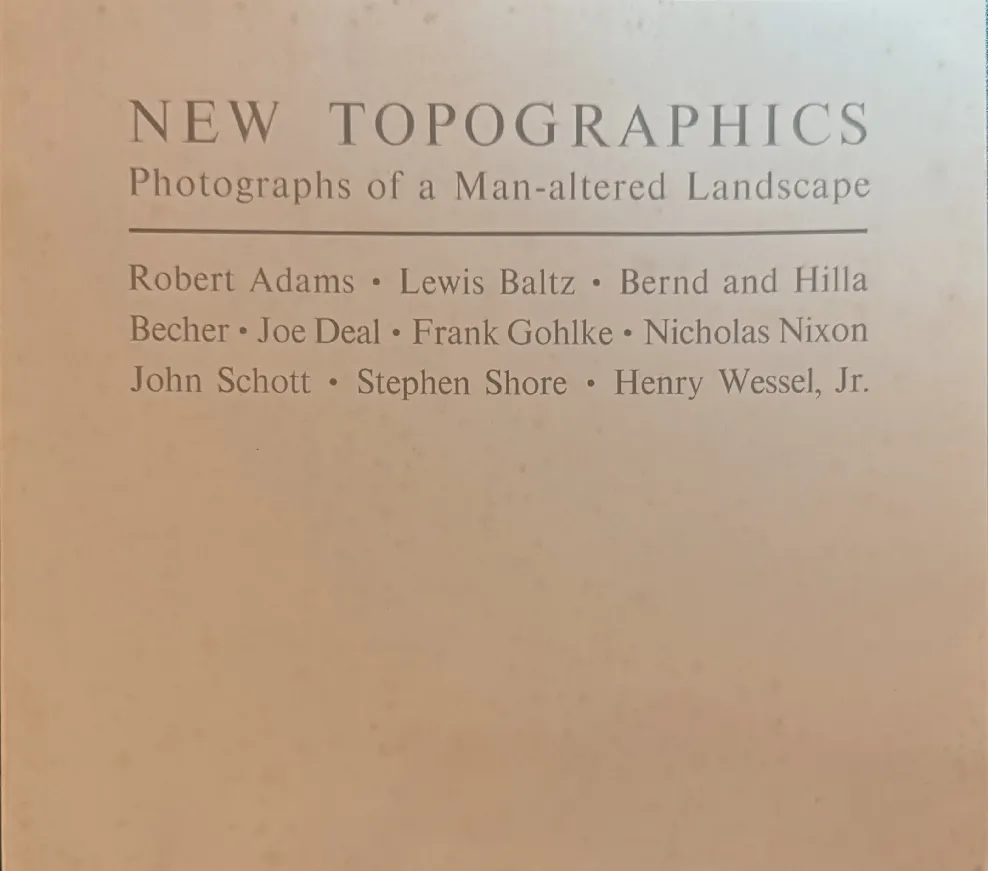
In 1975, Wessel was included in the seminal exhibition New Topographics: Photographs of a Man-Altered Landscape at the George Eastman House. This exhibition redefined the genre, favoring a detached, documentary style over the romanticism of predecessors like Ansel Adams. Living in California for much of his life, Wessel became a virtuoso of the harsh, overhead Pacific light, utilizing high-contrast black and white film to transform ordinary suburban sprawl into complex geometric compositions.
His career was marked by significant milestones, including being a rare two-time recipient of the Guggenheim Fellowship in 1971 and 1978, along with receiving two National Endowment for the Arts grants. His work has been the subject of major retrospectives, such as a significant exhibition at the San Francisco Museum of Modern Art in 2007. Today, his photographs are held in the permanent collections of the Museum of Modern Art (MoMA) in New York, the Metropolitan Museum of Art, and the Victoria and Albert Museum in London.
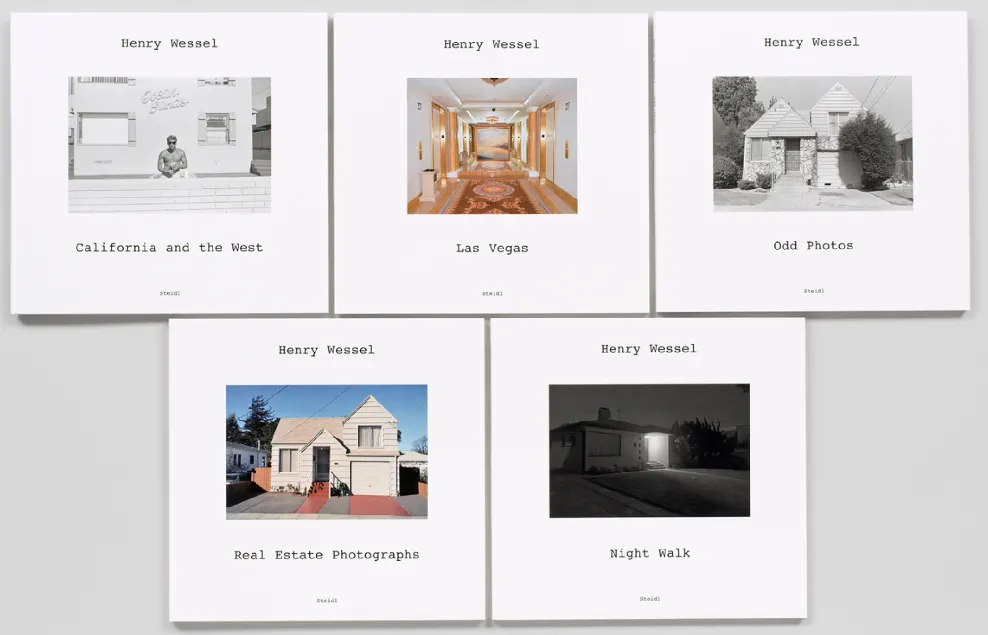
Wessel was highly selective with his sequencing and often waited years to publish bodies of work to ensure they maintained a cohesive narrative. Notable publications include California and the West, which offers a definitive look at his fascination with the American landscape, and Waikiki, a series focused on the unique social and architectural friction of the Hawaiian tourist hub. He also produced Incidents, a collection that highlights his ability to find brief, strange moments in the flow of daily life. As Wessel once noted, a photograph is not a substitute for an experience, but rather a new experience entirely.

New Topographics: Photographs of a Man-Altered Landscape (1975) is the seminal exhibition catalog published by the International Museum of Photography at George Eastman House for the groundbreaking exhibition curated by William Jenkins.
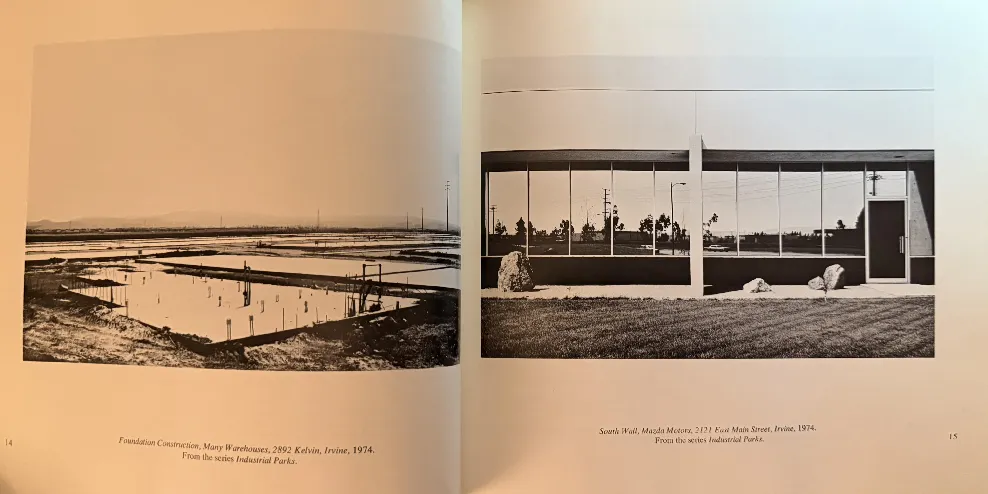
The catalog documents a pivotal shift in 20th-century American landscape photography away from the idealized, majestic wilderness traditions of Ansel Adams and Edward Weston. Instead, it features artists who approached the modern built environment with deadpan neutrality, clinical detachment, and objective, documentary precision.
The featured photographers, Robert Adams, Lewis Baltz, Bernd and Hilla Becher, Joe Deal, Frank Gohlke, Nicholas Nixon, John Schott, Stephen Shore, and Henry Wessel, systematically recorded suburban suburban sprawl, industrial parks, highway strip developments, housing developments, and motels across the American West and industrial centers.
Rather than seeking untouched natural beauty, the project examines the visual reality of human intrusion, suburban expansion, and land development. Images are characterized by a banality of subject matter, rigid geometric composition, wide-angle or large-format clarity, and an intentional lack of drama, sentimentality, or overt emotional commentary. Influenced heavily by Bernd and Hilla Becher's systematic documentation of industrial structures in Europe, the catalog emphasizes seriality, architectural forms, and comparative observation.
New Topographics fundamentally redefined how landscape photography was understood and practiced. By elevating ordinary, human-altered environments to formal art, it influenced generations of photographers and remains one of the most important intellectual and aesthetic turning points in contemporary photography.