



Which art books, prints and posters are available by and about this artist? Here is a sample of items of interest to a typical collector:
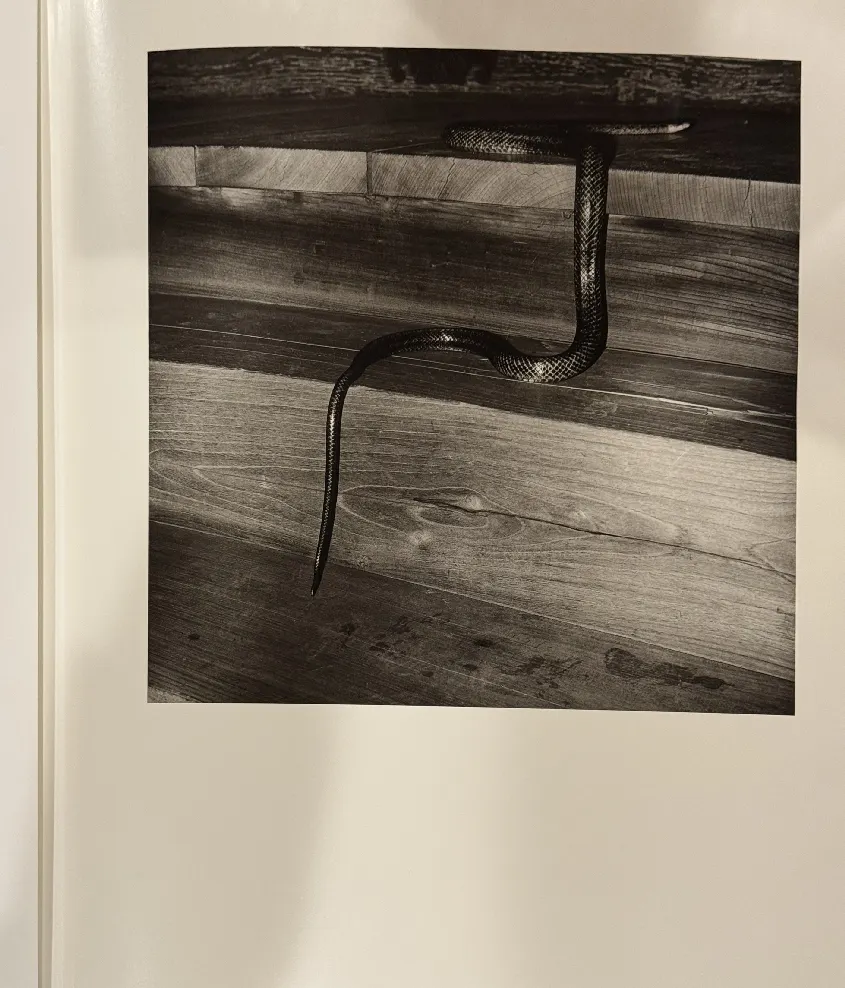

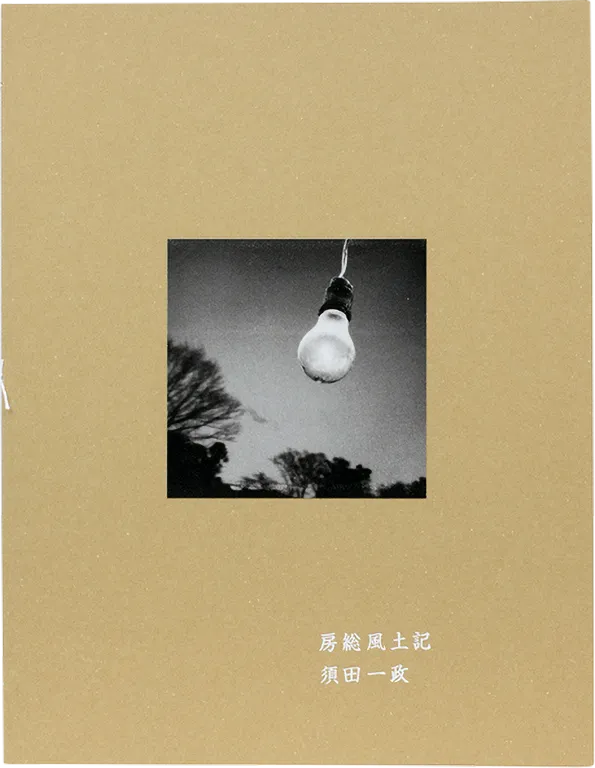
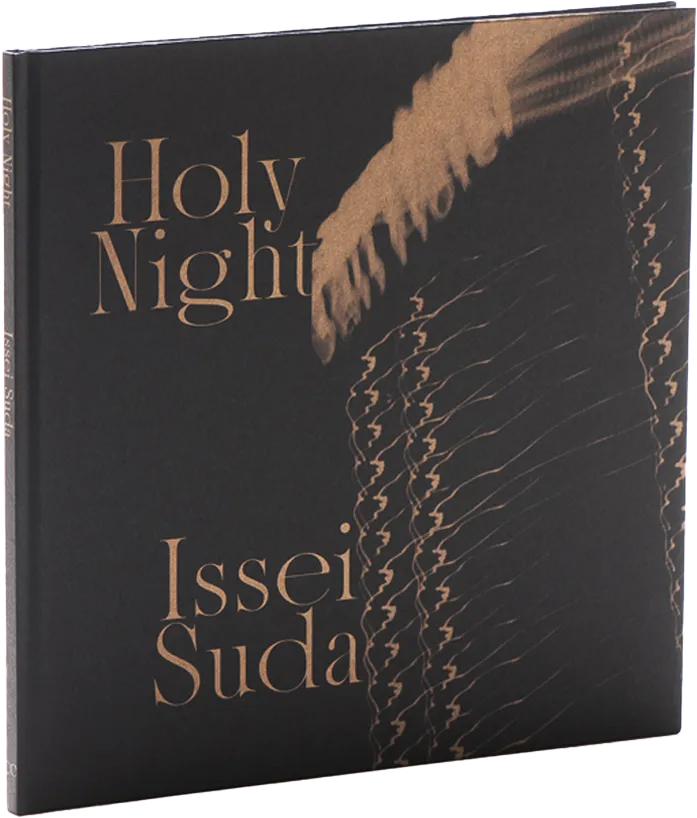
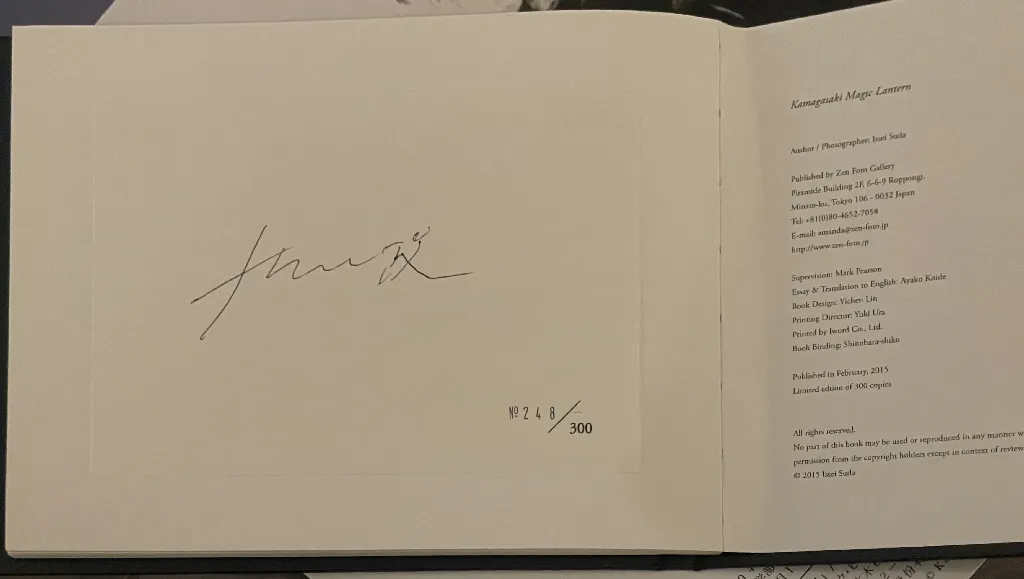
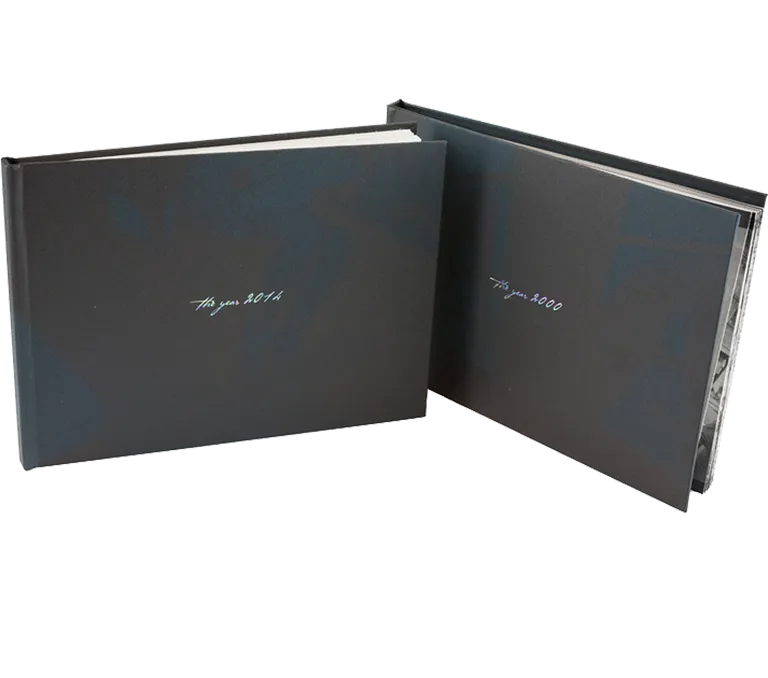
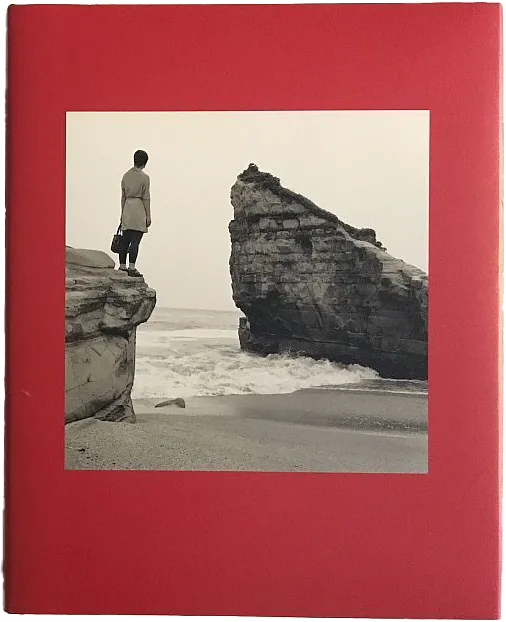
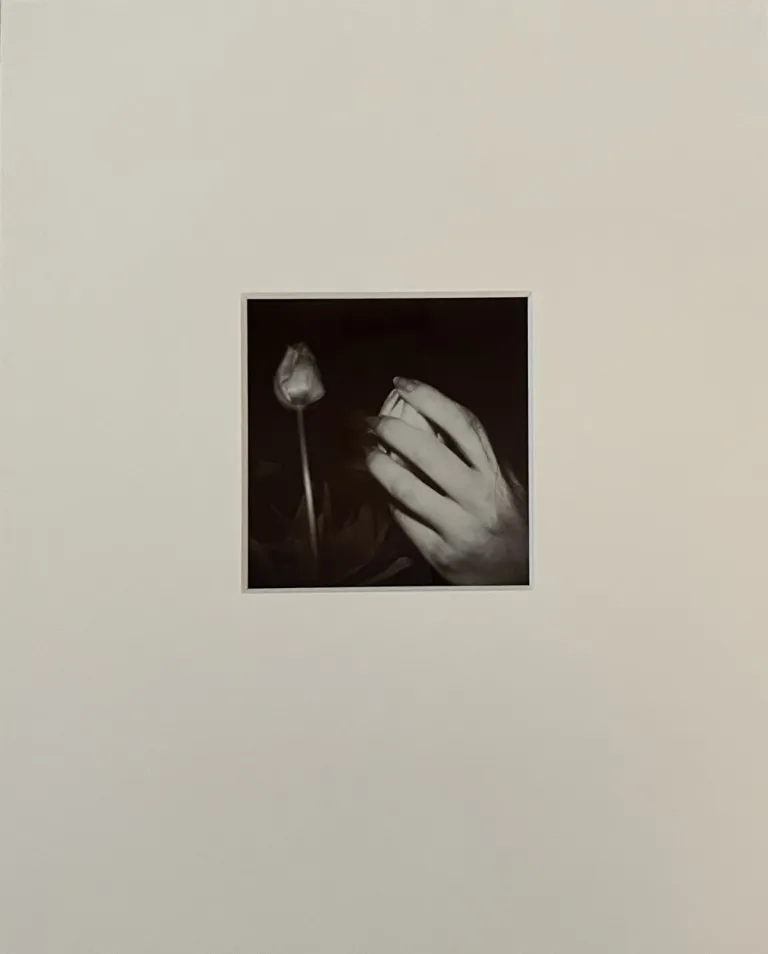
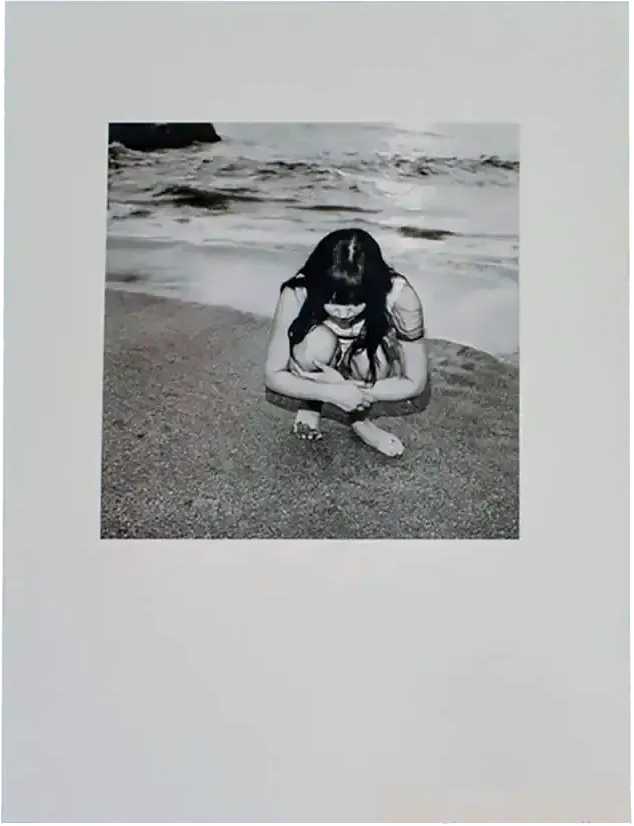
Issei Suda (1940–2019) was a highly celebrated Japanese photographer recognized for his masterful square-format, black-and-white images that capture the subtle surrealism and quiet tension of everyday life in Japan. Born in Tokyo, he initially worked as a stage photographer for an avant-garde theater troupe before transitioning to freelance photography in the early 1970s. Suda was deeply fascinated by the intersection of traditional Japanese culture, folk festivals, and the rapidly modernizing urban streets of Tokyo and surrounding prefectures. His keen eye often isolated ordinary subjects, passersby, street performers, animals, and urban fragments, infusing them with a slightly unsettling, otherworldly quality.
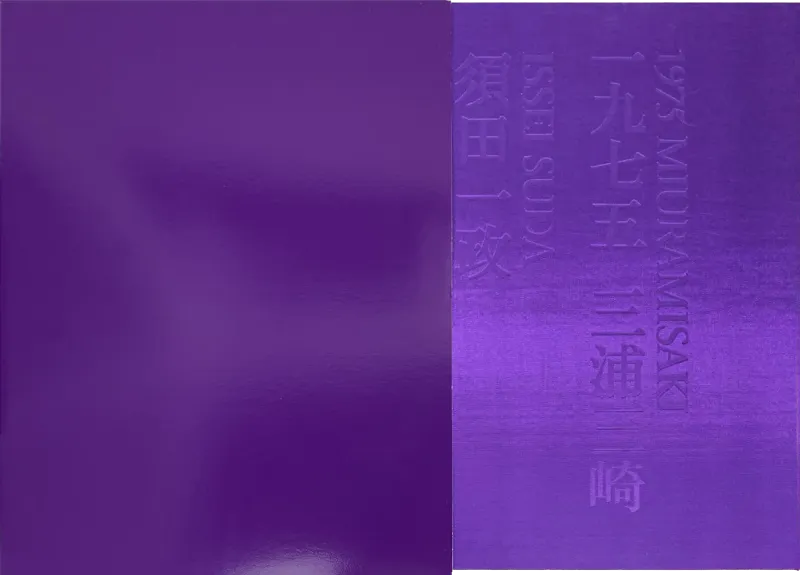
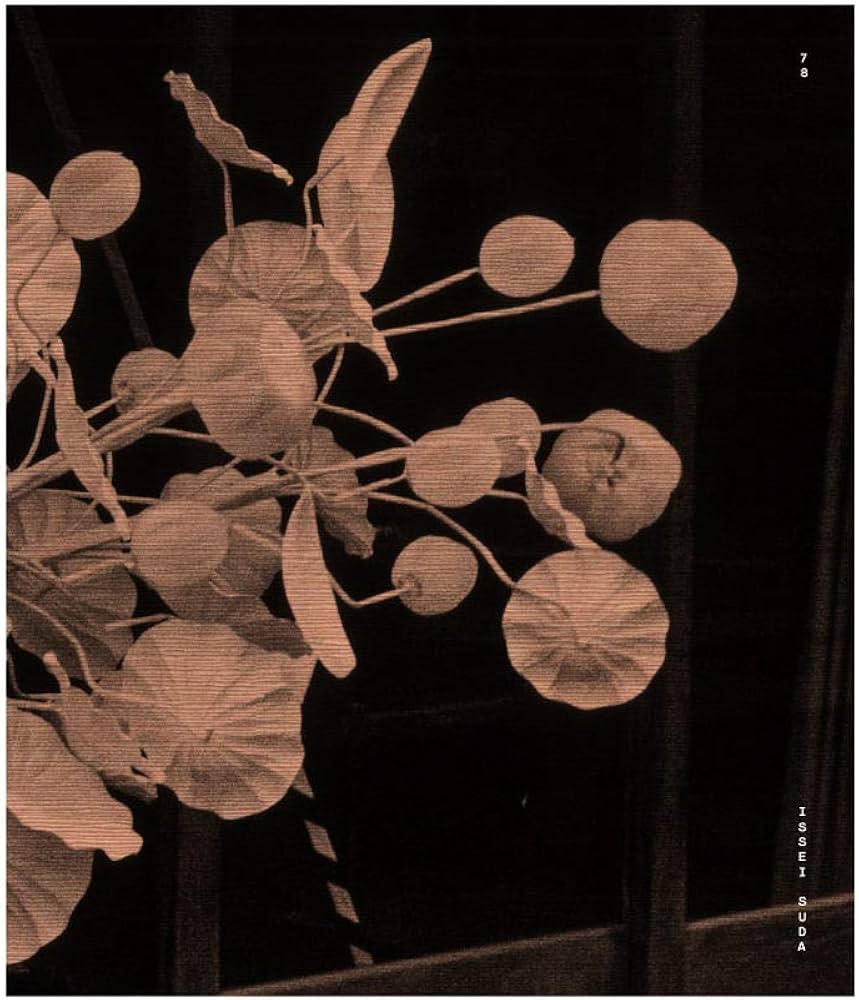
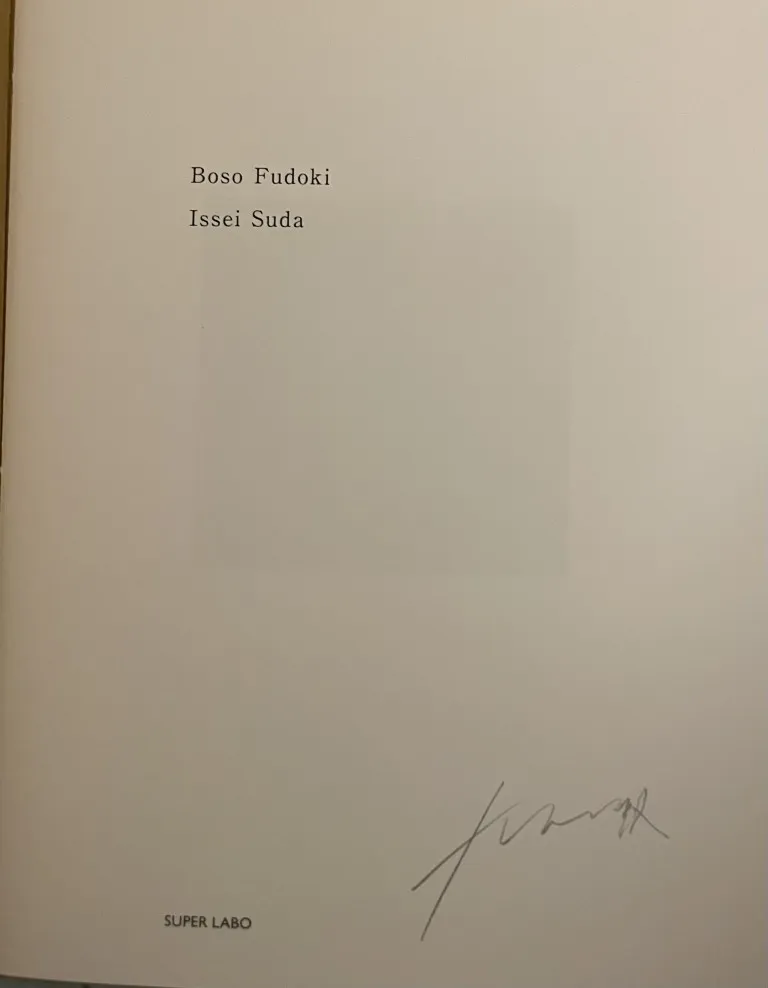
Throughout his prolific career, Suda published numerous influential photobooks that are highly sought after by collectors, including Boso Fudoki, Kamagasaki Magic Lantern, Holly Night, and Sparrow Island. His work is represented in the Bushwick Sur Seine collection through some of these titles, along with 1975 Miuramisaki and 78, as well as specific prints from Sparrow Island and his Polaroid works. Today, his photographs are celebrated globally and held in major institutions, cementing his legacy as one of the most distinctive and poetic voices in post-war Japanese photography.

