




Which art books, prints and posters are available by and about this artist? Here is a sample of items of interest to a typical collector:


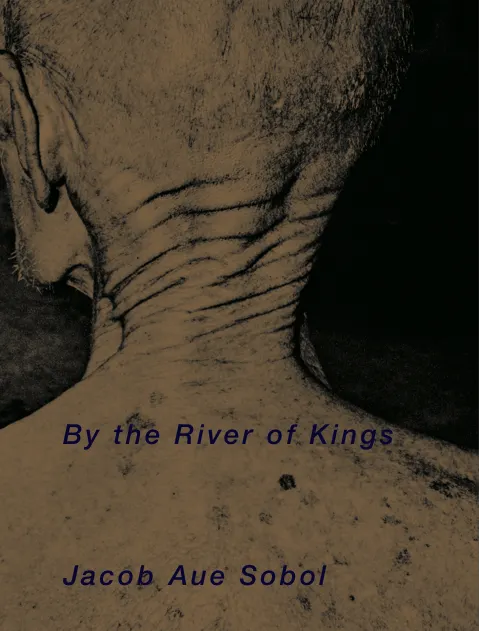

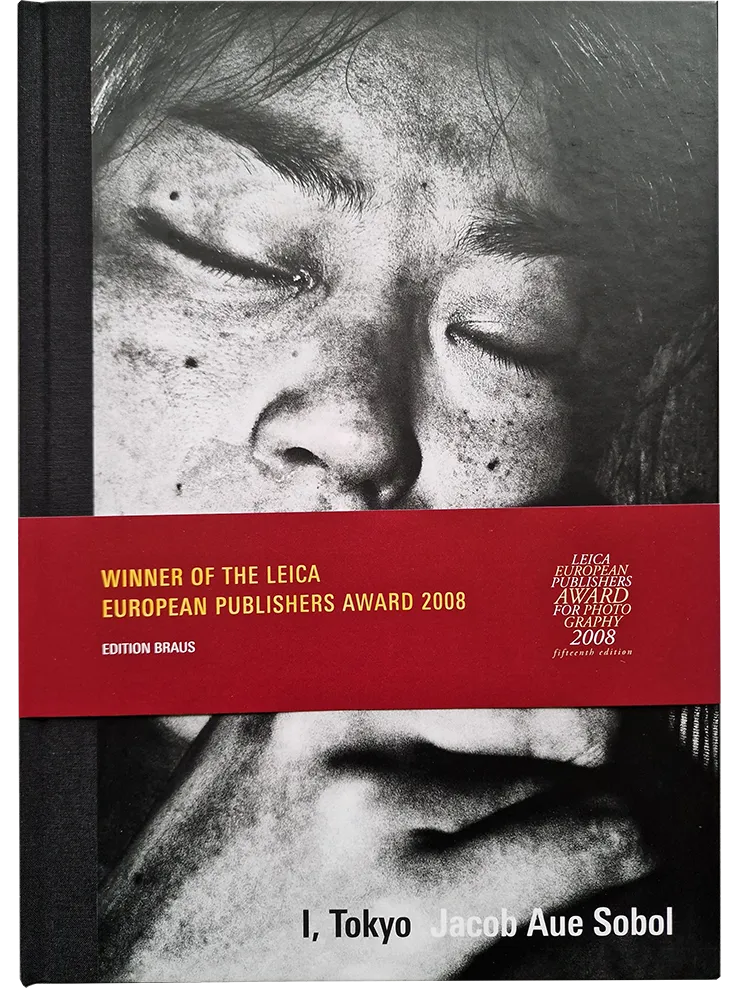

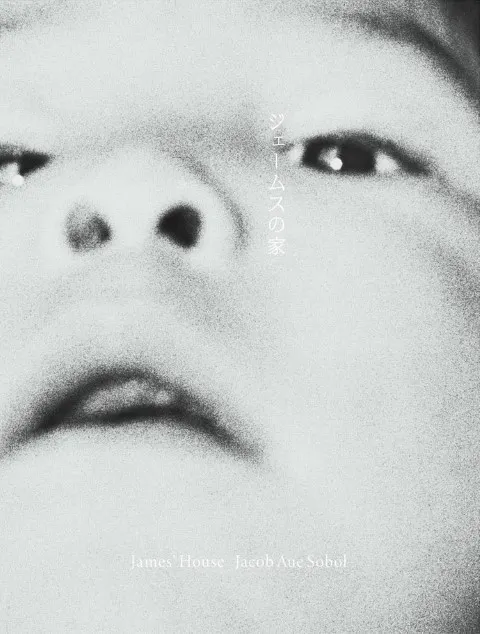
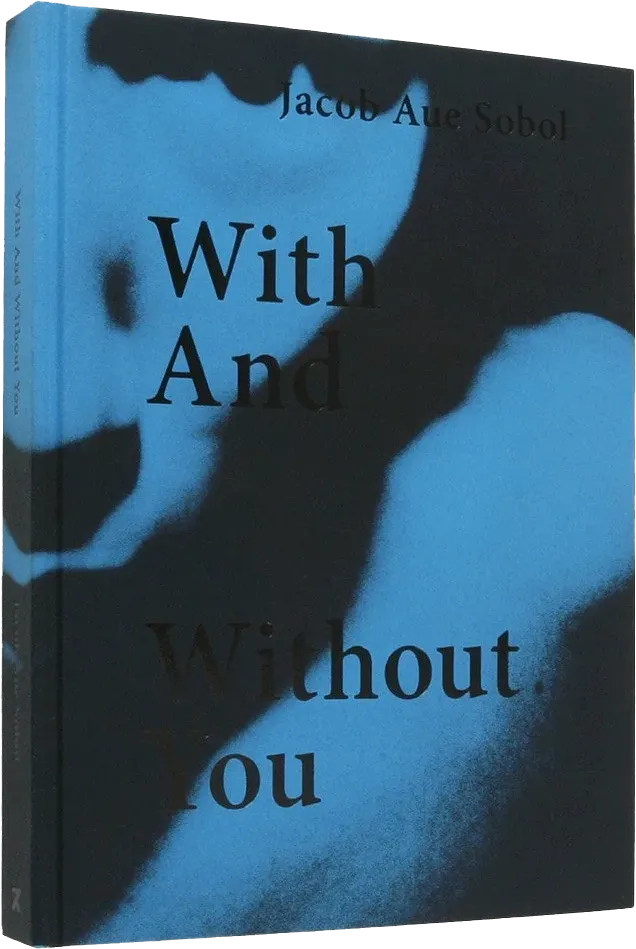



%20Resized.webp)


Jacob Aue Sobol (b. 1976, Copenhagen) is a Danish photographer and member of Magnum Photos, known for an intimate, high-contrast black-and-white style that blurs the line between documentary and diary.
After studying at the European Film College and Fatamorgana, the Danish School of Art Photography, he traveled to Greenland, where a relationship with a local woman, Sabine, led him to settle in the East Greenlandic settlement of Tiniteqilaaq for several years, working as a fisherman and hunter. The resulting book, Sabine (2004), established his signature approach: raw, close, emotionally direct images that treat photography as a way of living inside a place rather than observing it from outside.
He went on to live in Tokyo (2006–2008), producing I, Tokyo, and has since photographed extensively in Bangkok (By the River of Kings), along Russia's Trans-Siberian route and Kolyma Highway (Arrivals and Departures, Road of Bones), and in Greenland, Denmark and the United States. His work centers on the search for love and connection within harsh or unfamiliar surroundings, rendered through instinctive, often grainy and darkly printed imagery.
Sobol joined Magnum Photos as a nominee in 2007 and became a full member in 2012. His honors include the World Press Photo Award (2006), the Leica European Publishers Award (2008), and a nomination for the Deutsche Börse Photography Prize (2005); his work is held in institutional collections including SFMOMA.


Jacob Aue Sobol documents his repeated journeys along the Trans-Siberian Railway and its branch lines through Russia, Mongolia, and China (Moscow, Ulan Bator, Beijing) in 2012. Shot in intense, sometimes near-obsessive bursts, often over 1,000 frames a day across 28-day trips, the work is rendered in stark, dramatic black-and-white images.
Rather than a travelogue celebrating the romance of the railway, the book is an intimate, non-narrative meditation on cultural transition and disconnection: Sobol focuses on private, unguarded moments of the people he encounters, capturing discomfort, loneliness, and the emotional gap between traveler and stranger as globalization reshapes these societies. Writer Pico Iyer has described the images as "antisnapshots" deliberately resisting easy, postcard-like interpretation in favor of raw, unresolved human contact.
It's a companion piece of sorts to Sobol's earlier, similarly intimate diaristic work like Sabine and I, Tokyo, applying that same close, emotionally exposed style to a much larger geographic canvas.