


Copyright ©
James Welling
or applicable right holders.


Which art books, prints and posters are available by and about this artist? Here is a sample of items of interest to a typical collector:


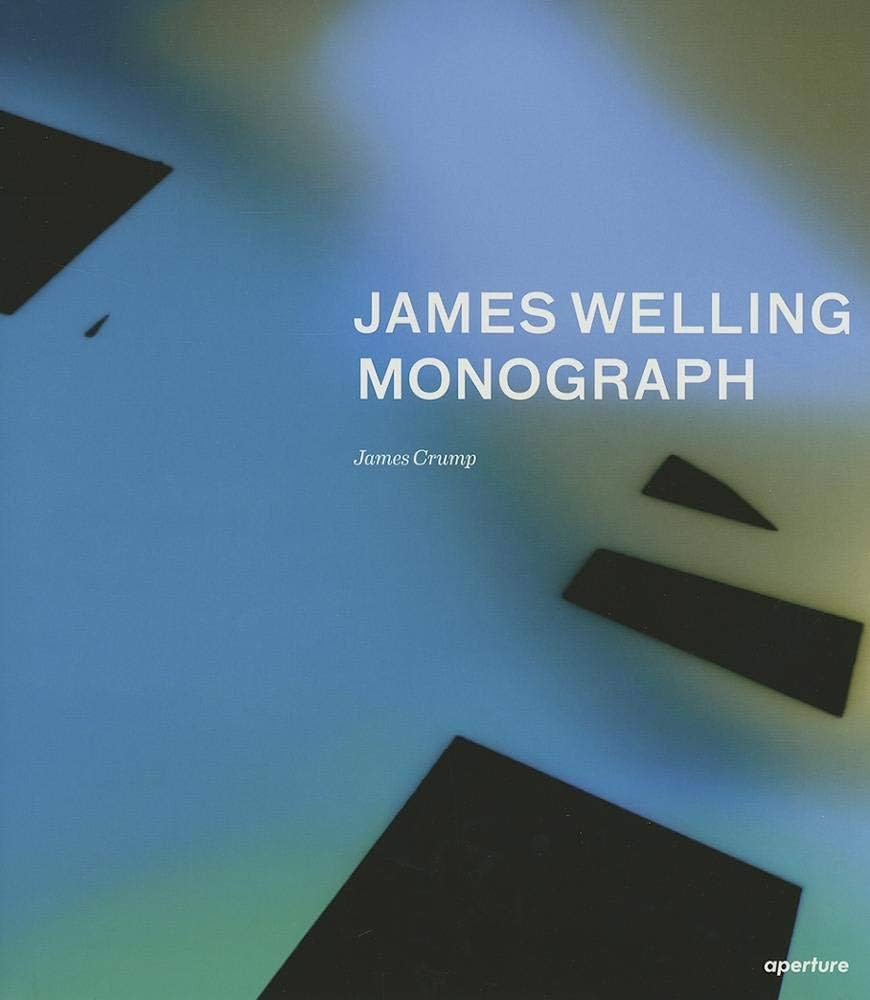


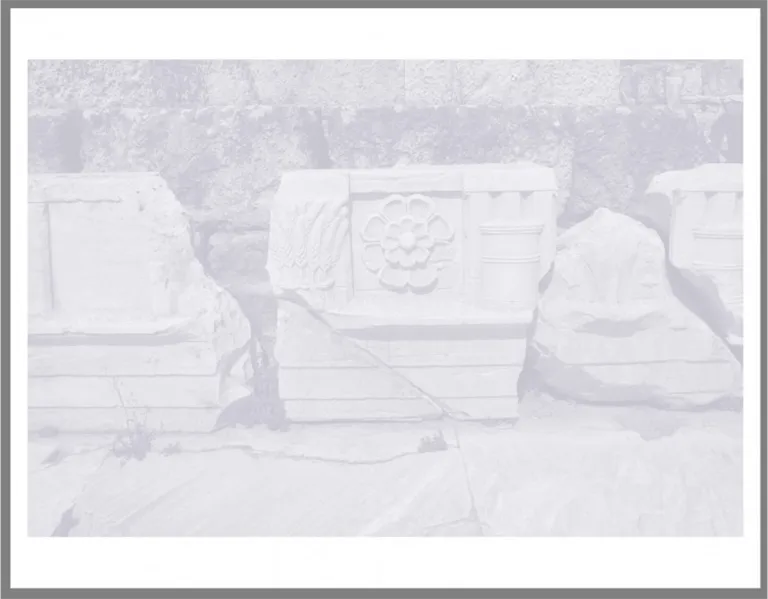

James Welling, American, 1951.
James Welling is a foundational figure in contemporary photography whose practice rigorously interrogates the medium's mechanical, chemical, and optical limits. Emerging in the late 1970s alongside the Pictures Generation, Welling quickly distinguished himself by rejecting a singular, signature style in favor of an expansive, experimental approach. His work oscillates fluently between objective architectural documentation and pure material abstraction, constantly questioning how photographic images are constructed, reproduced, and consumed. Rather than treating the camera merely as a tool for capturing reality, Welling treats the entire photographic apparatus, from the physics of light to the chemistry of the darkroom and the digital algorithms of modern printing, as his primary subject matter.
Throughout his career, Welling has produced a diverse array of key series that critically examine the nature of representation and formalist aesthetics. In early abstract works like Aluminum Foils and Degradés, he utilized simple materials and darkroom manipulation to push the medium to its non-representational edges. In his expansive Light Sources series, he shifted focus to the fundamental elements of photographic exposure, cataloging mundane scenes and glowing objects to explore how light itself is recorded on film. His profound engagement with architecture is evident in Glass House, where he utilized colored filters to transform Philip Johnson’s iconic modernist structure into a fractured, kaleidoscopic study of transparency and spatial geometry. Similarly, in Diary/Landscape, he mapped the tactile and historical layers of the American landscape, grounding his conceptual inquiries in the physical environment.
James Welling’s photographs systematically dismantle and analyze the very mechanics of the photographic medium, directly engaging the BSS archive's core focus on formalism and mechanical reproducibility. While many photographers represented in the collection use the camera as a transparent window to observe the landscape or the built environment, Welling treats the photographic apparatus itself - the chemistry, the light, the color filters, and the physical printing process - as his primary subject.
His relentless experimentation with both objective representation and pure abstraction challenges the traditional boundaries of the printed image. By shifting seamlessly between stark architectural studies, such as his fractured color work on Philip Johnson’s Glass House, and camera-less darkroom abstractions, his practice underscores the collection's interest in how visual meaning is constructed through the physical and optical limits of the medium.


→