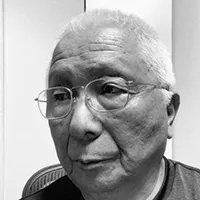




Which art books, prints and posters are available by and about this artist? Here is a sample of items of interest to a typical collector:


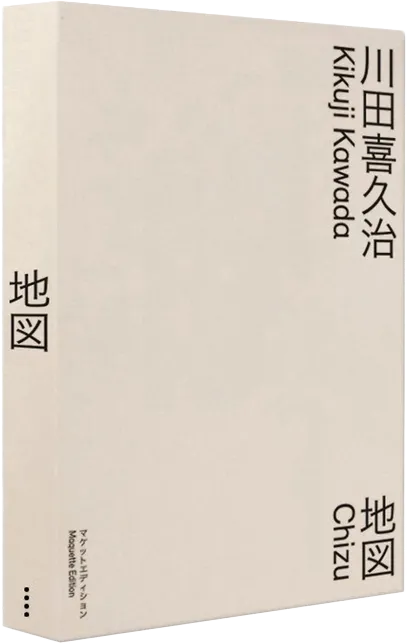
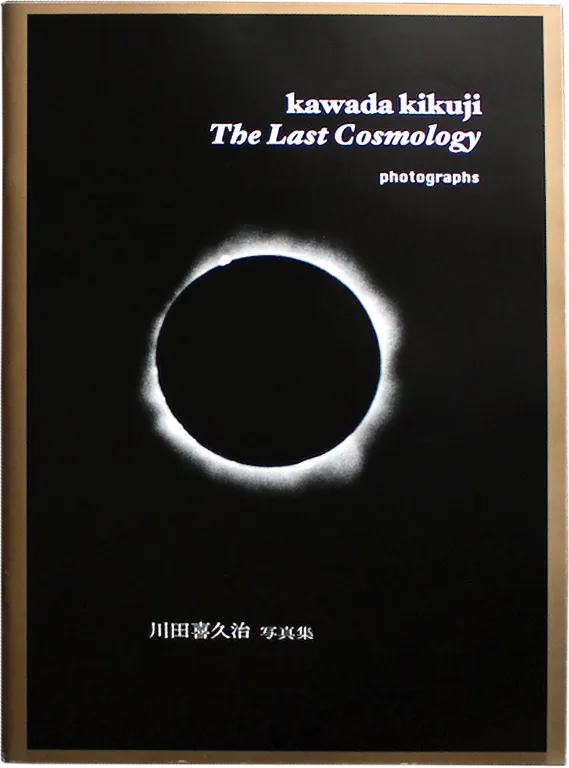
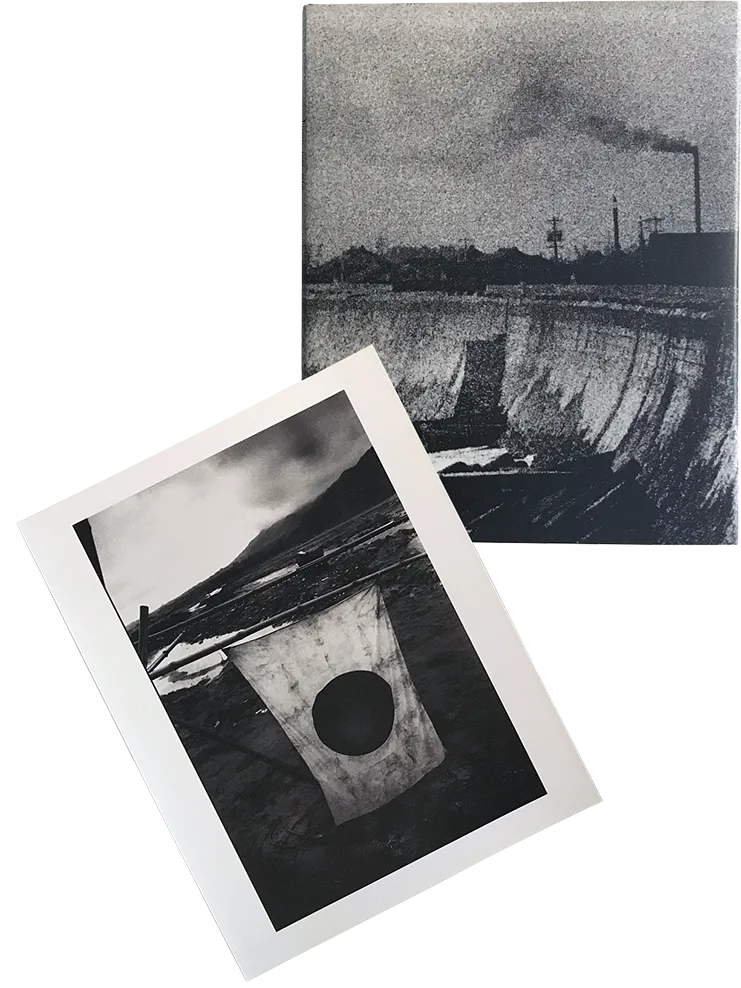
%20copy.webp)
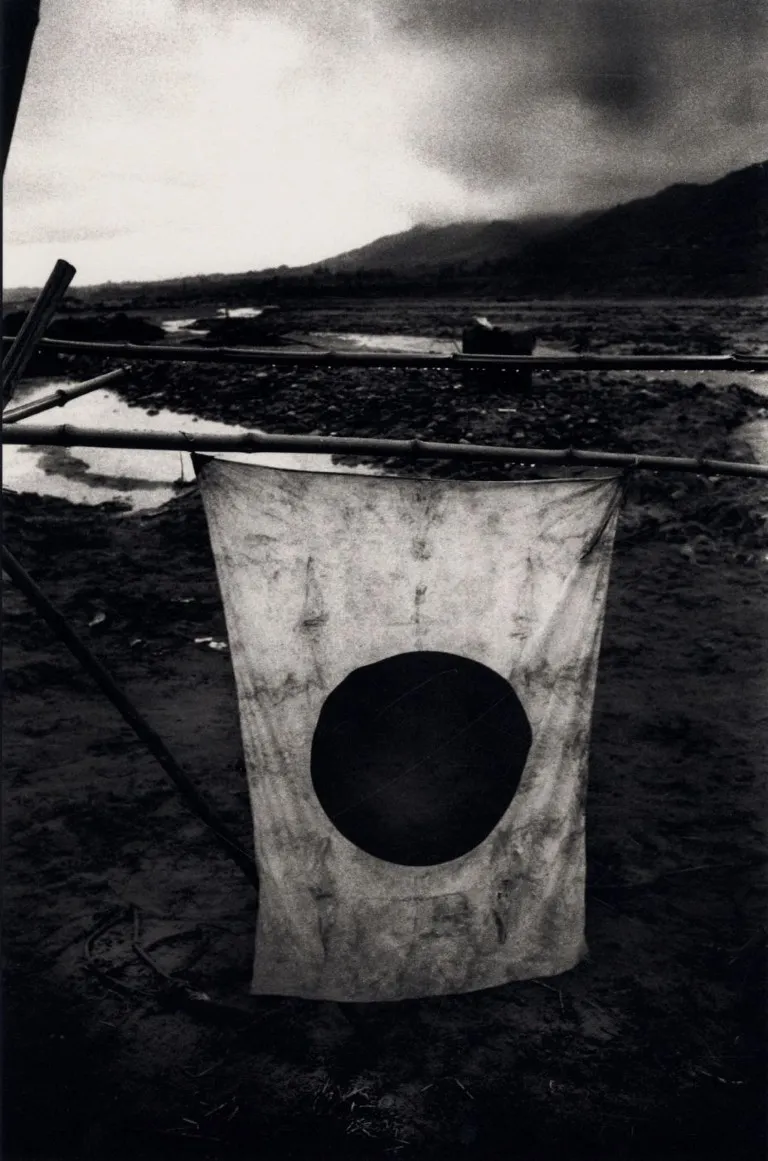
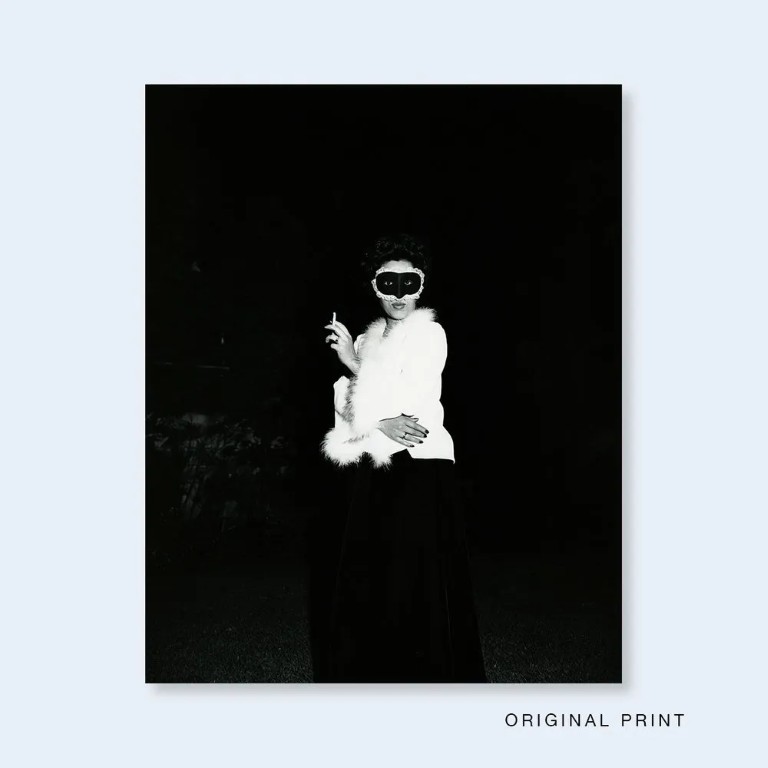
Kikuji Kawada is a pioneering figure in postwar Japanese photography, renowned for his deeply expressive and metaphorical approach to the medium. Born in Ibaraki Prefecture in 1933, he co-founded the short-lived but highly influential photographer-led avant-garde collective VIVO in 1959 alongside contemporaries like Ikko Narahara and Shomei Tomatsu. This group sought to dismantle traditional documentary objectivity in favor of a deeply personal, subjective visual language that mirrored the psychological state of a transforming Japan.
Kawada's reputation was firmly established with his monumental project The Map (Chizu), published in 1965 on the twentieth anniversary of the atomic bombing of Hiroshima. The work became a masterclass in conceptual photobook design, utilizing complex gatefolds to mirror the act of uncovering painful memories. His imagery of the burnt, blistered ceilings of the Hiroshima Peace Memorial, discarded reinforcement bars, and the encroaching icons of American consumerism served as a profound meditation on national trauma, ruin, and the weight of history.
Throughout his career, Kawada has continued to explore themes of memory, cosmic order, and temporal shift through major series such as The Last Cosmology and Vortex. His work consistently challenges the boundaries between documentary realism and abstract expressionism, capturing the invisible currents of history and climate change. Today, his photographs are held in major institutional collections worldwide, including the Museum of Modern Art in New York and the Tate Modern in London, cementing his legacy as one of the most conceptually rigorous artists of his generation.


Kikuji Kawada's The Map (Chizu) is widely considered one of the most important and masterfully designed volumes in the history of photography.
The legendary first edition was published in Tokyo in 1965 by Bijutsu Shuppan-sha, on the exact twentieth anniversary of the atomic bombing of Hiroshima. Designed by the renowned graphic designer Kohei Sugiura, the book is famous for its intricate, multi-layered structure featuring complex gatefold pages that the viewer must physically unfold to reveal the images. Visually, it is an intense, high-contrast psychological investigation of post-war Japan's collective trauma. Kawada's imagery focuses on the architectural stains left on the ceiling of the Hiroshima Peace Memorial (the Genbaku Dome), discarded scrap metal, reinforcing bars, and the overlapping symbols of American consumer culture and military occupation, creating a powerful metaphor for memory, ruin, and national grief.
The 2005 edition in this collection represents the first formal reprint of this masterpiece, published forty years after the original by Nazraeli Press. This second edition was limited to only 500 copies globally. While the 1965 original has become exceptionally rare and fragile, this 2005 reissue faithfully preserves the conceptual weight of Kawada's vision, presented as a set of boards with an accompanying explanatory leaflet housed together in a protective slipcase. This specific copy is hand-signed and numbered 410/500 by Kawada himself