
Miyako Ishiuchi

Miyako Ishiuchi
To artist biography

Miyako Ishiuchi

Which art books, prints and posters are available by and about this artist? Here is a sample of items of interest to a typical collector:

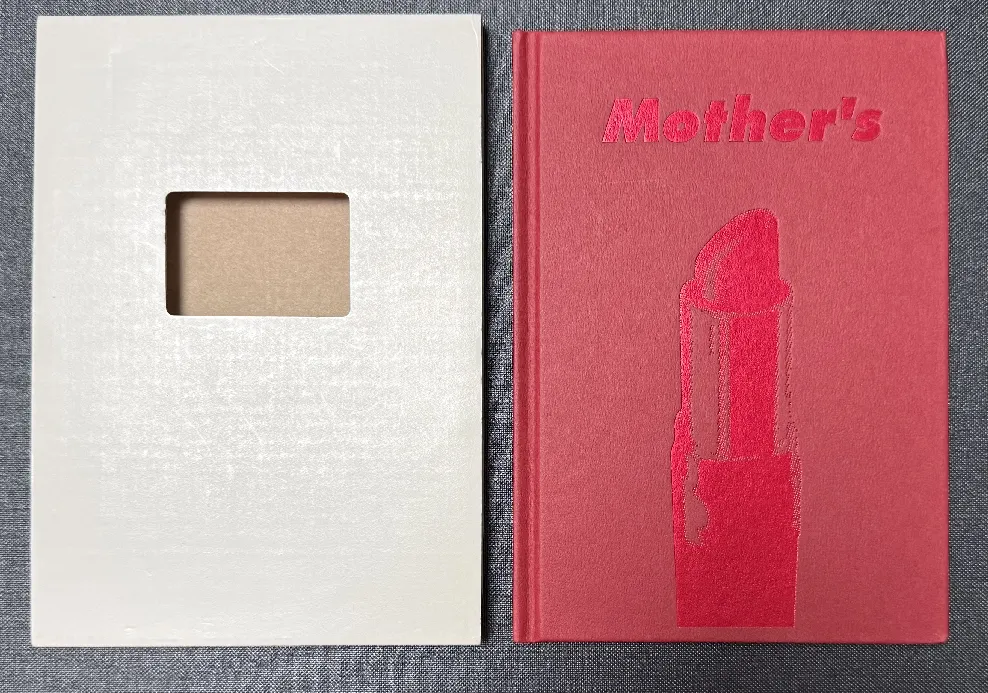
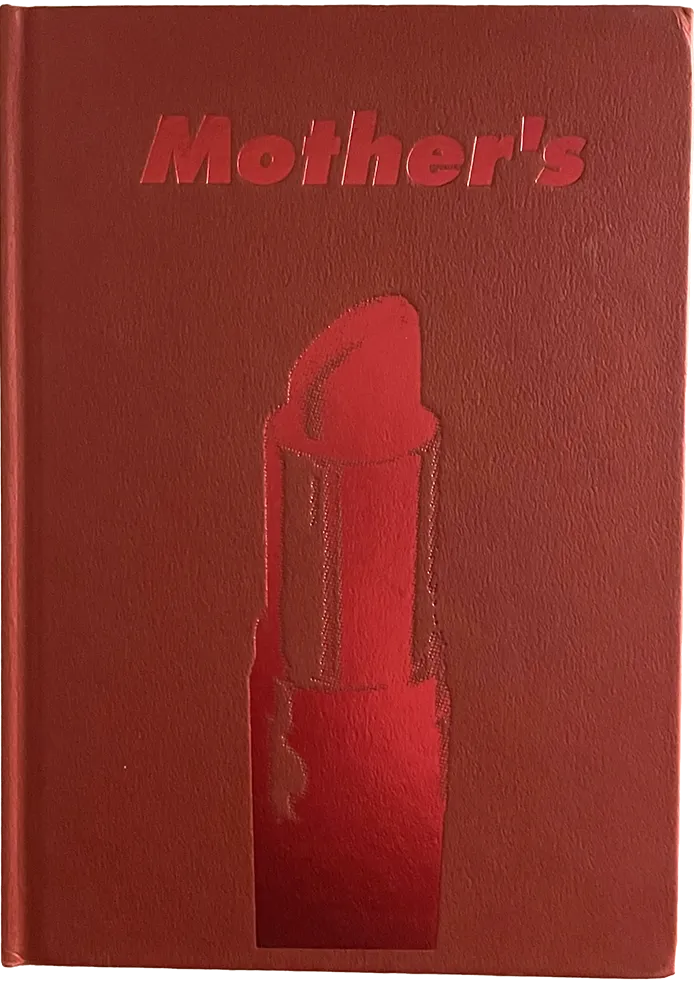
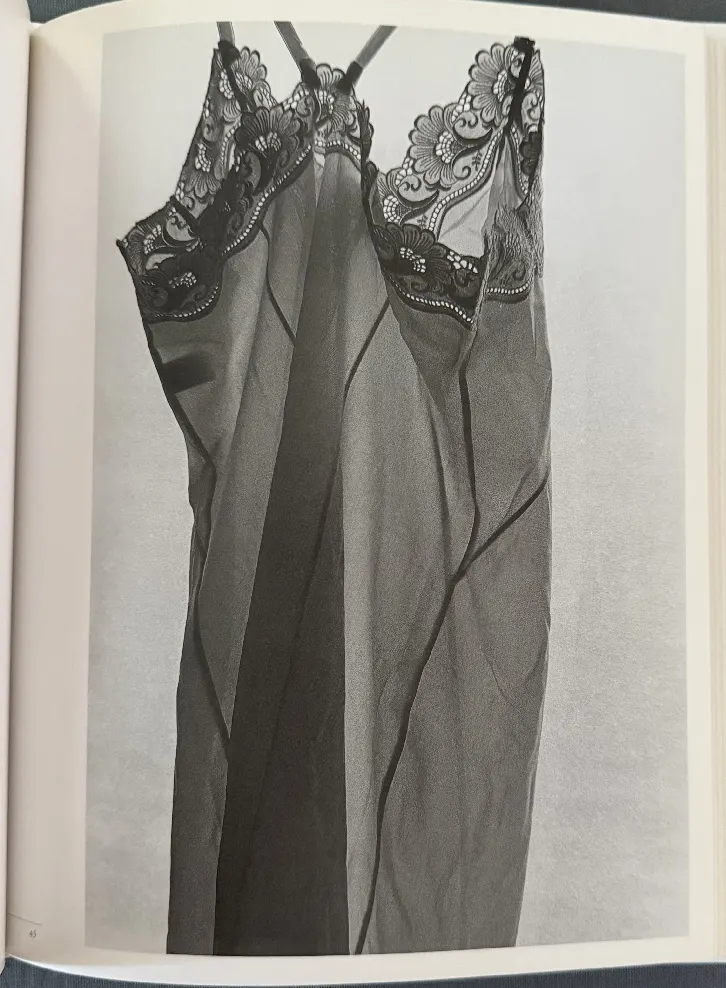
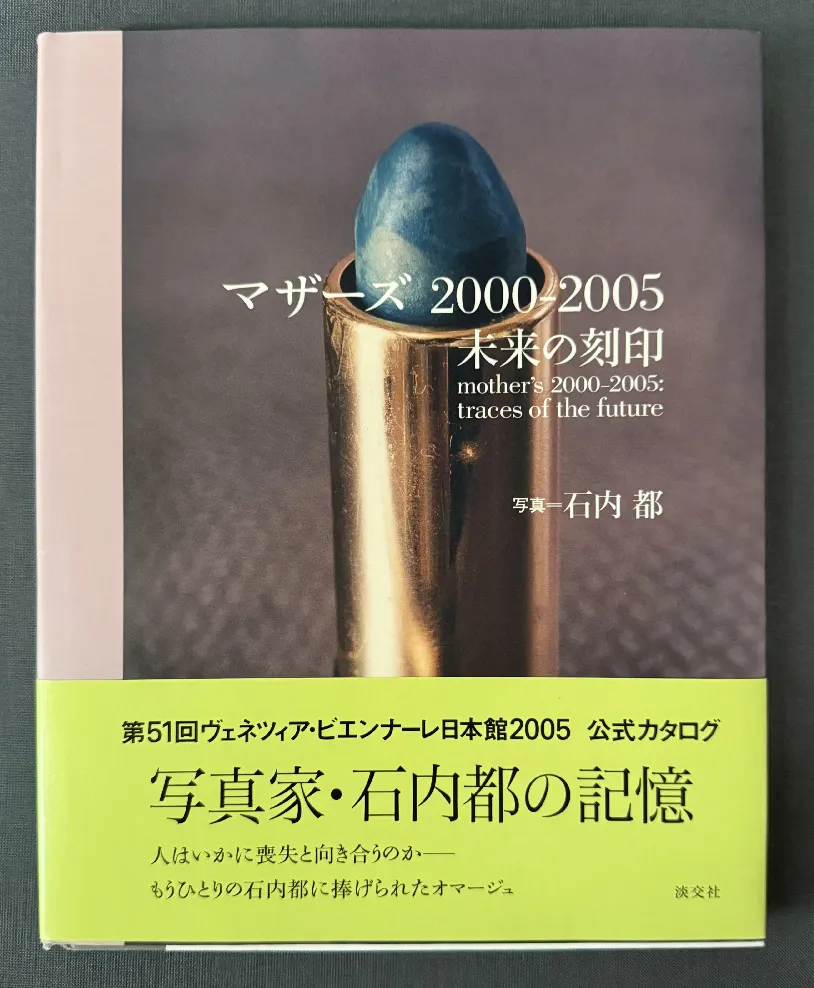
"Ishiuchi’s work is included in many important museum collections in Japan and America, but it was with ‘Mother’s’ that she was chosen to represent Japan at the 2005 Venice Biennale. She began to photograph her mother systematically and intimately in the last years of her life until 2000, when she died suddenly. Although their relationship had been strained, Ishiuchi was deeply affected. She proceeded to document her mother's possessions in order to come to terms with her death, and in an attempt to understand the bond between them.After her husband was reported missing in World War II, Ishiuchi’s mother had earned her living as a truck driver. When she became pregnant by another man, her first husband suddenly reappeared. Divorce followed a week before Ishiuchi was born.The objects documented tell the story of a fashionable and resilient woman; elegant close-ups of intimate personal effects- make up, hairbrushes and underwear that still bear the evidence of recent use, showing a life that was painful but not without beauty." (Michael Hoppen Gallery)

Book images

Tankosha / Japan Foundation

2005
with:
Edition:
1st
Edition size:
Out of Print
Other edition(s):
Softcover with obi
ISBN:
Condition: Near Fine
Book images

Sohyu - Sha & Mole

1998
with:
Edition:
First
Edition size:
Out of Print
Other edition(s):
Slipcased softcover
ISBN:
Condition: Fine

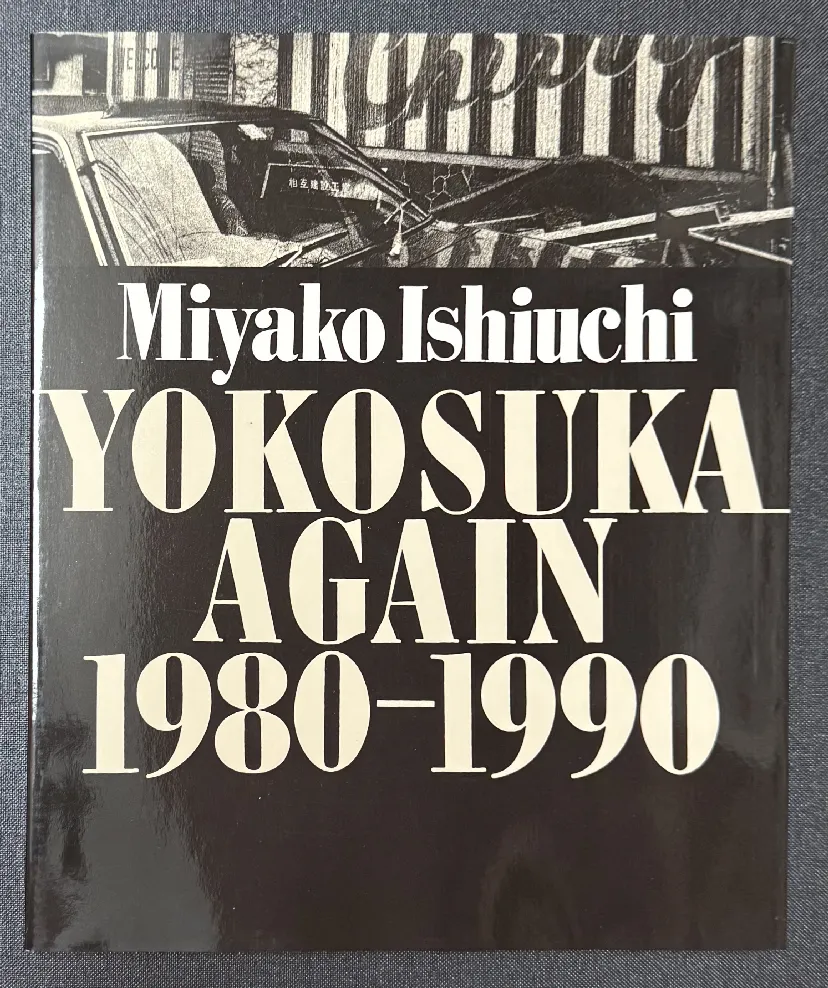
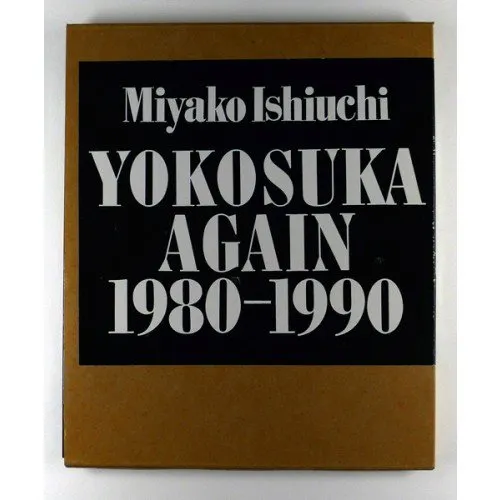
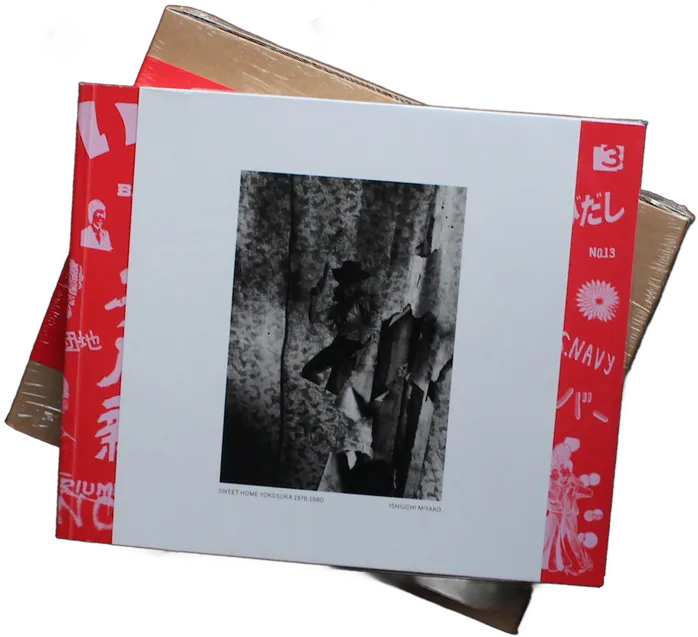
As a child, Miyako grew up in the port town of Yokosuka, which she would revisit on multiple occasions to create two series of works, Yokosuka Story(1976–1977) and Yokosuka Again (1980–1990).

Yokosuka Again places Miyako’s camera at the epicenter, or root cause, of her childhood anxieties. She enters Honchō, a neighborhood popular with American soldiers and sex workers to this day, and documents the bars and clubs previously forbidden to her as a child. The images mark her willingness to face the trauma of her past as well as the US military base that keeps the city of Yokosuka frozen in time. Interior shots of the Enlisted Men’s Club, a run-down hangout of soldiers demolished in 1990, as well as the dark silhouette of a US naval ship in “Yokosuka Again #43” (1980–1990) appear as specters of the city’s wartime past and militarized present.

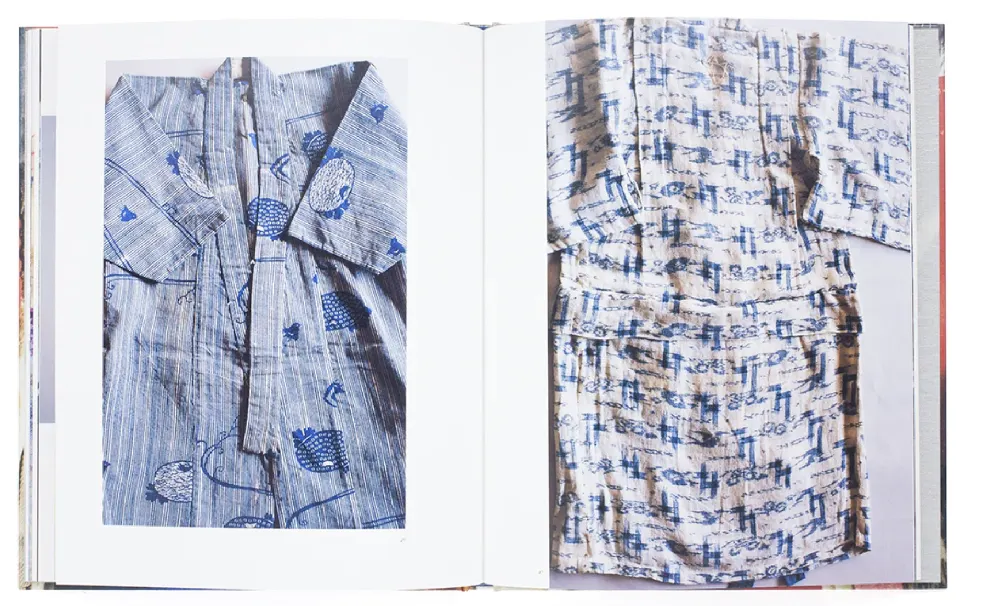
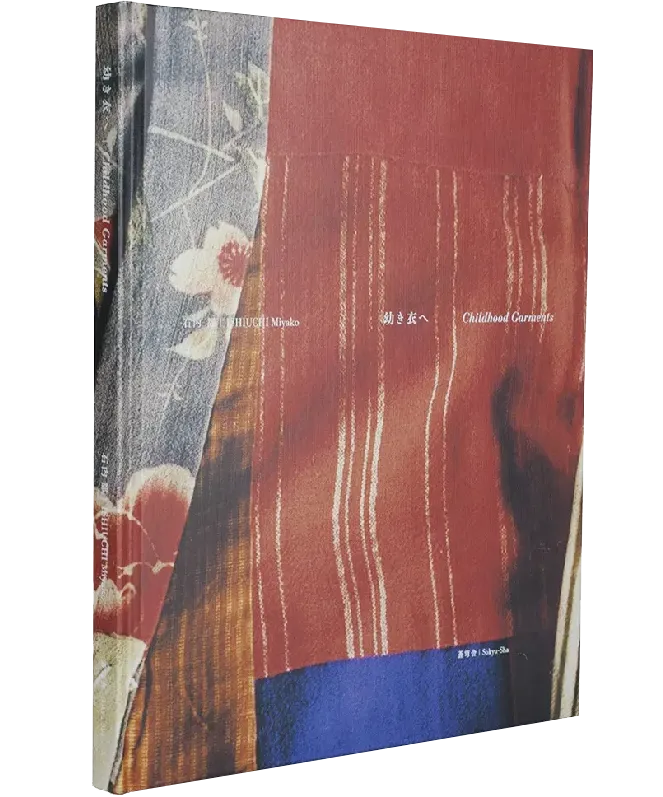
Ishiuchi Miyako's Childhood Garments presents a series of portraits that explore the power of objects and memories. Linked to her images capturing the personal artifacts of both private subjects such as her mother, and famous individuals in the public sphere such as Frida Kahlo, Ishiuchi Miyako's photographs highlight the shared intimacy between a person and an object in the realm of public experience. In collaboration with Shinjoji Temple located in Kanazawa, Childhood Garments illustrates a collection of kimonos worn and created specifically for young people. Known as hyakutoku kimono and semamori, the portraits capture the thoughts, prayers, and embodied lives of community and family for the newborn.

Book images
1999
with:
Edition:
1st
Edition size:
Out of Print
Other edition(s):
Softcover
ISBN:
Condition: Near fine
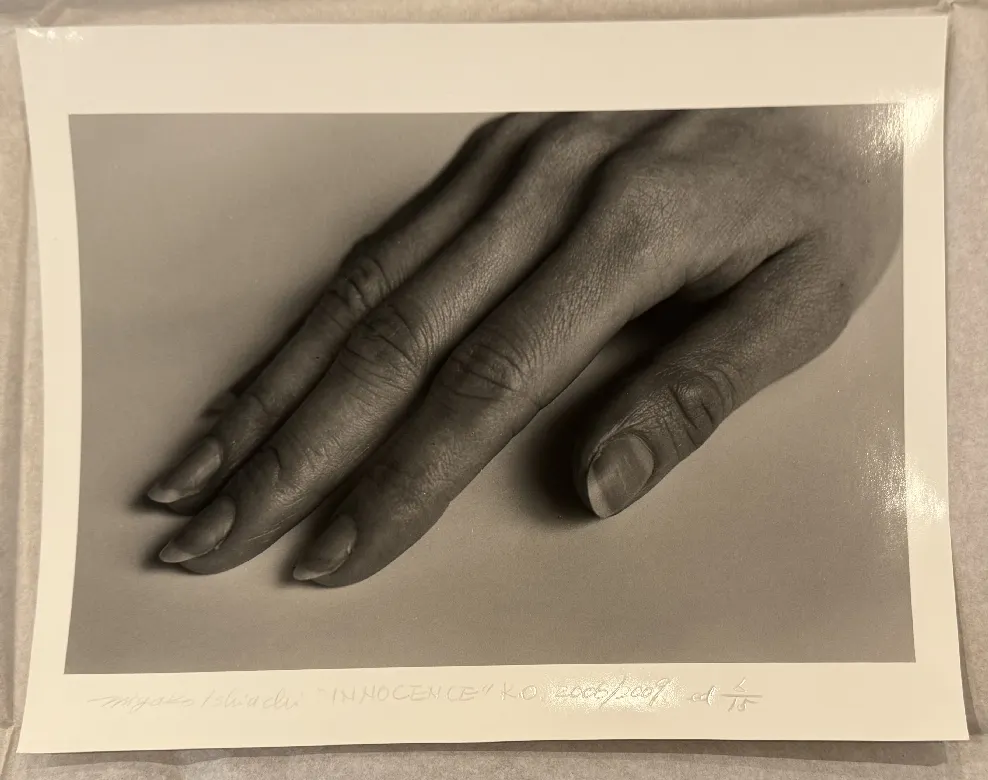
Edition:
6/15
Sold Out
Signed and numbered on the front (bottom right on white border)
Year of work:
2006
Image size:
322 x 217 mm
Print size:
280 x 358 mm
Printed in
2009
Framed size:
unframed
Provenance:
Foam Museum
Condition:
Pristine

A light crease in the middle left that should be corrected at mounting. A few tiny white spots on the photograph due to the printing quality.

Literature and Collections:
edition:
6/15
Sold Out
Signed and numbered on the front (bottom right on white border)
Image size:
322 x 217 mm
Year of work:
2006
No items found.
No items found.

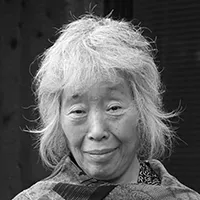
Miyako Ishiuchi, Japanese, b.1947

Ishiuchi is a pioneering Japanese photographer whose work explores the intersection of personal memory, political history, and the passage of time. She first gained critical attention in the late 1970s with her trilogy Yokosuka Story, Apartment, and Endless Night, which captured the gritty, post-war atmosphere of Japanese cities influenced by the American military presence. Her early style was defined by a grainy, high-contrast aesthetic that challenged the traditional "male gaze" prevalent in Japanese photography at the time.

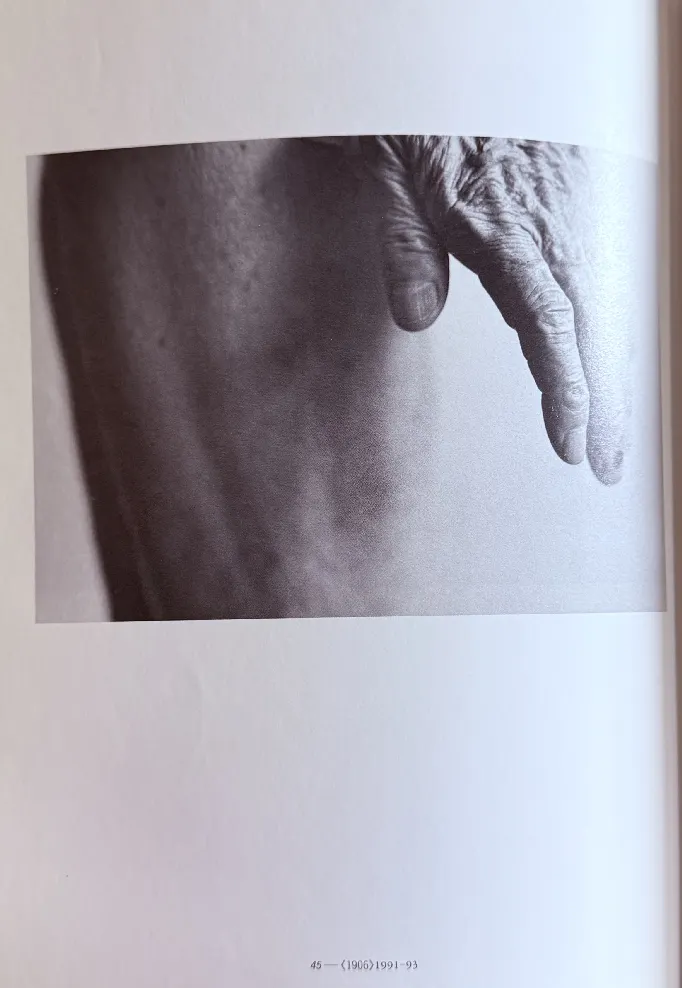
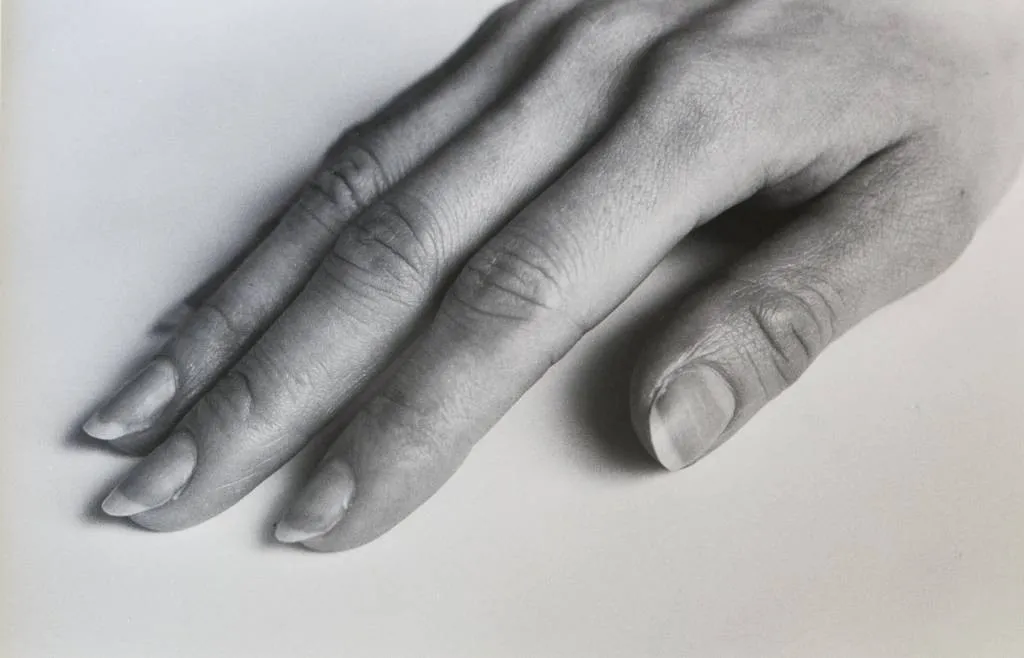
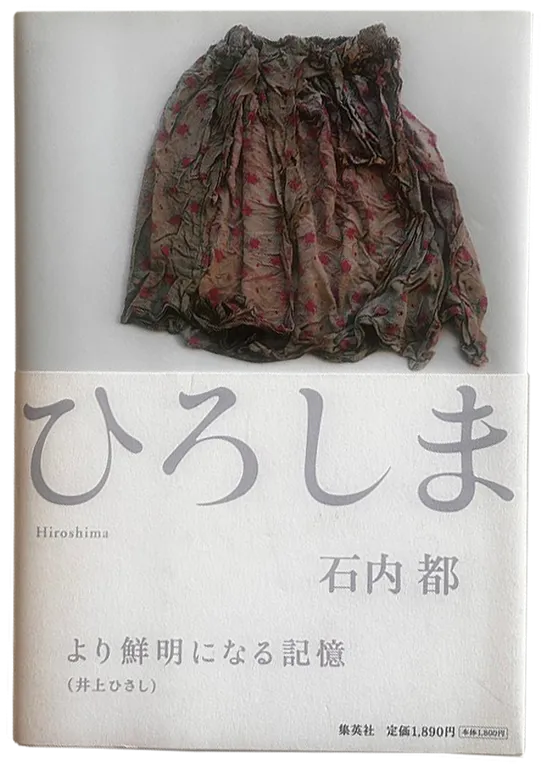
In the 1990s, Ishiuchi’s focus shifted toward more intimate, close-up studies of the human body and material objects. She became widely recognized for her series 1·9·4·7, which documented the hands and feet of women born in the same year as her, as well as her poignant Mother's series, which featured the personal belongings and physical traces of her late mother. This fascination with the "skin" of things, whether human skin or the fabric of a garment, continued in her acclaimed series Hiroshima, where she photographed the ethereal, tattered clothing of victims of the atomic bomb.

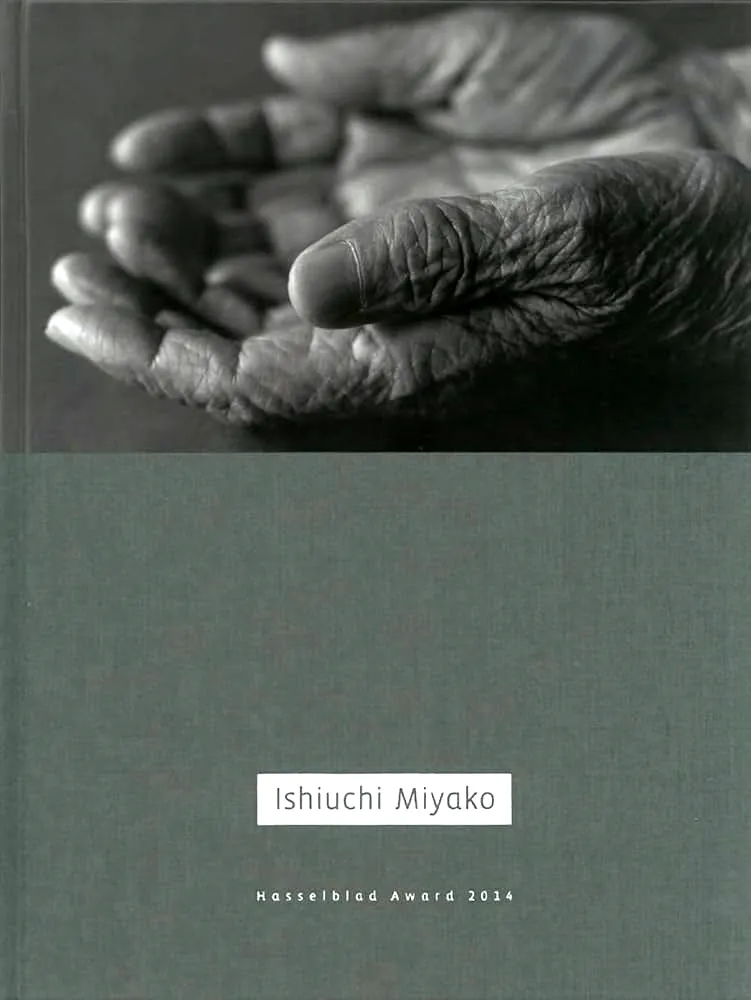
Ishiuchi has received numerous international honors, including representing Japan at the 2005 Venice Biennale and receiving the prestigious Hasselblad Foundation International Award in 2014. Her work remains a profound meditation on how history leaves its mark on both the physical world and the human spirit, often finding beauty in the scars and weathered textures of survival.