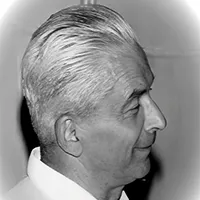
Which art books, prints and posters are available by and about this artist? Here is a sample of items of interest to a typical collector:
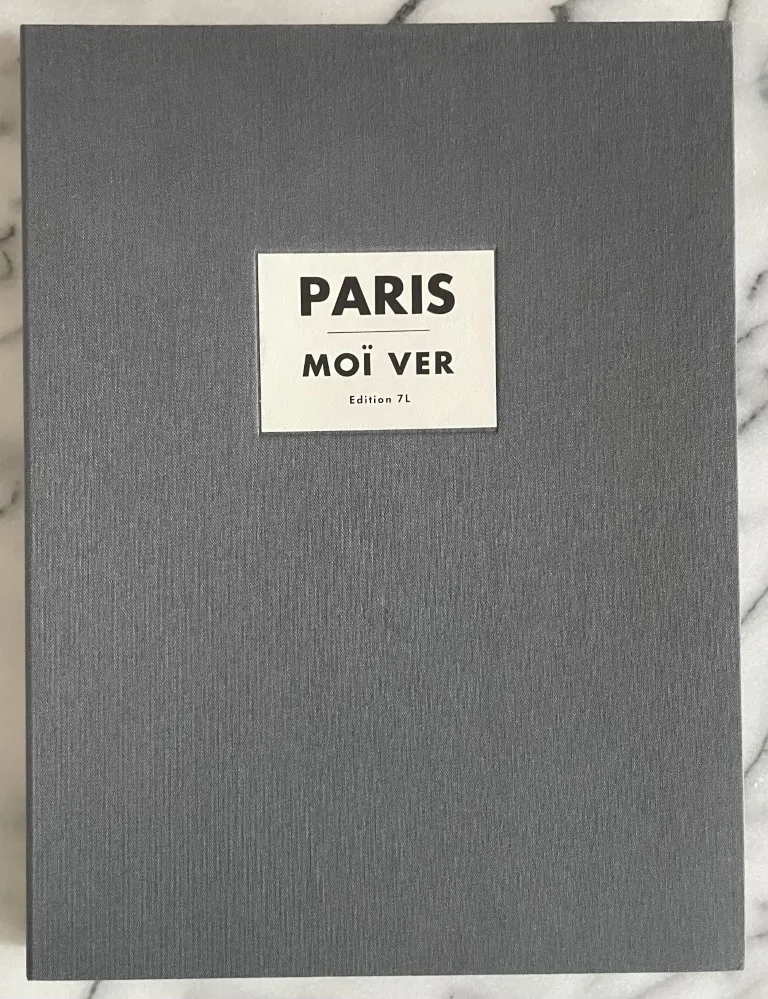

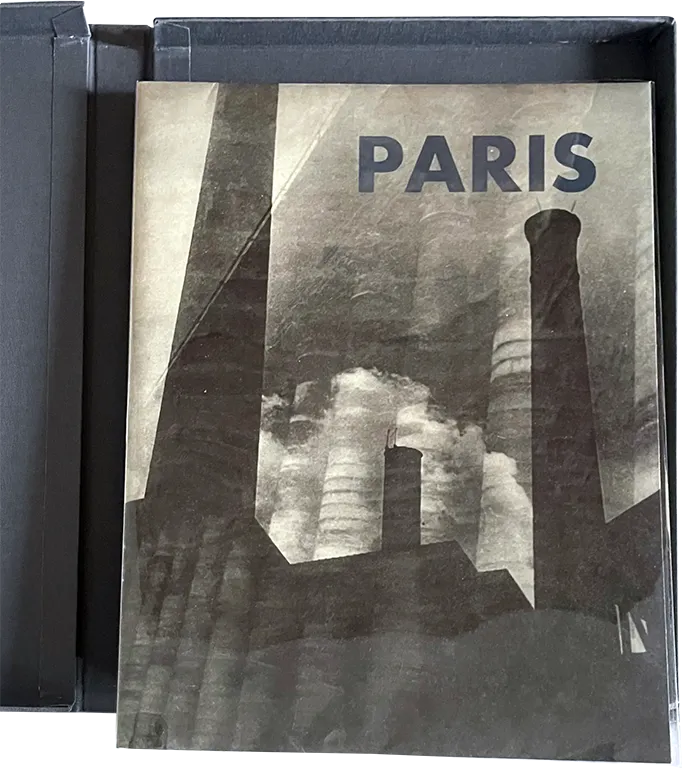
Moï Ver, Lithuanian, 1904–1995, is a crucial, if historically elusive, figure of the interwar European avant-garde. Formally trained at the Bauhaus in Dessau under the tutelage of László Moholy-Nagy, Josef Albers, and Paul Klee, he subsequently relocated to Paris to study painting with Fernand Léger. This multidisciplinary pedigree deeply informed his photographic practice, which radically rejected traditional, static pictorialism in favor of the dizzying, kinetic energy of the modern metropolis. Working under his adopted pseudonym, he applied the constructivist principles of the New Vision to the chaotic streets of Paris and the vibrant Jewish quarters of his native Vilnius, capturing a world on the brink of profound transformation.
The visual language of Moï Ver is defined by an aggressive, almost assaultive approach to spatial layering and graphic complexity. Rather than capturing a single, decisive moment, he utilized extreme multiple exposures, dizzying camera angles, and intricate photomontage to collapse time and space within the frame. His compositions are dense architectural puzzles where cobblestone streets, towering facades, and rushing pedestrians dissolve into rhythmic, abstract patterns. This relentless manipulation of the focal plane creates a dynamic structural friction, mirroring the relentless speed and psychological disorientation of early twentieth-century urban life without relying on conventional narrative structures.
Within the broader trajectory of modernist photography, his masterpiece Paris: 80 Photographies (1931) remains a towering achievement in book design and conceptual sequencing.