


Which art books, prints and posters are available by and about this artist? Here is a sample of items of interest to a typical collector:


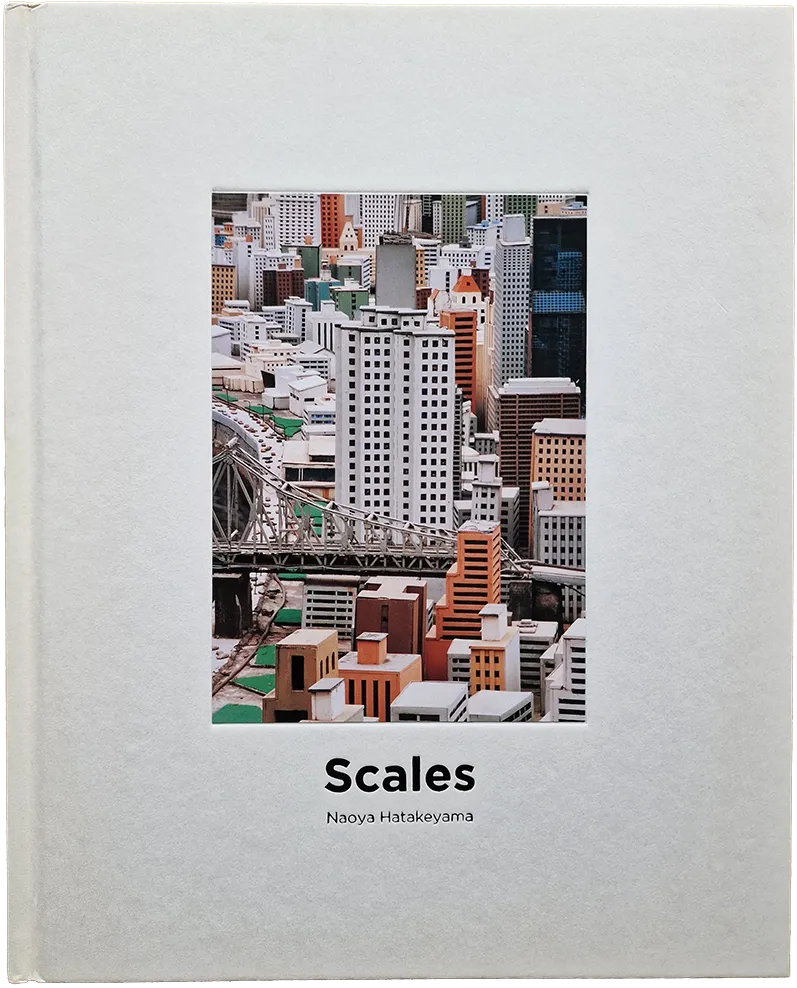
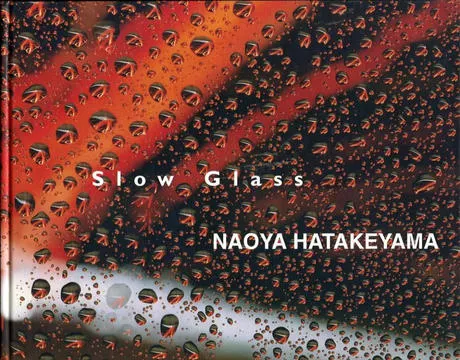
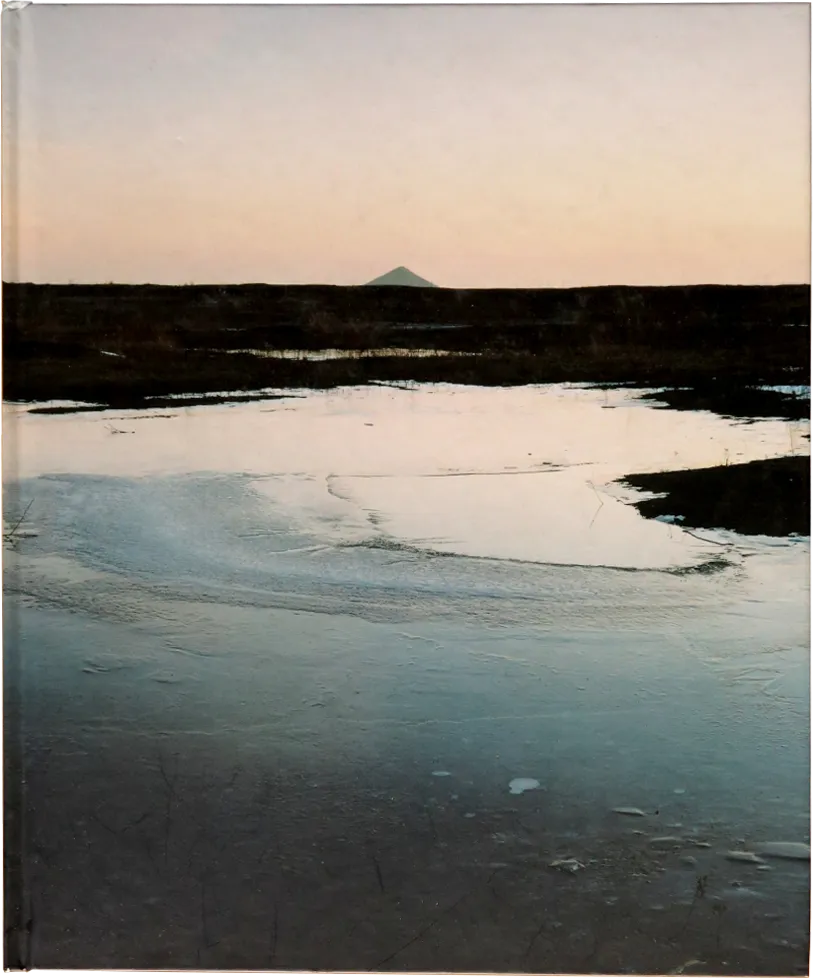
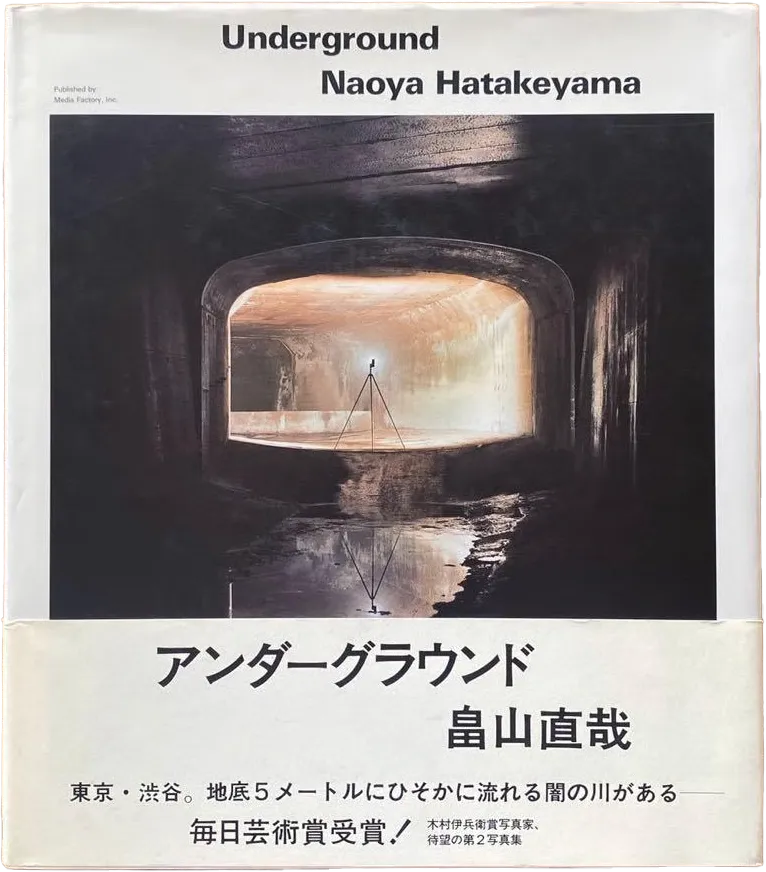



Naoya Hatakeyama, Japanese b. 1958
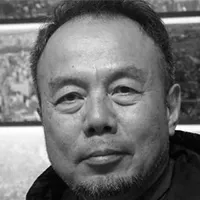
Born in Rikuzentakata, Iwate Prefecture, Japan, Naoya Hatakeyama is one of Japan's most prominent contemporary fine-art photographers. He studied under influential photographer Kiyoji Otsuji at the University of Tsukuba's School of Art and Design, graduating in 1981 and completing his postgraduate studies in 1984 before relocating to Tokyo.
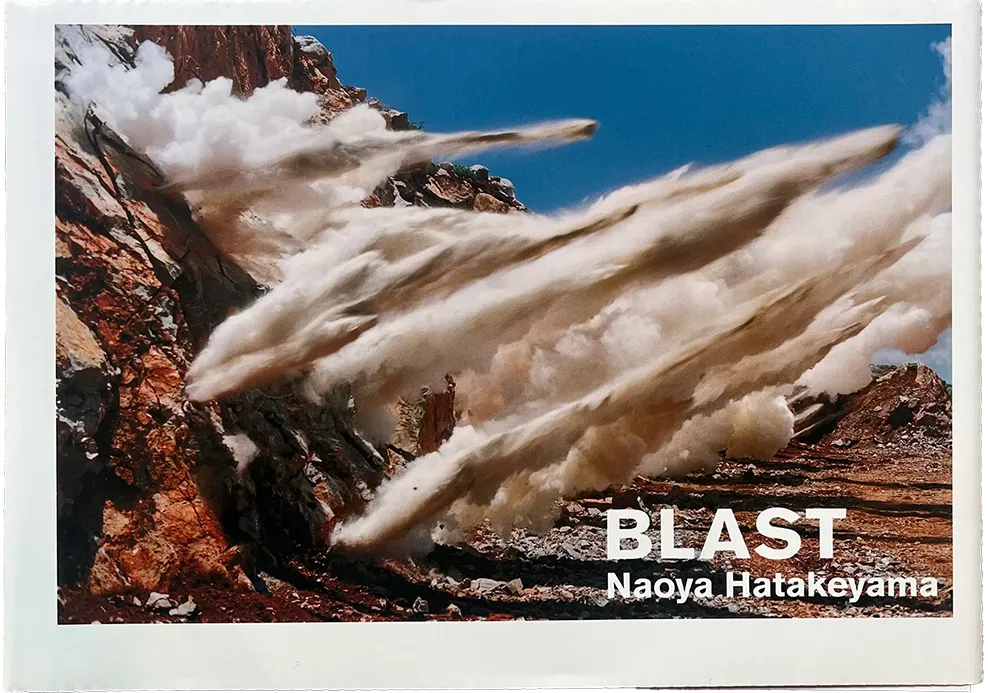
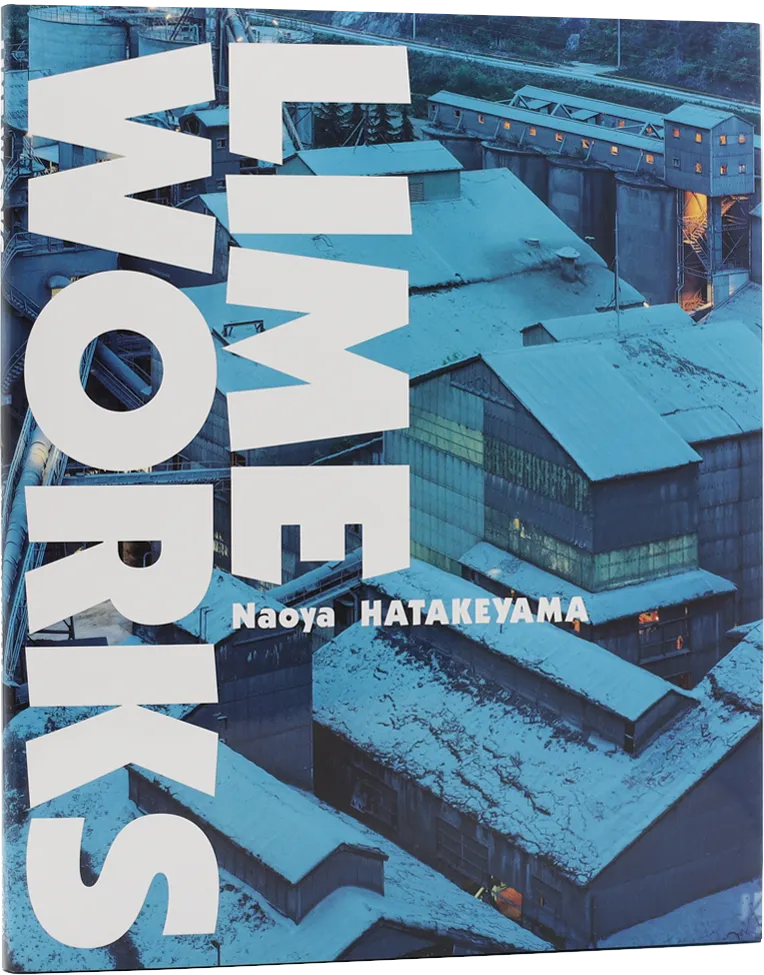
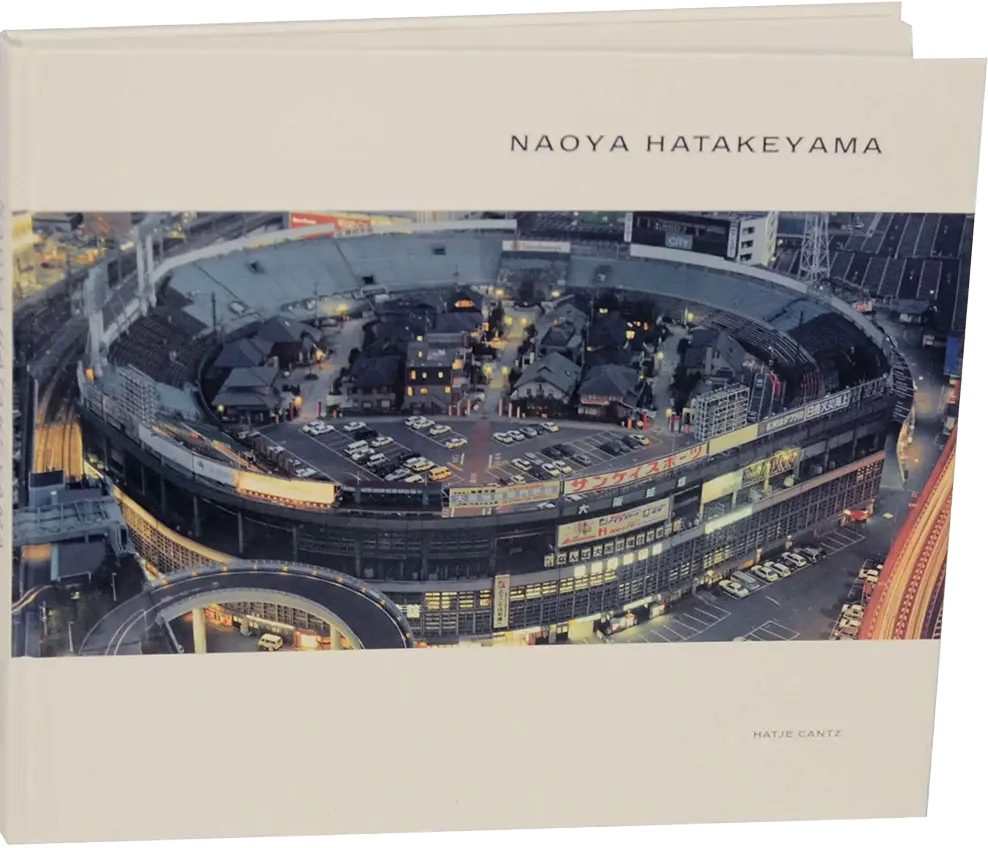
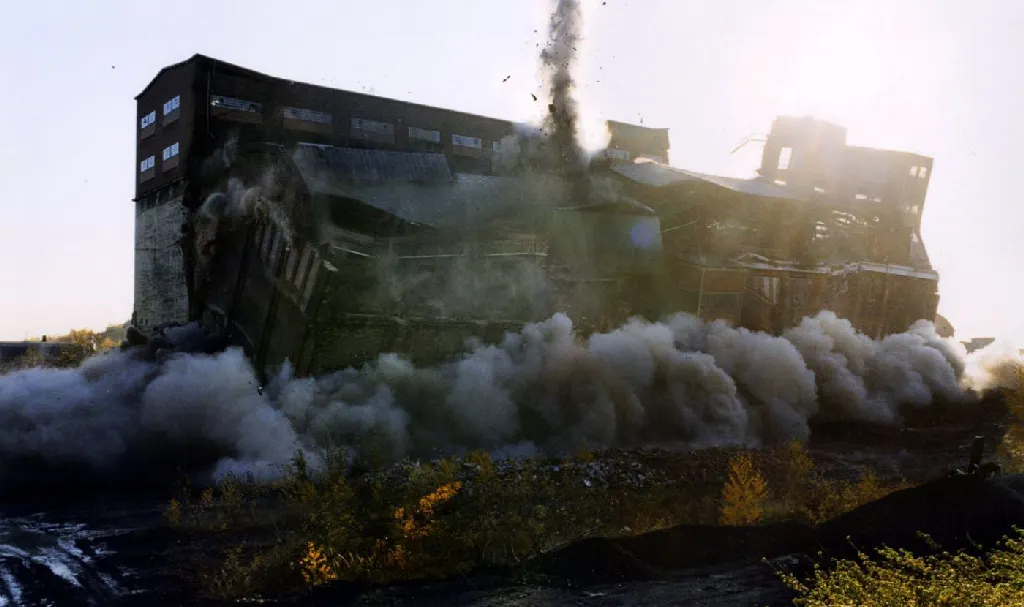
Hatakeyama’s work centers on the relationship between nature, human industry, and the urban environment. Rather than presenting nature and cities as opposing forces, he views them as interconnected stages of a single transformation. He famously sees limestone quarries and modern concrete cities as the "negative" and "positive" of the same material, tracing how ancient natural stone is extracted, processed, and rebuilt into modern urban landscapes.
His large-format color photographs feature meticulous composition, clean architectural geometry, and a precise, objective, and quiet aesthetic.
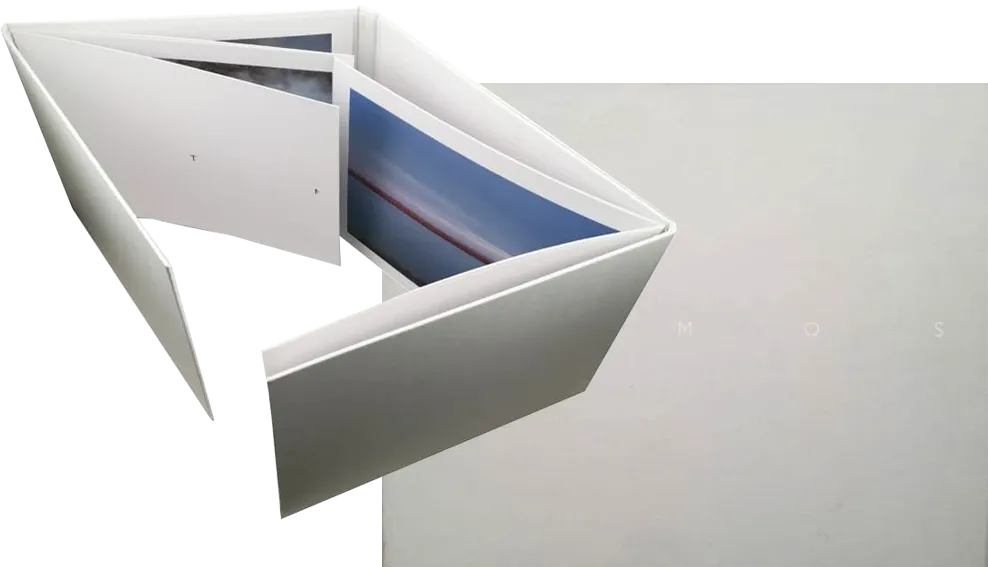
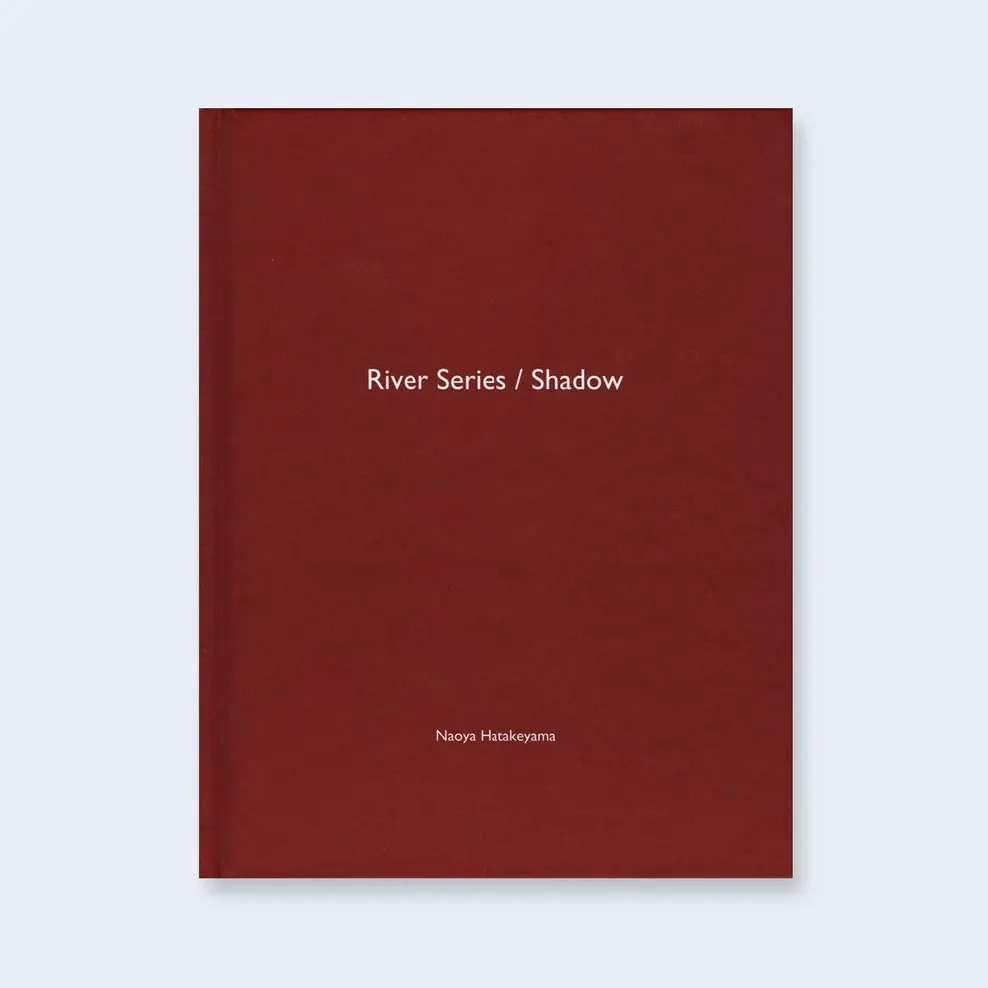
His key projects and photobooks include:
Hatakeyama represented Japan at the 49th Venice Biennale in 2001. His work is held in major international collections, including the MoMA in New York, the Tate in London, the Victoria and Albert Museum, and the National Museum of Modern Art in Tokyo.

