


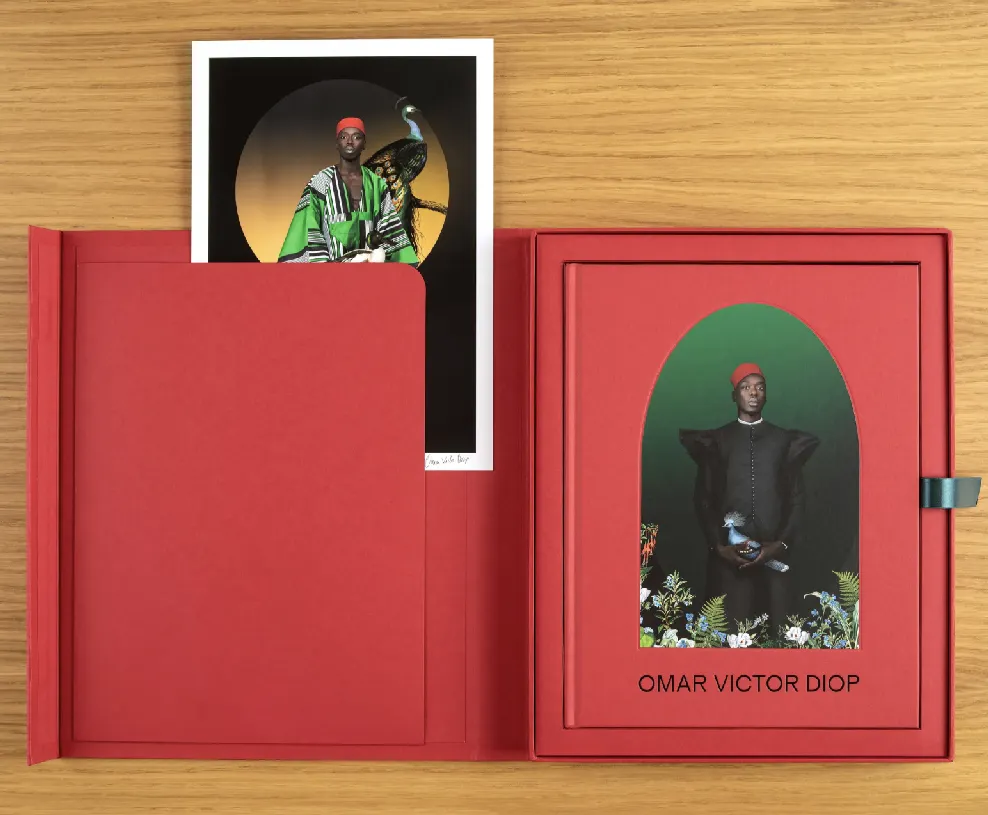
Which art books, prints and posters are available by and about this artist? Here is a sample of items of interest to a typical collector:

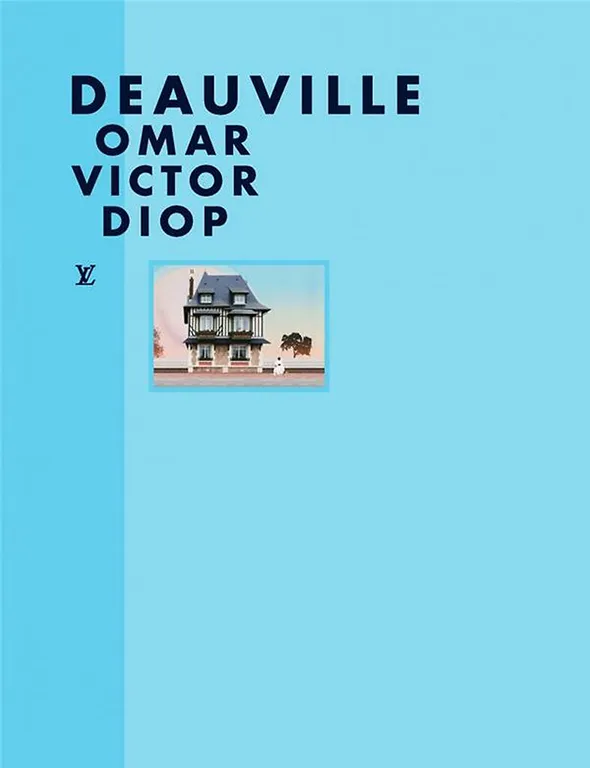
%20Resized.webp)
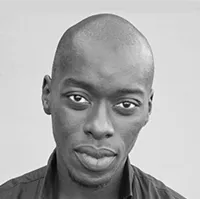
Omar Victor Diop, b. 1980, Dakar, Senegal. Lives and works between Paris and Dakar.
Diop developed an interest in photography at an early age. As a child, he was nourished by the masterpieces of Afro-Caribbean literature, and by characters such as "Segou" by the author Maryse Condé, who go from being a "foreigner" to a "notable" in a given society. OmarVictor Diop sees this journey as representative of his own, one in which he has found himself on the side of minorities who need to learn from models of adaptation to different contexts and new ways of being.
A graduate of the Ecole Supérieure de Commerce de Paris, he first worked for British American Tobacco Africa. However, he put an end to a career incorporate communication to devote himself fully to his career as an artist, and had great success at the Rencontres de Bamako, biennial of African photography in 2011.
Omar Victor Diop is distinguished by a work that combines visual arts, fashion and photographic portraiture. He is particularly fond of mixing photography with other art forms, including textile design, fashion design and creative writing to bring his inspiration to life. For him, art is the only dialogue that will never cease, a dialogue that is constantly inspired by those who redefine and choose their future lives, convinced that this is the only way to get out of the ordinary and leave a real mark on people.
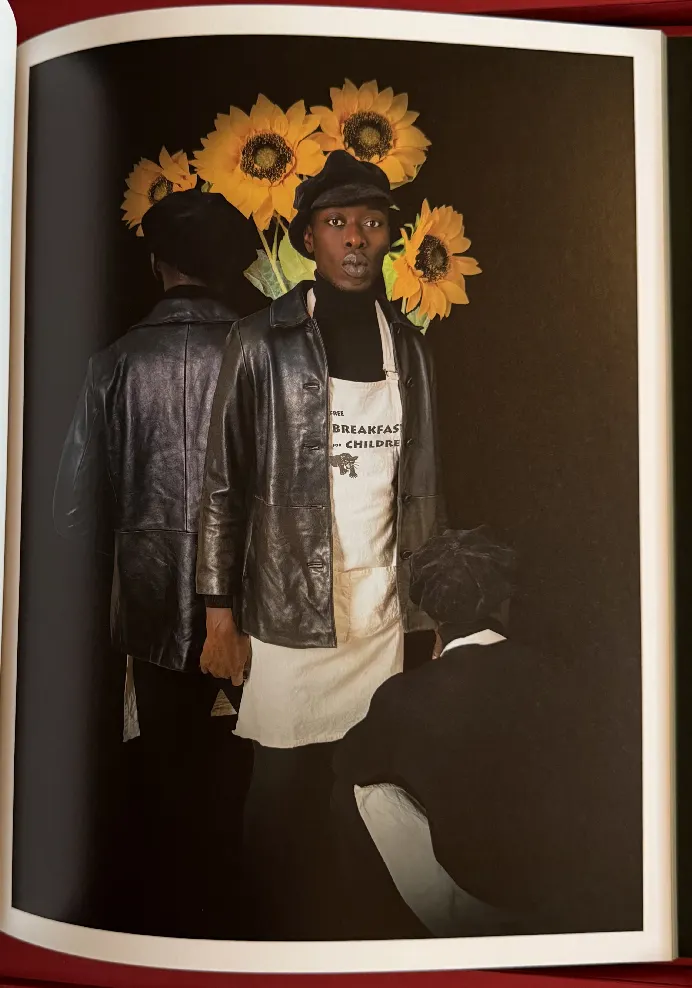
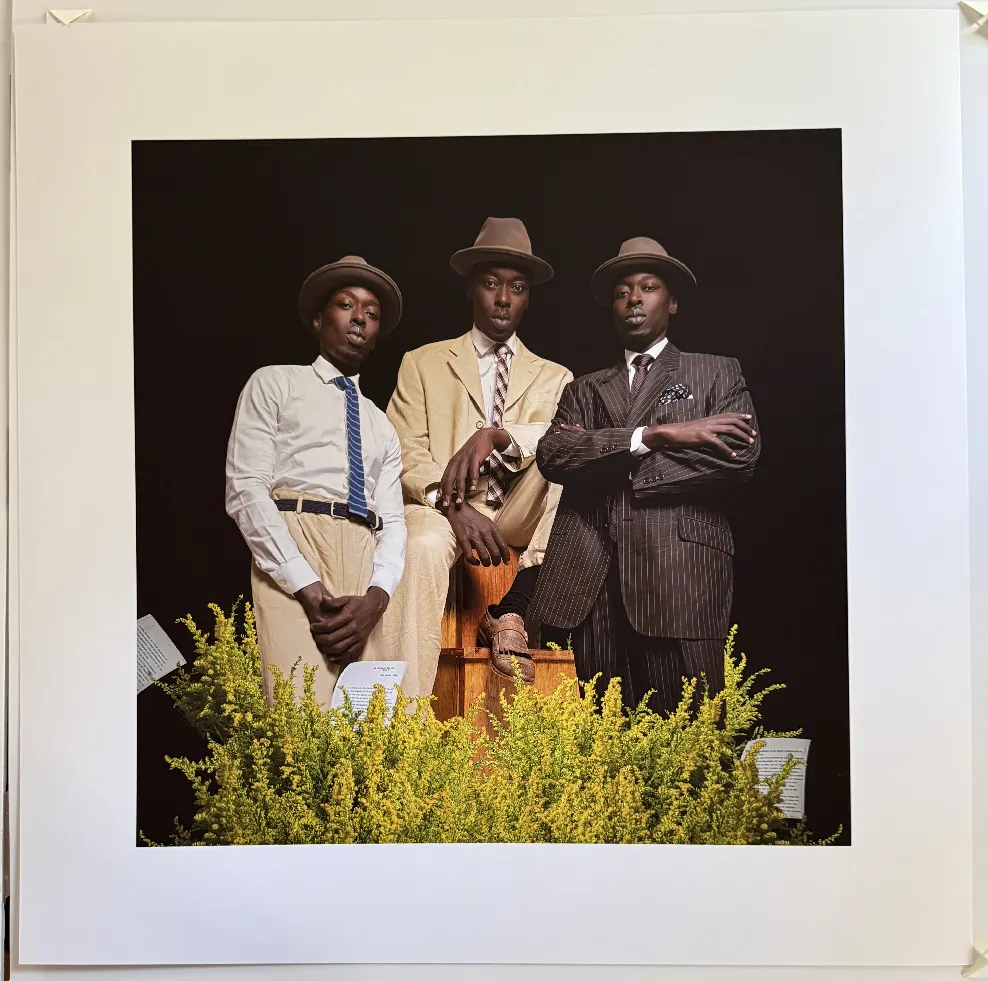
In his first series entitled Futur du beau, Omar Victor Diop hijacks consumer goods and garbage to dress his models while questioning standards of beauty and elegance. This was followed by the Studio des Vanités series in 2013, which portrays a creative, ambitious and urban African generation. He captures the lifestyle and diversity of modern African societies. He was then inspired by the great historical African photographers, Mama Casset, Seydou Keïta, Malick Sidibé, as well as the famous designer Jean-Paul Goude. From 2014, withDiaspora, Omar Victor Diop puts himself on stage by re-enacting portraits of African notables who have marked history. This series marks the beginning of an international consecration. The Liberty series (2017) evokes and juxtaposes key moments of Black protests, events that are certainly distinct in time, geography and scope, but which the photographer places in a common chronology, that of a quest for freedom that is too often scorned. These representations are a tribute to those who aspire to freedom and dignity.
Omar Victor Diop's work connects the history and modernity of African societies: "It has been exactly ten years since I picked up a camera withthe intention of showing the struggle of my people, their moments of pride, their altruism, their incredible diversity and their capacity to adapt.
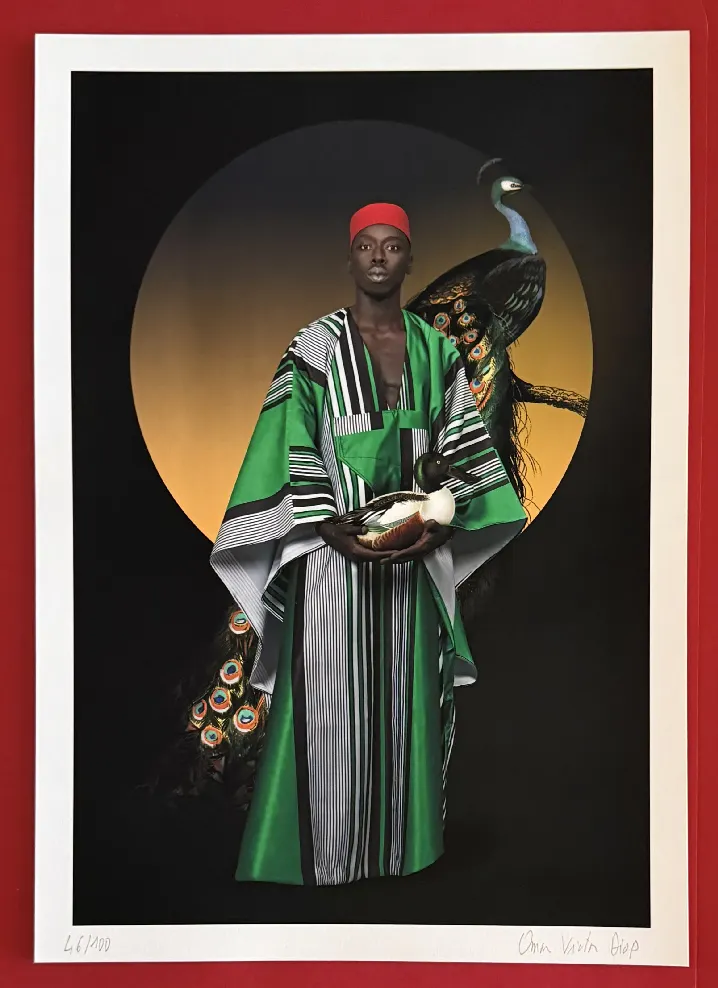
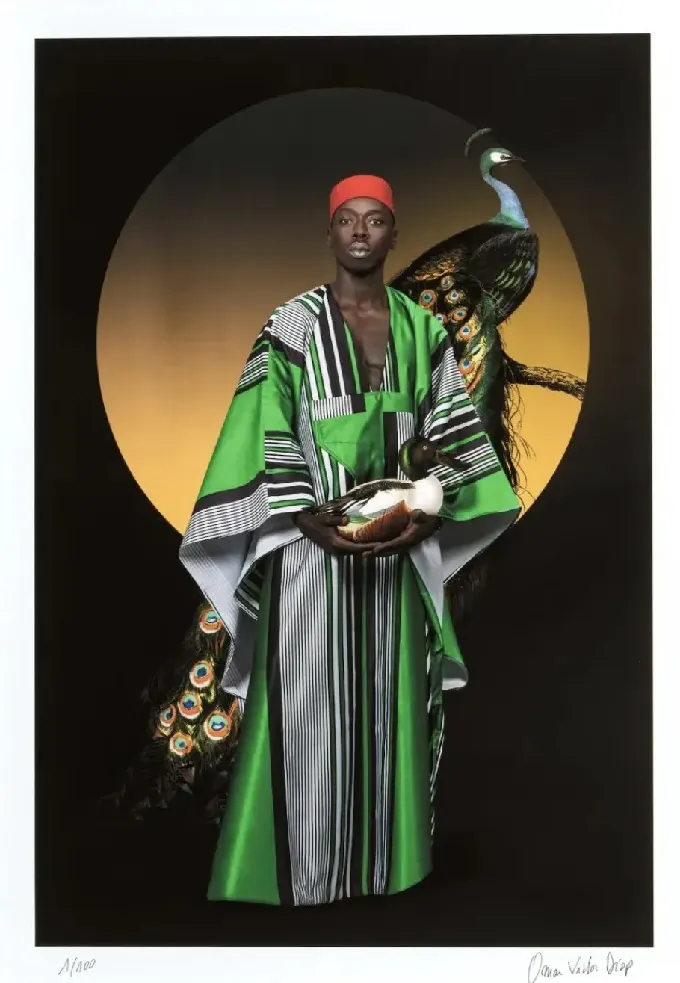
In his new series, Allegoria, the young Senegalese photographer begins a new chapter that addresses the issue of the environment and the importance of the climate challenges facing the African continent. In 15 allegorical photographs, the artist embodies the humanity that must protect life; humanity surrounded by floral and animal species that will soon be extinct; humanity again, concerned not to see biodiversity only visible in natural history textbooks.
Collections:
Brooklyn Museum, New York, USA
Minneapolis Institute of Art, Mineapolis, USA
High Museum of Art, Atlanta, USA
Vitra Design Museum, Germany
Collection Fondation Louis Vuitton, Paris, FranceGetty Museum, Los Angeles, USA
Getty Museum, Los Angeles
FOMU, Antwerp, Belgium
Deutsche Börse Photography Collection, Frankfurt, Germany


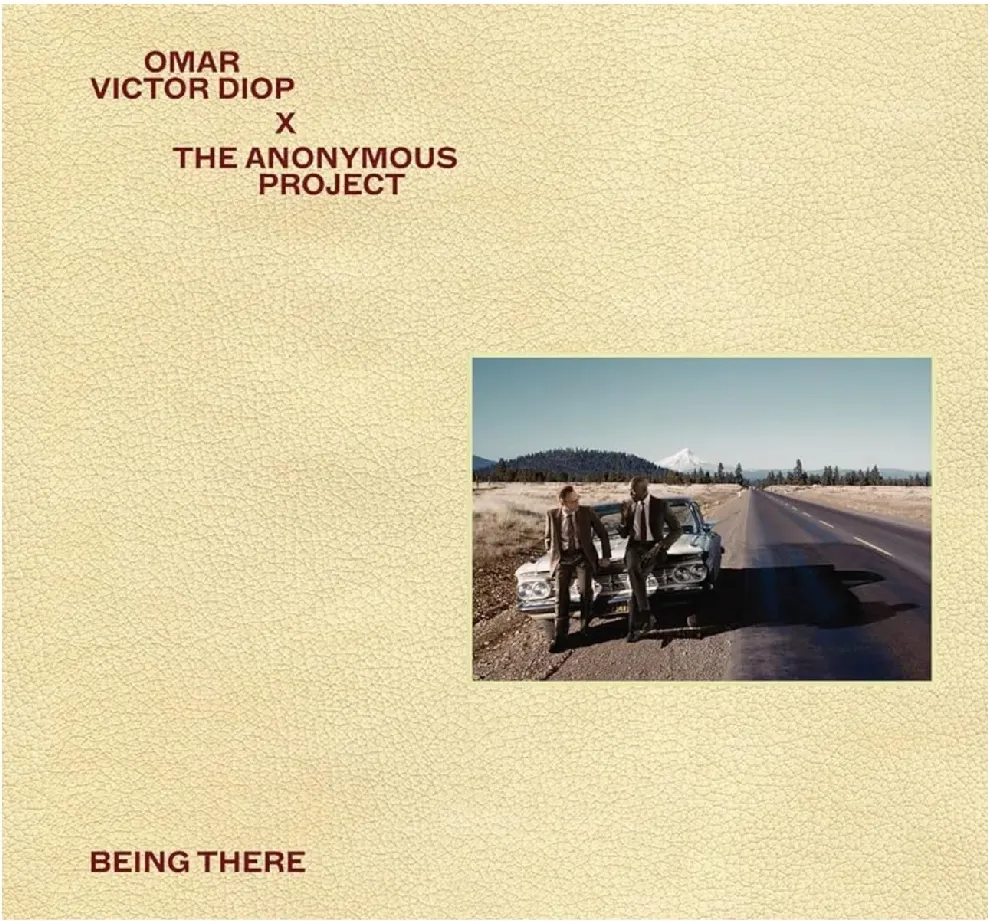
Being There is a collaborative photographic project and photobook created by Senegalese fine-art photographer Omar Victor Diop and British director Lee Shulman, founder of TheAnonymous Project, published in 2023 by Éditions Textuel.
Theproject merges vintage mid-century color photography with modern performativeself-portraiture. Lee Shulman curated a collection of anonymous Kodachromecolor slides from the 1950s and 1960s that captured middle-class, predominantlywhite post-war American and European domestic life, including backyardbarbecues, beach outings, birthday parties, and suburban leisure. Omar VictorDiop, known for his theatrical self-portraits exploring Black identity andhistory, then posed and digitally inserted himself into roughly fifty of thesescenes. Directed and reassembled alongside Shulman, the staging matches thelighting, film grain, wardrobe, and color palette of the original slides,making Diop appear seamlessly embedded within these intimate moments.
Mid-centurycolor photography often projected an idealized, nostalgic vision of post-warprosperity, frequently masking the realities of racial segregation and societalexclusion. Diop's presence disrupts this narrative, using humor and performanceto question whose stories were recorded in informal vernacular history. Artcritic Taous Dahmani describes the project as an act of "repairingabsence", inserting a Black body into spaces where Black presence washistorically erased or marginalized. While visually warm and playful, theseries creates an intentional tension between the comfortable nostalgia ofretro imagery and the political realities of representation.
Thispublication by Textuel presented the series for the first time through 56 colorplates. It stands as a compelling example of how contemporary performance canre-examine historical archives to challenge dominant cultural narratives.