


Which art books, prints and posters are available by and about this artist? Here is a sample of items of interest to a typical collector:

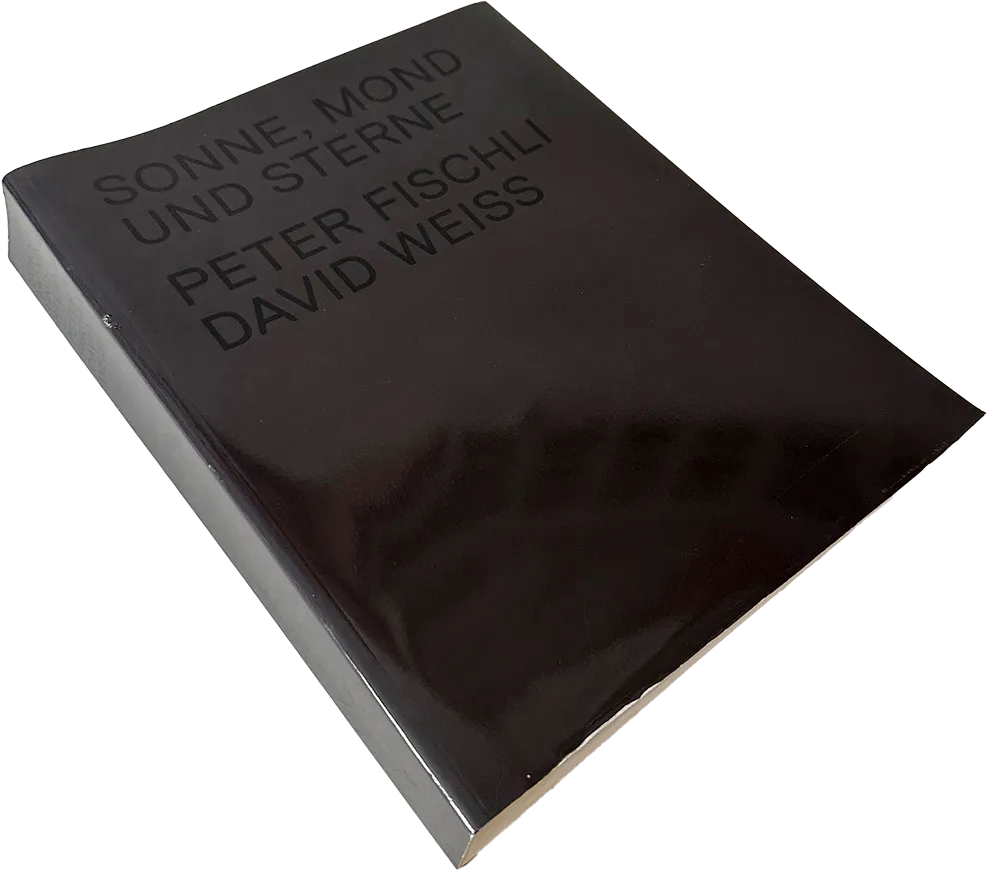
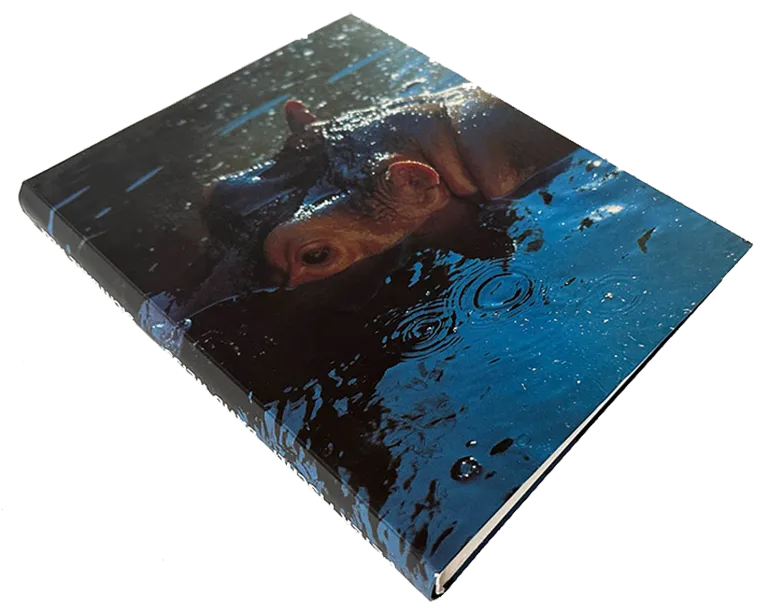
Peter Fischli is a celebrated Swiss contemporary artist best known for his collaborative partnership with David Weiss (1946–2012). Born in Zurich in 1952, Fischli grew up in a vibrant artistic environment influenced by Bauhaus aesthetics before moving to Italy to study at the Accademia di Belle Arti in Urbino and the Accademia di Belle Arti in Bologna during the mid-1970s. Upon returning to Switzerland, he crossed paths with Weiss in 1979, igniting one of the most influential and enduring partnerships in late twentieth-century conceptual art. Working under the moniker Fischli/Weiss, the duo spent over three decades crafting a whimsical, deeply philosophical universe built from the materials and occurrences of ordinary life.
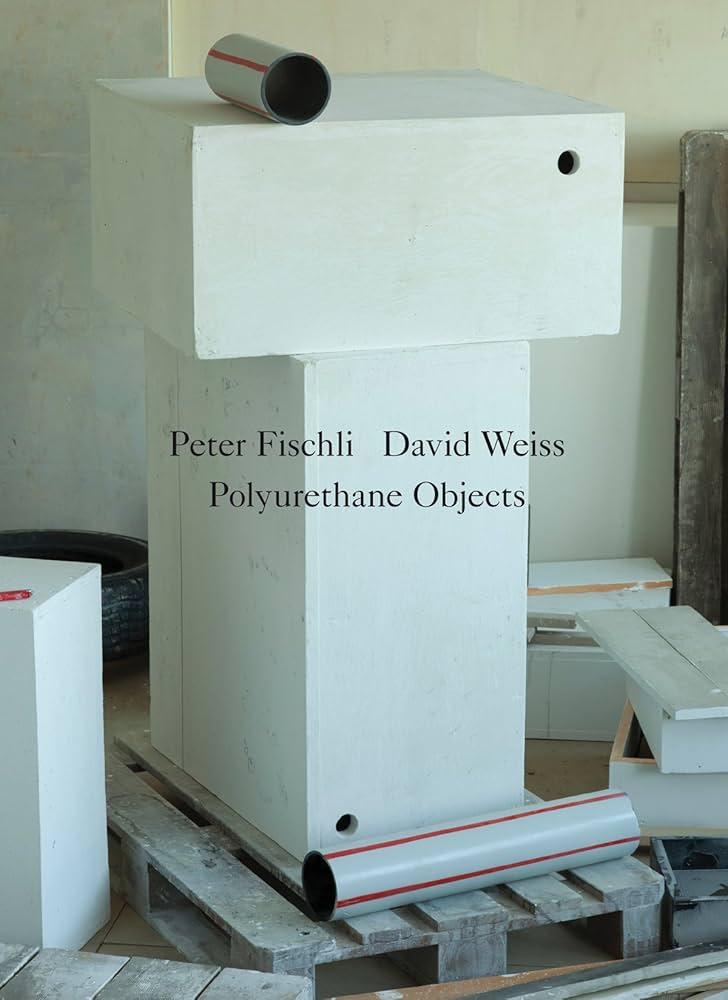
The signature style of Fischli's work lies in its rejection of heavy artistic pretense, choosing instead to elevate the "poetics of banality." Their first joint effort, the Sausage Series (Wurstserie, 1979), set a distinct tone of deadpan humor by staging elaborate miniature vignettes entirely out of sliced meats, pickles, and common household items. They expanded on this playful subversion of high art with Suddenly This Overview (1981), a massive encyclopedic collection of hundreds of small, unfired clay sculptures that depicted a comical mixture of monumental historical events and entirely mundane human behaviors. Throughout the 1980s and 1990s, Fischli and Weiss consistently dismantled conventional hierarchies of art through diverse media, notably creating meticulously hand-carved, trompe-l'œil polyurethane replicas of ordinary workshop tools, paint buckets, and studio debris that blurred the threshold between real life and fiction.
Fischli achieved widespread international renown with the duo’s landmark 1987 art film, The Way Things Go (Der Lauf der Dinge). The thirty-minute cinematic chronicle captures a mesmerizing, hypnotic chain reaction of household objectssuch as tires, garbage bags, ladders, and plastic bottles—collapsing, igniting, and careening into one another across an artist studio. The film stands as a masterpiece of precarious engineering and slapstick philosophy, capturing the public imagination while investigating kinetic energy and impending structural collapse. This fascination with everyday systems carried into long-term photographic surveys like Airports (1989), which dryly documented airplanes sitting passively on tarmacs, and Visible World (1987–2001), a monumental presentation of thousands of brightly lit travel slides that mimicked amateur tourist photography.
Over the course of their collaboration, Fischli and Weiss represented Switzerland at the Venice Biennale multiple times, ultimately winning the prestigious Golden Lion in 2003 for their multi-projector installation Questions, which cast hundreds of existential, humorous, and deeply mundane queries onto dark gallery walls. Since Weiss’s passing in 2012, Fischli has continued to oversee their shared artistic estate, including major retrospectives at institutions like the Solomon R. Guggenheim Museum in New York and the Tate Modern in London. Remaining based in Zurich, Fischli's ongoing practice continues to urge viewers to look closer at the overlooked, revealing that the trivialities embedded in our collective daily consciousness are far more meaningful than we realize.

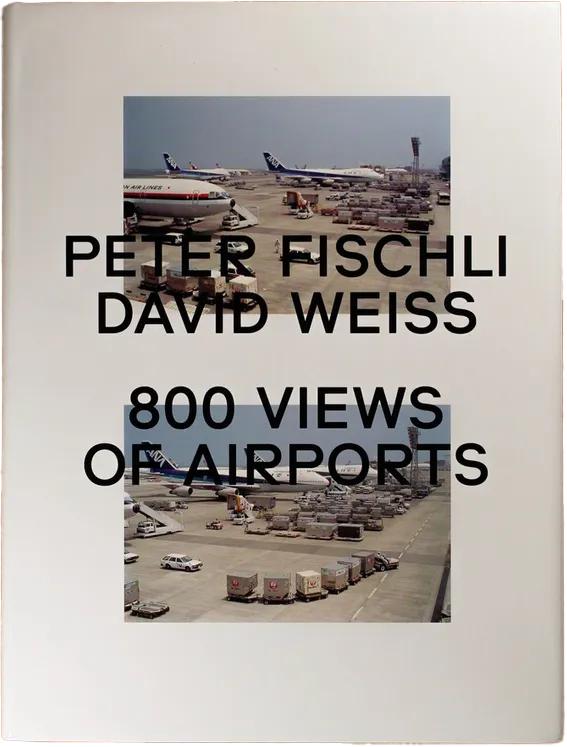
800 Views of Airports documents a lengthy series of work by Peter Fischli (born 1952) and David Weiss (1946-2012), comprising 1,010 photographs to date, all of which appear here complete for the first time. For this ongoing documentary project, the artistic duo photograph the airports they passed through in their travels around the world over nearly 25 years, in a quest for exotic banality throughout different cultures. Their images of these nondescript airports focus on the humdrum aspect of air travel: the fuel vehicles, the baggage trucks, the daily routines of airport workers, the long antiseptic corridors and sprawling tarmacs surrounded by panoramic views of empty vistas. Whether presenting a Lufthansa airplane sitting idle in a yellowy light, a Swiss Air plane waiting in a neon-haunted dusk or an Air France plane getting its belly filled in the dead of night, Fischli and Weiss's images present the evanescence of any national identity when reduced to a symbol on a vertical stabilizer. 800 Views of Airports reveal the non-places encircling our world, and the non-journeys that have come to define our contemporary life in transit, while simultaneously offering carefully composed images that are strangely placid and restful.