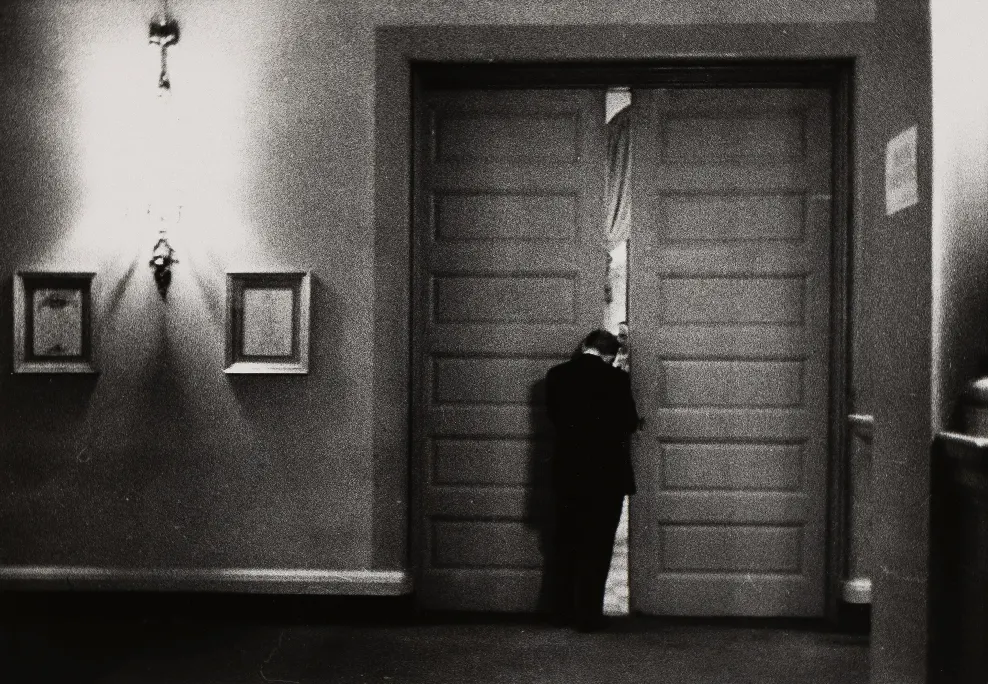
%20Resized.webp)
Which art books, prints and posters are available by and about this artist? Here is a sample of items of interest to a typical collector:
After 'The Americans', 'The Lines of My Hand' is arguably Robert Frank's most important book and without doubt the publication that established his autobiographical, sometimes confessional, approach to bookmaking. The book was originally published by Yugensha in Tokyo in 1972. 'The Lines of My Hand' is structured chronologically and presents selections from every stage of Frank's work until 1972--from early photos in Switzerland in 1945-46, to images of his travels in Peru, Paris, Valencia, London and Wales, and to contact sheets from his 1955-56 journey through the US that resulted in The Americans and made him famous. Here too are intimate photos of Frank's young family, later photo-collages and stills from films including 'Pull My Daisy' (1959) and 'About Me: A Musical' (1971). This structure itself mirrors the rhythm of Frank's life but it is his short personal texts, like diary entries, that fully bring his voice into the book.
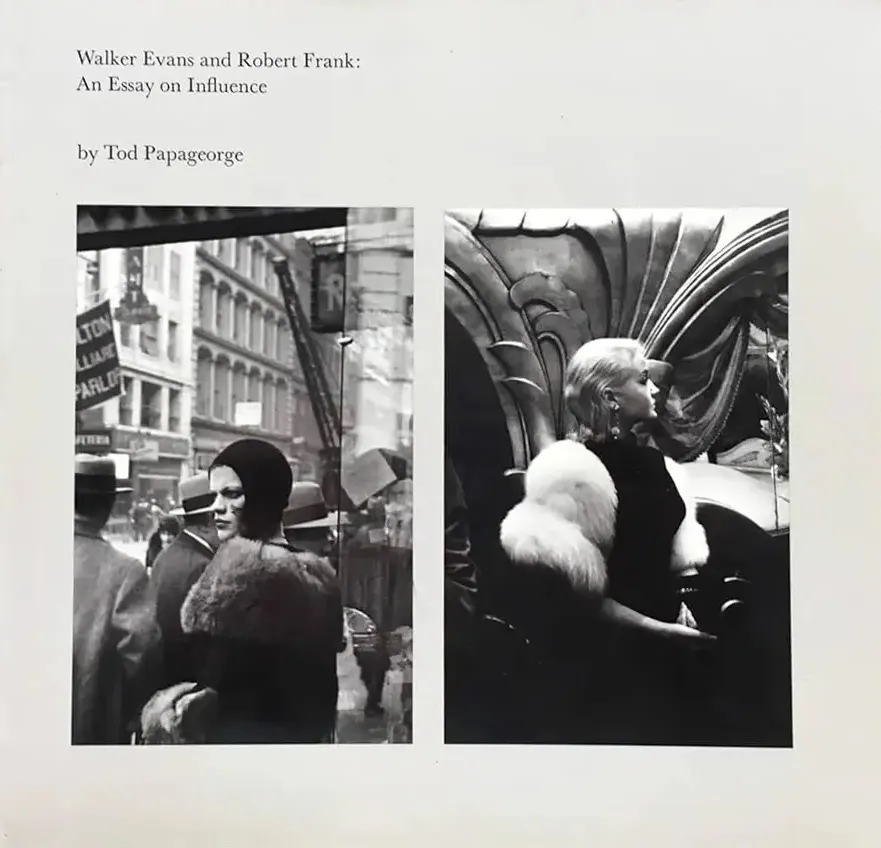
Written by Tod Papageorge and published by Yale University Press, Walker Evans and Robert Frank: An Essay on Influence examines the profound artistic lineage connecting two foundational figures of twentieth-century American photography. Based on an influential essay and lecture series, the text investigates how Evans's rigorous, detached architectural formalism paved the way for Frank's subjective, kinetic vision in The Americans.
The study provides a close comparative analysis of how both photographers framed vernacular American spaces, roadside architecture, and social anonymity during their respective road trips across the country. By tracking the shift from Evans's orderly, frontal compositions to Frank's more fragmented and psychologically charged framing, the publication highlights the generational evolution of the documentary mode.
Within the broader landscape of photography criticism, this volume serves as a critical text on artistic inheritance and visual dialogue. It illuminates how foundational aesthetic frameworks are dismantled and reassembled, establishing a direct bridge between the New Topographics approach and the more expressive, personal currents of modern American photography.


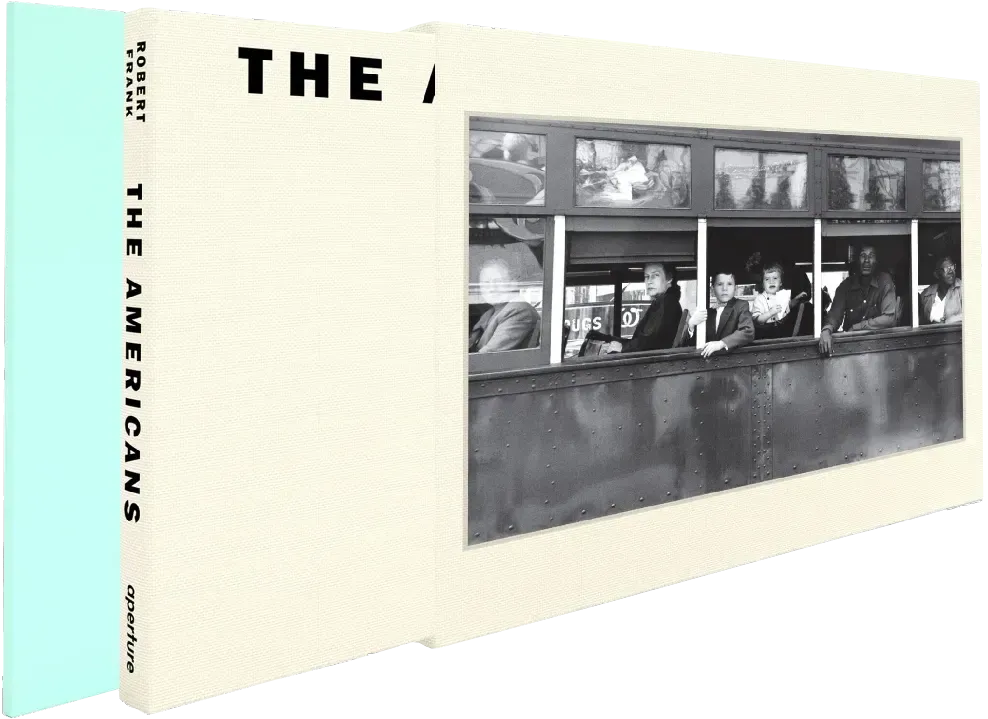
Published by Aperture in 2024, The Americans, Centennial Edition marks a milestone in the ongoing publication history of Robert Frank’s seminal work, arriving to coincide with the photographer's ninetieth year and cementing the project's enduring legacy within fine art photography.
The volume presents the complete, uncompromised sequence of 83 photographs originally captured during Frank's 1955–1956 cross-country journey. While maintaining the powerful, melancholic gaze of the iconic 1958 French first edition and subsequent printings, this centennial release benefits from meticulous duotone printing and high-fidelity archival reproduction standards. It offers an exceptionally faithful rendering of the original tonal scale, grain, and high-contrast lighting that defined Frank's breakthrough vision.
This limited deluxe slipcase version of the Centennial Edition includes a separate booklet (often rendered as a distinct green insert) that reproduces historical material from past editions. Specifically, it features the survey of Frank's films and text originally included as an appendix in the 1968 and 1969 Aperture and Museum of Modern Art editions, long out of print, alongside complementary texts and film stills.
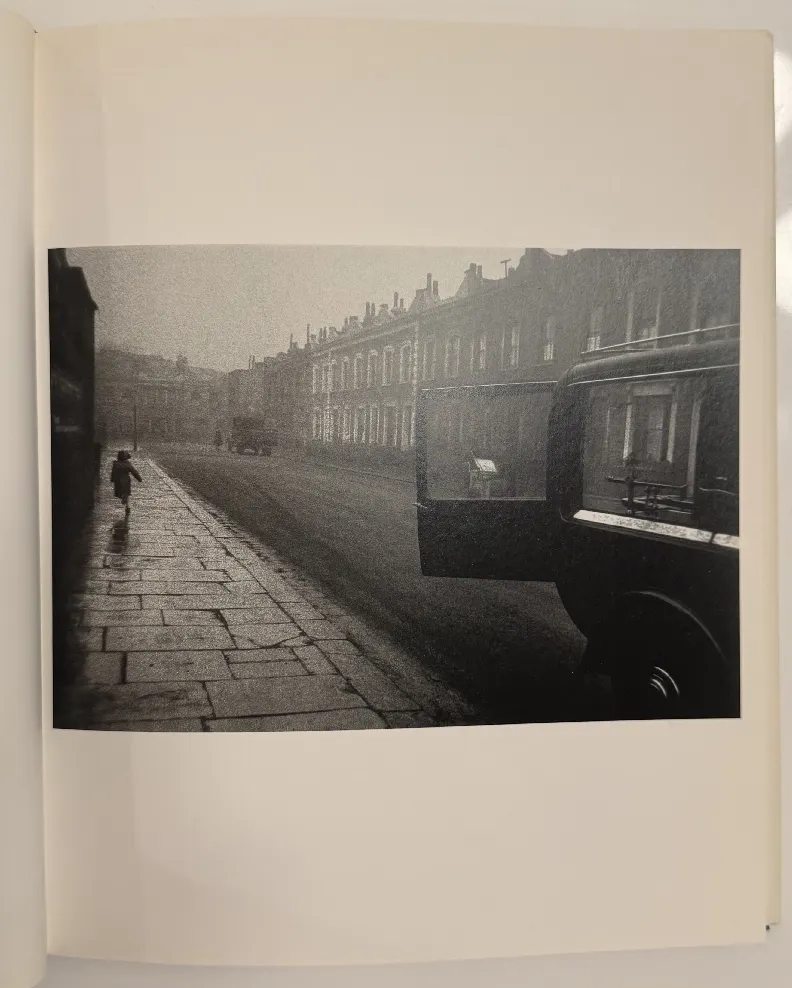
Published by Scalo in the 1990s, London/Wales brought together Robert Frank’s two distinct photographic essays capturing the stark social and economic landscapes of Great Britain during the post-war era.
The volume pairs his gritty, melancholic documentation of London in the early 1950s, characterized by fog, class divisions, and the lingering austerity of the Blitz, with his harrowing, empathetic look at the isolated coal-mining communities of Wales. Across both series, Frank applies his signature handheld aesthetic, rejecting polite documentary convention in favor of a raw, subjective viewpoint that mirrors the weariness and resilience of his subjects.
This is not the 2009/2010 Steidl reprint.
Roma Scalo / National Gallery
Seven Stories is a unique publication that gathers a selection of narratives and photographic sequences by Robert Frank, offering an intimate look into his multimedia approach and autobiographical storytelling.
The work bridges Frank's iconic photographic output with his deeply personal interest in text, memory, and sequential narrative. By combining unvarnished imagery with handwritten notes and fragmented reflections, the volume explores the intersections of displacement, loss, and the passage of time.
%20Resized.webp)
Robert Frank’s Ballroom, London (1979) captures an atmospheric, melancholic interior during a transitional period in the artist's career, when he was increasingly turning away from traditional street photography toward deeply personal, diary-like and cinematic environments.
The composition explores the heavy, muted lighting and stark architectural volumes of a British dance hall, using low ambient illumination and grainy textures to evoke a sense of quiet isolation and social estrangement. Rather than focusing on the dynamic motion of dancers, Frank arrests time to highlight the cavernous emptiness of the space, turning a site of communal recreation into an intimate study of atmosphere and memory.
Within Frank's broader oeuvre, this work exemplifies his departure from the kinetic social documentation of The Americans toward a more introspective, fragmented mode of image-making. It underscores his enduring preoccupation with the emotional resonance of physical spaces and the persistent undertone of alienation running through his European and British projects of the era.
Robert Frank (1924–2019) Swiss-American
Both photographer and filmmaker, Frank is widely regarded as a pivotal figure in the history of visual storytelling. Born in Zürich, Switzerland, he moved to the United States in 1947, bringing with him a European sensibility that would inform his raw, observational approach to American life.
Frank’s most iconic work, The Americans, was first published in 1958 in France as Les Américains by Robert Delpire. The U.S. edition followed in 1959, featuring an introduction by Jack Kerouac. This book, composed of 83 black-and-white photographs taken during a road trip across the U.S. (funded by a Guggenheim Fellowship), broke with traditional photographic conventions by favoring grain, blur, and offbeat composition to deliver a visually poetic and socially critical portrait of mid-century America.
His work marked a turning point in both documentary photography and photo books, influencing countless photographers with its unfiltered look at race, class, consumerism, and loneliness in American society.
Frank also made notable contributions to avant-garde cinema with films like:
Throughout his career, Frank remained committed to personal and experimental forms of expression, often eschewing commercial success. His legacy lives on as a trailblazer who expanded the language of both photography and film.

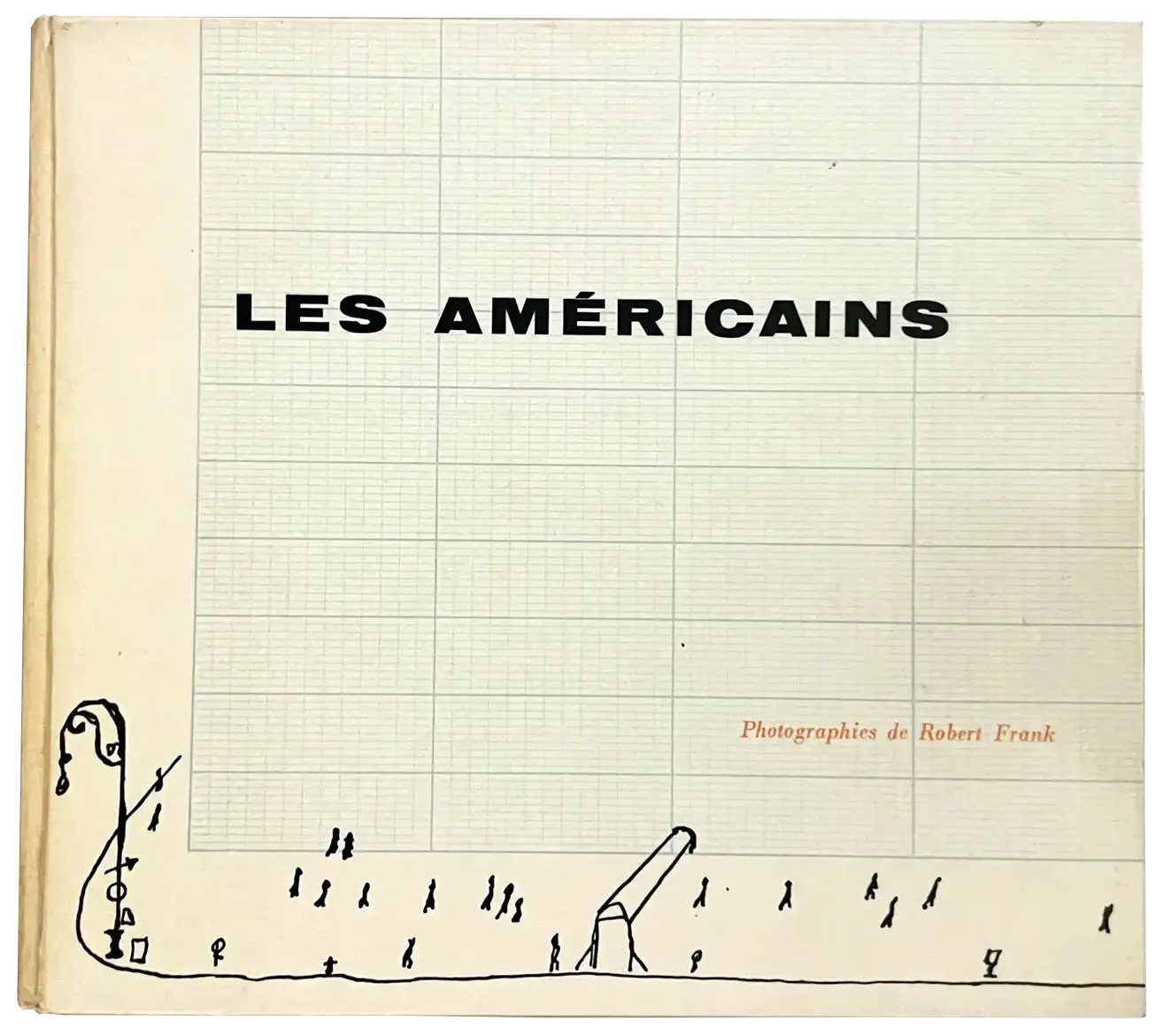
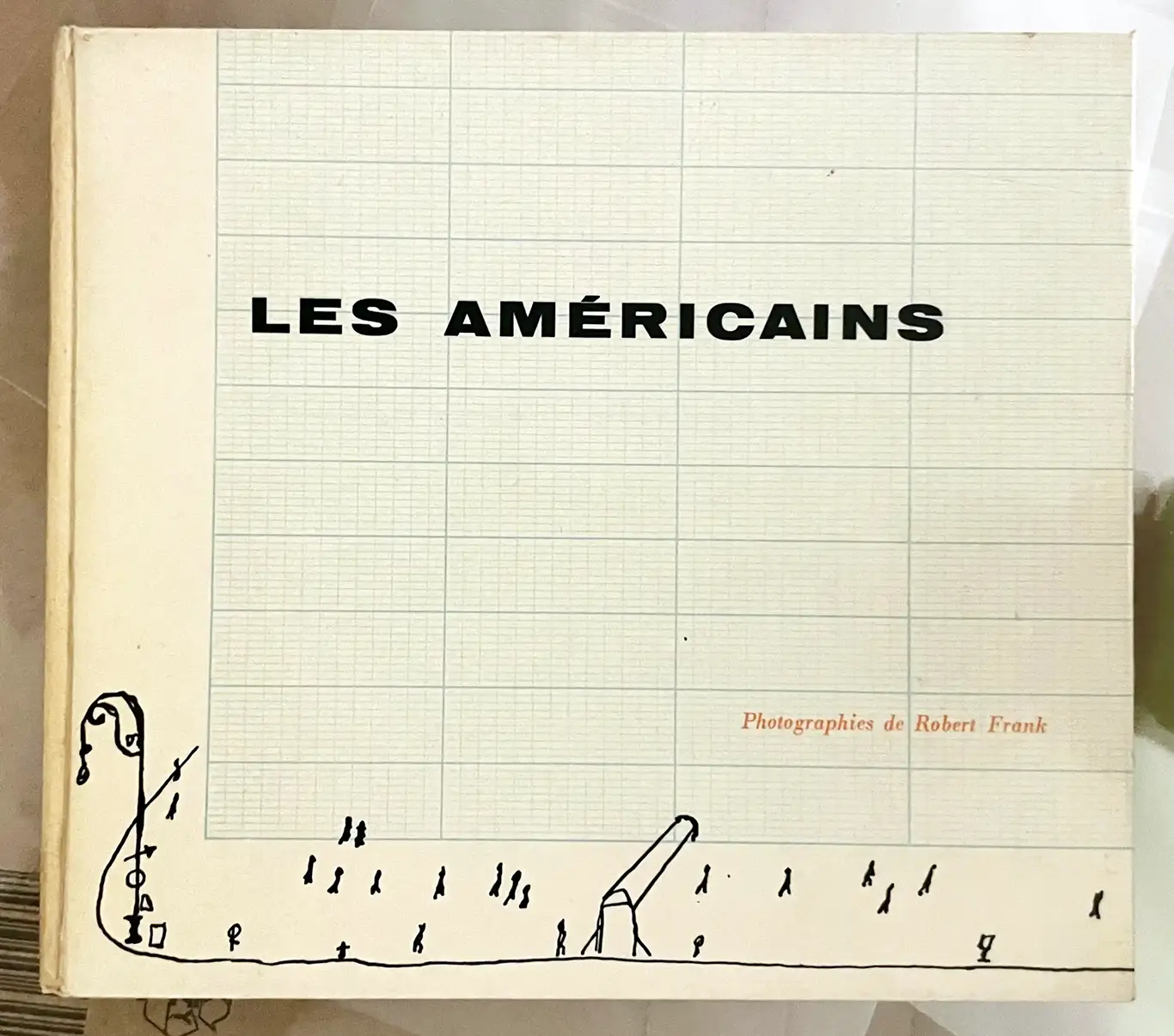
Published by Delpire in 1958, Les Américains represents the first-ever publication of Robert Frank’s revolutionary photographic survey, preceding the U.S. edition by Grove Press. Designed by Robert Delpire with an iconic cover and layout, this rare French edition established a new visual language for documentary photography, presenting an unvarnished, melancholic counter-narrative to mid-century American optimism.
The book was first published in France by Delpire because American publishers repeatedly rejected the manuscript, deeming its vision of the United States too bleak, critical, and subversive. When Frank completed his Guggenheim-funded road trip across the country, U.S. publishers were unsettled by his unvarnished portrayal of racial tension, consumer alienation, and systemic loneliness, qualities that directly challenged the triumphant post-war optimism of the Eisenhower era.
Robert Delpire, however, recognized the revolutionary power of Frank’s sequence and agreed to publish the French edition first (under the title Les Américains), pairing the photographs with critical essays by French writers. The landmark U.S. edition by Grove Press followed a year later in 1959, retitled The Americans and featuring an introduction by Jack Kerouac.
The work occupies a central position within Frank's oeuvre, capturing the culmination of his historic 1955–1956 road trip across the United States funded by his Guggenheim Fellowship. By subverting traditional compositional conventions and embracing blur, grain, and high-contrast lighting, Frank mapped a fractured landscape of racial tension, consumer alienation, and transient solitude along the highway.
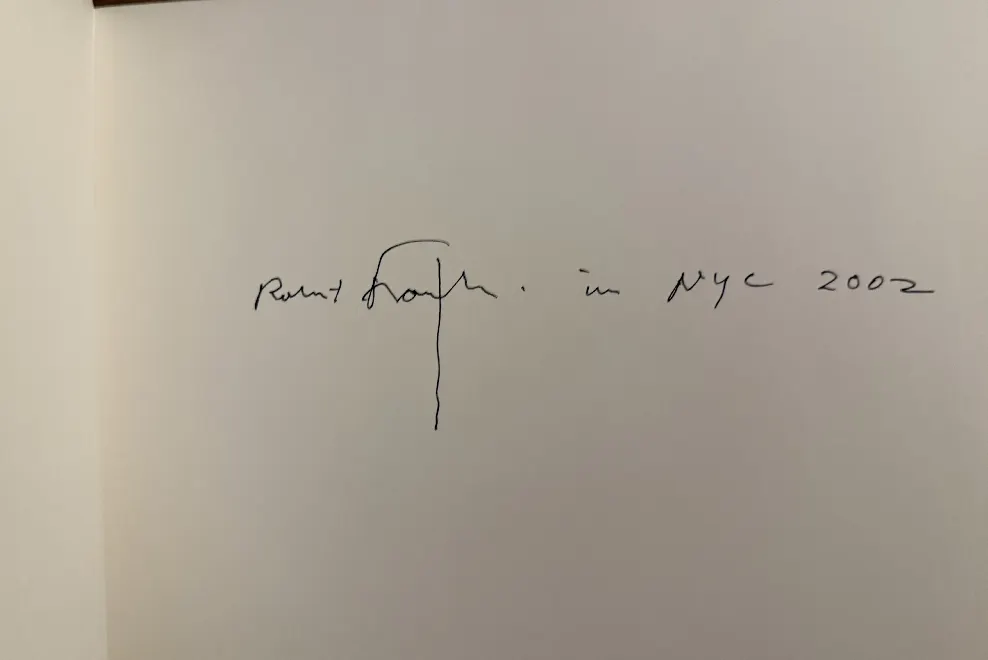
Within the Bushwick sur Seine archive, this specific first French printing holds profound significance as an artifact of photographic history.