

Copyright ©
Ron Jude
or applicable right holders.


Which art books, prints and posters are available by and about this artist? Here is a sample of items of interest to a typical collector:

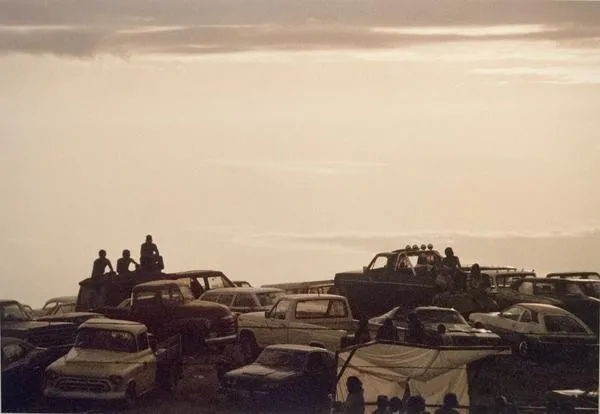
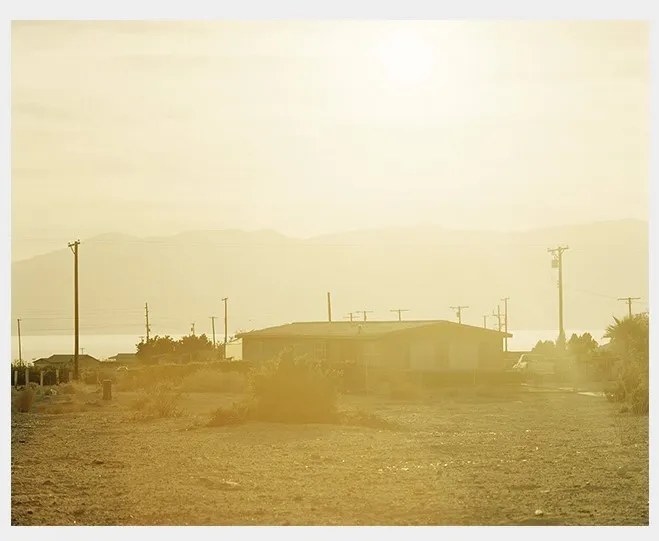
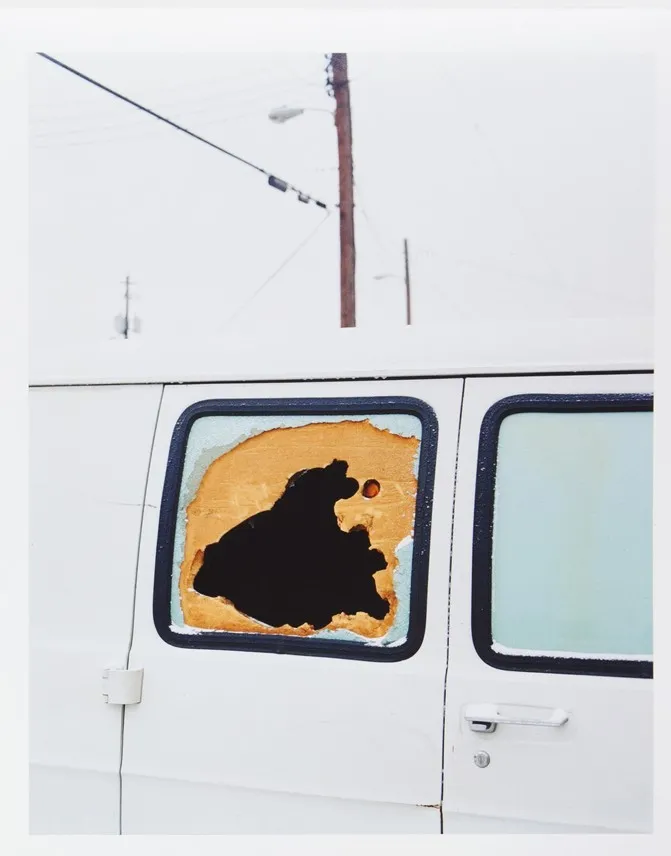
Ron Jude, American, b. 1965
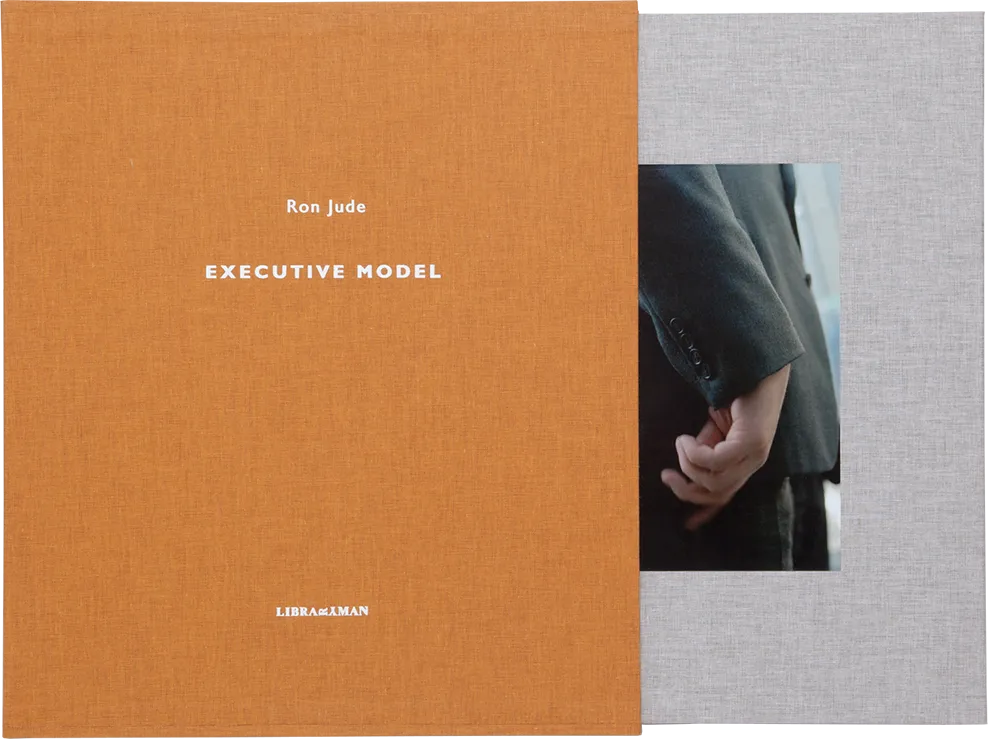
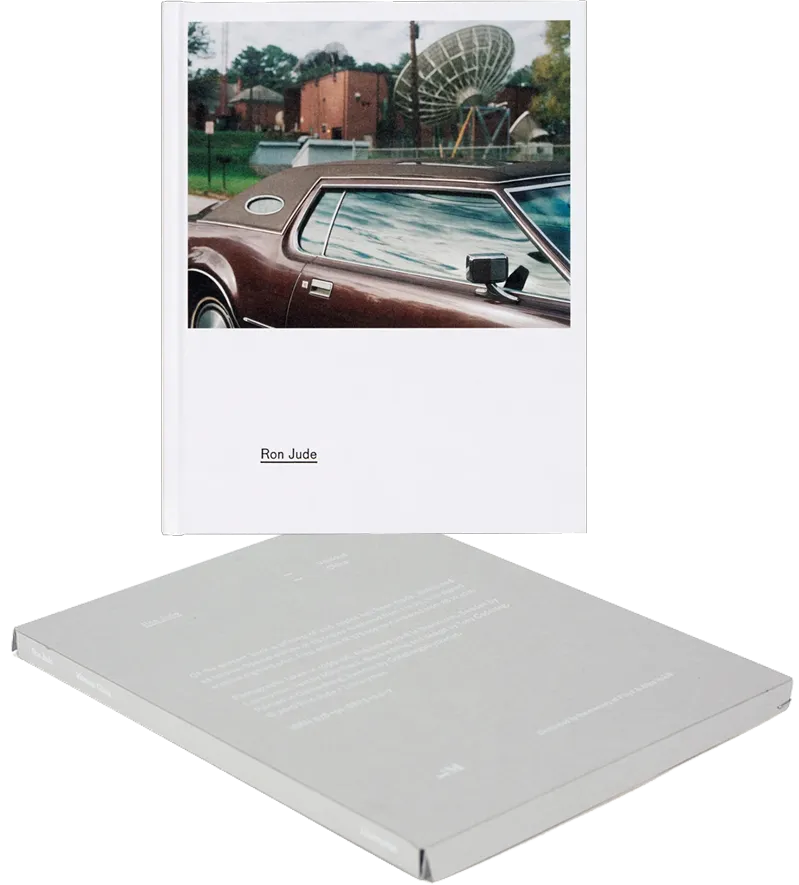
Jude is a contemporary artist and educator whose practice consistently questions the narrative stability and traditional assumptions of documentary photography. Based in Oregon, Jude constructs diverse bodies of work that explore the intersections of place, memory, and the limitations of the medium itself. Whether examining the architectures of American corporate life in early series like Executive Model or the immense, non-human scale of geological forces in later projects like 12 Hz, his approach often relies on a deliberate estrangement from his subjects. He actively dismantles the expectation that a photograph can provide objective truths, utilizing the medium instead to investigate the ambiguity of lived experience and the structural boundaries of image-making.
Jude’s output is defined by a rigorous adaptability, shaping his visual language to meet the specific conceptual demands of each series. He oscillates between highly formal clarity and intentionally restricted, lo-fi methodologies. In some instances, he embraces the optical limitations of sub-miniature cameras, utilizing heavy grain, aggressive cropping, and unpredictable focus to emphasize the act of observation itself. In others, he employs large-format precision to render environments with clinical detail. Across these varying technical approaches, his compositions maintain a strict graphic order, frequently isolating specific textures, architectural fragments, or landscapes to build a sense of atmospheric weight rather than clear narrative resolution.
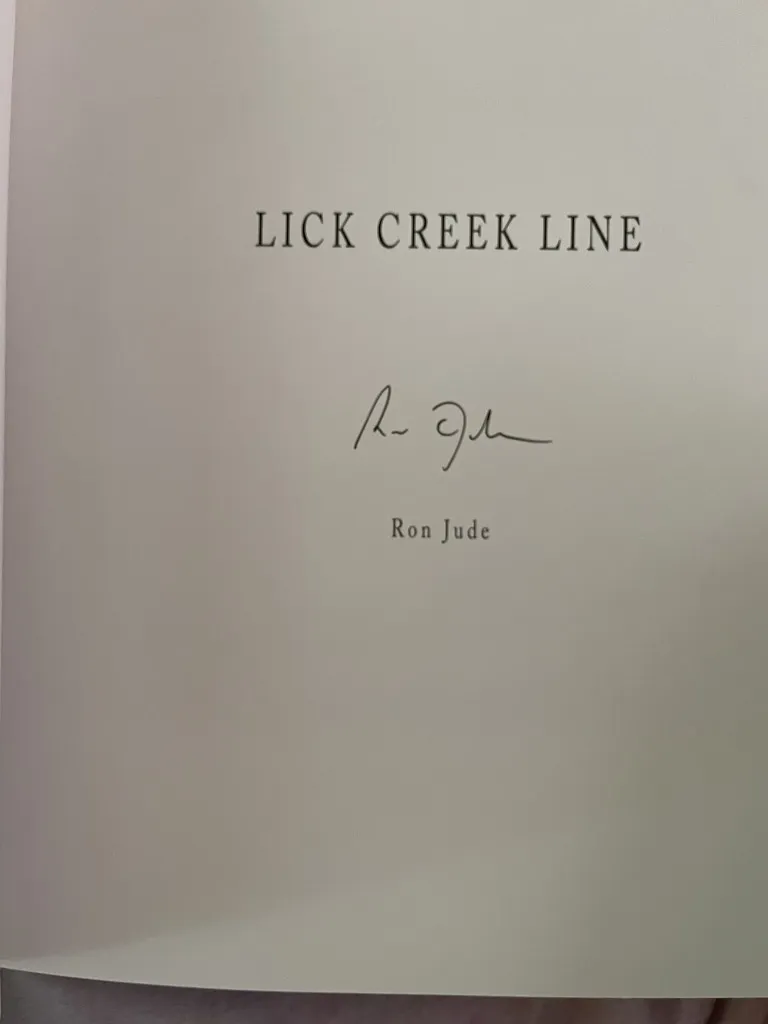
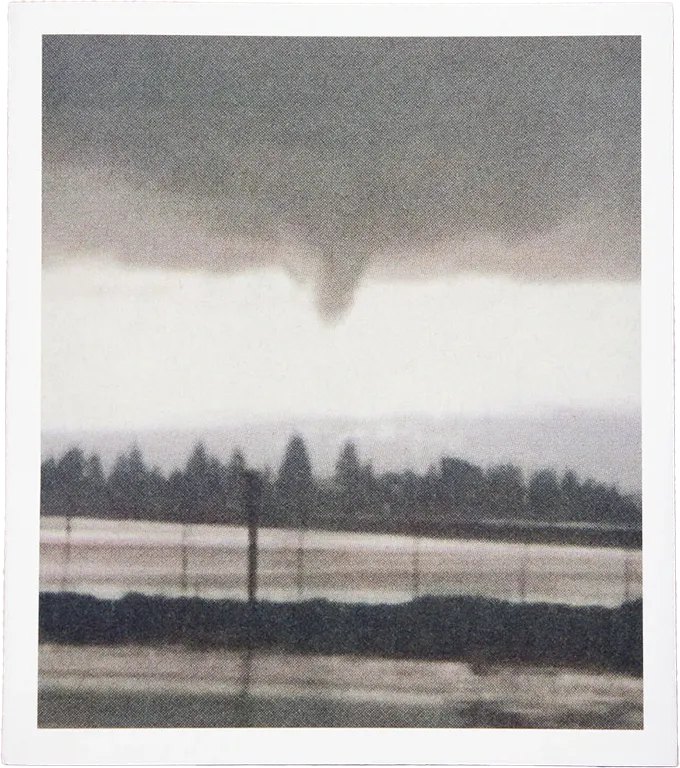
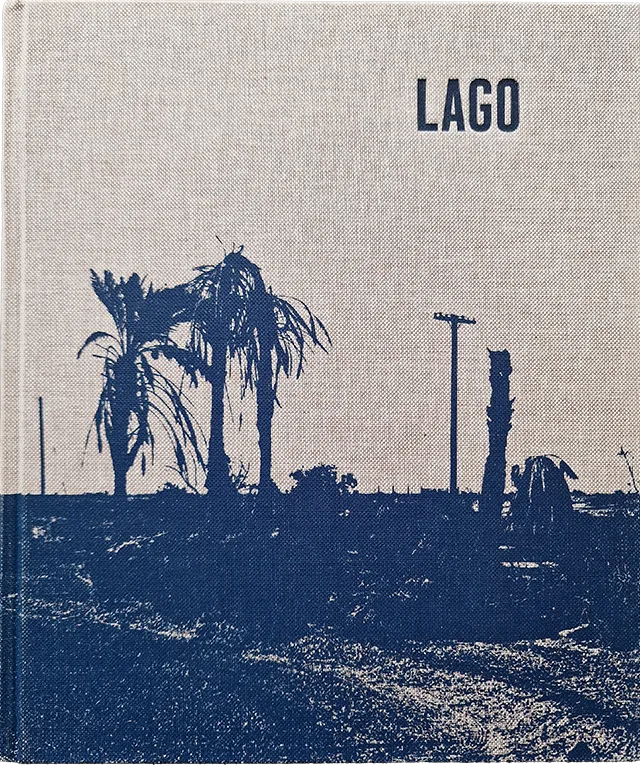
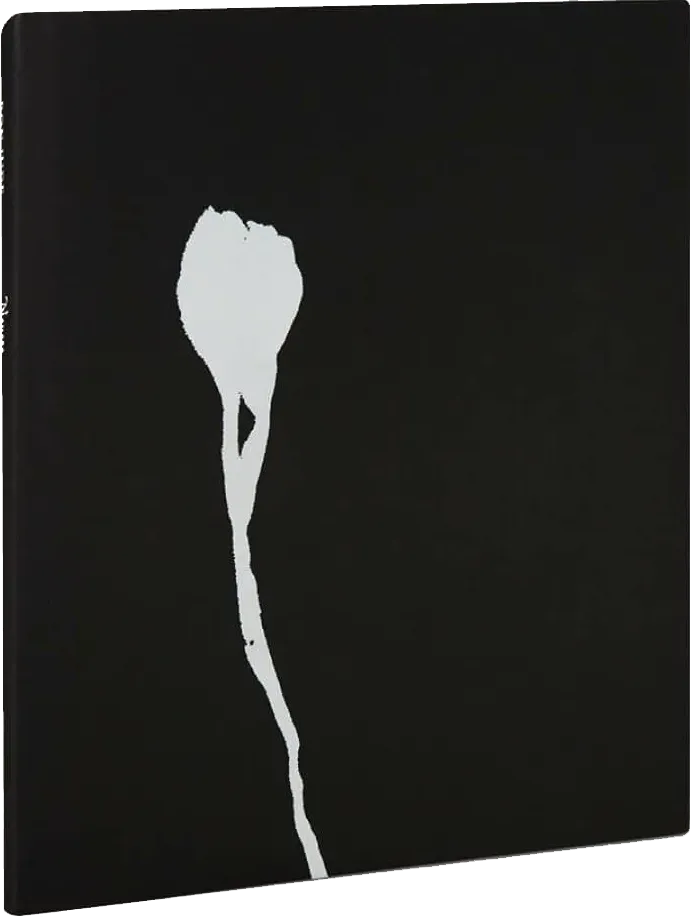
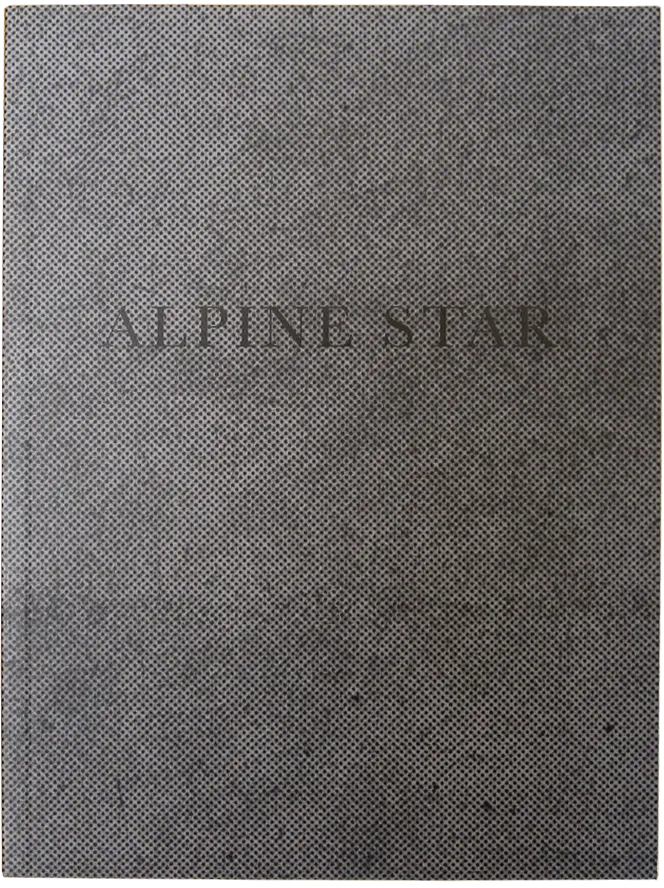
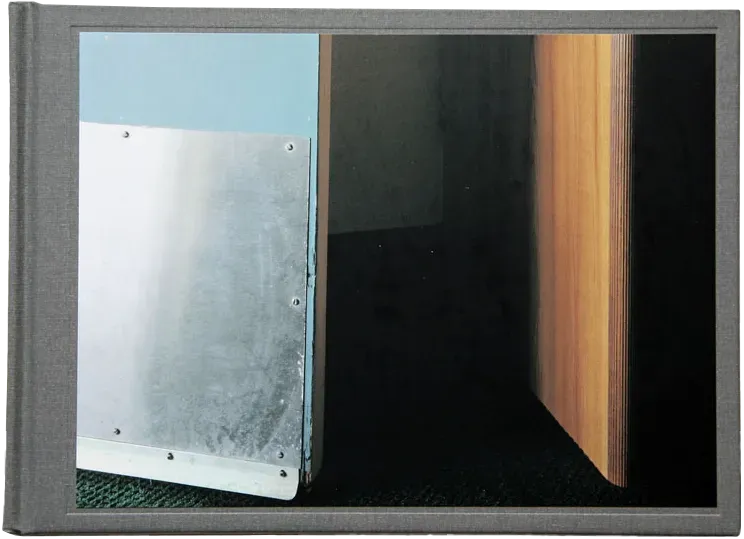
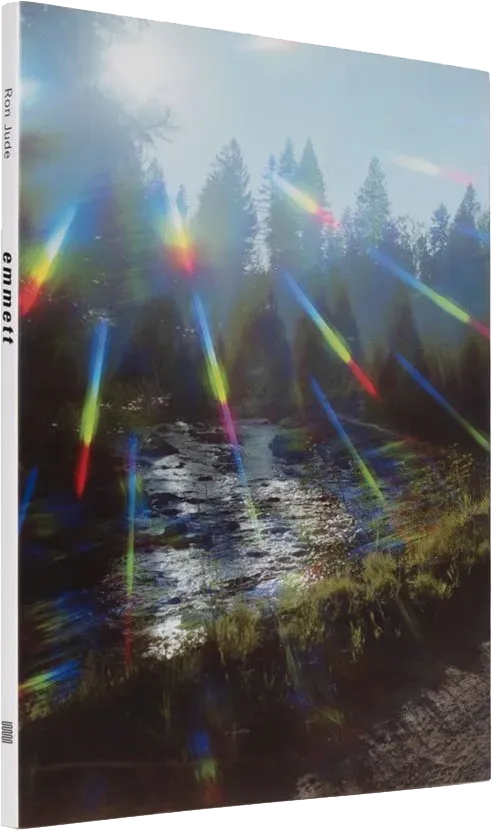
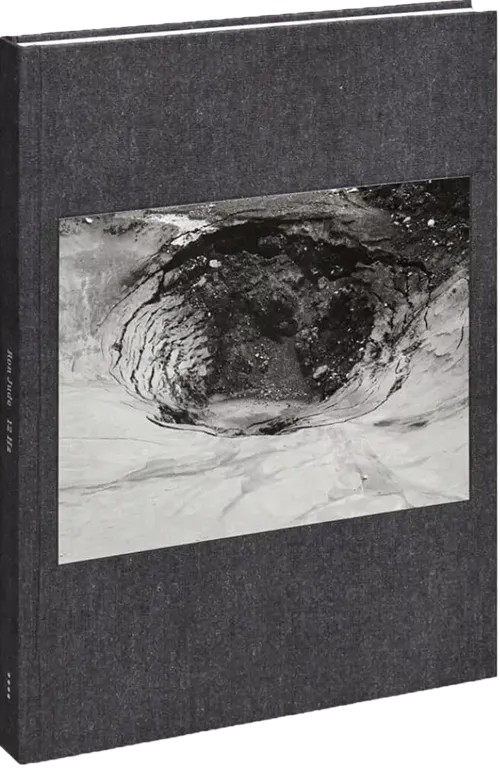
Beyond Executive Model, Jude has built a substantial bibliography that continually tests the boundaries of documentary narrative. His loosely defined Idaho trilogy began with Alpine Star (2006), utilizing archival newspaper clippings to explore collective memory, and continued with Emmett (2010), which re-sequenced his own early amateur photographs to examine adolescent identity. He concluded this sequence with Lick Creek Line (2012), a fractured narrative following a fur trapper. He later shifted focus to the stark topography of his childhood in the Southern California desert with Lago (2015). His subsequent publications with MACK include Nausea (2017), a formal, claustrophobic study of public school interiors captured between 1989 and 1992, and 12 Hz (2020), a significant conceptual departure that documents massive, non-human geological forces to confront the imperceptible physical rhythms of the earth.