


Which art books, prints and posters are available by and about this artist? Here is a sample of items of interest to a typical collector:






%20copy.webp)
%2C%202012%20Fully%20Resized.webp)

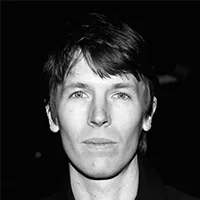
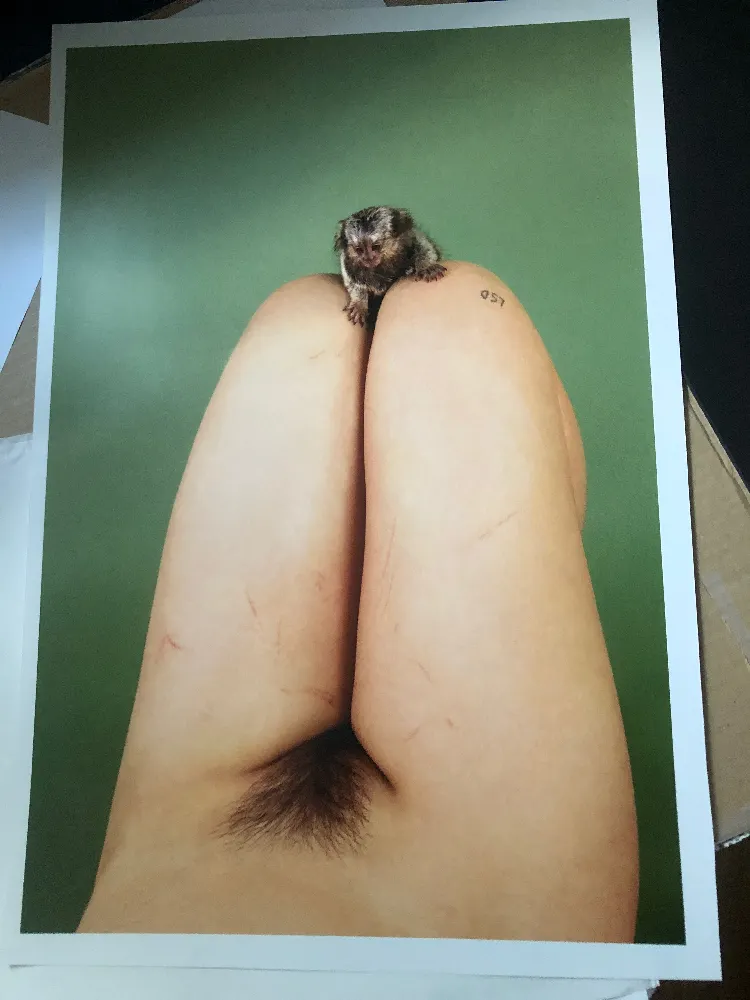
Ryan McGinley, American, b. 1977
McGinley is a contemporary photographer whose raw, spontaneous portraits of youth culture earned him early acclaim, culminating in a landmark solo show at the Whitney Museum of American Art when he was just twenty-five years old, making him one of the youngest artists ever to have a solo exhibition at the institution. Born on October 17, 1977, in Ramsey, New Jersey, McGinley moved to New York City in the mid-1990s to study graphic design at Parsons School of Design, where he began immersing himself in downtown Manhattan's street culture and documenting his circle of friends, skateboarders, graffiti artists, musicians, and queer youth.
His breakthrough came with a self-published, fifty-page inkjet photobook titled The Kids Are Alright in 1999. The work presented a candid, intimate view of a hedonistic and bohemian downtown subculture, echoing the raw intimacy of predecessors like Nan Goldin and Larry Clark, but infusing the scenes with a distinct sense of euphoria, freedom, and playful camaraderie rather than tragedy. This early documentary snapshot of New York youth culture caught the attention of curators and established his reputation as a defining visual chronicler of his generation.
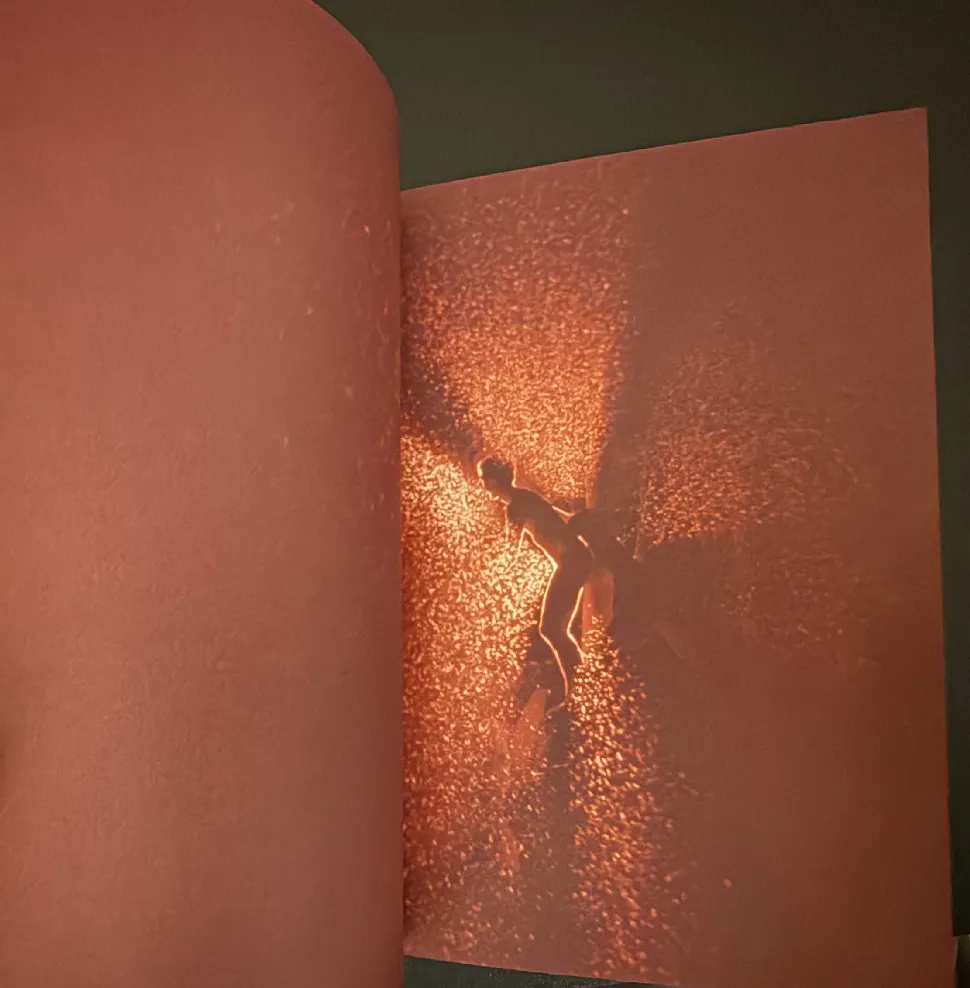
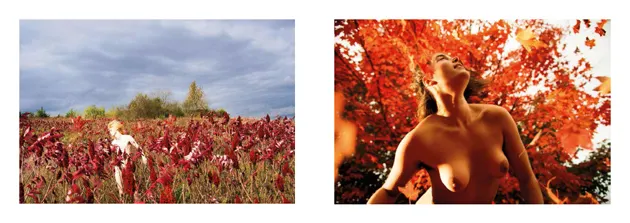
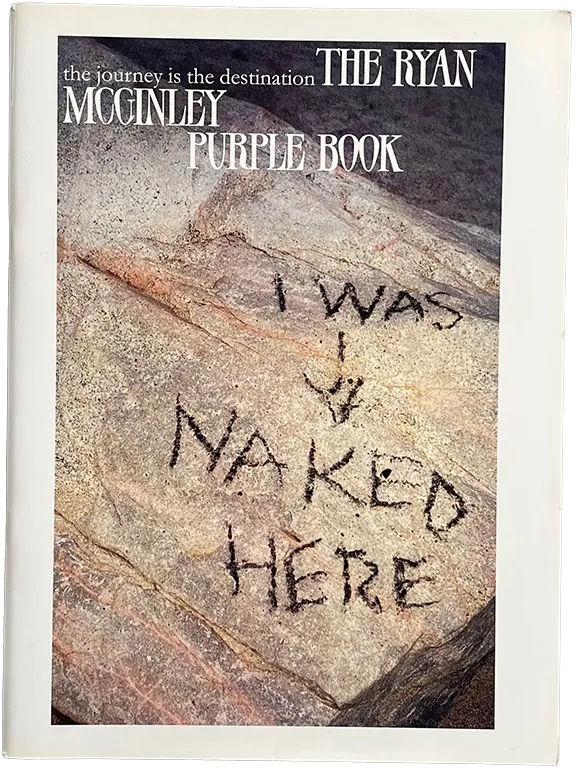
Following his initial urban portraits, McGinley's practice evolved from straight documentary toward highly orchestrated and directed scenes. He began organizing annual summer cross-country road trips, capturing large-scale color photographs of nude and semi-nude subjects interacting spontaneously with expansive natural landscapes. These works explore themes of innocence, liberation, and the human body in nature, frequently utilizing atmospheric elements like fireworks and smoke machines to create a surreal, cinematic quality.
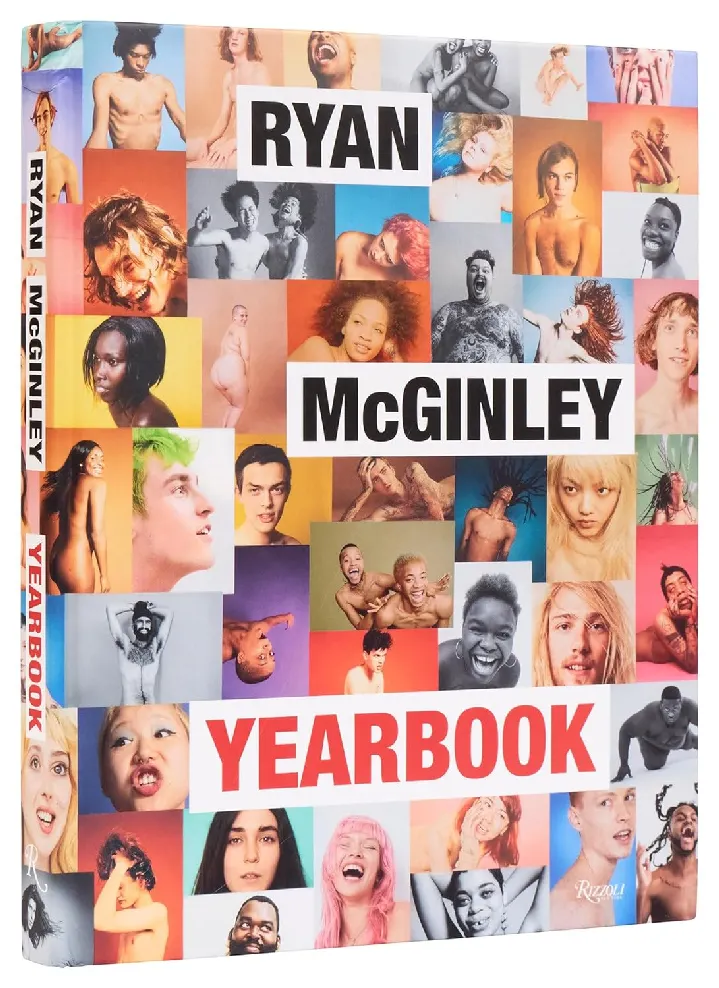
Over the years, McGinley has further expanded his practice to include formal studio portraiture, editorial assignments, and commercial campaigns for prominent fashion houses and publications. His photographs are held in major public collections internationally, including the San Francisco Museum of Modern Art, the Solomon R. Guggenheim Museum, and the Smithsonian National Portrait Gallery. He continues to live and work in New York City.
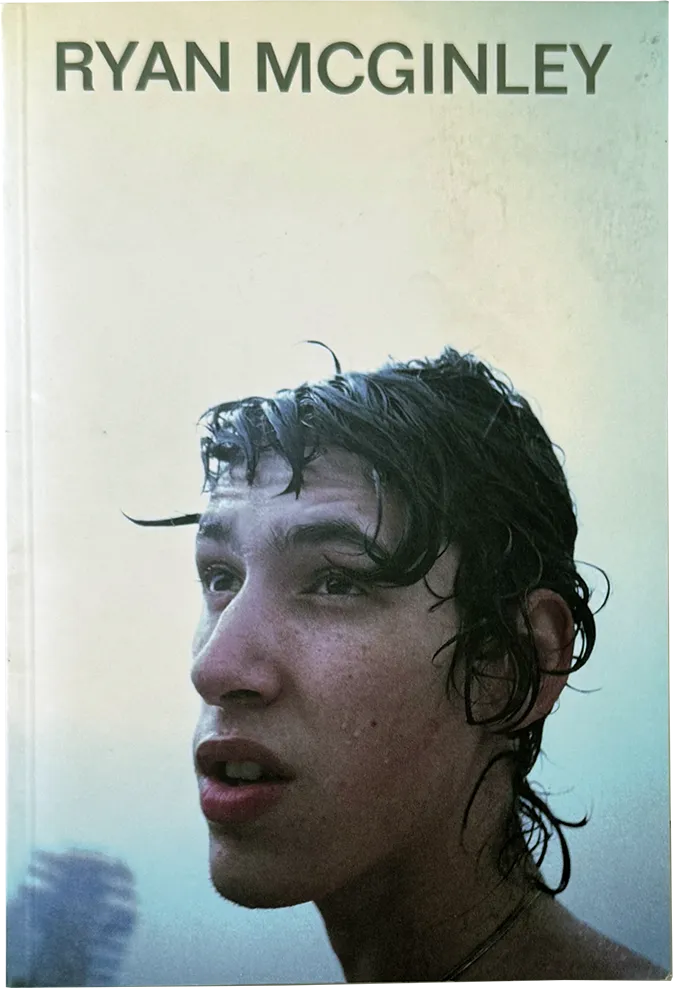
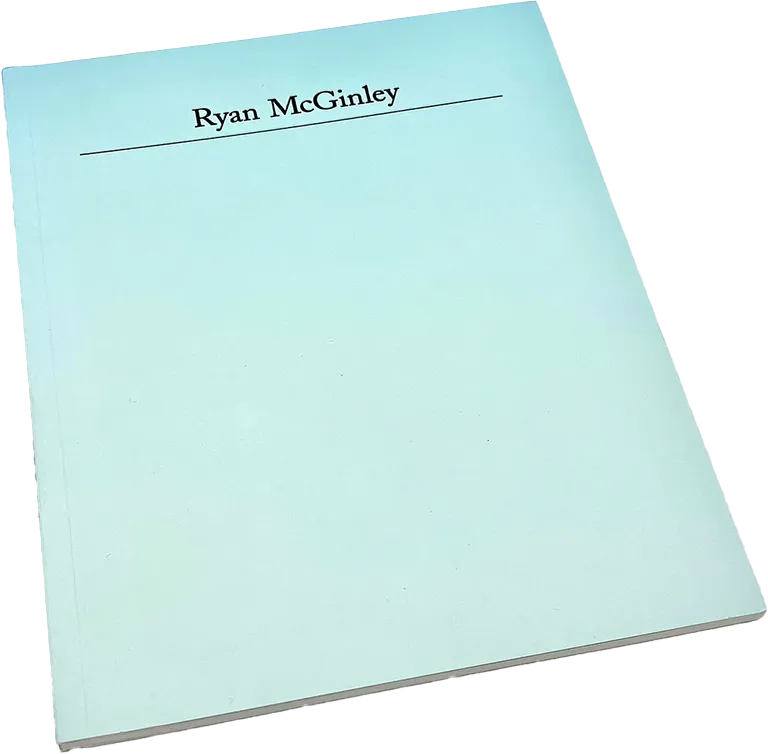
Ryan McGinley’s publication history serves as a vital component of his artistic practice, with his early monographs capturing the raw spirit of downtown Manhattan and his later volumes documenting his extensive summer road trips. Following his monumental self-published debut, The Kids Are Alright in 1999, McGinley released Ryan McGinley 2002 and Ryan McGinley 2004, which further cemented his status as a premier chronicler of American youth culture.
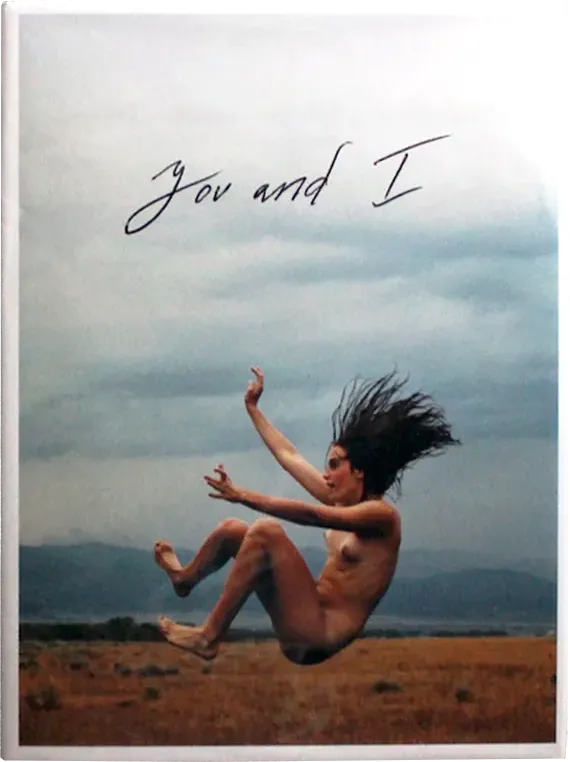
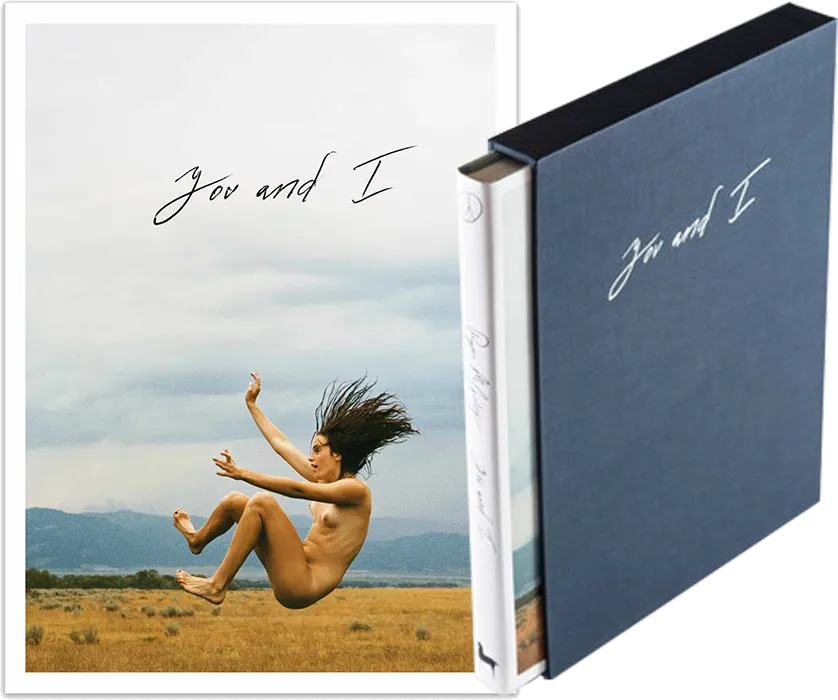
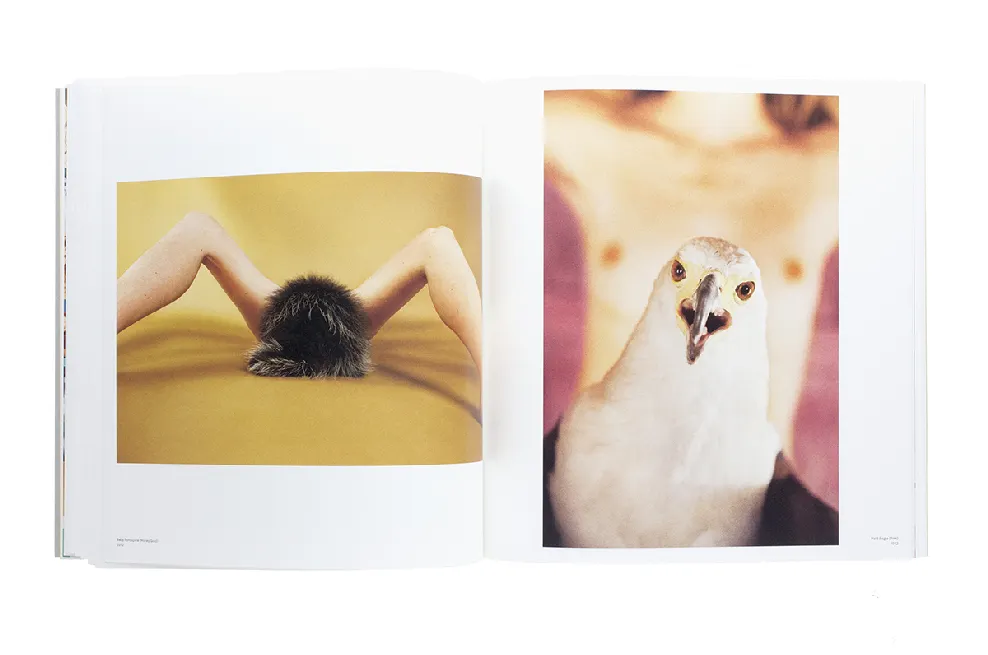
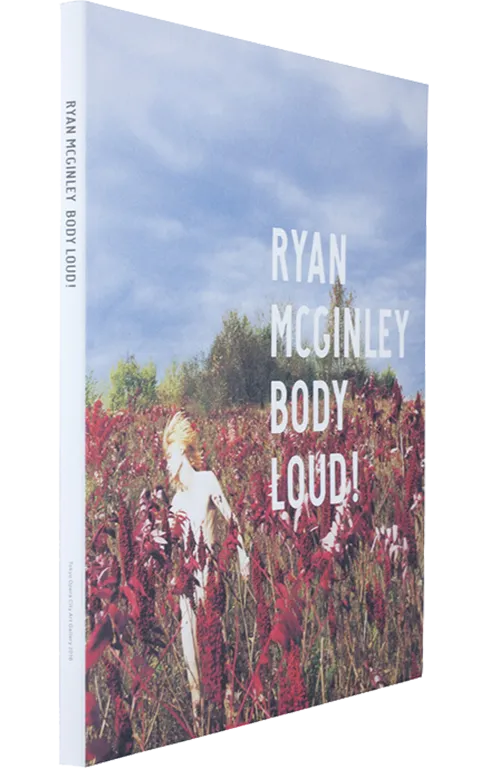
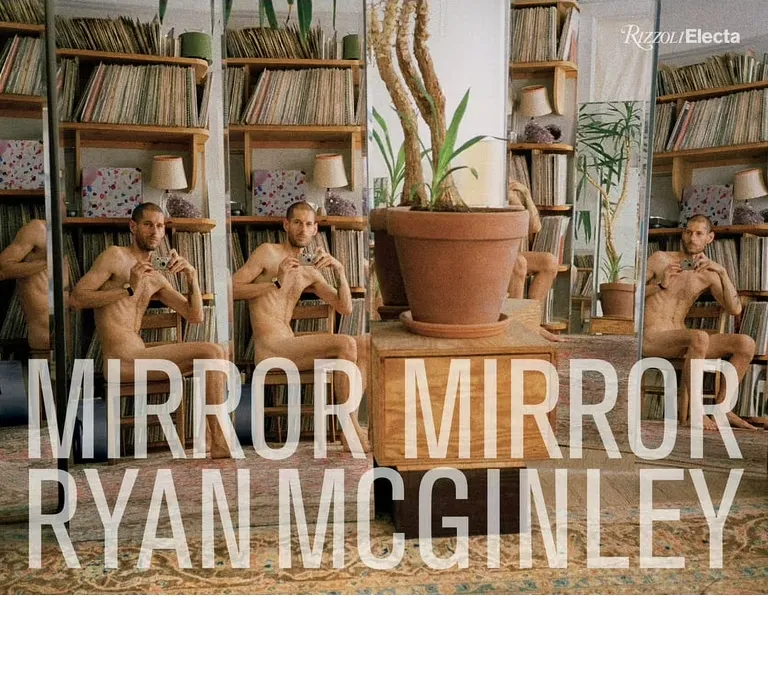
As his aesthetic shifted toward more orchestrated, atmospheric landscapes, he released highly acclaimed monographs such as Sun and Health, MoonMilk, and Everybody Knows This Is Nowhere. These collections showcase his signature blend of cinematic grandeur, vibrant color palettes, and candid human vulnerability. His evolving body of work has also been comprehensively explored in major career overviews and thematic volumes, including Whistle for the Wind, You and I, Mirror, Mirror, and Body Loud, each capturing the sense of liberation, movement, and intimate camaraderie that defines his photographic legacy.


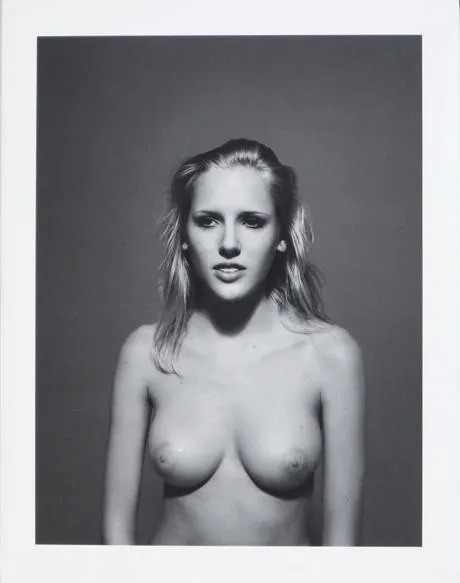
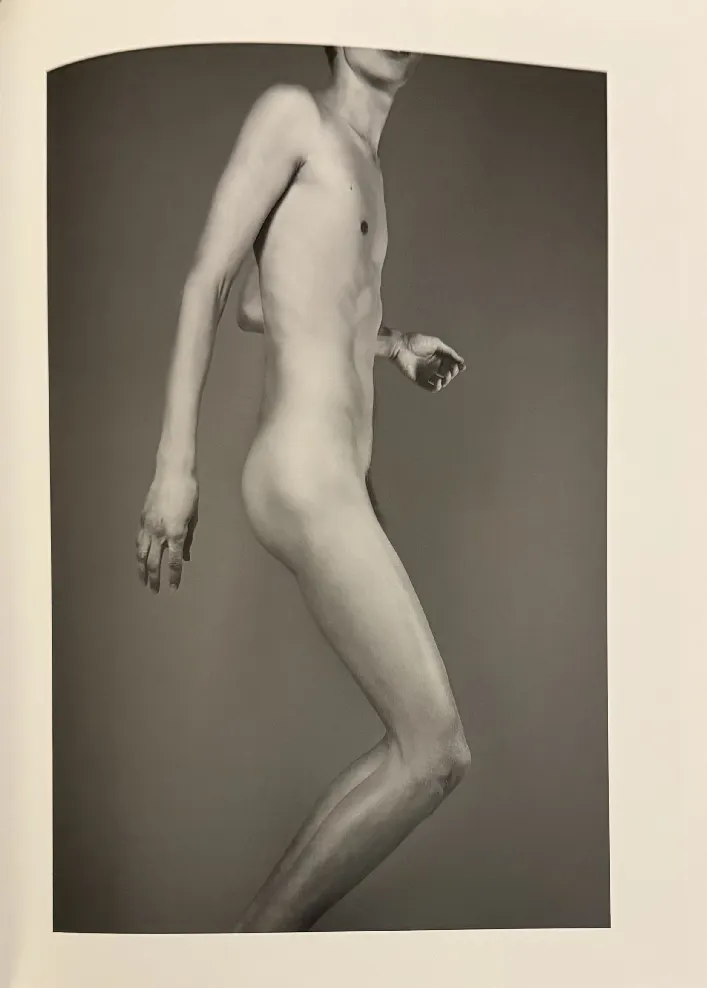
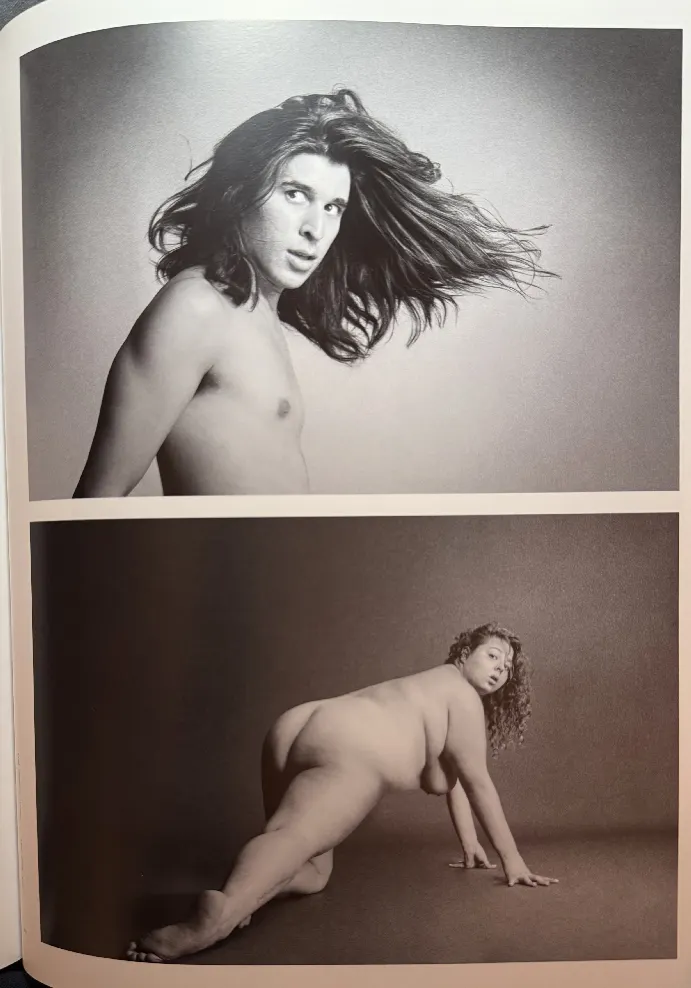
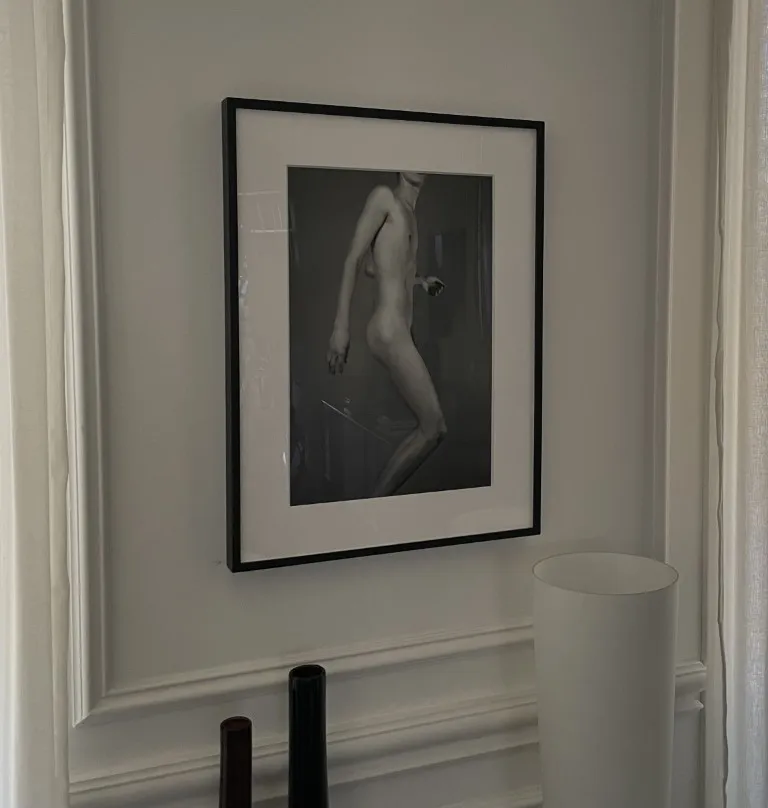
Everybody Knows This Is Nowhere represents a significant stylistic shift for American photographer Ryan McGinley. Released in conjunction with an exhibition at Team Gallery in New York, the monograph features a conversation between McGinley and fellow photographer Catherine Opie.
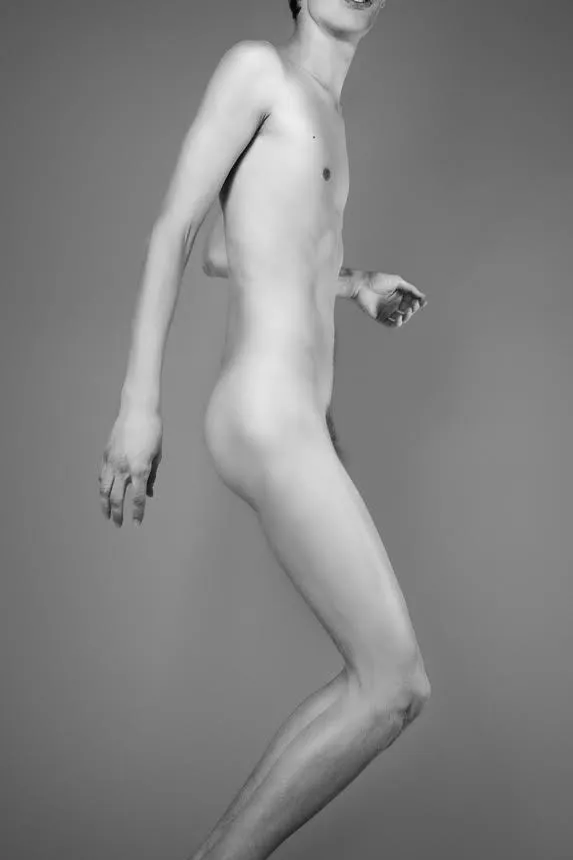
Prior to this body of work, McGinley was heavily known for capturing vibrant, color-drenched, and chaotic scenes of youthful adventure across boundless American landscapes. For Everybody Knows This Is Nowhere, he dispensed entirely with the outdoors and color photography. Instead, he brought his subjects into the austere, controlled environment of his New York studio to create a restrained, open-ended series of black-and-white nude portraits.
Over the course of two years, McGinley invited around 150 hand-picked subjects, many spotted at concerts and festivals, into his studio. Stripped bare of clothing and external context, the models are suspended in what the artist refers to as a "strategic nowhere," shifting the viewer's entire focus onto the subjects' emotional states, vulnerability, and inherent optimism. The result is a deeply intimate catalog of youth and identity, characterized by a meticulous studio practice where thousands of frames were shot to distill a single and defining portrait of each person.