


Which art books, prints and posters are available by and about this artist? Here is a sample of items of interest to a typical collector:

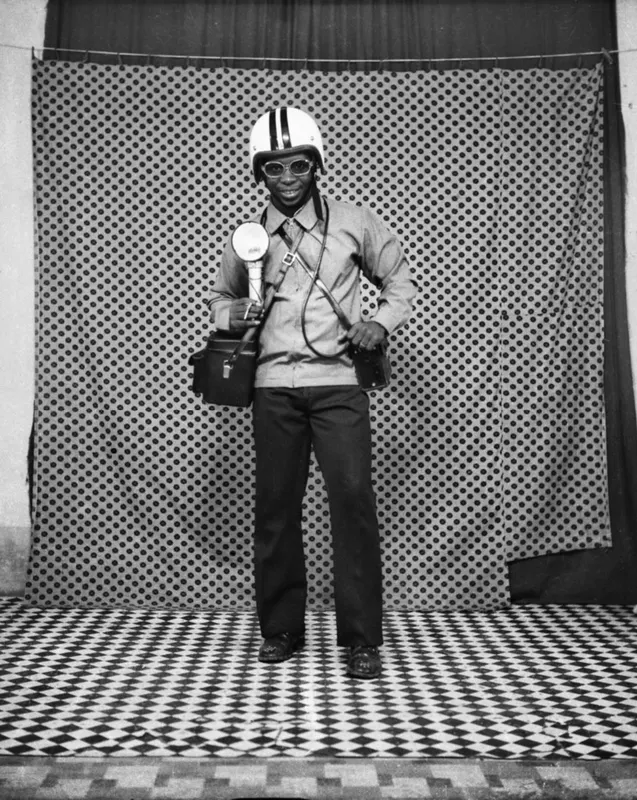
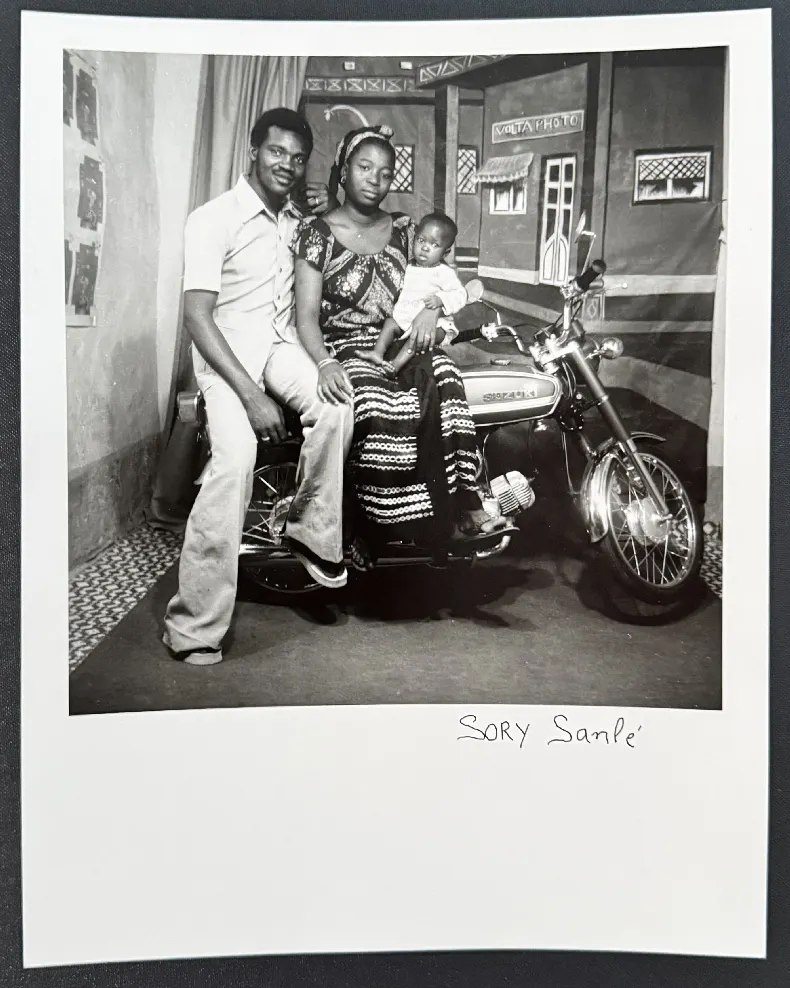
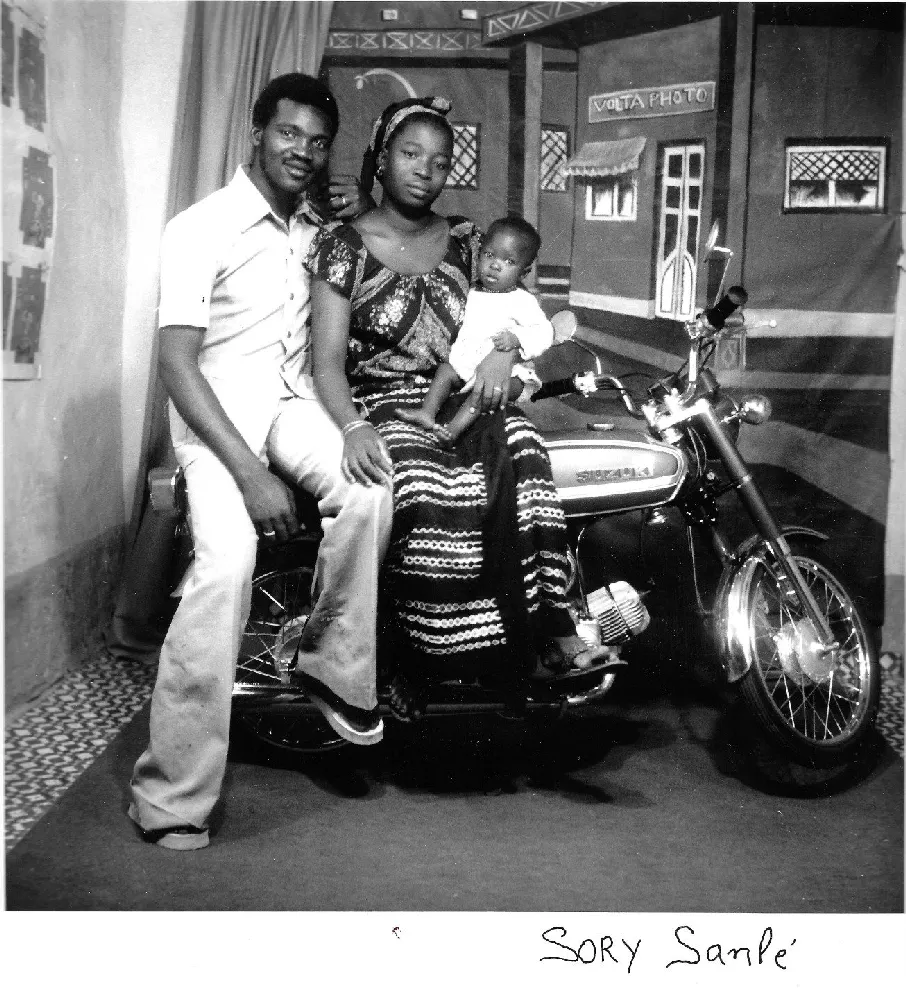
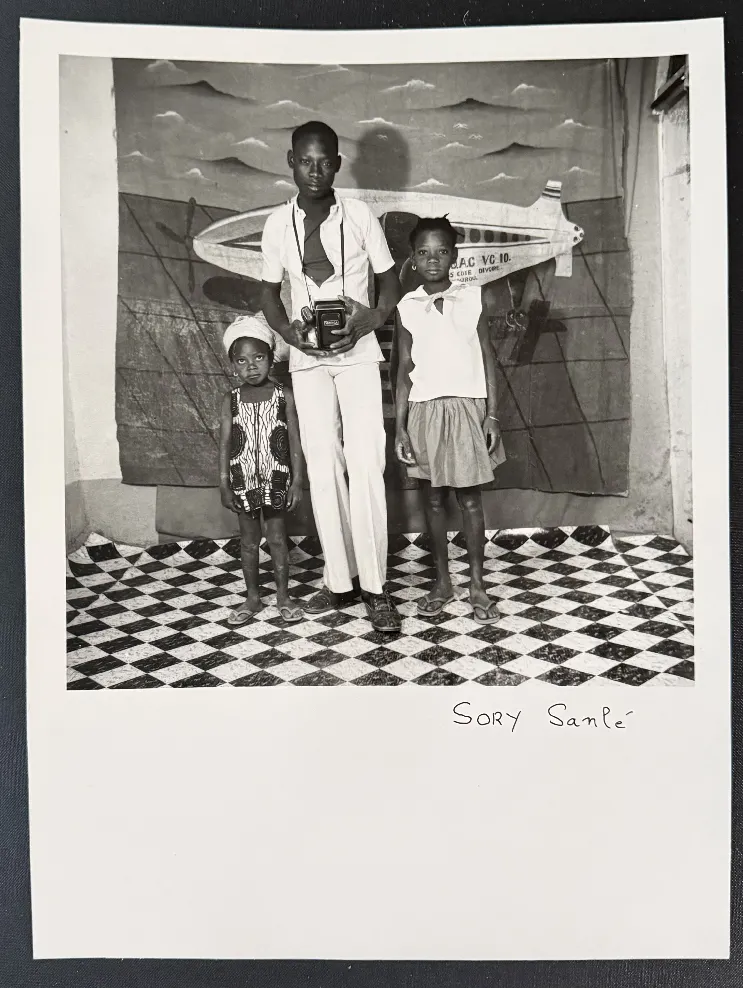
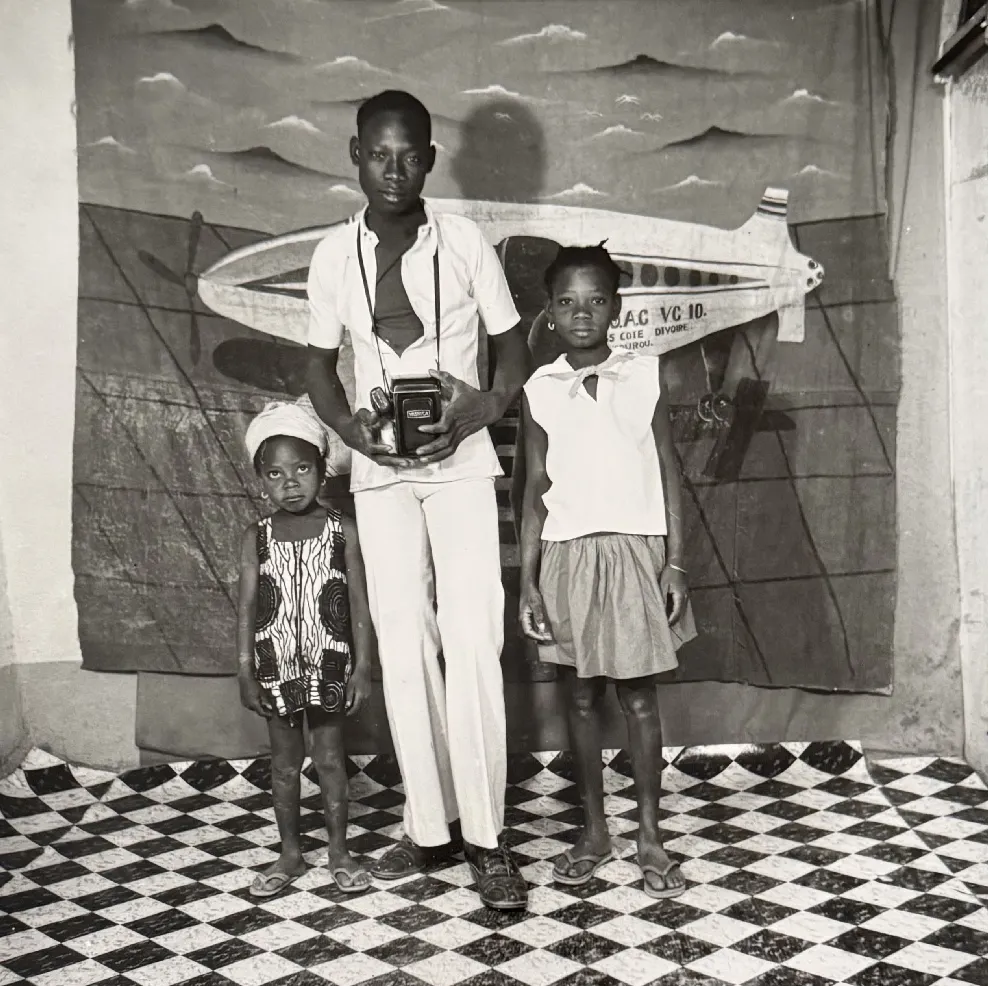
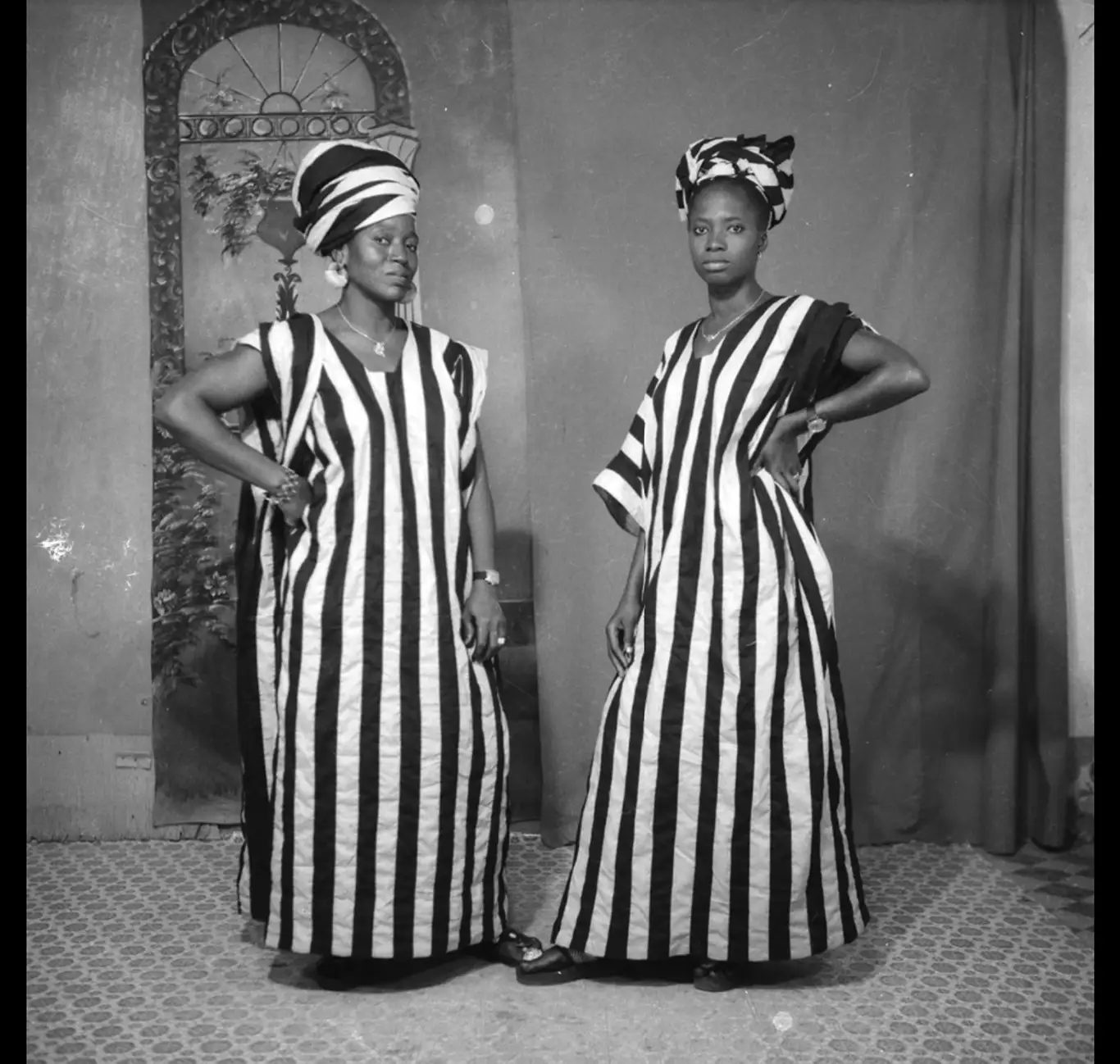
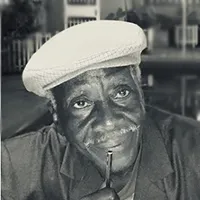
Sanlé Sory, Burkina Faso, b. 1943
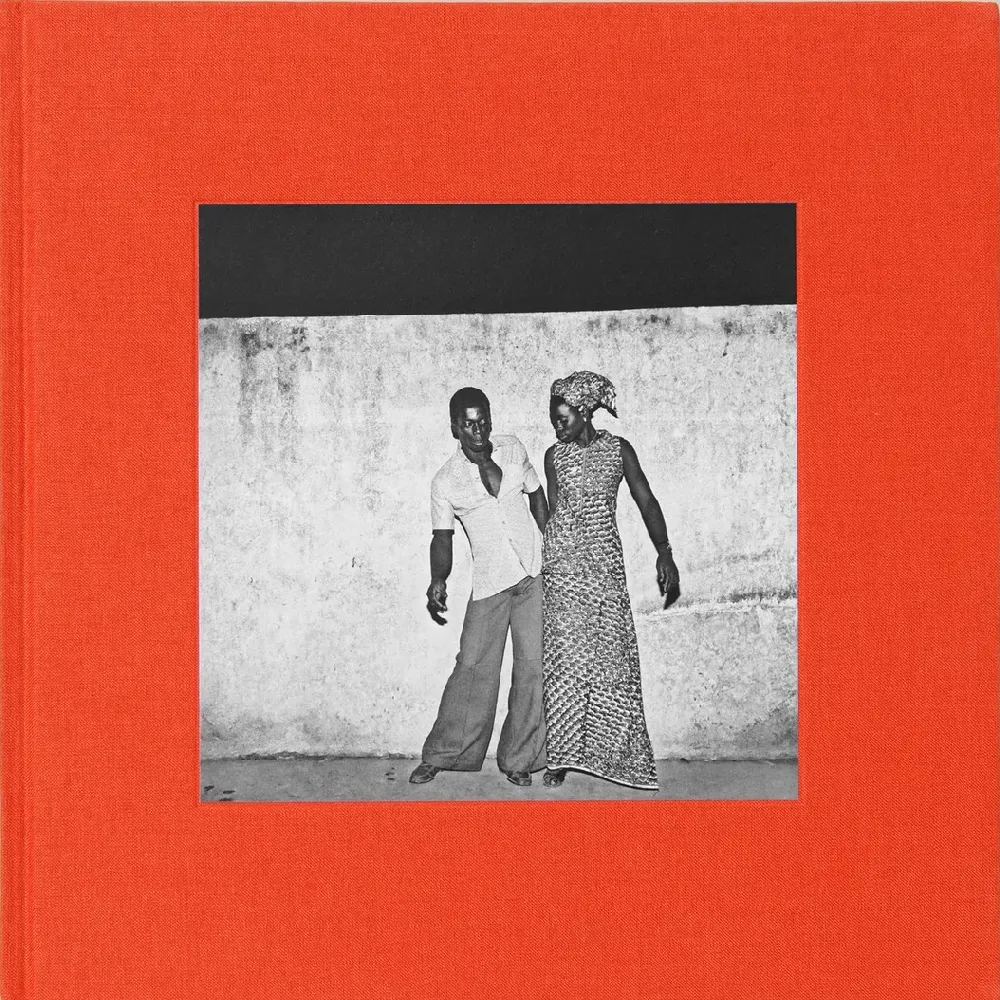
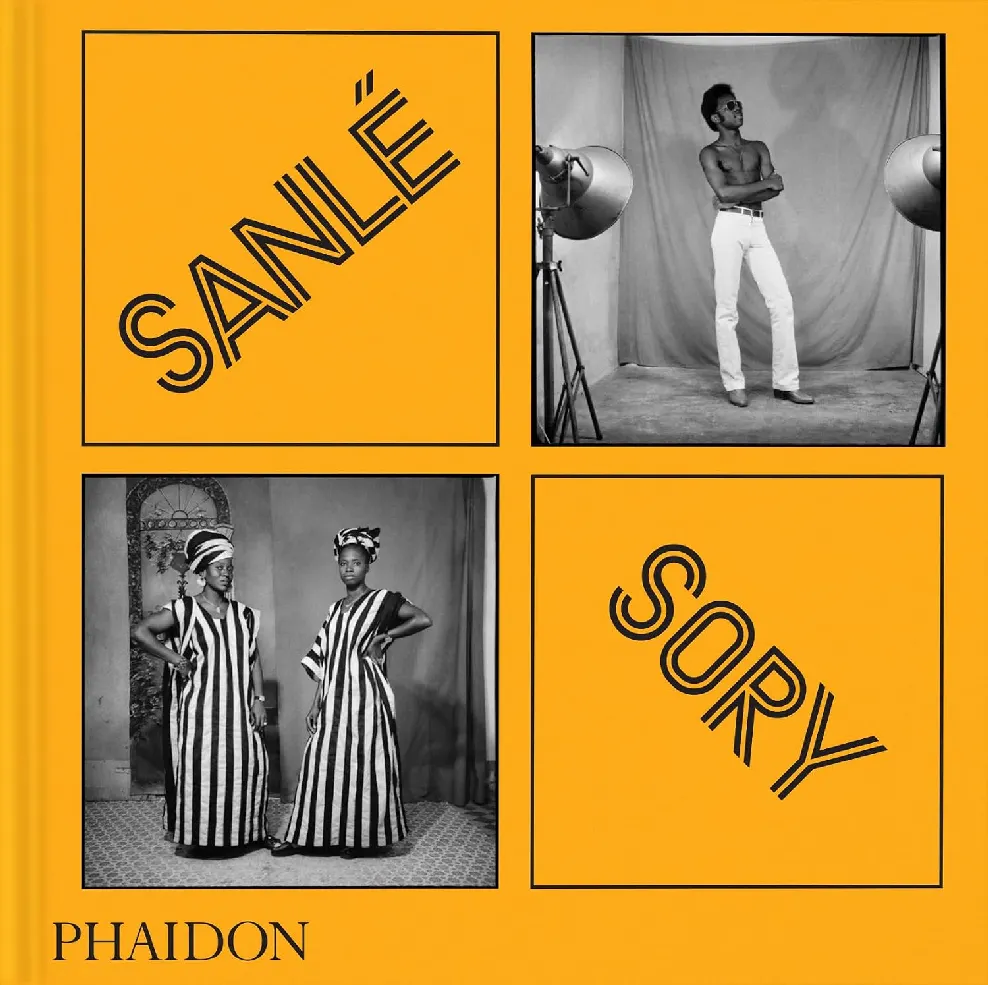
Sory is celebrated for his vibrant, soulful portraits that captured the "Nouvelle Vague" of Burkina Faso during its first decades of independence.
The Studio of Dreams: Volta
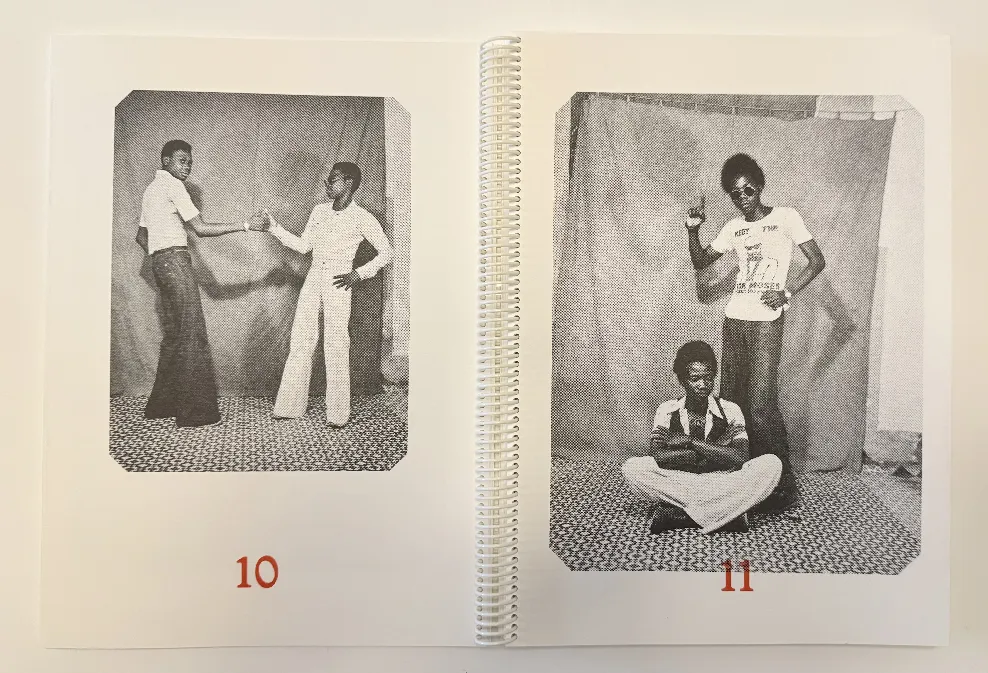
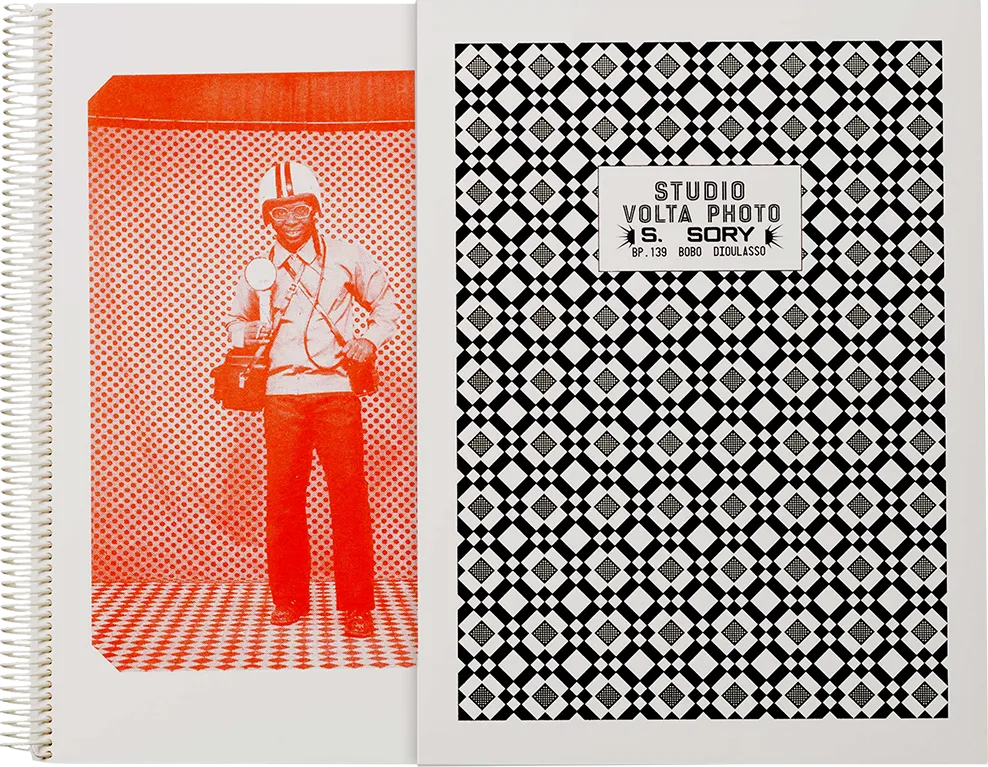
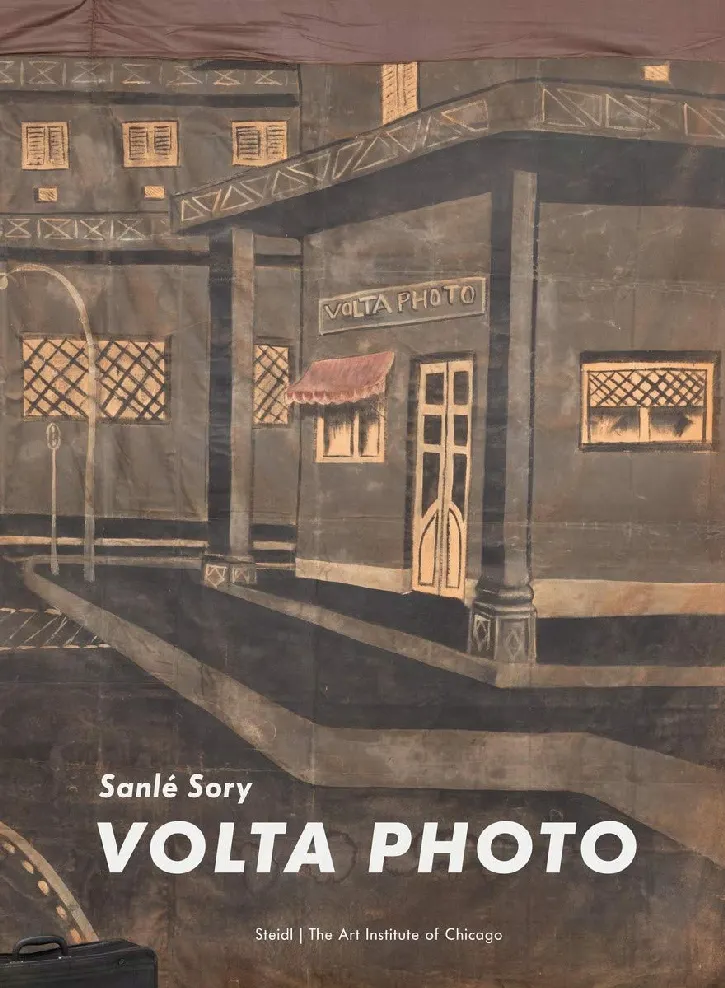
In 1960—the same year his country (then called Upper Volta) gained independence from France—Sory opened Volta Photo in Bobo-Dioulasso. While the capital, Ouagadougou, was the political center, Bobo-Dioulasso was the cultural and musical heart of the nation.
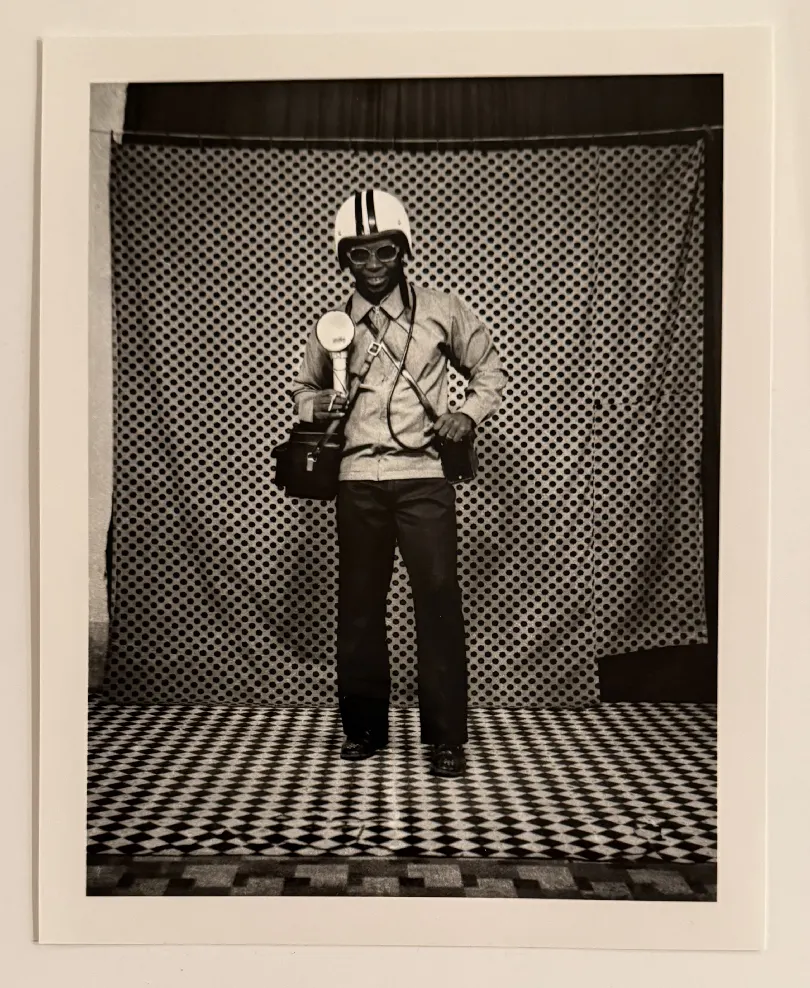
Sory’s studio became a space for performative identity. He provided backdrops and props that allowed his subjects to "playact" their aspirations:
Music and Nightlife
Sory was deeply embedded in the local music scene. He worked as a record sleeve illustrator and photographed legendary bands like Volta Jazz.
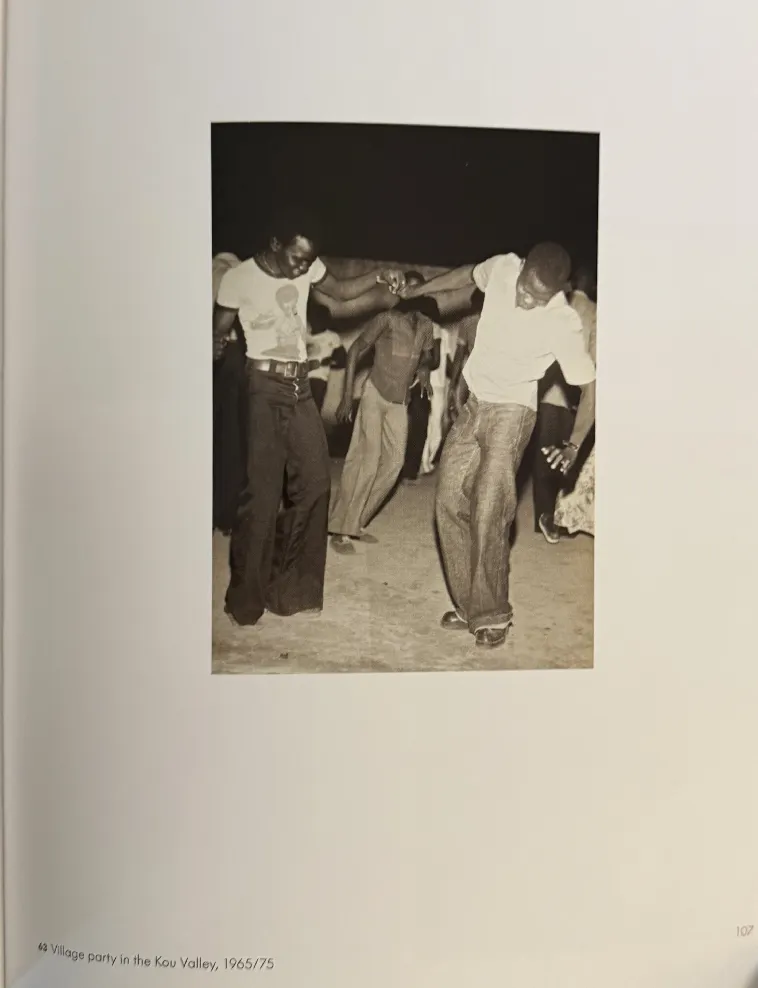
Beyond the studio, he organized bals poussières (dust balls)—open-air dance parties in rural villages. He would travel by motorbike with his own sound system and musicians, photographing the partygoers to make a living while capturing the raw, exuberant nightlife of the 1960s and 70s.
Late Recognition
For decades, Sory’s work remained unknown outside of Burkina Faso. It wasn't until around 2013, when French record producer Florent Mazzoleni discovered his archive while researching West African music, that his work gained international acclaim. At the time, Sory was reportedly on the verge of burning his old negatives, believing no one cared about the "old stuff."

