Which art books, prints and posters are available by and about this artist? Here is a sample of items of interest to a typical collector:
Came with the limited edition print of 25. Book numbering is on external sticker stored with print.
This is some of the signed copies from the 500-b&w unsigned edition, not the signed color edition of 100.
Cover comes in two colors, blue or beige.
25 different cover designs with screen-printed lettering. Each copy has a randomized sequence.
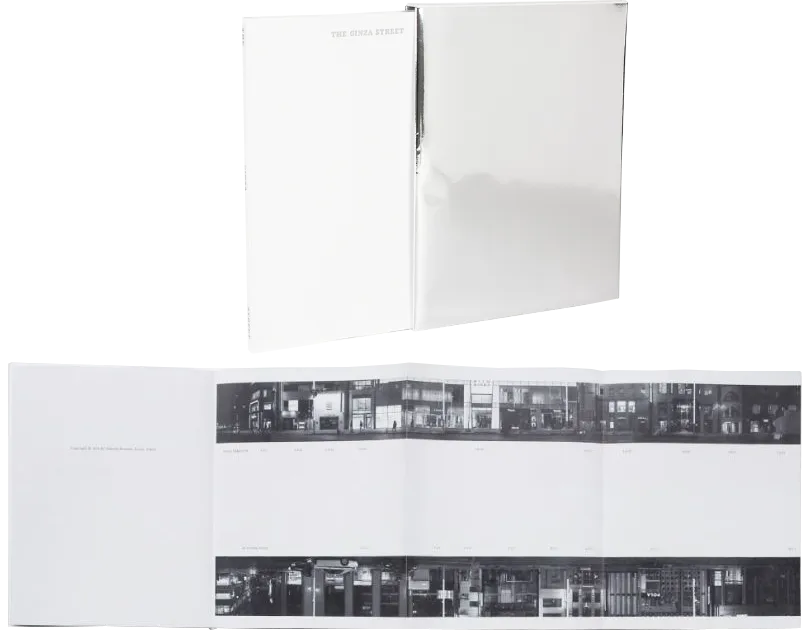
LimArt / Self
LimArt / Yusuke Nakajima & Yoshihisa Tanaka
Signature is on the first title page, numbering is on last page.
Case Publishing
This is not the second printing/edition.
LimArt / Yusuke Nakajima & Yoshihisa Tanaka
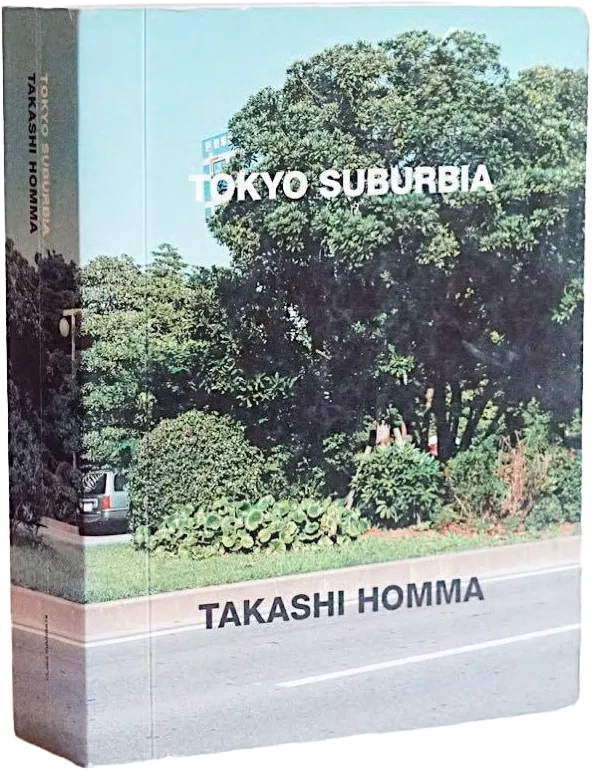
Tokyo Suburbia (1998) by Takashi Homma is a landmark publication in contemporary Japanese photography and a defining visual record of Japan's post-bubble "Lost Decade."
Moving away from the gritty, emotional style of previous generations, Homma employed a bright, detached, and deadpan "new documentary" approach to capture Tokyo's expanding, sterile "New Towns." The images portray a profound sense of alienation, capturing disengaged youth navigating soulless concrete environments.
In a brilliant conceptual choice, publisher Korinsha Press produced the volume on thick, rigid cardboard pages, mimicking a children's board book to ironically contrast with the isolated reality of its subjects.
The project won the 24th Kimura Ihei Award in 1999 and is prominently cited in Martin Parr and Gerry Badger’s The Photobook: A History, Volume II.
This is the limited edition with print of the 2009 Match & Company edition.
Match & Company / Gallery 360
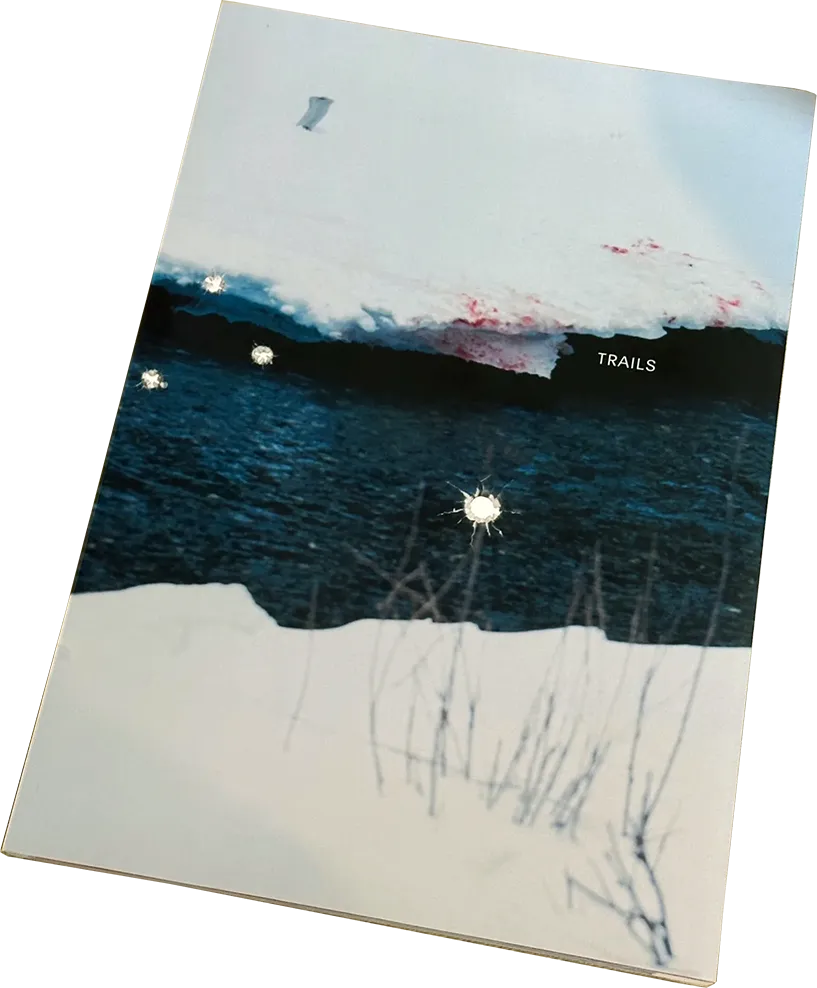
Trails (2019) by Takashi Homma, published by MACK Books, marks a stark departure from the photographer's renowned explorations of urban and suburban landscapes.
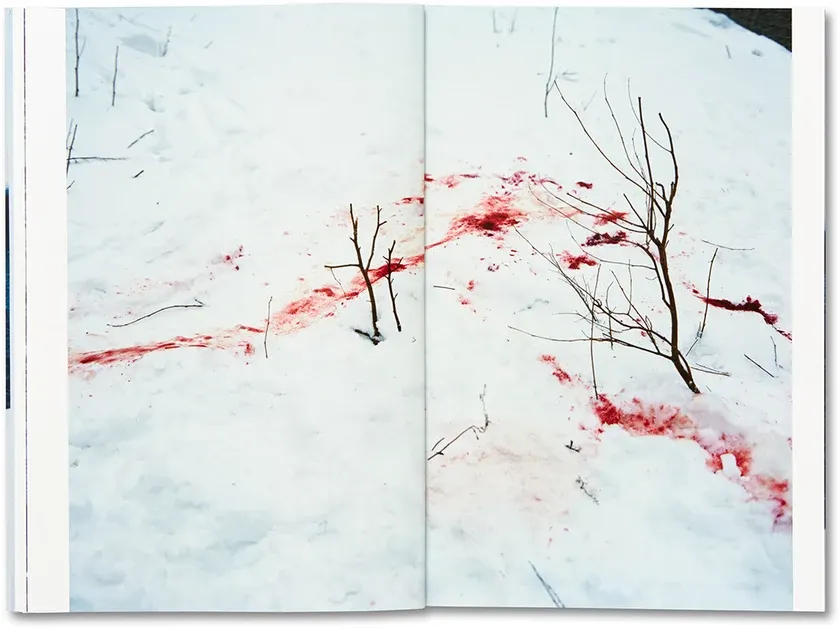
Set in the remote, snow-covered Shiretoko Peninsula of Hokkaido, Japan, the project documents the visceral remnants of deer hunts. Homma followed local hunters through the winter terrain, photographing the tracks and blood trails left behind in the pristine snow. The resulting images contrast the violent, bright red splashes of blood against the serene white landscape, creating a rigorous, almost abstract formalist study of mortality, nature, and human intervention.
Published as a first edition by MACK in 2019, the book's physical construction reflects the delicate tension of its subject matter. It is designed as a softcover with unique perforated folded flaps, utilizing a fragile materiality that contrasts sharply with the stark reality of the hunt.
Trails anchors perfectly within the Bushwick Sur Seine archive by bridging visual formalism with the book-as-object. Homma strips away traditional documentary narrative, reducing the violence of a deer hunt to abstract, structural compositions of red blood on stark white snow. Furthermore, MACK’s delicate physical design, featuring fragile, perforated folded flaps, forces a tactile interaction that conceptually contrasts with the visceral subject matter.
LimArt / Yusuke Nakajima & Yoshihisa Tanaka
ISBN is not on book's colophon.

Came as a special edition book of 25 with print.


Issued as a special edition with Tokyo Suburbia book.

Part of a subscription of 4 prints released in 2014/2015 by Aperture in an edition of 30.

Released as a limited edition of the 2009, Trails book.
Takashi Homma (b. 1962, Tokyo) is a defining figure in contemporary Japanese photography, best known for pioneering a detached, "new documentary" style that radically departed from the gritty, emotional are-bure-boke aesthetic of previous generations.
Emerging to international prominence in the late 1990s, Homma captures the nuanced realities of contemporary environments with a clinical, brightly lit, and deadpan objectivity. His landmark publication, Tokyo Suburbia (1998), which won the prestigious 24th Kimura Ihei Award in 1999, serves as a definitive visual record of Japan's post-bubble "Lost Decade." Through images of sprawling, sterile "New Towns" and disengaged youth, Homma crystallized a modern sense of suburban alienation. He continued this exploration in Tokyo Children (2001), documenting a generation navigating soulless concrete sprawl.
Later works, such as Trails (2019), demonstrate his conceptual versatility; shifting to the snow-covered landscapes of Hokkaido to document the visceral remnants of deer hunts, he reduced the violence of the act to abstract, rigorous formalist studies of blood on pristine snow.
Homma’s practice is a great fit for the Bushwick Sur Seine archive because it masterfully bridges stark visual formalism with innovative physical book design. His publications consistently treat the photobook as a definitive sculptural object. Whether employing rigid, thick cardboard pages in Tokyo Suburbia to ironically mimic a children's board book, or utilizing fragile, perforated folded flaps in Trails to contrast with visceral subject matter, the physical construction of his books carries as much conceptual weight as his photography. By stripping away traditional documentary sentimentality in favor of precise, structural compositions, Homma's editions stand as pivotal formalist artifacts in the contemporary photobook canon.