

Which art books, prints and posters are available by and about this artist? Here is a sample of items of interest to a typical collector:

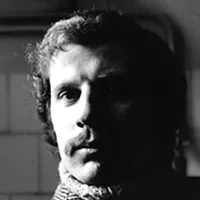
British photographer Tony Ray-Jones (1941-1972) occupies a foundational position in the history of post-war European documentary photography, celebrated for his empathetic yet gently satirical observations of the English at leisure.
Returning to Britain in the mid-1960s after formative years studying in the United States under Alexey Brodovitch and working alongside the American street photography vanguard, Ray-Jones applied a kinetic, complex spatial awareness to the eccentricities of his native country. His defining black-and-white images of seaside resorts, public festivals, and societal rituals capture a nation caught between rigid class structures and the encroaching tide of globalized modernity, rendered with a structural complexity that elevated British reportage into the realm of fine art.

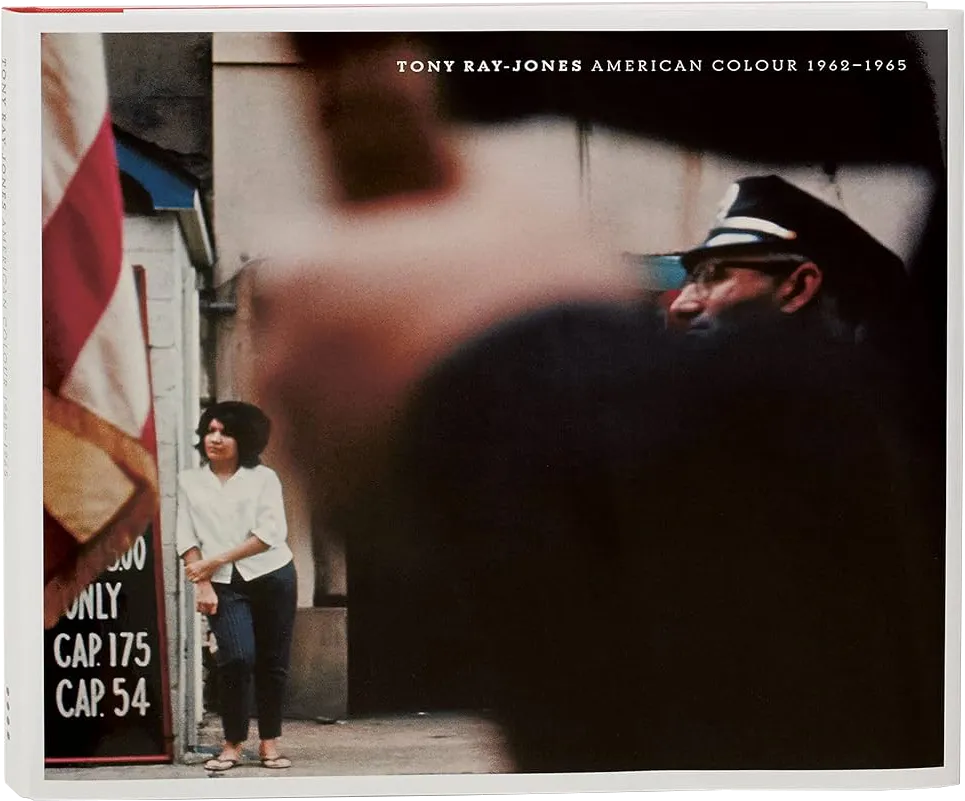
British photographer Tony Ray-Jones is widely celebrated for his pioneering black-and-white documentary work chronicling the English at leisure, yet American Colour 1962–1965 reveals a crucial, vibrant foundational chapter of his early career. Published posthumously by Mack, this monograph compiles previously unpublished color photographs taken during his formative years in the United States, where he studied at Yale and traversed the streets of New York. Immersed in a country he found intensely color-conscious, Ray-Jones walked alongside peers like Joel Meyerowitz, capturing the chaotic, saturated theater of American public life. The project frames a young artist absorbing the kinetic energy of mid-century America, utilizing the immediacy of color to document everything from the bustling intersections of Manhattan to the sun-drenched avenues of Florida.
Visually, the monograph demonstrates a photographer actively testing the boundaries of street photography and spatial organization. Rather than treating color as a mere descriptive overlay, Ray-Jones utilizes it as a fundamental structural component, responding to the vibrating, aggressive palettes of American consumer culture and fashion. The compositions balance a sense of fleeting, improvisational timing with complex, multi-layered framing, capturing disparate figures caught in shared civic spaces. By employing color film during an era when the medium was still largely relegated to commercial advertising, he introduces a striking, cinematic immediacy that contrasts sharply with the starker, melancholic tones of his subsequent British work.
Within the broader scope of post-war photography, American Colour 1962–1965 serves as an essential missing link bridging transatlantic photographic traditions. The book not only reframes Ray-Jones's brief but influential trajectory before his untimely death, but it also solidifies his role in the early vanguard of photographers who recognized color as a potent, expressive language for documentary observation.