
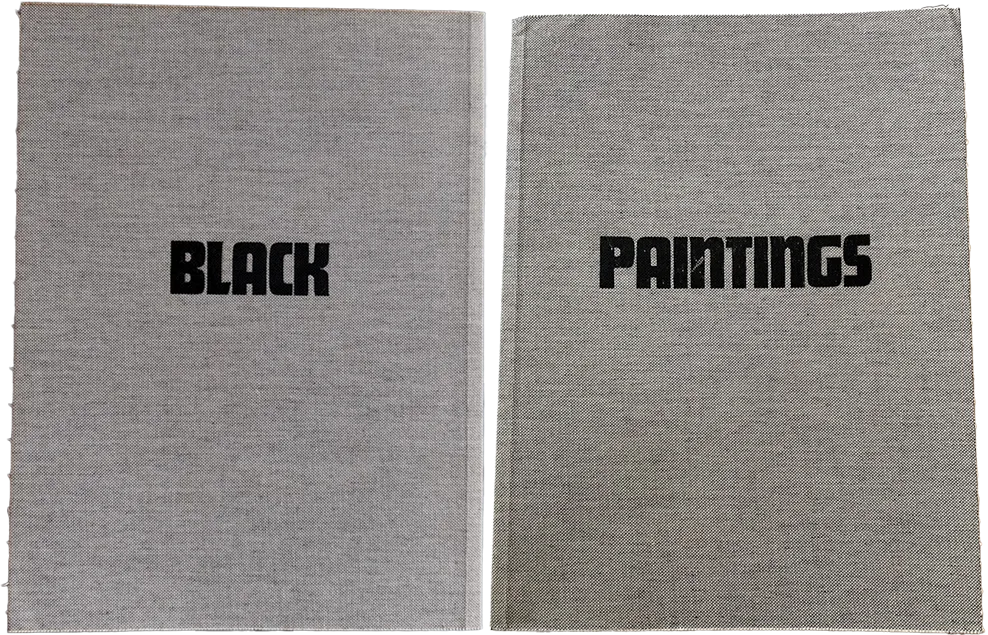


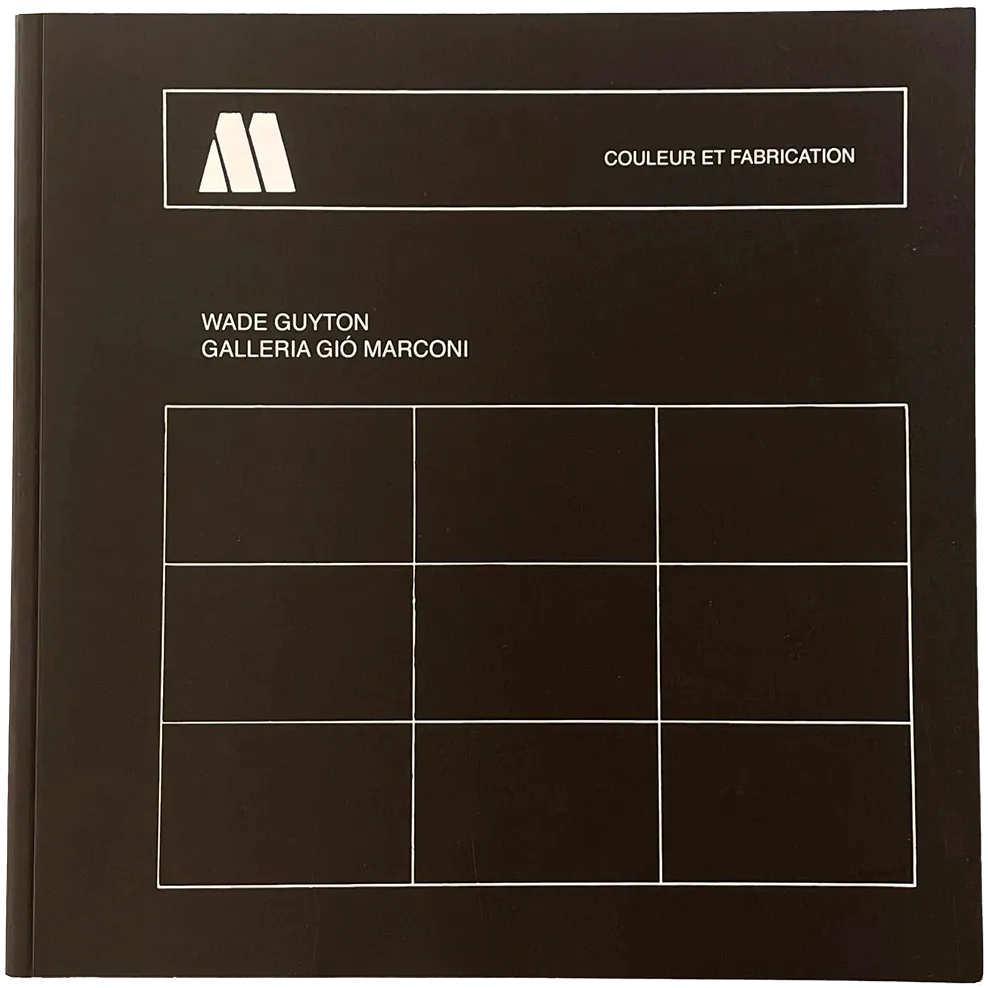
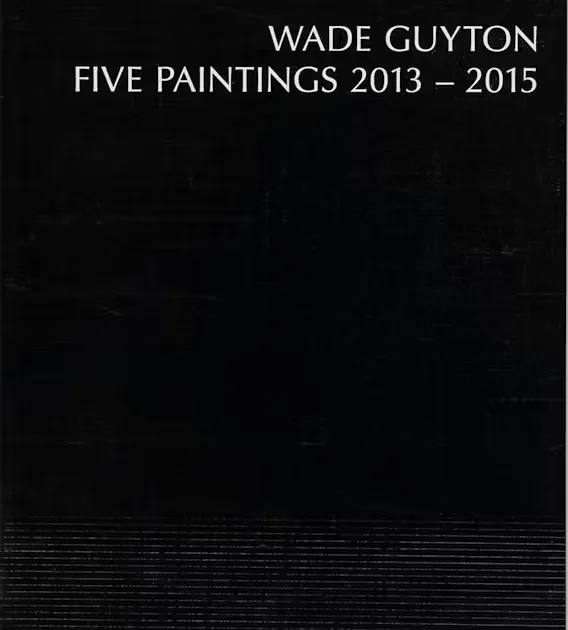
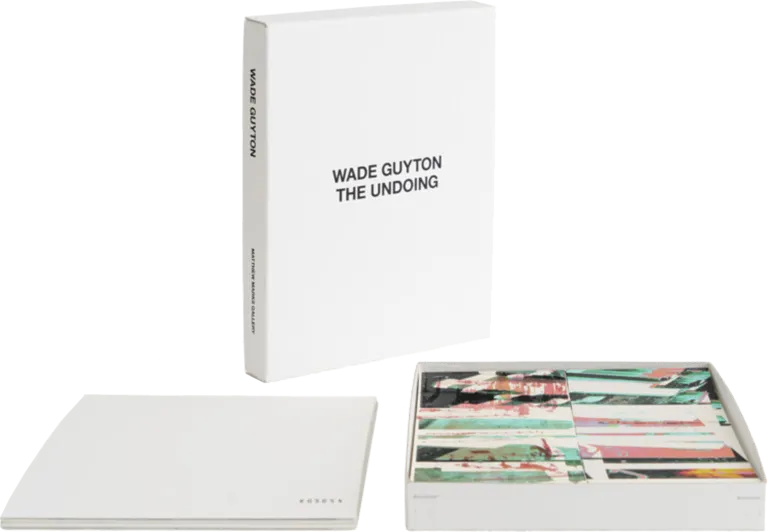
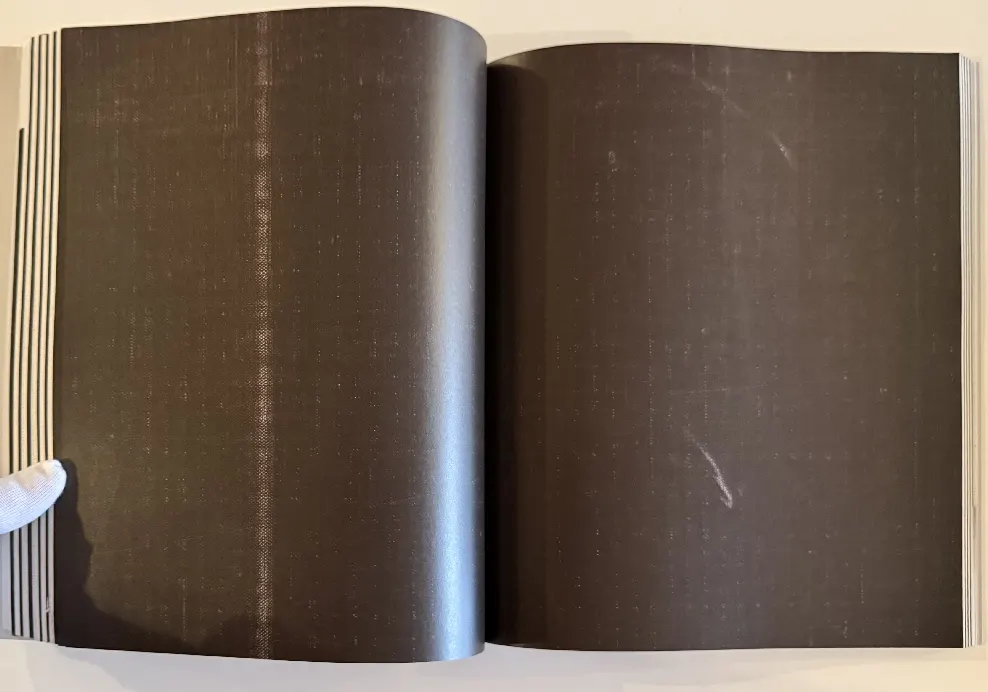
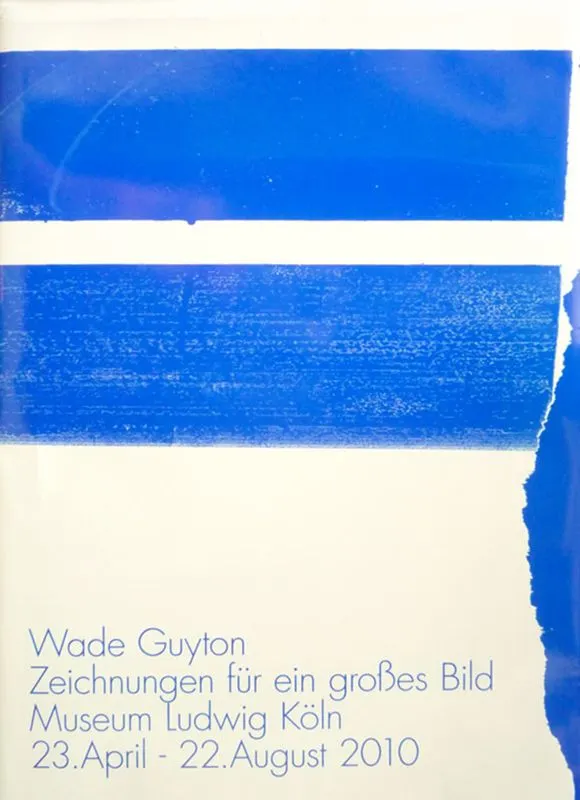
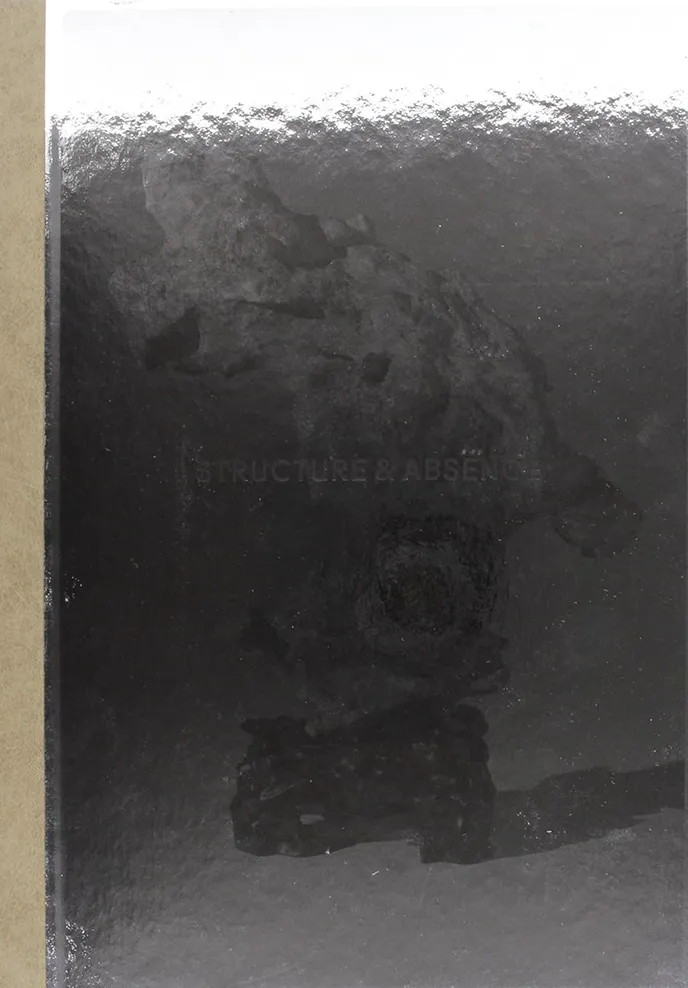
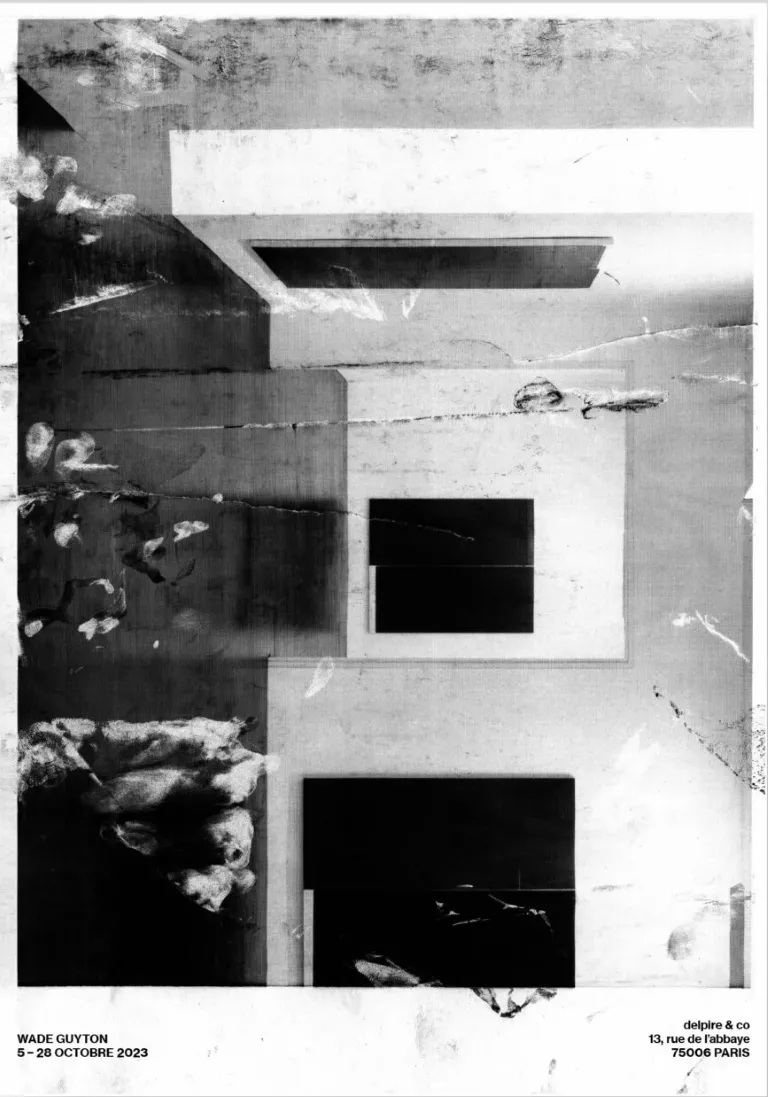
Which art books, prints and posters are available by and about this artist? Here is a sample of items of interest to a typical collector:





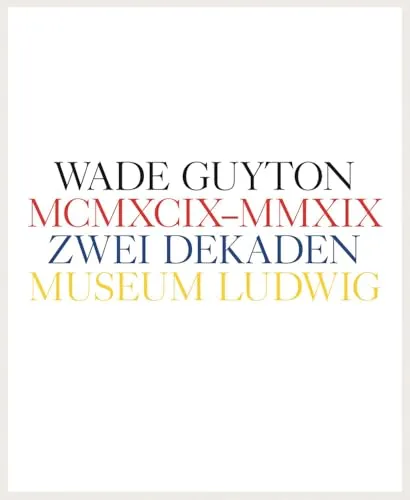
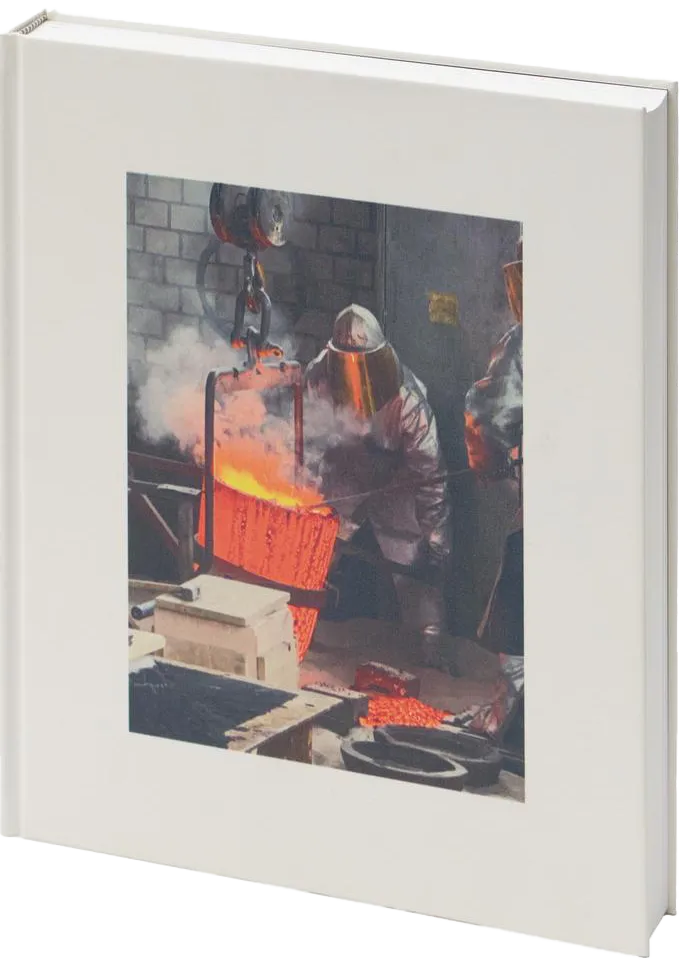
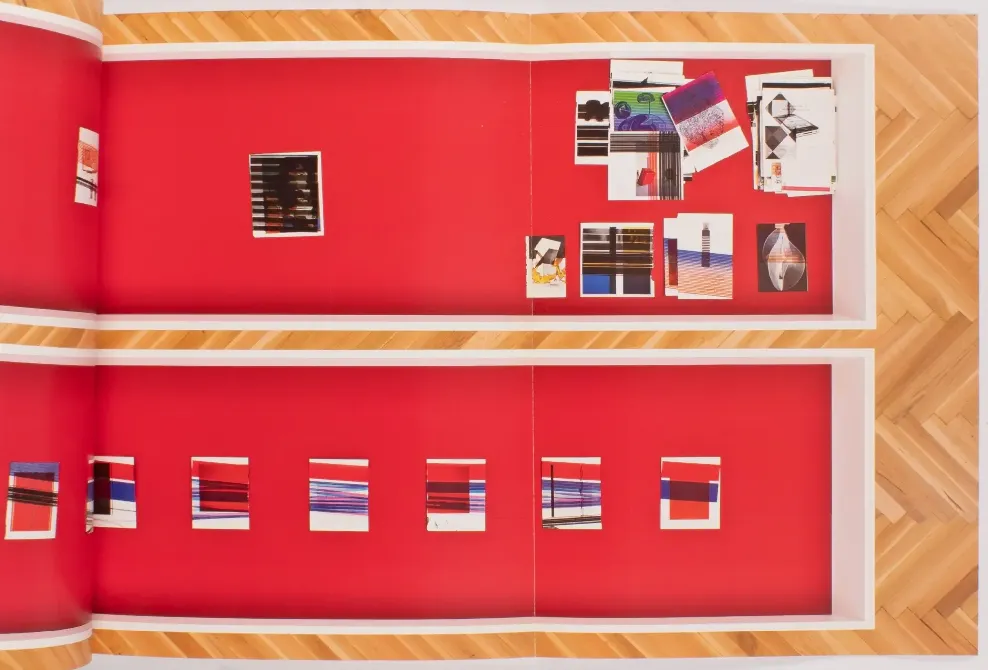
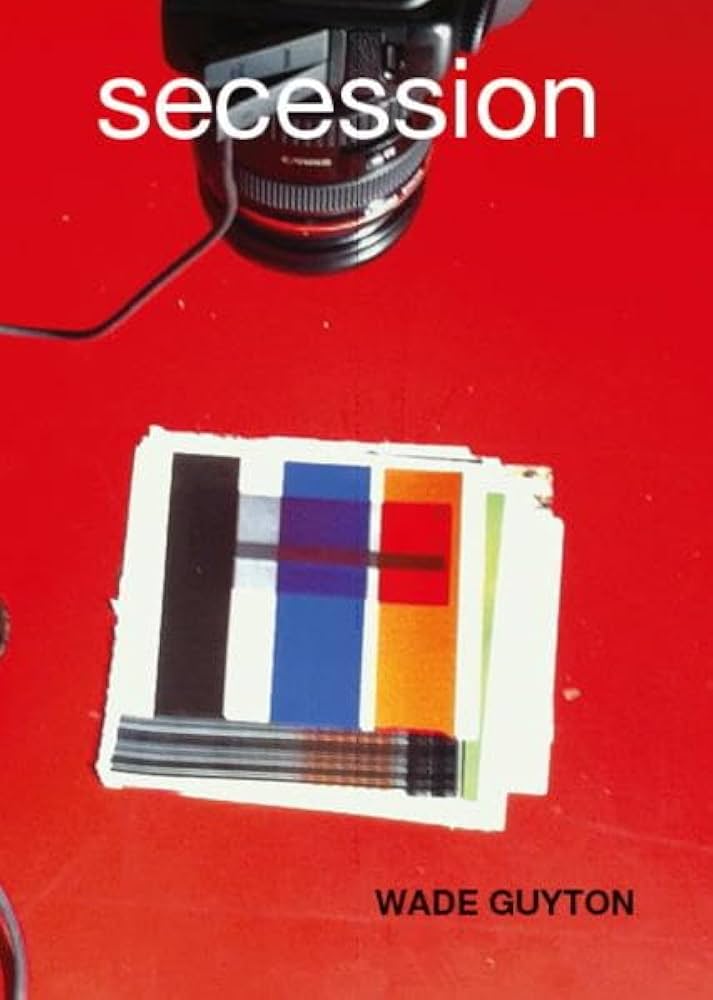







%25202019%2520Printed%2520Matter.webp)
%2520Printed%2520Matter.webp)
.webp)
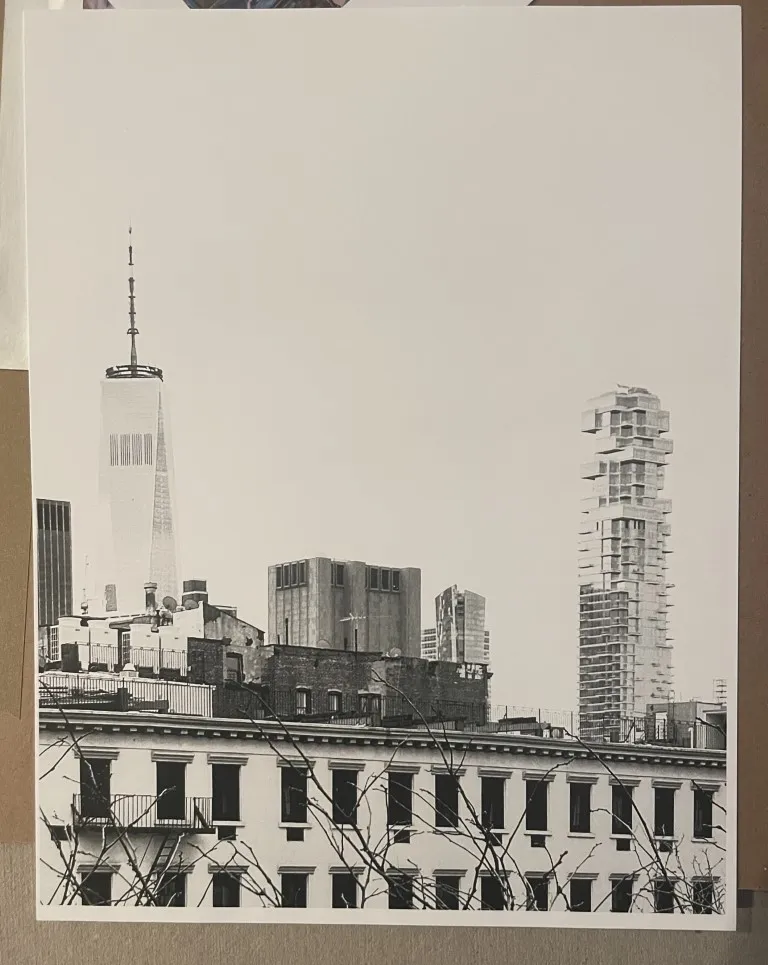
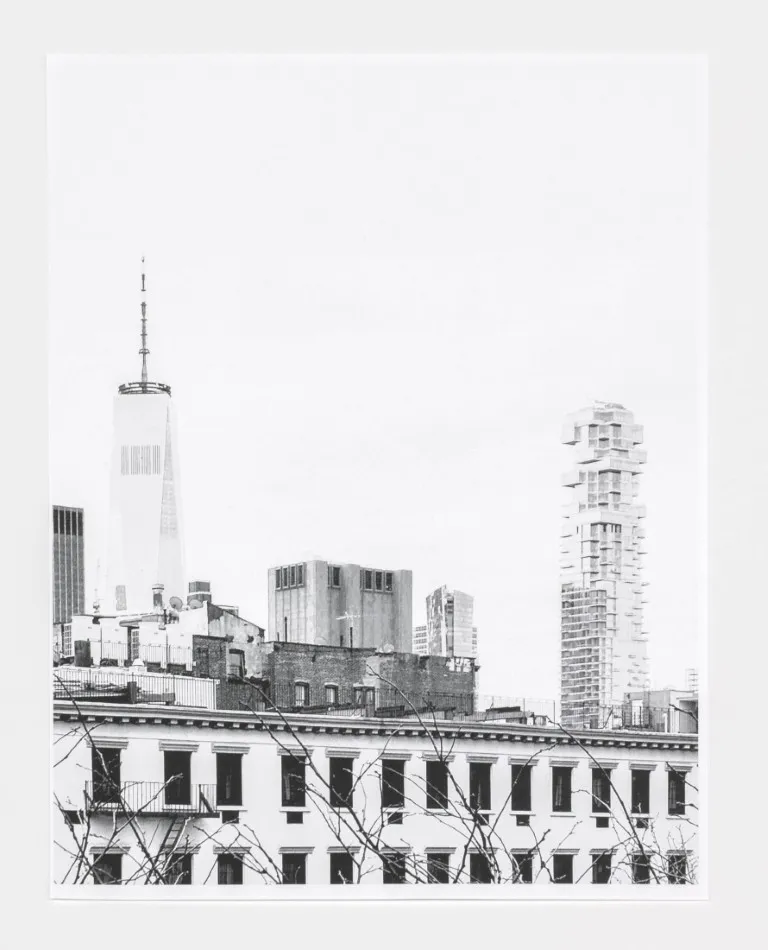
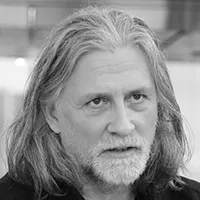
Wade Guyton, American, b. 1972
Guyton is a defining figure in contemporary post-conceptual art, best known for his innovative approach to "painting" through the use of digital technology. Born in Hammond, Indiana, in 1972, Guyton transitioned from a childhood of relative indifference toward art to becoming a central pillar of the New York art scene. After earning his BA from the University of Tennessee and his MFA from Hunter College, he began to experiment with the mechanical limitations of office equipment, effectively replacing the traditional paintbrush with large-format inkjet printers and flatbed scanners.
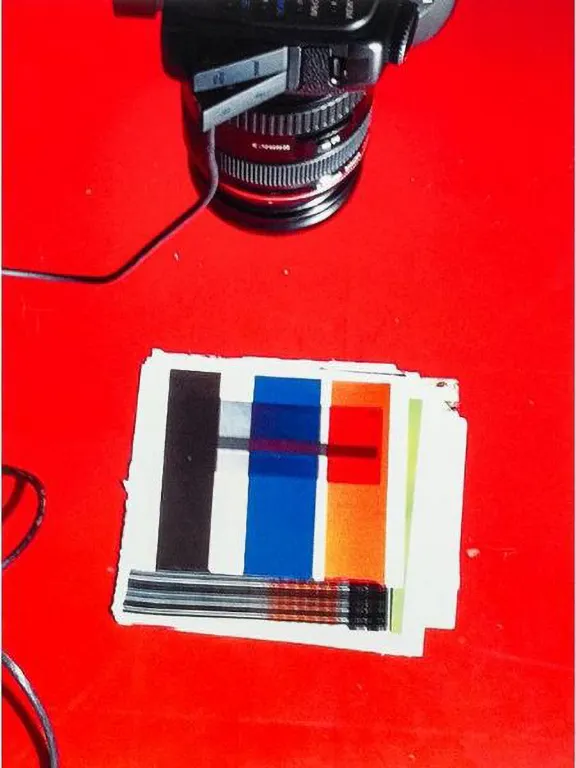
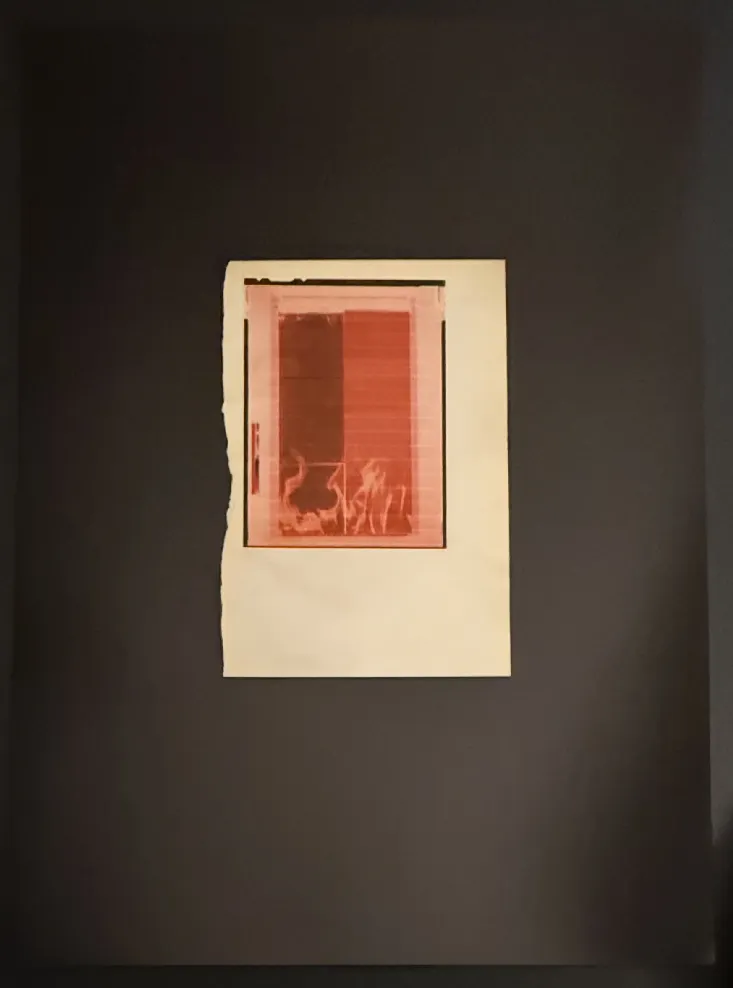
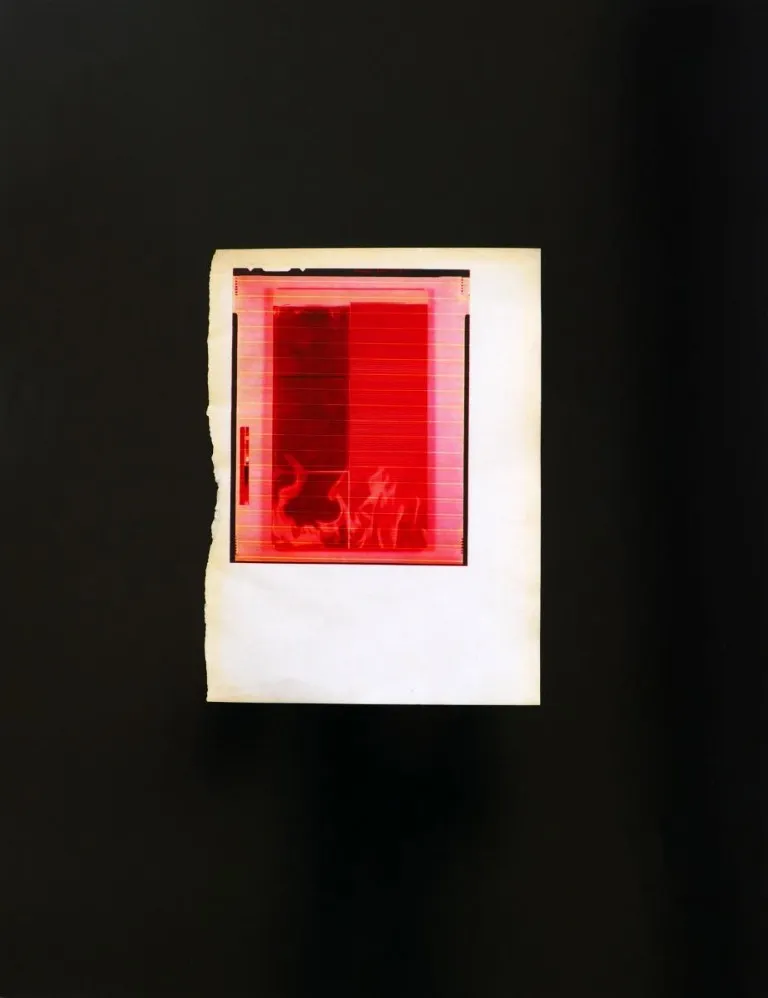
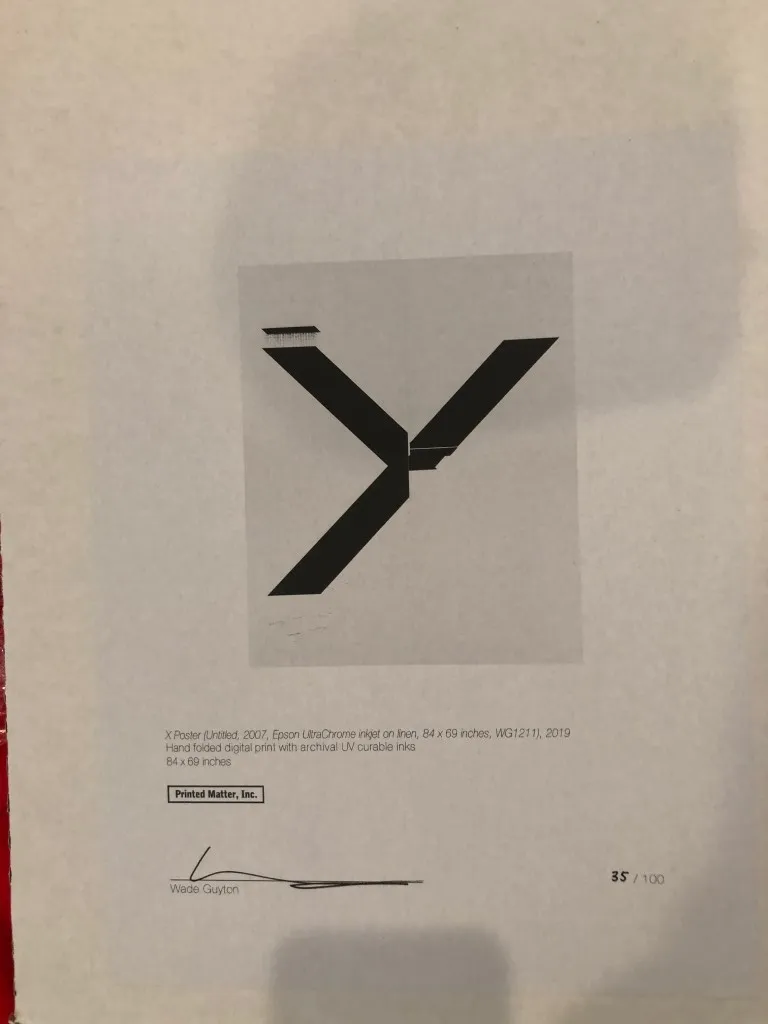
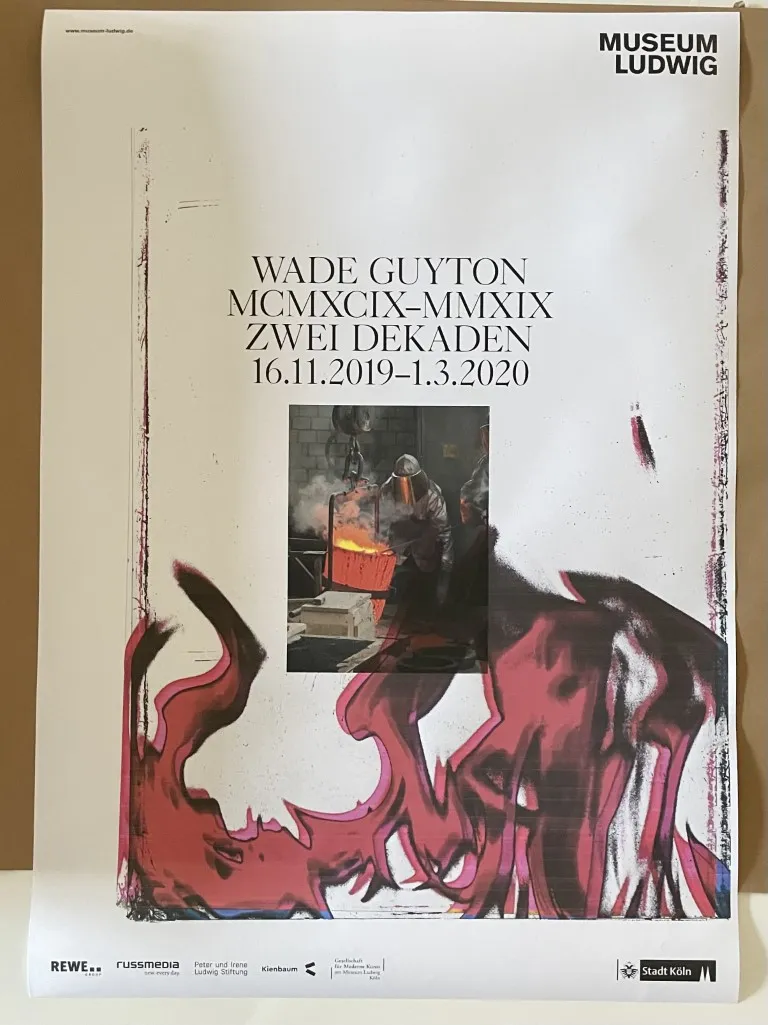
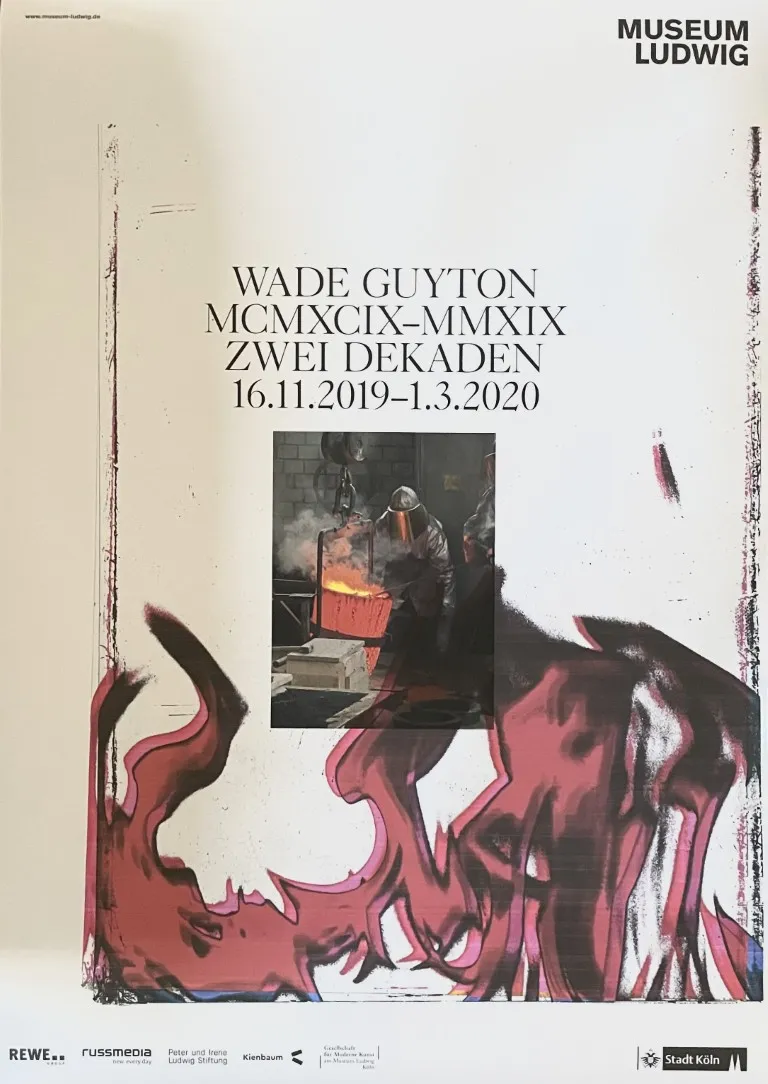
His process is characterized by a deliberate manipulation of technology that results in unique, physical artifacts. By feeding heavy linen and primed canvas through printers designed for paper, Guyton forces the machines to struggle, creating a visual language of glitches, ink bleeds, and mechanical stutters. These "accidents" become the core aesthetic of his work, bridging the gap between the infinite reproducibility of digital files and the singular presence of a physical canvas. His signature motifs—such as the letter X, the letter U, scanning bed flames, and stripes—serve as anchors for his exploration of how digital information is translated into the real world.
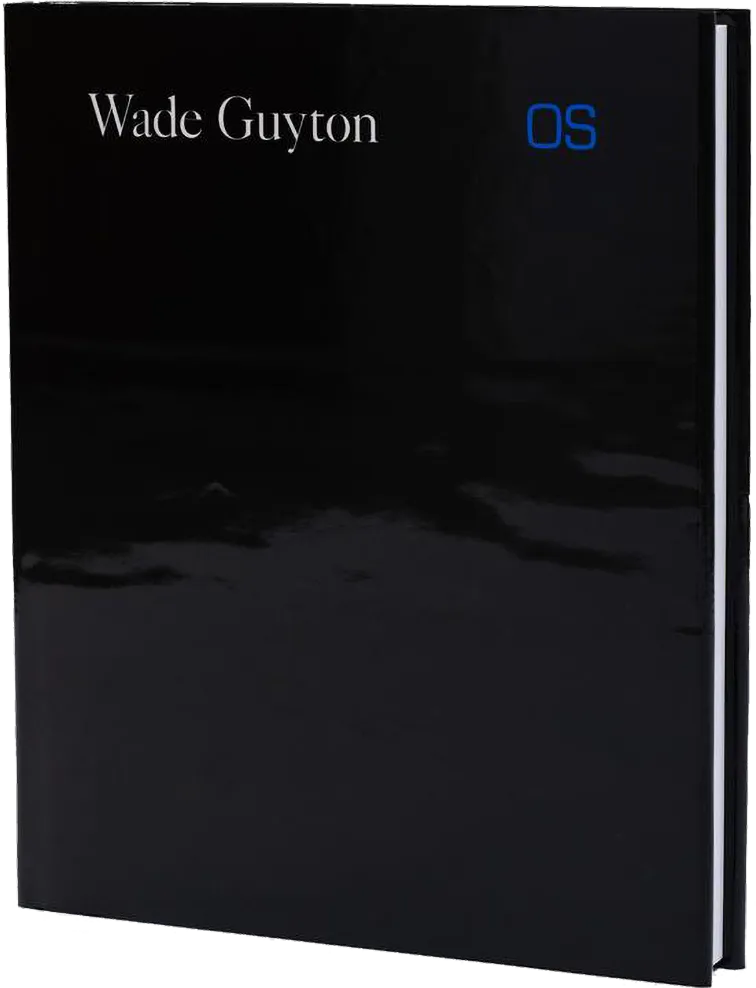
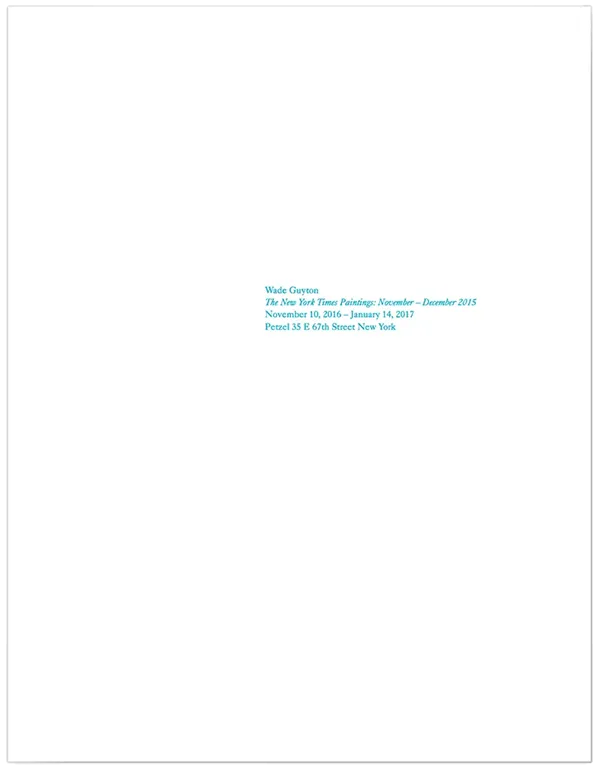
Throughout his career, Guyton has consistently challenged the boundaries of art history and medium specificity. His 2012 mid-career retrospective at the Whitney Museum of American Art, titled Wade Guyton OS, solidified his reputation as an artist who treats the computer’s operating system as a creative workspace. In the 2010s, he expanded his practice to include large-scale captures of digital news cycles, such as his series featuring the New York Times website, which documents the fleeting nature of information in the 24-hour news era.
Beyond his solo work, his collaborative projects with artist Kelley Walker under the name Guyton\Walker further demonstrate his interest in the appropriation and transformation of commercial imagery. Today, Guyton’s work is held in the permanent collections of major global institutions, including the Museum of Modern Art in New York and the Centre Pompidou in Paris.

