
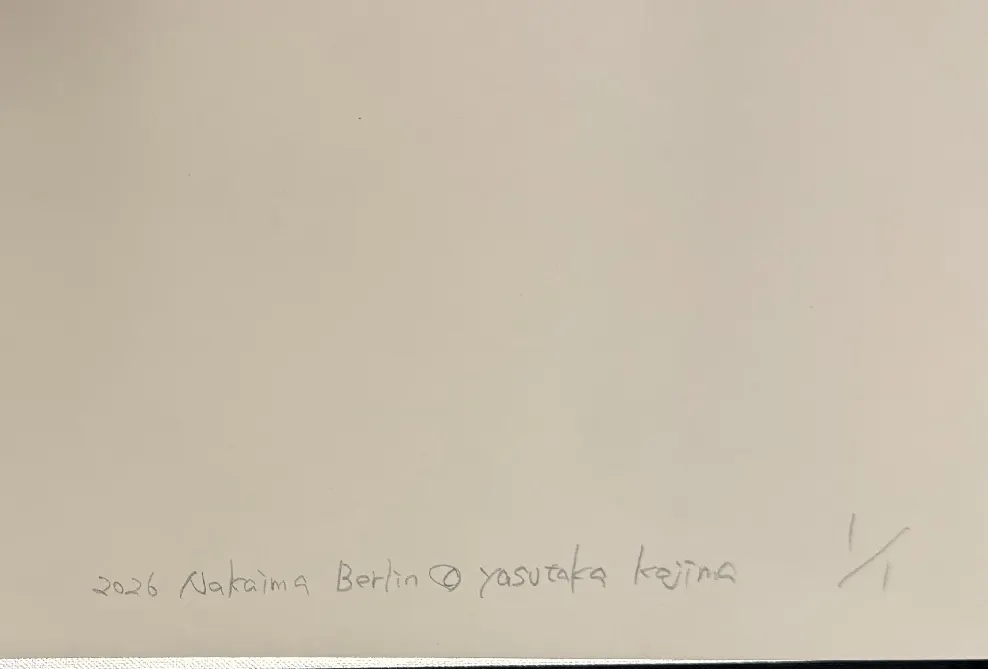

Copyright ©
Yasutaka Kojima
or applicable right holders.


Which art books, prints and posters are available by and about this artist? Here is a sample of items of interest to a typical collector:


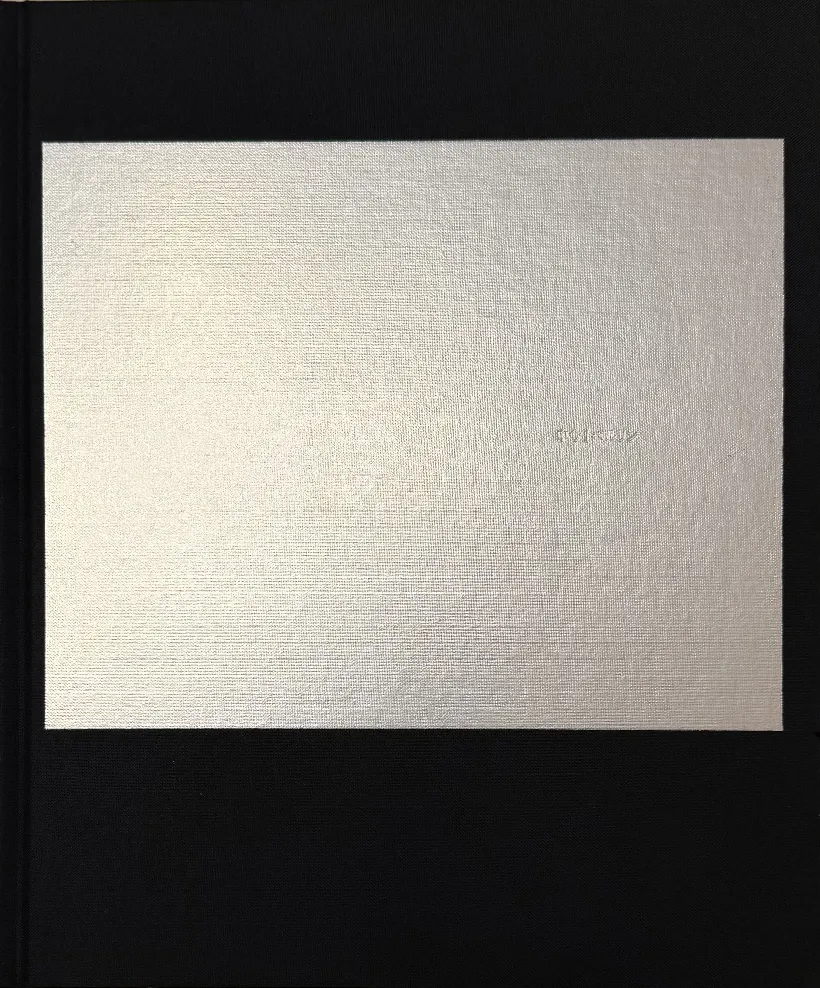

Yasutaka Kojima, Japanese, b. 1977
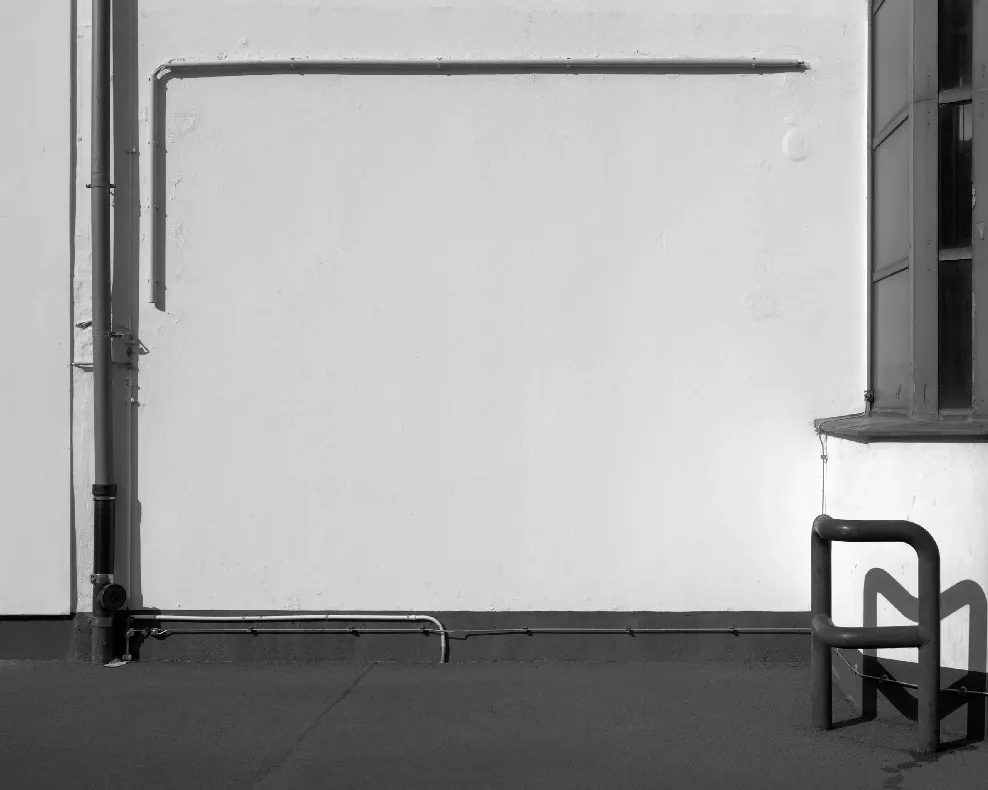
Kojima is a contemporary photographer best known for his rigorous, detached approach to the urban landscape. Deliberately moving away from the frenetic, neon-drenched cliches of city life, he approaches the built environment with a sense of clinical observation and atmospheric control. His most significant body of work operates as a sprawling photographic trilogy documenting three major global hubs, Tokyo, New York, and Berlin. Rather than relying on recognizable landmarks or bustling street-level activity, Kojima captures each metropolis as a complex, interlocking grid of concrete, steel, and glass. By frequently utilizing elevated vantage points and flattening the chaotic depths of the skyline into tightly woven architectural tapestries, he constructs a visual narrative that meditates on the psychological weight, transient reality, and fundamental isolation of modern urban existence.
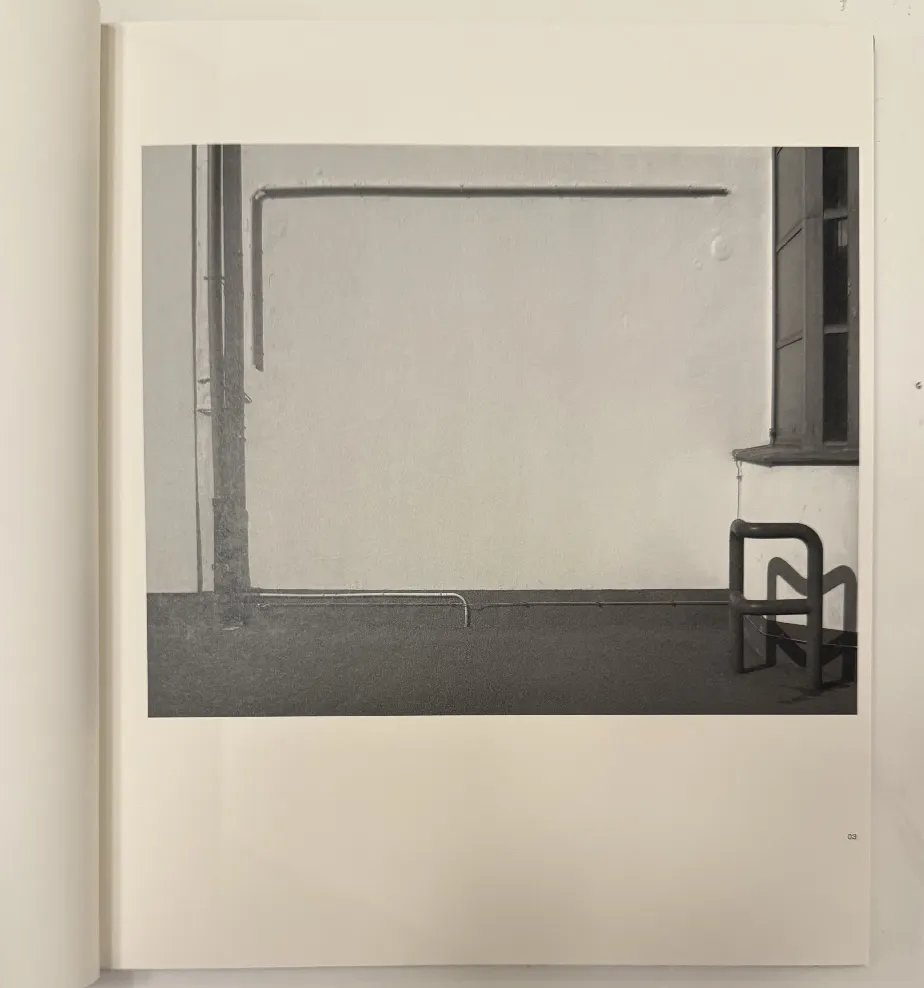
The resulting photobooks, including his critically acclaimed volume Tokyo (2015) alongside his dedicated publications for New York (2014) and Berlin, serve as the definitive anchors of his conceptual practice. Through precise, geometric framing and the masterful use of diffuse natural light, he renders these massive industrial surfaces with a distinct tactile weight, suspending the sprawling cities in a state of quiet animation. These meticulously sequenced editions elevate the architectural document beyond mere topographical recording, transforming impermanent physical landscapes into enduring, sculptural printed objects. By isolating the sheer scale and imposing verticality of these environments, Kojima successfully preserves the monumental scale of the contemporary cityscape within the physical boundaries of the page, establishing him as a vital voice in contemporary formalist photography.

Tokyo (2015) serves as a critical anchor in Kojima's broader photographic trilogy of urban landscapes, which meticulously investigates the structural environments of New York, Berlin, and his native Japan. Moving away from the frenetic, neon-drenched cliches of the metropolis, Kojima approaches the city with a deliberate, almost clinical detachment. The project operates as a profound meditation on the psychological weight of the contemporary cityscape, exploring how sprawling concrete infrastructure and the relentless march of redevelopment isolate the individual. By capturing the city as a complex, interlocking grid of architecture and human absence, he constructs a visual narrative that questions the very nature of urban belonging and the transient reality of modern time.
Aesthetically, the monograph is defined by its rigorous structural geometry and muted, atmospheric control. Utilizing precise framing, Kojima flattens the chaotic depths of the skyline into tightly woven, highly detailed tapestries of glass, steel, and concrete. The compositions frequently rely on elevated or distant vantage points, eliminating the immediate street-level noise to emphasize the sheer scale and imposing verticality of the built environment. He masterfully captures the city in a state of suspended animation, utilizing diffuse natural light to render the industrial surfaces with a distinct tactile weight. This careful spatial organization creates a compelling structural friction between the overwhelming physical density of the architecture and the stark, isolating emptiness of the spaces themselves.