
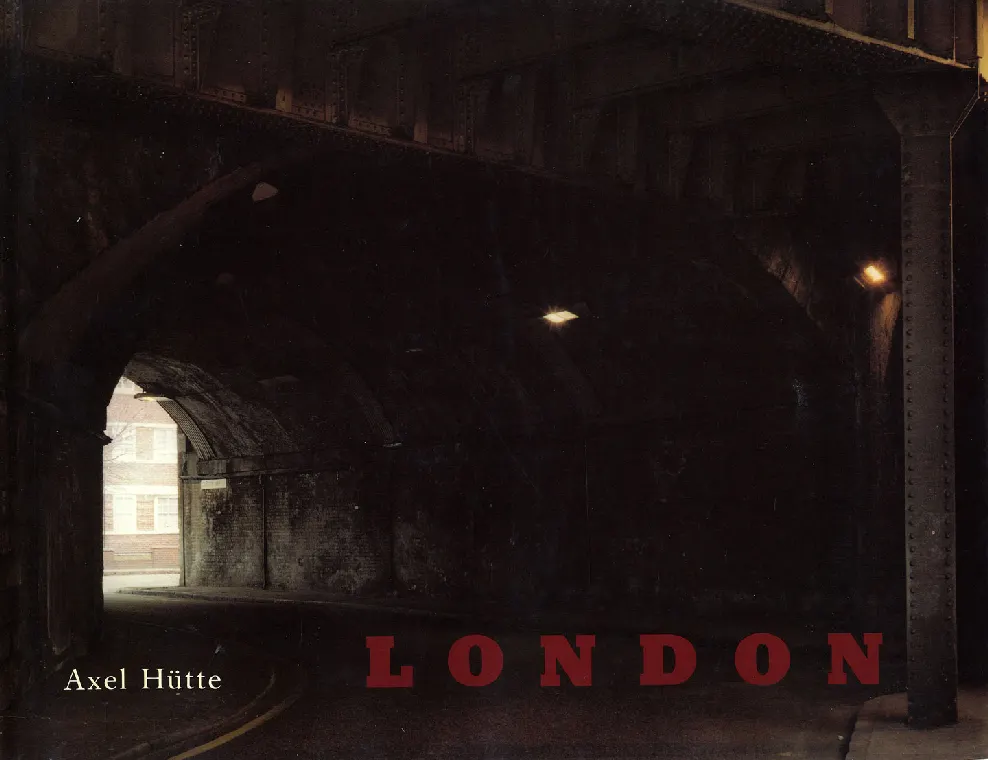


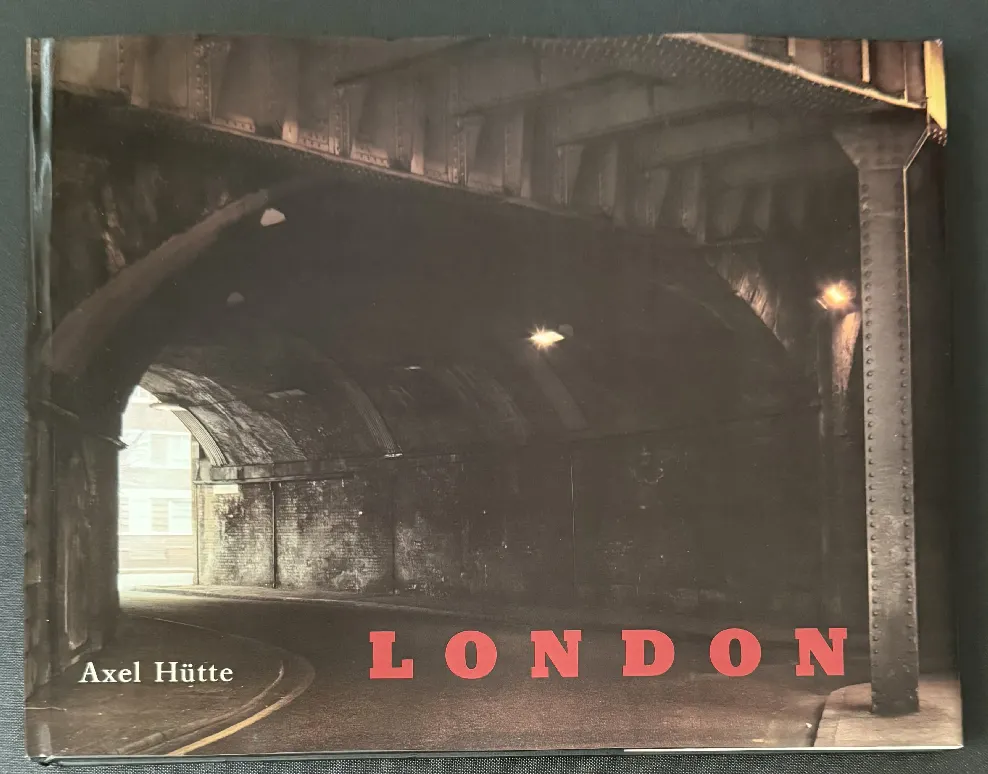
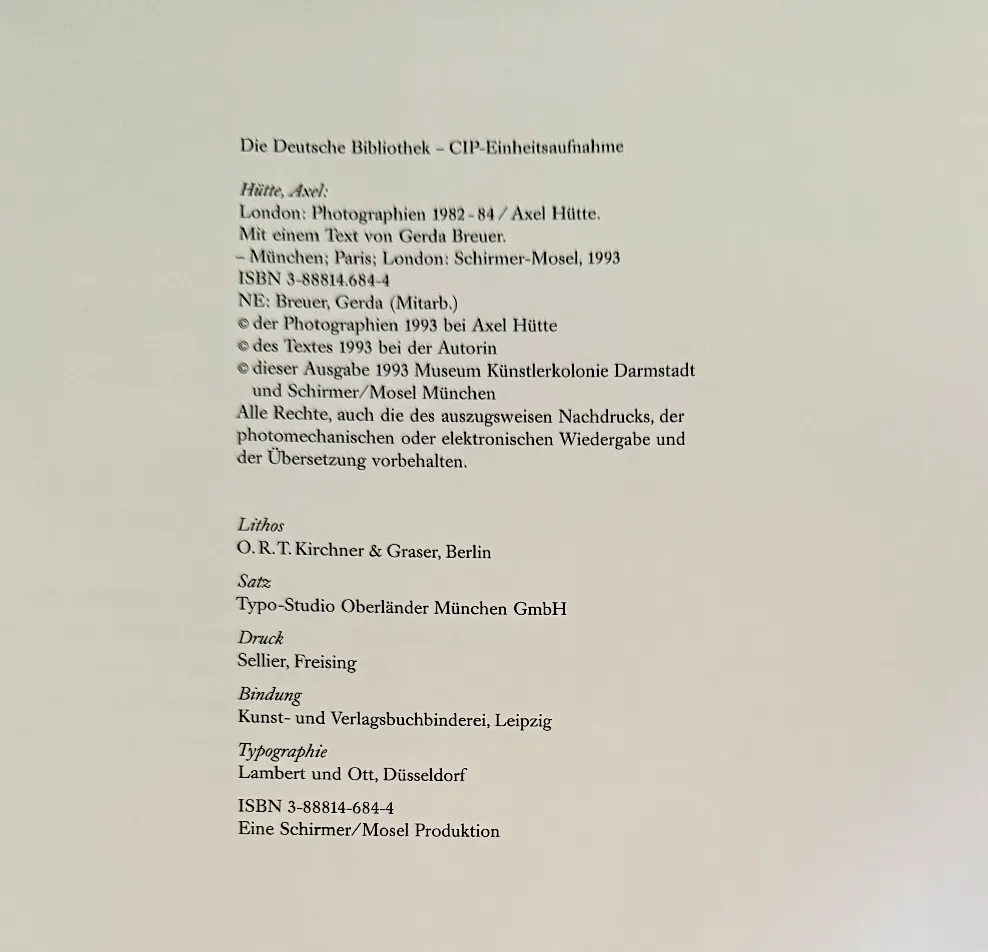
The book features photographs taken between 1982 and 1984. Hütte had studied under the highly influential Bernd and Hilla Becher at the Düsseldorf Art Academy alongside contemporaries like Andreas Gursky and Thomas Ruff. This movement is famous for its "New Objectivity," characterized by a deadpan aesthetic, clinical detachment, and a rigorous, typological approach to photographing its subjects.
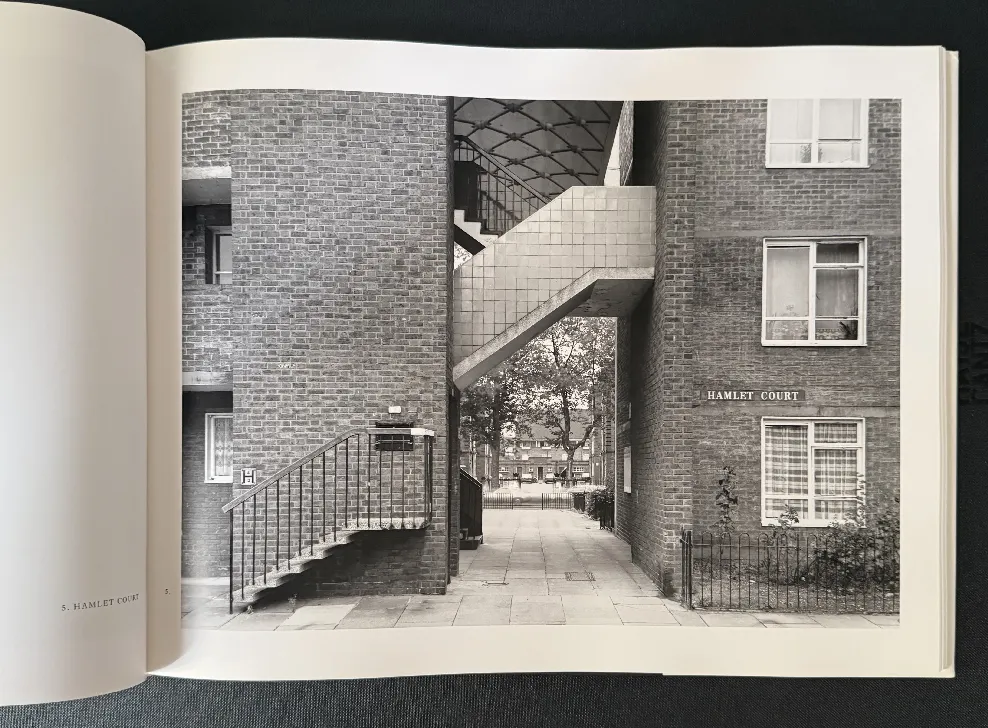
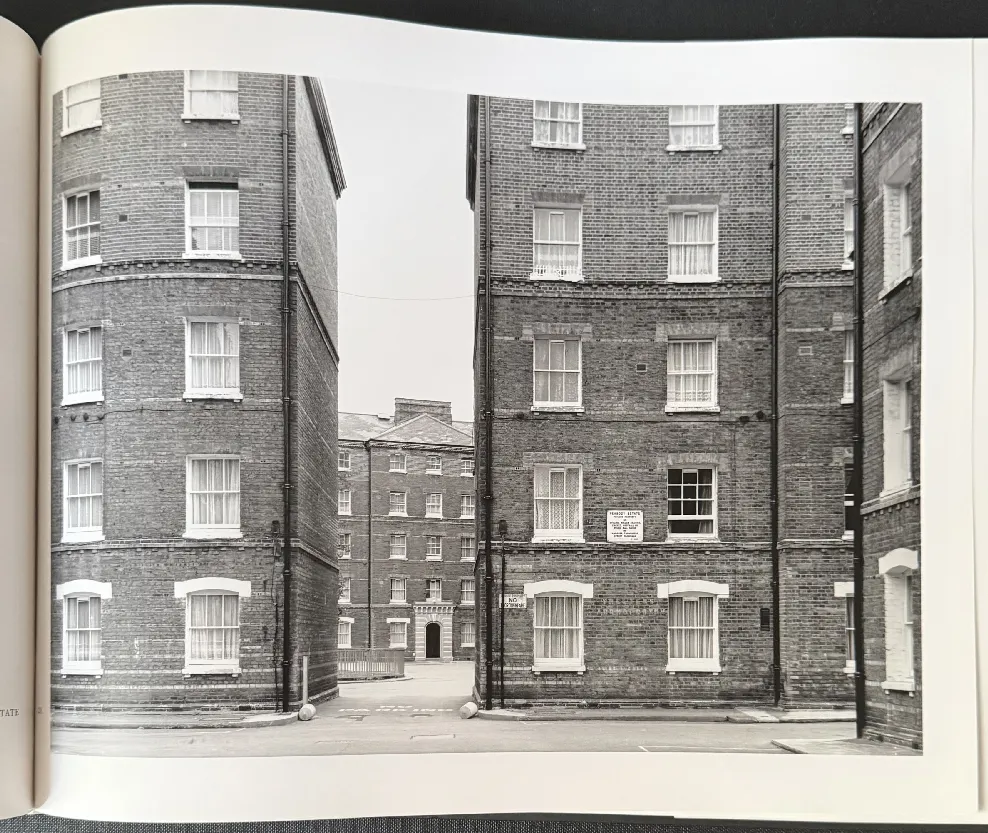
In this series, Hütte turned his lens toward a subject largely ignored by local photographers at the time: London's mass social housing. He specifically focused on two eras of working-class architecture:
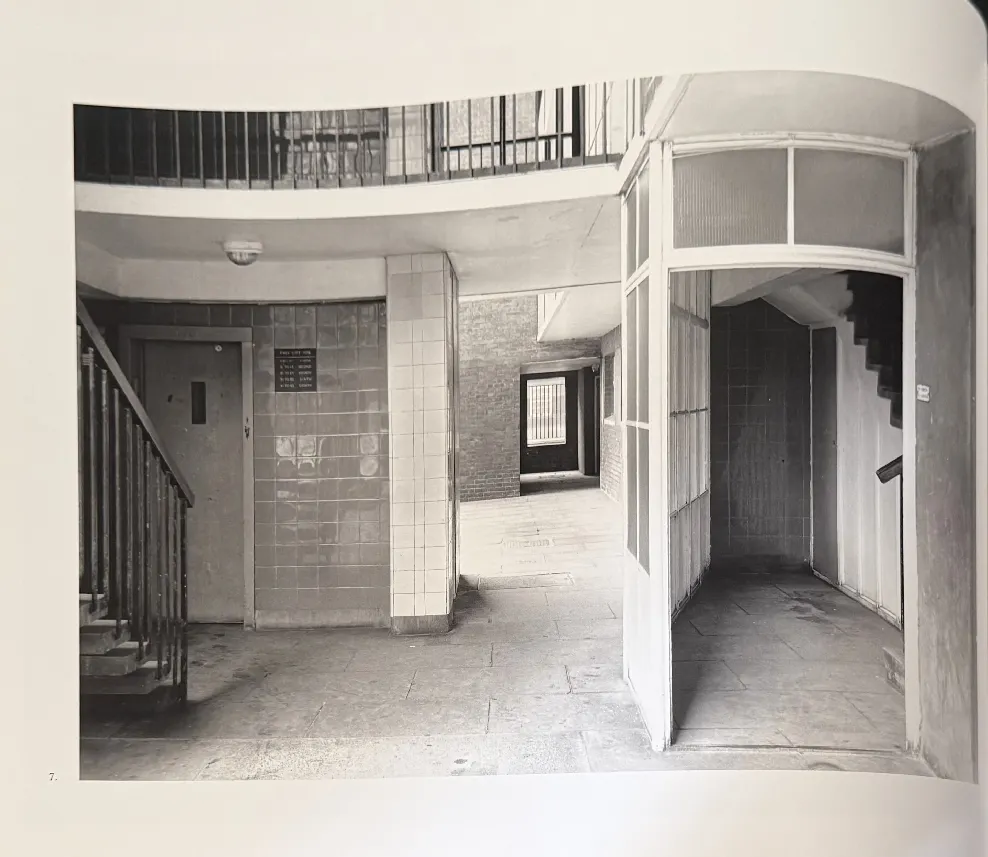
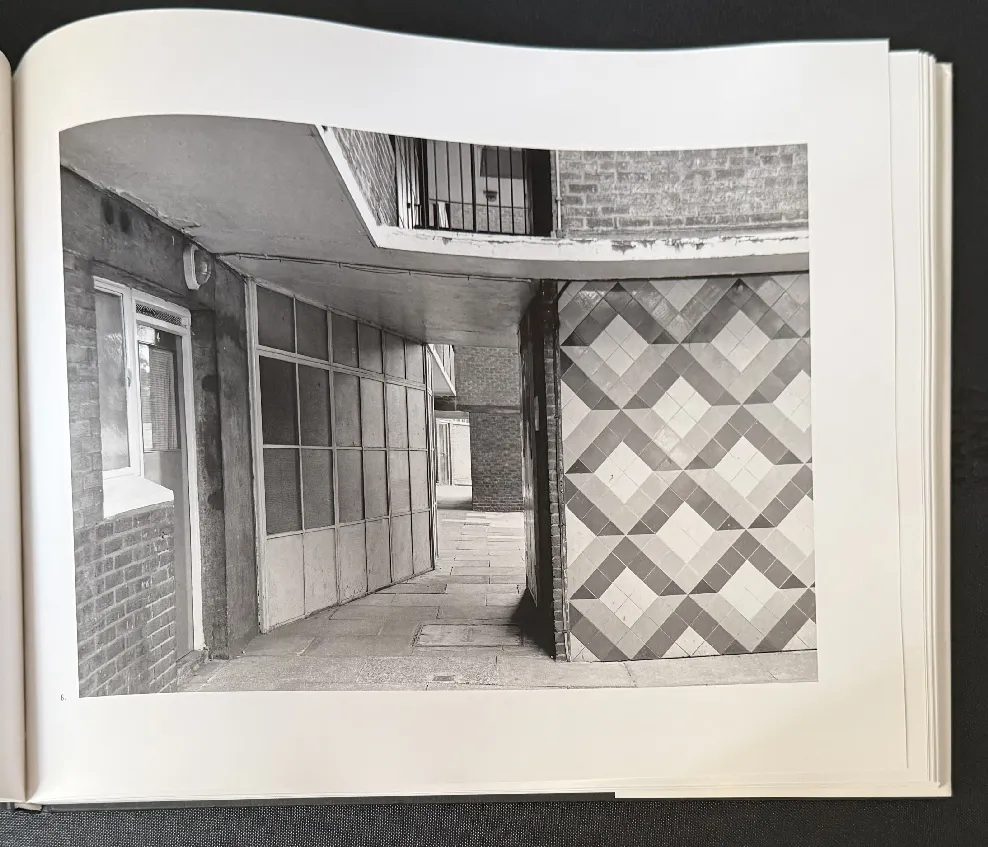
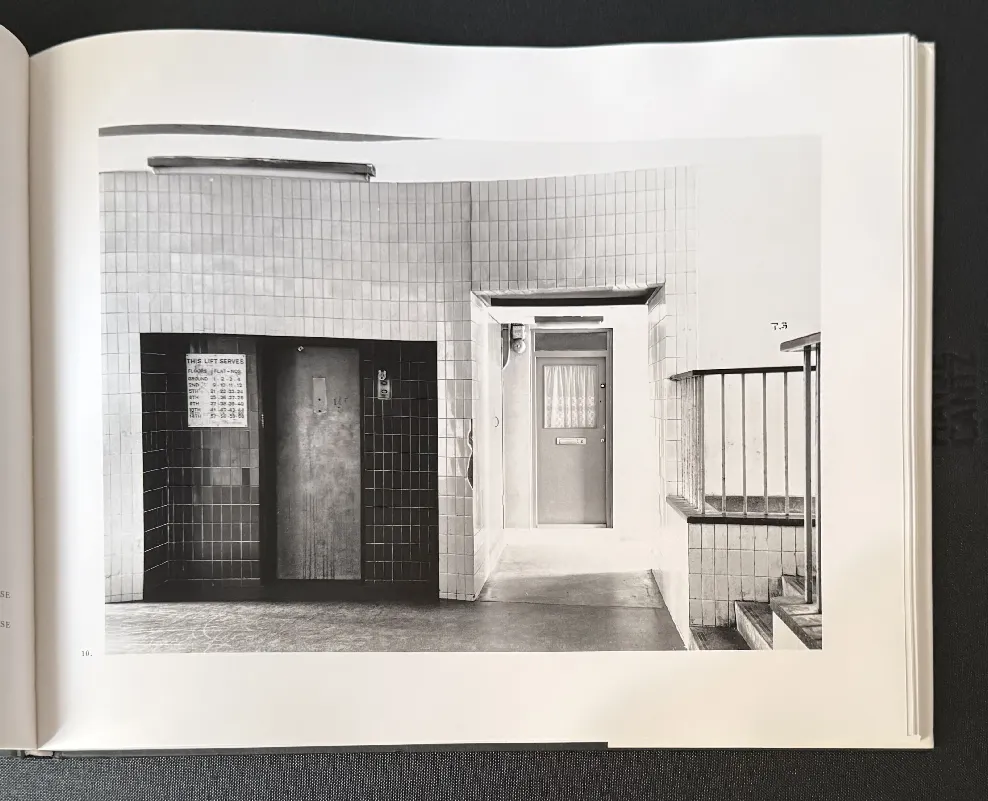
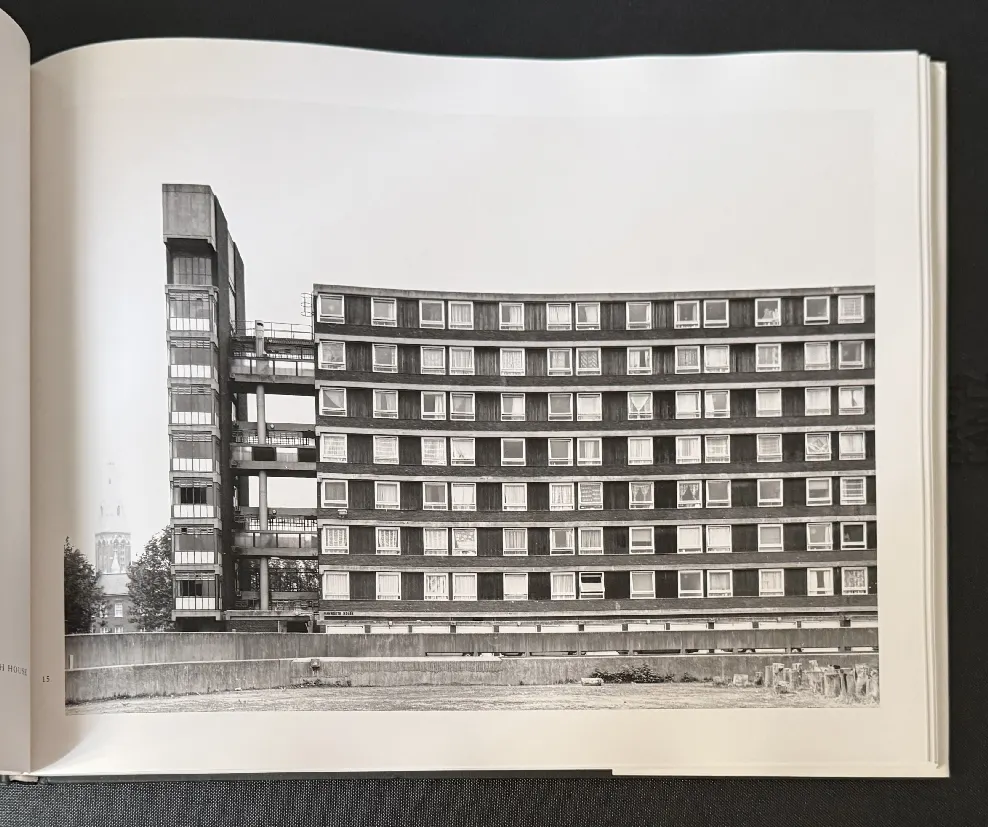
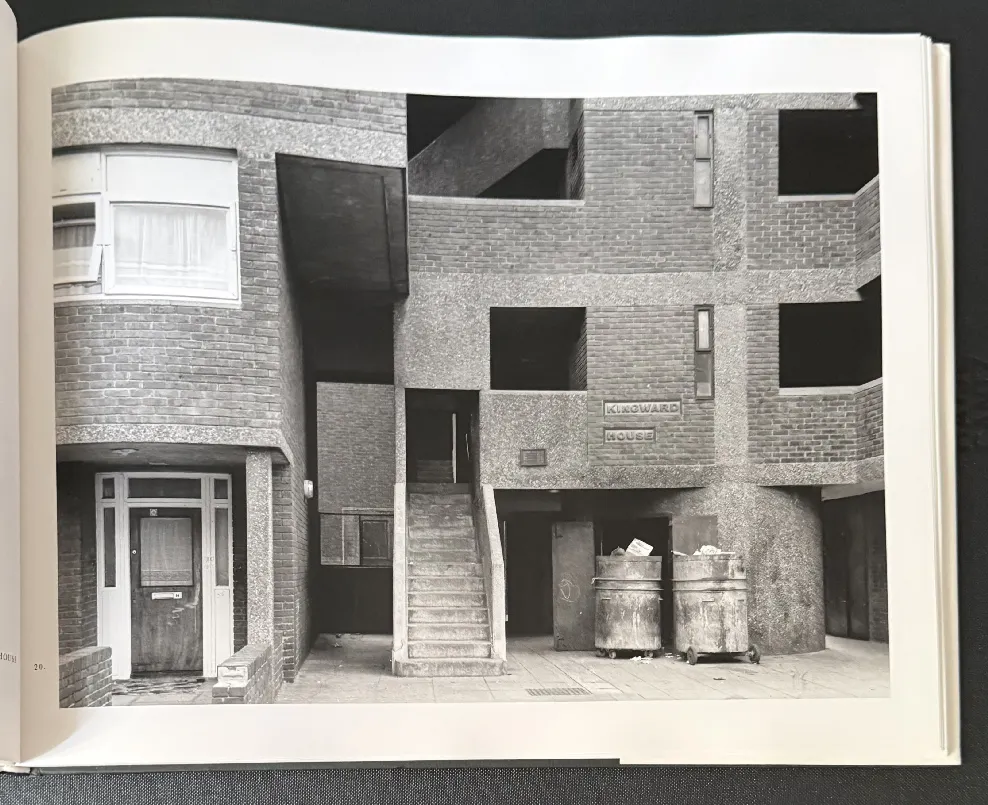
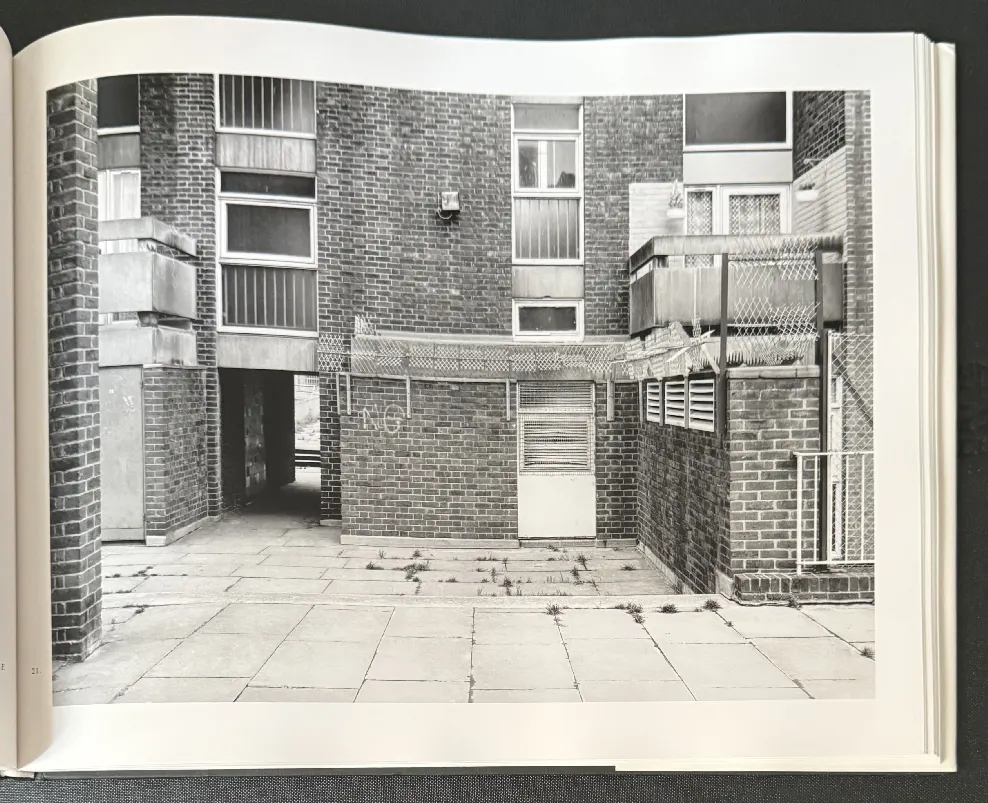
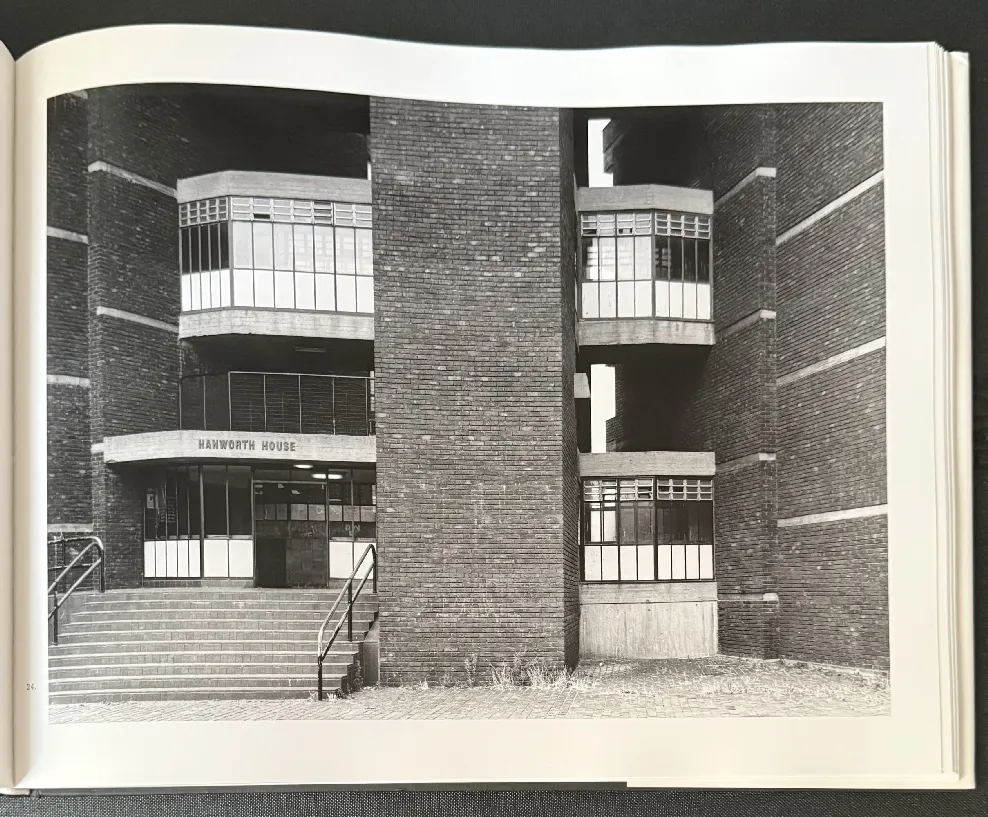
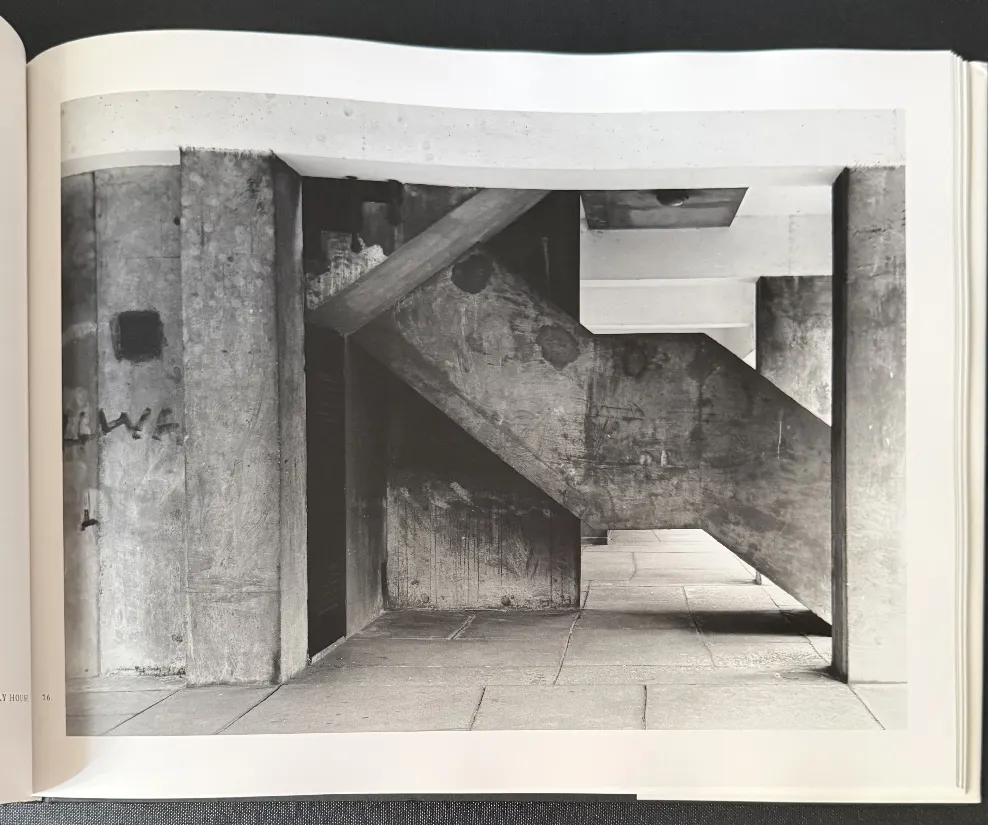
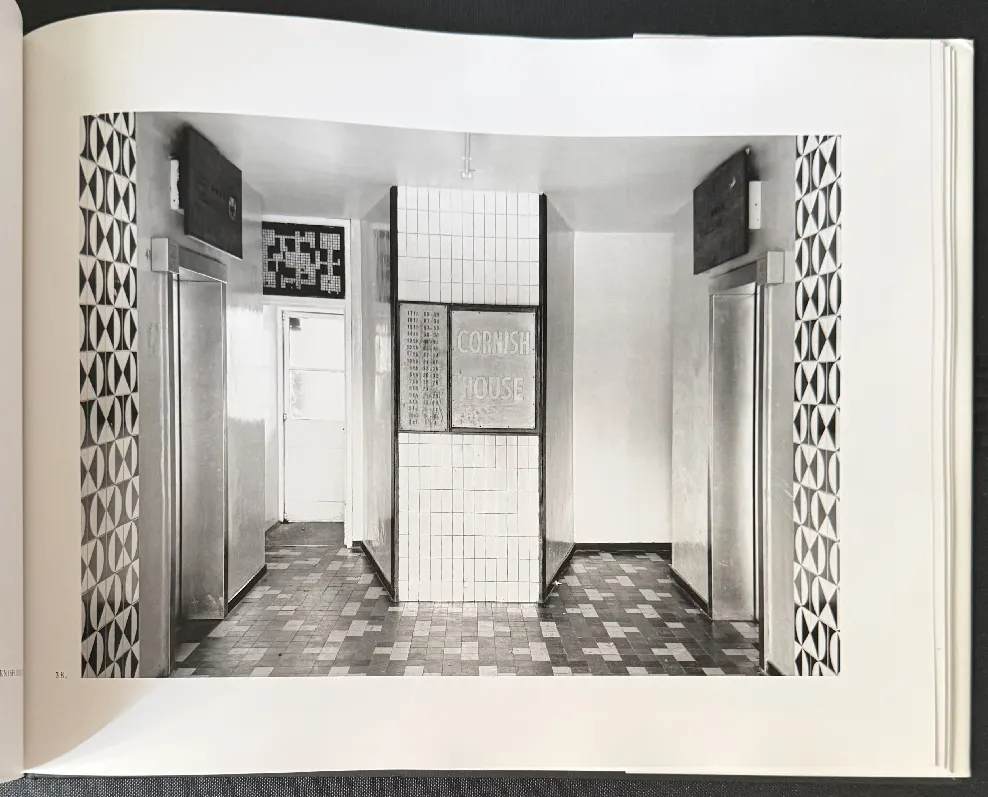
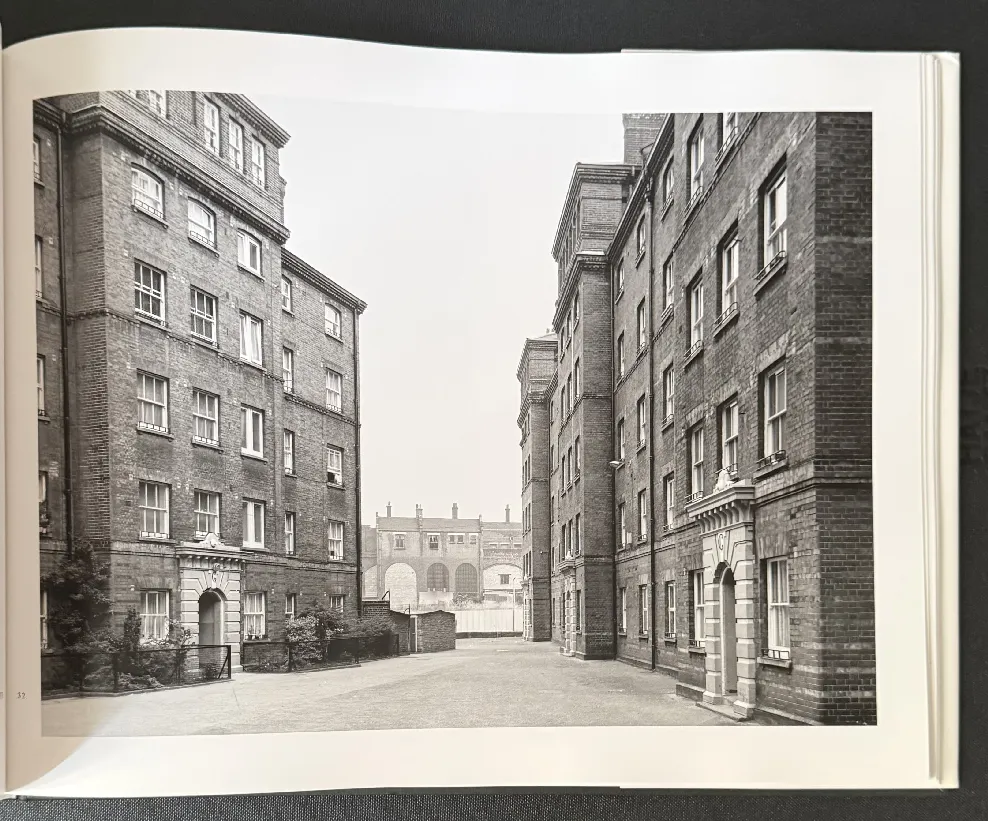
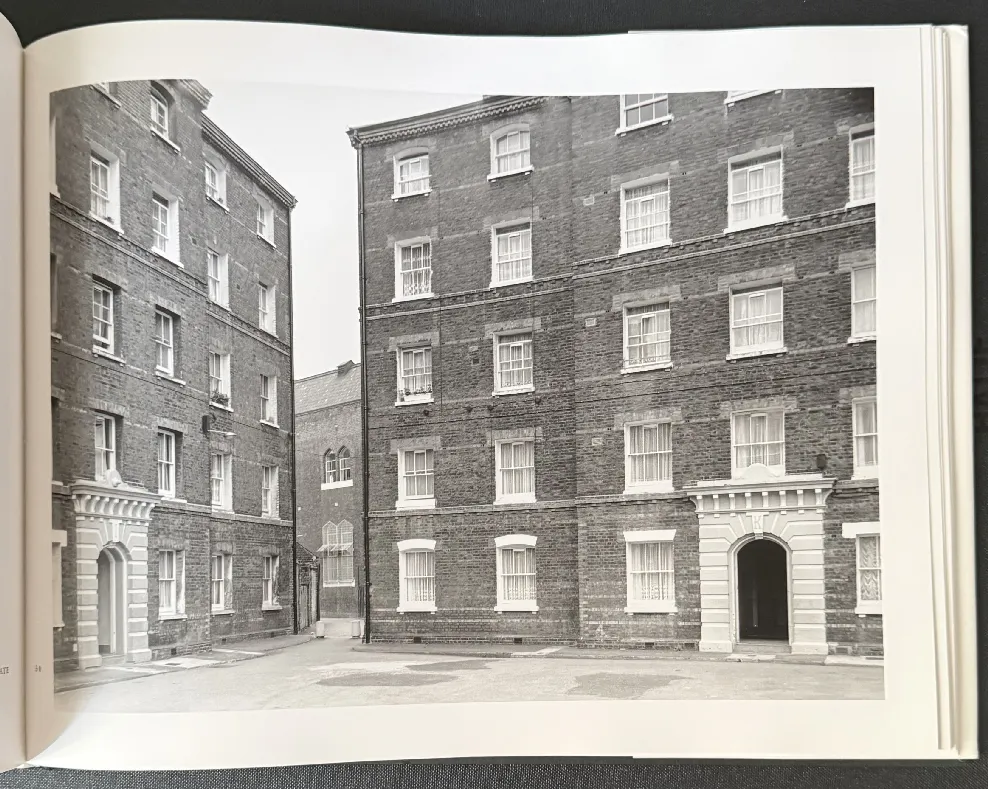
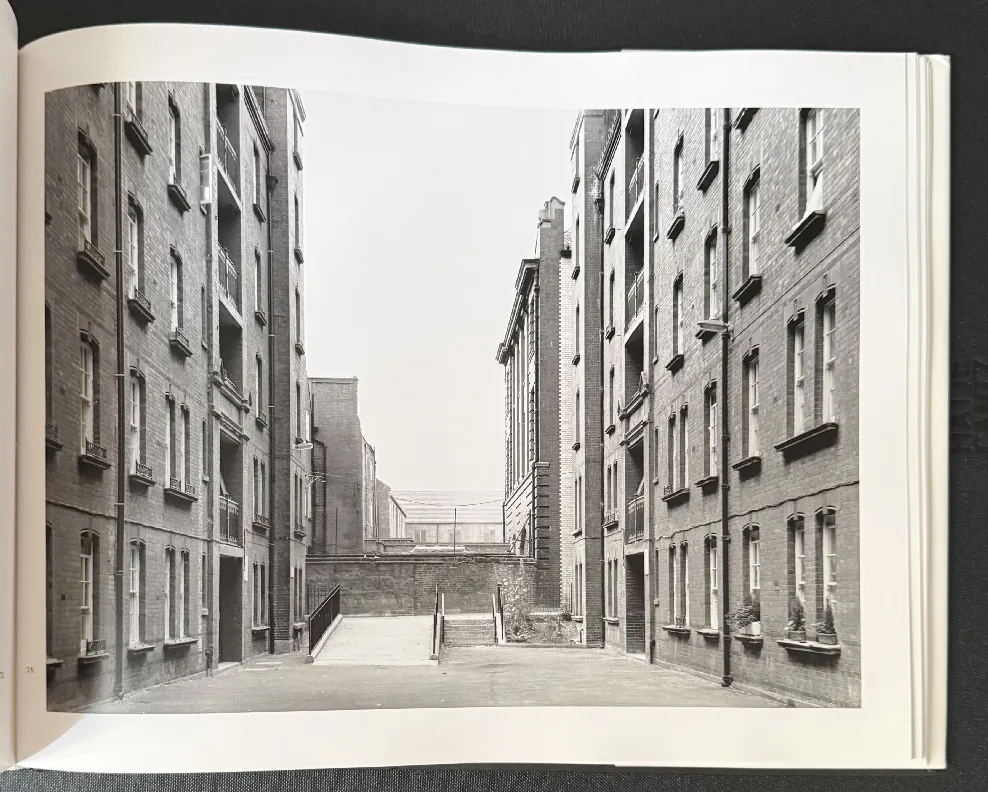
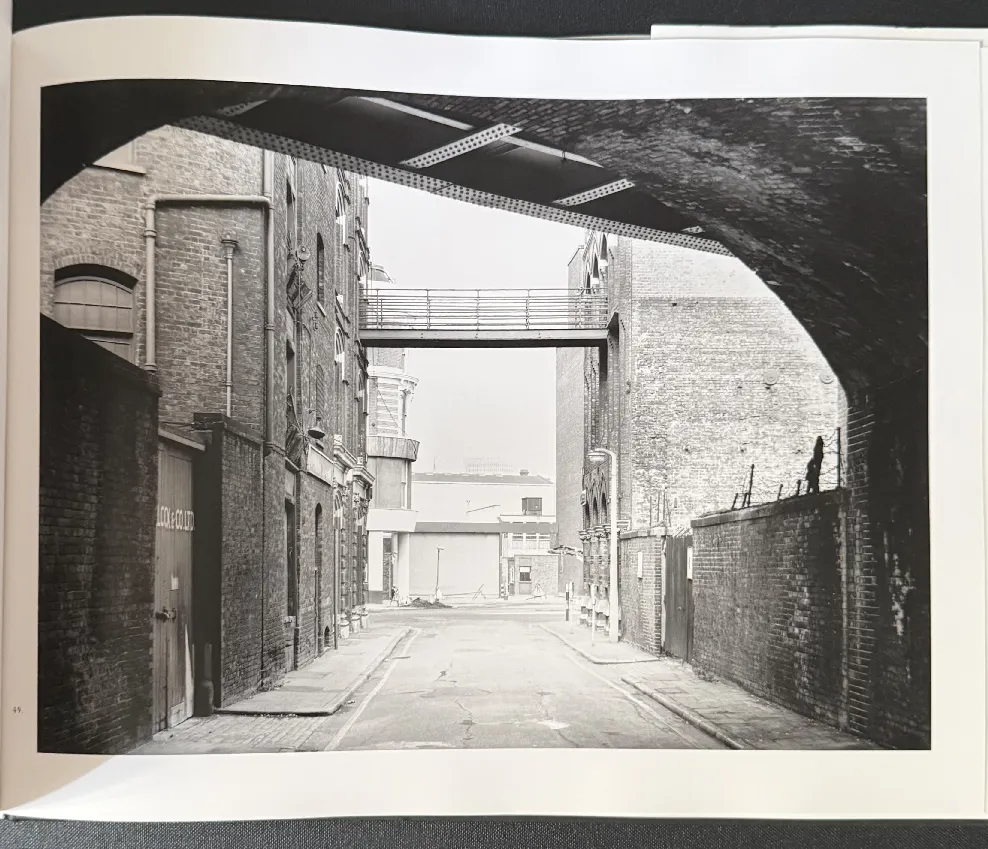
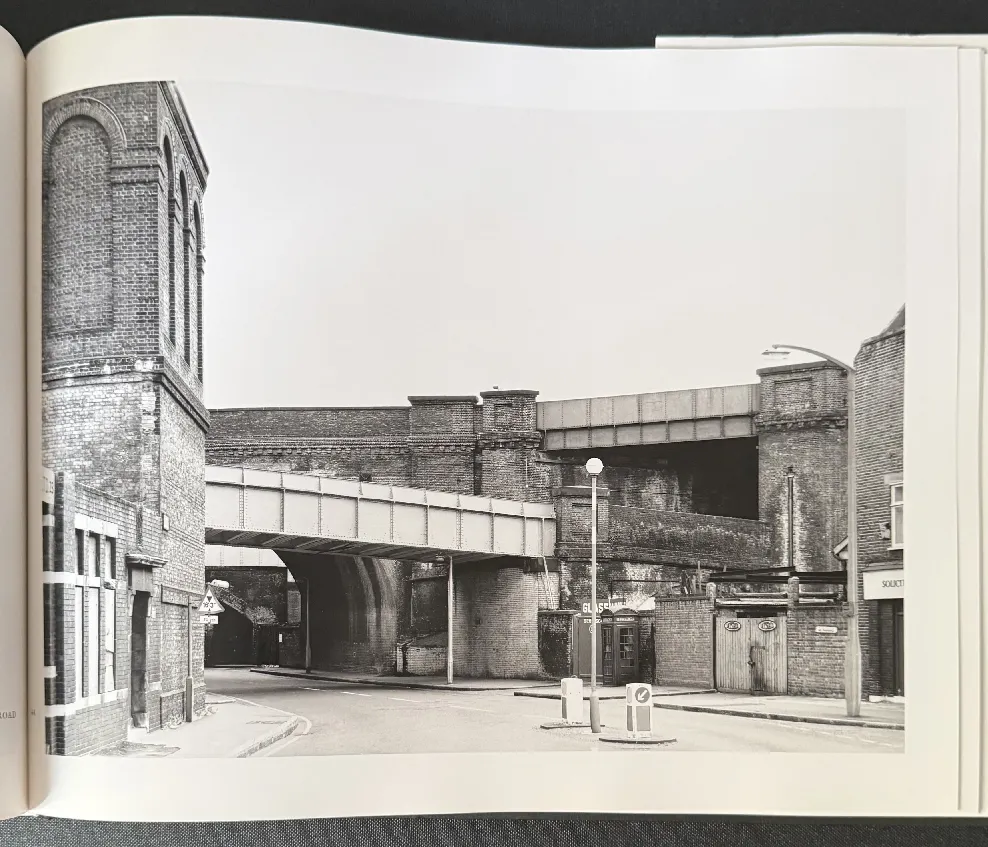
Hütte's portrayal of London is notably stark. In a city often celebrated for its green spaces, Hütte deliberately framed his shots to exclude almost all plant and human life, focusing intensely on the harsh geometric planes of concrete and brick. According to critics, this studied neutrality and geometric framing strips the environment down, emphasizing the often impersonal, dehumanizing nature of these mass housing projects.
The book is highly regarded in the world of photography and is notably featured in Martin Parr and Gerry Badger's authoritative text, The Photobook: A History, Volume II. Parr and Badger describe London as an "almost perfect example of the photobooks that embody the principles of the New Objectivity".

The book features photographs taken between 1982 and 1984. Hütte had studied under the highly influential Bernd and Hilla Becher at the Düsseldorf Art Academy alongside contemporaries like Andreas Gursky and Thomas Ruff. This movement is famous for its "New Objectivity," characterized by a deadpan aesthetic, clinical detachment, and a rigorous, typological approach to photographing its subjects.
In this series, Hütte turned his lens toward a subject largely ignored by local photographers at the time: London's mass social housing. He specifically focused on two eras of working-class architecture:
Hütte's portrayal of London is notably stark. In a city often celebrated for its green spaces, Hütte deliberately framed his shots to exclude almost all plant and human life, focusing intensely on the harsh geometric planes of concrete and brick. According to critics, this studied neutrality and geometric framing strips the environment down, emphasizing the often impersonal, dehumanizing nature of these mass housing projects.
The book is highly regarded in the world of photography and is notably featured in Martin Parr and Gerry Badger's authoritative text, The Photobook: A History, Volume II. Parr and Badger describe London as an "almost perfect example of the photobooks that embody the principles of the New Objectivity".