

Hardcover with dust jacket
ISBN:



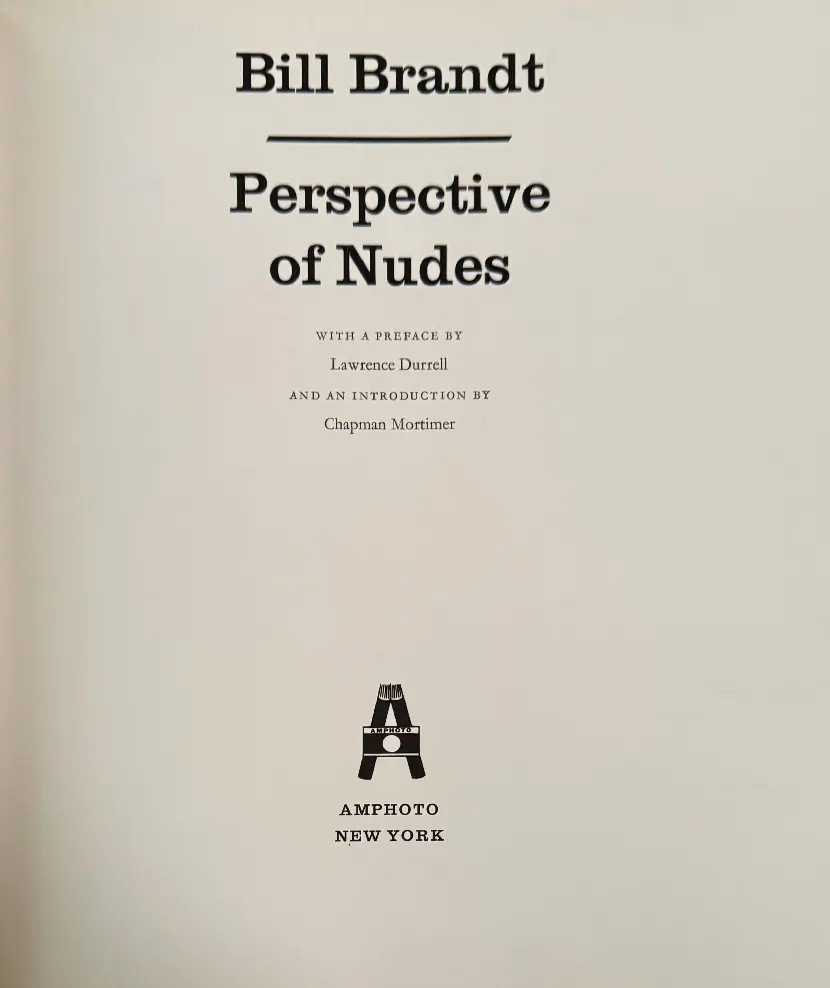

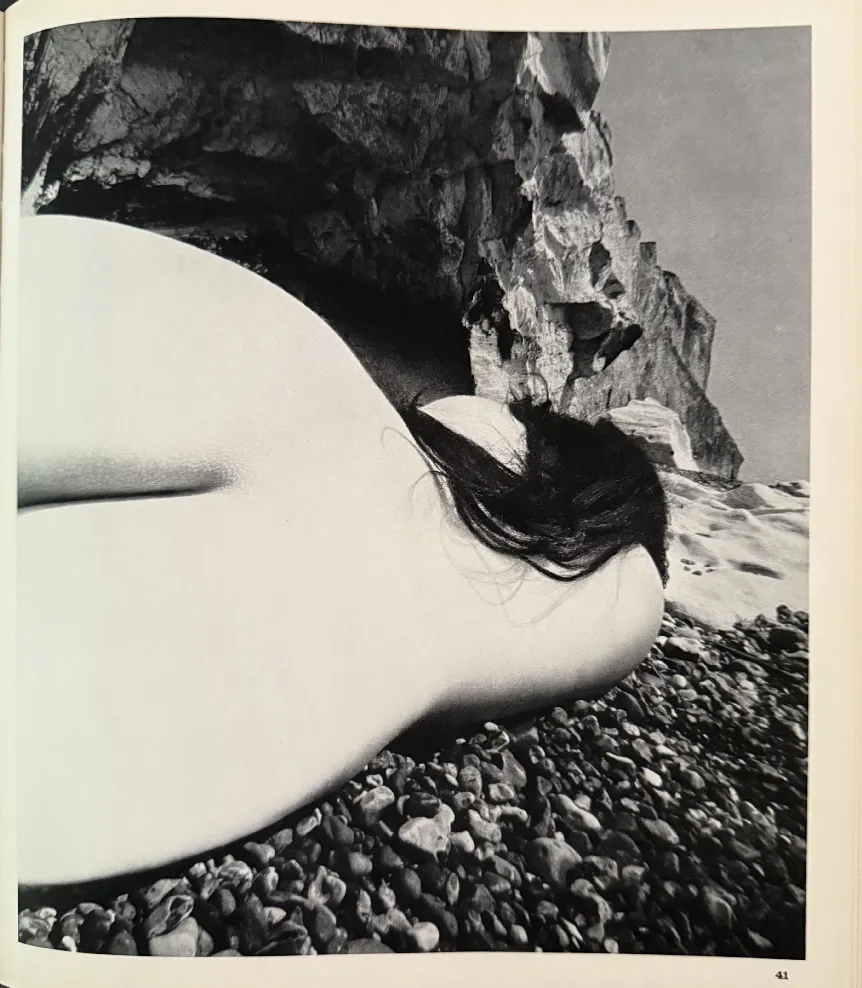
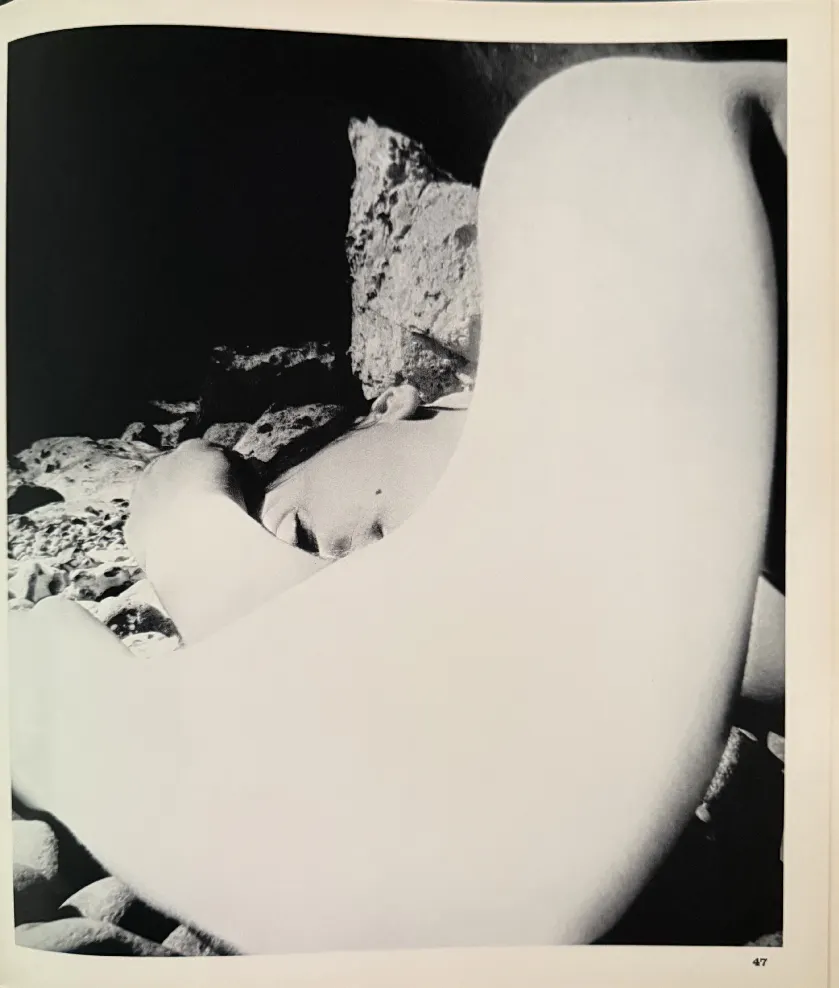
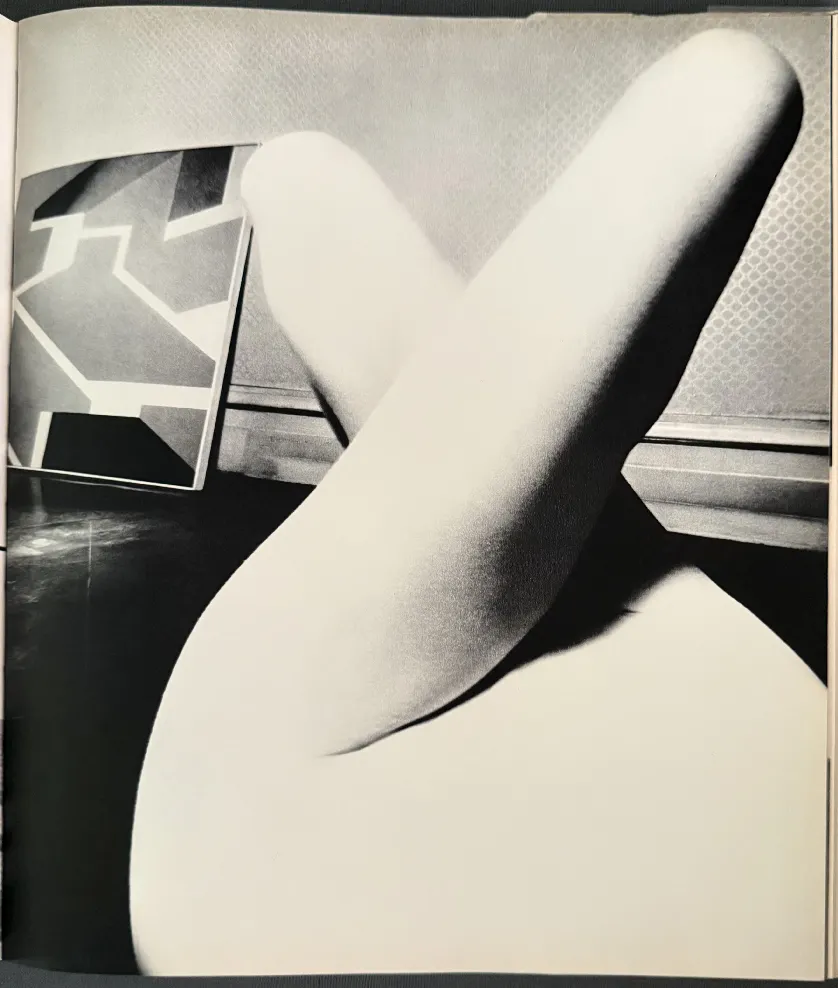
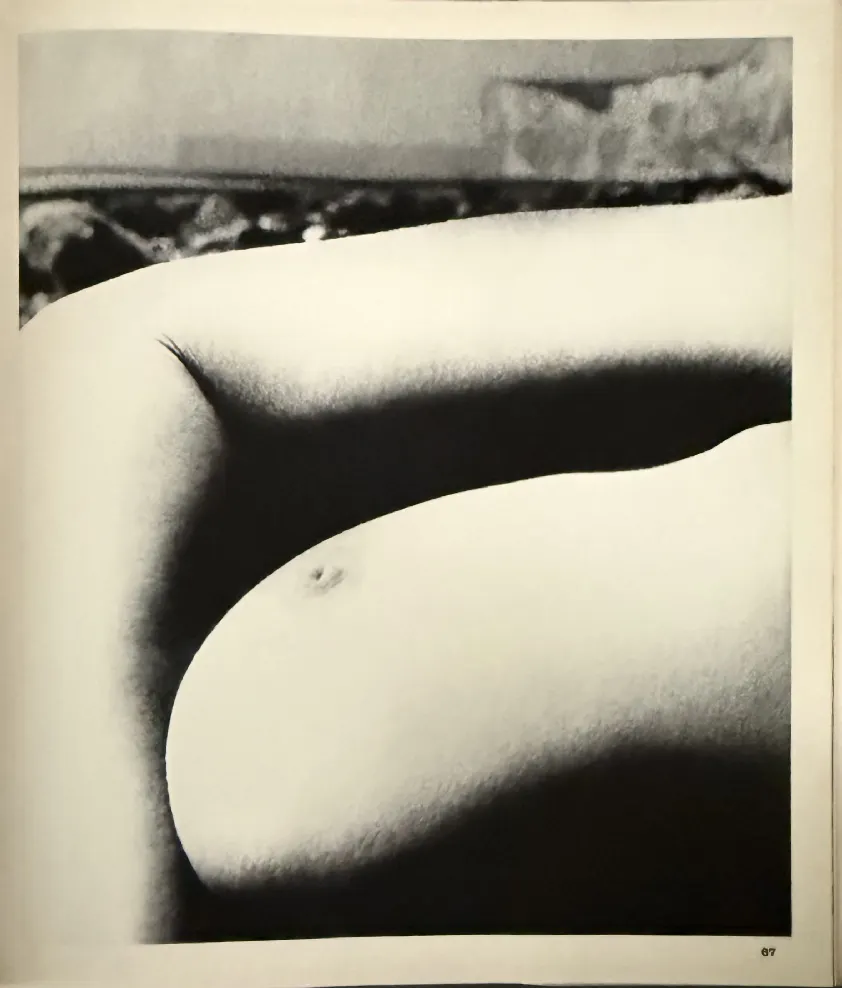
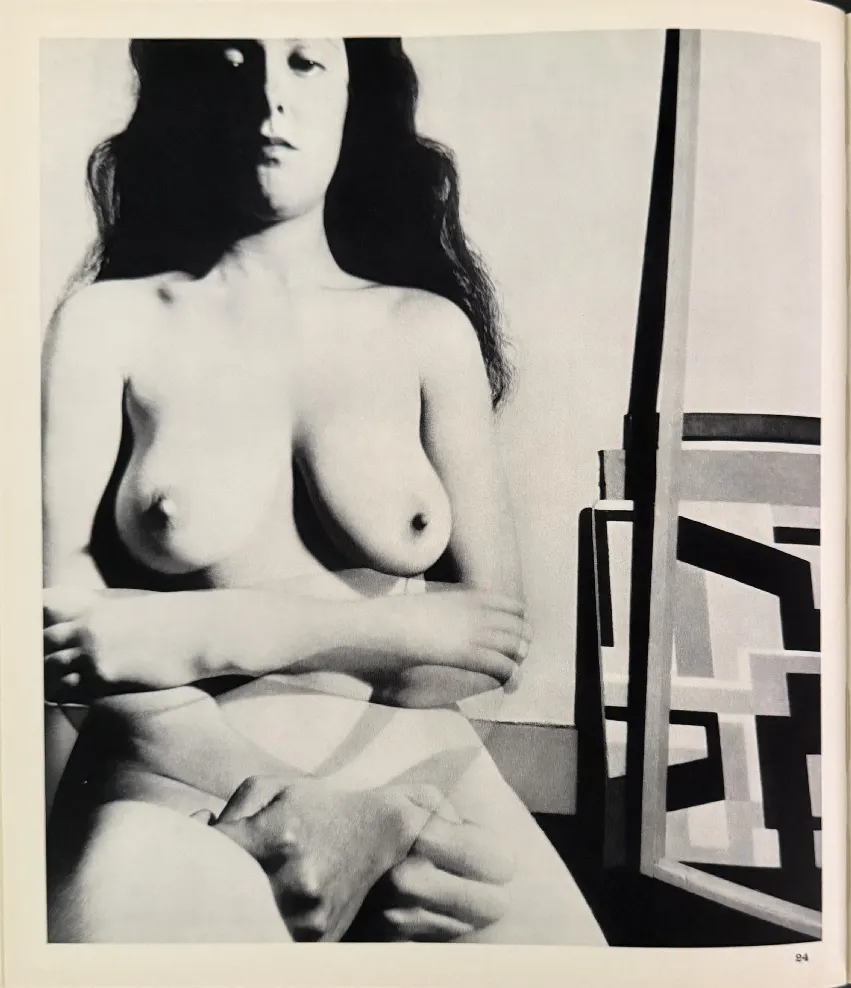
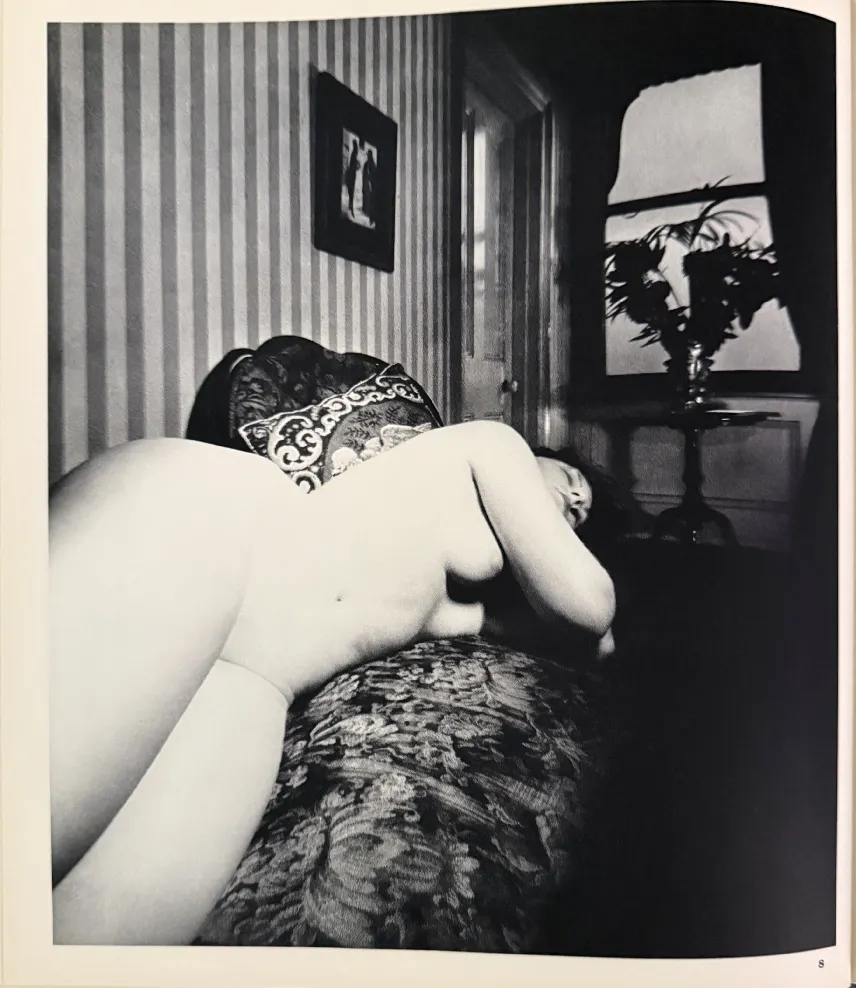


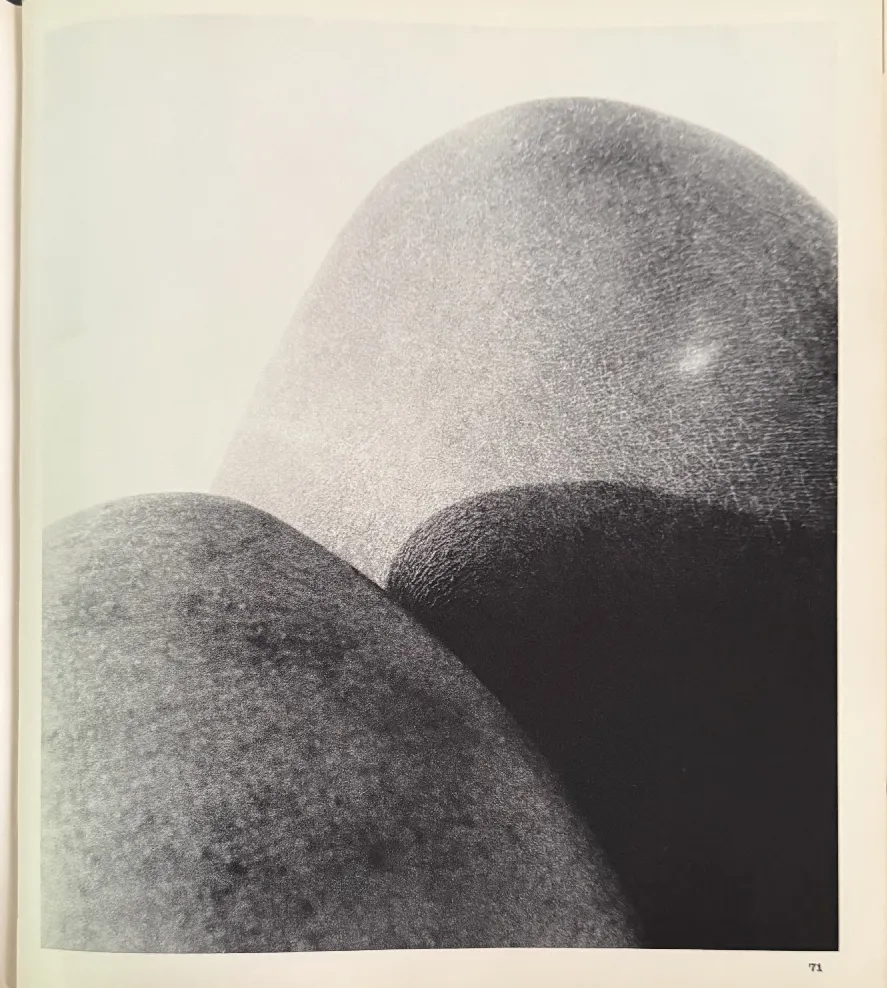
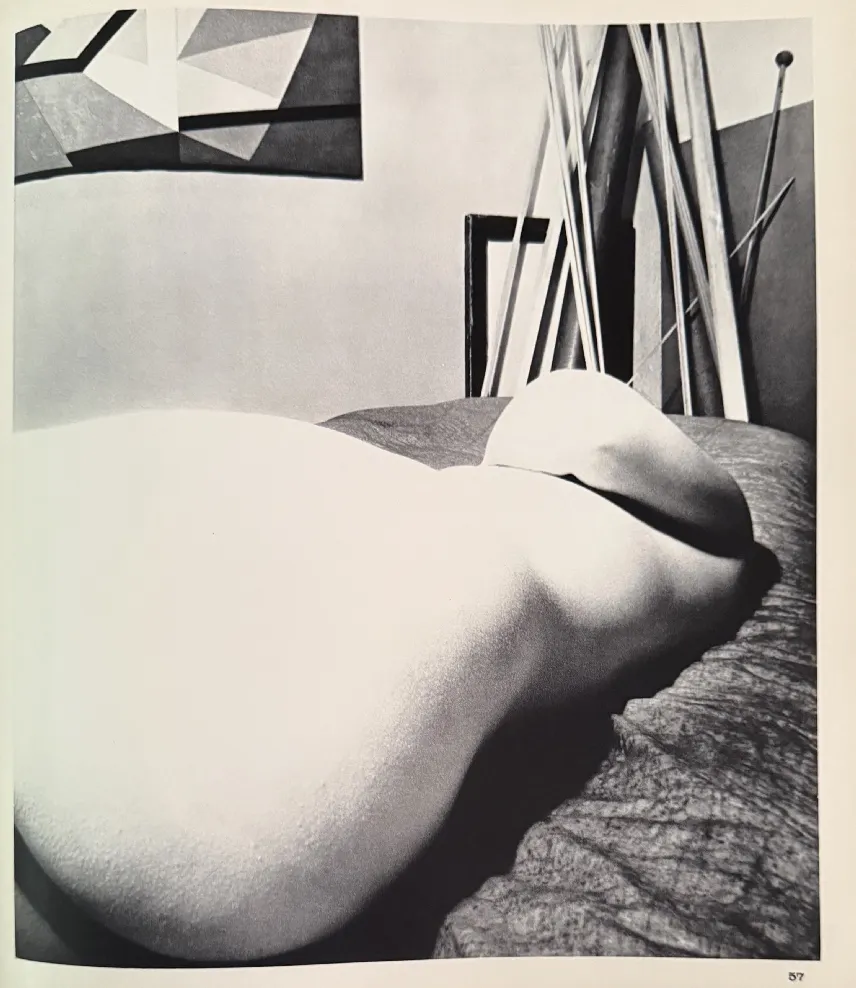


Bill Brandt’s Perspective of Nudes stands as a landmark monograph in twentieth-century photography, showcasing the artist’s radical reimagining of the human form through extreme wide-angle distortion and unconventional interior spaces.
Published in 1961, the work marks a decisive departure from Brandt’s earlier social documentary photography of British working-class life, pivoting toward an intense, highly formalized exploration of the body as an abstract sculptural landscape. Utilizing a wide-angle Hasselblad camera fitted with a convex lens, Brandt warped limbs, torsos, and architectural elements into sweeping, monumental curves that echo the rugged textures of British coastal dunes and polished stone.
The thematic core of the work investigates the intimate interplay between the human figure and its surrounding environment, dissolving traditional boundaries between interior architecture and anatomy. By placing his models inside cramped, peeling seaside cottages or sparse domestic interiors bathed in dramatic, high-contrast natural light, Brandt transforms mundane settings into surreal, dreamlike domains. The female body is recast not as an object of conventional portraiture, but as a topography of hills, horizons, and dramatic structural geometry.
Aesthetic and material qualities are paramount to the book's enduring impact, relying on deep velvety blacks, stark tonal contrasts, and a radical manipulation of perspective that compresses space and stretches form. Within Brandt’s broader oeuvre, Perspective of Nudes is essential for understanding his late-career synthesis of surrealism and modernist formalism, cementing his legacy as a master who pushed the physical and optical limits of the photographic medium.