

Hardcover with dust jacket
ISBN:


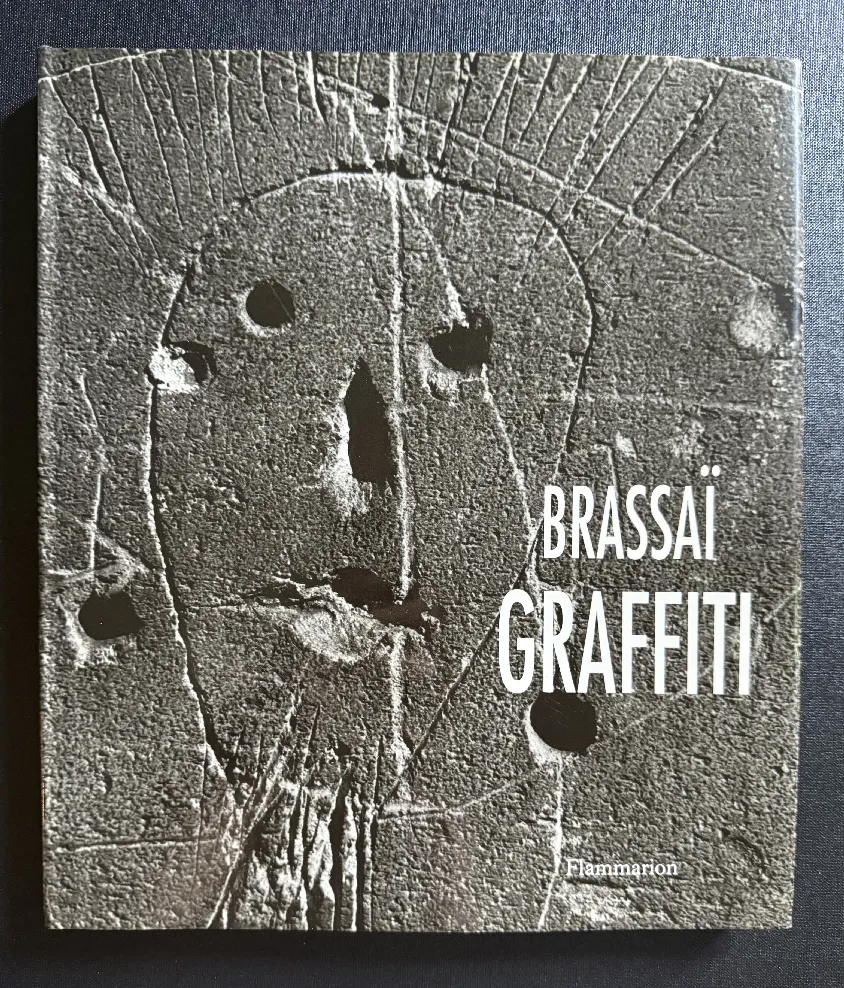
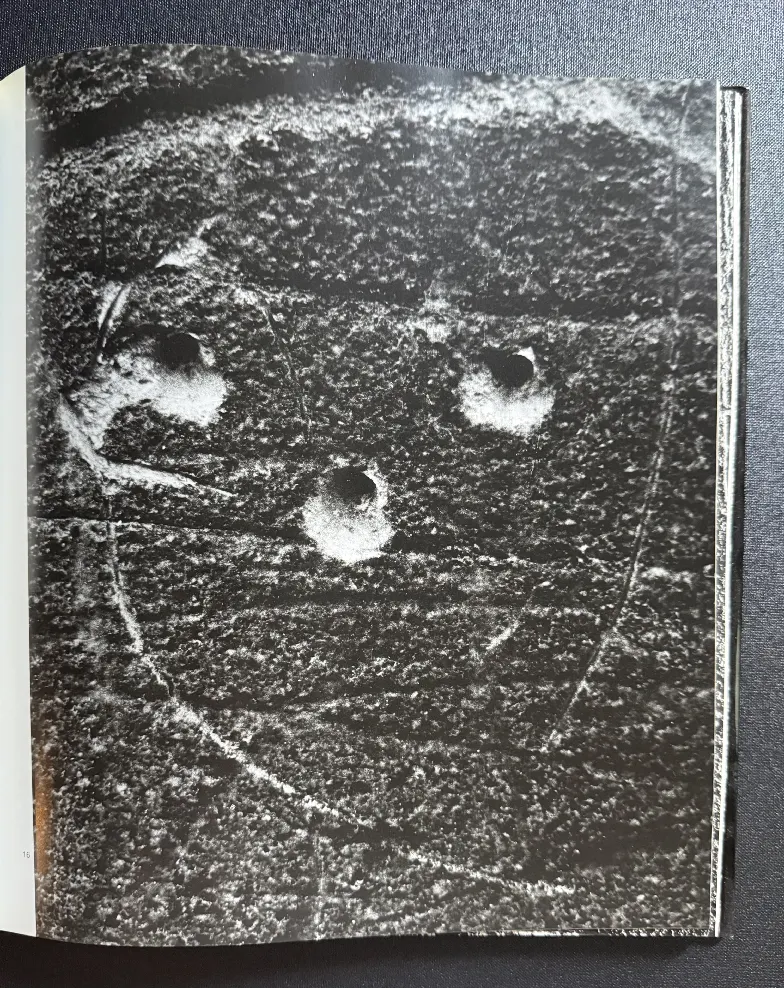

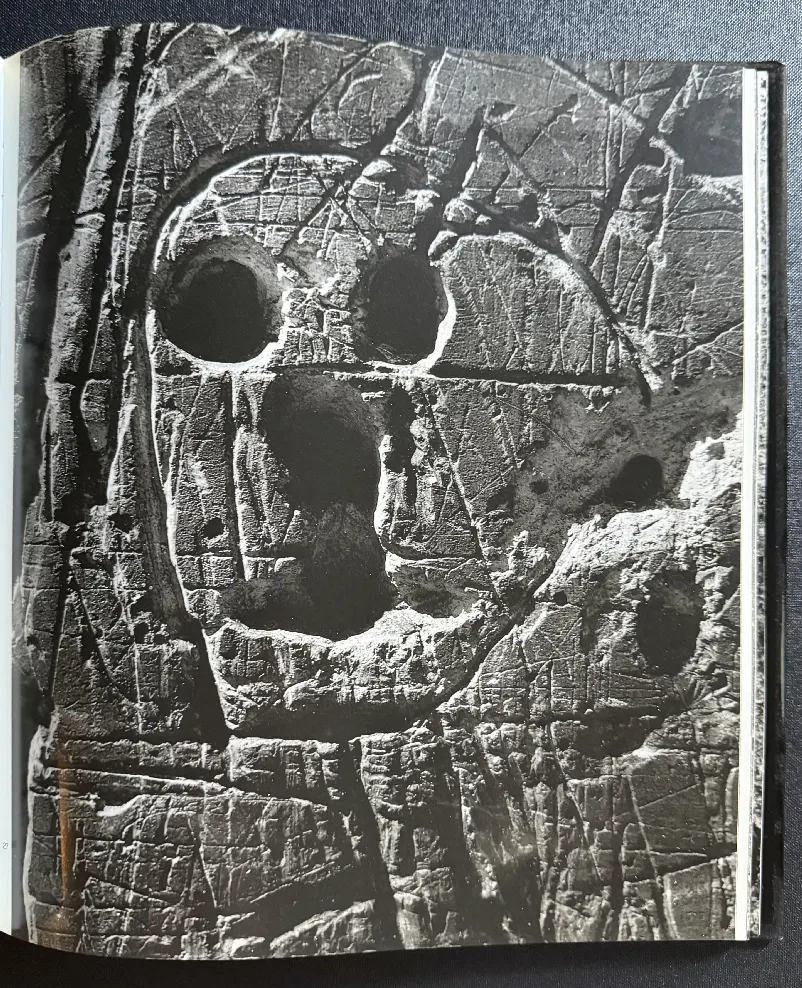


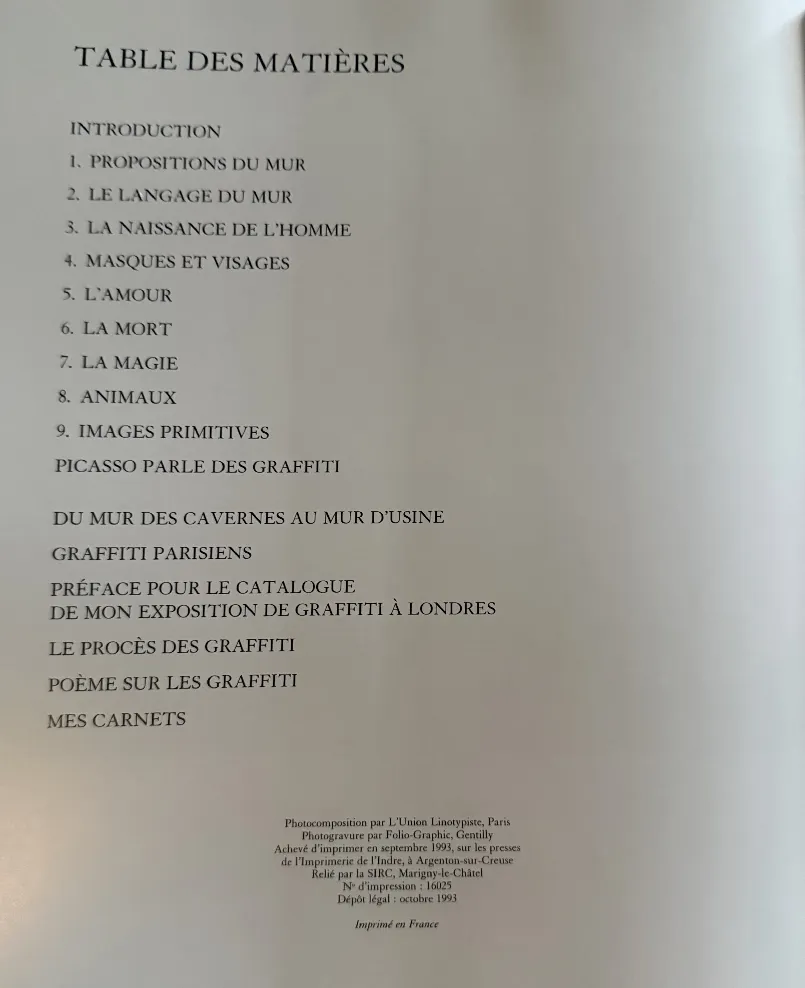
Brassaï’s Graffiti represents a monumental, decades-long investigation into the primal, anonymous mark-making found across the urban surfaces of Paris. Beginning in the 1930s and culminating in the original 1960 publication, the photographer meticulously cataloged the scratches, chalk drawings, and carved faces left behind by everyday citizens on the city's weathered walls. By isolating these crude, ephemeral gestures, Brassaï elevated the detritus of the street to the level of high art, aligning his photographic vision with the emergent Art Brut movement championed by his contemporary Jean Dubuffet. The project fundamentally expands his celebrated documentation of Parisian nightlife, shifting the focus from the city’s inhabitants to the psychological residue they leave embedded in its architecture.
Aesthetically, the work relies on a rigorous, flattened perspective that transforms three-dimensional urban decay into stark abstraction. Brassaï employs intense, high-contrast lighting to accentuate the deep gouges, peeling plaster, and raw masonry of the walls, rendering the surfaces with an almost prehistoric gravity. By cropping tightly and stripping away any surrounding environmental context, he forces the viewer to confront these crude incisions as deliberate, profound compositional elements. The resulting images bridge the gap between documentary photography and abstract painting, capturing the tactile severity of the street with remarkable graphic discipline.