
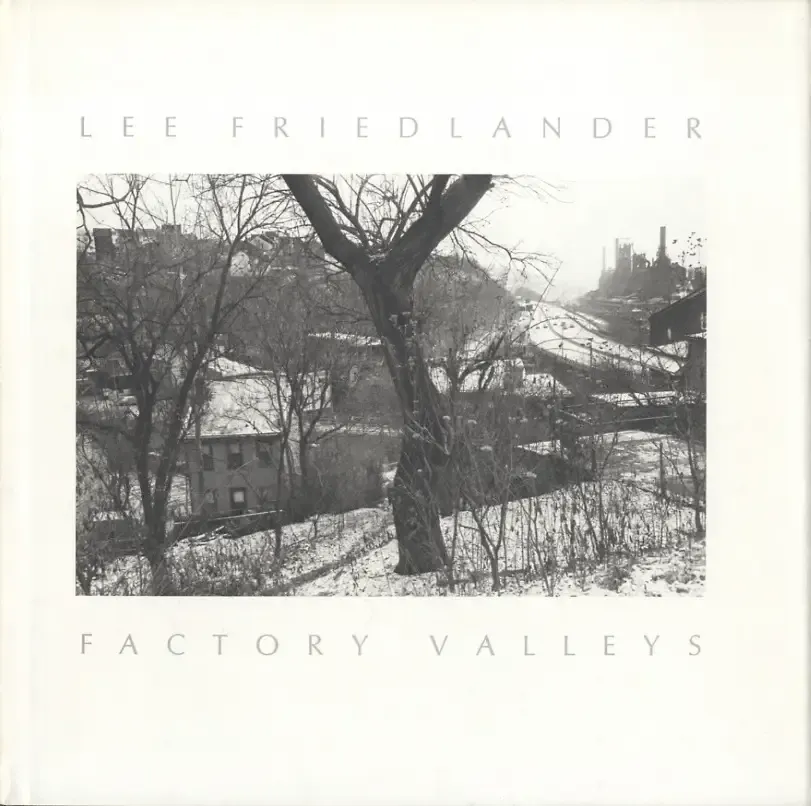


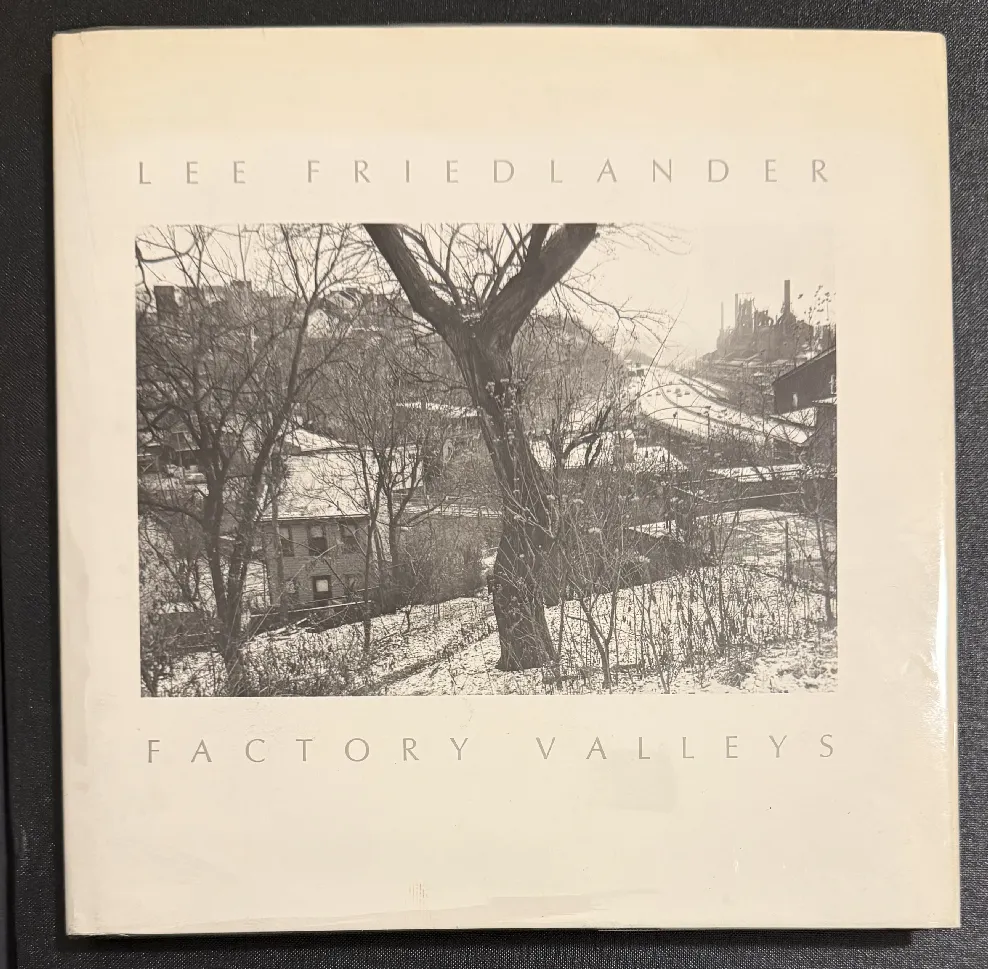
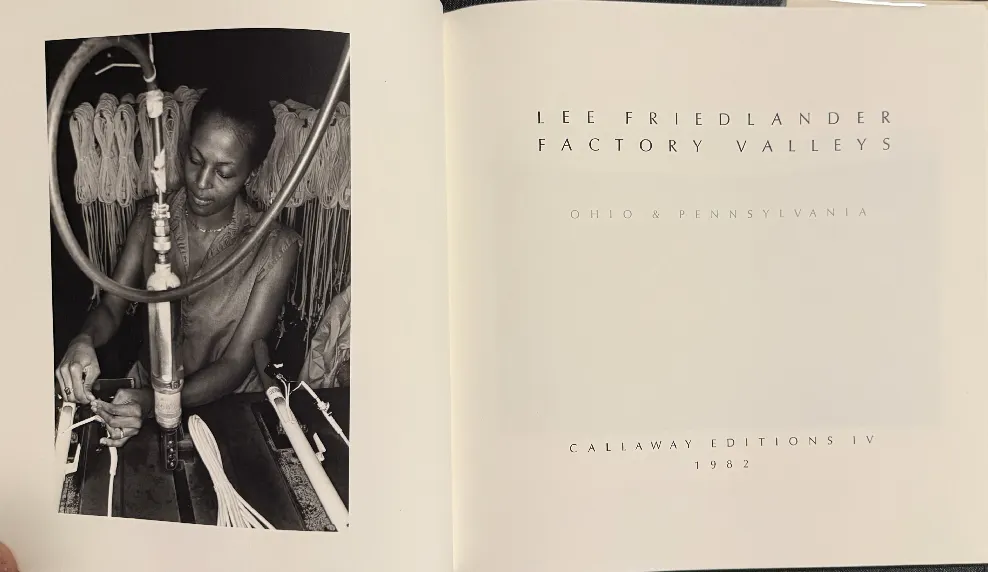
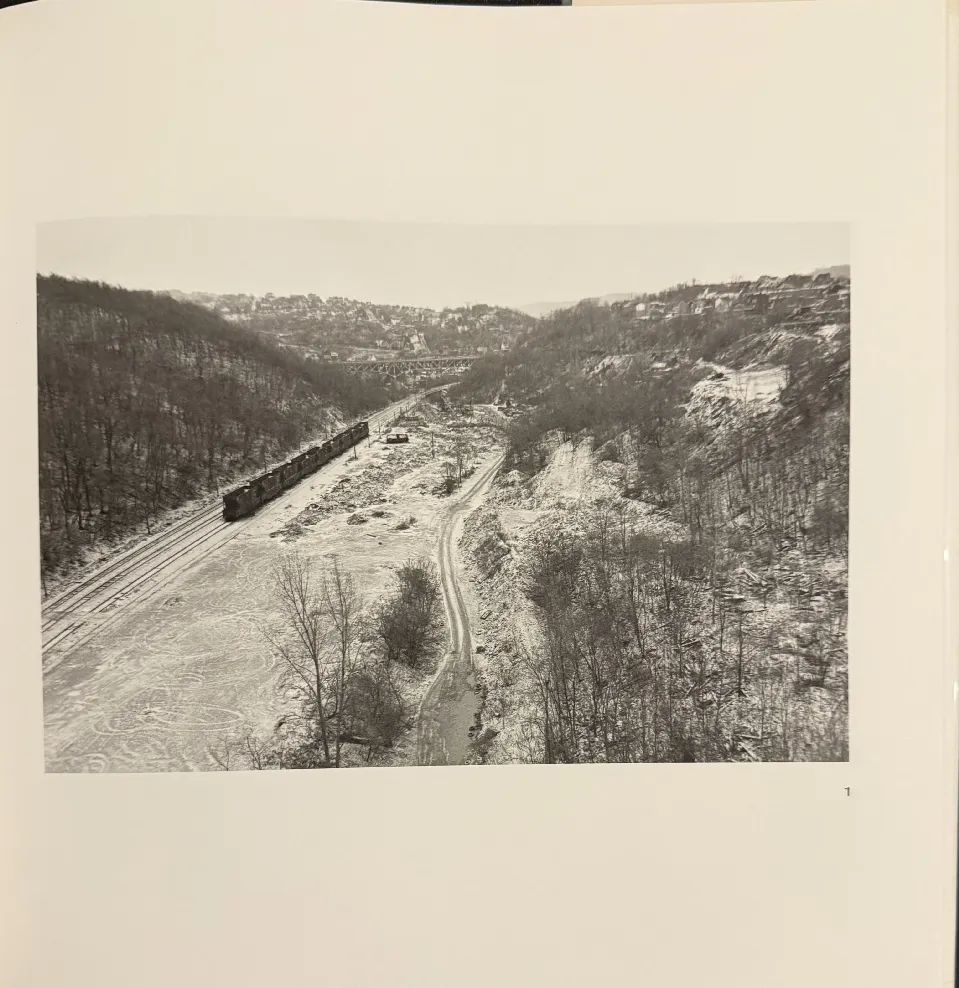
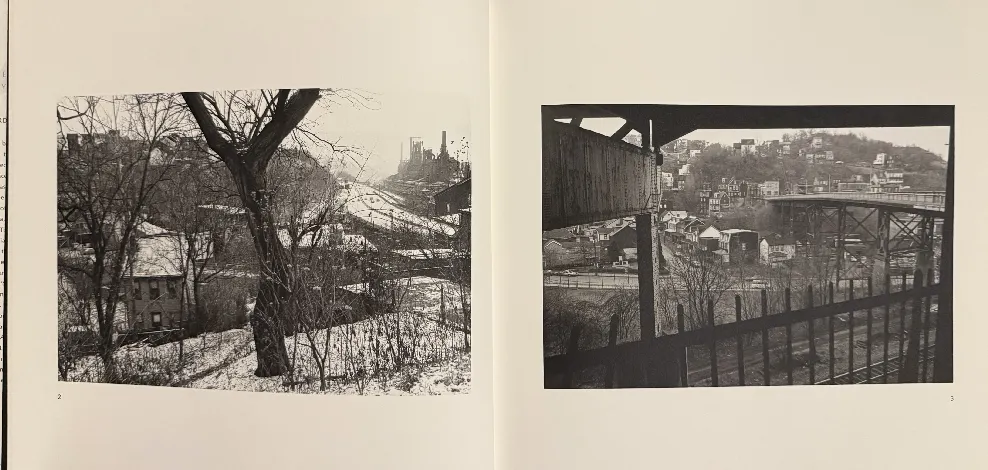

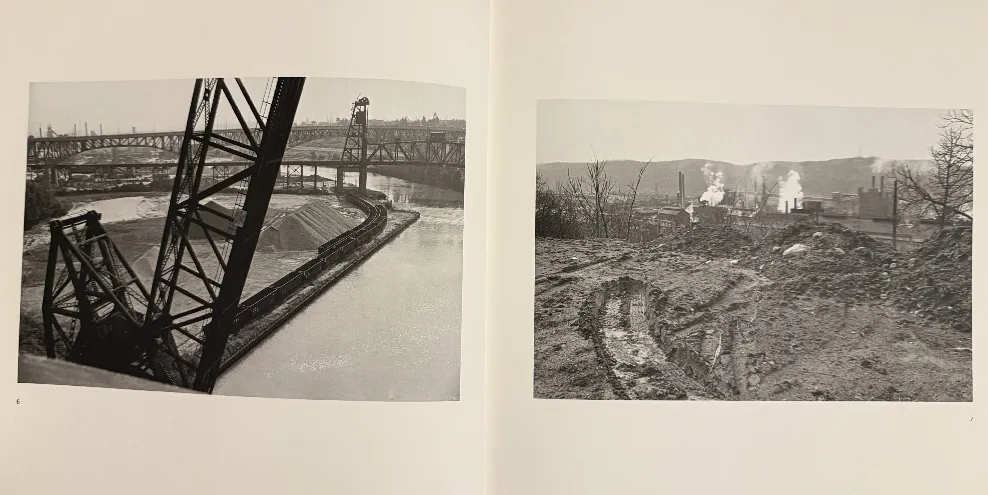
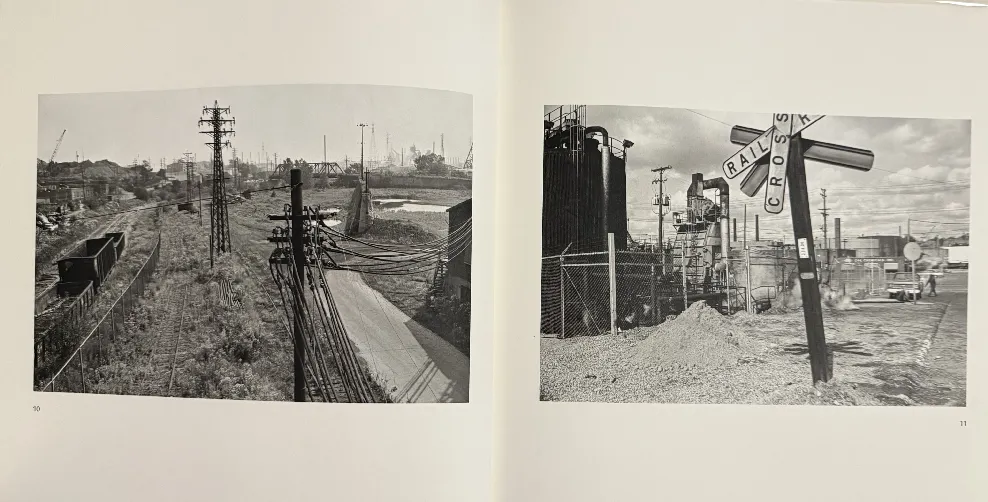
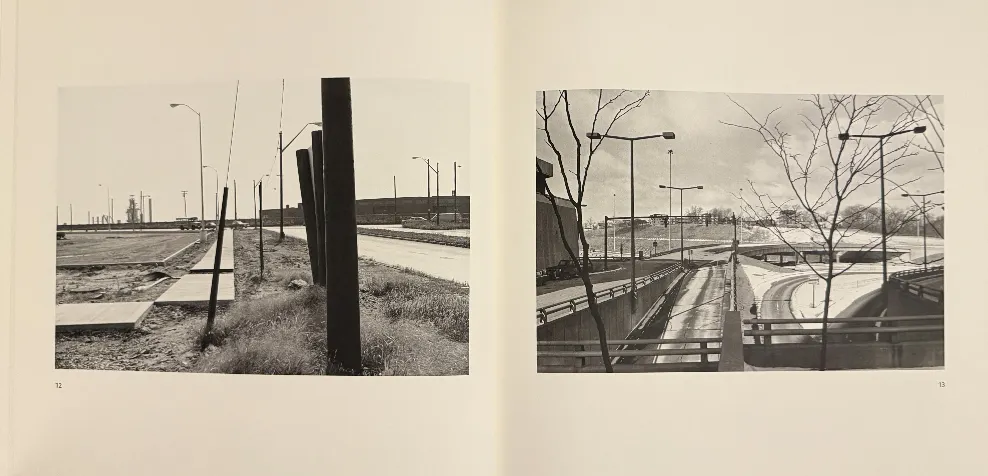
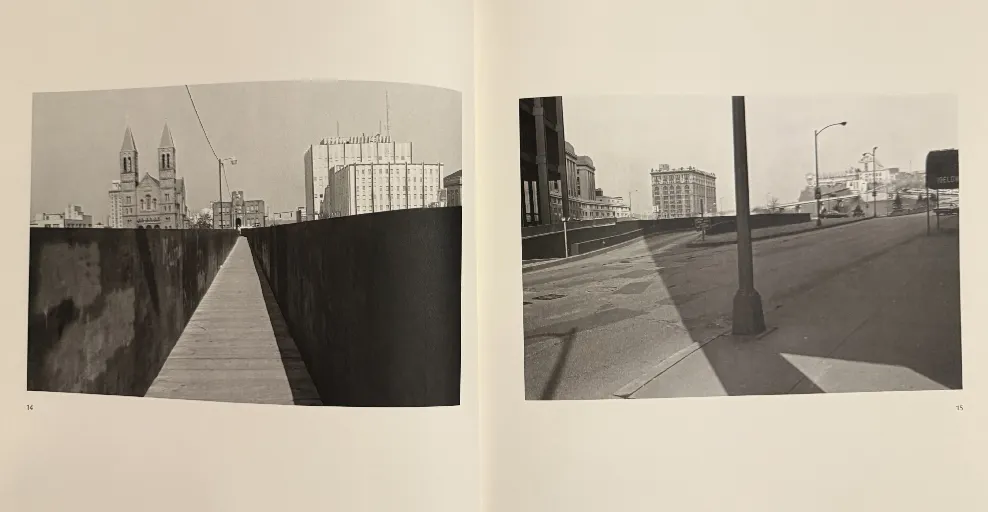
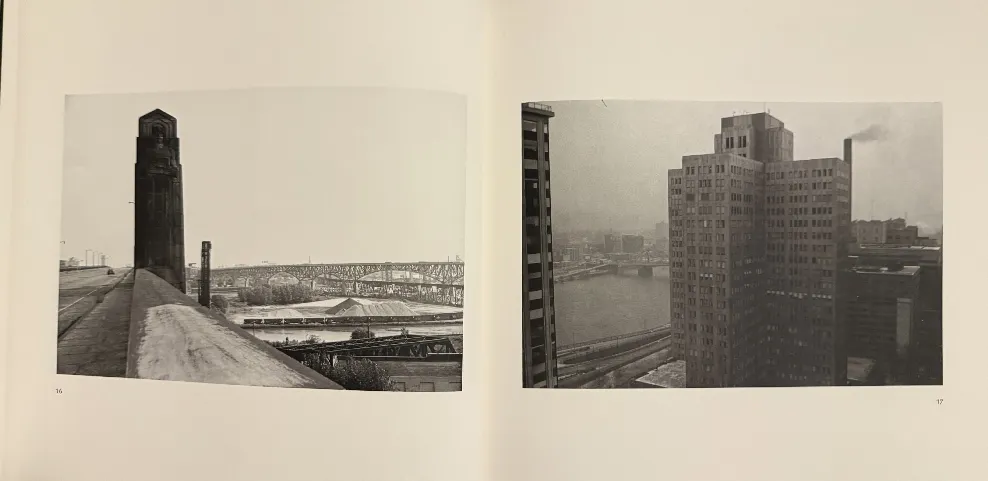
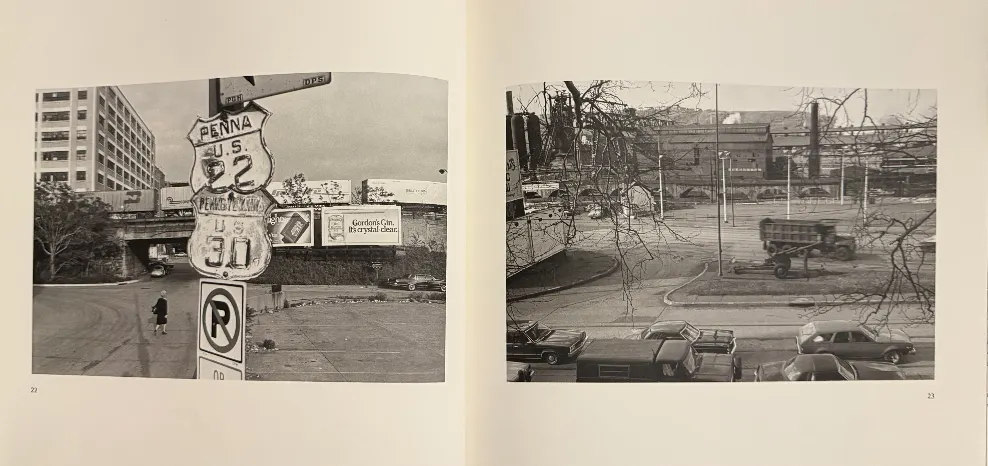



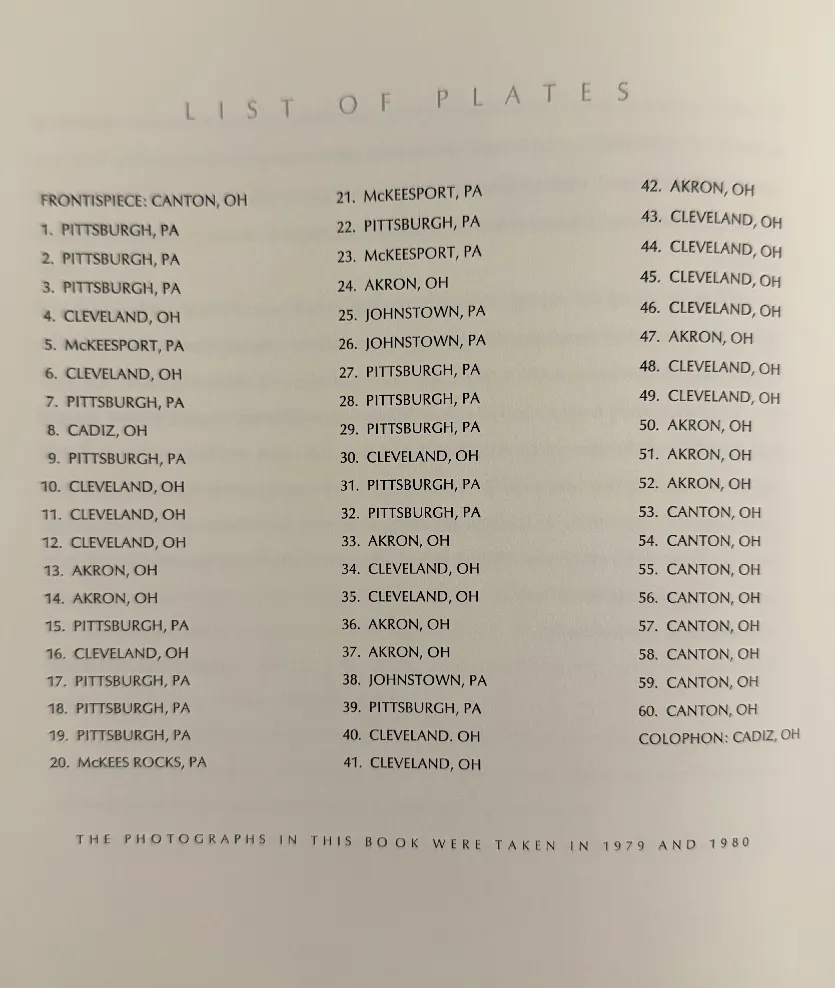
Published in 1982 by Callaway Editions, Factory Valleys originated from a 1979 commission by the Akron Art Museum. The museum invited Friedlander to document the industrial belt of the Ohio River Valley, specifically regions across Ohio and Pennsylvania, during a pivotal era when the area was sliding into economic decline, just before the term "Rust Belt" gained widespread use.
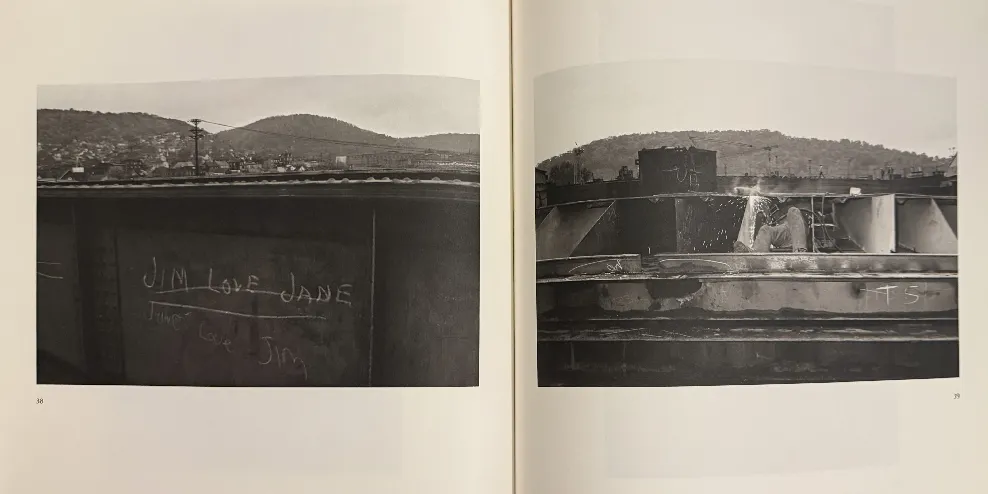
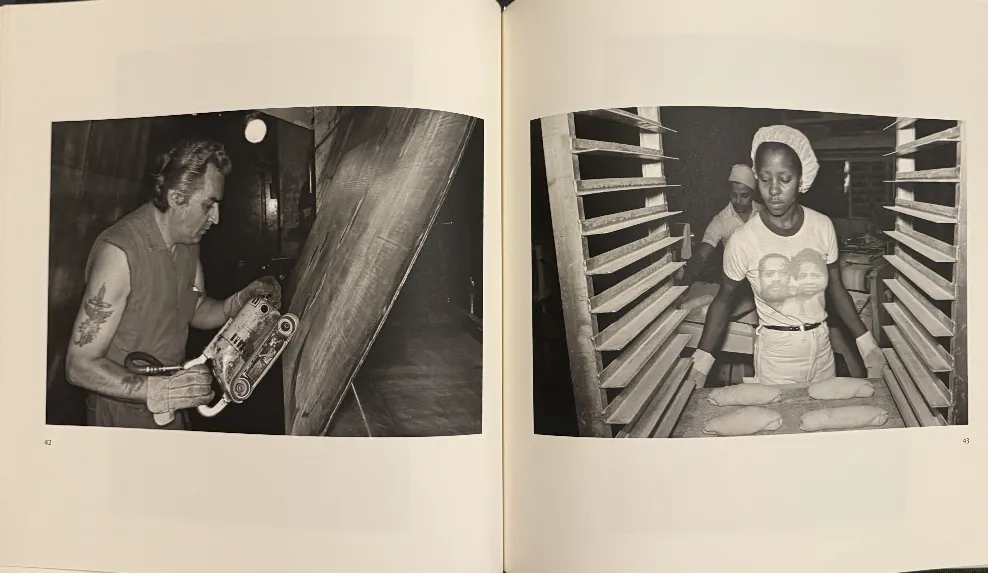
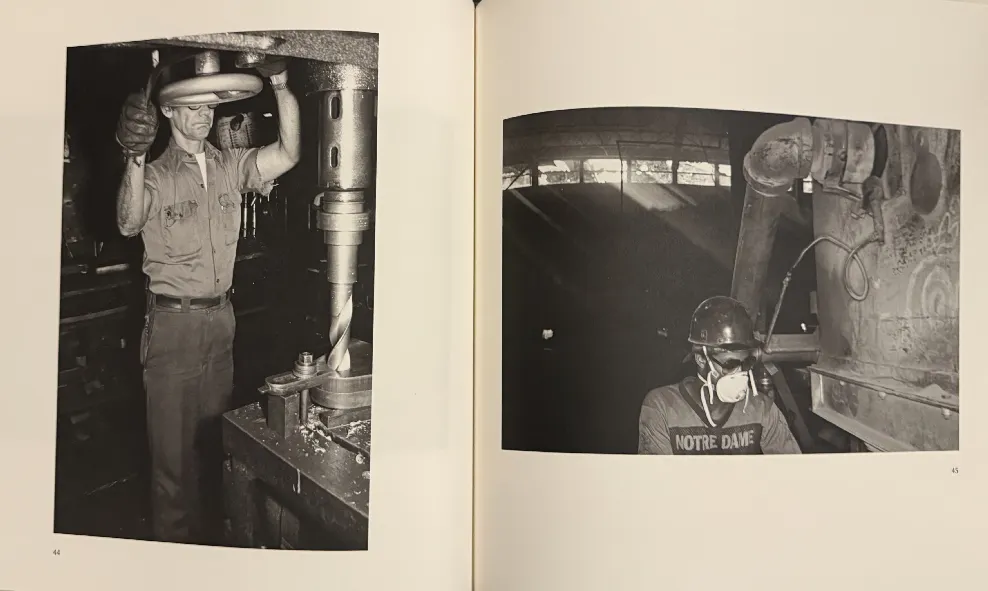
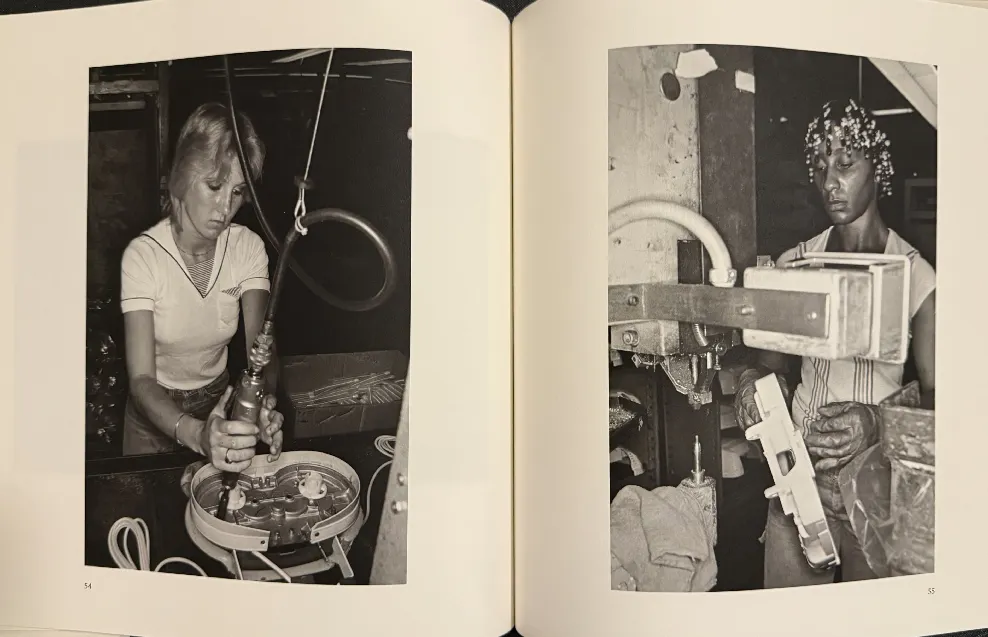
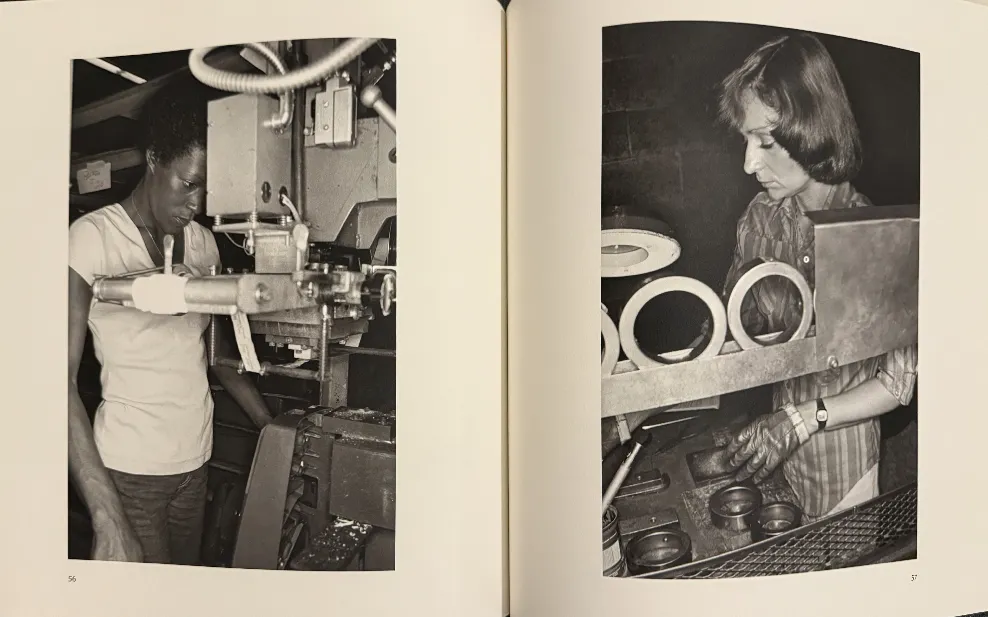
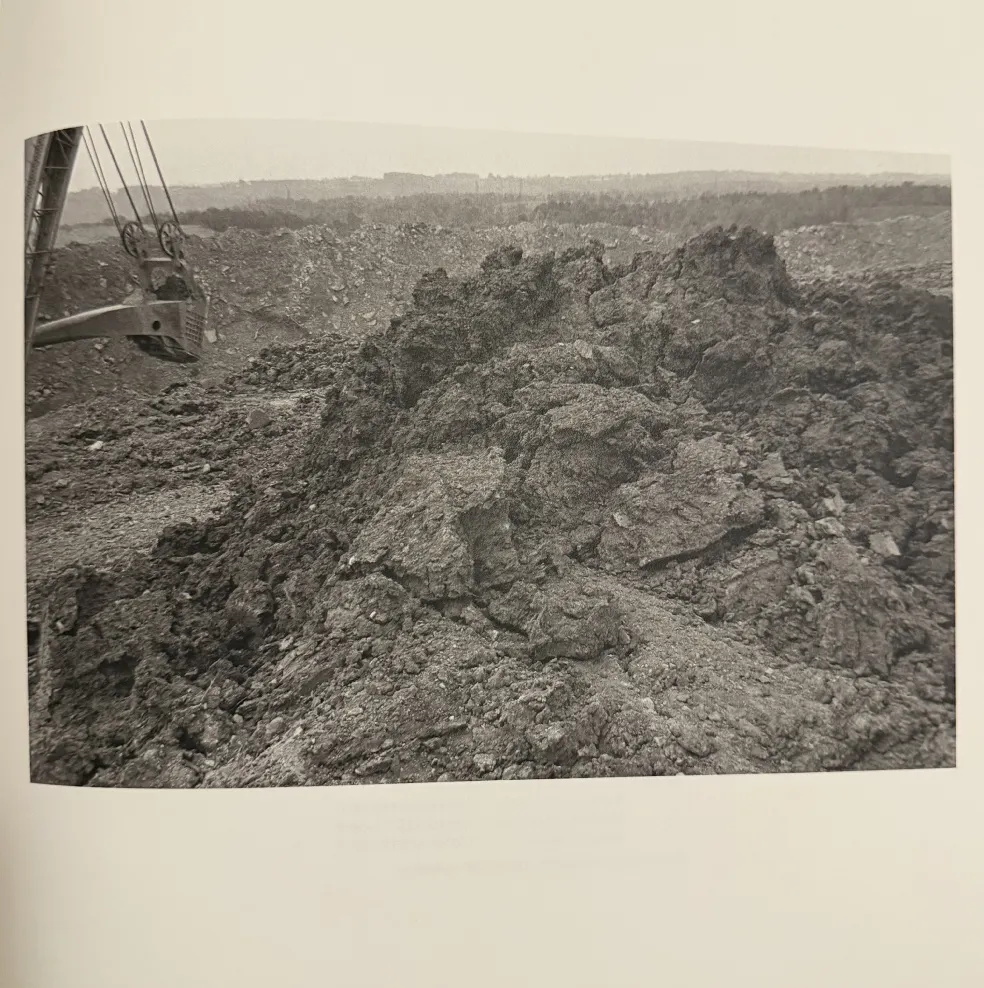
The book stands as Friedlander's first major body of work focused on American industrial labor and the working class. Over the course of a year, he photographed factory workers operating complex machinery, residential mill towns, sprawling steel plants, rail yards, and stark winter landscapes. Instead of taking a purely political or sentimental documentary stance, Friedlander captured the symbiotic, highly repetitive relationship between human labor and heavy machinery with clarity and acute perception.
Visually, the project expands Friedlander's signature style of social landscape photography. He framed the industrial towns through layered, complex compositions that echo the social and physical disruption of the area. Featuring an afterword by Leslie Katz, Factory Valleys is widely considered a landmark work in modern documentary photography, capturing the grit, labor, and changing environment of America's industrial heartland.
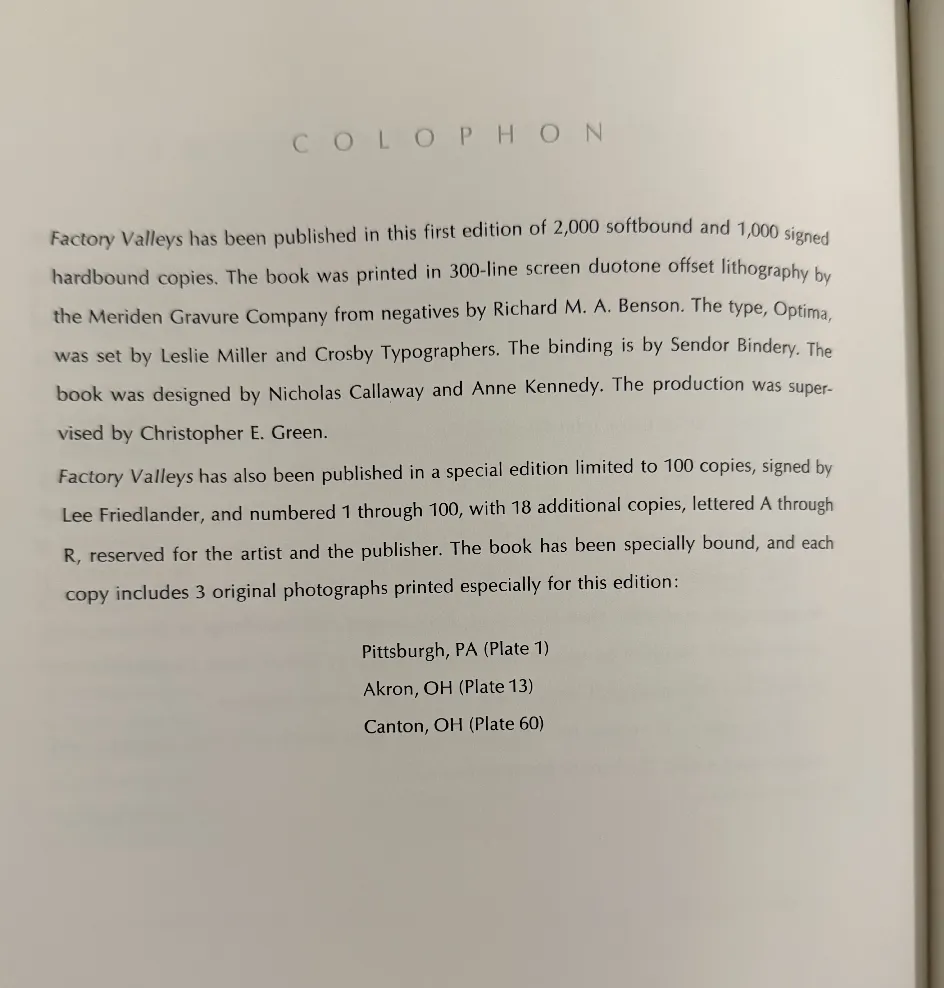
The plates were produced by the legendary Meriden Gravure Company in Connecticut, working from halftone negatives created by master printer Richard Benson. Benson was a crucial collaborator for Lee Friedlander throughout his book-publishing career, pioneering techniques to translate the nuanced gray tones and deep blacks of gelatin silver photographs into ink on paper.
The book was printed using an ultra-fine 300-line screen offset lithography process. Most standard photobooks at the time used 150- to 200-line screens; the much higher resolution of a 300-line screen made the halftone dot pattern virtually invisible to the naked eye.

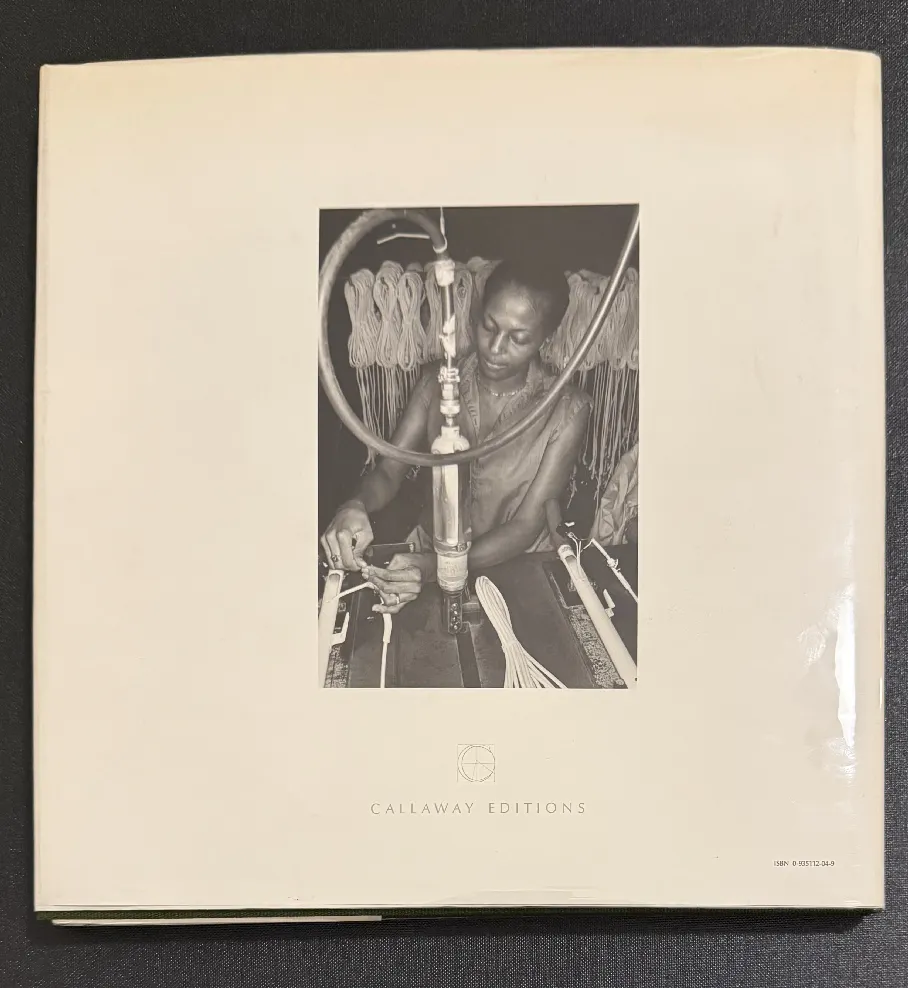
Published in 1982 by Callaway Editions, Factory Valleys originated from a 1979 commission by the Akron Art Museum. The museum invited Friedlander to document the industrial belt of the Ohio River Valley, specifically regions across Ohio and Pennsylvania, during a pivotal era when the area was sliding into economic decline, just before the term "Rust Belt" gained widespread use.
The book stands as Friedlander's first major body of work focused on American industrial labor and the working class. Over the course of a year, he photographed factory workers operating complex machinery, residential mill towns, sprawling steel plants, rail yards, and stark winter landscapes. Instead of taking a purely political or sentimental documentary stance, Friedlander captured the symbiotic, highly repetitive relationship between human labor and heavy machinery with clarity and acute perception.
Visually, the project expands Friedlander's signature style of social landscape photography. He framed the industrial towns through layered, complex compositions that echo the social and physical disruption of the area. Featuring an afterword by Leslie Katz, Factory Valleys is widely considered a landmark work in modern documentary photography, capturing the grit, labor, and changing environment of America's industrial heartland.
The plates were produced by the legendary Meriden Gravure Company in Connecticut, working from halftone negatives created by master printer Richard Benson. Benson was a crucial collaborator for Lee Friedlander throughout his book-publishing career, pioneering techniques to translate the nuanced gray tones and deep blacks of gelatin silver photographs into ink on paper.
The book was printed using an ultra-fine 300-line screen offset lithography process. Most standard photobooks at the time used 150- to 200-line screens; the much higher resolution of a 300-line screen made the halftone dot pattern virtually invisible to the naked eye.