
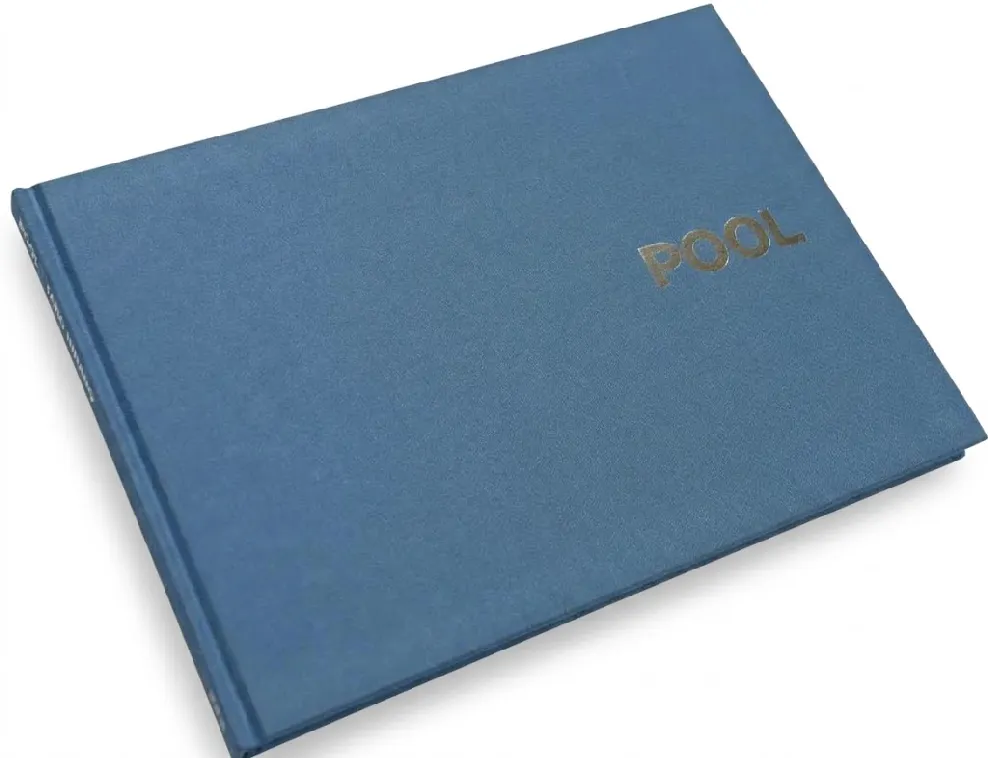
Hardcover without dust jacket, as issued
ISBN:



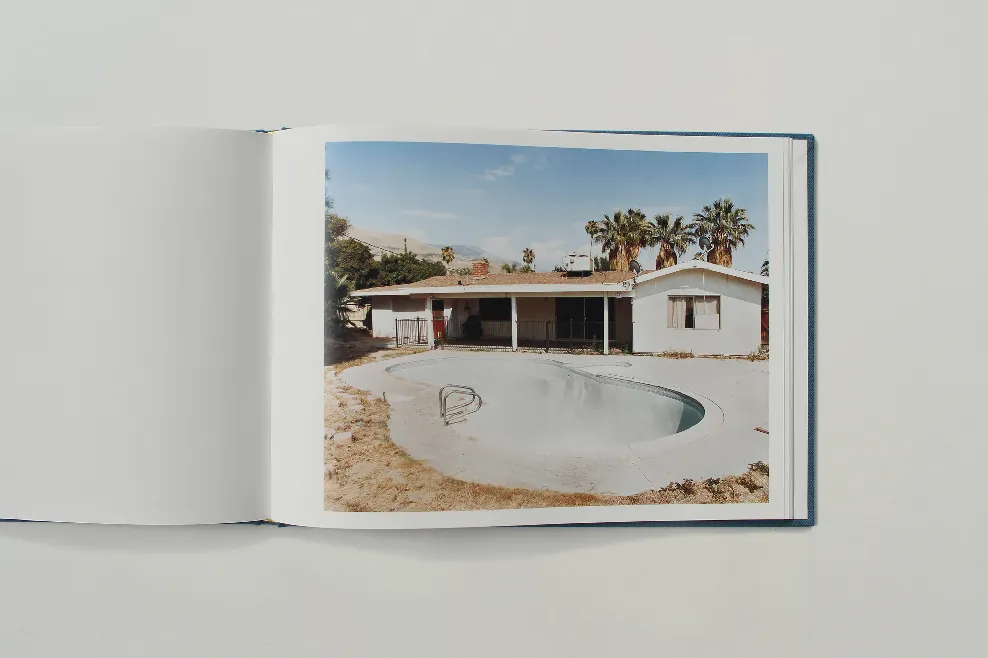
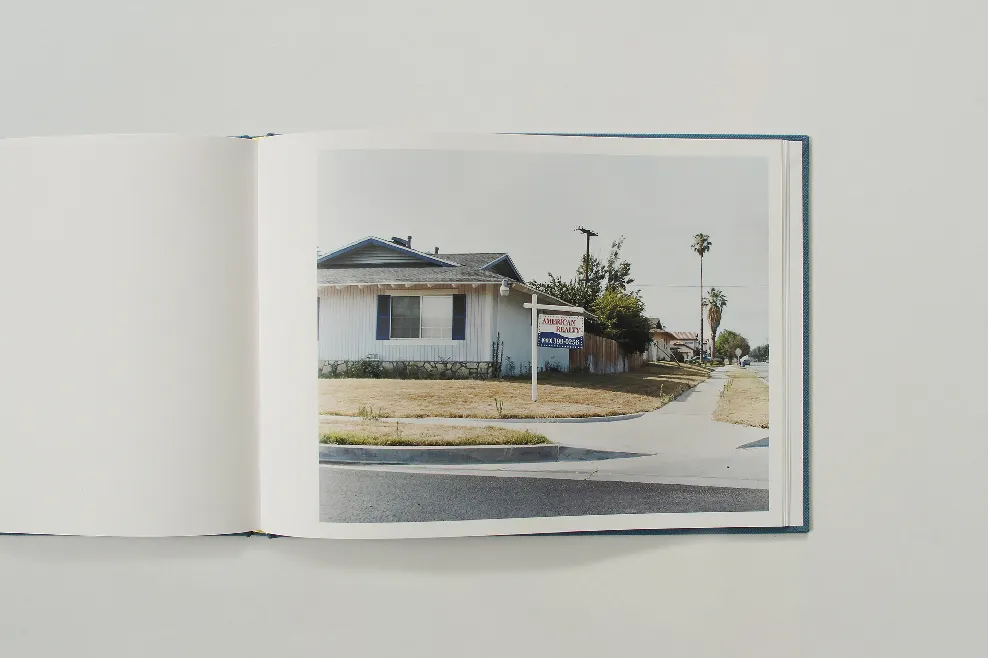
Taro Hirano’s Pool serves as a defining visual study of architectural appropriation and subcultural genesis within the American suburban landscape. Documenting the abandoned backyard swimming pools of Southern California, the Japanese photographer captures the exact environments that birthed modern bowl skateboarding. However, rather than focusing purely on the kinetic action of the skaters, Hirano shifts his gaze to the melancholic, sun-bleached concrete basins themselves. The project functions as an anthropological excavation of a specific era, where the failure of the mid-century suburban dream, symbolized by the drained and decaying backyard pool, was ingeniously repurposed into a new, fluid playground.
Aesthetically, the monograph is a rigorous exploration of organic geometry and structural void. Hirano’s compositions meticulously isolate the sweeping, smooth curves of the empty pools against the often chaotic, overgrown edges of neglected backyards. By utilizing the harsh, unforgiving light of the Californian sun, he renders the concrete bowls as monumental, almost abstract sculptural forms. The deep shadows and stark tonal contrasts emphasize the tactile reality of the rough coping and scuffed transitions, creating a compelling spatial dynamic between the engineered precision of the architecture and the feral interventions of those who reclaimed them.