
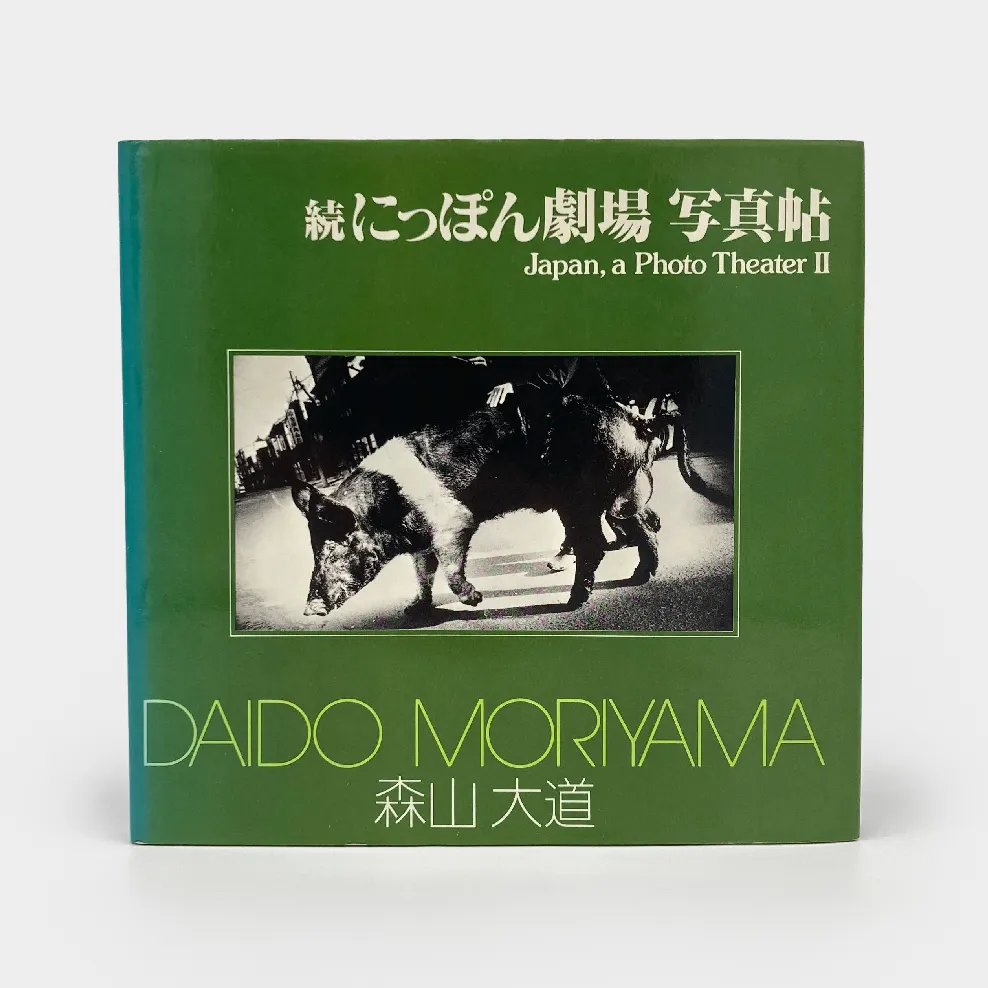


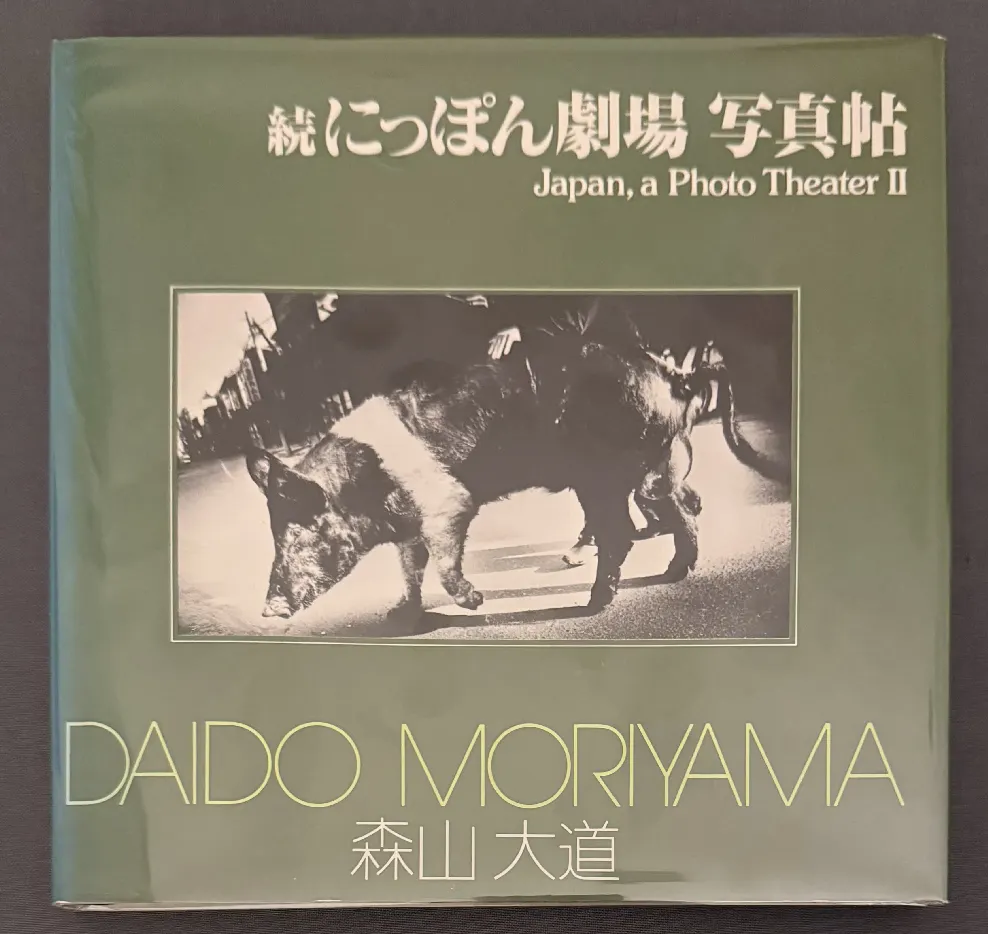
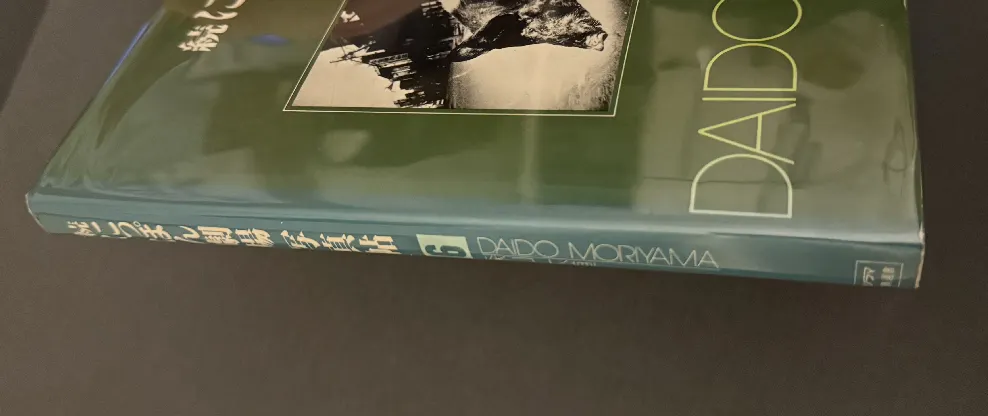
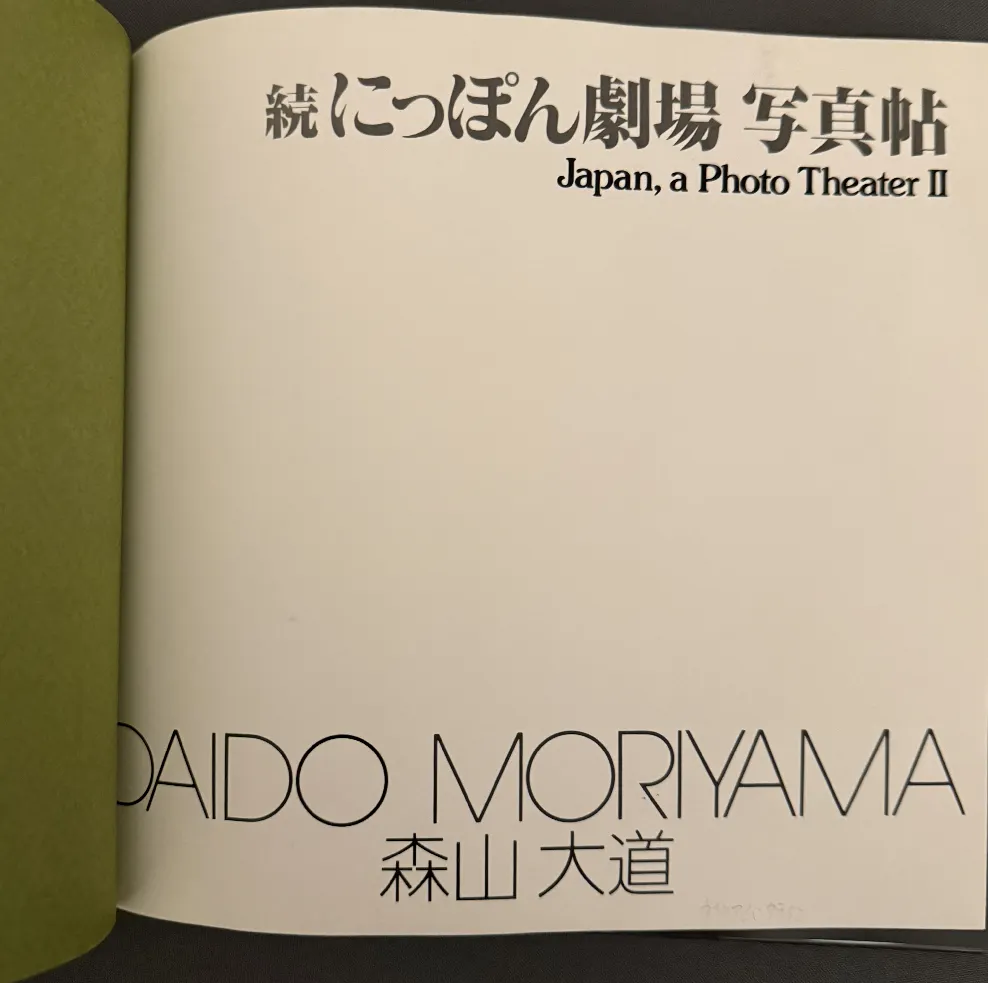
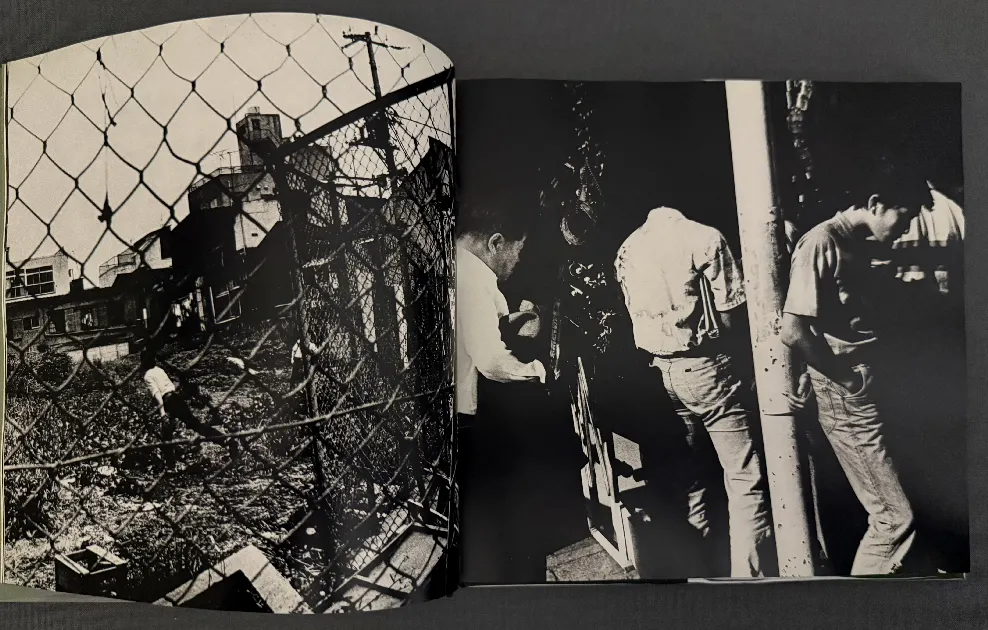
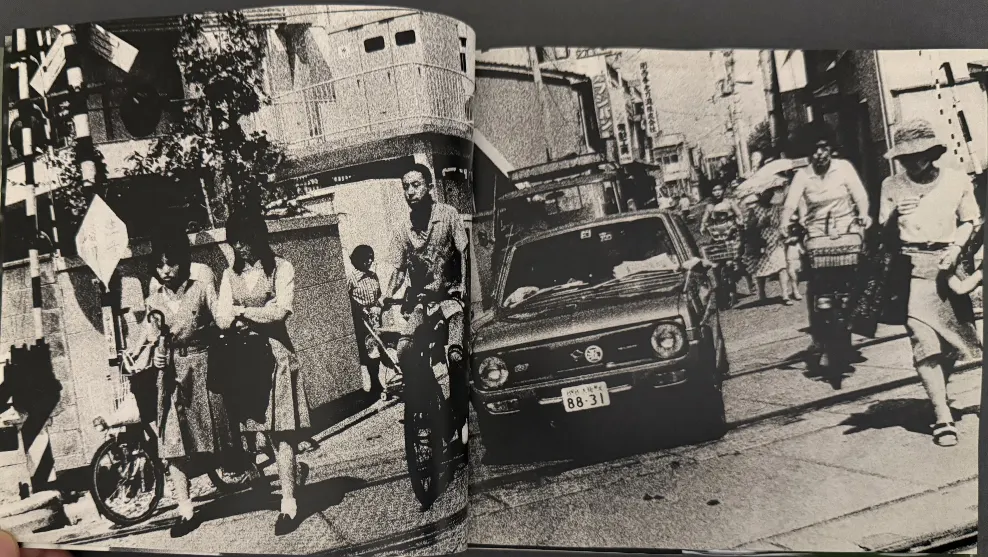
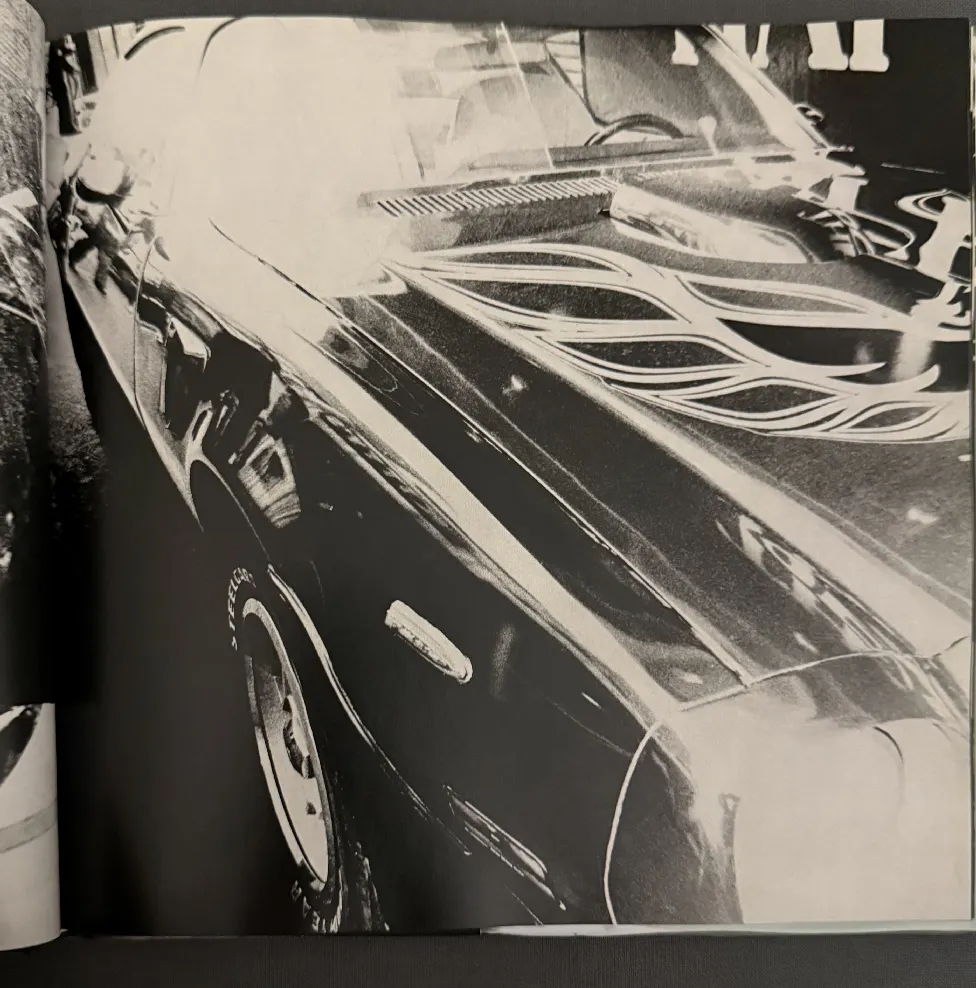
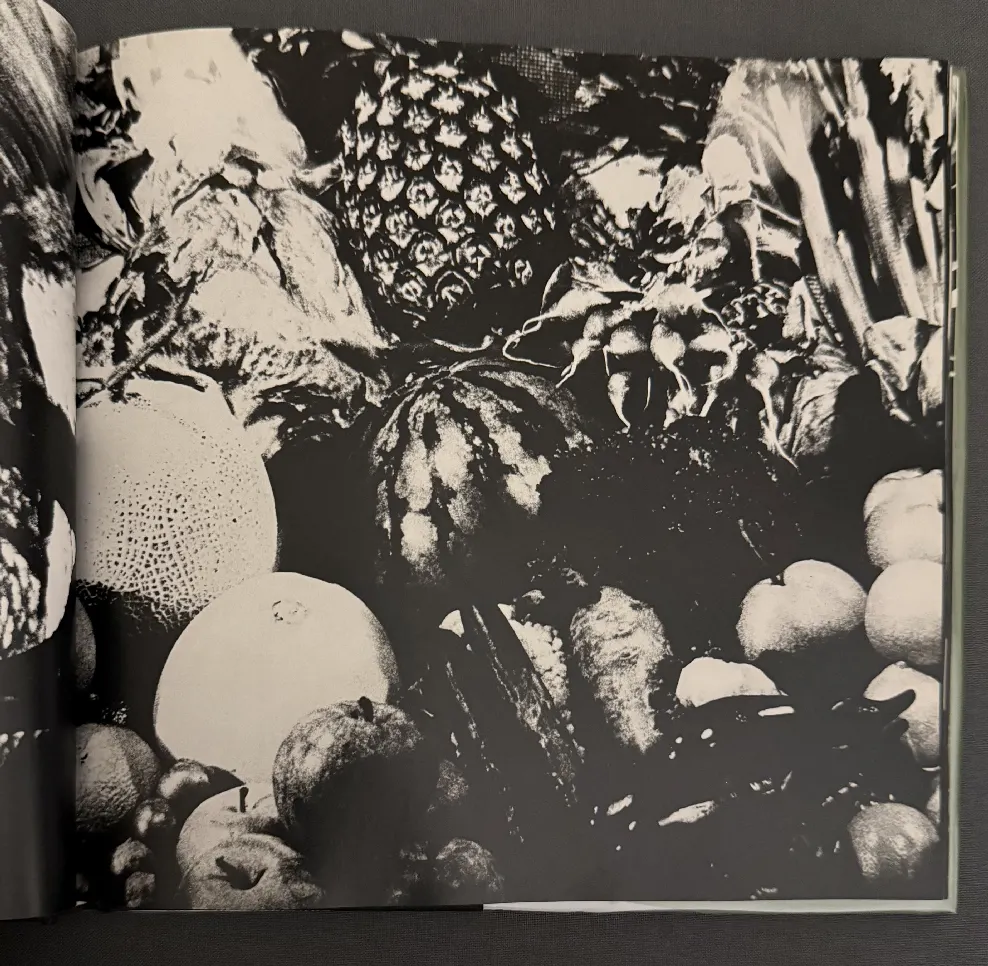
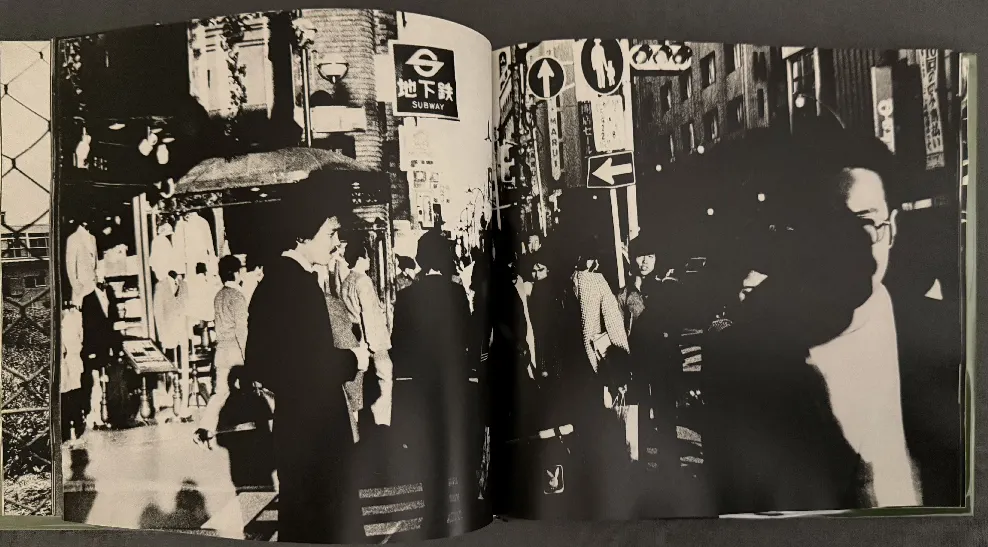
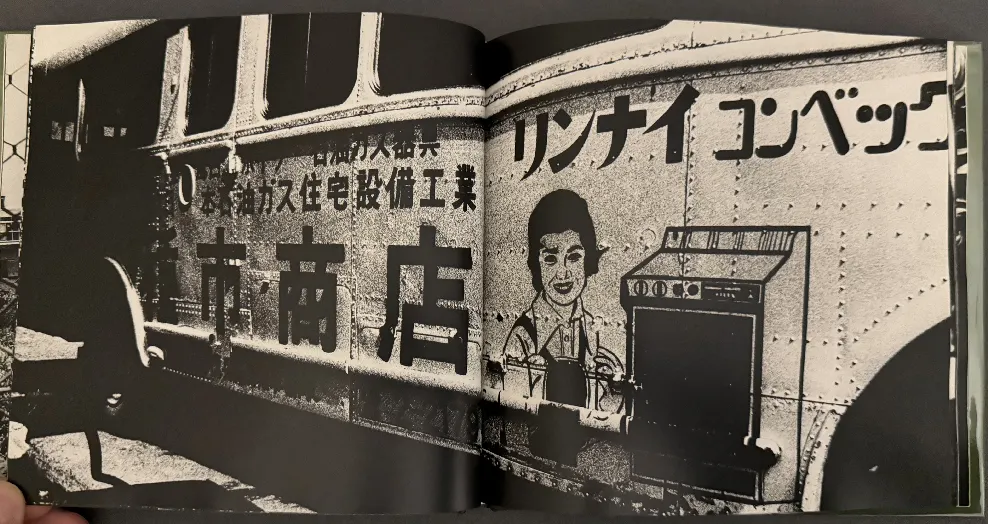
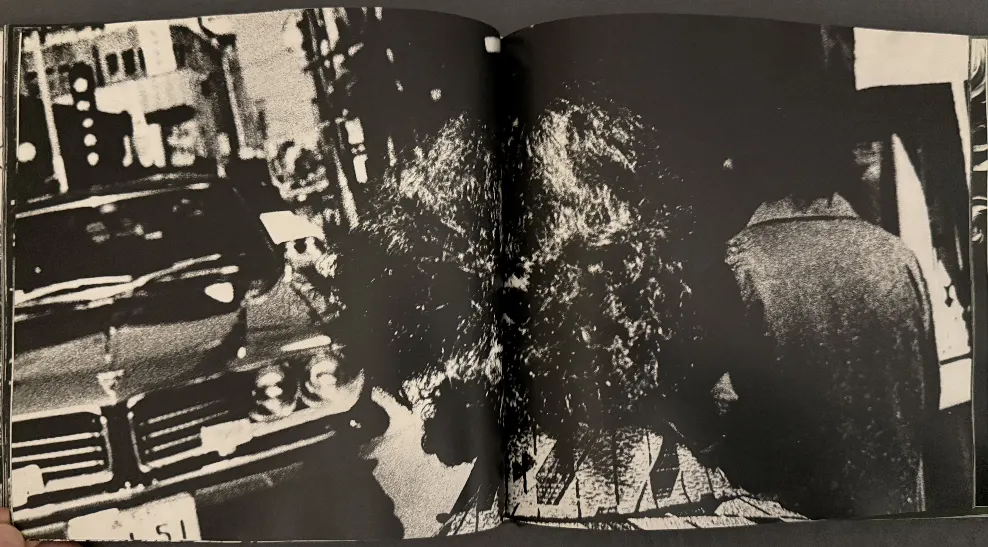
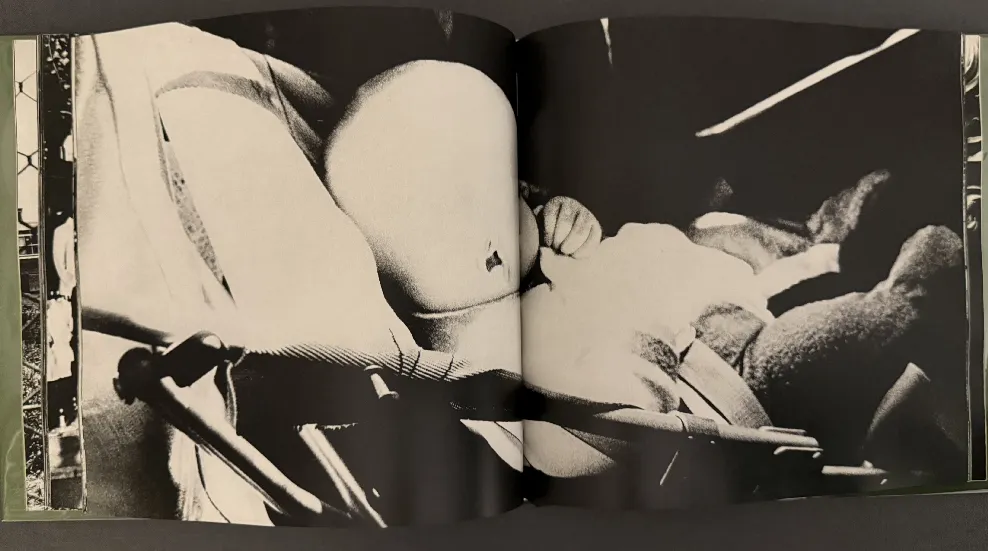
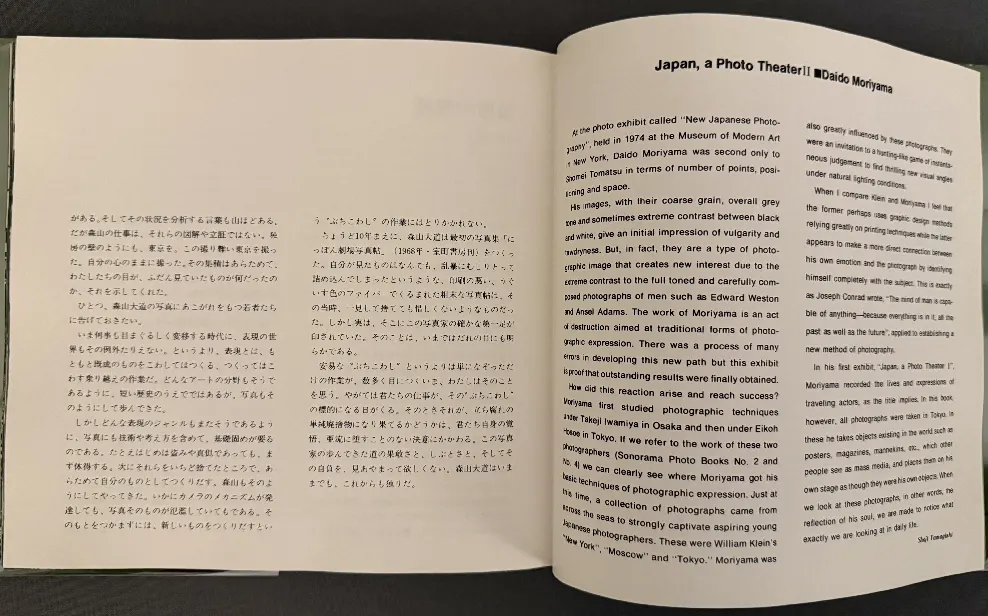
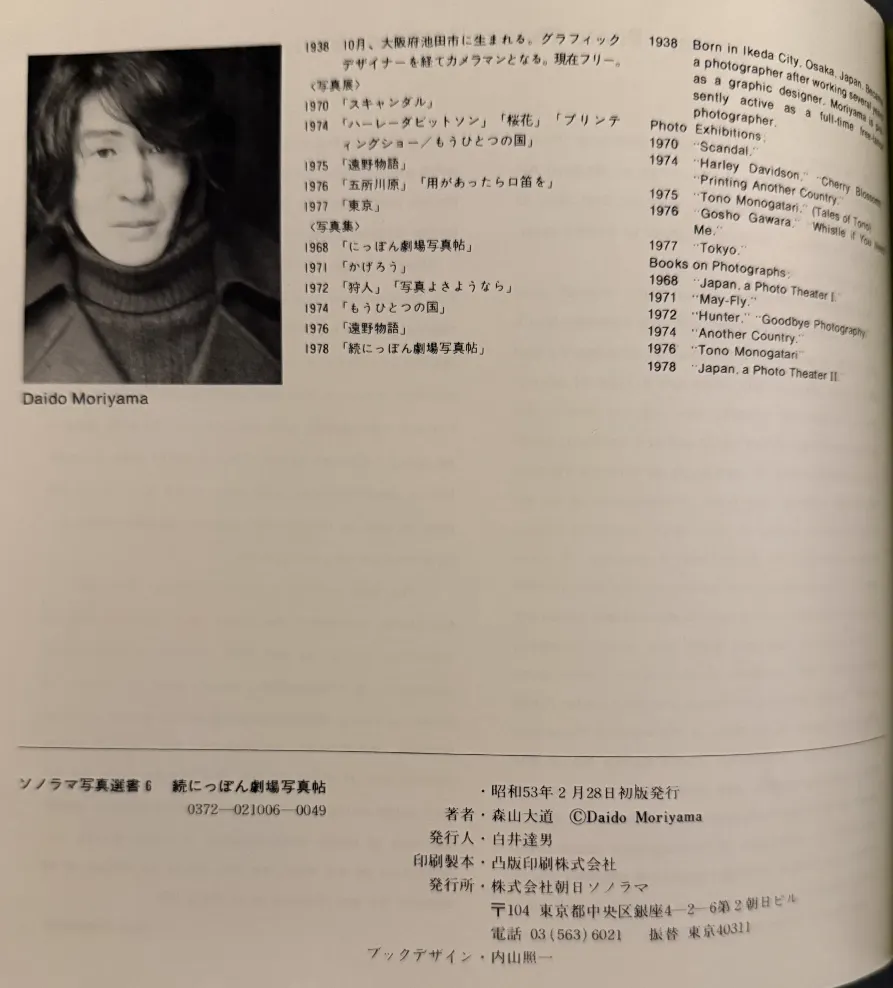
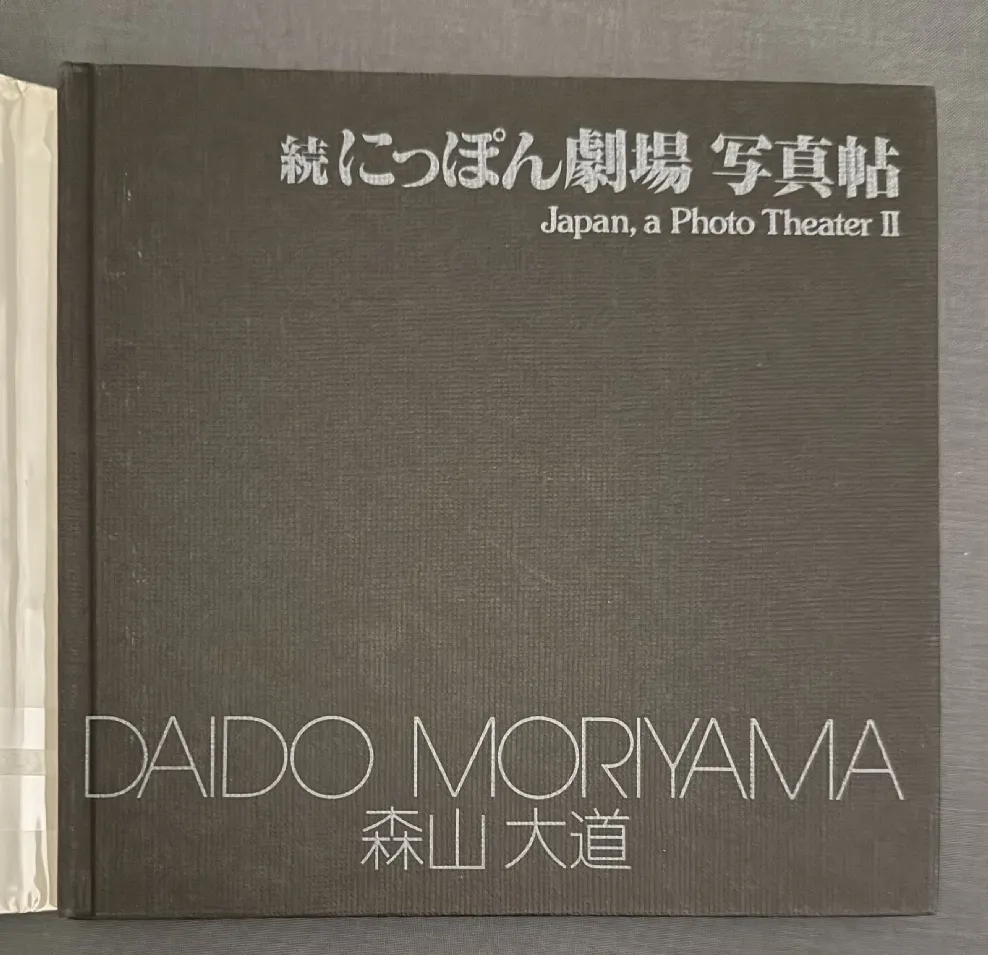
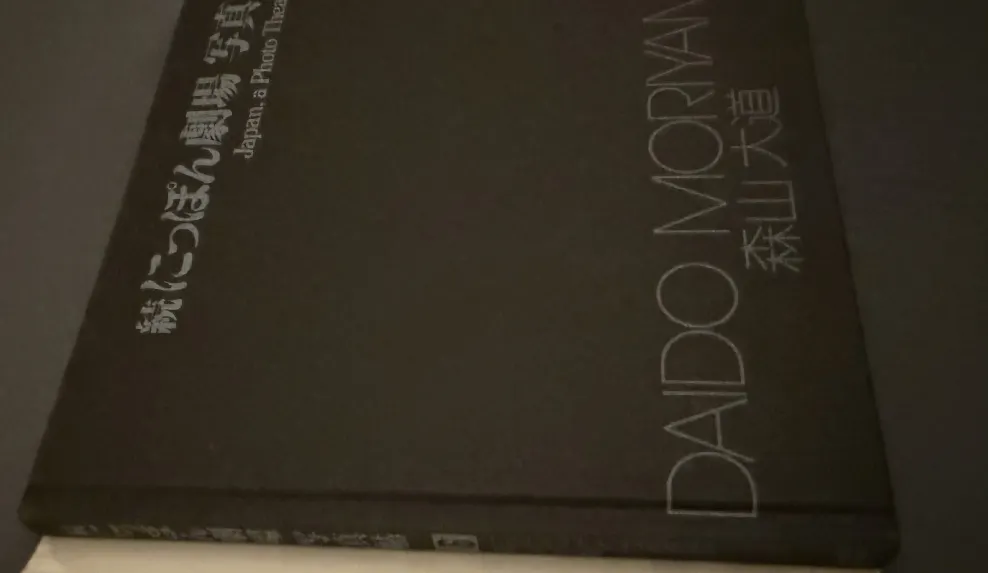
Japan, A Photo Theater II is a spiritual successor to Moriyama's groundbreaking 1968 debut photobook, Japan: A Photo Theater. Published a decade later by Asahi Sonorama as part of their highly regarded Sonorama Photography Selection series, this volume continues Moriyama's visceral exploration of Japan's dark, chaotic urban underbelly.
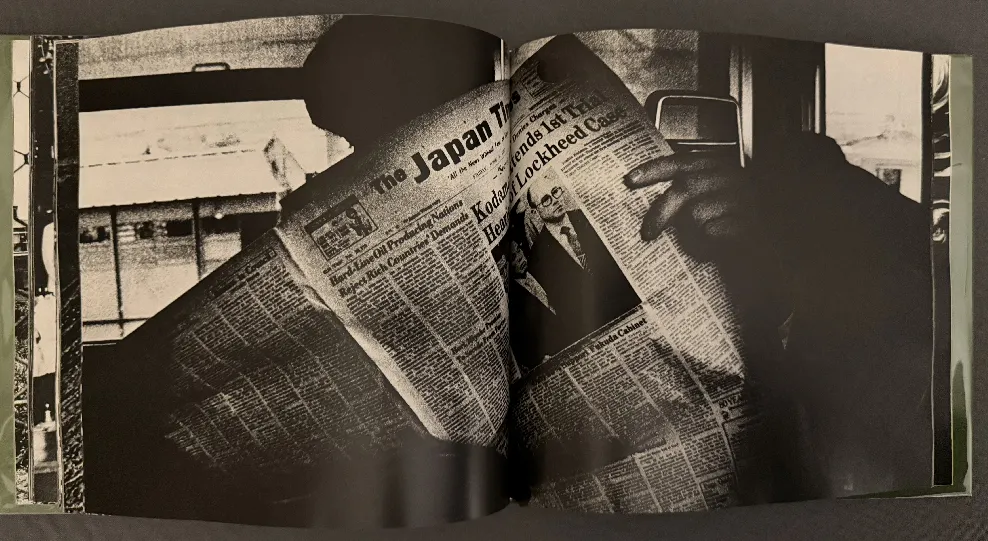
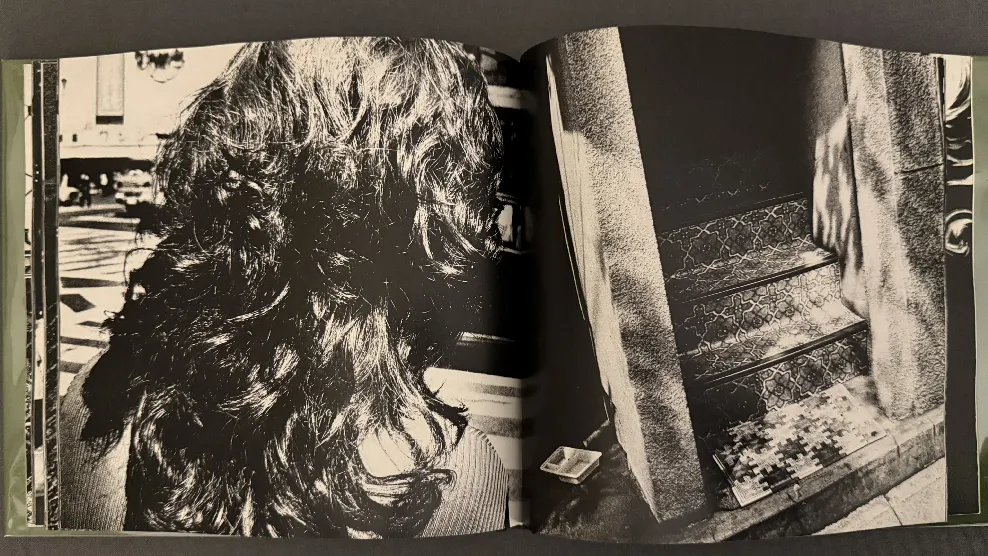
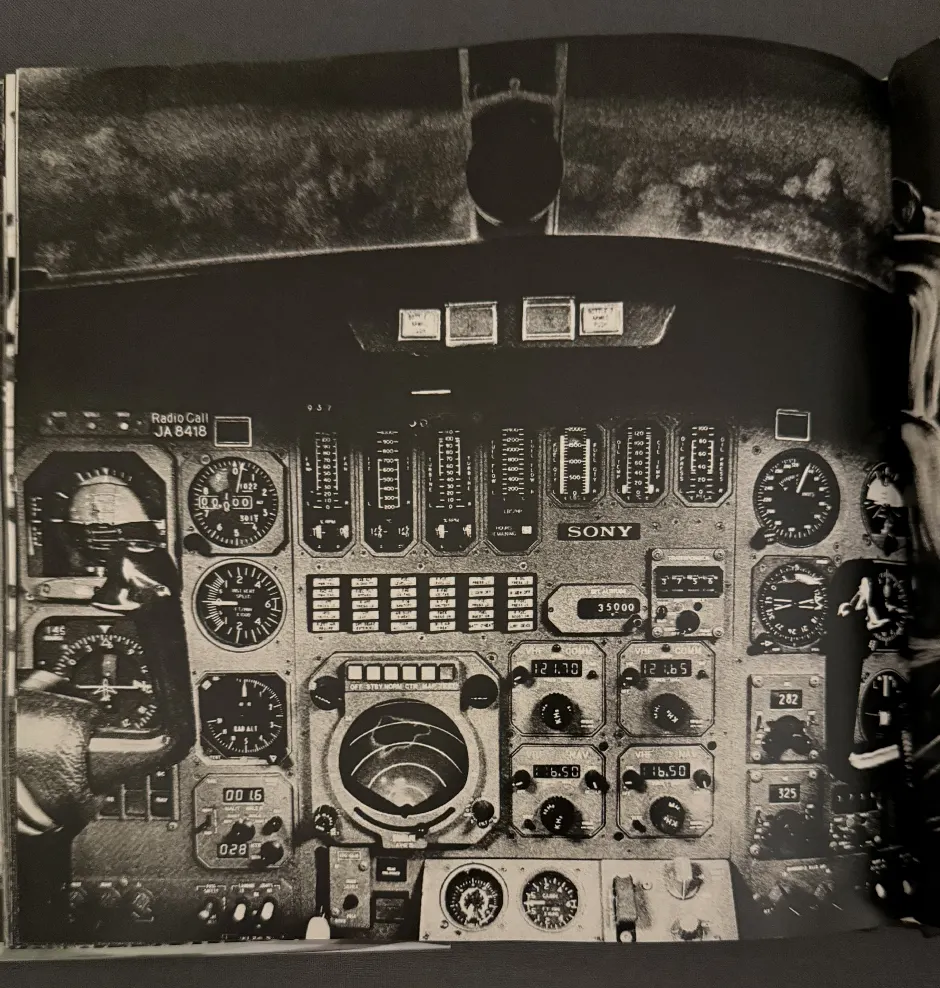
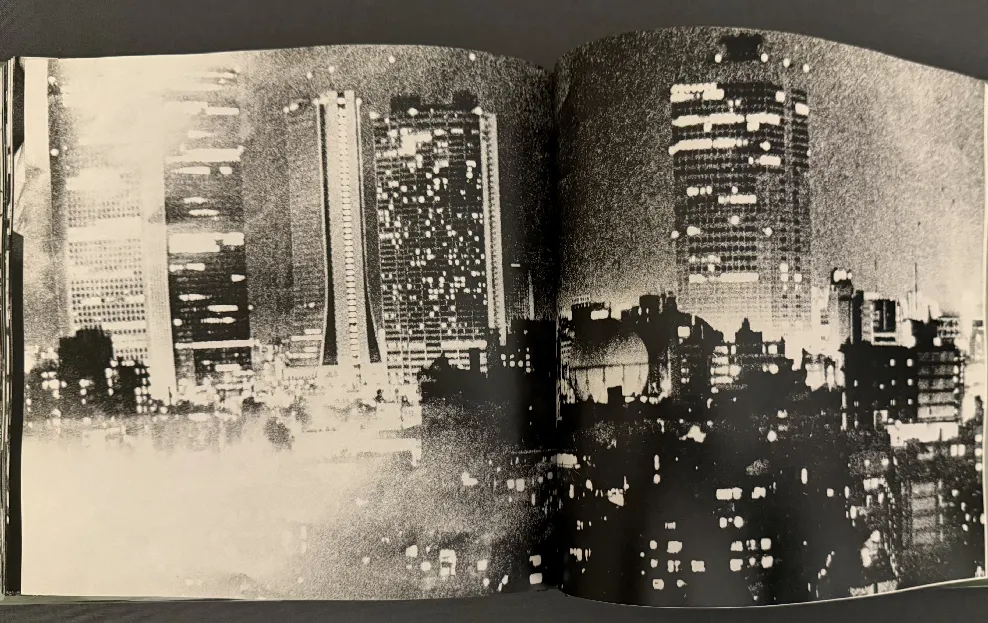
The book features his signature are-bure-boke (grainy, blurry, out-of-focus) black-and-white aesthetic, capturing street performers, cabaret dancers, stray animals, and the restless energy of post-war Tokyo. Rather than presenting a traditional documentary narrative, Moriyama treats the streets of Japan as a sprawling, gritty stage. It serves as a critical bridge in his career, grounding him after the extreme, almost destructive photographic experiments of his early 1970s work (such as Farewell Photography) and reaffirming his obsessive, roaming dedication to the theater of everyday street life.
Following the extreme, anti-photography climax of Farewell Photography (1972) and Yipian (1974), Moriyama largely lost his direction. He struggled with depression, heavy drug use, and a paralyzing inability to photograph, feeling he had pushed the medium to a dead end.
In this context, Japan, A Photo Theater II was part of an effort to survive this difficult time for the artist. By deliberately referencing his own 1968 debut title, Moriyama was looking backward to find a way forward. Compiling this book (and taking a concurrent three-month solitary trip to Hokkaido in 1978) was a conscious, grasping attempt to reconnect with the streets and remember how to be a photographer again.
However, his true, fully-realized "comeback" from this dark period didn't formally arrive until a few years later with the publication of Light and Shadow (1982).

Japan, A Photo Theater II is a spiritual successor to Moriyama's groundbreaking 1968 debut photobook, Japan: A Photo Theater. Published a decade later by Asahi Sonorama as part of their highly regarded Sonorama Photography Selection series, this volume continues Moriyama's visceral exploration of Japan's dark, chaotic urban underbelly.
The book features his signature are-bure-boke (grainy, blurry, out-of-focus) black-and-white aesthetic, capturing street performers, cabaret dancers, stray animals, and the restless energy of post-war Tokyo. Rather than presenting a traditional documentary narrative, Moriyama treats the streets of Japan as a sprawling, gritty stage. It serves as a critical bridge in his career, grounding him after the extreme, almost destructive photographic experiments of his early 1970s work (such as Farewell Photography) and reaffirming his obsessive, roaming dedication to the theater of everyday street life.
Following the extreme, anti-photography climax of Farewell Photography (1972) and Yipian (1974), Moriyama largely lost his direction. He struggled with depression, heavy drug use, and a paralyzing inability to photograph, feeling he had pushed the medium to a dead end.
In this context, Japan, A Photo Theater II was part of an effort to survive this difficult time for the artist. By deliberately referencing his own 1968 debut title, Moriyama was looking backward to find a way forward. Compiling this book (and taking a concurrent three-month solitary trip to Hokkaido in 1978) was a conscious, grasping attempt to reconnect with the streets and remember how to be a photographer again.
However, his true, fully-realized "comeback" from this dark period didn't formally arrive until a few years later with the publication of Light and Shadow (1982).