
Softcover
ISBN:
9784898150528


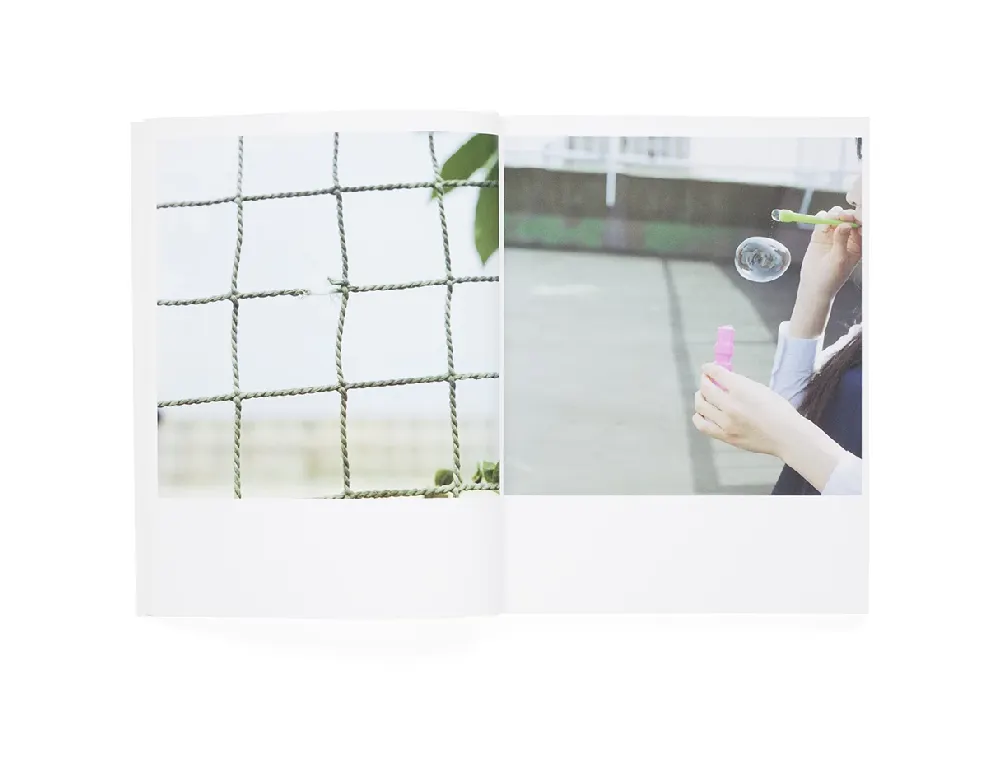
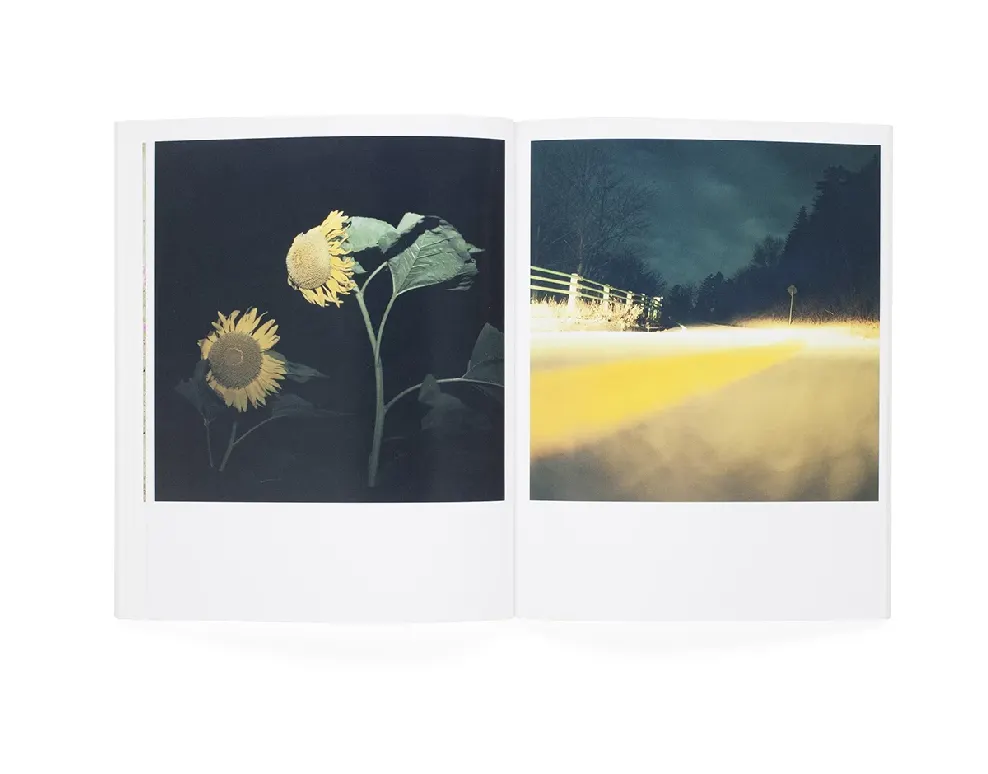
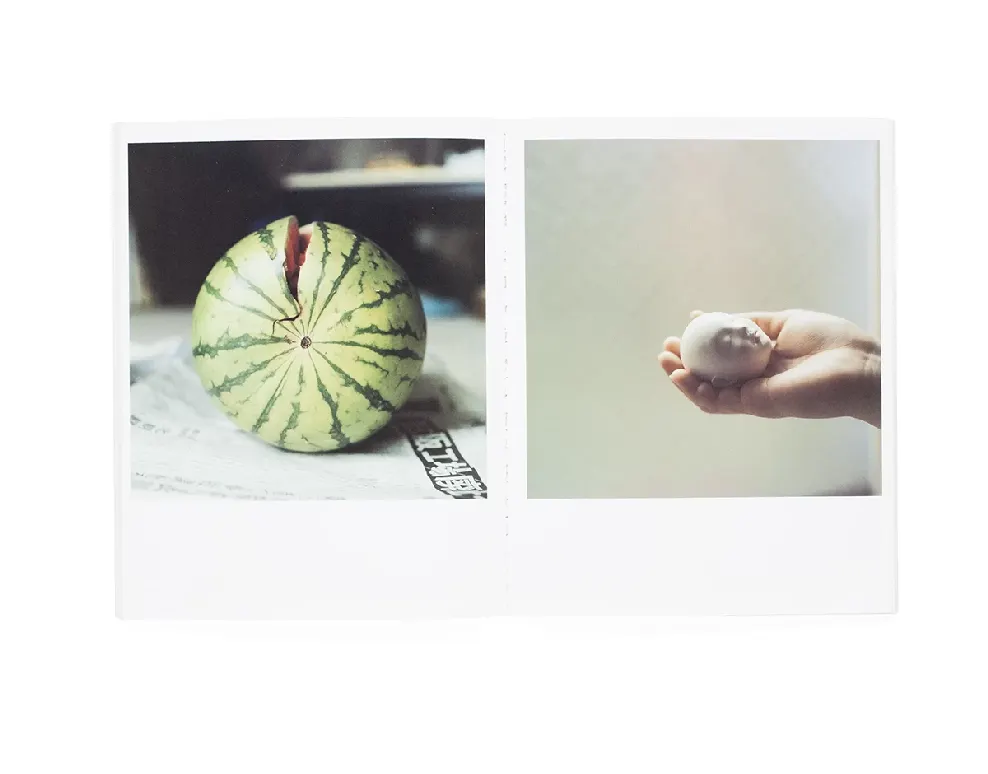
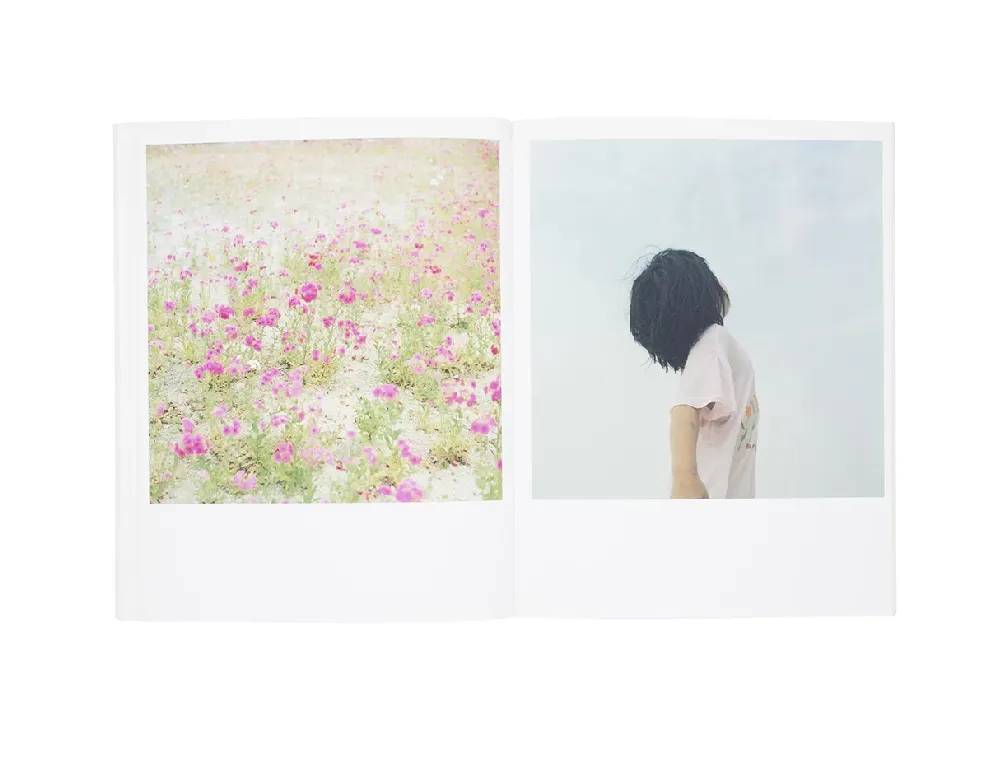
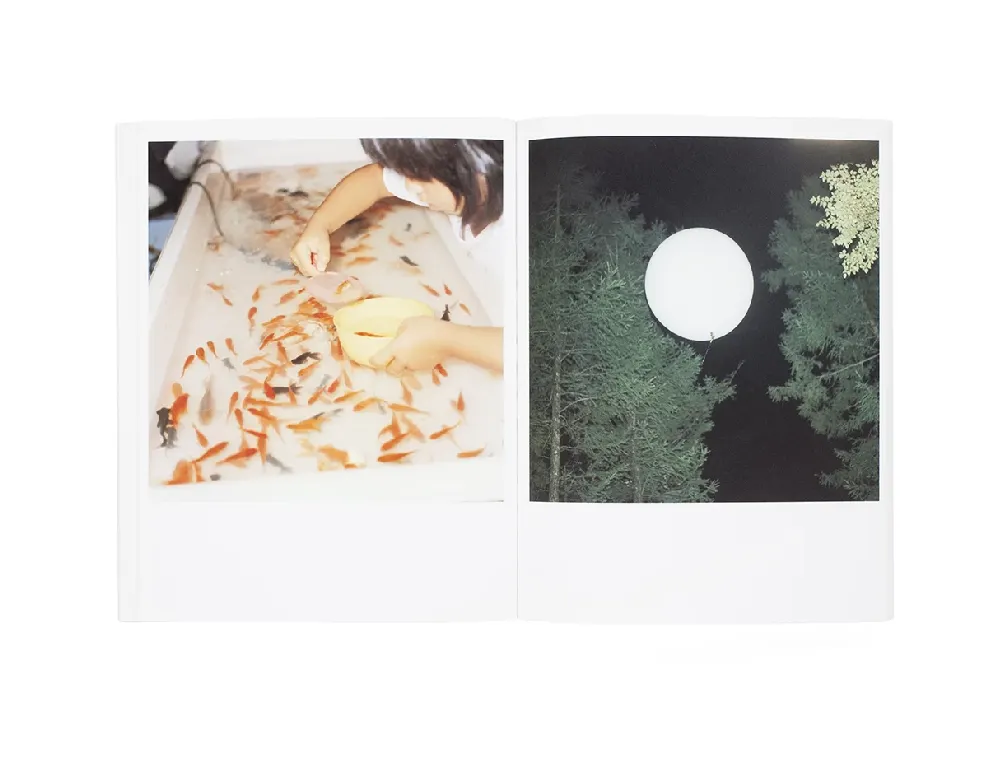
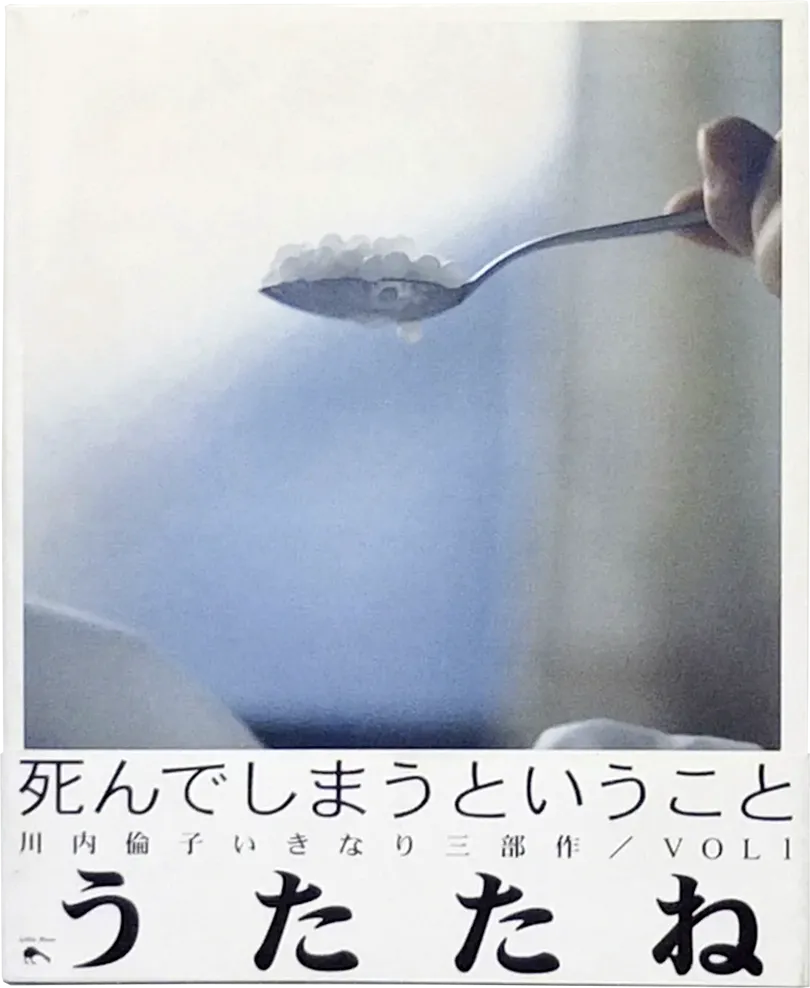
Rinko Kawauchi’s Utatane (published by Little More in 2001) originated alongside its sister monographs Hanabi and Hanako as her dramatic, multi-volume debut onto the international photography scene. Rather than presenting a singular narrative, Utatane (which translates loosely to "catnap" or "dozing") emerged from Kawauchi's habit of carrying a medium-format 6x6 camera through daily life, capturing moments of quiet, drifting consciousness where the mundane boundaries of reality temporarily blur.
The publication holds a critical structural turning point in Kawauchi’s oeuvre because it established the lyrical, associative sequencing that would define her career. Instead of relying on rigid chronological documentation, she juxtaposed seemingly disparate everyday subjects, such as the quiet curve of a sleeping body, a melting ice cube, an egg frying in a pan, or the lifeless fall of a bird, into a delicate, open-ended visual poem. By treating all subjects with the exact same weight and tender regard, she created an immersive rhythm that mimics the wandering state of a daytime reverie.