




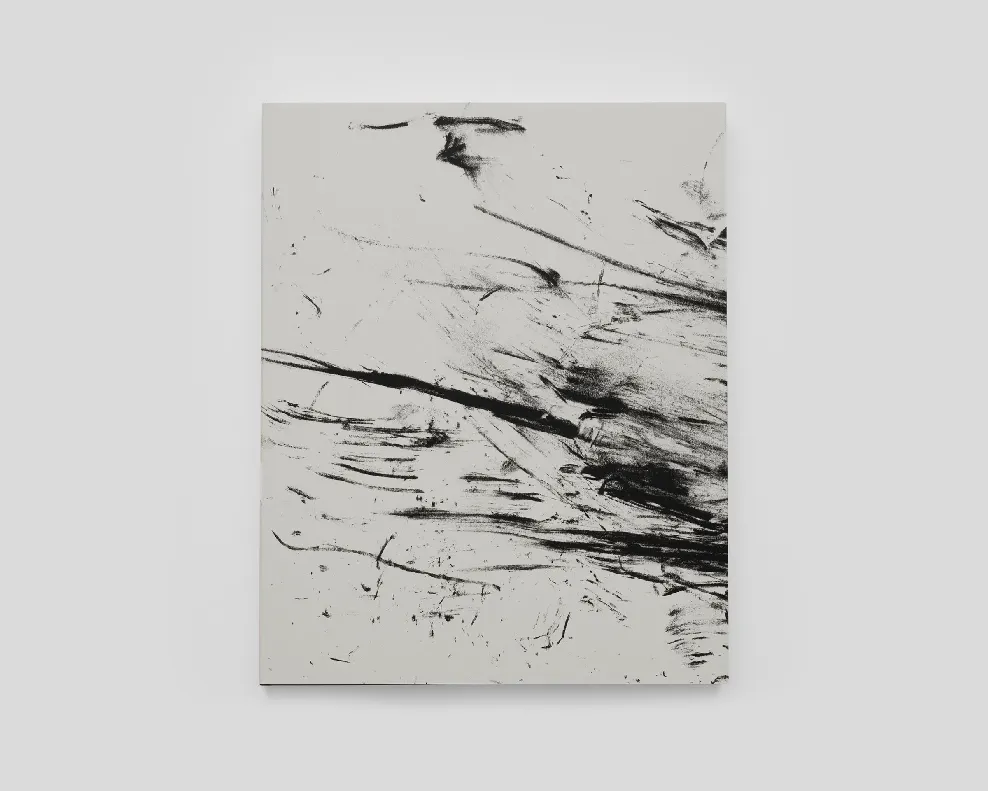
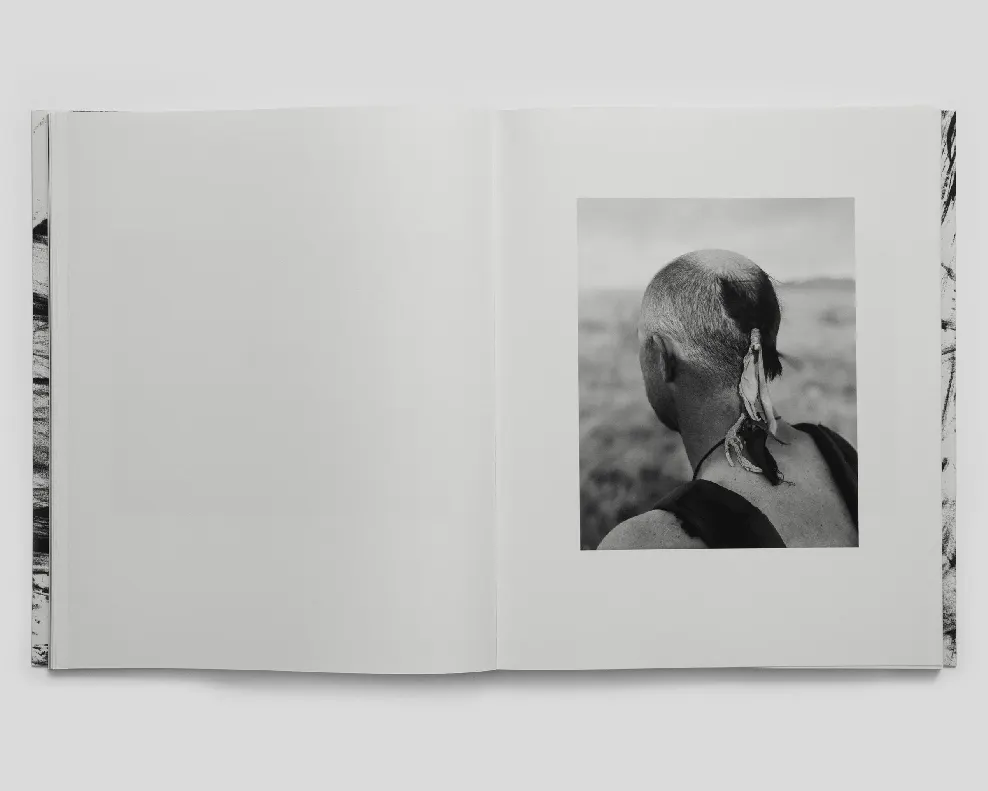

Sons of the Living (2024) is a major monograph by Bryan Schutmaat, published by his co-founded imprint, Trespasser.
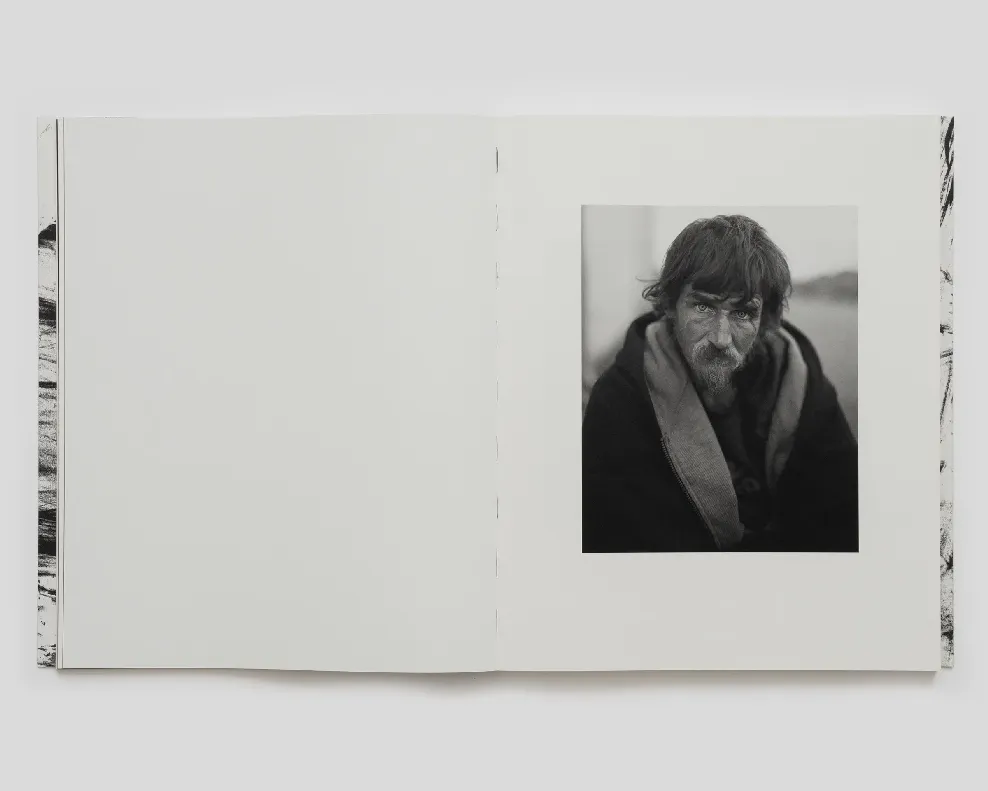
Shot over the course of a decade along the highway corridors and desert regions of the Southwest, the book explores the physical and human landscape at the margins of modern society. Schutmaat documents a world defined by environmental strain, economic decline, and societal neglect. His subjects are often itinerants, travelers, or individuals living in transient conditions, occupying cars, motels, or remote desert outposts.
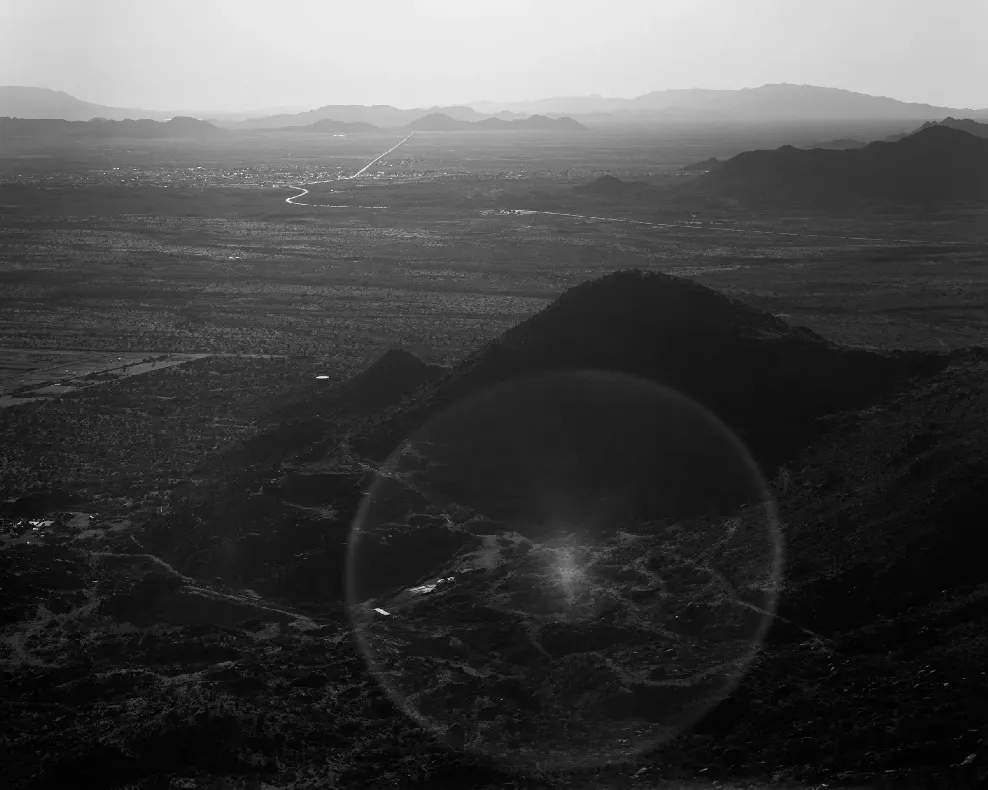
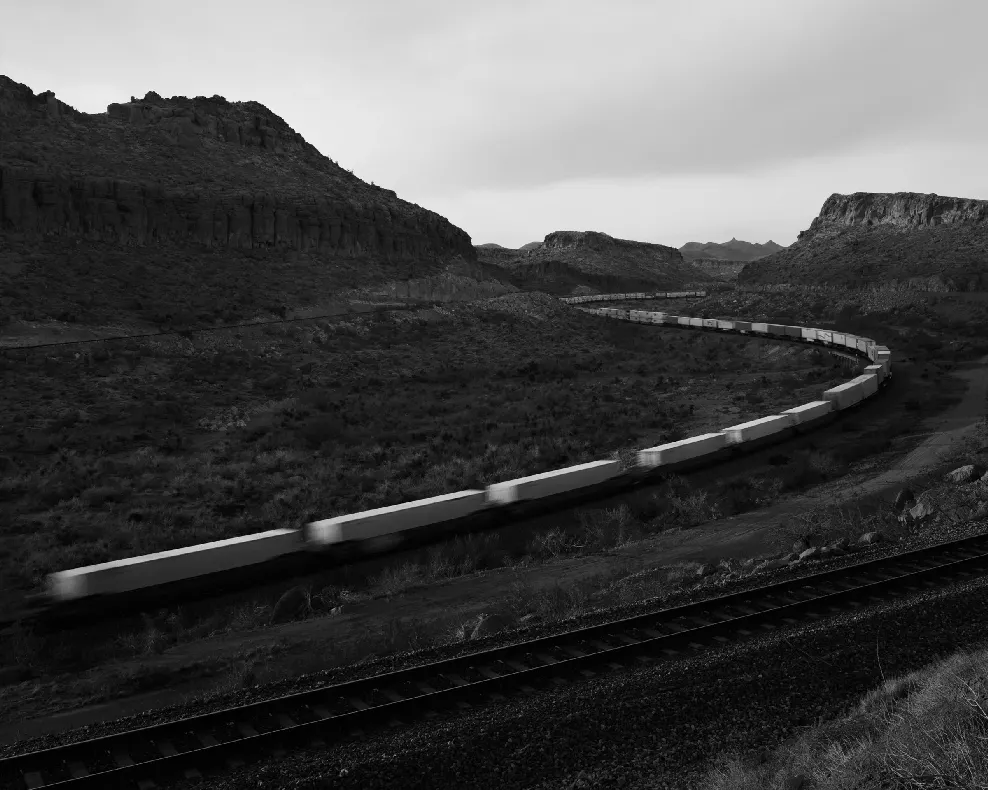
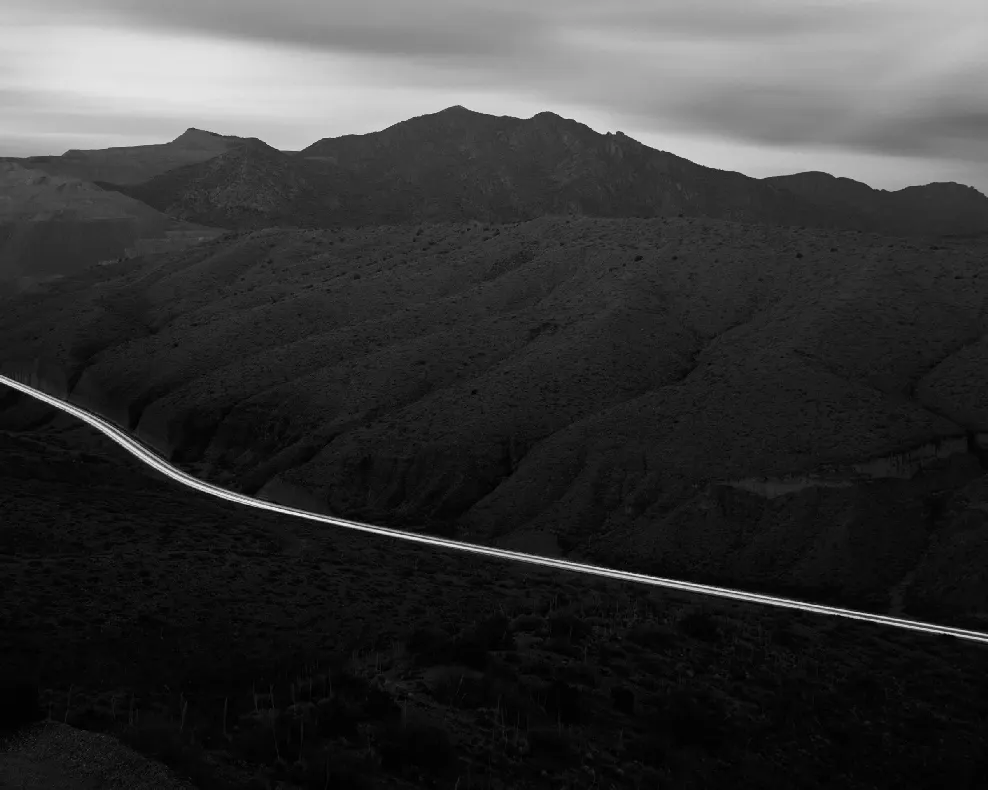
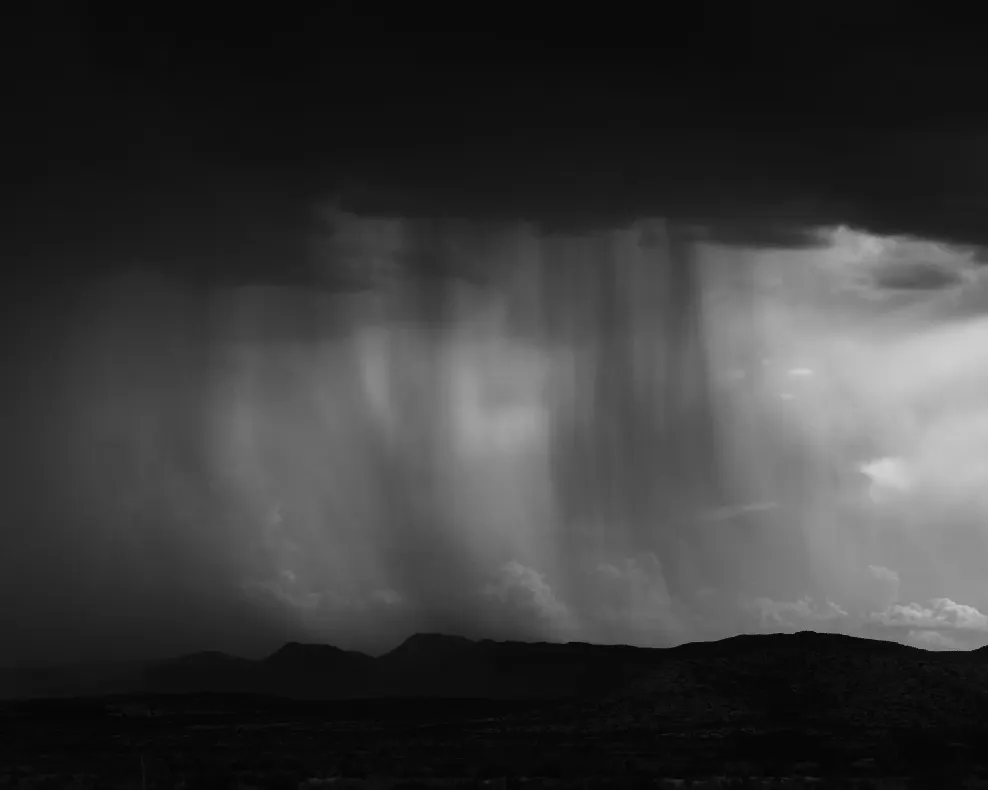
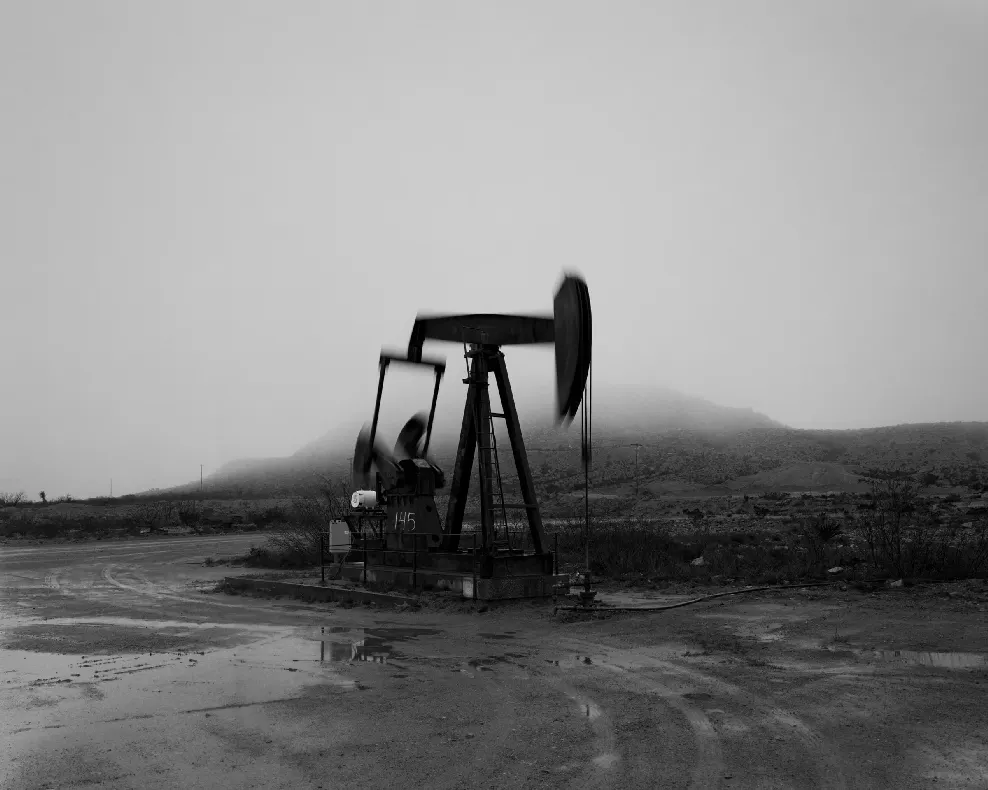
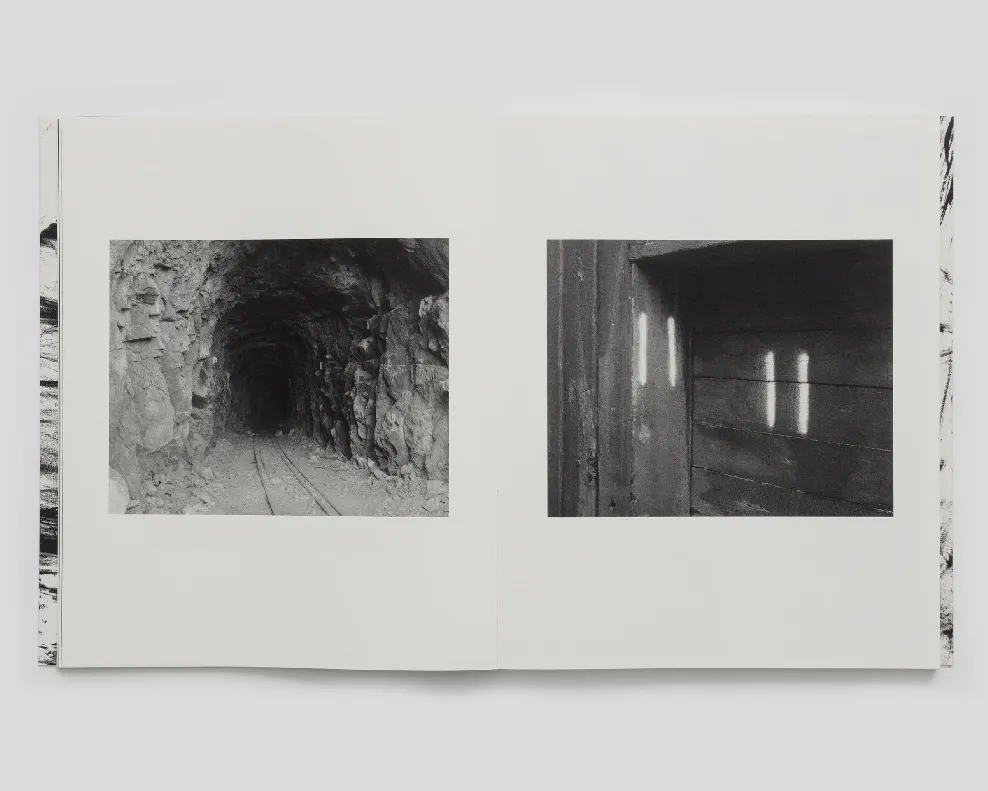
Composed of 90 black-and-white (tritone) photographs, the images balance sweeping, barren landscapes with quiet, starkly lit portraits. The work updates the classic American "open road" narrative. Formally, it draws on the 19th-century survey photography tradition (such as Timothy O'Sullivan) as well as 20th-century New Topographics, capturing infrastructure, decaying gas stations, power lines, oil rigs, carved into indifferent geological terrain.

Sons of the Living (2024) is a major monograph by Bryan Schutmaat, published by his co-founded imprint, Trespasser.
Shot over the course of a decade along the highway corridors and desert regions of the Southwest, the book explores the physical and human landscape at the margins of modern society. Schutmaat documents a world defined by environmental strain, economic decline, and societal neglect. His subjects are often itinerants, travelers, or individuals living in transient conditions, occupying cars, motels, or remote desert outposts.
Composed of 90 black-and-white (tritone) photographs, the images balance sweeping, barren landscapes with quiet, starkly lit portraits. The work updates the classic American "open road" narrative. Formally, it draws on the 19th-century survey photography tradition (such as Timothy O'Sullivan) as well as 20th-century New Topographics, capturing infrastructure, decaying gas stations, power lines, oil rigs, carved into indifferent geological terrain.