





Tiergarten is a distinctive artist's photo book that investigates the visual and conceptual line between wildness and captivity.
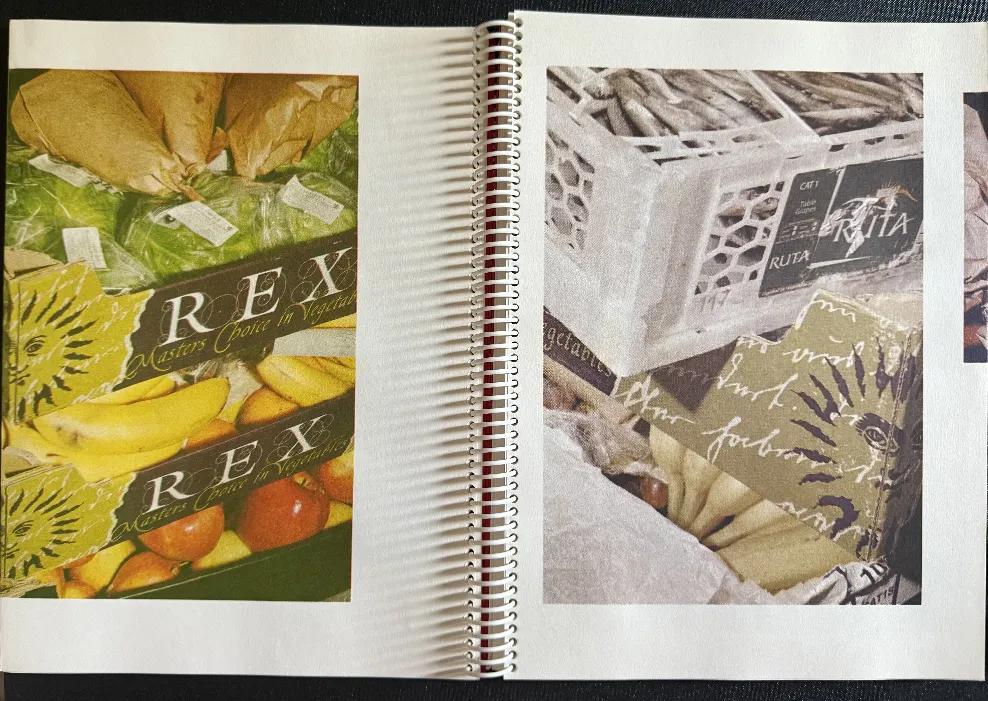
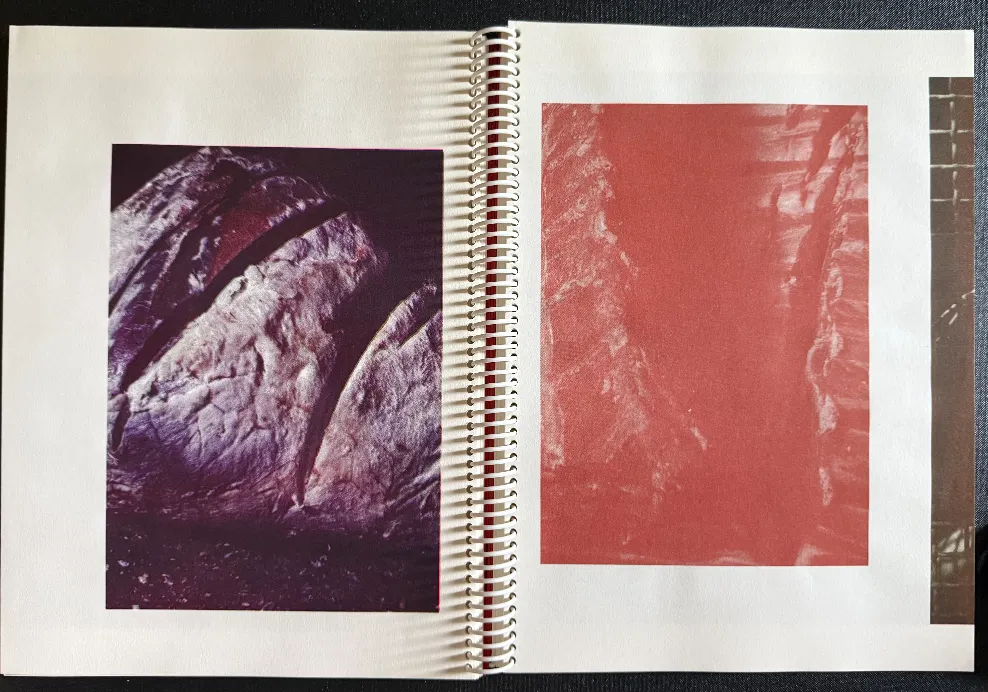
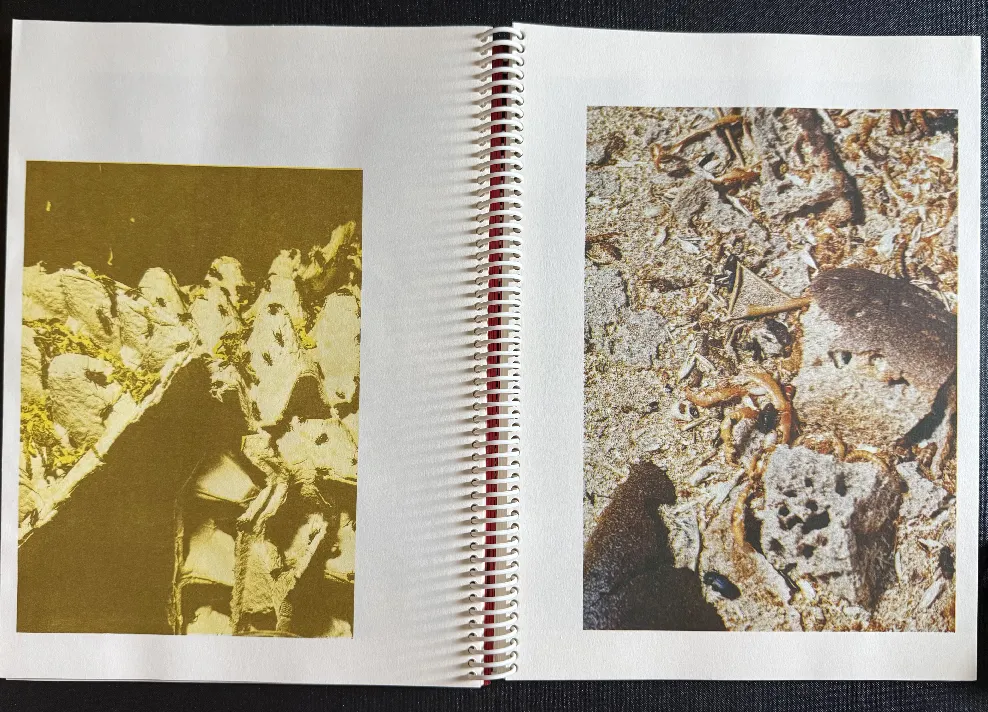
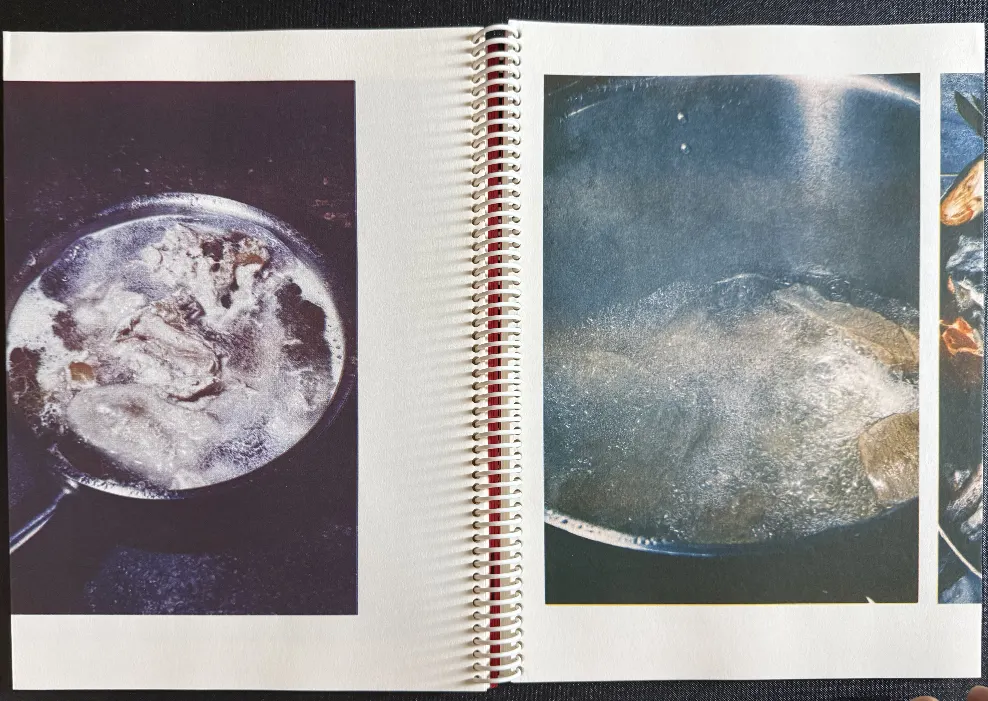
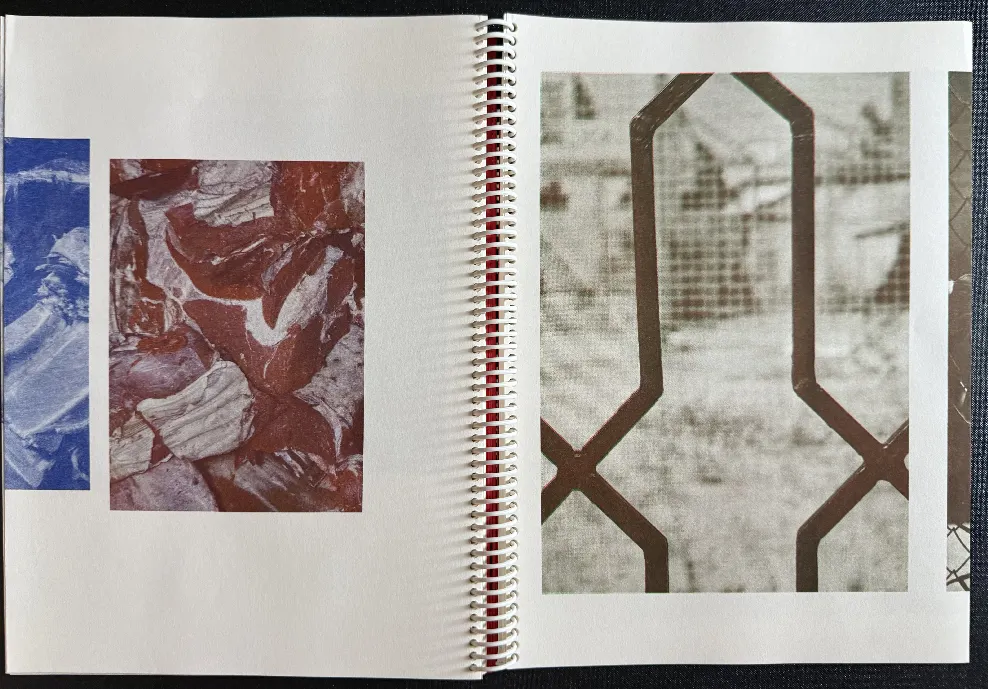
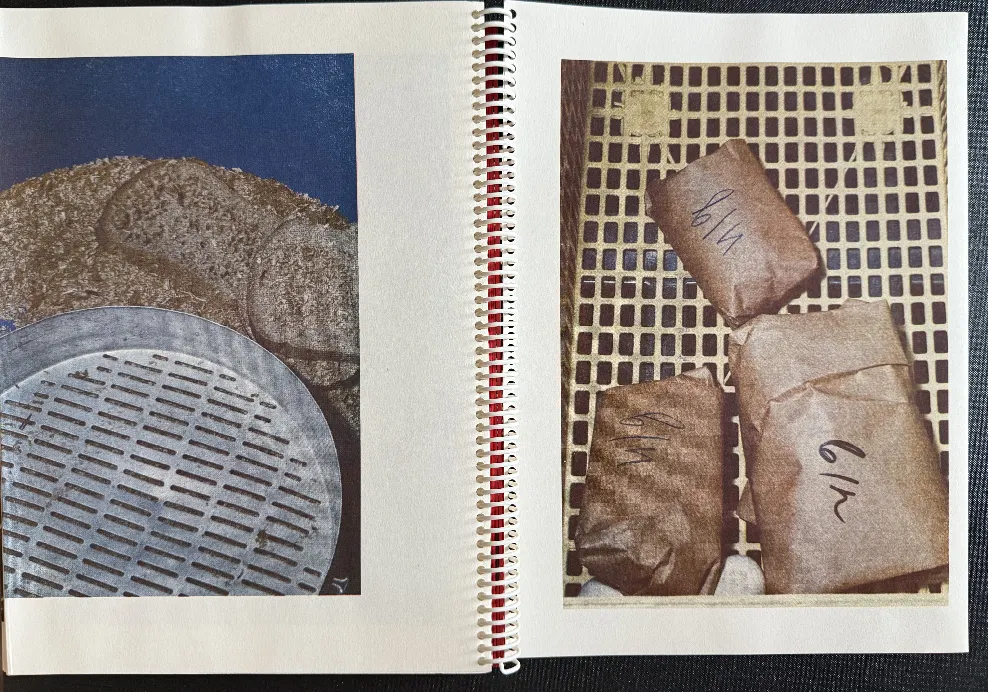
The project explores what zookeepers feed wild animals kept in human care at the Moscow Zoo. Schwartz photographed various animal rations, slabs of raw meat, heaps of vegetables, fish, and chunks of bread, framing these meals not as standard zoological documentation, but as striking, visceral still lives. Although these ingredients overlap with the human diet, their presentation and scale evoke something far more primal and alien.
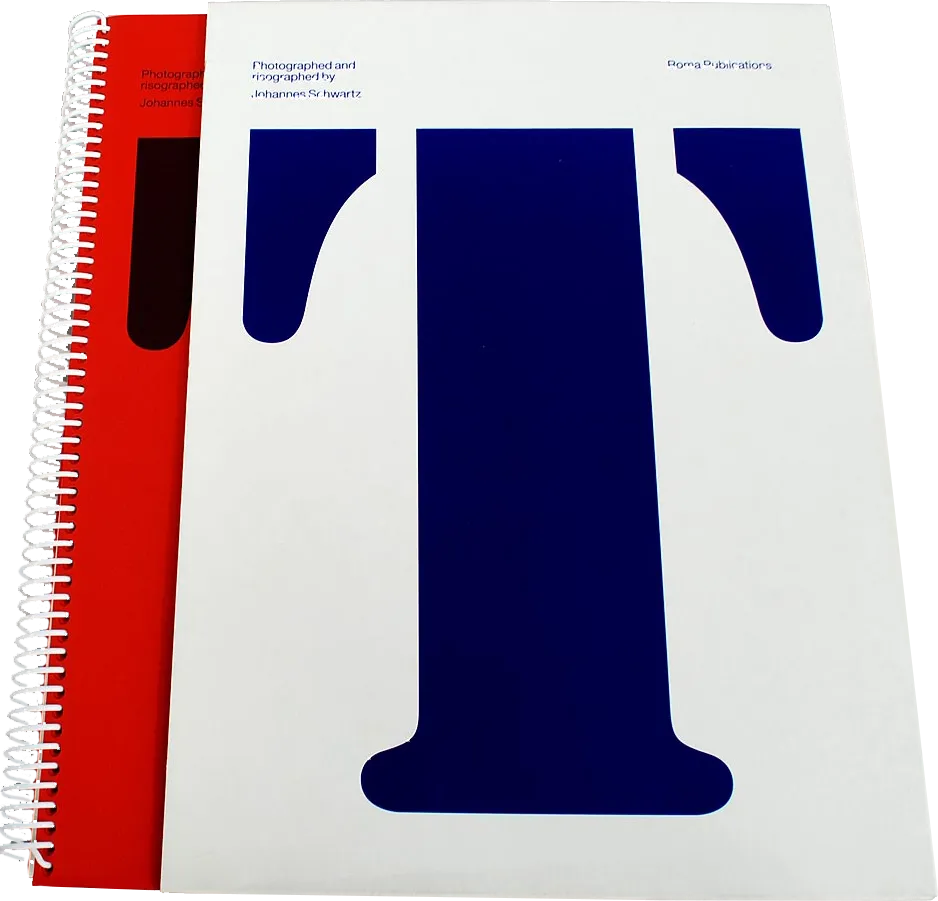
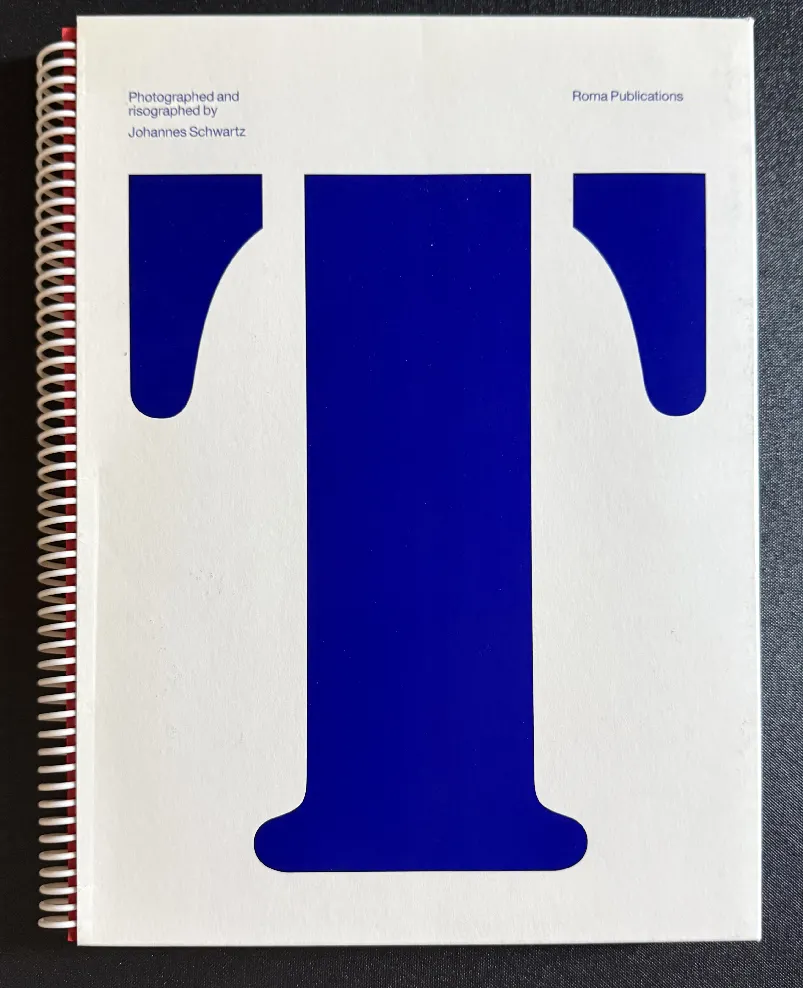
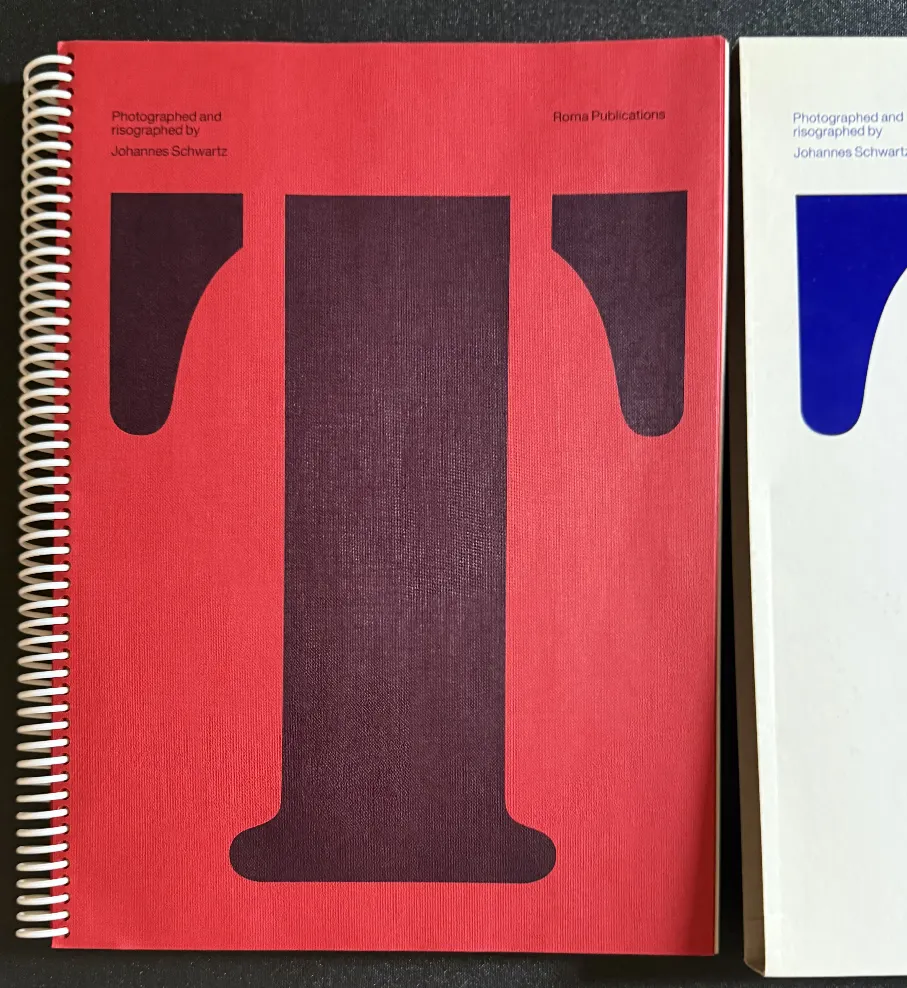
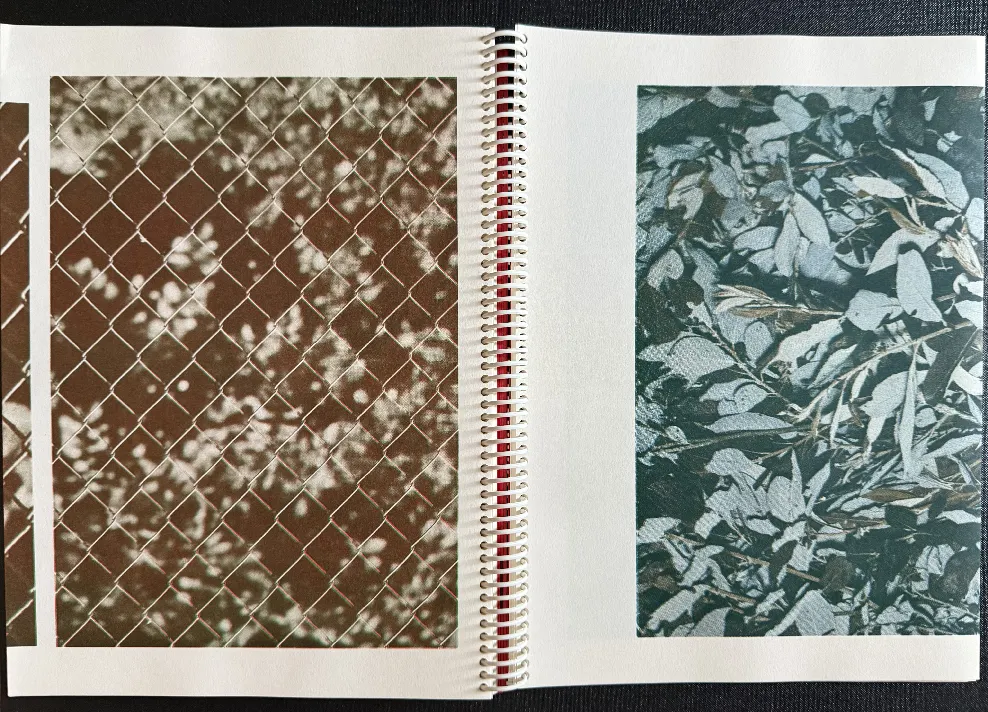
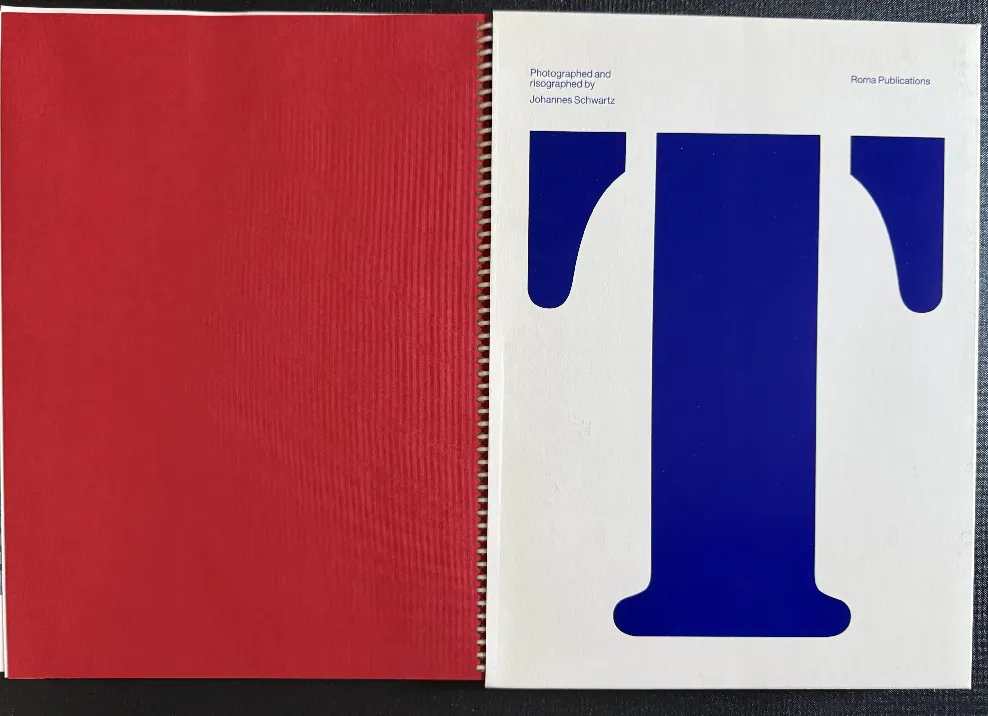
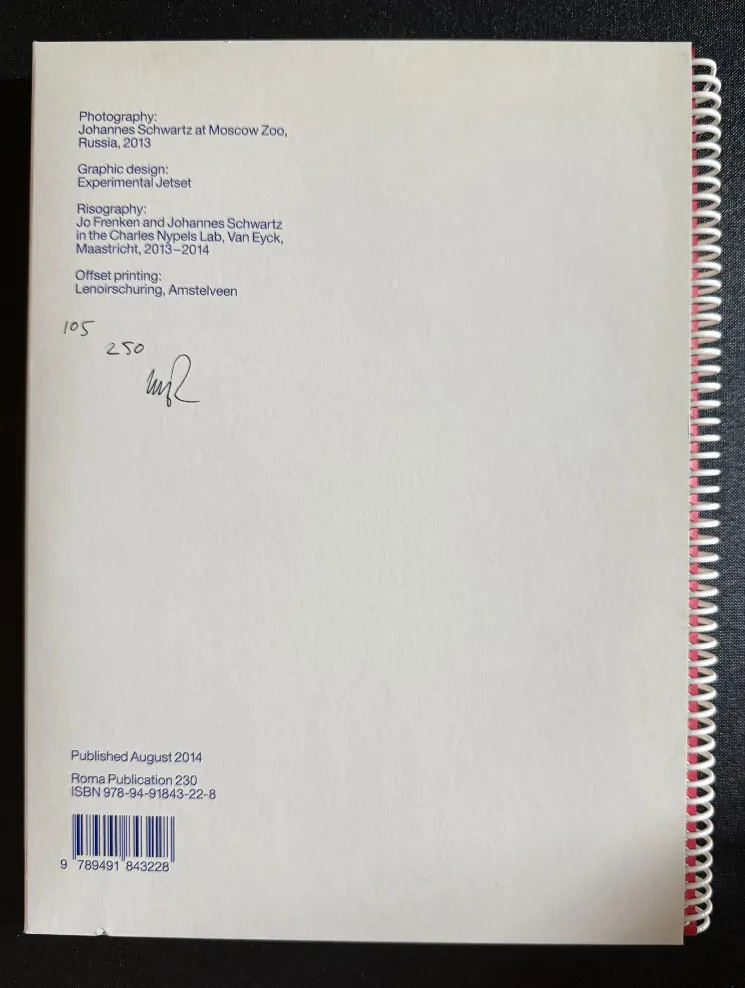
Beyond its subject matter, the book stands out for its unique production process and tactile format. Designed in collaboration with Experimental Jetset and printed using a Risograph press, Schwartz used unconventional color separations and dithering to treat the printing technique almost like painting. The resulting shifting registrations, vibrant ink bleeds, and rich textures transform the images into near-abstract compositions that blur the boundary between document, printmaking, and abstract art. Issued in a limited, signed, and numbered edition of 250 copies, the spiral-bound volume housed in a custom slipcase is as much an art object as a photographic collection.

Tiergarten is a distinctive artist's photo book that investigates the visual and conceptual line between wildness and captivity.
The project explores what zookeepers feed wild animals kept in human care at the Moscow Zoo. Schwartz photographed various animal rations, slabs of raw meat, heaps of vegetables, fish, and chunks of bread, framing these meals not as standard zoological documentation, but as striking, visceral still lives. Although these ingredients overlap with the human diet, their presentation and scale evoke something far more primal and alien.
Beyond its subject matter, the book stands out for its unique production process and tactile format. Designed in collaboration with Experimental Jetset and printed using a Risograph press, Schwartz used unconventional color separations and dithering to treat the printing technique almost like painting. The resulting shifting registrations, vibrant ink bleeds, and rich textures transform the images into near-abstract compositions that blur the boundary between document, printmaking, and abstract art. Issued in a limited, signed, and numbered edition of 250 copies, the spiral-bound volume housed in a custom slipcase is as much an art object as a photographic collection.