

Hardcover without dust jacket, as issued
ISBN:
9782365111522


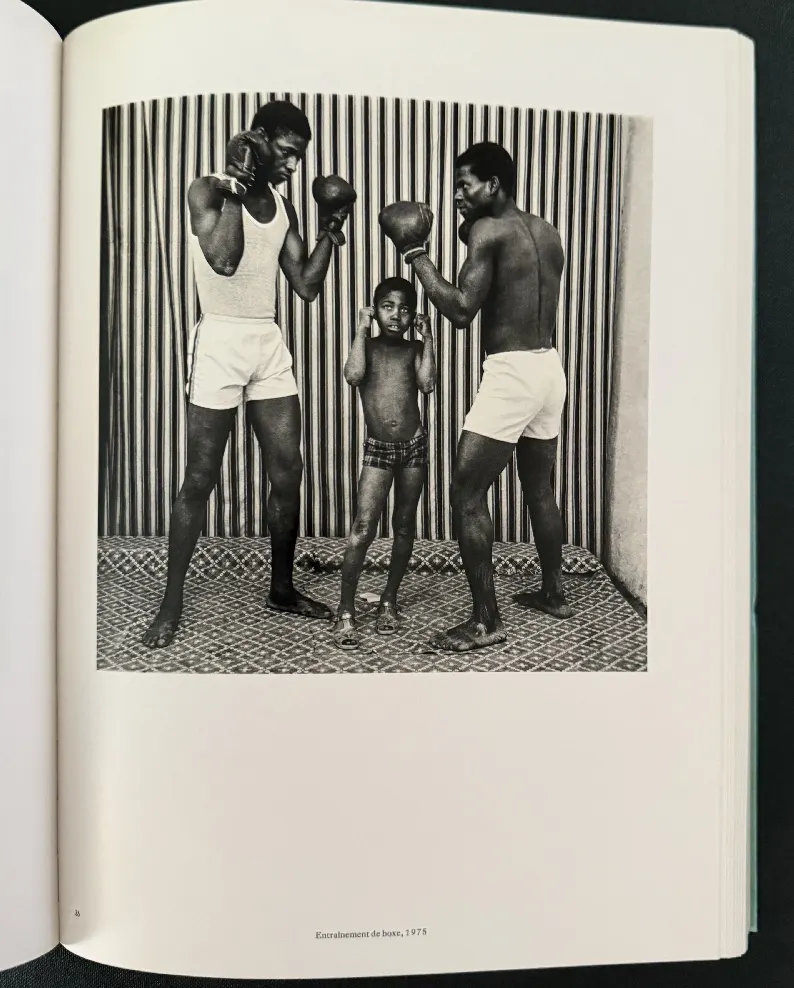
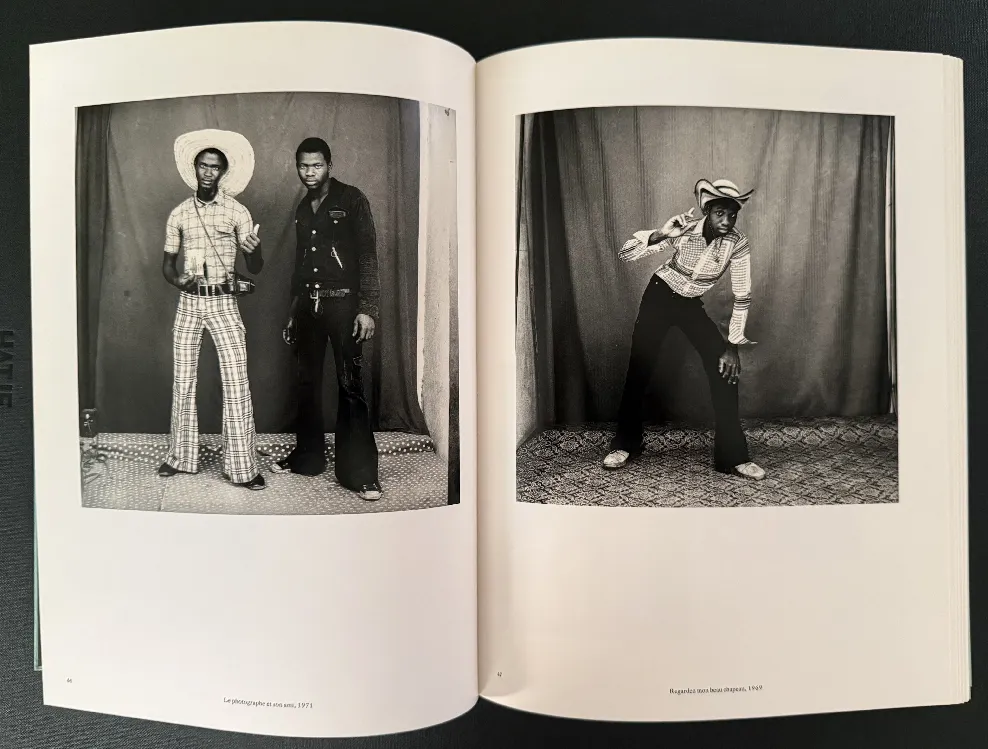
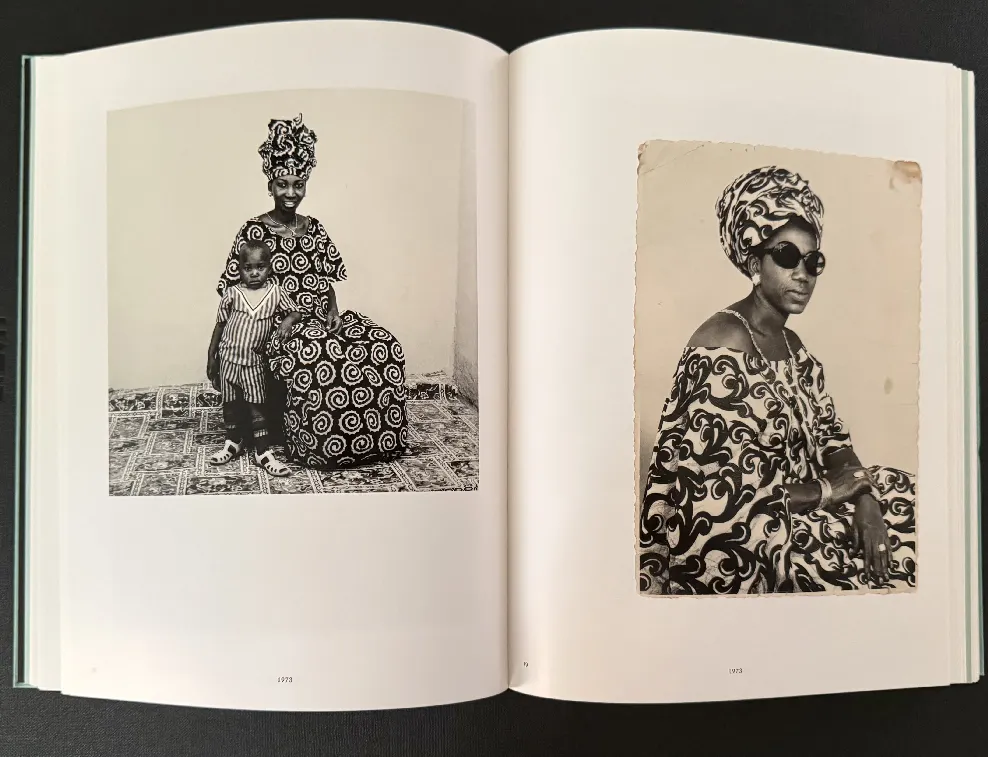
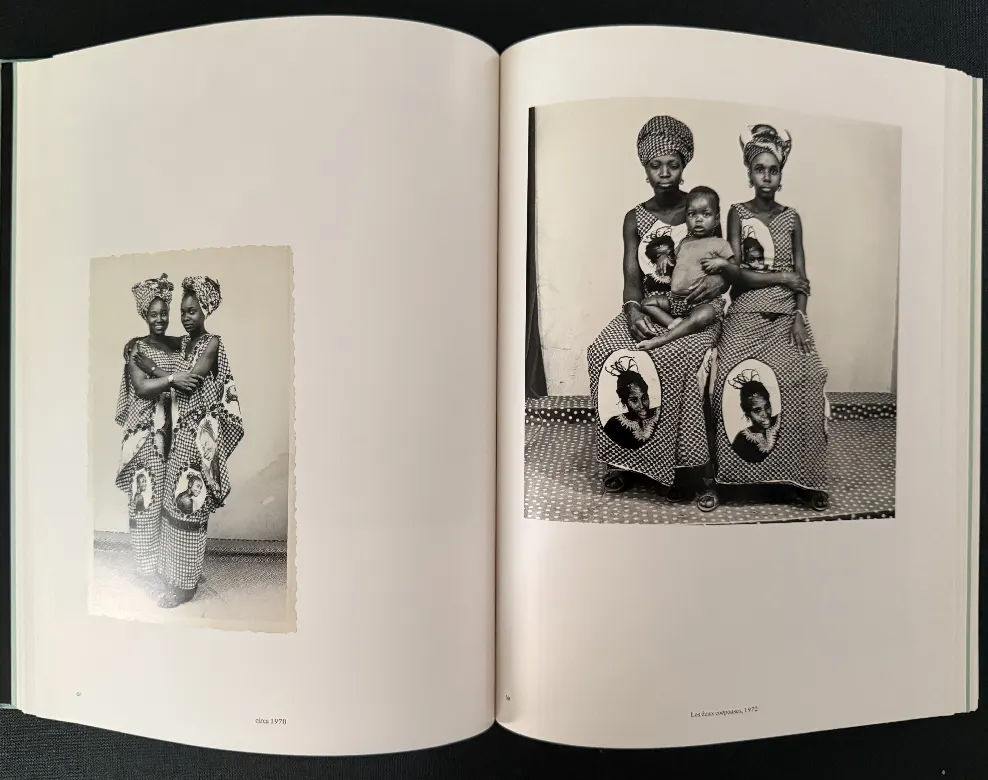
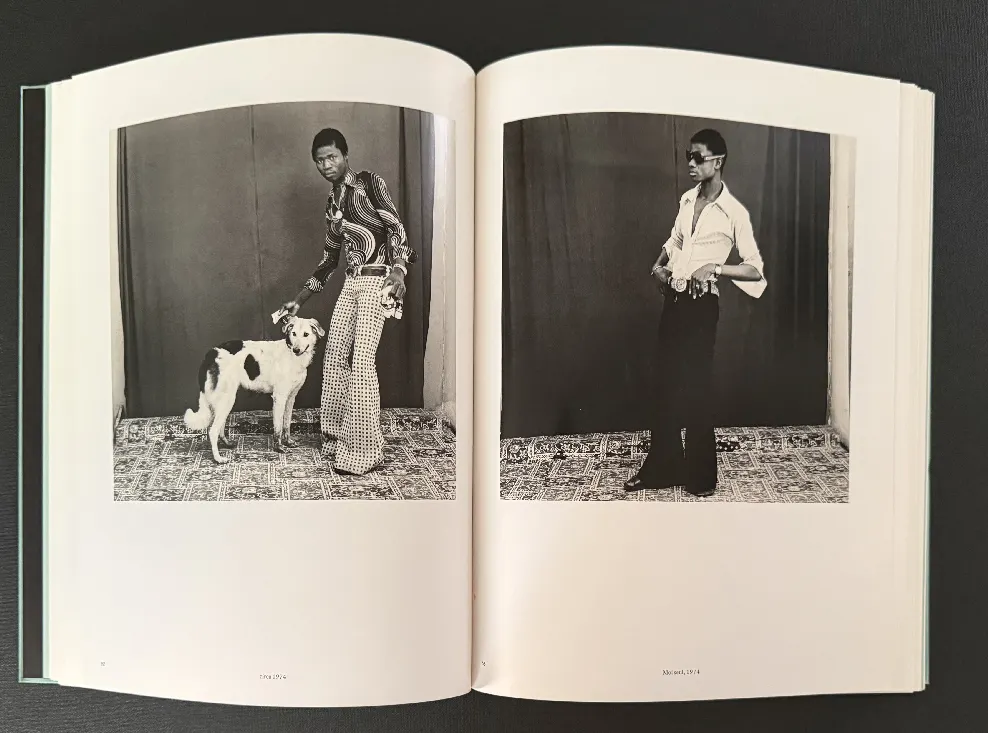
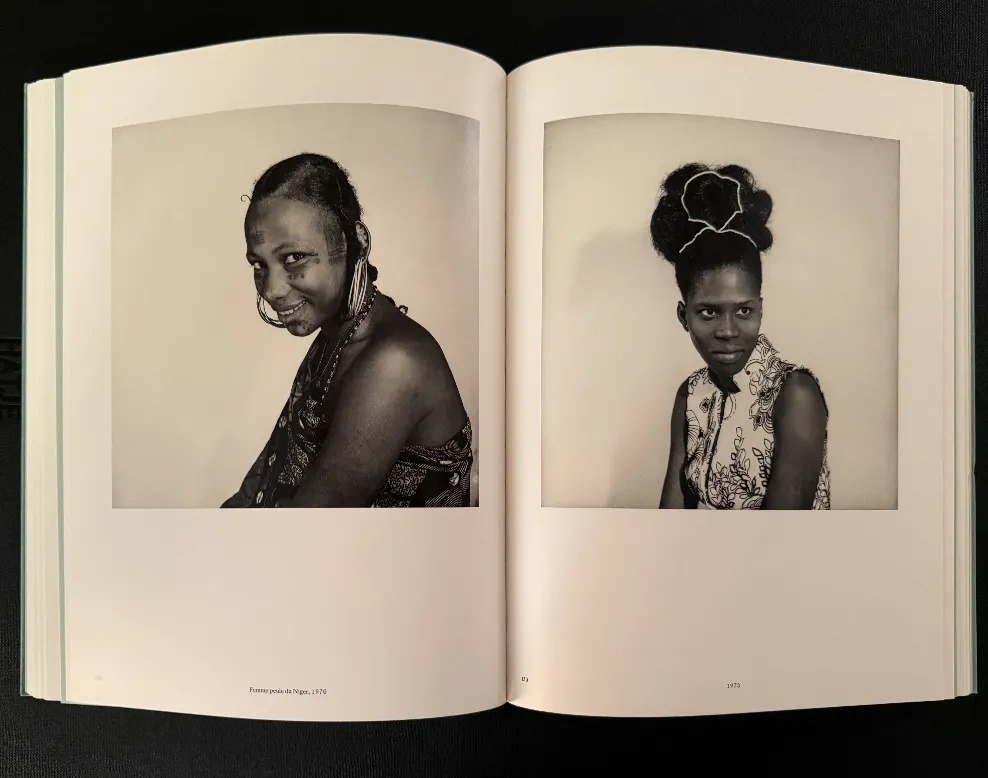
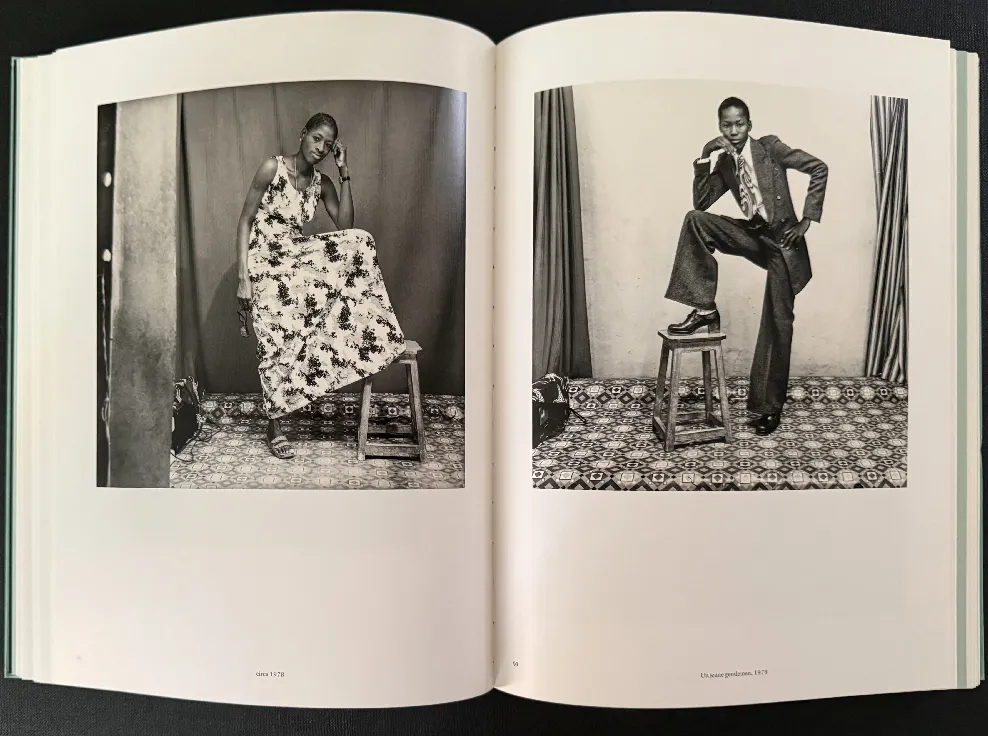
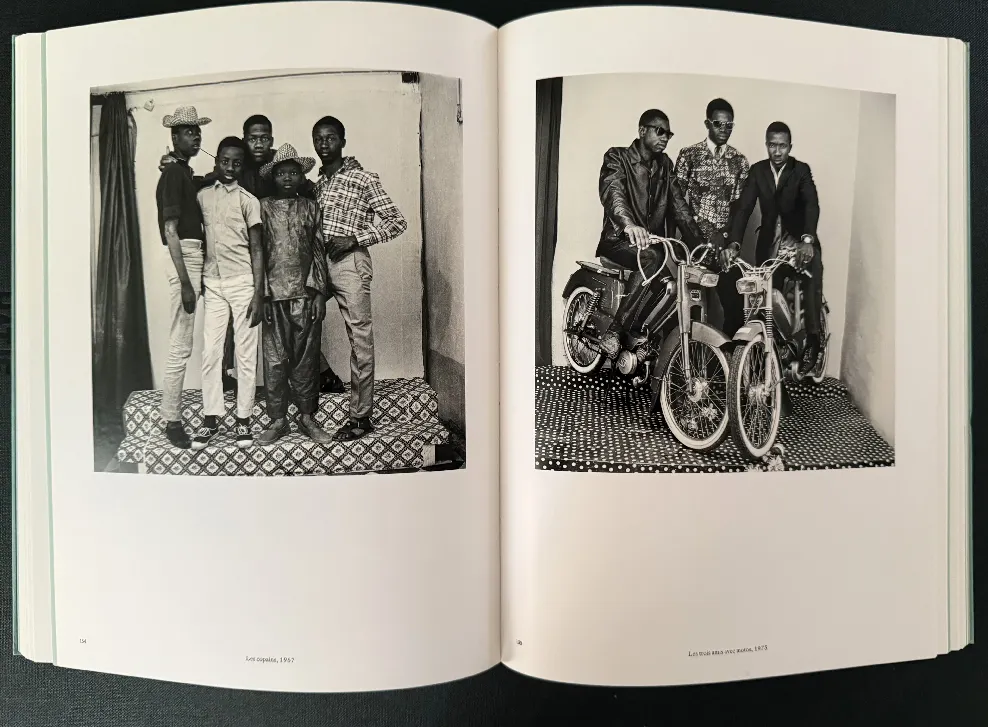
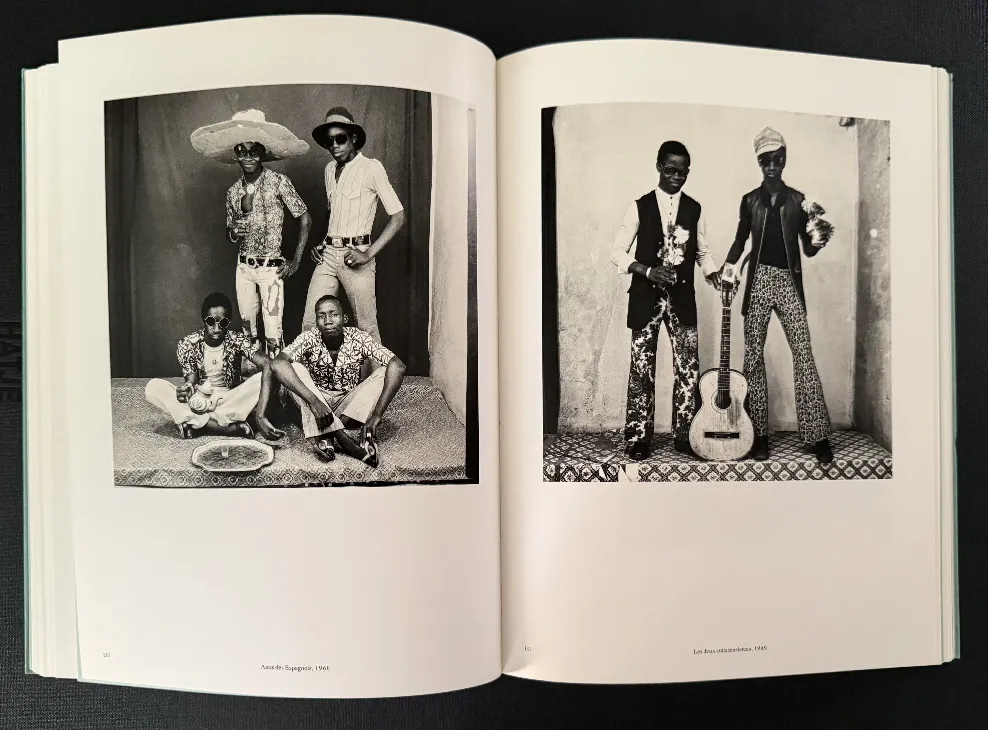
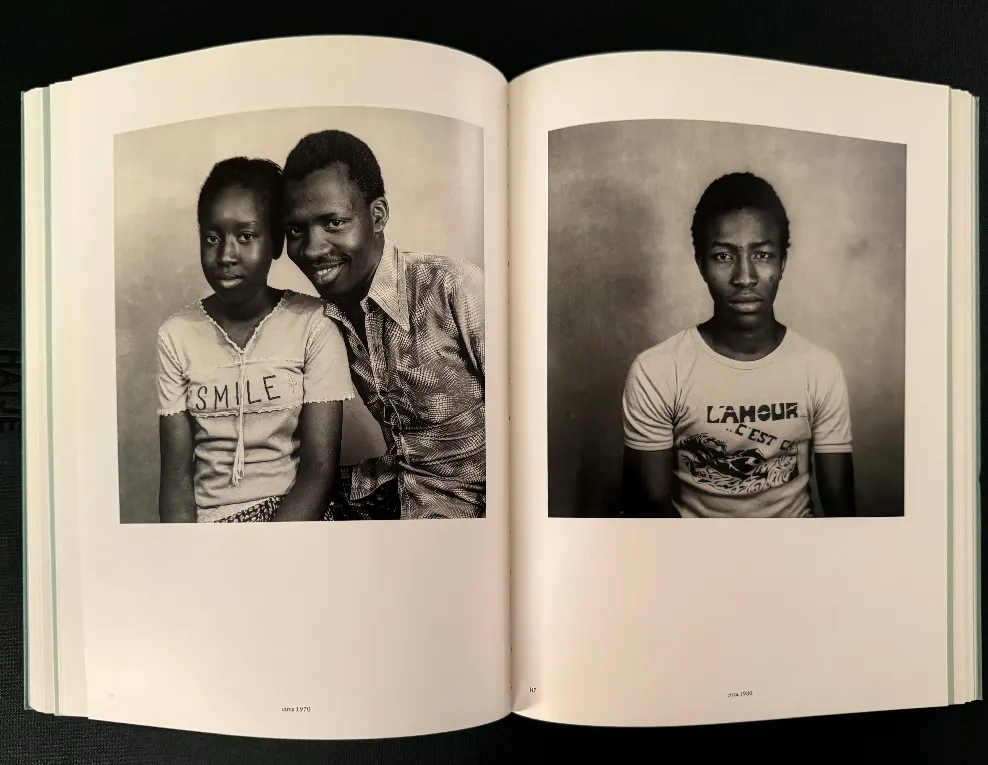
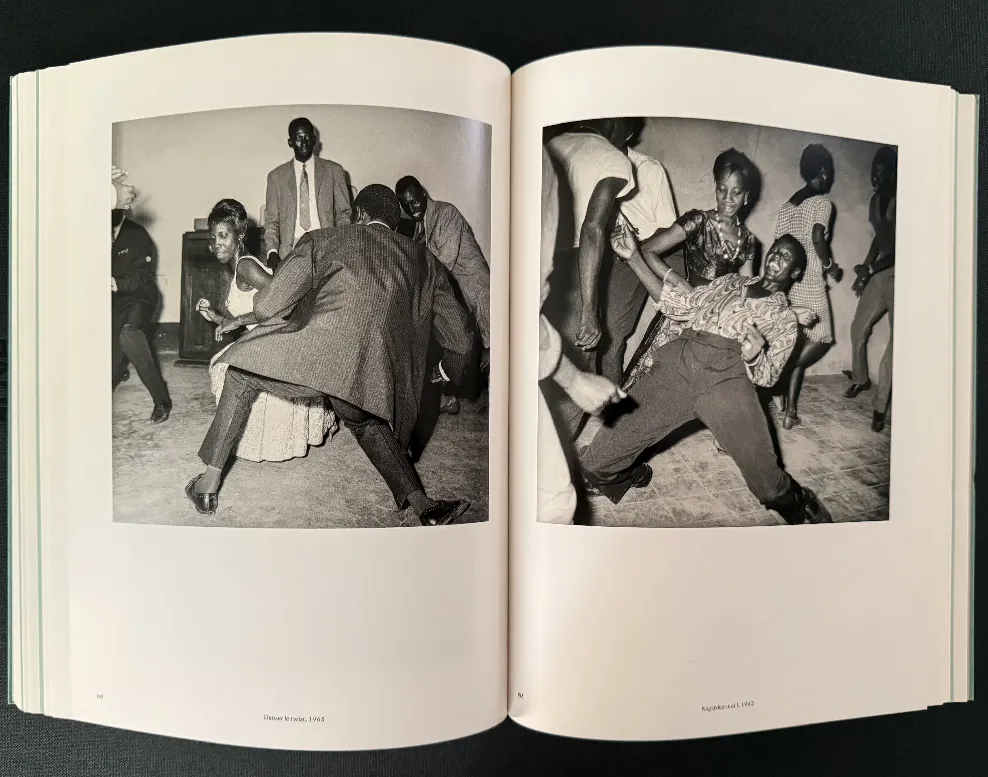
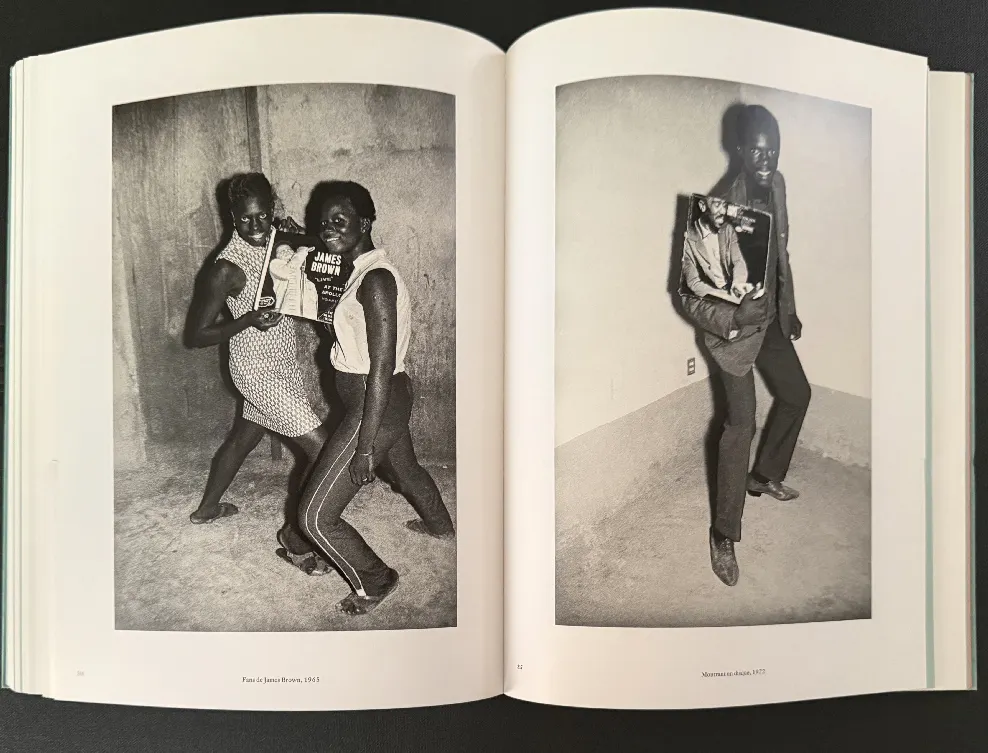
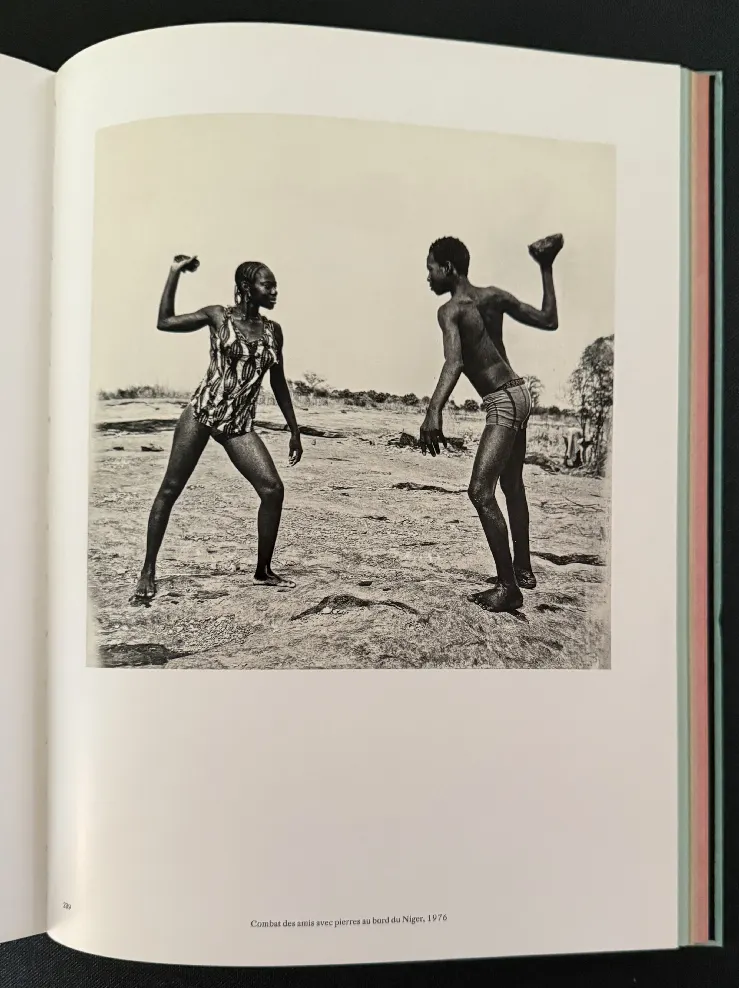
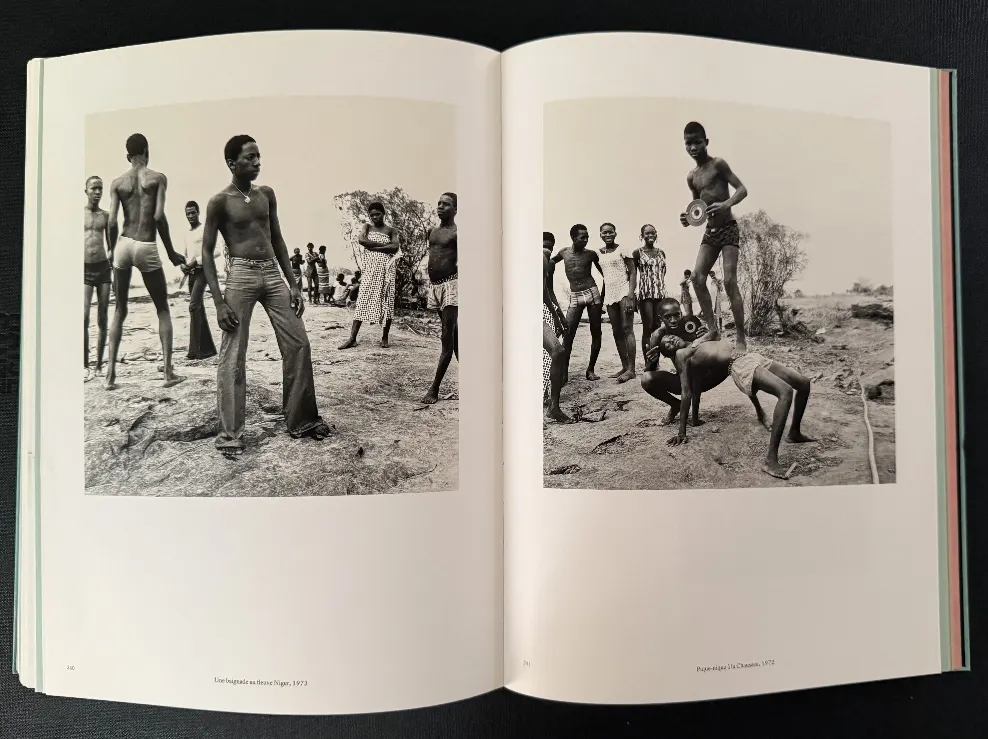
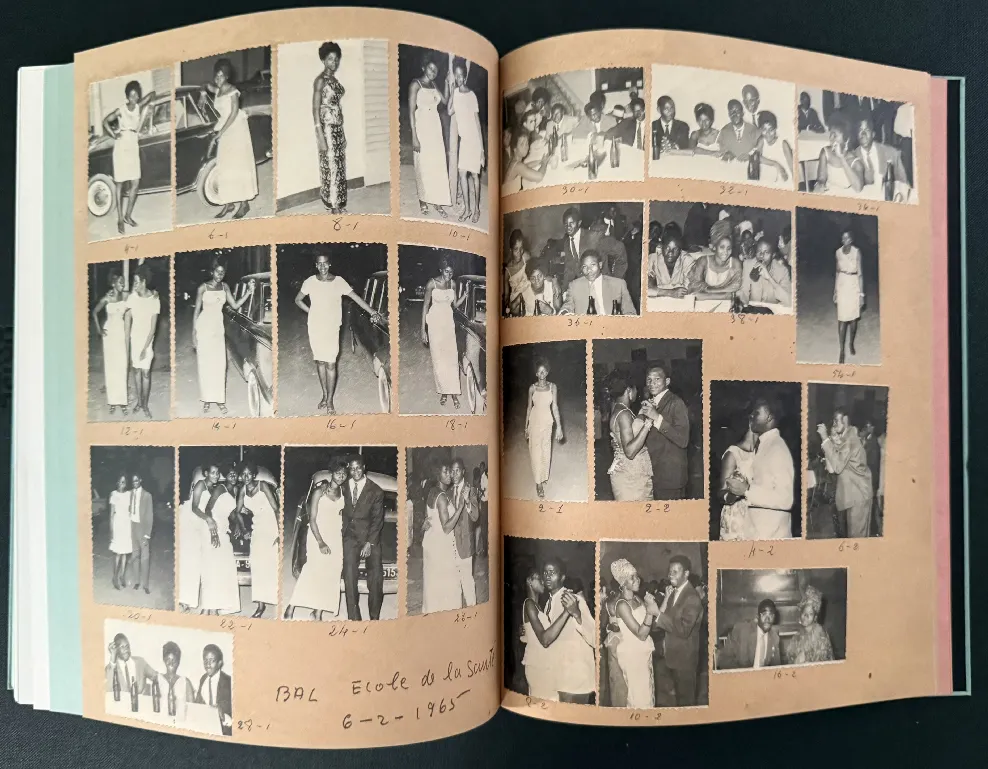
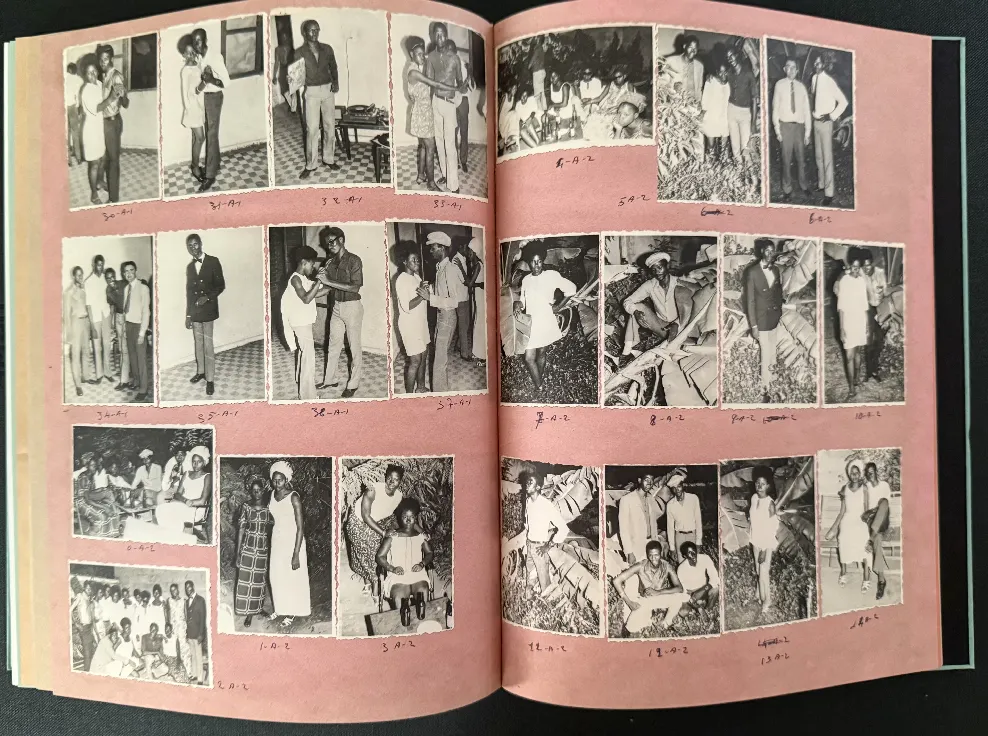
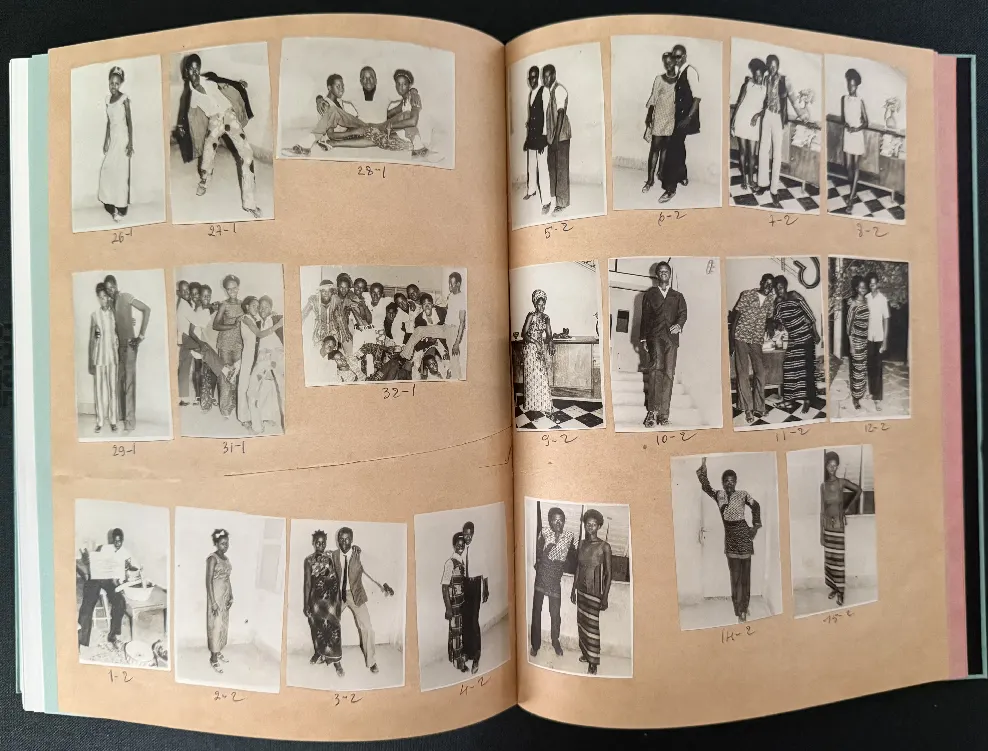
Malick Sidibé’s Mali Twist serves as a visual archive of Bamako’s vibrant youth culture during the post-independence era of the 1960s and 1970s. As a master chronicler of a newly liberated nation, Sidibé captured the social euphoria, energetic nightlife, and stylish modernity of a generation embracing their newfound independence through music, fashion, and dance.
Operating from his studio in the heart of Bagadadji, Sidibé documented the spontaneous atmosphere of weekend clubs, riverside dances, and private parties where young Malians blended Western rock-and-roll culture with traditional West African identity. His compositions are characterized by an intimate rapport with his subjects, balancing sharp documentary realism with formal elegance. Through dynamic spatial arrangements, rich tonal contrasts, and an acute sensitivity to gesture and attire, he elevated snapshots of everyday social life into iconic emblems of an era defined by optimism and cultural self-determination.