
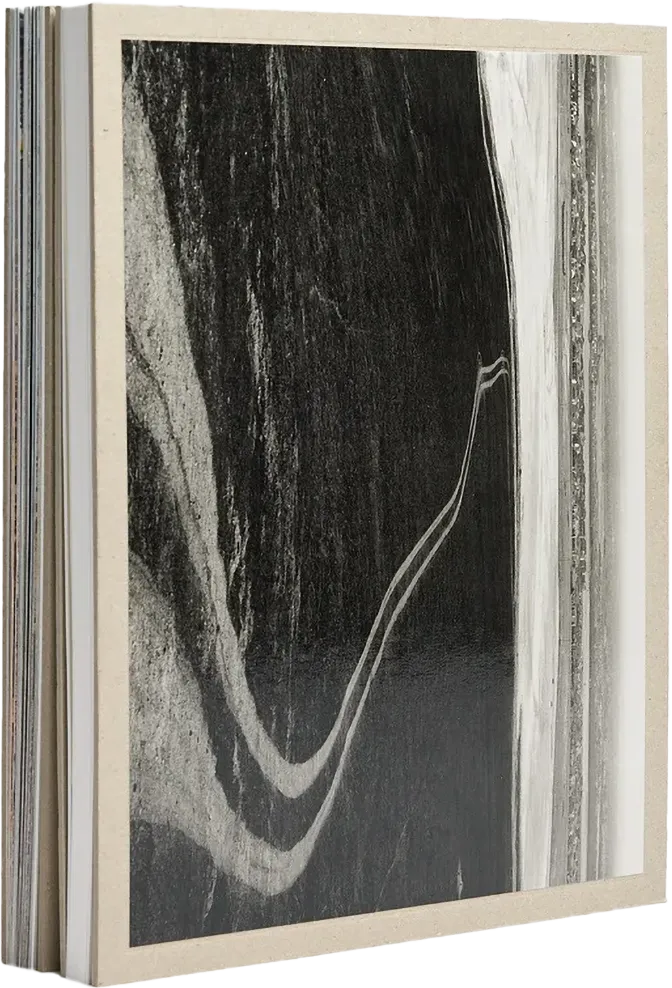
Two hardcovers without DJ in a plexi sleeve
ISBN:
9798890181206


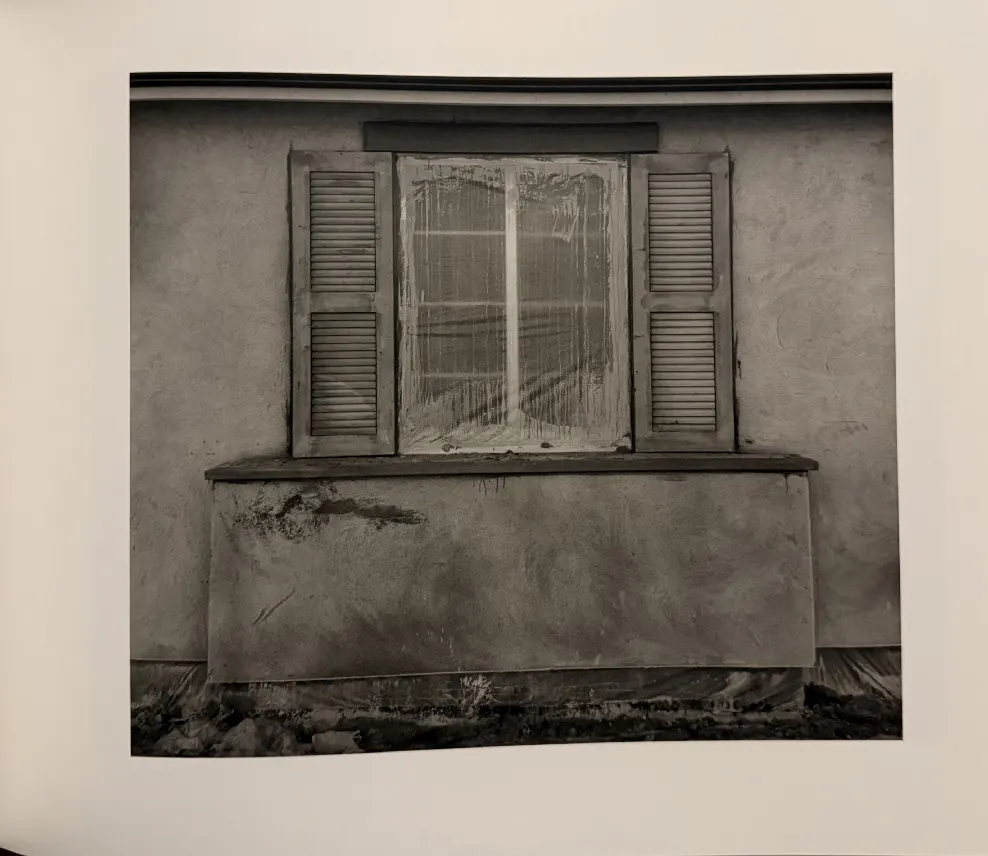
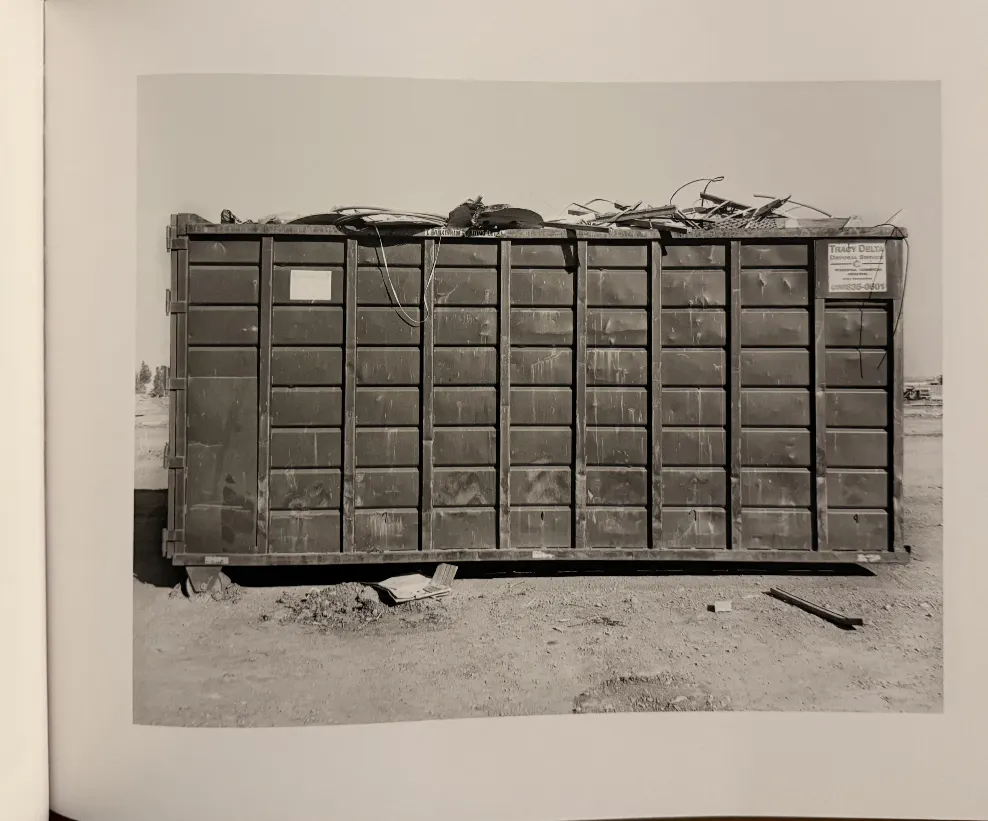
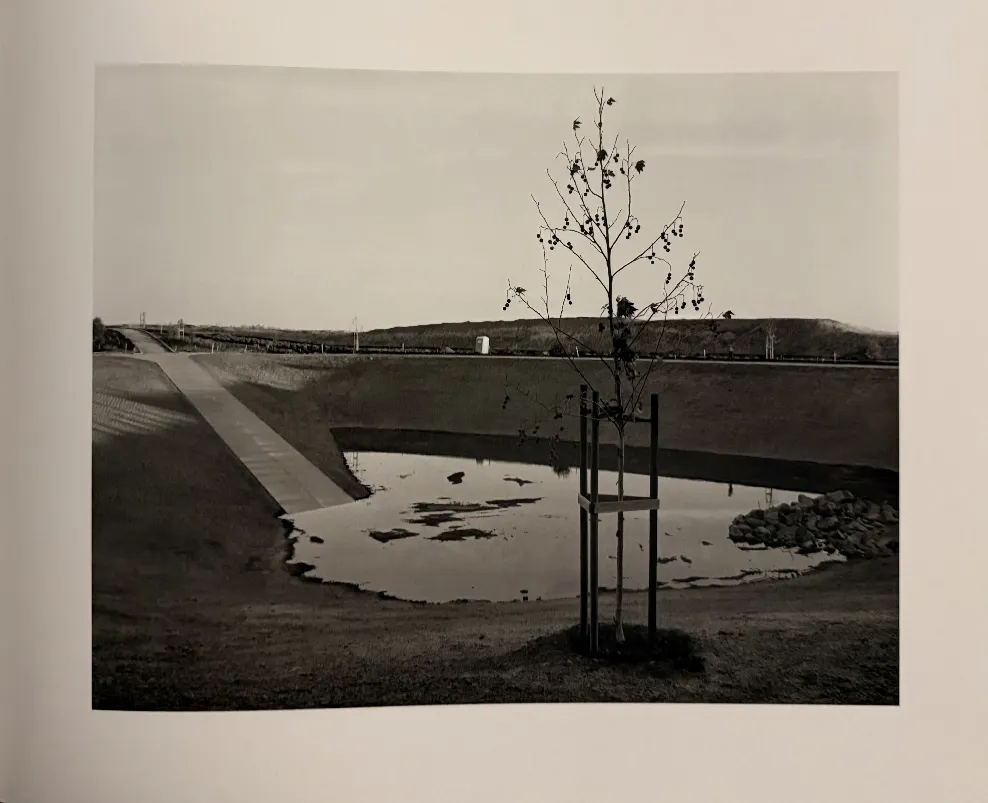
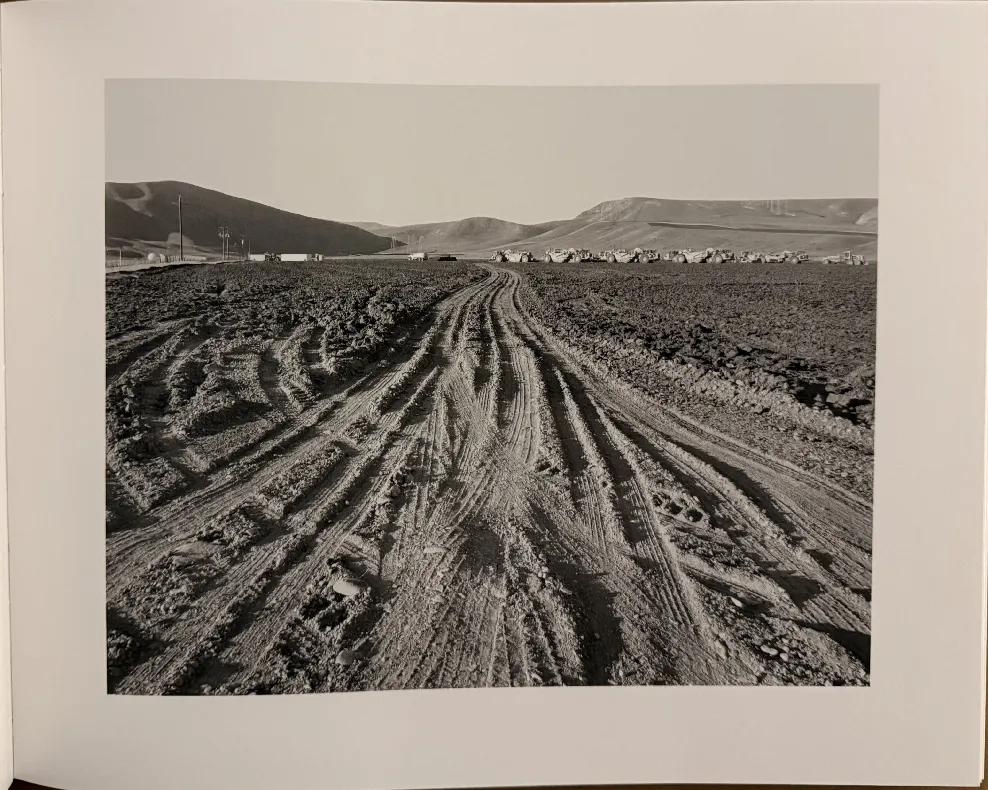
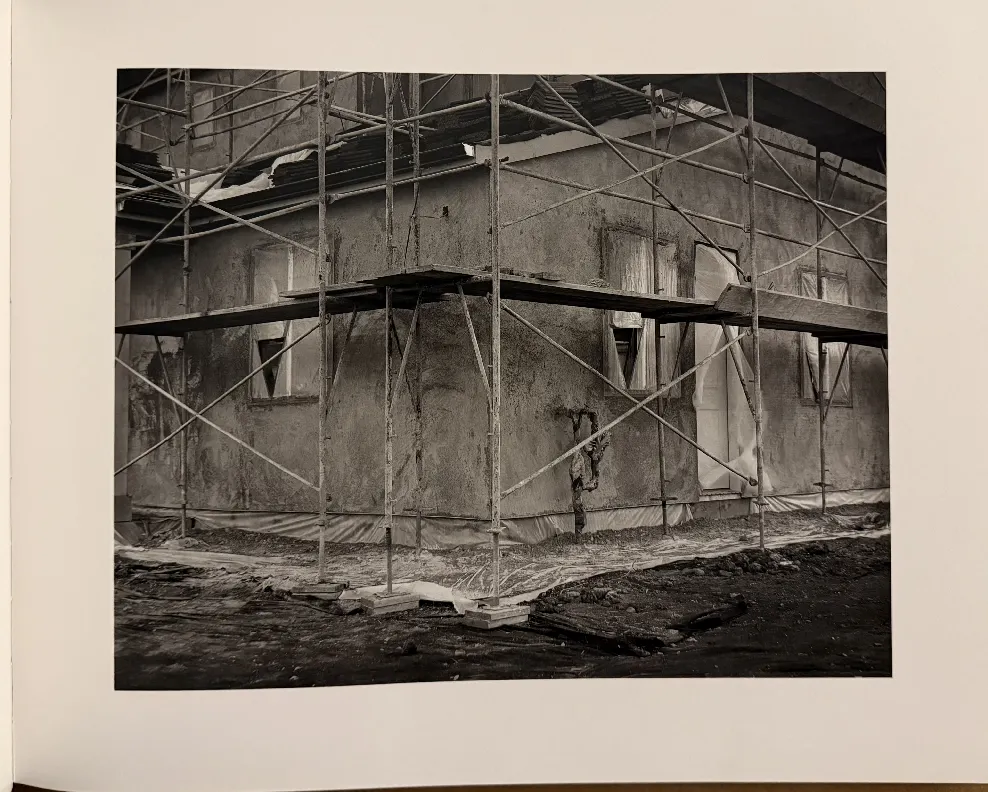
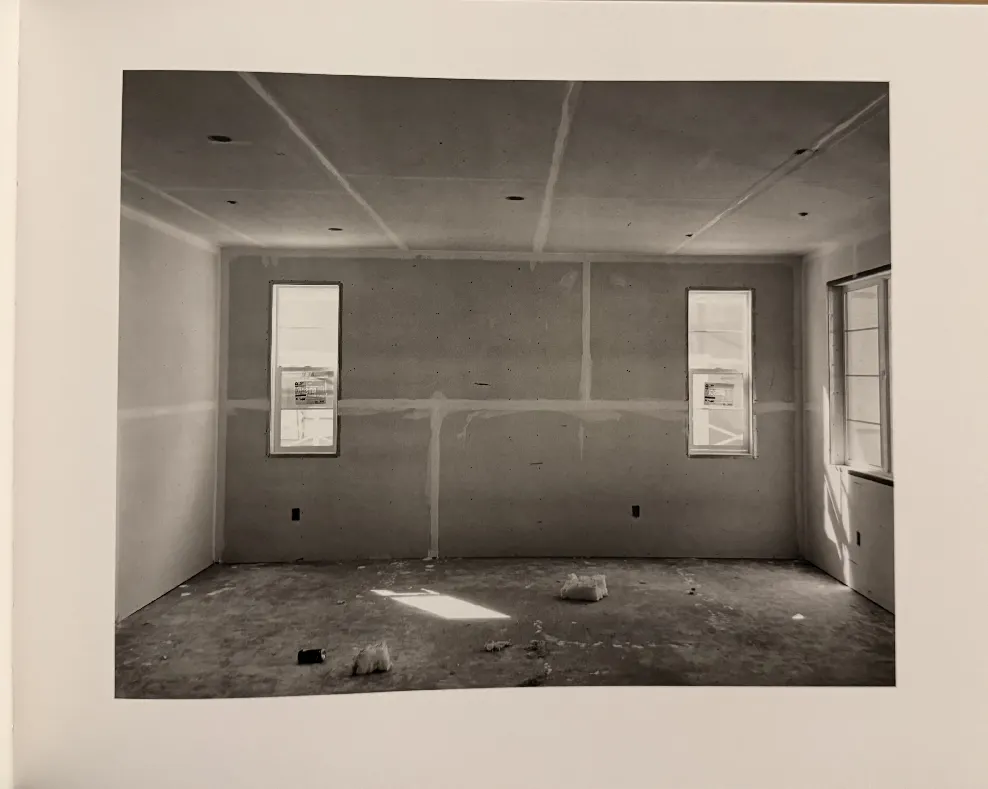
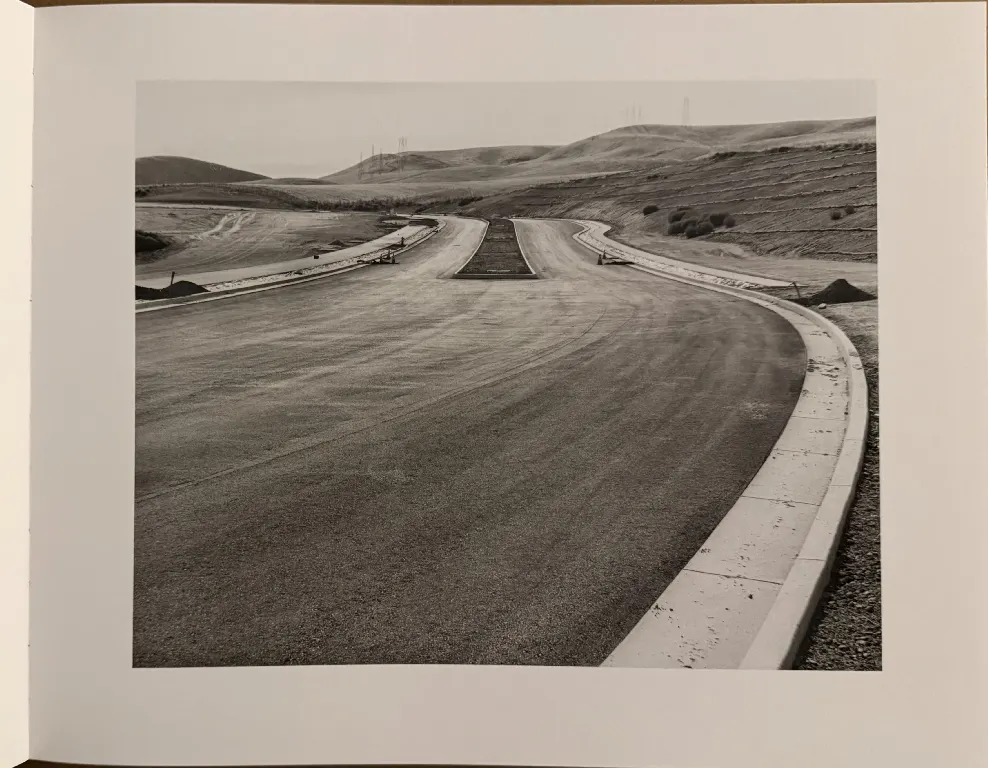
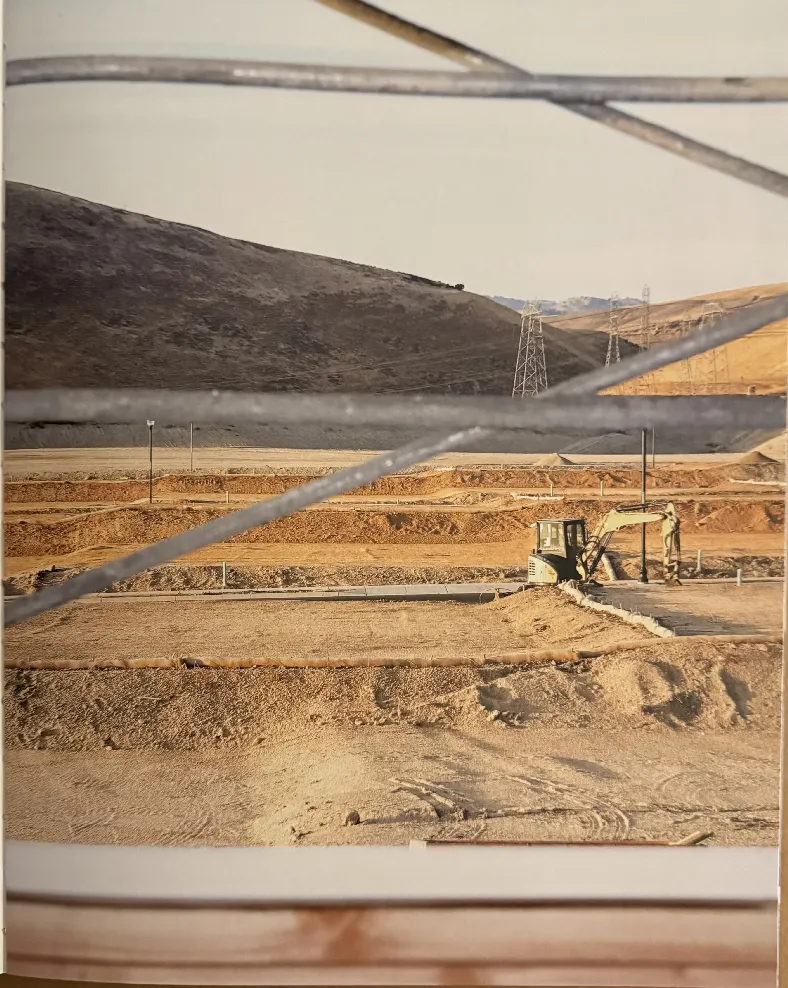
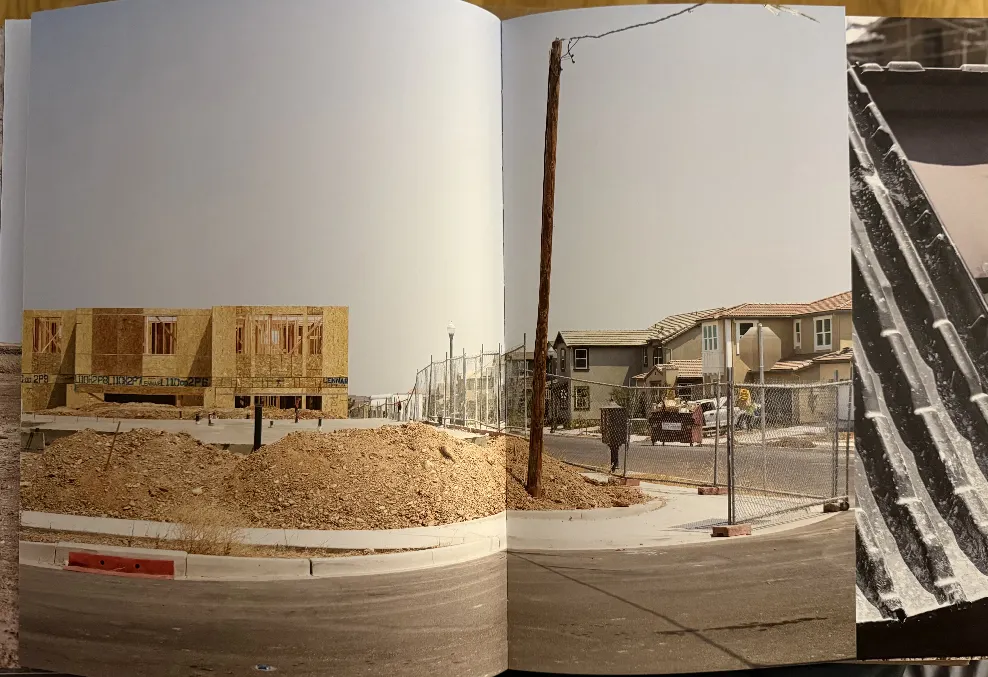
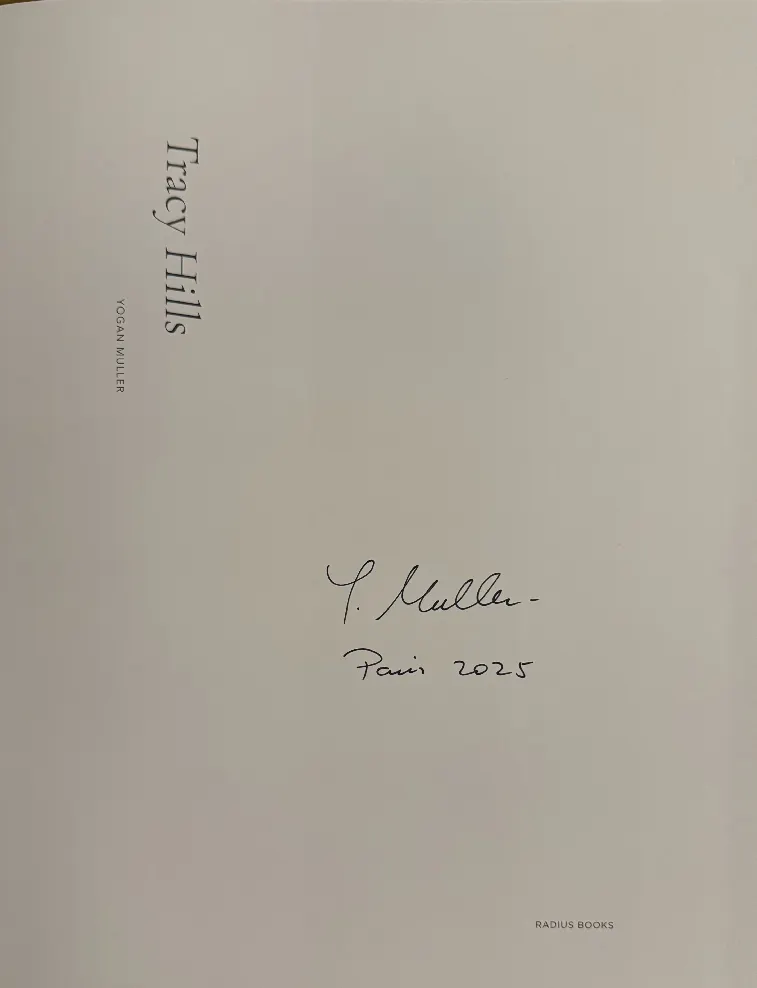
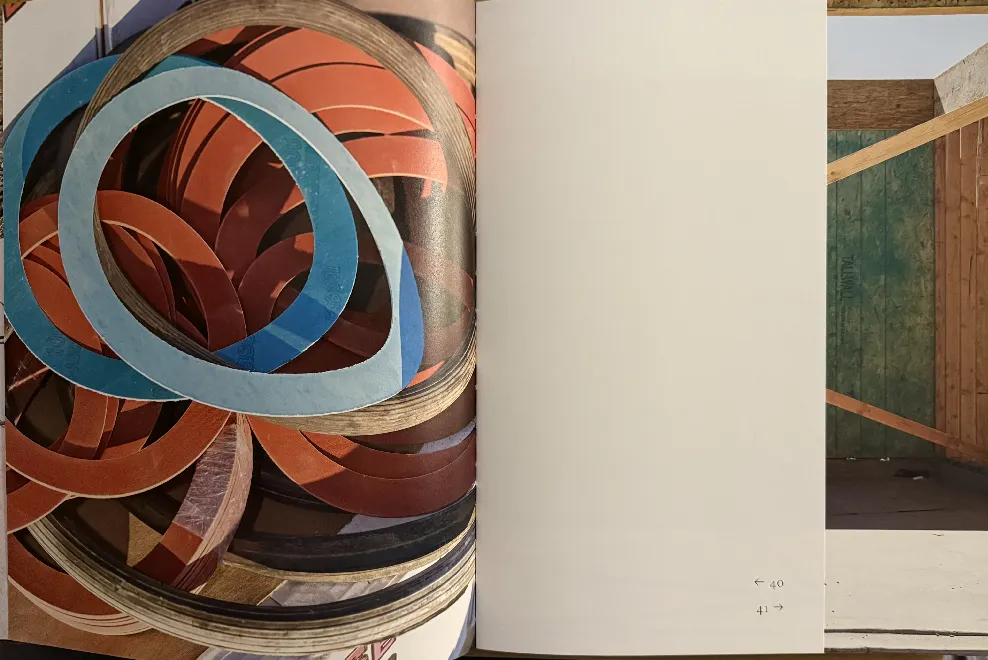
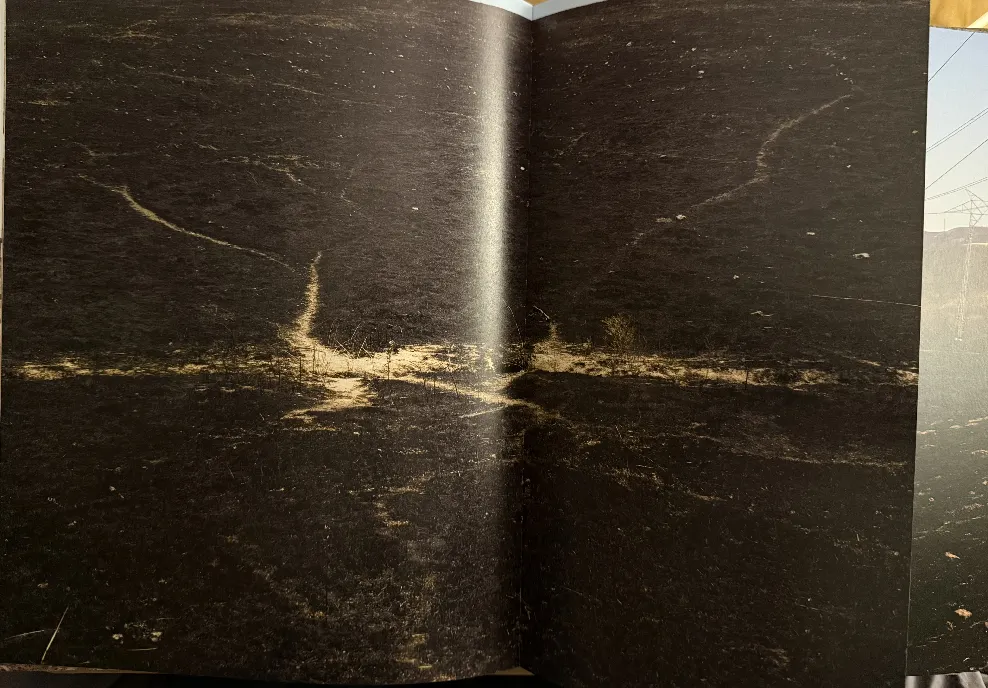
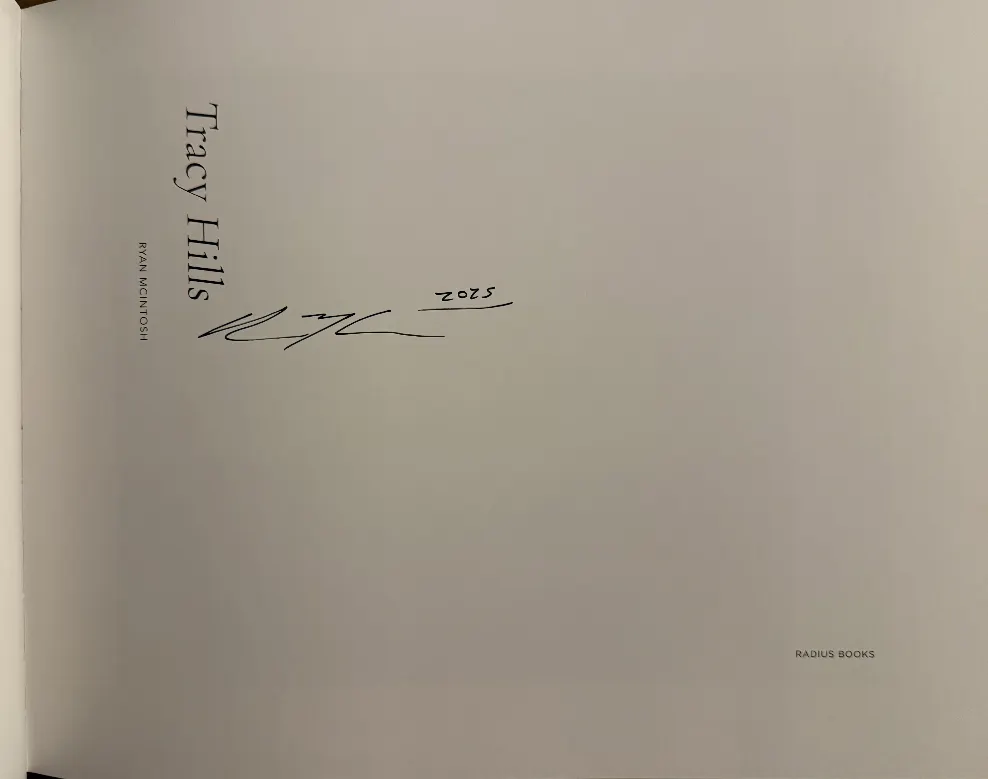
Yogan Muller and Ryan McIntosh Tracy Hills documents a collaborative photographic project centered on the landscapes and social geography of the Central Valley in California. The work traces suburban sprawl, agricultural developments, and open spaces, charting the intersection of human intervention and the natural environment.
Rooted in the stylistic lineage of the New Topographics movement and the deadpan, objective vernacular pioneered by photographers like Robert Adams, the publication employs a structured sequence of color photographs that record the distinct light, architectural forms, and mundane textures of the region. By focusing on the transitional zones between residential construction and rural terrain, the images examine how communities establish themselves within vast, modified topographies.