
SOLD
Copyright ©
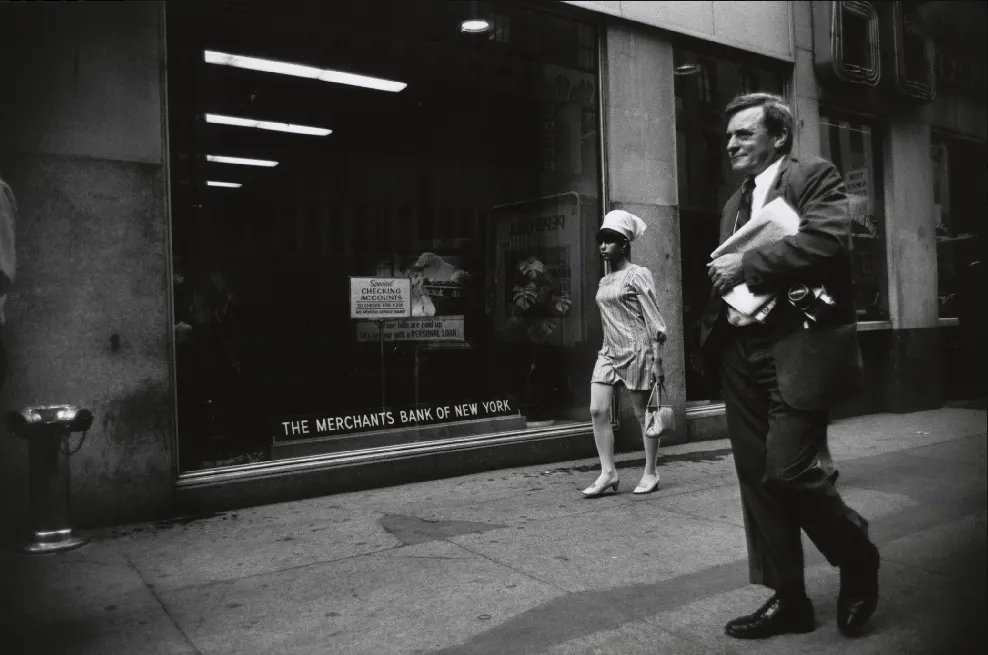
Garry Winogrand
or applicable right holders.


Women are Beautiful, Light Gallery, 1975.
Other impressions of this photograph are included in the Whitney Museum, NY (Accession # 2013.180.6) and MOMA, NY (Object # 350.1990).
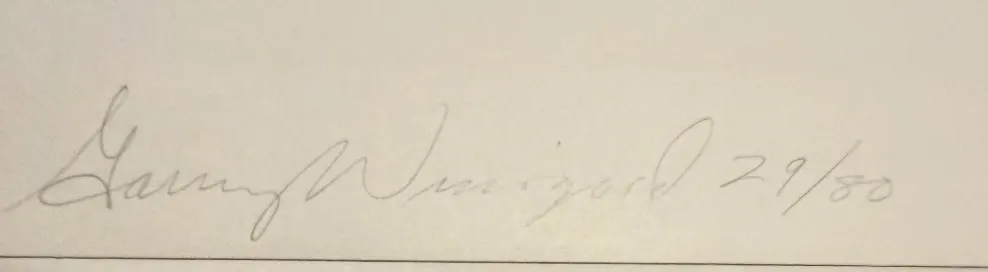
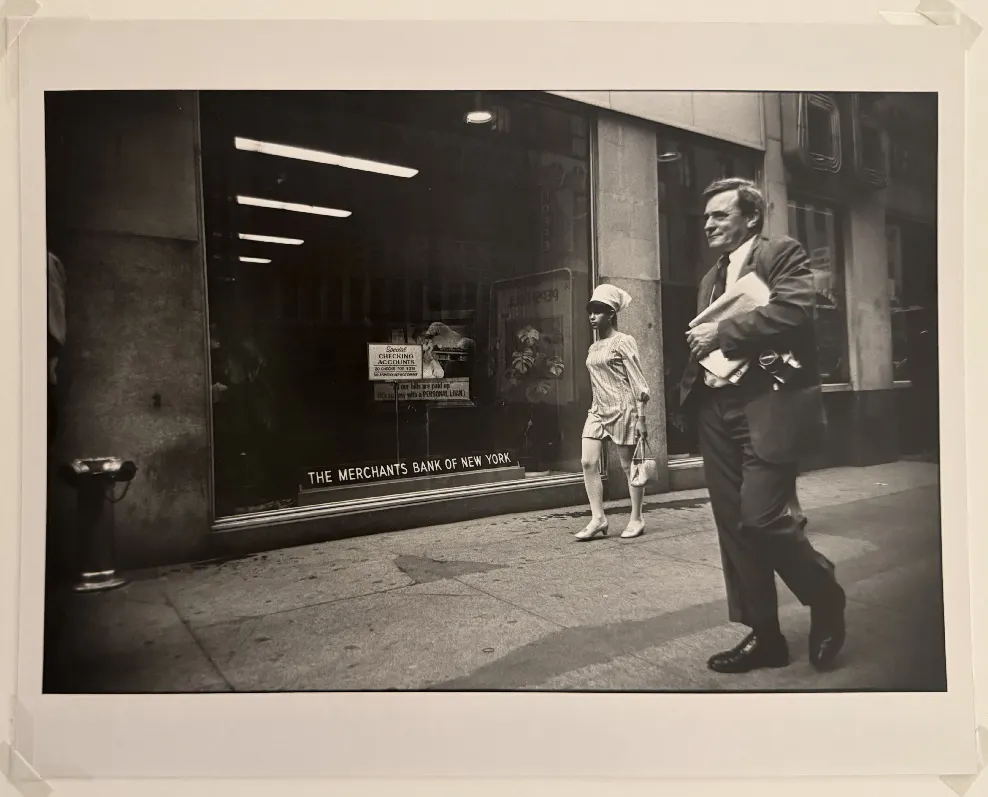
Women are Beautiful, Light Gallery, 1975.
Other impressions of this photograph are included in the Whitney Museum, NY (Accession # 2013.180.6) and MOMA, NY (Object # 350.1990).
Women are Beautiful is his 1975 photobook, published by Light Gallery Books, containing 85 black-and-white images. Winogrand worked on the project for nearly a decade, photographing women unposed in everyday public settings, streets, parks, pools, cafés, gallery openings, mostly in New York, spanning roughly 1961–1975.
He deliberately avoided studio setups or nudity, instead using gesture, laughter, clothing, and body language to convey the era's sexual revolution and second-wave feminism. MoMA curator John Szarkowski praised the work, while later critics and curators have debated it as "borderline sexist" and revisited it more critically, it remains one of his more contested but historically significant projects.
Women are Beautiful, Light Gallery, 1975.
Other impressions of this photograph are included in the Whitney Museum, NY (Accession # 2013.180.6) and MOMA, NY (Object # 350.1990).


Women are Beautiful is his 1975 photobook, published by Light Gallery Books, containing 85 black-and-white images. Winogrand worked on the project for nearly a decade, photographing women unposed in everyday public settings, streets, parks, pools, cafés, gallery openings, mostly in New York, spanning roughly 1961–1975.
He deliberately avoided studio setups or nudity, instead using gesture, laughter, clothing, and body language to convey the era's sexual revolution and second-wave feminism. MoMA curator John Szarkowski praised the work, while later critics and curators have debated it as "borderline sexist" and revisited it more critically, it remains one of his more contested but historically significant projects.