
Bernd & Hilla Becher

Bernd & Hilla Becher

Which art books, prints and posters are available by and about this artist? Here is a sample of items of interest to a typical collector:

MIT Press
1991
with:
Edition:
1st - 2nd printing (1990)
Edition size:
Out of Print
Other edition(s):
Hardcover with dust jacket
ISBN:
9780262023115
Condition: Near Fine

This is not the 3rd printing from 2002.

New Topographics: Photographs of a Man-Altered Landscape
Book images
George Eastman Museum
1975
with:
Lewis Baltz, Frank Gohlke, Bernd & Hila Becher, John Schott, Joe Deal, Nicholas Nixon, Henry Wessel, Stephen Shore.
Edition:
1st
Edition size:
Out of Print
Other edition(s):
Softcover
ISBN:
Condition: Very Good. Some fixing to the covers.

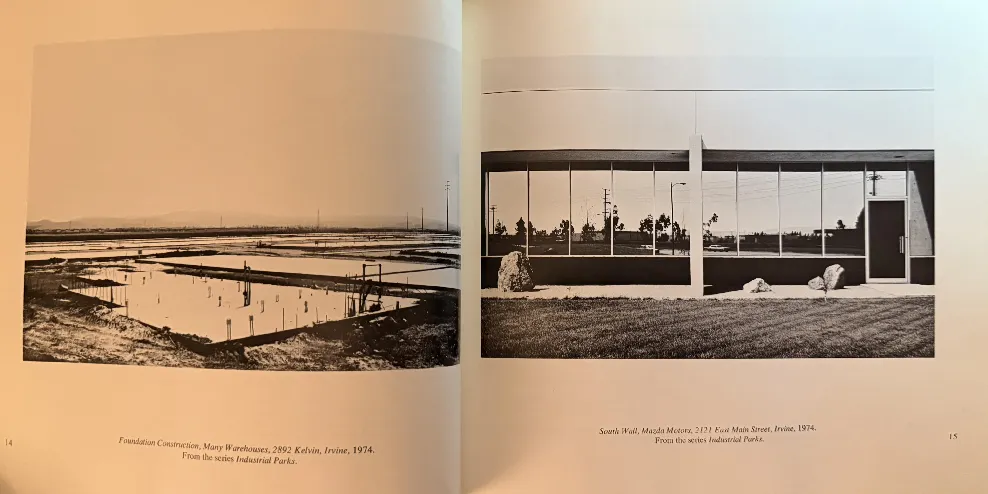
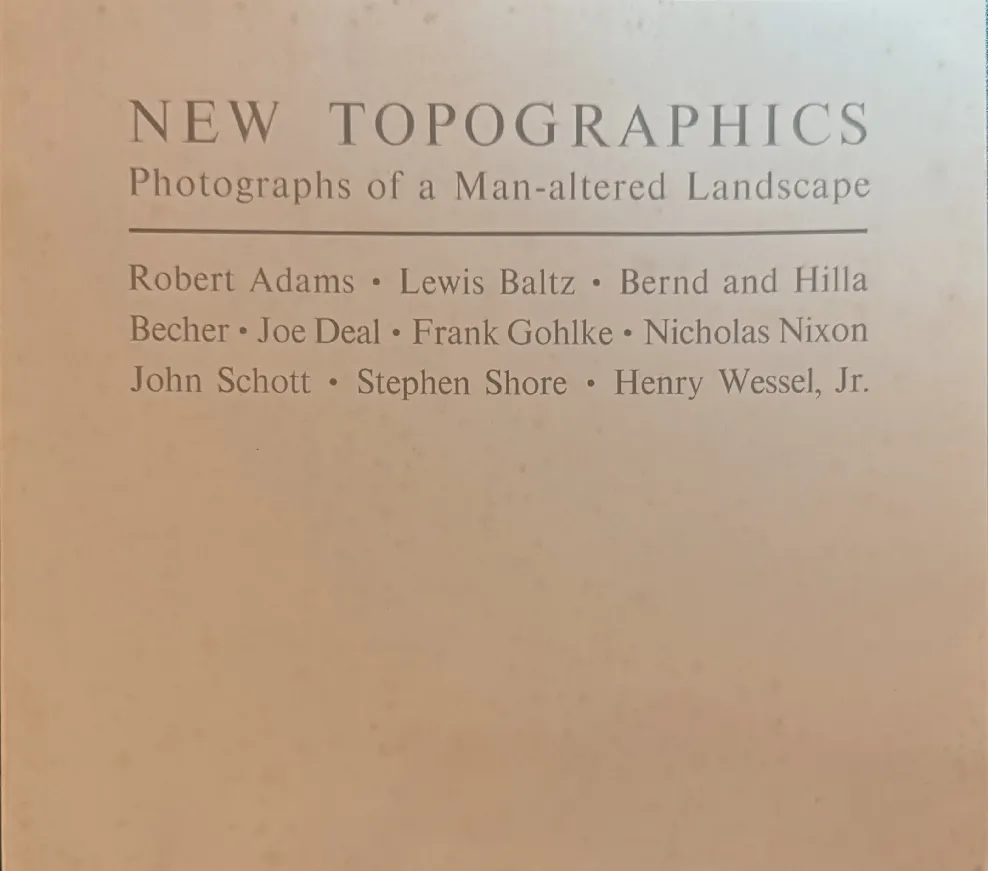
New Topographics: Photographs of a Man-Altered Landscape (1975) is the seminal exhibition catalog published by the International Museum of Photography at George Eastman House for the groundbreaking exhibition curated by William Jenkins.

The catalog documents a pivotal shift in 20th-century American landscape photography away from the idealized, majestic wilderness traditions of Ansel Adams and Edward Weston. Instead, it features artists who approached the modern built environment with deadpan neutrality, clinical detachment, and objective, documentary precision.

The featured photographers, Robert Adams, Lewis Baltz, Bernd and Hilla Becher, Joe Deal, Frank Gohlke, Nicholas Nixon, John Schott, Stephen Shore, and Henry Wessel, systematically recorded suburban suburban sprawl, industrial parks, highway strip developments, housing developments, and motels across the American West and industrial centers.

Rather than seeking untouched natural beauty, the project examines the visual reality of human intrusion, suburban expansion, and land development. Images are characterized by a banality of subject matter, rigid geometric composition, wide-angle or large-format clarity, and an intentional lack of drama, sentimentality, or overt emotional commentary. Influenced heavily by Bernd and Hilla Becher's systematic documentation of industrial structures in Europe, the catalog emphasizes seriality, architectural forms, and comparative observation.

New Topographics fundamentally redefined how landscape photography was understood and practiced. By elevating ordinary, human-altered environments to formal art, it influenced generations of photographers and remains one of the most important intellectual and aesthetic turning points in contemporary photography.

MIT Press
2001
with:
Edition:
1st US (1st and 2nd with Schirmer in 1977 and 2000)
Edition size:
Out of Print
Other edition(s):
Hardcover with dust jacket
ISBN:
9780262024990
Condition: Near Fine
2001
Out of Print
Signed
Edition:
1st US (1st and 2nd with Schirmer in 1977 and 2000)
Prior edition(s):
Hardcover with dust jacket
Condition: Near Fine
Schirmer Mosel
2006
with:
Edition:
1st, numbered 3/100
Edition size:
100
With Signed Print.
Out of Print
Other edition(s):
In clamshell with print
ISBN:
9783829602563
Condition: Near Fine
MIT Press
1997
with:
Edition:
1st
Edition size:
Out of Print
Other edition(s):
Hardcover with dust jacket
ISBN:
9780262024303
Condition: Near Fine -

This is a first edition, not a reprint of the 1985 Schirmer Mosel exhibition catalog.

MIT Press
1997
with:
Edition:
4th printing (1988)
Edition size:
Out of Print
Other edition(s):
Hardcover with dust jacket
ISBN:
9780262022774
Condition: Near Fine
Schirmer Mosel
2005
with:
Edition:
5th printing (1988) with SIGNED print
Edition size:
100
Out of Print
Other edition(s):
In slipcase with portfolio.
ISBN:
9783888142555
Condition: Near Fine
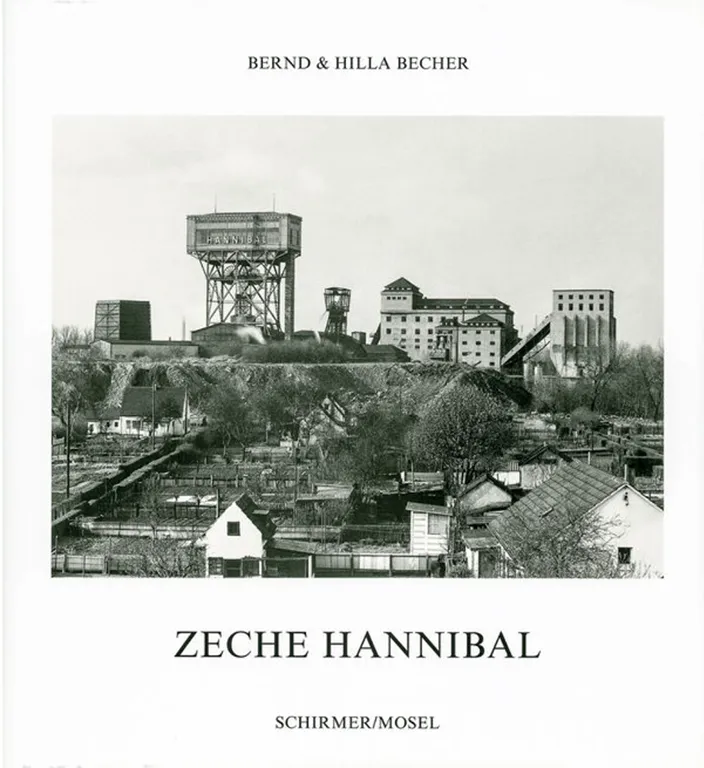
Schirmer Mosel
2010
with:
Edition:
1st
Edition size:
Out of Print
Other edition(s):
Hardcover with dust jacket
ISBN:
9783829604680
Condition: Near Fine

Far more comprehensive survey of the Hannibal coal mines photographs, compared with the initial 2000 edition.

Fachwerkhäuser des Siegener Industriegebietes
Book images
Schirmer Mosel
1977
with:
Edition:
1st
Edition size:
Out of Print
Other edition(s):
Hardcover with DJ, 350 p.
ISBN:
392137510X
Condition: Very Good (light wear to the DJ with sunning on spine and marks on back cover)

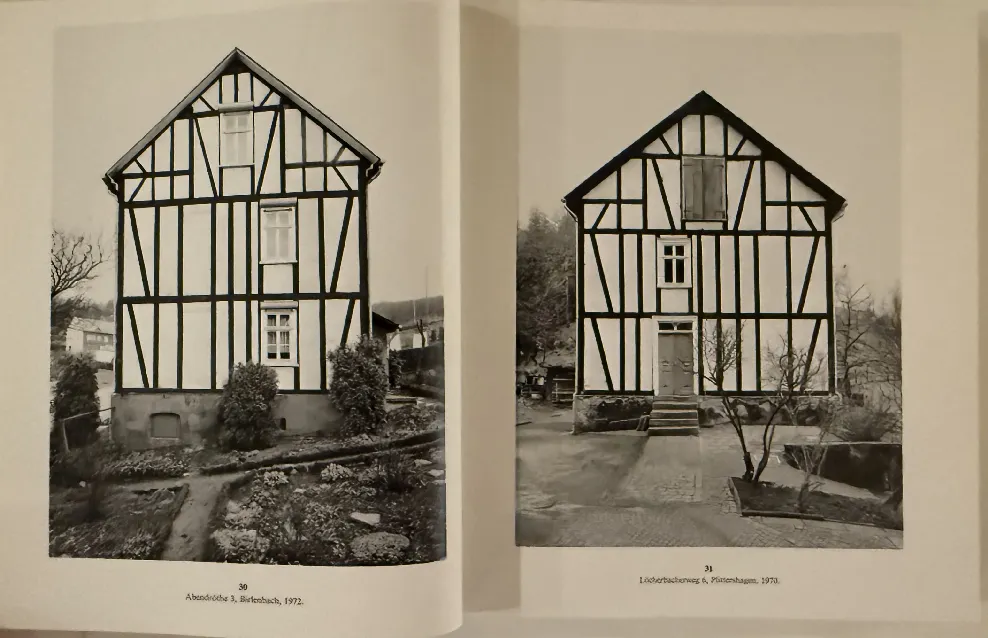
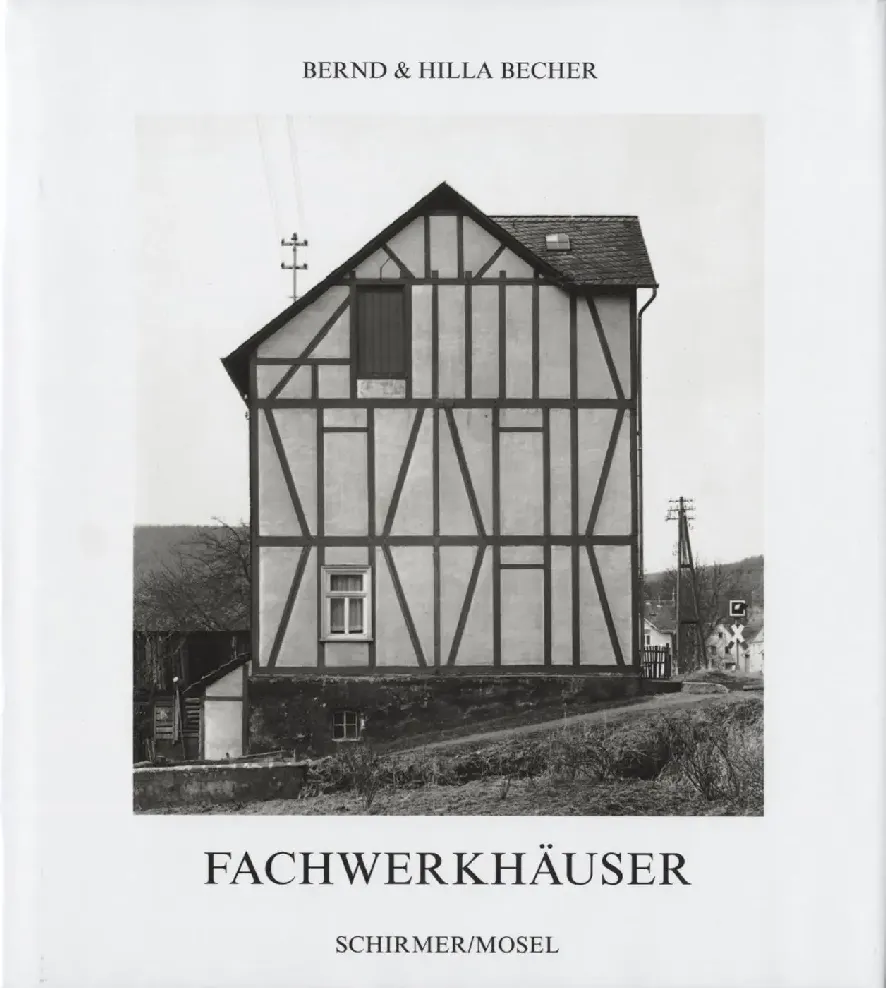
Fachwerkhäuser des Siegener Industriegebietes (Framework Houses of the Siegen Industrial Region), published by Schirmer/Mosel in 1977, is a seminal photobook that holds a highly unique and foundational position within the monumental body of work created by Bernd and Hilla Becher.

While the Bechers are globally renowned for their systematic documentation of heavy industrial monuments, such as blast furnaces, water towers, and cooling towers, this specific project marks the very beginning of their lifelong artistic collaboration.

Bernd Becher, a native of the Siegen region, initially began capturing the local iron-ore mines and industrial vernacular through drawings and lithographs in the late 1950s. Realizing that rapid structural changes and demolition were outpacing his ability to draw, he turned to photography to document the structures before they disappeared. After meeting Hilla Wobeser at the Düsseldorf Academy, they began photographing these half-timbered workers' houses together in 1959, a project they sustained until 1978.

The houses themselves are unique historical artifacts. Because the Siegen area was an ancient iron-producing region, local laws historically regulated wood consumption, ,reserving timber heavily for the charcoal needed in iron smelting. This self-imposed economic restriction yielded highly standardized, strictly optimized, geometric timber framing, creating an unintentional architectural grid.

It was during the documentation of these Fachwerkhäuser that the couple established the rigid, objective photographic framework that would define the Düsseldorf School of Photography:

  • Atmospheric Consistency: They photographed exclusively under overcast skies (typically in spring or autumn) to banish dramatic shadows and ensure an even, neutral tonal range across decades of shooting.
  • Clinical Frontality: Every structure was treated with the exactitude of an engineering diagram—devoid of human presence, shot straight-on, and framed carefully to prevent nearby foliage or trees from obstructing the timber patterns.
  • The "Abwicklung" (Processing): To achieve a complete architectural dissection, they would photograph a single house from up to eight distinct viewpoints (street side, rear, gable end, and precise 45-degree angles), fully flattening a three-dimensional living space into a comparative flat grid.

This body of work crystallizes the concept of the photographic typology, arranging groups of structurally similar objects into comparative grids.

By displaying these photographs side-by-side, individual variations in brick, slate tiling, and timber pattern become apparent within a singular, functional architectural family. Sculptor Carl Andre famously highlighted this work in Artforum (1972), noting how the Bechers successfully positioned their work at the threshold of documentary history, Conceptual Art, and New Topographics.

The 1977 first edition remains a major historical milestone, serving as the definitive printed monument to the project that birthed modern conceptual architectural photography.

‍

1977
Out of Print
Signed
Edition:
1st
Prior edition(s):
Hardcover with DJ, 350 p.
Condition: Very Good (light wear to the DJ with sunning on spine and marks on back cover)
Steidl
2010
with:
Lewis Baltz, Bernd and Hilla Becher, Joe Deal, Frank Gohlke, Nicholas Nixon, John Schott, Stephen Shore, Henry Wessel.
Edition:
1st
Edition size:
Out of Print
Other edition(s):
Later reprinted in 2025.
Hardcover without dust jacket, as issued
ISBN:
9783865218278
Condition: Fine

First edition about the iconic catalog of the 1975 photography show held at the IMP, at the G. Eastman House in Rochester, NY.

No items found.
No items found.

Bernd Becher, German, 1931–2007

Hilla Becher, German, 1934–2015

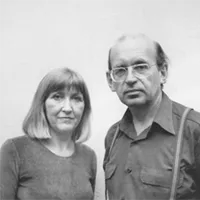
Bernd and Hilla Becher were an influential German artist duo who spent more than forty years collaborating on a monumental photographic project documenting the disappearing industrial architecture of Europe and North America. Working together from 1959 until Bernd’s death in 2007, they established a rigorous, objective approach to the medium that fundamentally altered the landscape of conceptual art and documentary photography.

The couple met at the Kunstakademie Düsseldorf in 1957, where Bernd was studying typography and Hilla was studying photography. Recognizing that the monumental structures of the industrial age, blast furnaces, cooling towers, gas tanks, water towers, and grain elevators, were rapidly being demolished, they began traveling to industrial regions like the Ruhr Valley in Germany, parts of France, Belgium, Great Britain, and the United States to systematically record them.

The Bechers developed a highly strict, uncompromising methodology to ensure absolute objectivity. They photographed exclusively on large-format film, using black-and-white emulsion to avoid the emotional distractions of color. They only shot on overcast days to eliminate dramatic shadows and bright highlights, minimizing any sense of time or seasonal shift. They positioned their camera at a uniform height to capture each structure from a neutral, dead-on perspective, stripping away any personal expression or romanticism.

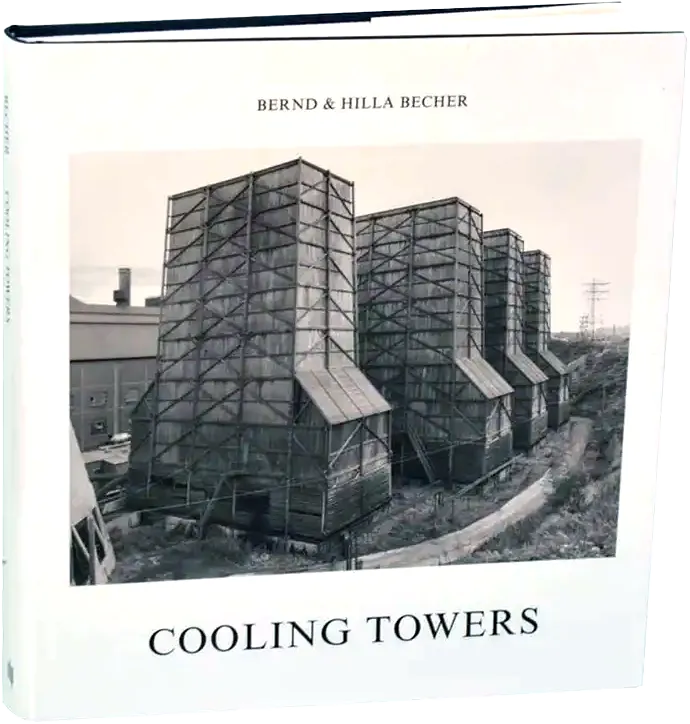
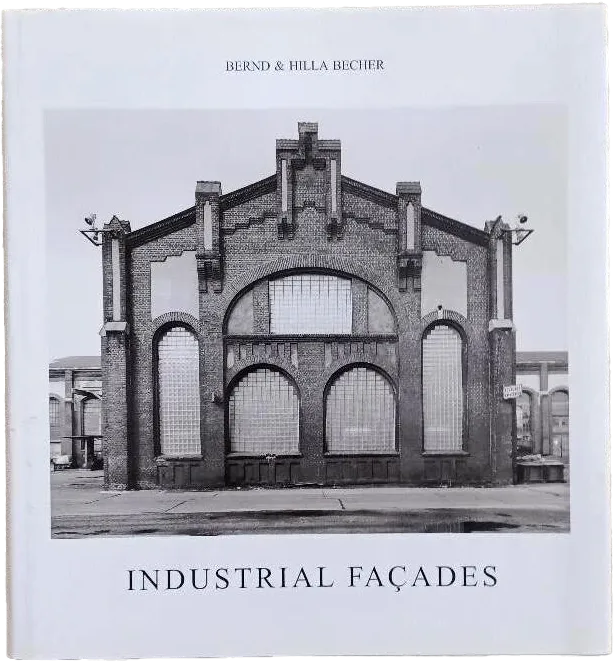
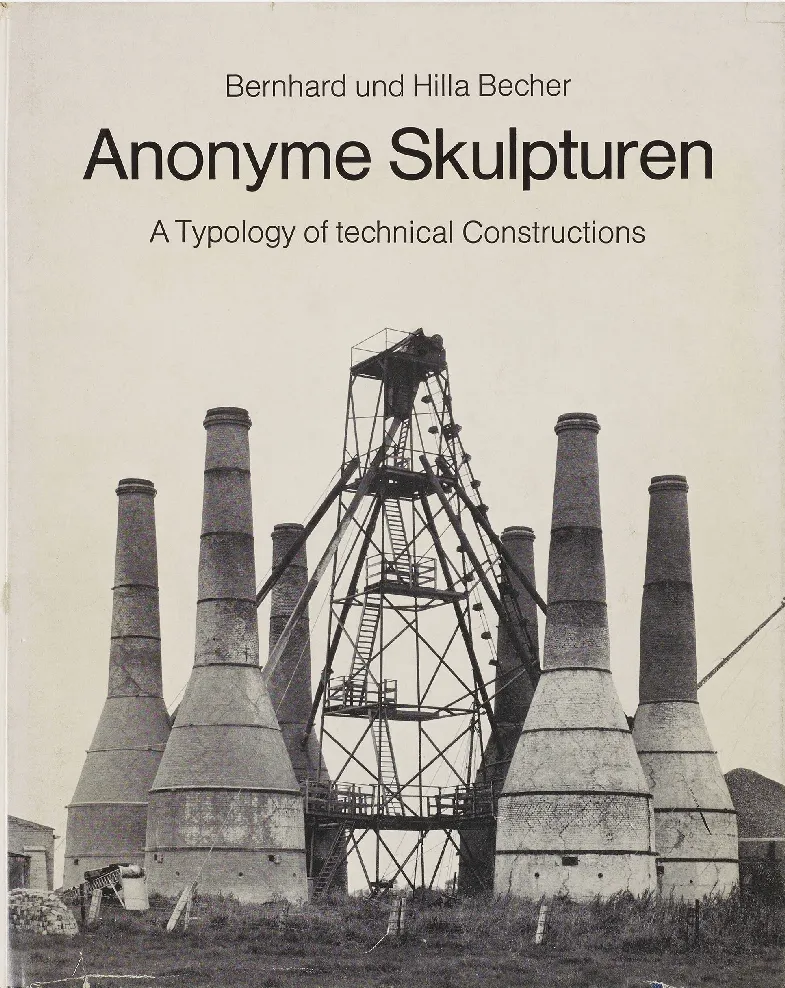
They organized their resulting prints into grid-like arrangements that they termed "typologies." By grouping similar structures together, such as a grid of nine distinct cooling towers or a series of industrial facades, the Bechers invited viewers to compare and contrast the functional variations of each form. This comparative approach highlighted what they famously referred to as "anonymous sculptures," revealing how utilitarian architecture, built without aesthetic intent, possessed inherent sculptural and structural beauty.

In 1976, Bernd Becher was appointed the first professor of photography at the Kunstakademie Düsseldorf. Together, Bernd and Hilla transformed the department into a major center of contemporary art. Their rigorous philosophy directly influenced a generation of students who became known globally as the Düsseldorf School of Photography (or the Becher School), which included acclaimed figures like Andreas Gursky, Thomas Struth, Candida Höfer, and Thomas Ruff.

The Bechers' work bridged multiple movements, heavily influencing both Minimalist sculpture and Conceptual art. In 1990, they were awarded the Grand Prize for Sculpture at the Venice Biennale, a historic recognition that underscored their ability to reframe documentary photography as three-dimensional conceptual analysis. Today, their typologies are preserved in major international museum collections, including the Museum of Modern Art in New York, the Tate Modern in London, and the Center for Art and Media Karlsruhe.

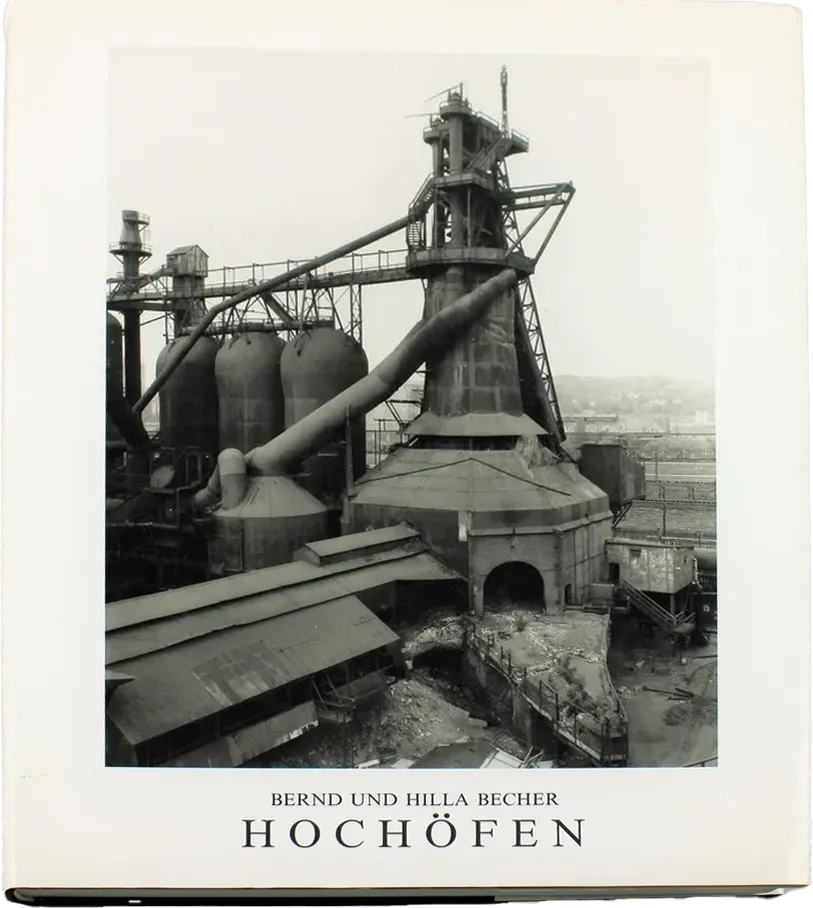
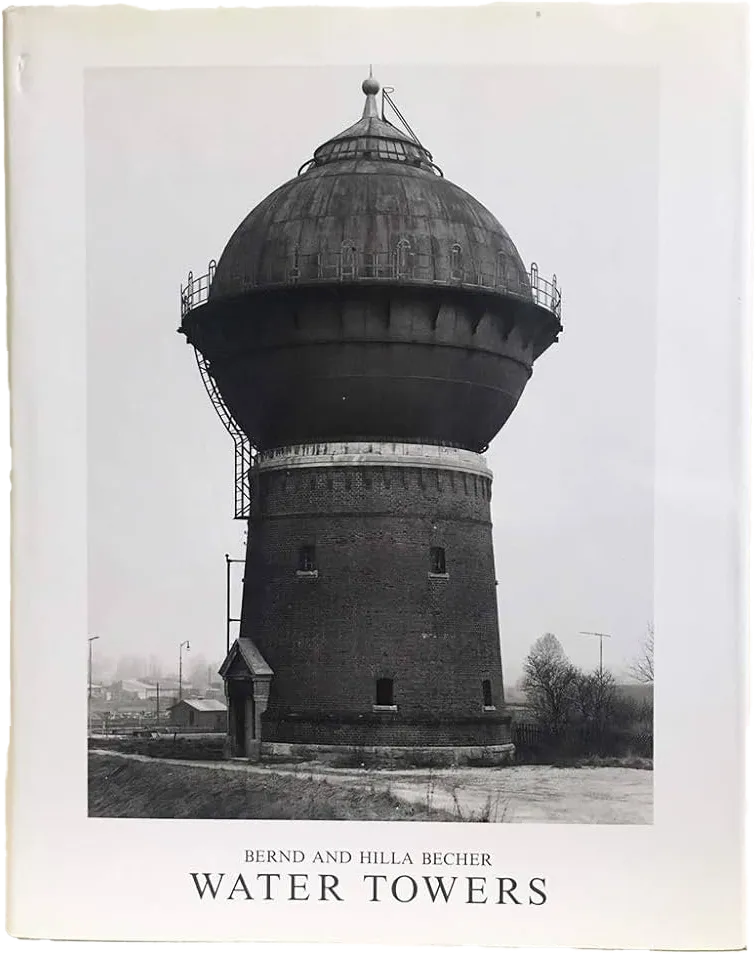
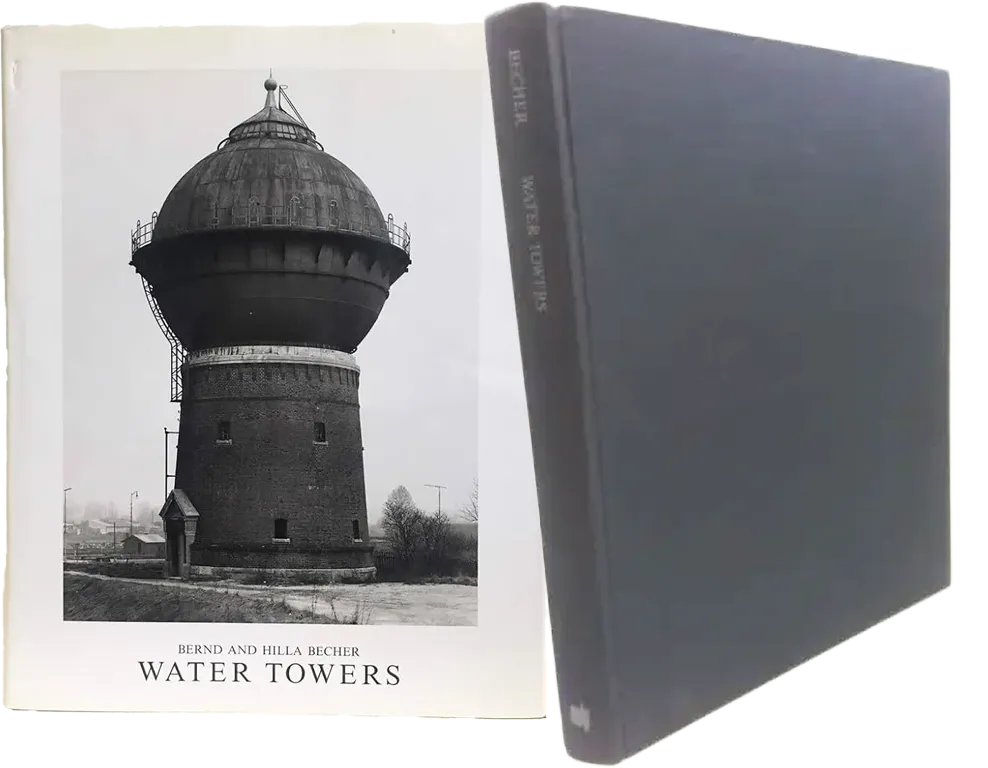
The Bechers’ extensive publishing career served as the definitive manifestation of their conceptual practice, transforming their lifetime of photographic surveys into highly collectible, structured volumes. Beginning with their seminal 1970 publication Anonyme Skulpturen (Anonymous Sculptures), which firmly established their architectural and artistic thesis, the duo systematically released a series of monographic books dedicated to specific industrial archetypes. Published primarily through Schirmer/Mosel, these titles, including Water Towers, Blast Furnaces, Gas Tanks, Framework Houses, and Cooling Towers, functioned as expansive catalogs of their strict, grid-based typologies. By presenting hundreds of variations of a single architectural form across uniform pages, these books allowed readers to study the structural nuances of industrial design in a layout that mirrored the experience of viewing their physical gallery installations, ultimately cementing the photobook format as an essential medium for their artistic legacy.