
%20Resized.webp)


Which art books, prints and posters are available by and about this artist? Here is a sample of items of interest to a typical collector:


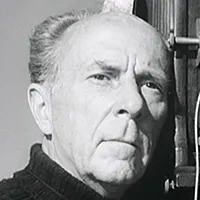
Edward Weston, American (March 24, 1886 – January 1, 1958)
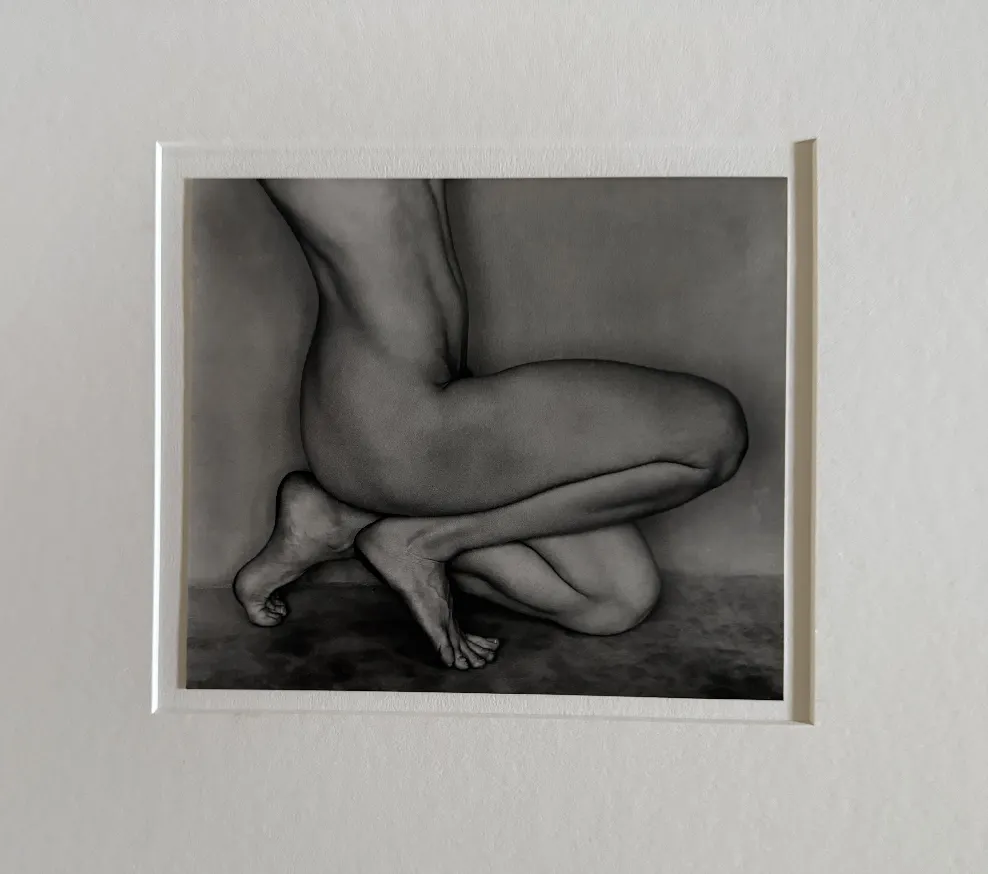
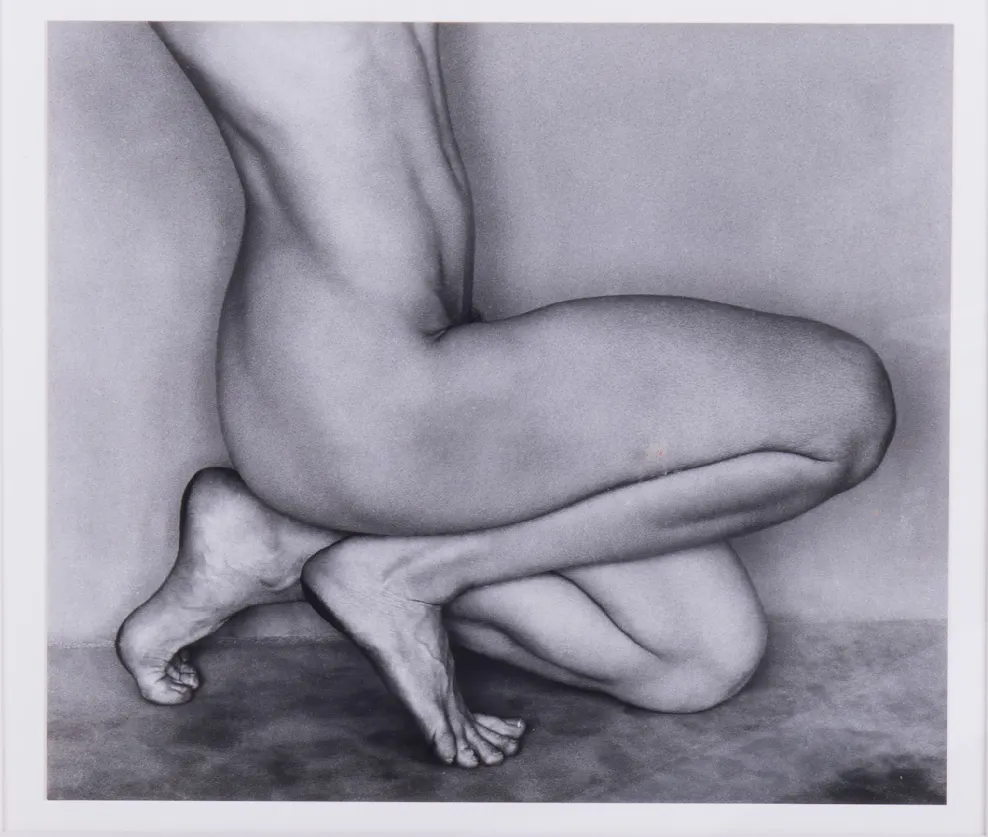
Weston was a pioneering American photographer widely regarded as one of the most innovative and influential masters of 20th-century modernism. Over a prolific 40-year career, Weston redefined the artistic potential of the medium, moving photography away from painterly imitation toward a sharp-focused, highly composed aesthetic that celebrated the natural forms of the American West.
Born in Highland Park, Illinois, Weston spent most of his youth in Chicago. His lifelong obsession with photography began at age 16 when his father gifted him a Bull's Eye #2 camera. He initially captured Chicago's parks and his aunt's farm before relocating to California in 1906. After a brief stint working as an itinerant door-to-door photographer, he returned east to formally attend the Illinois College of Photography. By 1911, he opened his own commercial portrait studio in Tropico (now Glendale), California, where he earned a strong reputation for his soft-focus, Pictorialist style.
By the early 1920s, Weston grew deeply dissatisfied with Pictorialism, seeking an unembellished, purist style that reflected modern life. A critical turning point occurred during his travels to Mexico (1923–1926), where he was heavily inspired by the bold, simplified forms of muralists like Diego Rivera and Jose Orozco.
Upon returning to California, Weston cemented his signature style: highly detailed, sharply focused, large-format imagery. In 1932, alongside Ansel Adams, Imogen Cunningham, and Willard Van Dyke, he co-founded Group f/64. The group championed "straight photography", images printed from unmanipulated negatives that leveraged maximum depth of field and ultimate visual clarity.
Weston treated ordinary objects with an intense aesthetic rigor that transformed them into abstract, almost sensual sculptures. His most notable portfolios include:
In 1937, Weston became the first photographer to receive a Guggenheim Fellowship for experimental work, using the funds to travel and photograph extensively across the American West. He later provided the photographic illustrations for a special edition of Walt Whitman's Leaves of Grass in 1941.
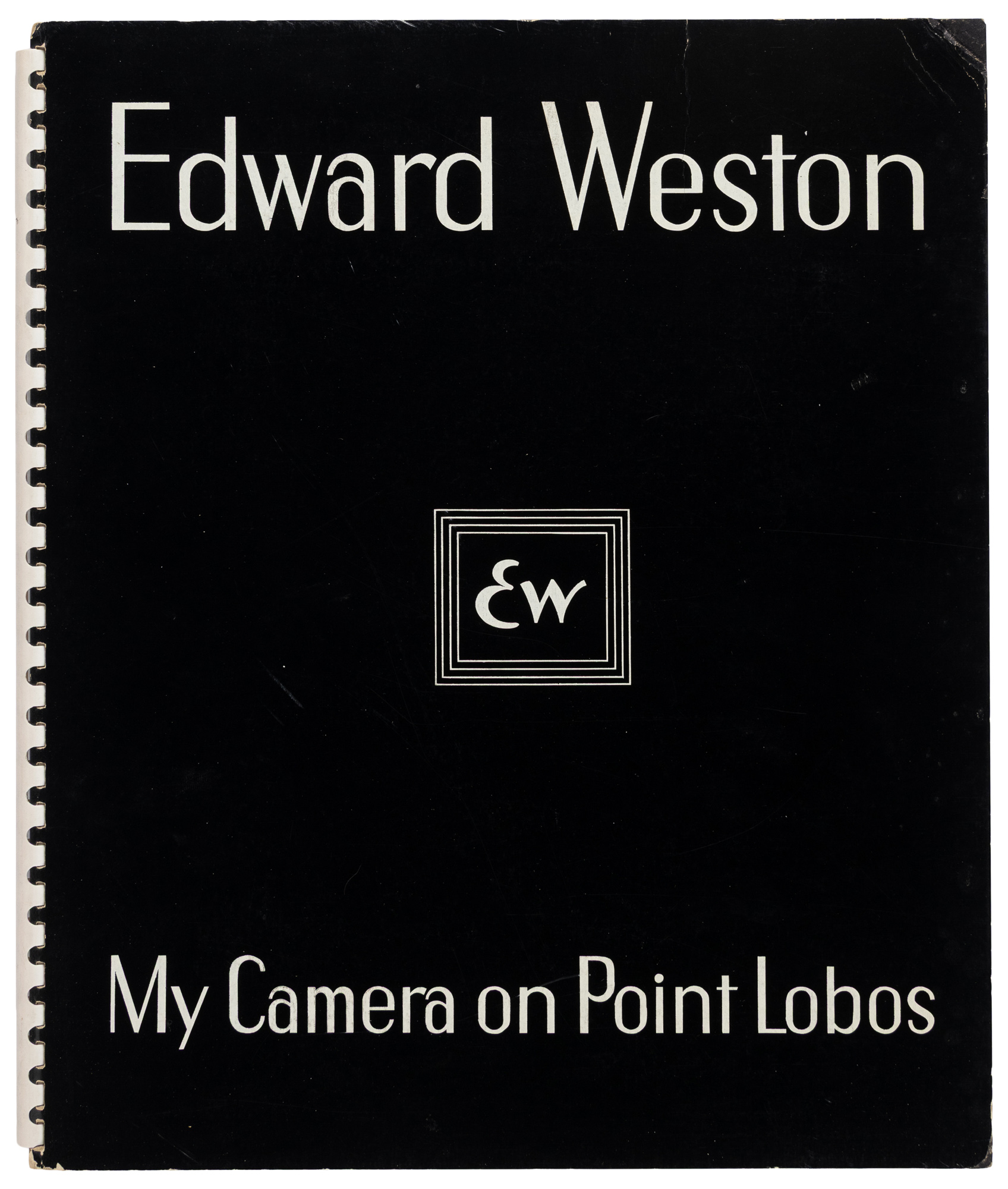
Weston began experiencing symptoms of Parkinson's disease in the mid-1940s and was forced to snap his final photograph at Point Lobos in 1948. Unable to operate a camera, he spent the last decade of his life at his home on Wildcat Hill in Carmel, California, meticulously supervising his sons, Brett and Cole Weston, as they printed his life's masterwork negatives. Weston passed away on New Year's Day in 1958, leaving behind his extensively published personal journals, known as the Daybooks, which remain seminal literature on the photographic craft.

