
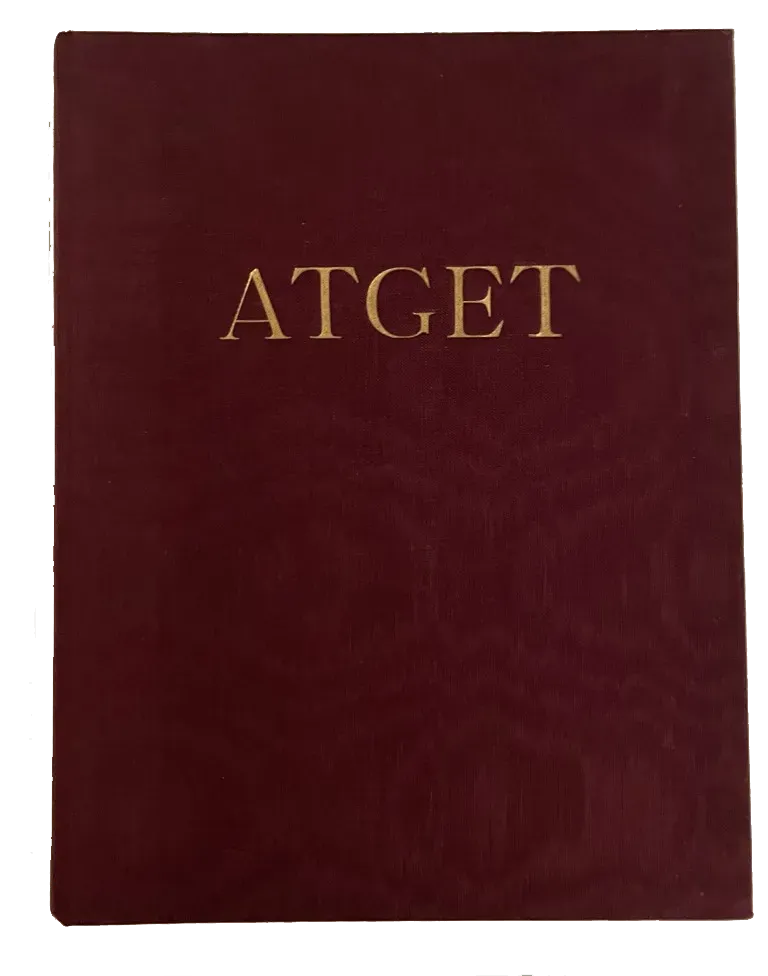


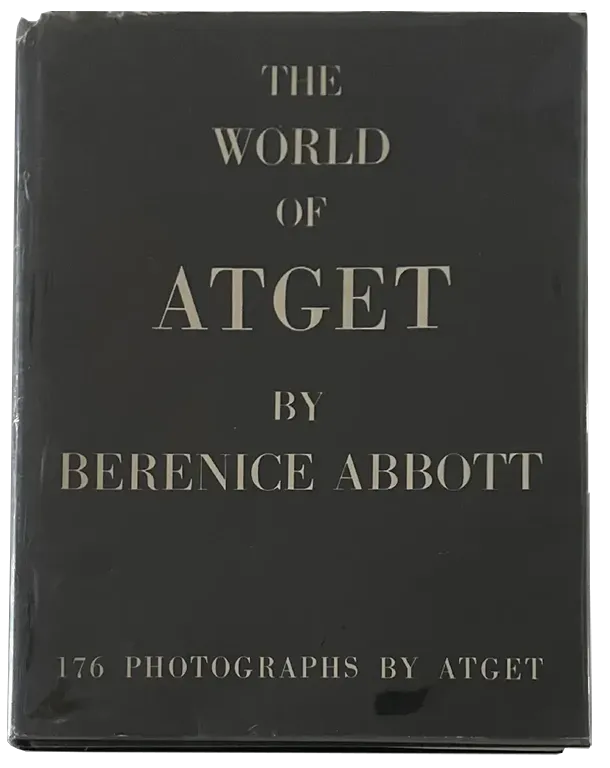
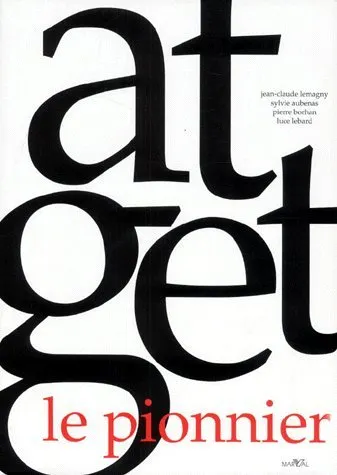
Which art books, prints and posters are available by and about this artist? Here is a sample of items of interest to a typical collector:

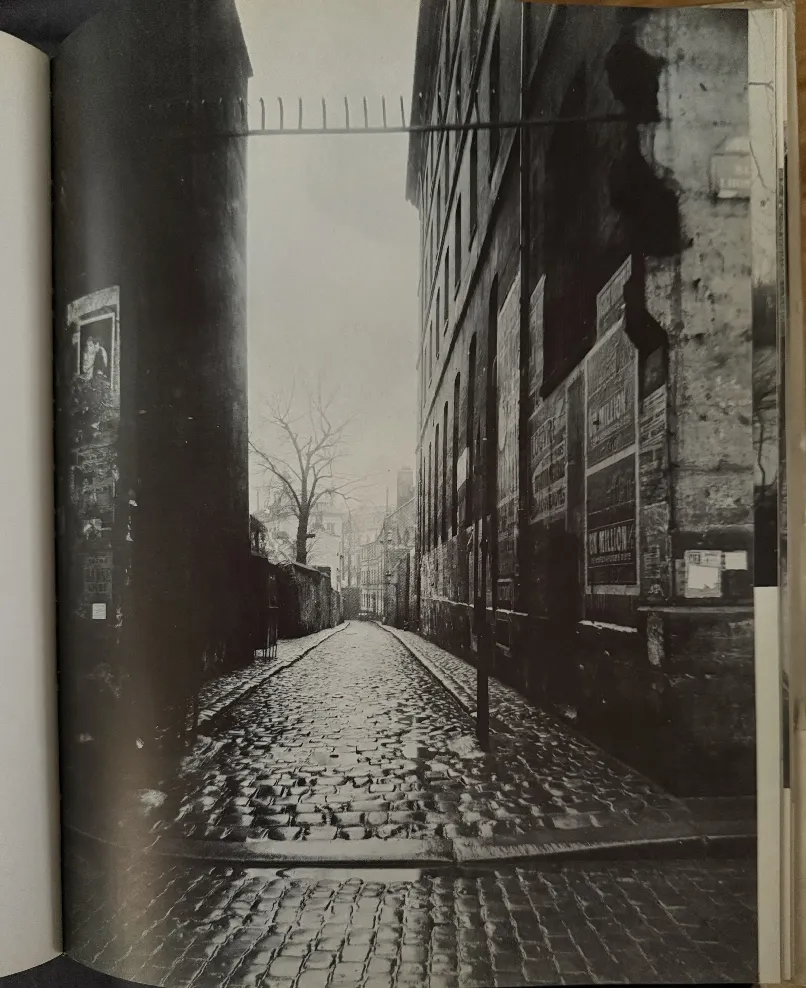
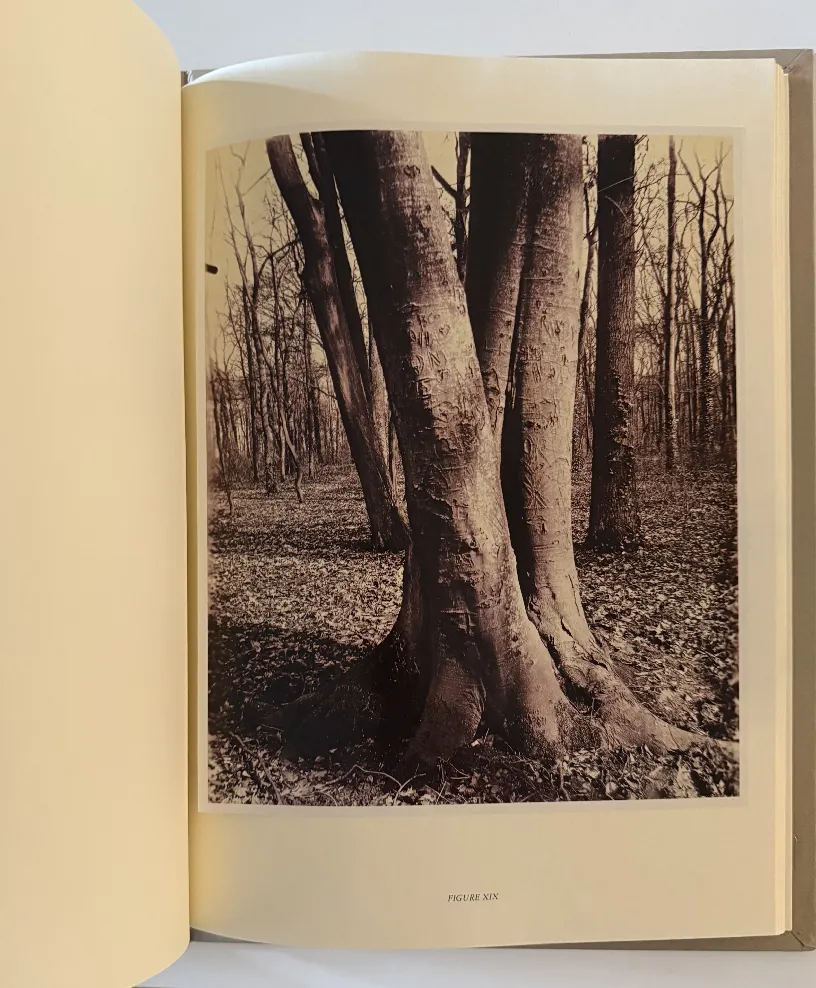

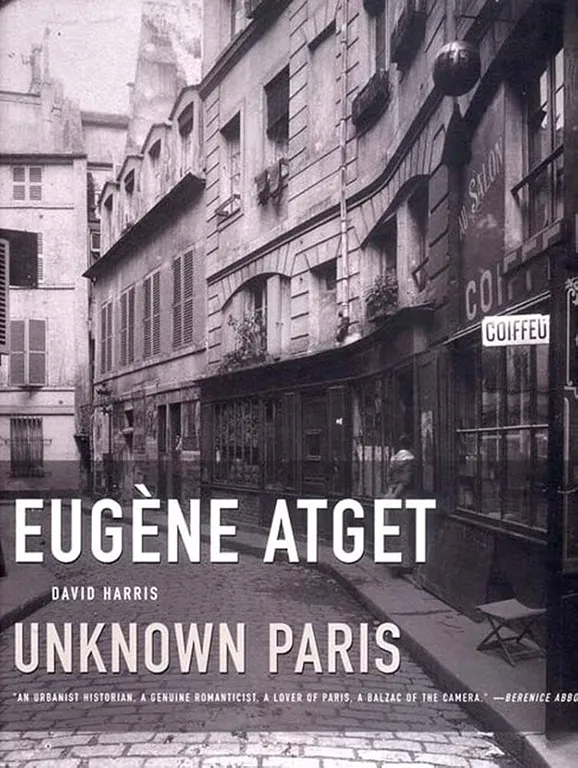
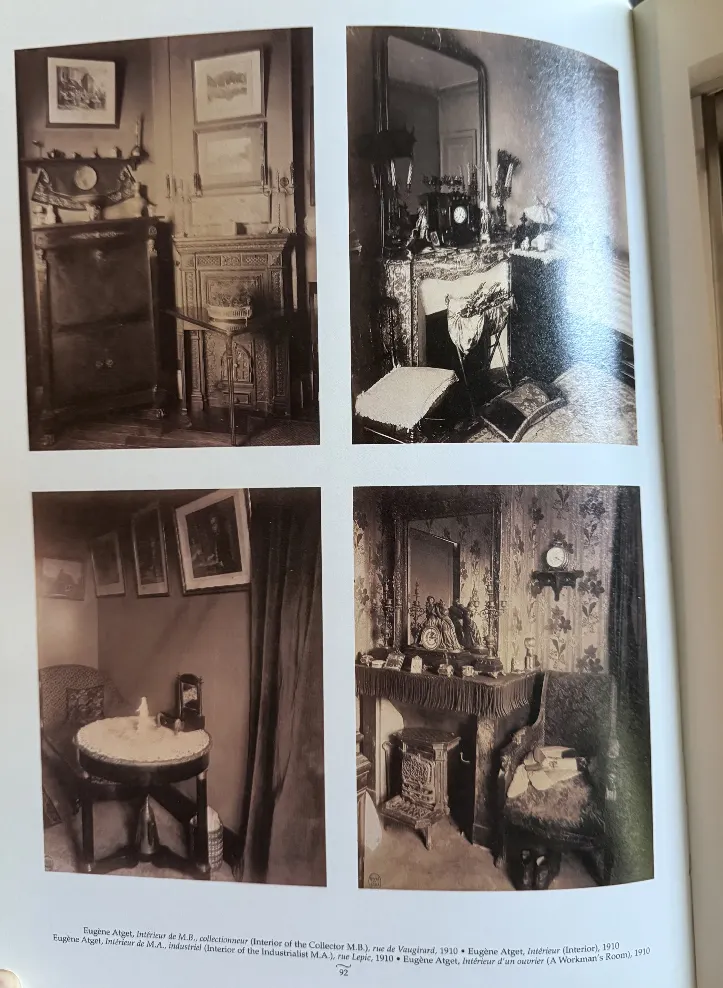
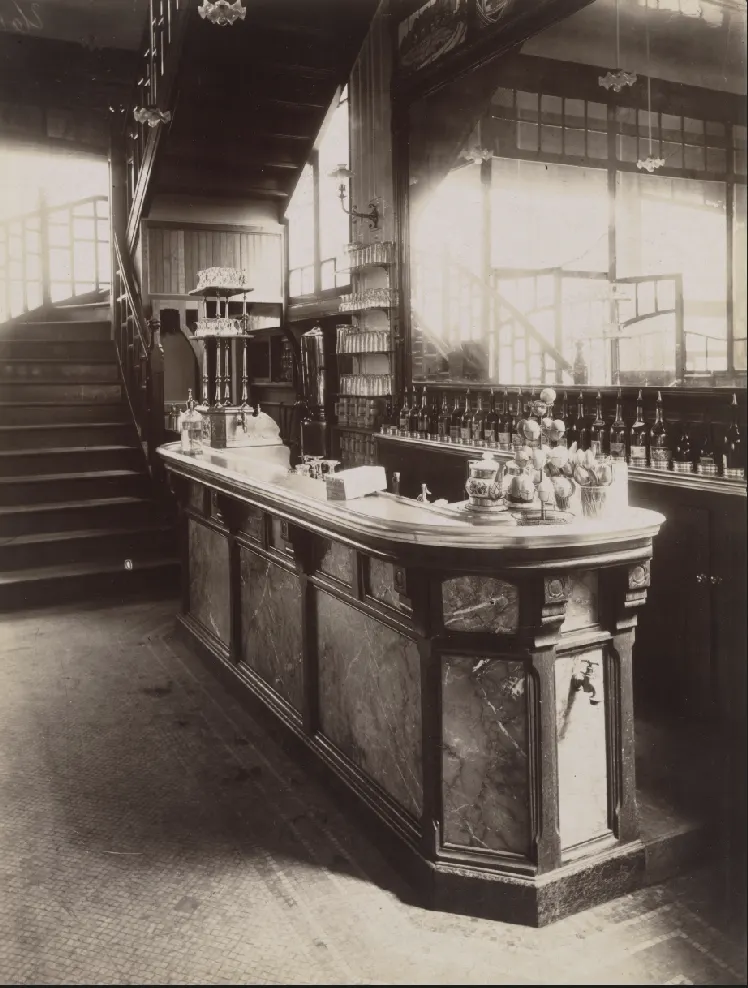

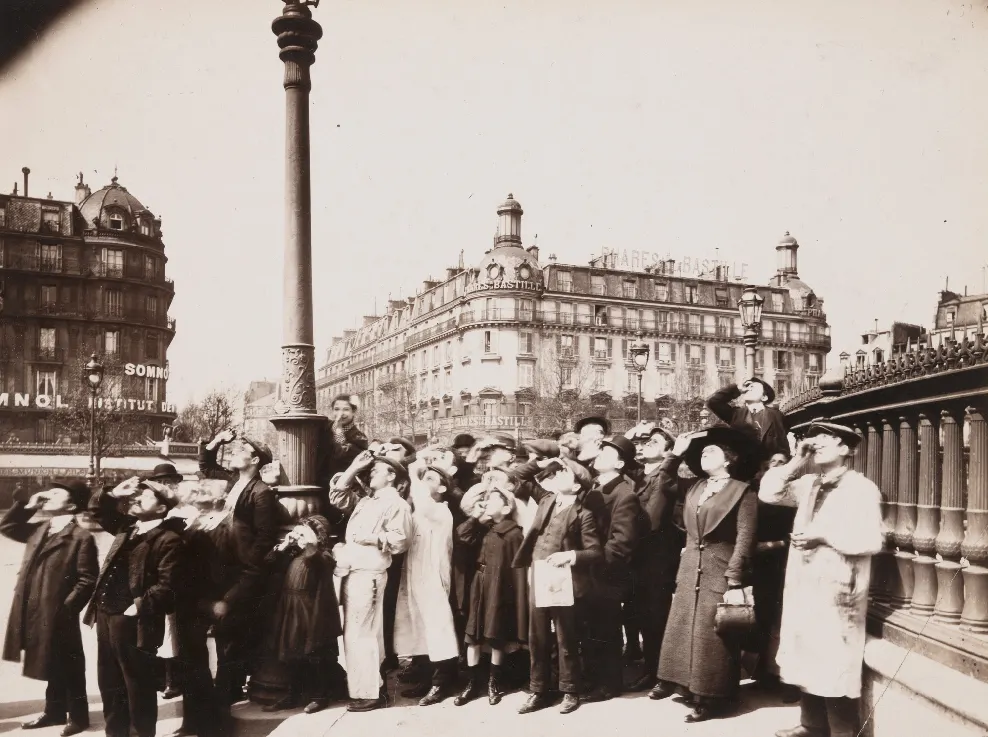
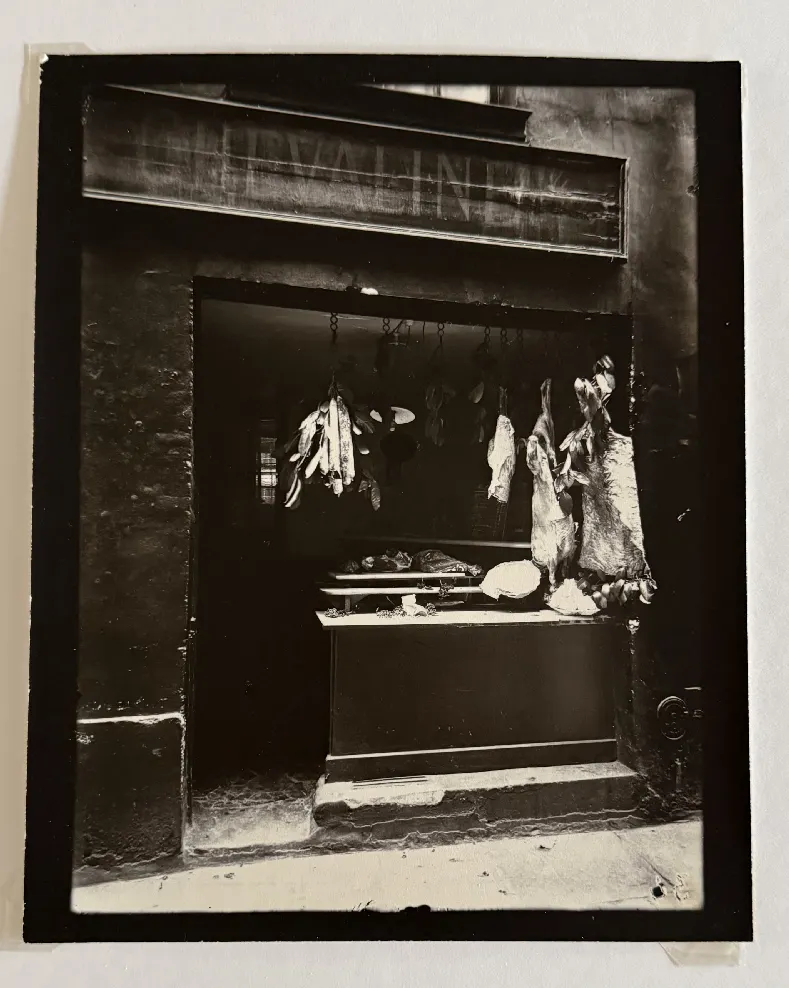
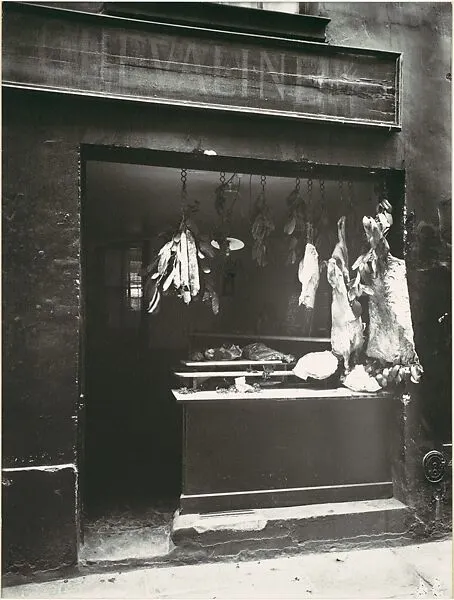
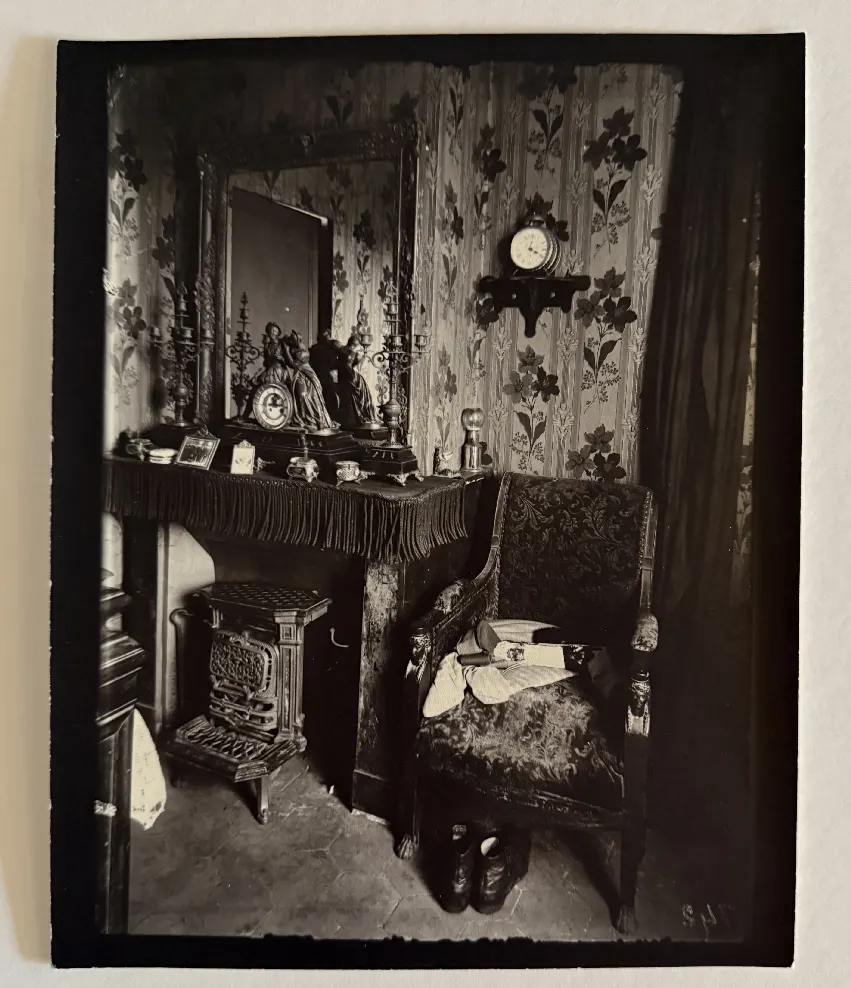
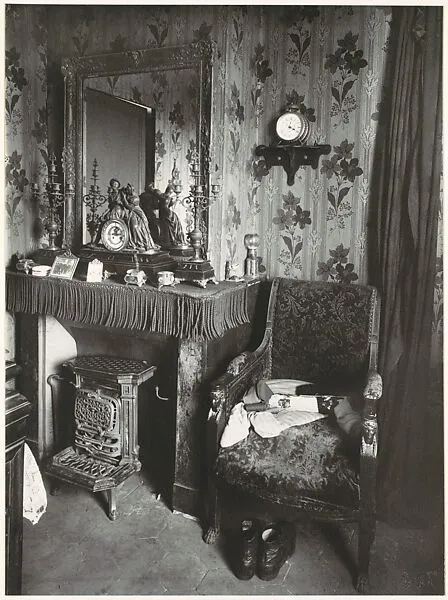
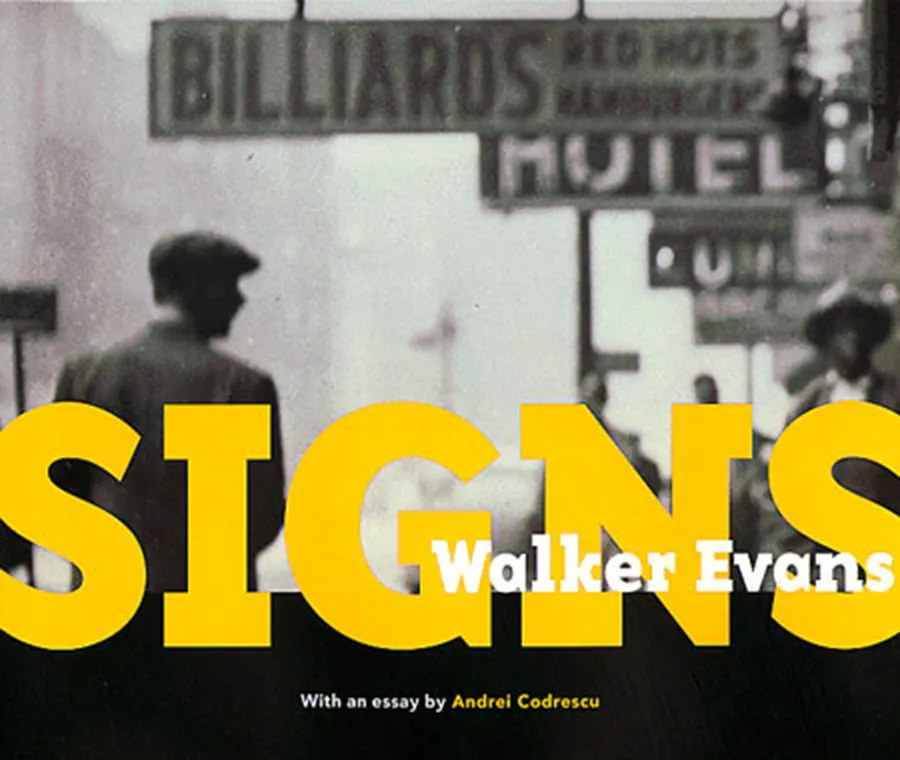
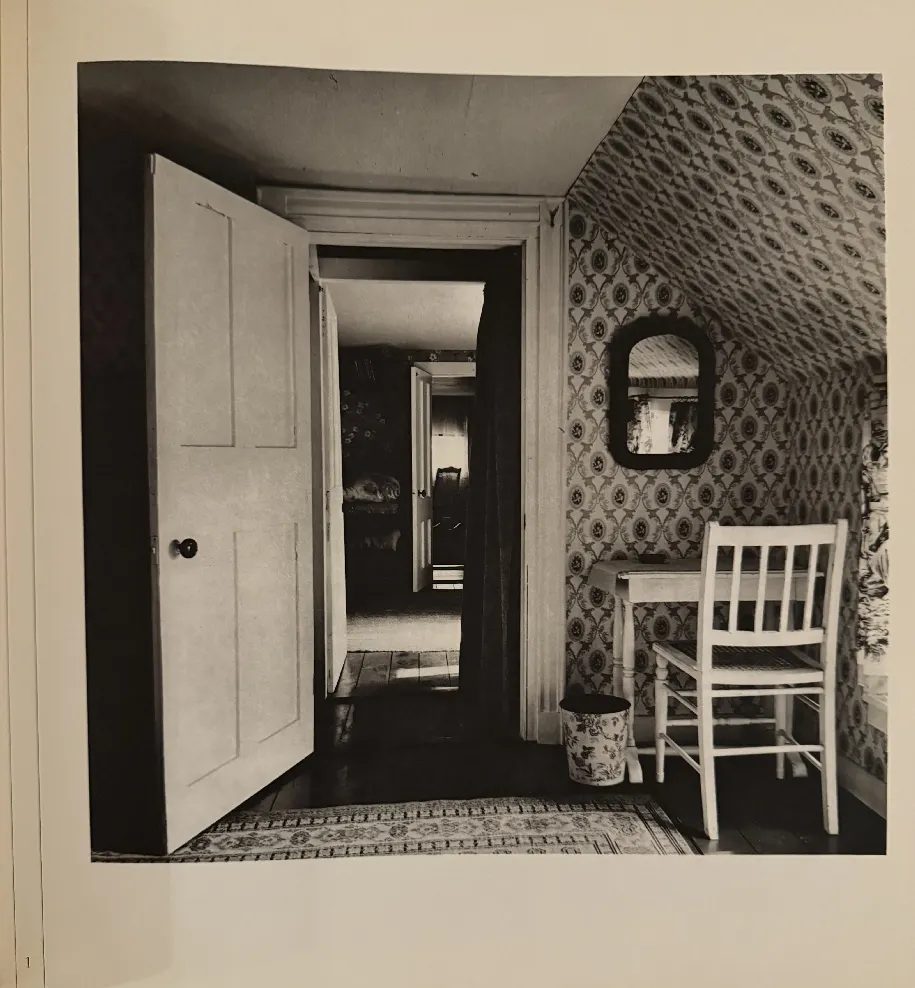
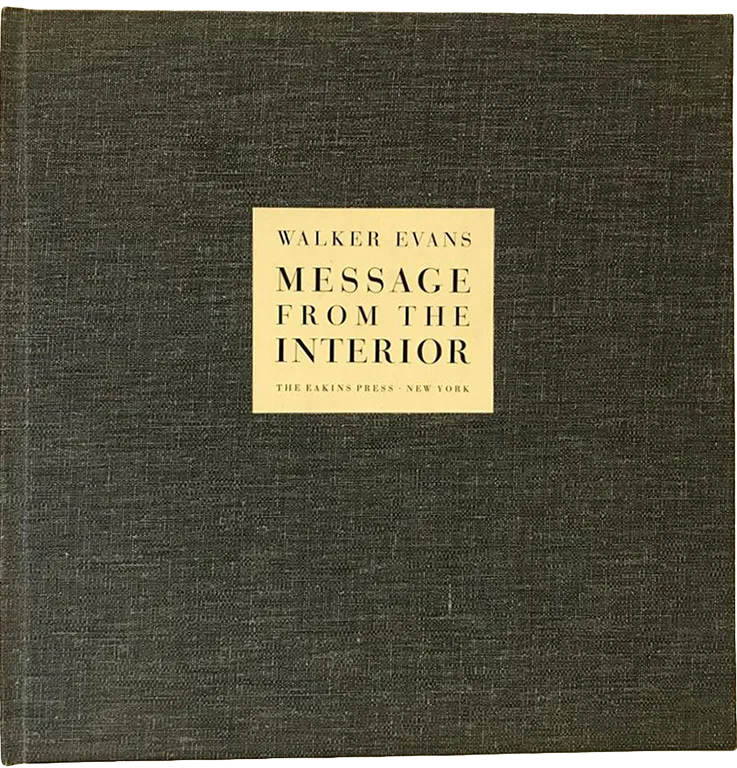

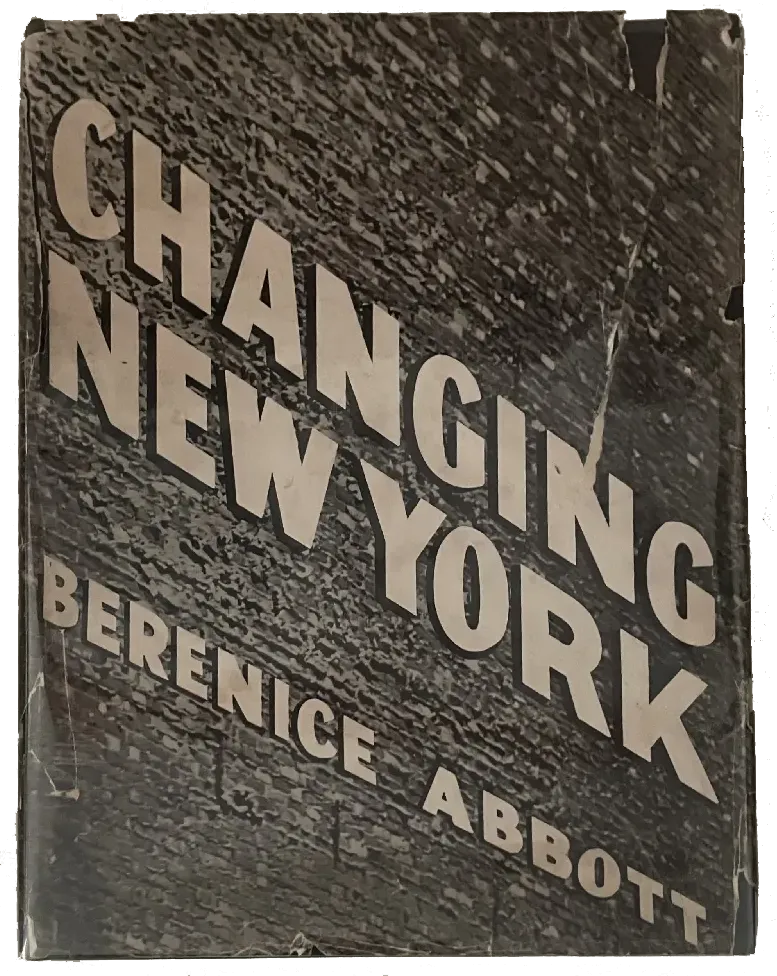


A gelatin silver print of the image in Plate 37 is included in the BSS collection.
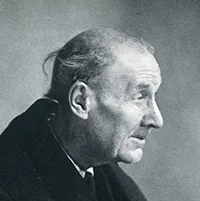
Eugène Atget, French (February 12, 1857 – August 4, 1927)
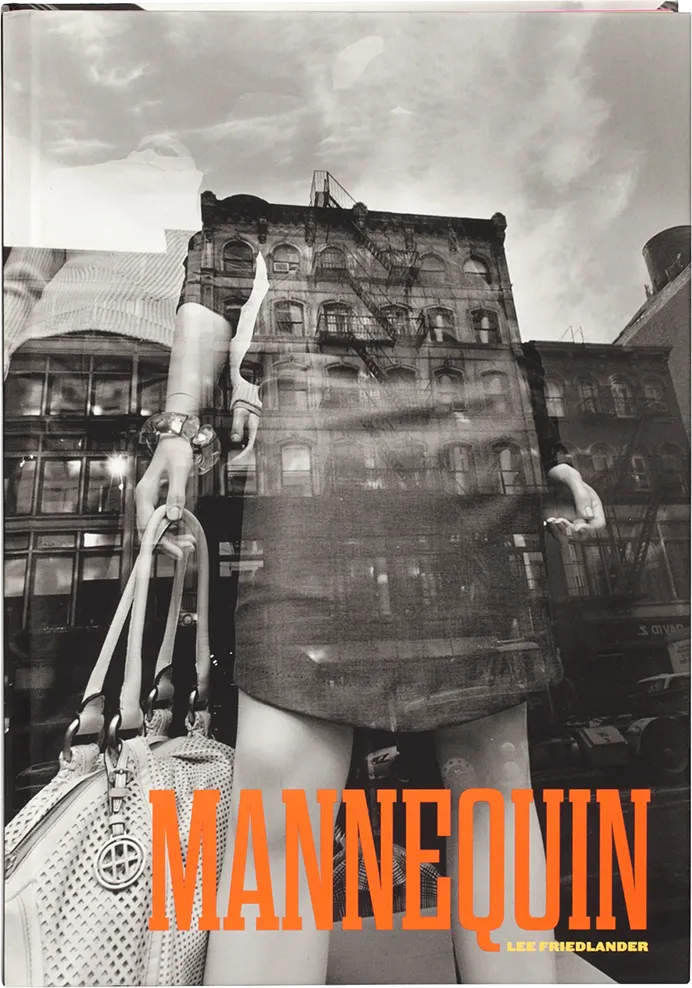
Atget is celebrated as a pioneer of documentary photography, particularly for his exhaustive visual cataloging of Paris’ architecture, streets, and vanishing trades during a time of profound urban transformation. However, his photography was later recognized as a cornerstone of modern photography, profoundly influencing generations of photographers, including Walker Evans, Henri Cartier-Bresson, and Lee Friedlander.
Orphaned at a young age, Atget was raised in Bordeaux by his grandparents. After a brief stint in the merchant navy and a struggling career as an actor, he took up photography in the late 1880s, initially providing reference images for artists, architects, and stage designers.
By the late 1890s, Atget embarked on a monumental personal project to systematically photograph “Old Paris,” including its streets, historic buildings, parks, and everyday urban scenes—creating thousands of images that served both as historical records and everyday documents.
Atget preferred sharp, detailed composition over the softer, painterly styles of his era. His works—rarely featuring people—focused on storefronts, courtyards, façades, and parks, capturing the city as a stage frozen in time.
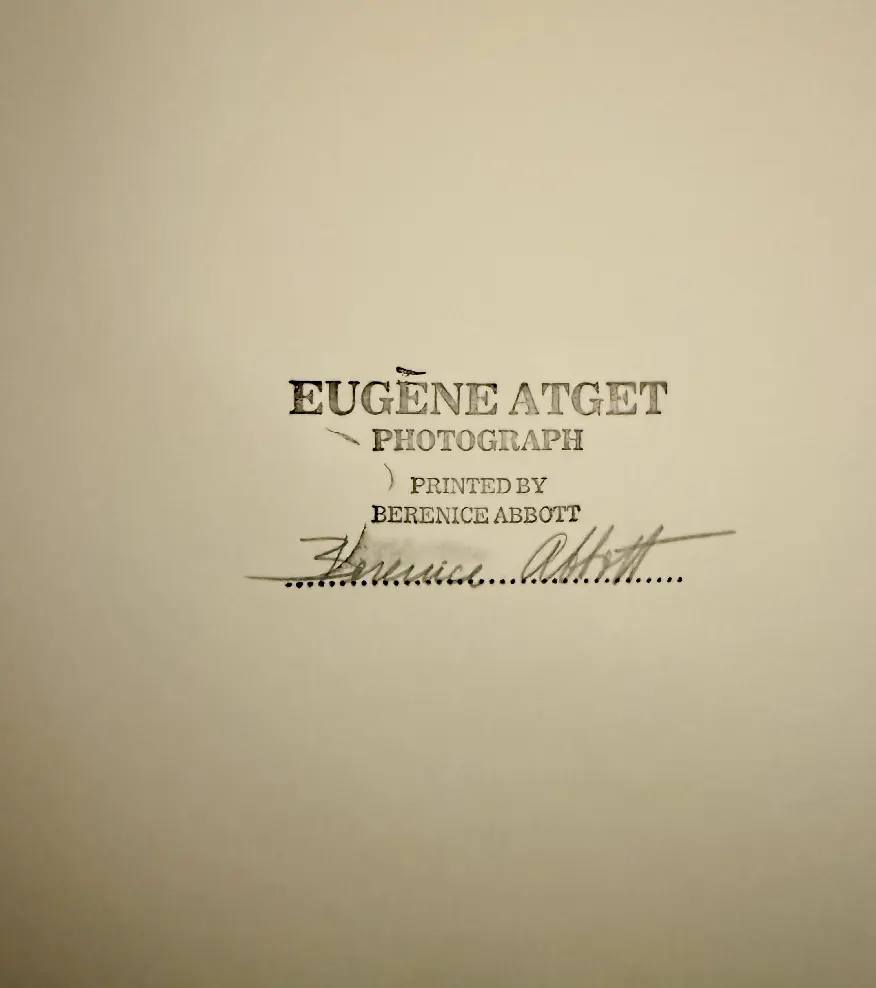
Though hardly celebrated during his lifetime, his work gained posthumous recognition largely thanks to Berenice Abbott, who acquired many of his negatives, championed his artistic value, and helped introduce Atget’s oeuvre to broader audiences—most notably through exhibitions and publications in the mid-20th century.
Today, Atget is regarded as a foundational figure in the history of photography—his vision both documentary and subtly poetic, offering an intimate and archival reflection of a Paris on the verge of vanishing into modernization.

