

Which art books, prints and posters are available by and about this artist? Here is a sample of items of interest to a typical collector:




Lee Shulman British, b. 1973
Shulman is a visual artist, filmmaker, and founder of The Anonymous Project, one of the most significant archives of vernacular color photography in existence. Since 2017, the project has amassed nearly one million Kodachrome slides from the 1940s to the early 2000s — intimate, everyday images that might have otherwise been lost to time. Through curation and transformation, Shulman reanimates these personal photographs, weaving them into compelling narratives that explore memory, family, love, and cultural shifts across generations.
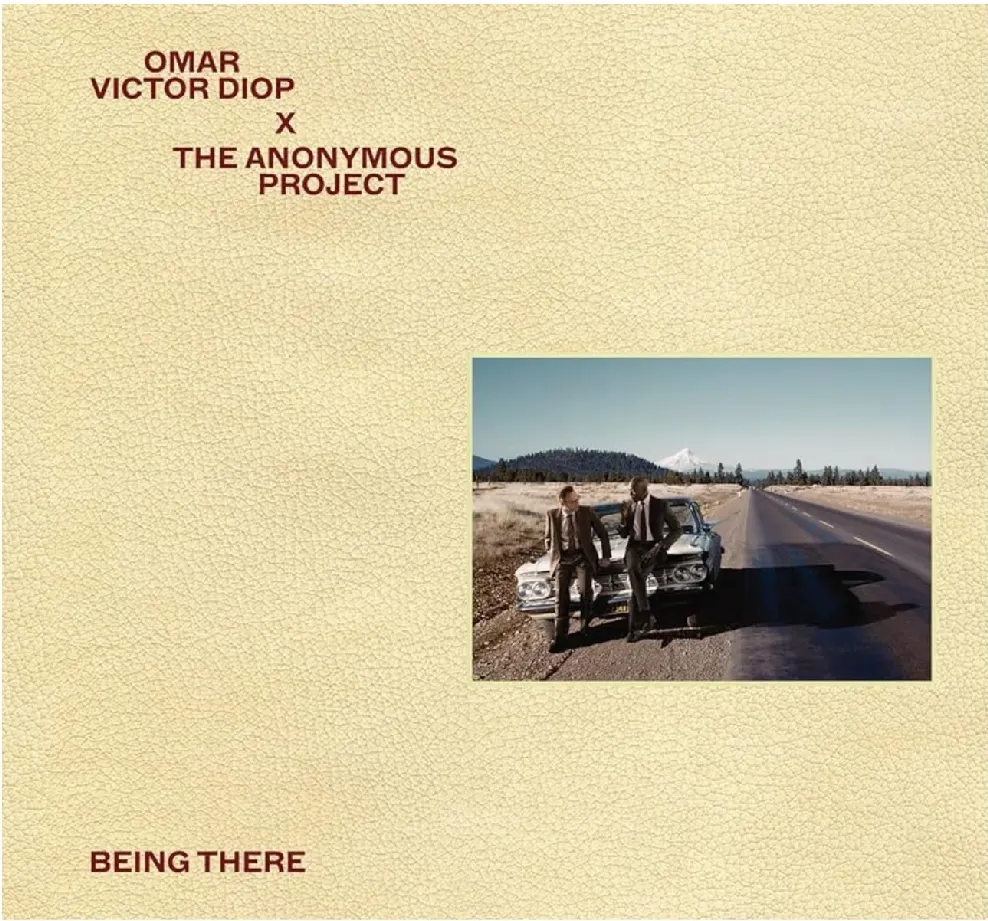
Shulman’s practice is deeply rooted in preservation and reinvention. His work takes many forms that reimagine the original slide, from Cibachrome prints and lightboxes to immersive installations and digital interventions. By placing vintage snapshots in a contemporary context, he invites reflection on our shared visual history and its resonance today. In an era where photographs are increasingly created and consumed digitally, his sculptural works — such as jewel boxes containing unique vintage slides — underscore the enduring connection between photography, memory, and materiality. Collaboration is integral to his approach, and he has worked closely with artists such as Omar Victor Diop and Martin Parr to expand the project’s dialogue.
At its core, Shulman’s work engages with one of photography’s most democratic qualities: its accessibility. His practice follows in the lineage of artists and curators such as Walker Evans, Robert Frank, Stephen Shore, and John Szarkowski, who championed the raw immediacy of the amateur snapshot. However, Shulman takes this engagement a step further, embracing the anonymous and collective nature of these images to build a living archive of modern life. As he puts it, “Photography is for people, not just for people who work in photography.”
Vernacular photography has long flourished through storytelling and a playful sense of wit, often revealed in the sequencing of family albums. This narrative impulse is at the core of Shulman’s work, inviting viewers to piece together their own stories from the images he assembles. His expertise in film informs his cinematic approach, with his photographs often reading as single frames from an unseen film. This extends beyond photography; he continues to direct films as part of his practice, including I Am Martin Parr (2024) and Being There (2025).
Shulman lives and works in Paris. His work has been exhibited internationally, including at the Venice Biennale and Rencontres d’Arles, and is held in major collections such as the Getty Museum in Los Angeles and Photo Elysée in Lausanne. As of 2025, fourteen monographs of Lee Shulman & The Anonymous Project's work had been published.


Lee Shulman’s Golden Memories draws upon The Anonymous Project, an extensive and ongoing archive he founded in 2017 that currently preserves nearly one million anonymous Kodachrome slides dating from the 1940s to the early 2000s. These photographs originate primarily from amateur photographers across the United Kingdom, the United States, and Western Europe, capturing the unvarnished rhythms of everyday mid-century domesticity, suburban leisure, family holidays, and quiet domestic rituals that were captured entirely for personal archives rather than public exhibition.
Thematic exploration centers on the collective nature of memory and the democratization of the photographic medium. By extracting these forgotten slides from flea markets, estate sales, and shoe boxes, Shulman transforms private mementos into a shared, universal mirror of modern existence. The work investigates how ordinary people document their own lives, capturing spontaneous gestures, shifting fashions, and domestic environments charged with nostalgia. Rather than highlighting a single individual's authored vision, the project operates as an archeological excavation of the twentieth-century subconscious, examining how collective memories are constructed, retained, and ultimately passed down through physical photographic objects.
Aesthetic presentation in Golden Memories emphasizes the tactile materiality of vernacular photography. Utilizing a distinct spiral-bound photobook format, the design mirrors the intimacy of personal scrapbooks and family albums. This physical structure heightens the sense of tactile engagement with printed matter, contrasting sharply with contemporary digital consumption and reinforcing the physical fragility and permanence of mid-century color transparency film.