
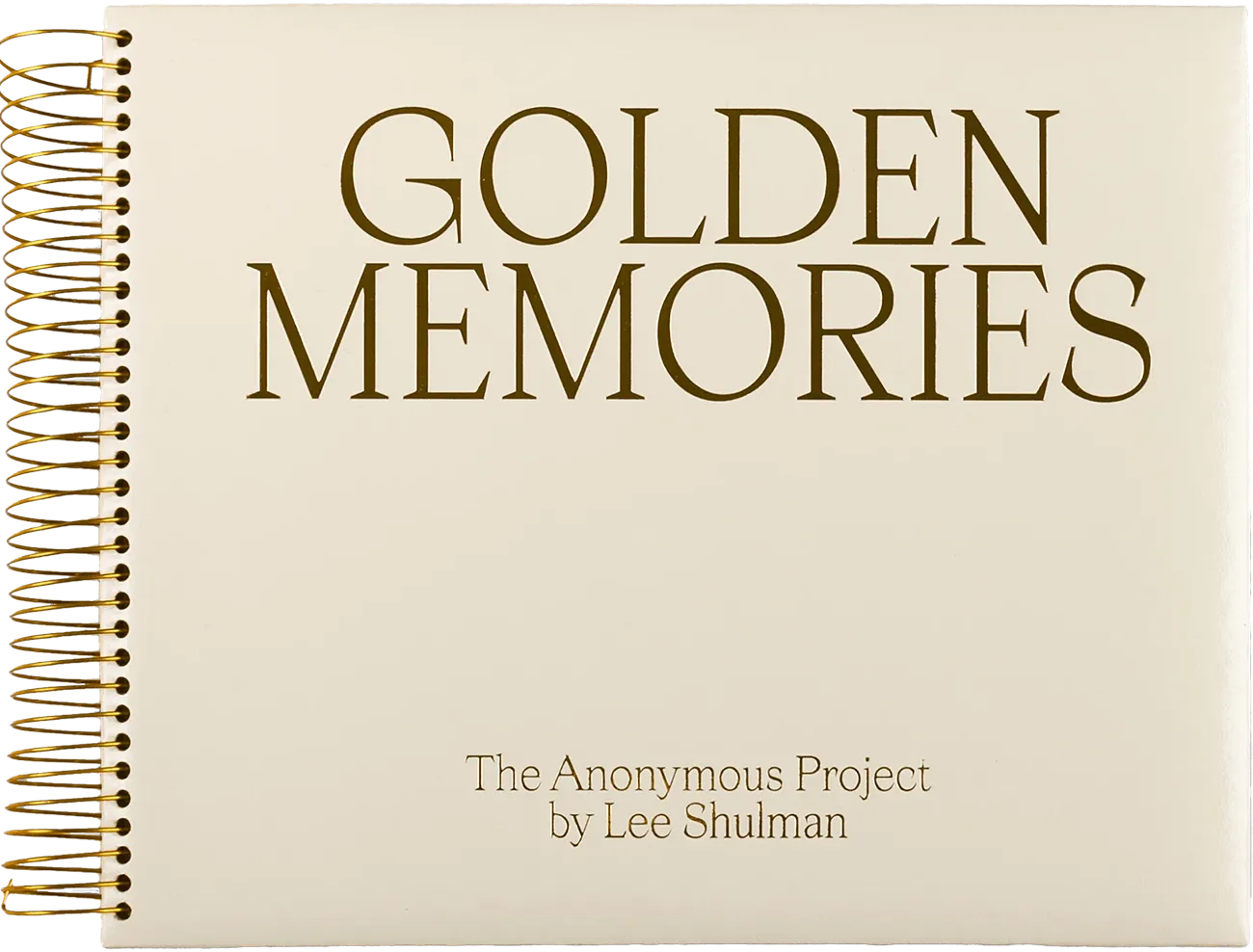
Spiral bound
ISBN:
9791280978240


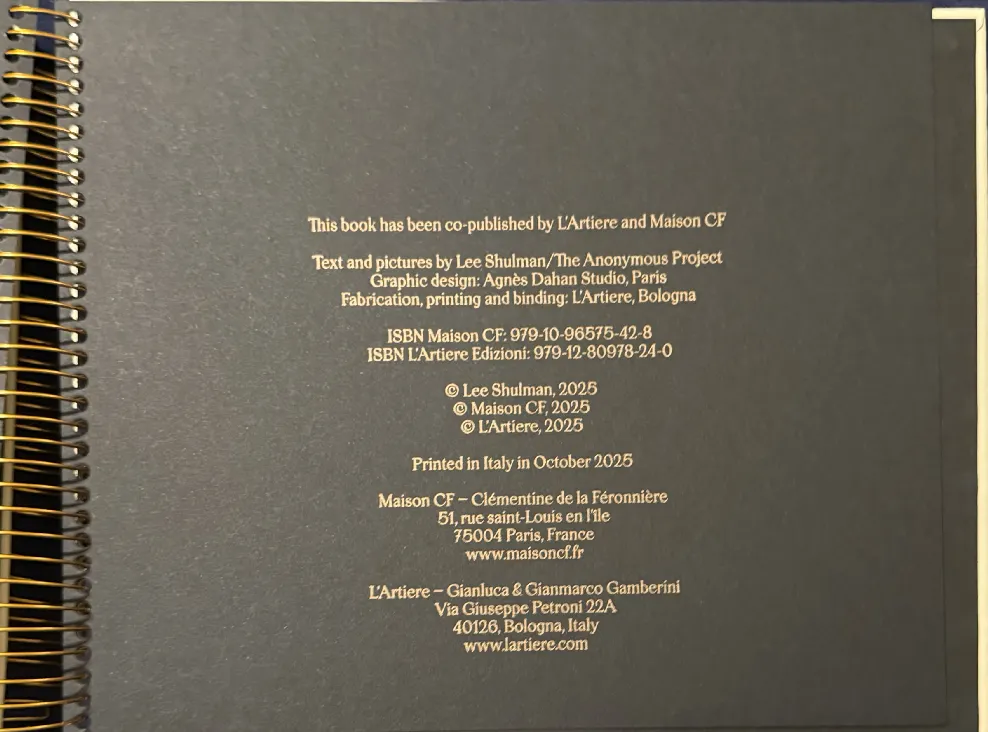
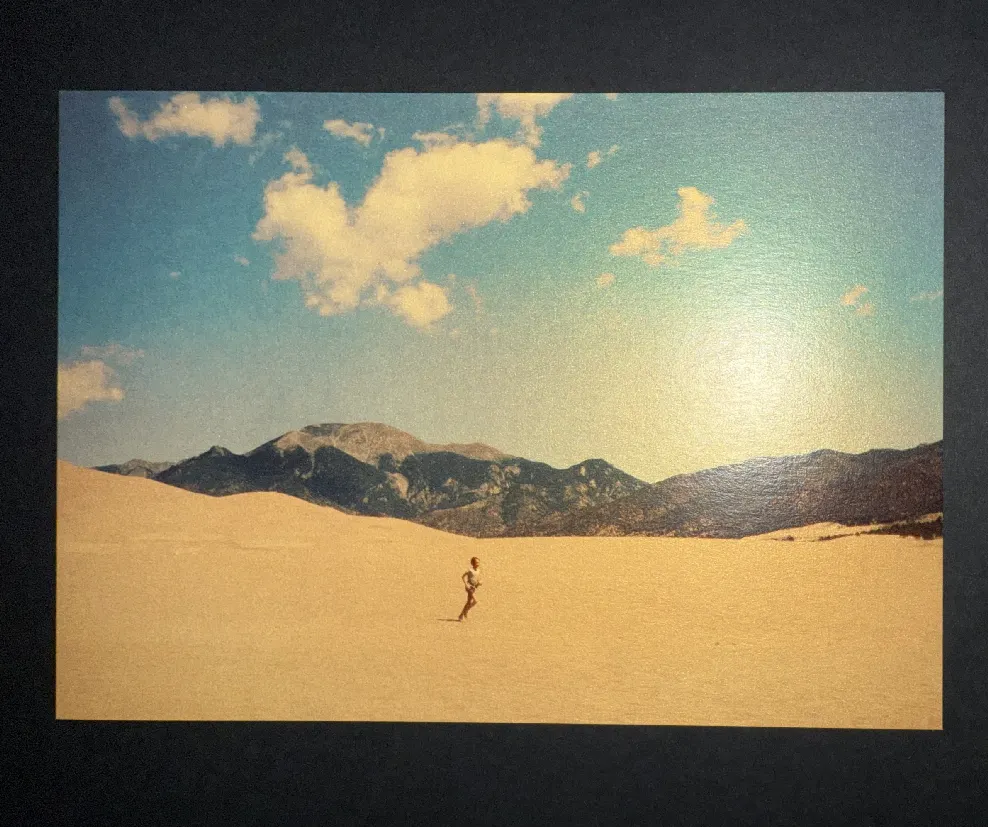
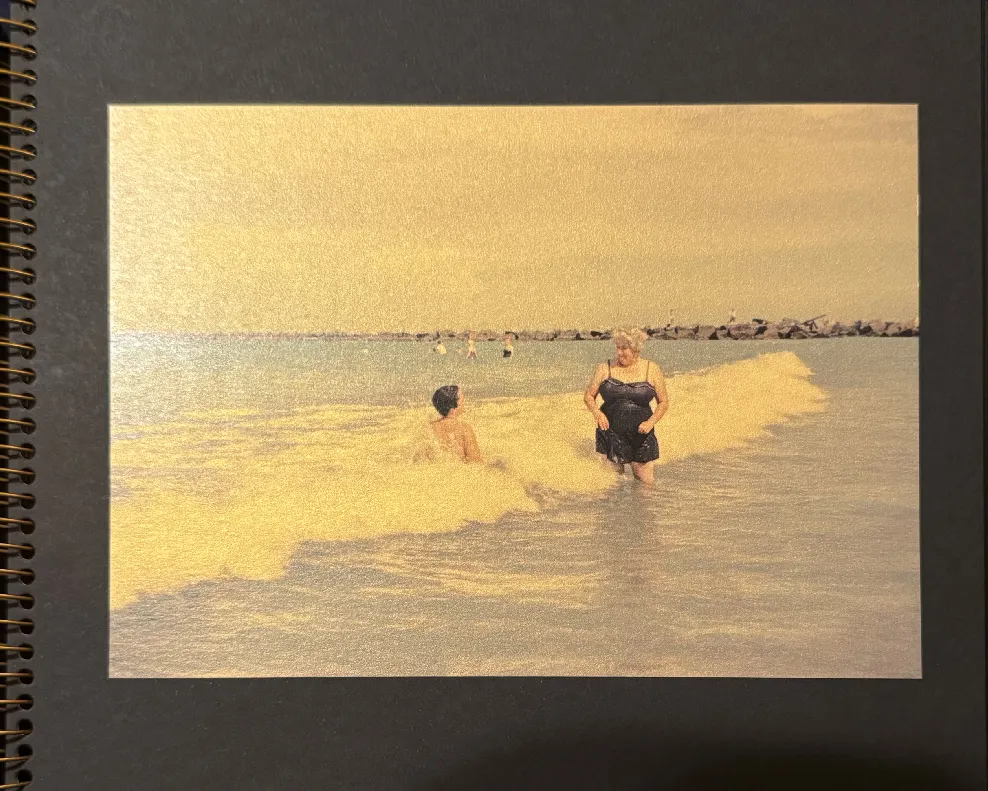
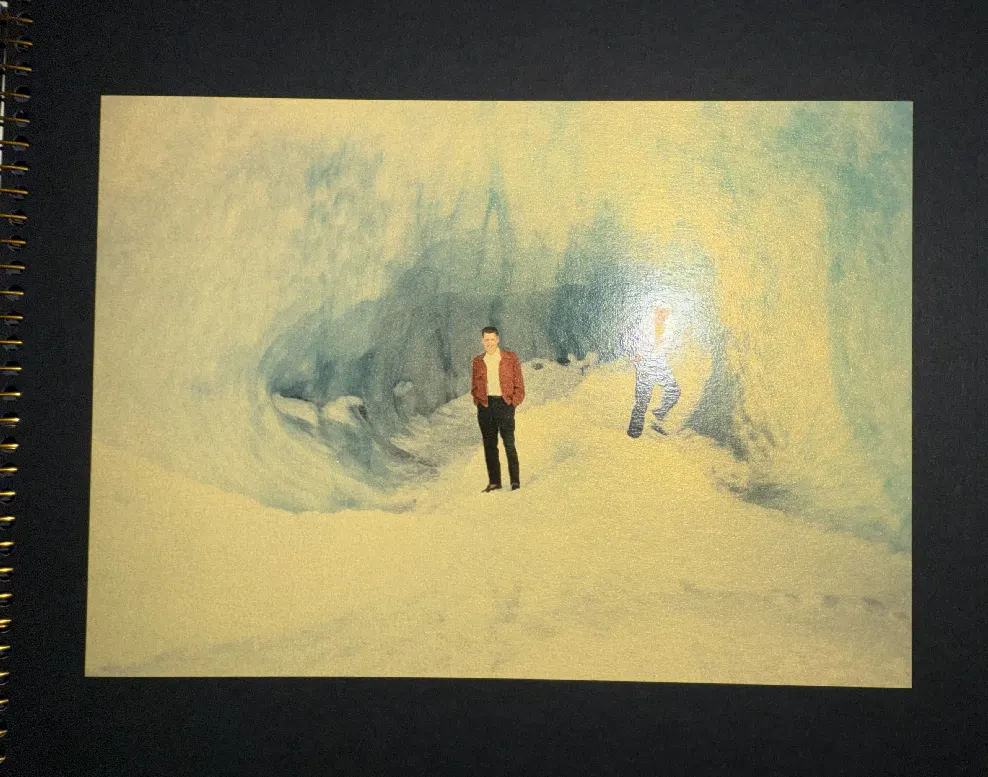
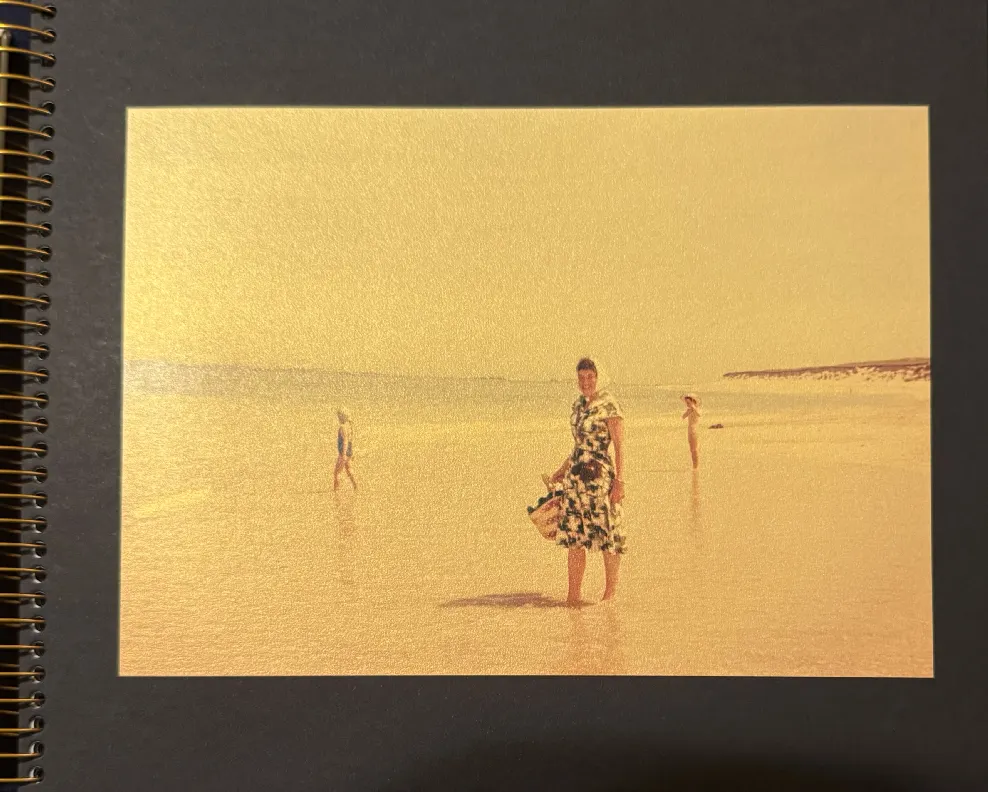
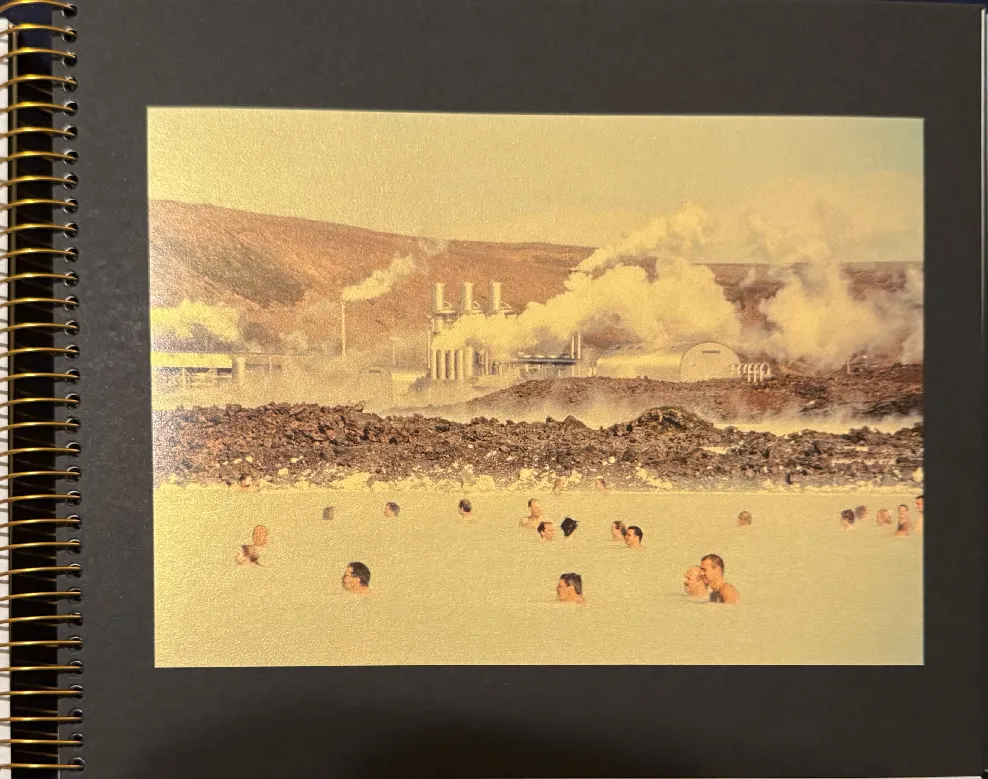
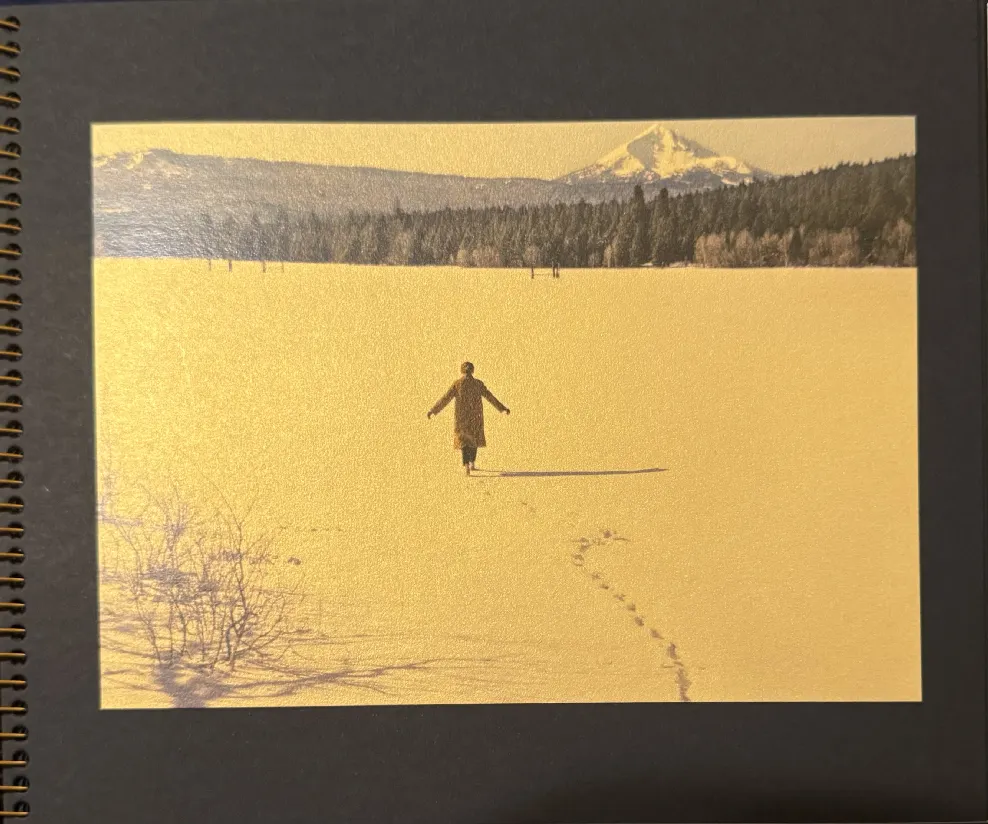
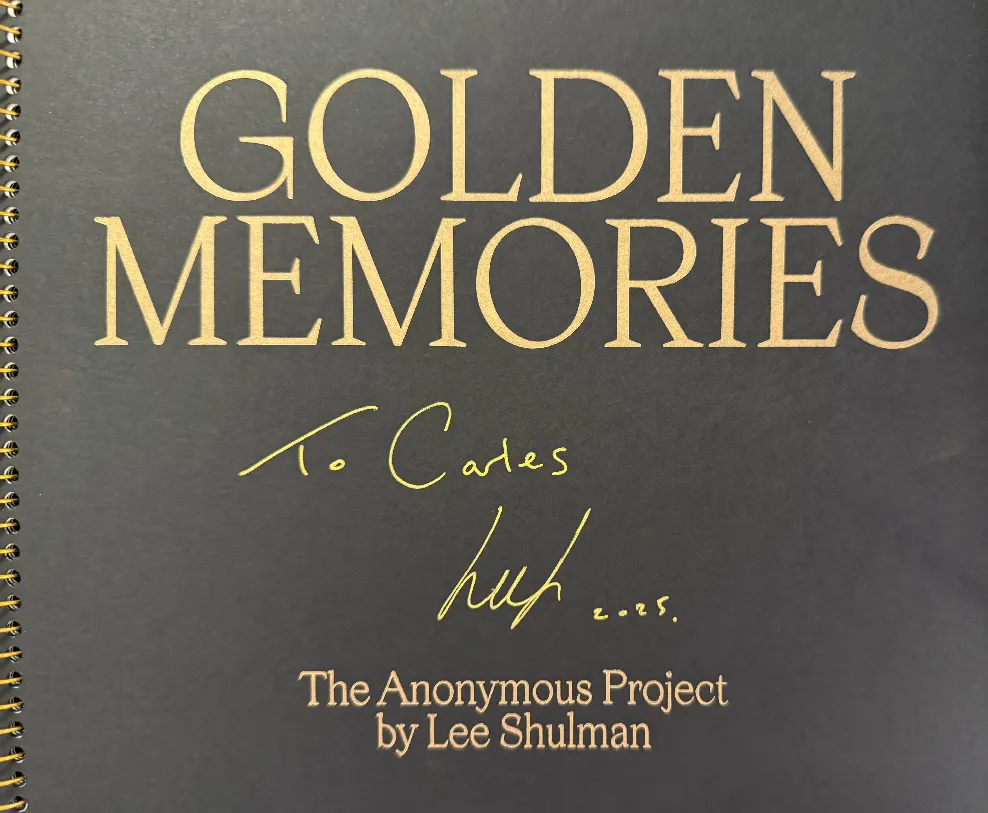
Lee Shulman’s Golden Memories draws upon The Anonymous Project, an extensive and ongoing archive he founded in 2017 that currently preserves nearly one million anonymous Kodachrome slides dating from the 1940s to the early 2000s. These photographs originate primarily from amateur photographers across the United Kingdom, the United States, and Western Europe, capturing the unvarnished rhythms of everyday mid-century domesticity, suburban leisure, family holidays, and quiet domestic rituals that were captured entirely for personal archives rather than public exhibition.
Thematic exploration centers on the collective nature of memory and the democratization of the photographic medium. By extracting these forgotten slides from flea markets, estate sales, and shoe boxes, Shulman transforms private mementos into a shared, universal mirror of modern existence. The work investigates how ordinary people document their own lives, capturing spontaneous gestures, shifting fashions, and domestic environments charged with nostalgia. Rather than highlighting a single individual's authored vision, the project operates as an archeological excavation of the twentieth-century subconscious, examining how collective memories are constructed, retained, and ultimately passed down through physical photographic objects.
Aesthetic presentation in Golden Memories emphasizes the tactile materiality of vernacular photography. Utilizing a distinct spiral-bound photobook format, the design mirrors the intimacy of personal scrapbooks and family albums. This physical structure heightens the sense of tactile engagement with printed matter, contrasting sharply with contemporary digital consumption and reinforcing the physical fragility and permanence of mid-century color transparency film.