


Which art books, prints and posters are available by and about this artist? Here is a sample of items of interest to a typical collector:








%2520foam%2520Ed25.webp)
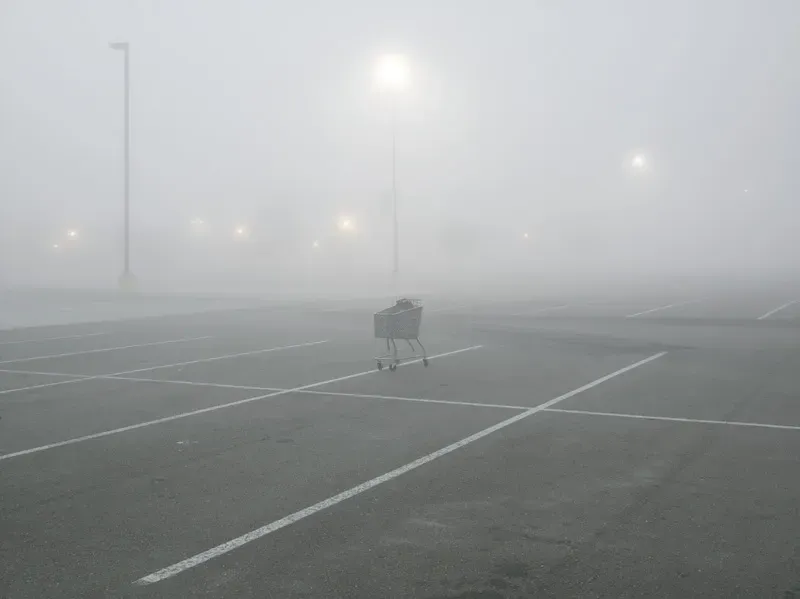
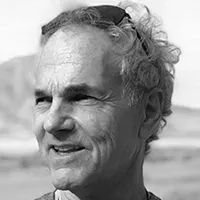
Richard Misrach, American, b. 1949
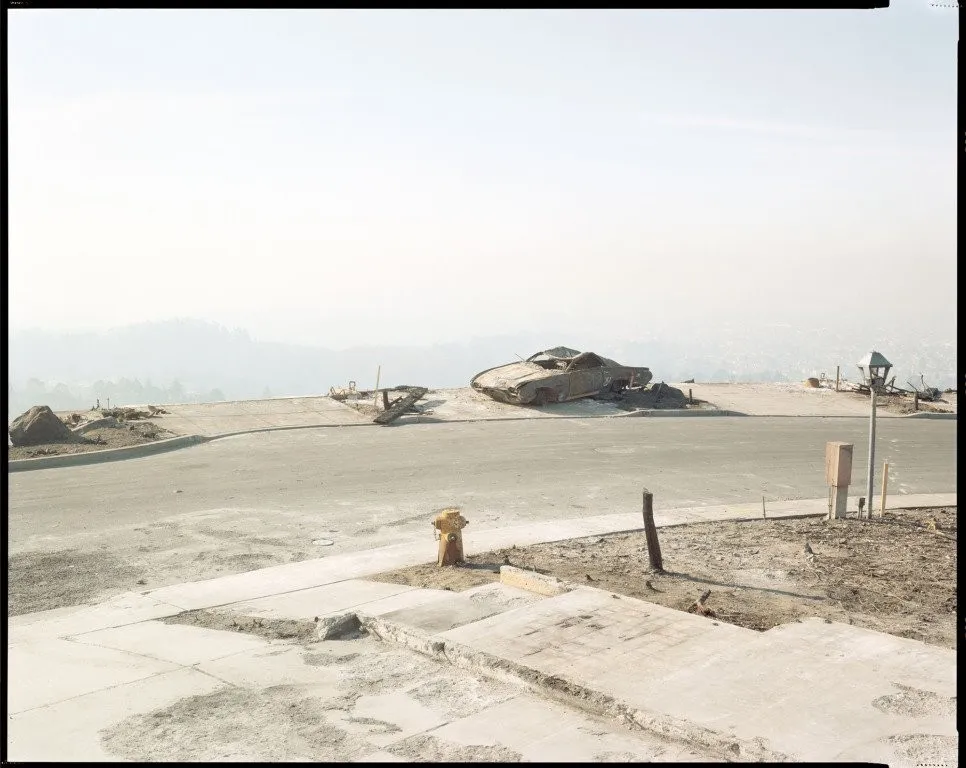
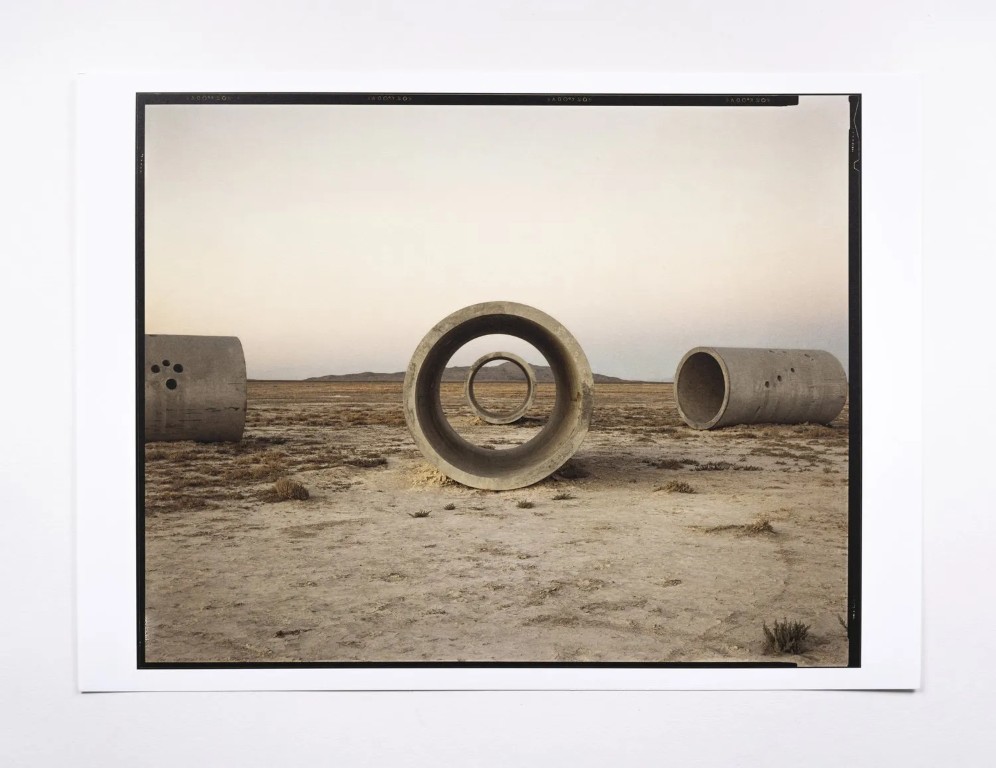
Misrach is one of the most influential American photographers of the last 50 years, credited with helping to pioneer the use of large-format color photography as a fine art medium. Born in 1949 in Los Angeles, he is best known for his ongoing epic project, Desert Cantos, which explores the complex relationship between humans and the American desert landscape.
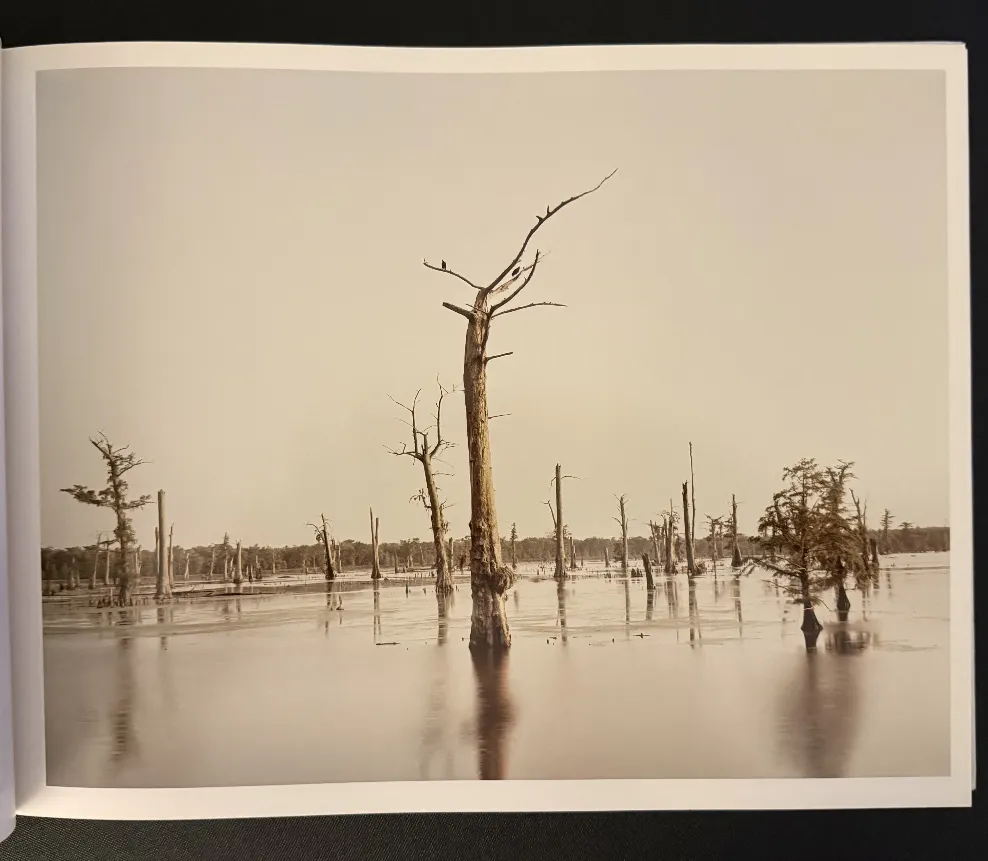
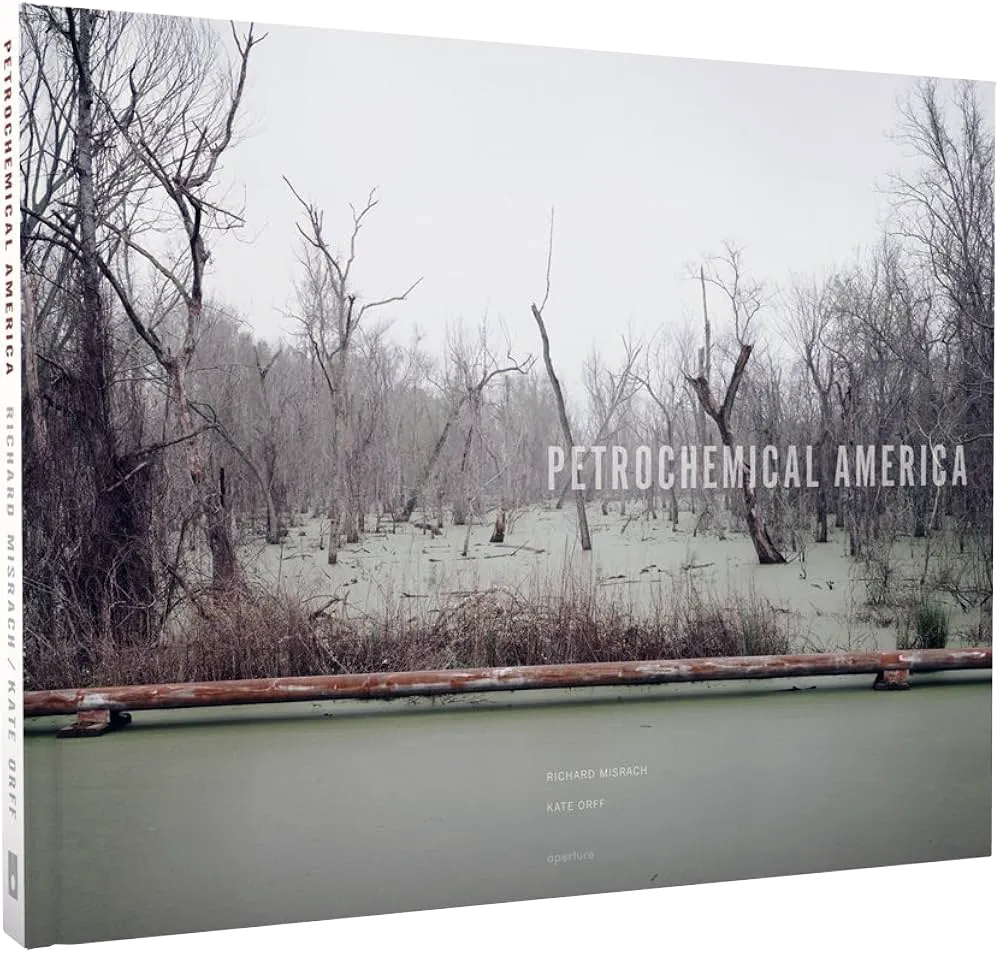
Unlike traditional landscape photographers who focused on untouched wilderness, Misrach’s work documents the impact of human civilization on the environment, including fire, floods, and military activity. He is renowned for his use of a 8x10 large-format camera, which allows for incredible detail and a monumental scale that mimics the vastness of his subjects.
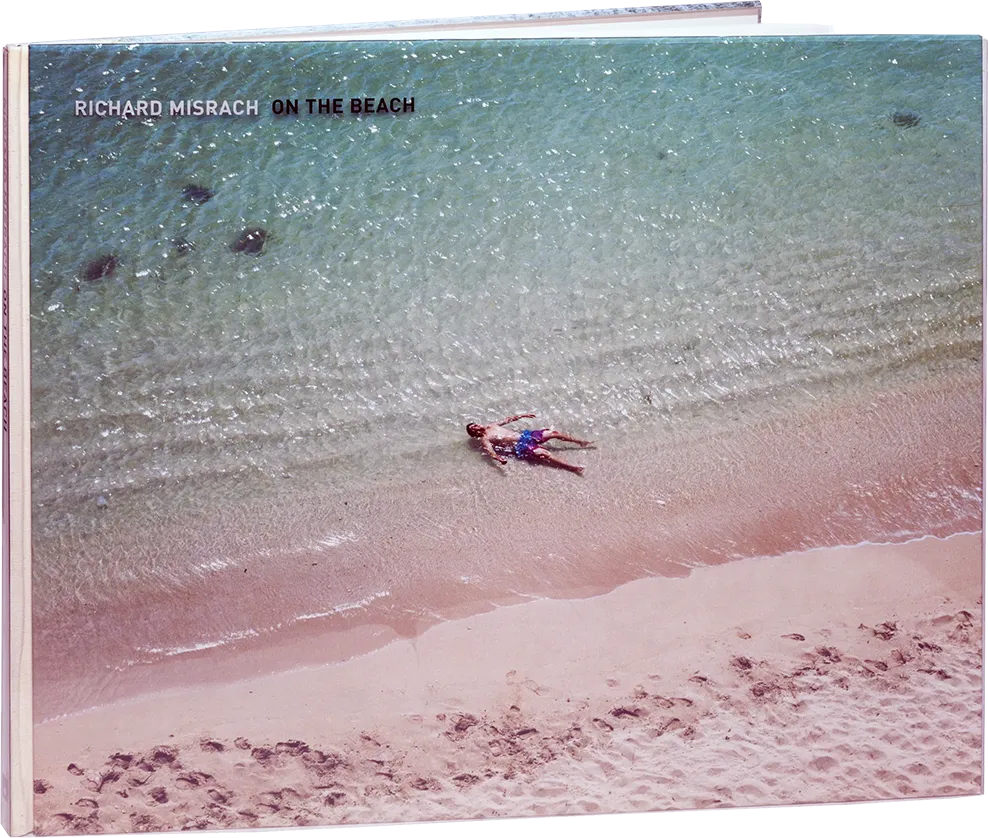
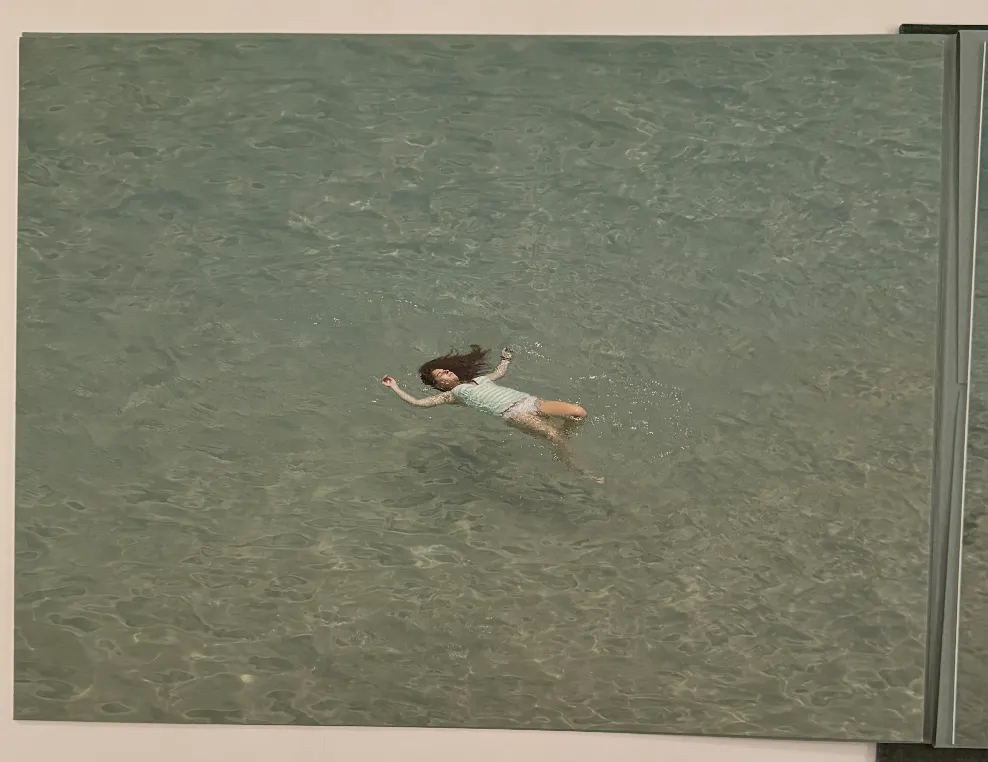
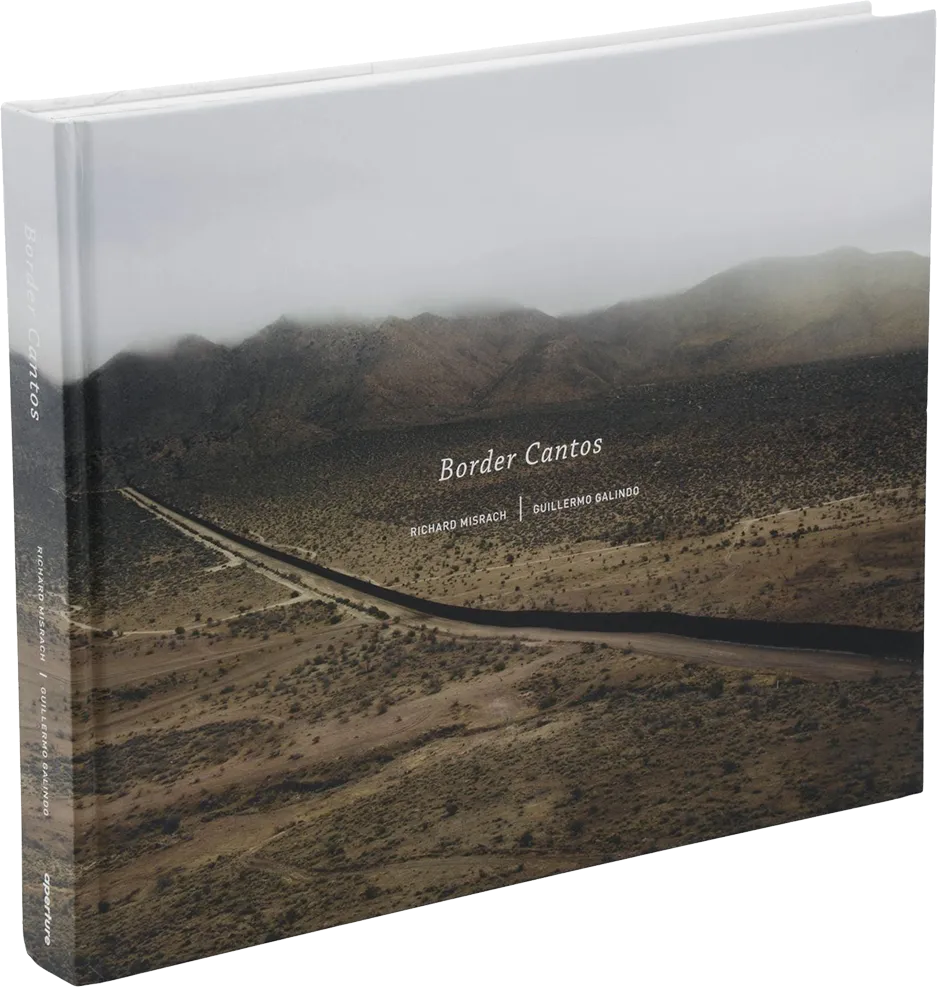
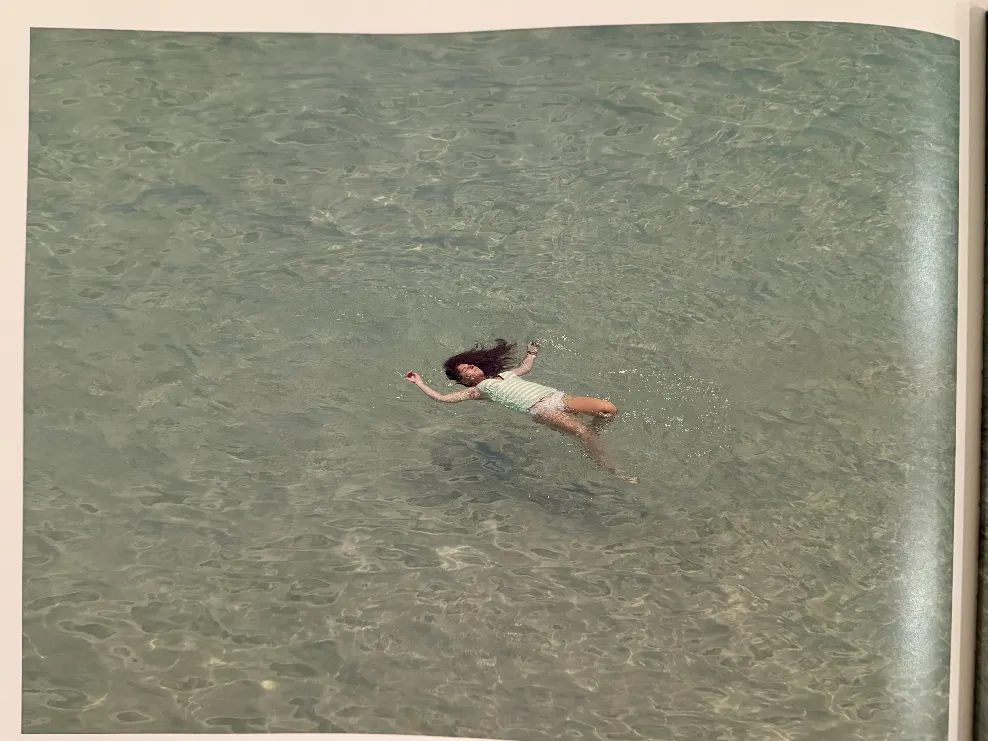
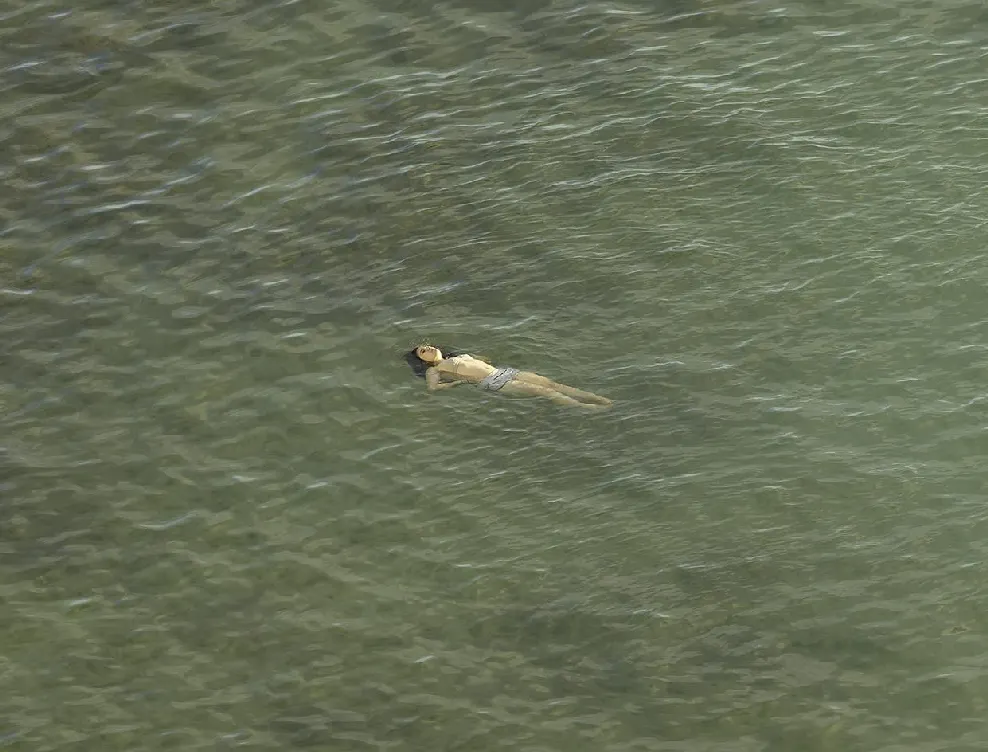
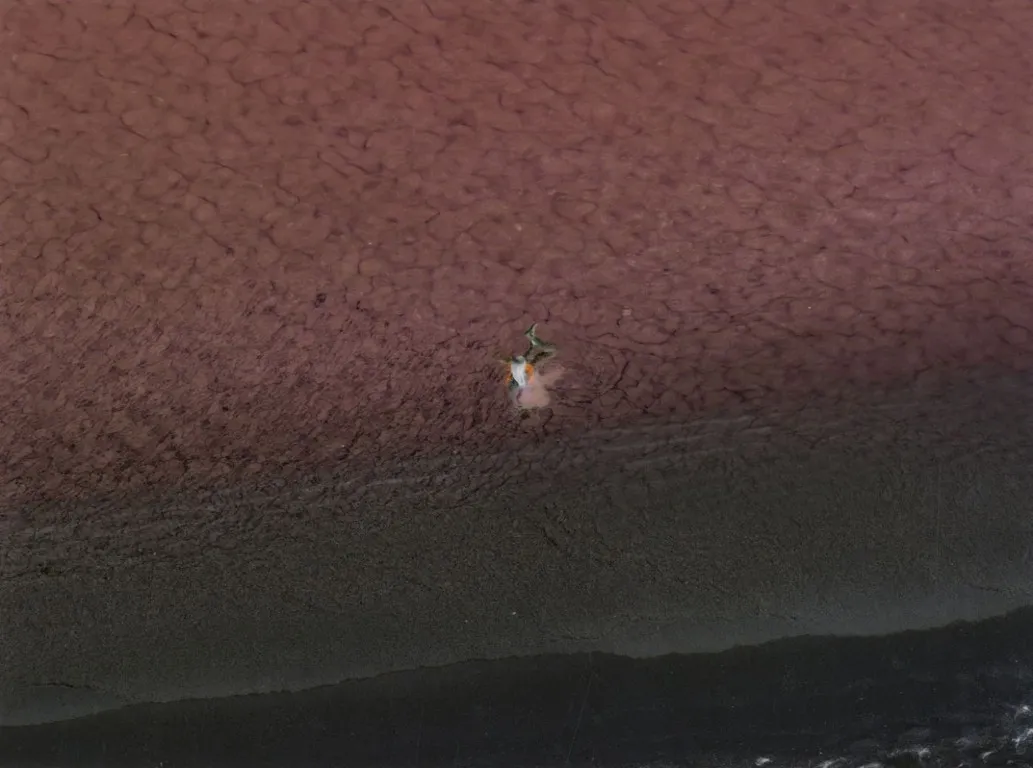
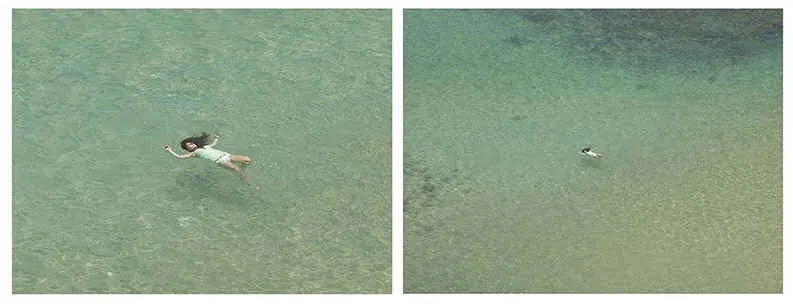
His career spans numerous distinct series, including On the Beach, which captures figures in the ocean from a high vantage point, and Border Cantos, a collaboration exploring the U.S.-Mexico border.
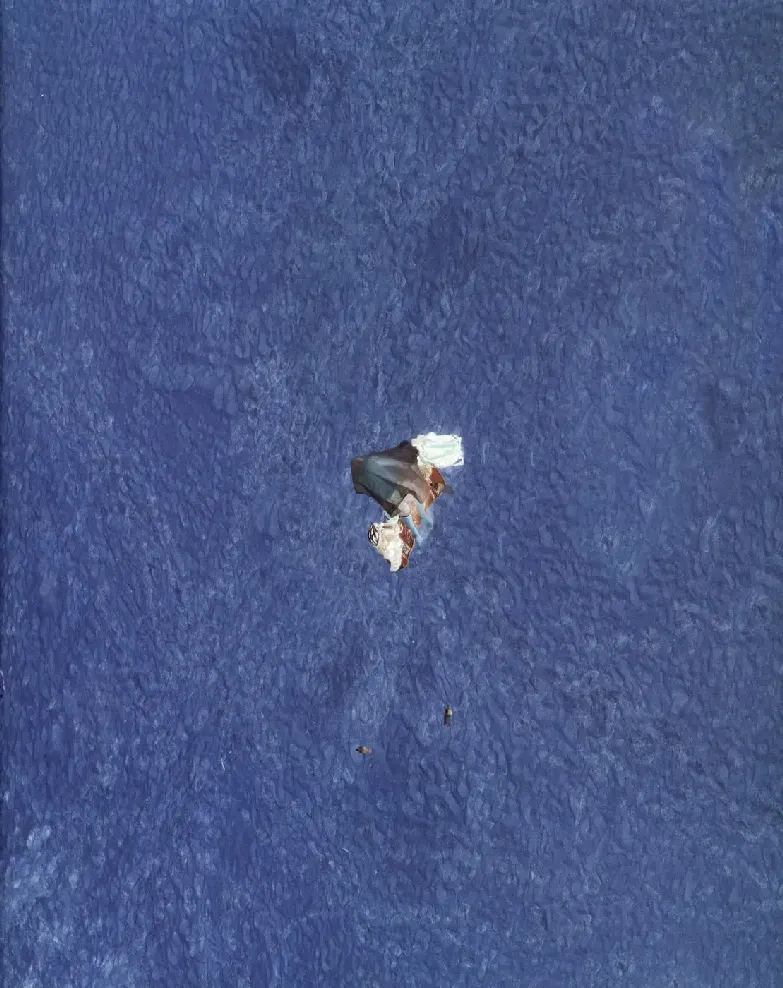
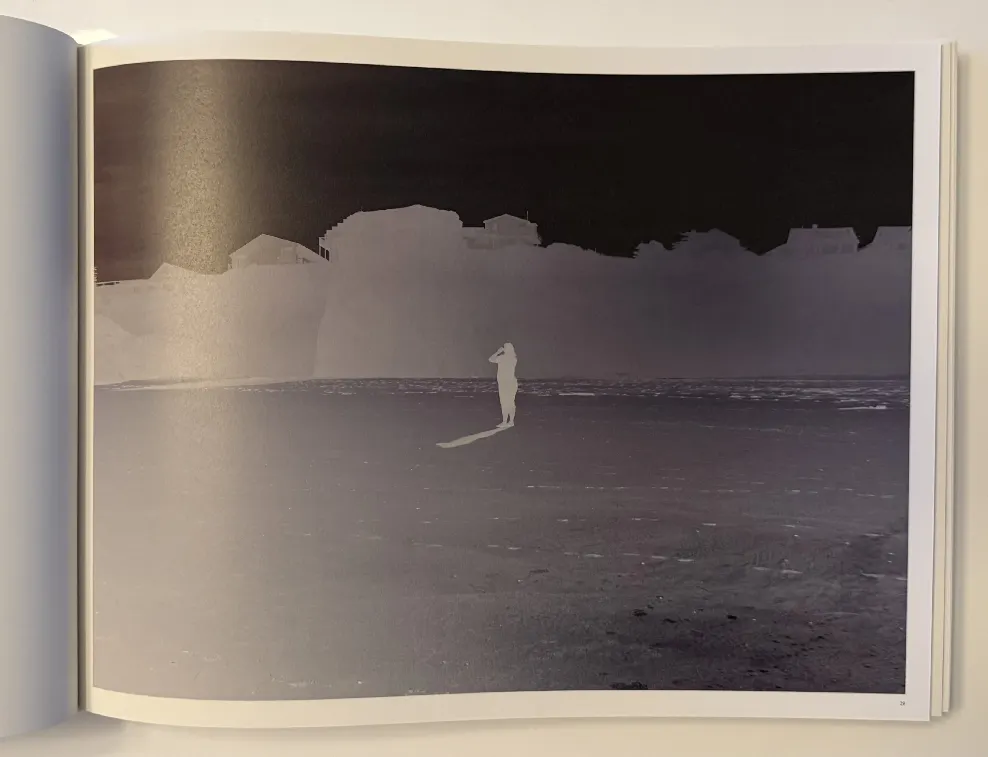
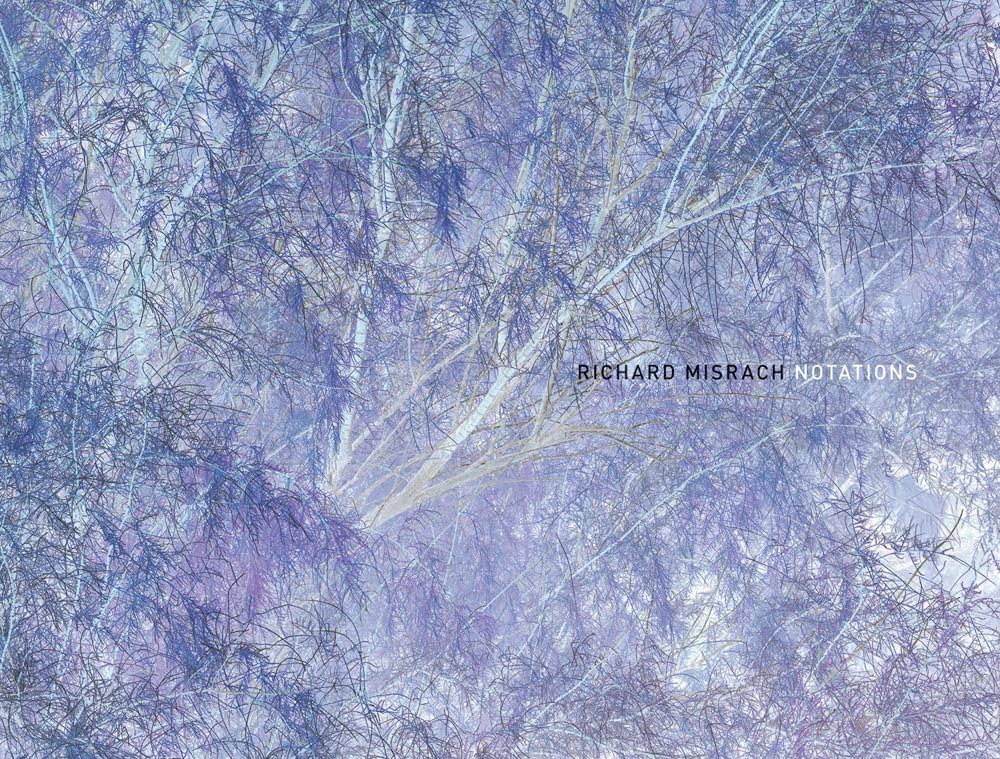
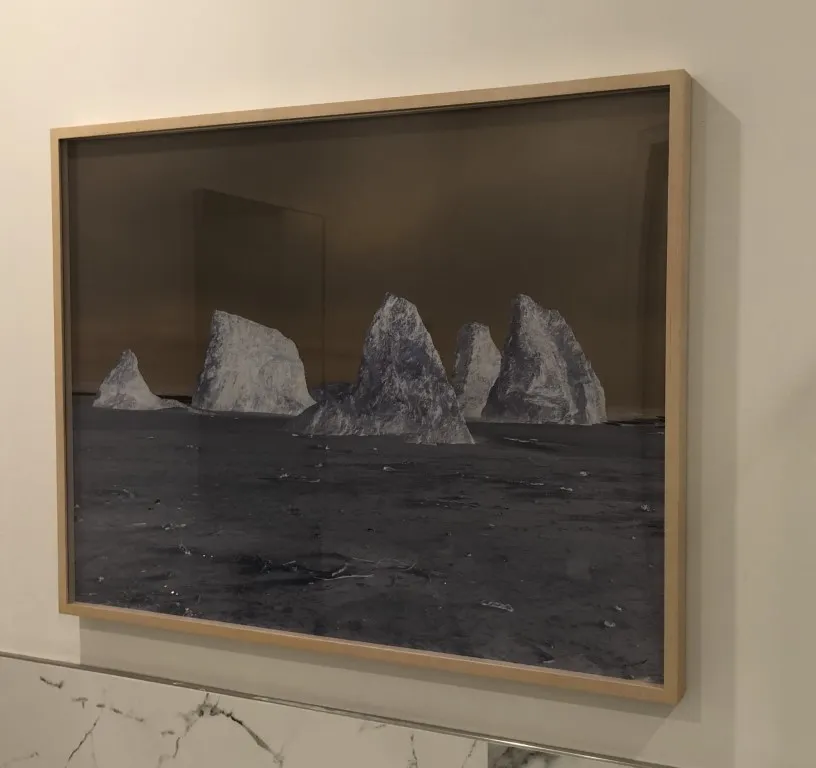
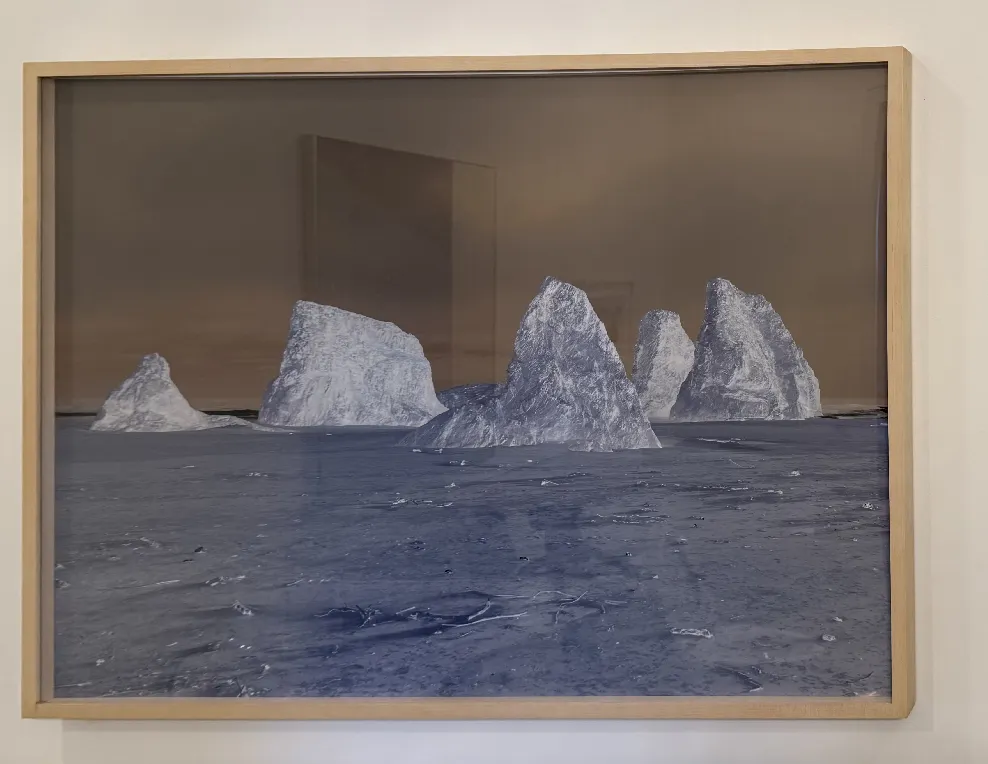
In recent years, he has embraced digital technology, as seen in his Negative series (Notations), where he presents digital negatives as final vibrant, color-reversed artworks.
Misrach’s work is held in the permanent collections of major institutions worldwide, including the Museum of Modern Art (MoMA), the Whitney Museum of American Art, and the Metropolitan Museum of Art. He has received numerous awards, including four National Endowment for the Arts fellowships and a Guggenheim Fellowship. Through his lens, the landscape becomes a stage for political, environmental, and aesthetic contemplation, forever changing how we perceive the American West.


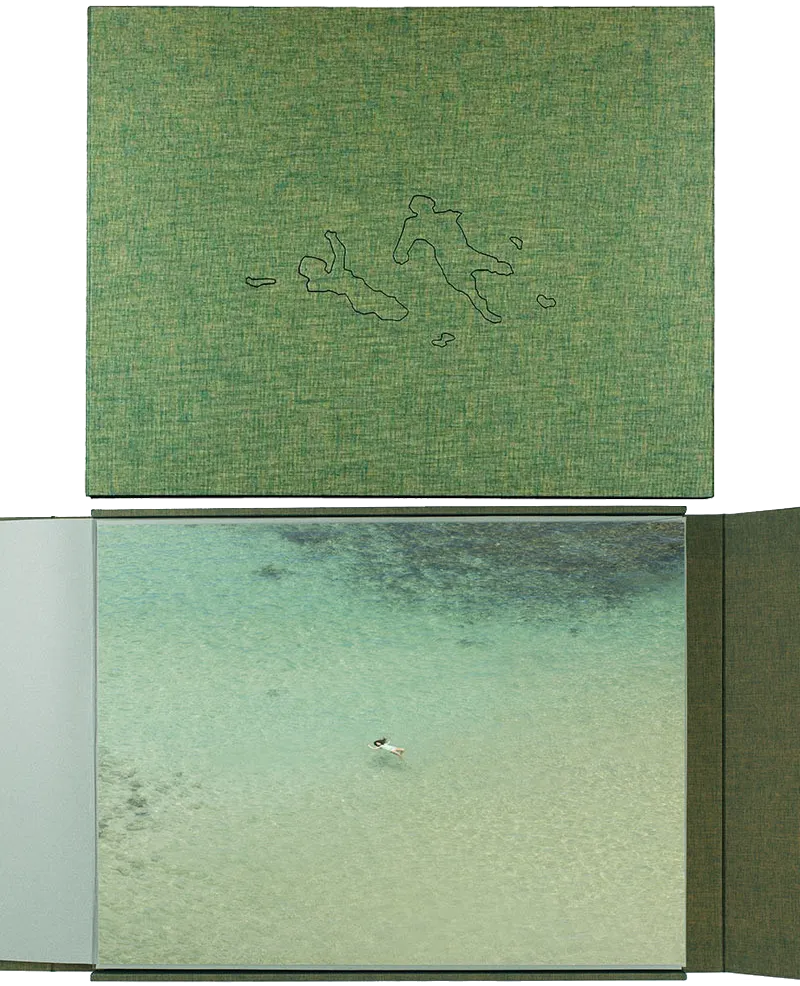
Renowned for his sweeping documentations of the American desert (Desert Cantos), Misrach shifted his focus to the ocean following the national trauma of September 11, 2001. Shooting from a high vantage point on a hotel balcony in Hawaii, he captured beachgoers and swimmers from above, intentionally eliminating the horizon line.
The resulting images transform the sea and sand into vast, abstract fields of turquoise water and rippled textures. Against this massive, sublime scale, the human figures appear tiny, fragile, and isolated. Misrach uses this elevated perspective to create a profound sense of ambiguity: while the subjects are engaged in leisure, it is often unclear whether the floating figures are peacefully relaxing or drifting helplessly. The title itself references Nevil Shute’s 1957 Cold War novel about the aftermath of a nuclear holocaust, underscoring the work's underlying themes of human vulnerability and existential tension.
Measuring a massive 50 by 40 centimeters, On the Beach is one of the largest photobooks ever published by Aperture and represents a critical translation of Misrach’s gallery practice into book form. The oversized format is not merely an aesthetic design choice, but a conceptual necessity. Misrach is celebrated for his monumental, highly detailed color exhibition prints, and this book was intentionally scaled to replicate that immersive, large-scale viewing experience.
By pushing the physical limits of traditional photobook dimensions, the layout forces the viewer to physically scan the pages, echoing the sublime, enveloping expanse of the ocean while emphasizing the unsettling fragility of the tiny human figures below. This scale disrupts the traditional, intimate experience of holding a photobook, effectively transforming the publication itself into an autonomous exhibition object.