

The print by Misrach is listed in the Prints section.


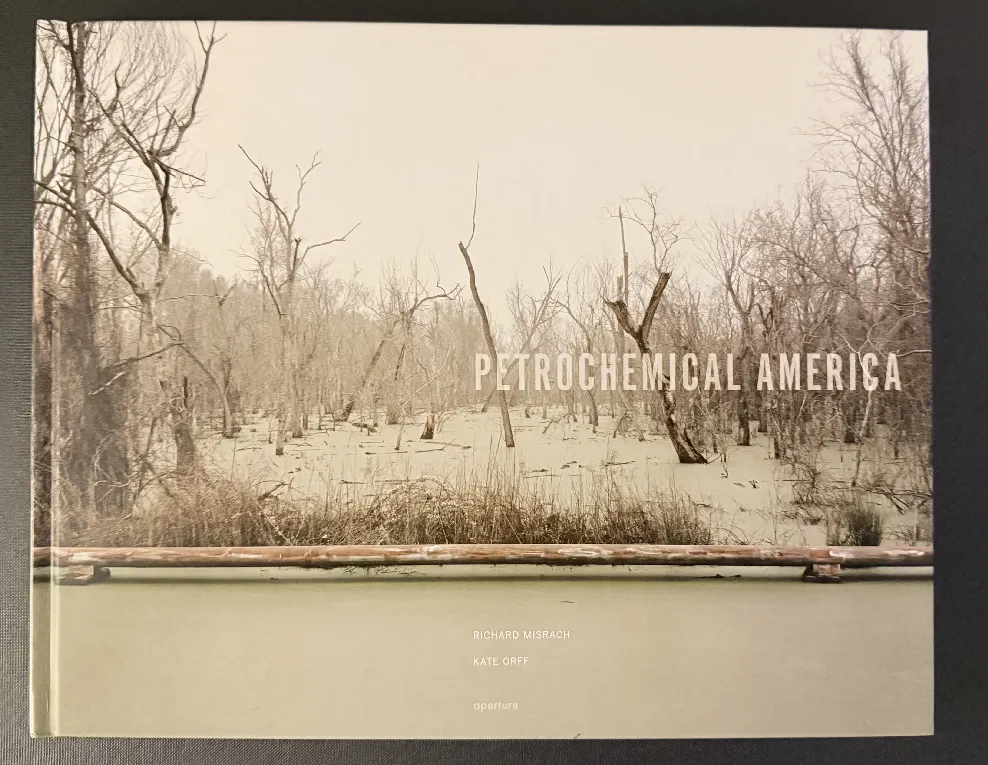
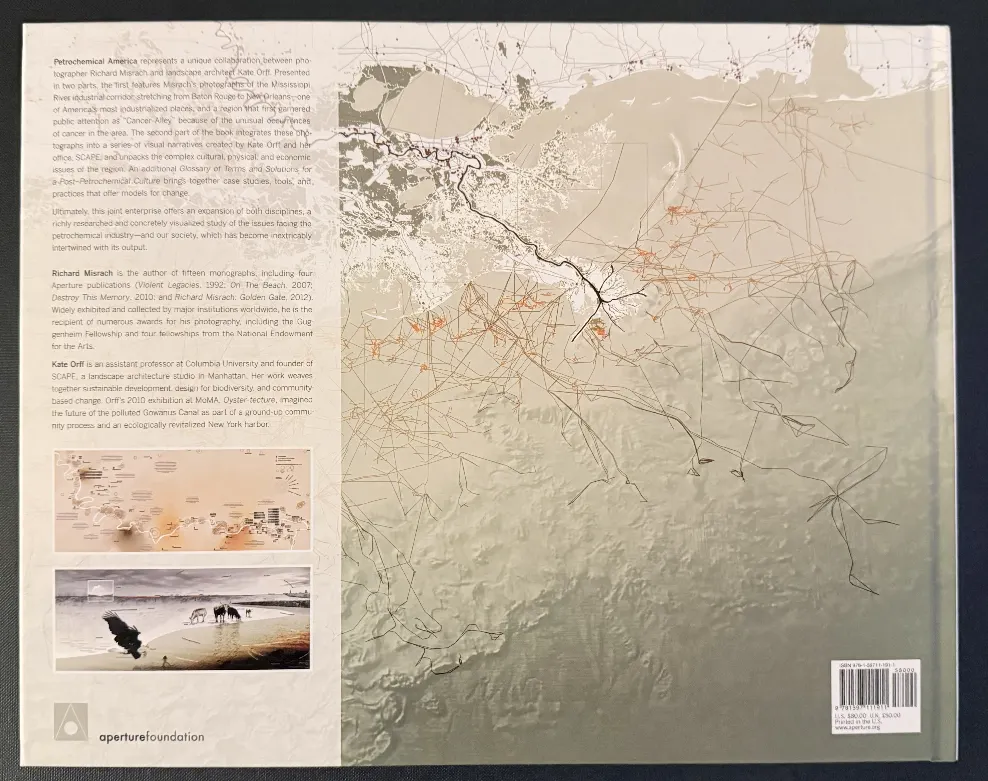
Petrochemical America (2012) is a collaborative photobook and "ecological atlas" by photographer Richard Misrach and landscape architect Kate Orff.
The project investigates the severe environmental, economic, and cultural impact of the oil and chemical industry along a 150-mile stretch of the Mississippi River between Baton Rouge and New Orleans, a heavily industrialized region widely known as "Cancer Alley".
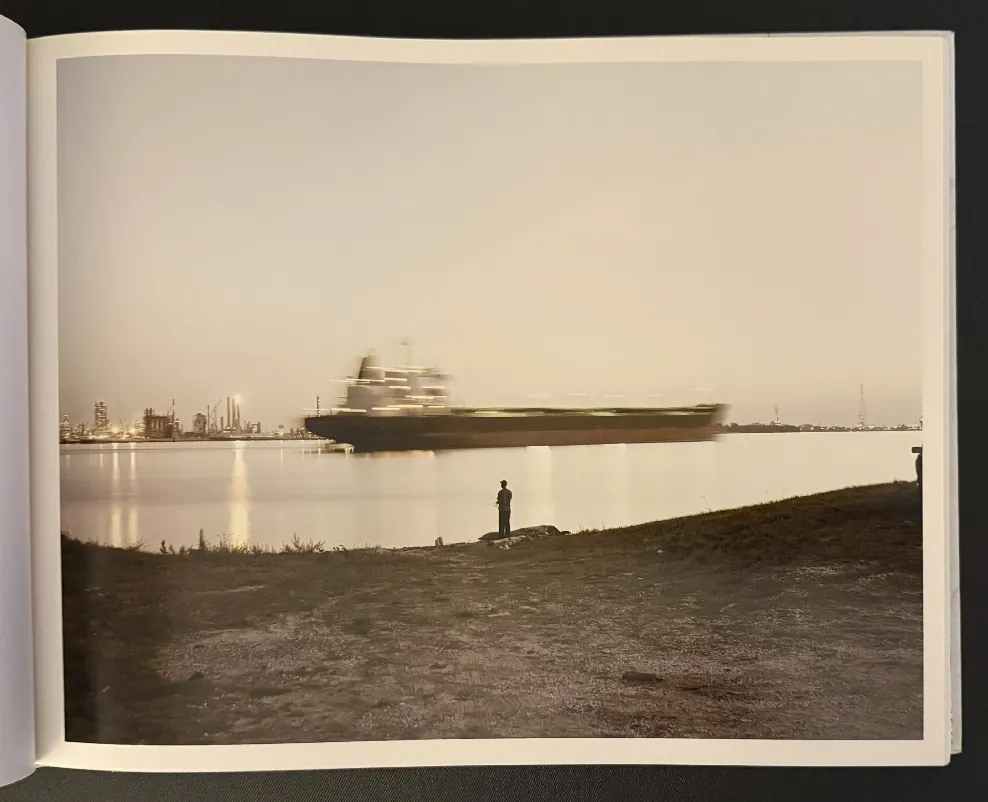
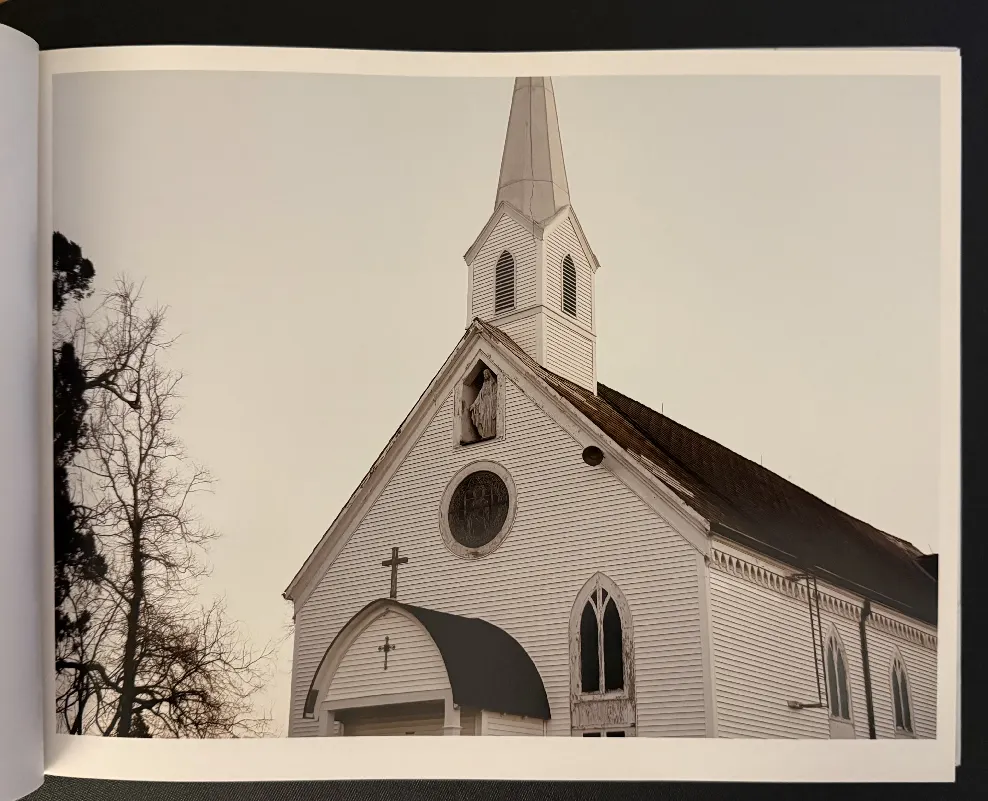
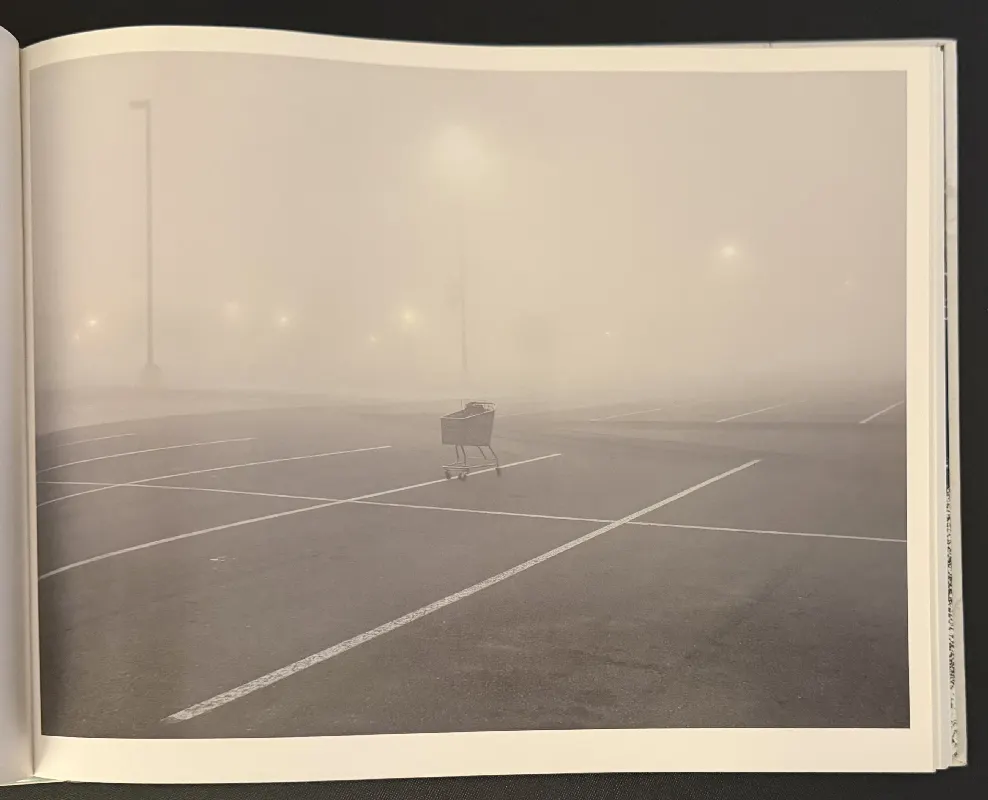
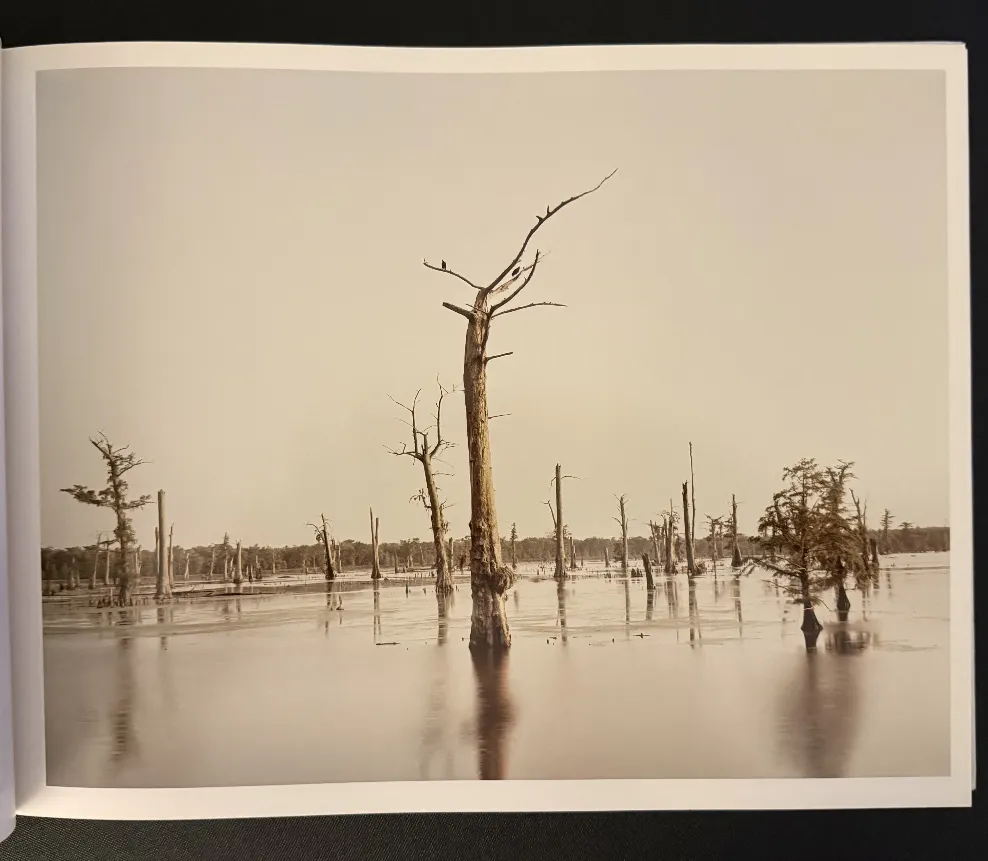
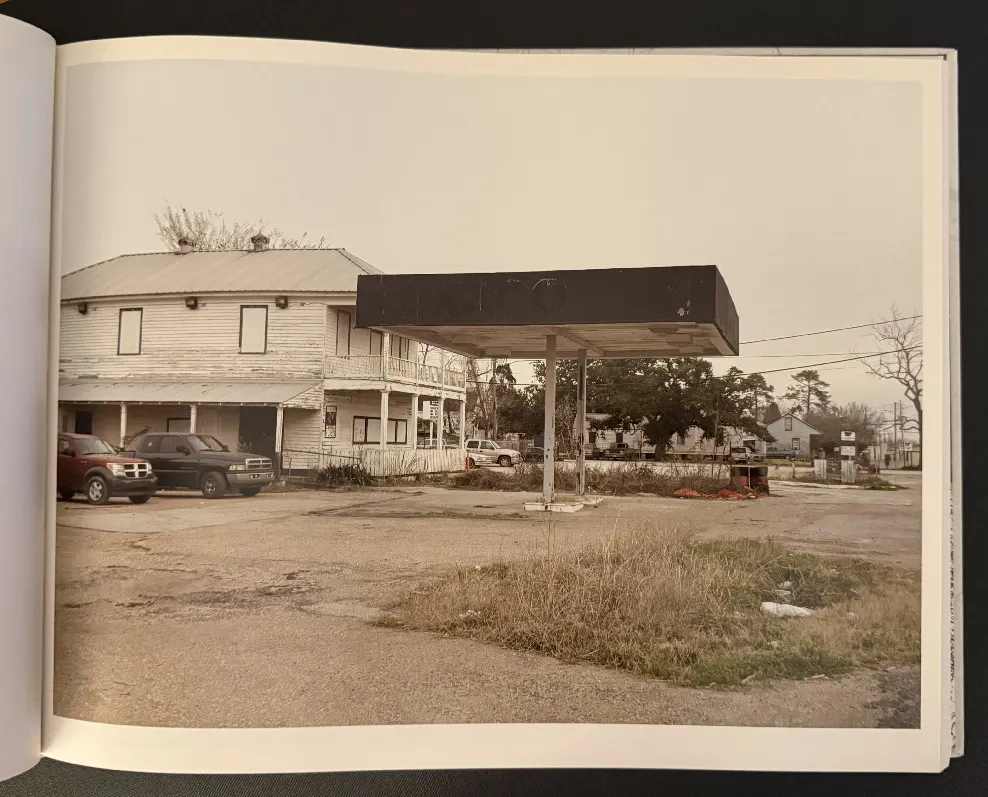
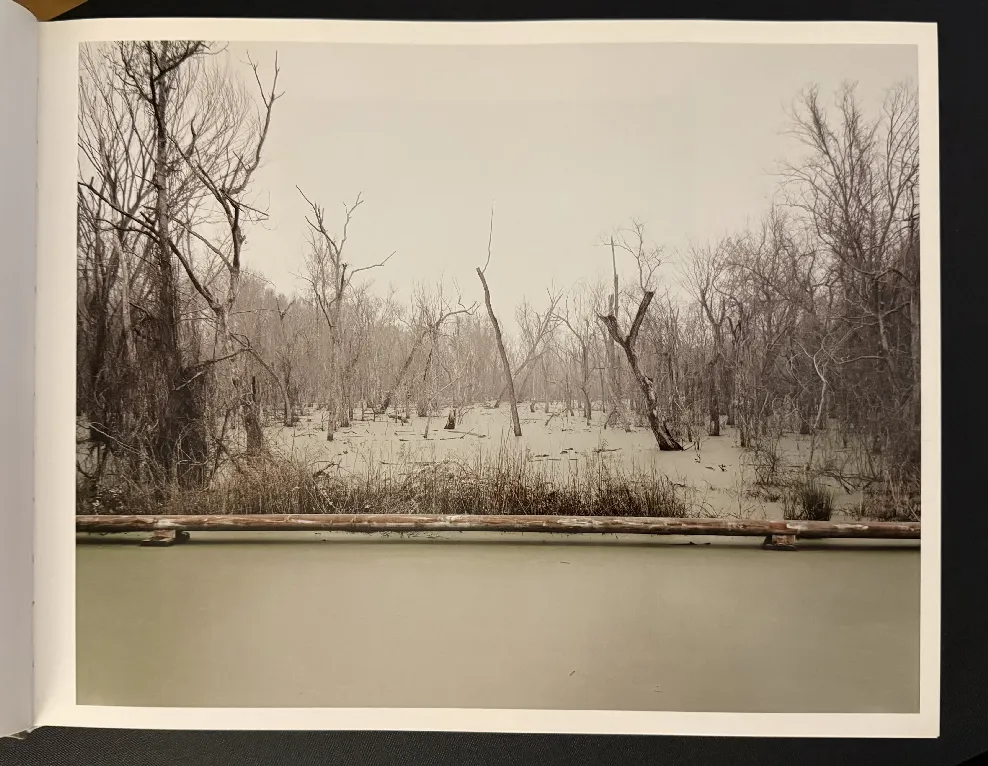
Misrach contributes a series of haunting, highly detailed, and often unpopulated landscape photographs documenting the stark physical collision between local communities, lush bayous, and massive chemical refineries.
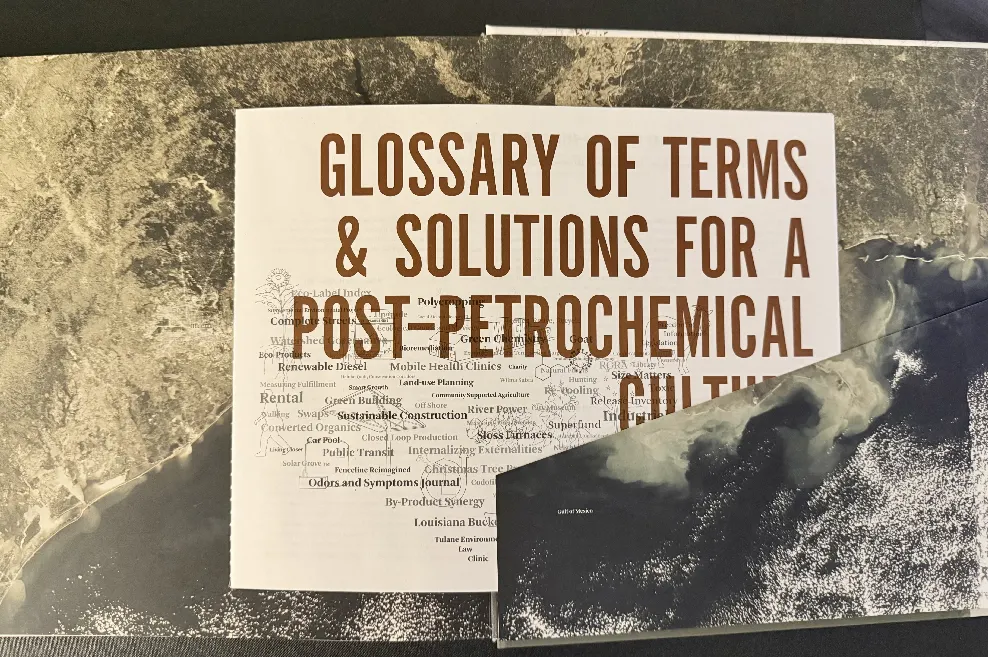
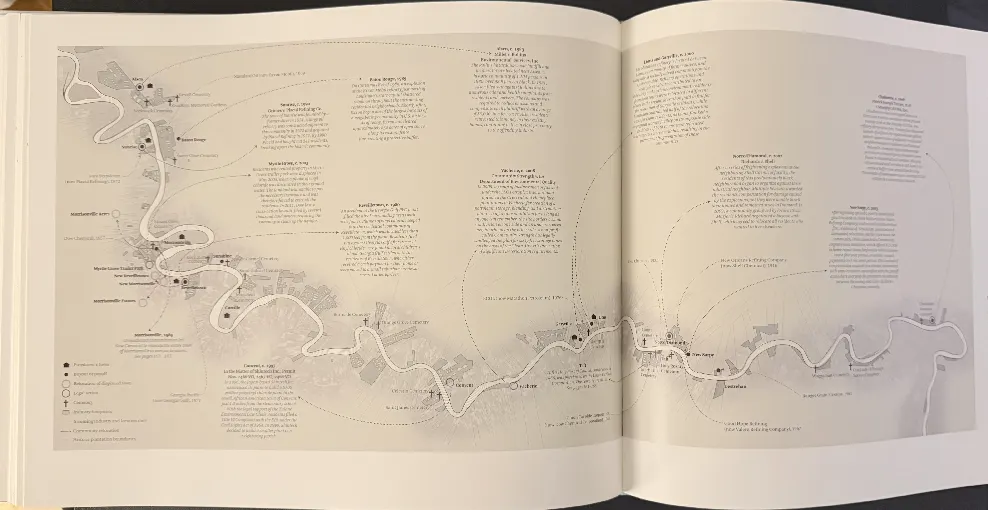
Orff (founder of the landscape architecture studio SCAPE) expands on the images with complex maps, flow charts, and speculative drawings ("throughlines"). These data visualizations chart the invisible infrastructure of pipelines, toxic waste, and displacement.
Instead of treating the region merely as an isolated environmental disaster, the book frames "Cancer Alley" as a microcosm of global consumption, illustrating how deeply petrochemicals are embedded into everyday contemporary life and modern food systems.

Petrochemical America (2012) is a collaborative photobook and "ecological atlas" by photographer Richard Misrach and landscape architect Kate Orff.
The project investigates the severe environmental, economic, and cultural impact of the oil and chemical industry along a 150-mile stretch of the Mississippi River between Baton Rouge and New Orleans, a heavily industrialized region widely known as "Cancer Alley".
Misrach contributes a series of haunting, highly detailed, and often unpopulated landscape photographs documenting the stark physical collision between local communities, lush bayous, and massive chemical refineries.
Orff (founder of the landscape architecture studio SCAPE) expands on the images with complex maps, flow charts, and speculative drawings ("throughlines"). These data visualizations chart the invisible infrastructure of pipelines, toxic waste, and displacement.
Instead of treating the region merely as an isolated environmental disaster, the book frames "Cancer Alley" as a microcosm of global consumption, illustrating how deeply petrochemicals are embedded into everyday contemporary life and modern food systems.