



Which art books, prints and posters are available by and about this artist? Here is a sample of items of interest to a typical collector:

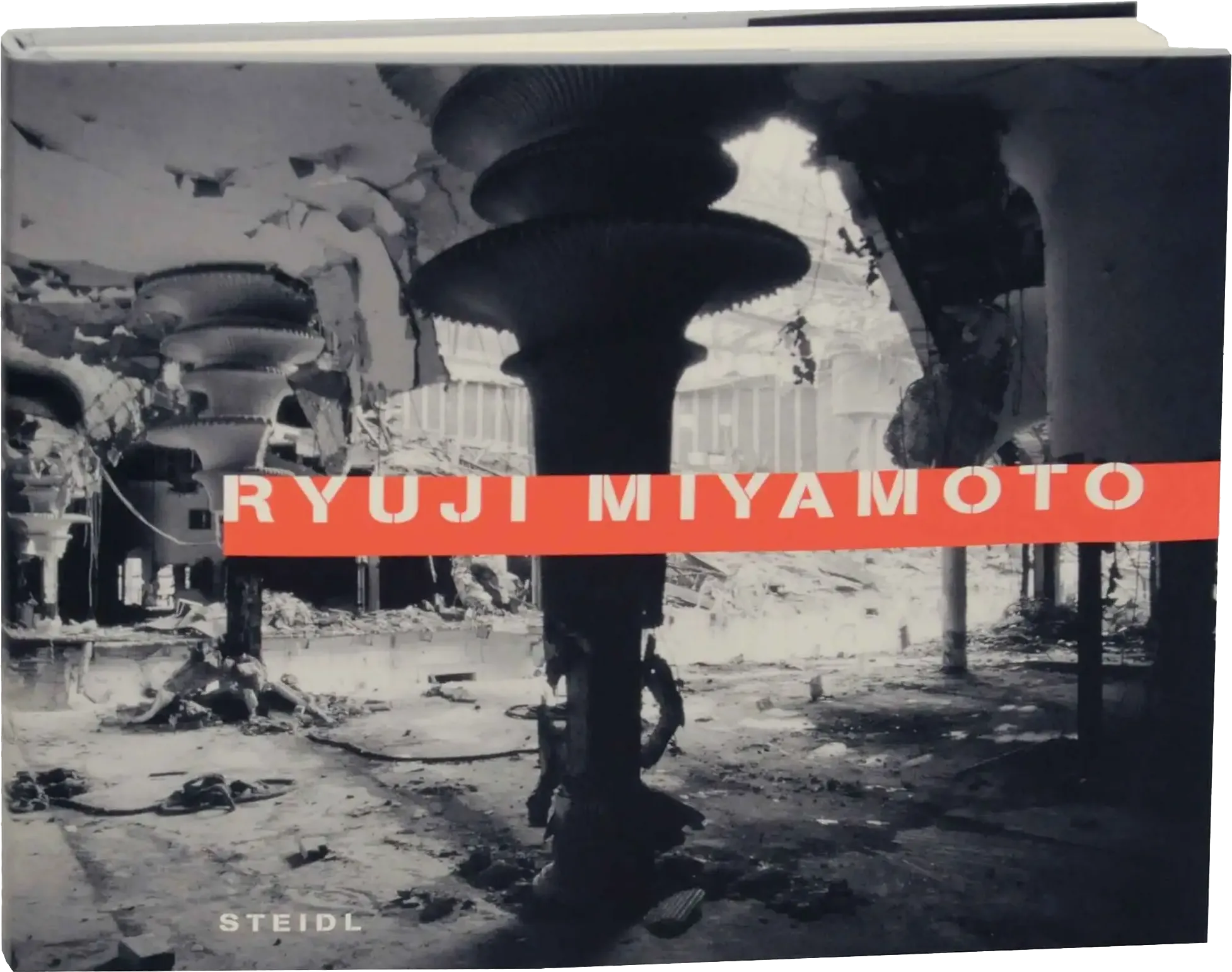
Ryuji Miyamoto, Japanese, b. 1947
Miyamoto is a seminal contemporary Japanese photographer whose work meticulously documents architectural ruin, urban decay, and the transformation of spaces in transition. Born in 1947 in Tokyo, Miyamoto graduated from the Department of Graphic Design at Tama Art University. Before committing fully to his photographic practice, he worked as an editor for architectural magazines, an experience that deeply informed his formalist, analytical approach to structural forms and spatial history.
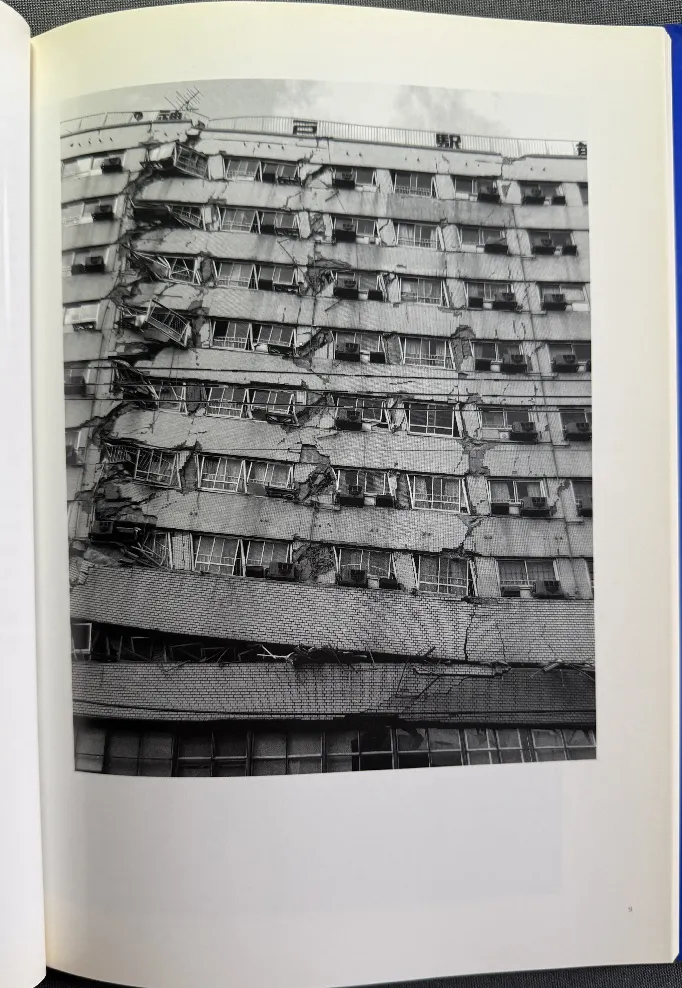
His practice centers on capturing the haunting, structural beauty of buildings that have been abandoned, slated for demolition, or devastated by natural disasters. Rather than focusing on sensationalism or the immediate shock of destruction, Miyamoto approaches his subjects with a quiet, rigorous detachment. He uses precise framing and large-format photography to treat these skeletal structures as complex sculptural forms. Through his lens, ruins become profound monuments to impermanence, exposing the hidden vulnerabilities of modern civilization and the transient nature of human environments.
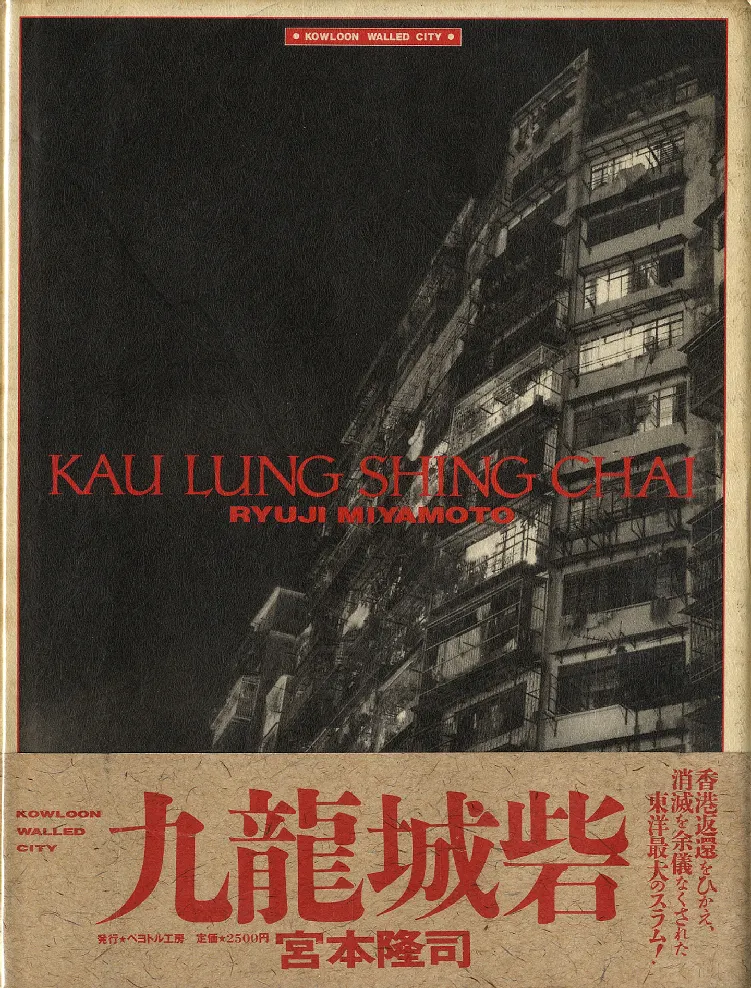
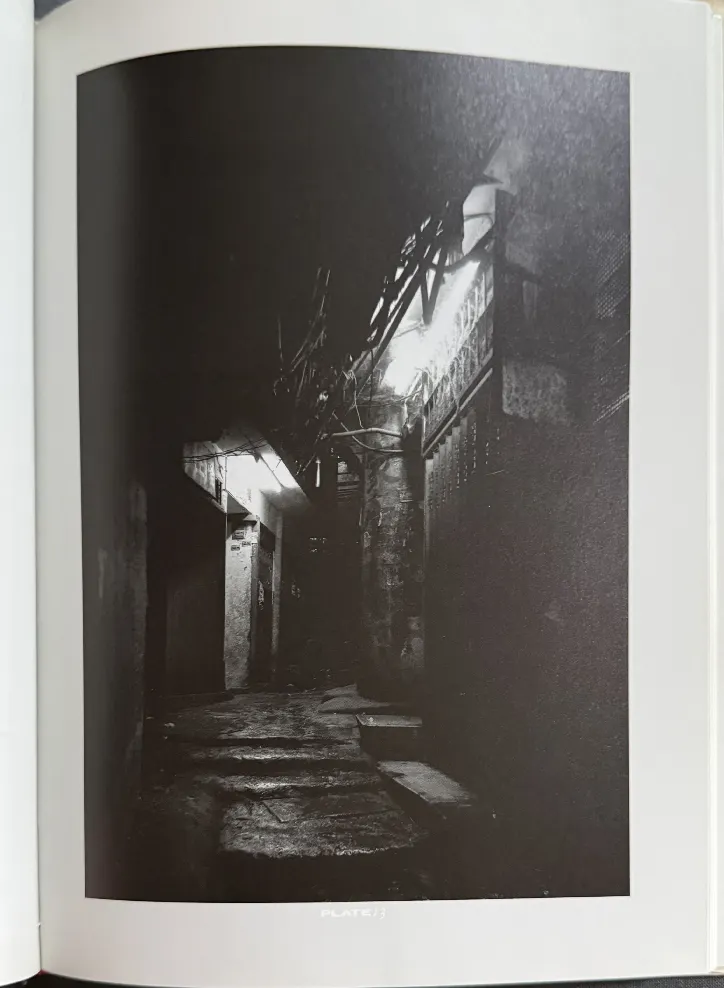
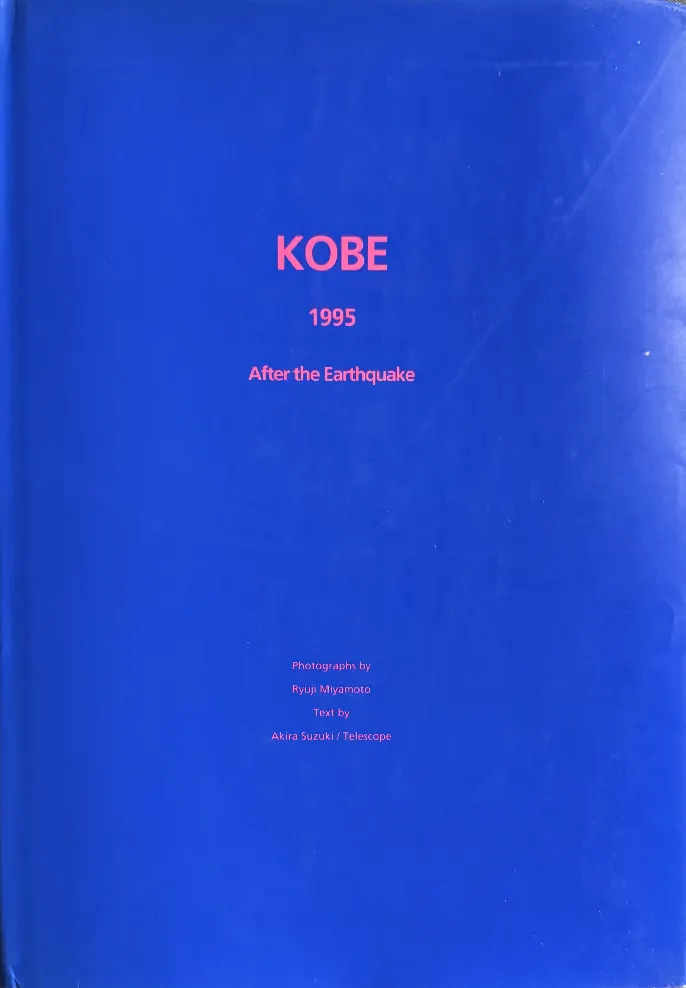
Throughout his career, Miyamoto has compiled these architectural taxonomies into celebrated, conceptually unified monographs and exhibitions. He gained widespread international recognition for Kobe 1995, a stark, monumental series documenting the devastating aftermath of the Great Hanshin Earthquake, where his objective framing transformed collapsed urban infrastructure into powerful, formalist studies of chaos and order. His other notable series and publications include Architectural Apocalypse, which focused on the demolition of historic theaters and structures across Japan, and his extensive documentation of the Kowloon Walled City in Hong Kong just before its demolition, capturing the dense, chaotic geometry of the hyper-urban enclave.
Miyamoto’s contributions to the medium have earned him significant critical acclaim, including the prestigious Kimura Ihei Award in 1989 and the Mainichi Art Award in 1999. In 1996, his work was showcased at the Venice Biennale’s Architecture Exhibition, where the Japan Pavilion was awarded the Golden Lion. His prints are held in major public and institutional collections worldwide, including the Museum of Modern Art in New York and the Tokyo Photographic Art Museum, celebrating his career as an uncompromising exploration of architecture, memory, and the inevitable passage of time.

The Kowloon Walled City was a densely populated, largely ungoverned enclave in Hong Kong. Originally a Qing Dynasty military fort, it evolved over decades of political limbo into a labyrinthine, vertical slum. With its maze-like alleyways, lack of sunlight, illegal businesses, and staggering population density, it became a global symbol of urban chaos, dystopian architecture, and resilient community adaptation before the government ultimately demolished it in the 1990s.
Miyamoto, often celebrated as a "ruins photographer," brought a highly unique perspective to this project. Drawing from his early career in architectural journalism, he approached the Walled City not merely as a socio-economic problem, but as a living, breathing example of what he called "handmade architecture".
Unlike traditional photojournalism that focused heavily on poverty or crime, Miyamoto's Kowloon Walled City series focuses on the imposing, chaotic beauty of the structures themselves. He captured the ominous night views and the intricate, claustrophobic spatial dynamics, treating the sprawling, mutating buildings almost as an autonomous, organic entity.