


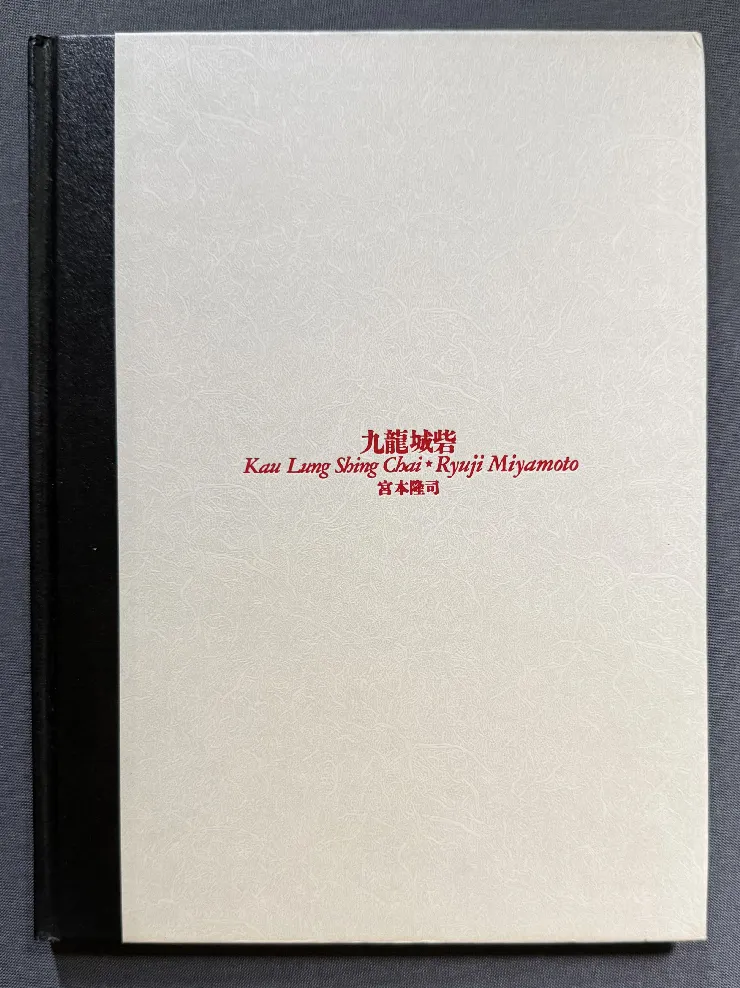
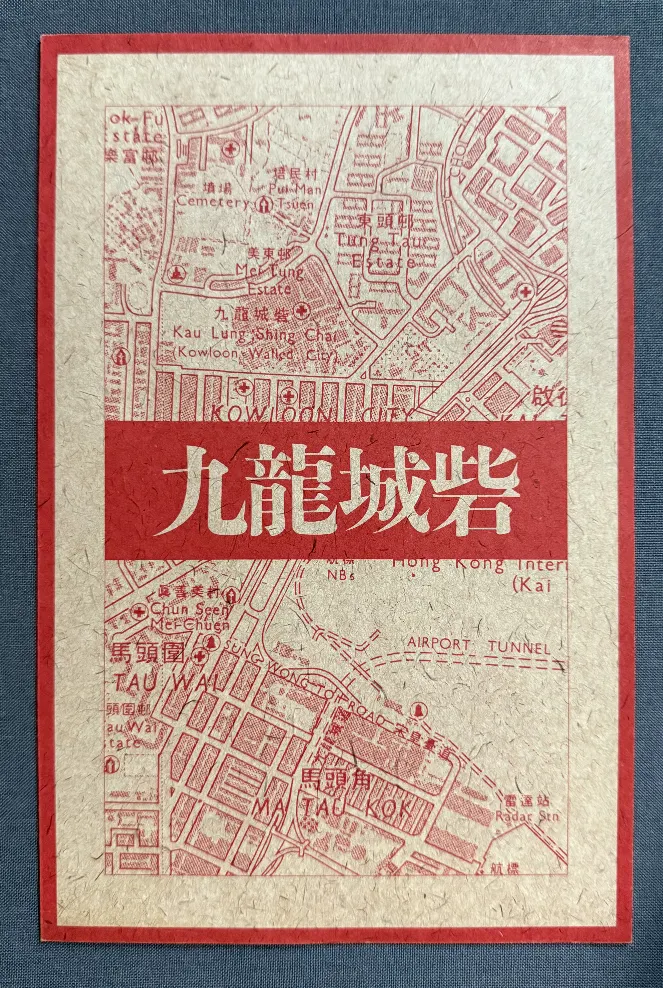
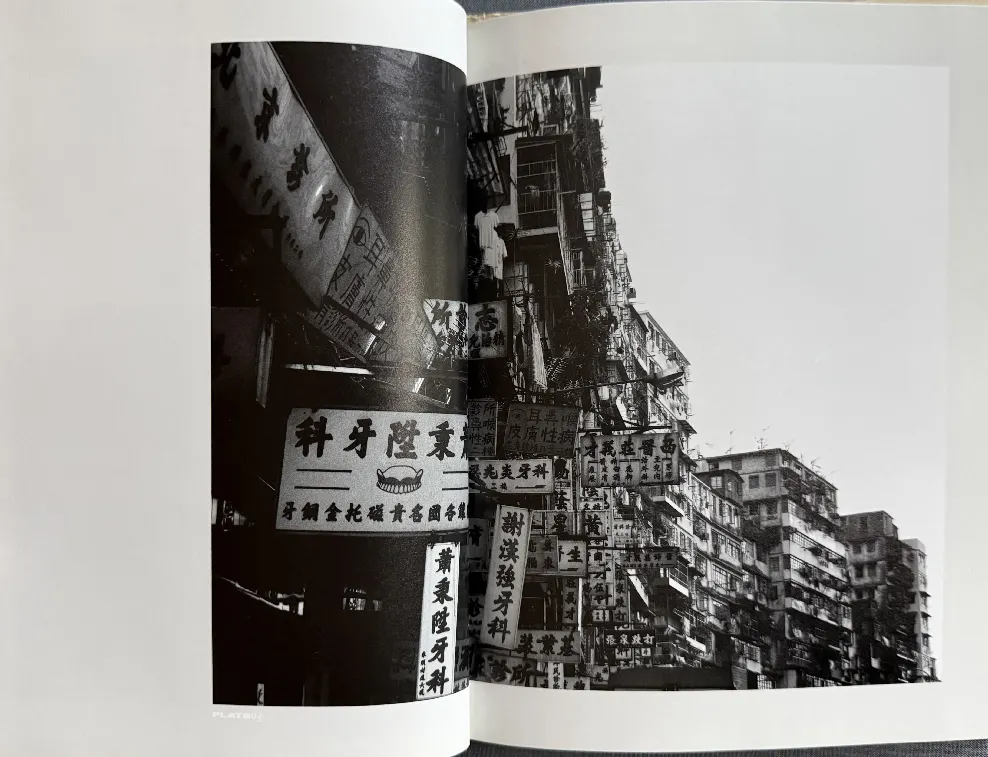
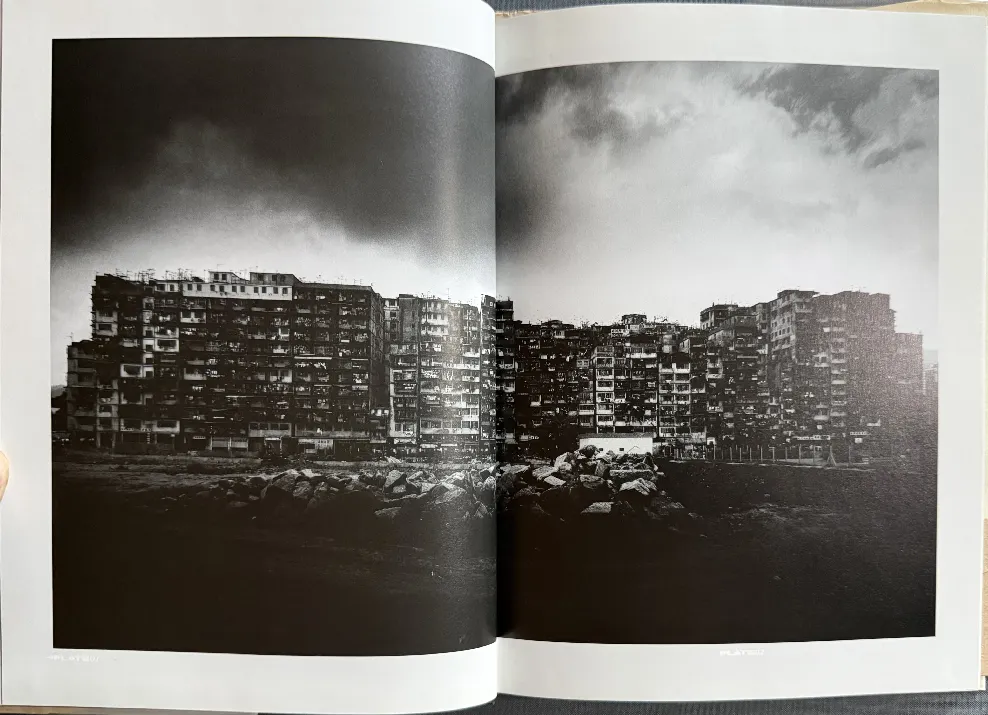
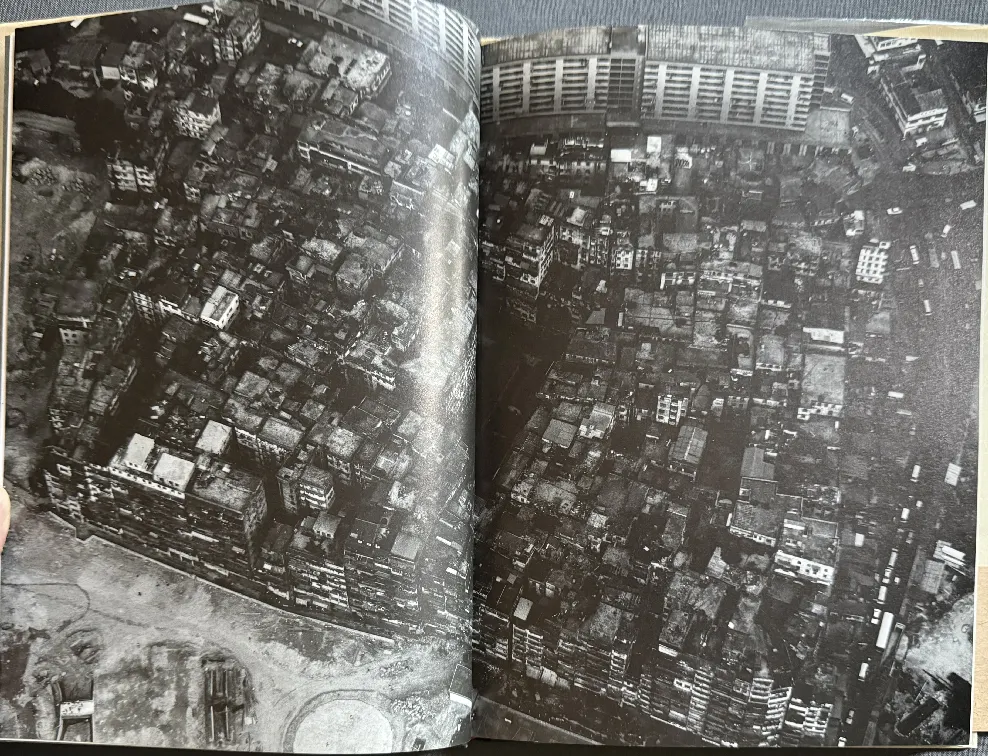
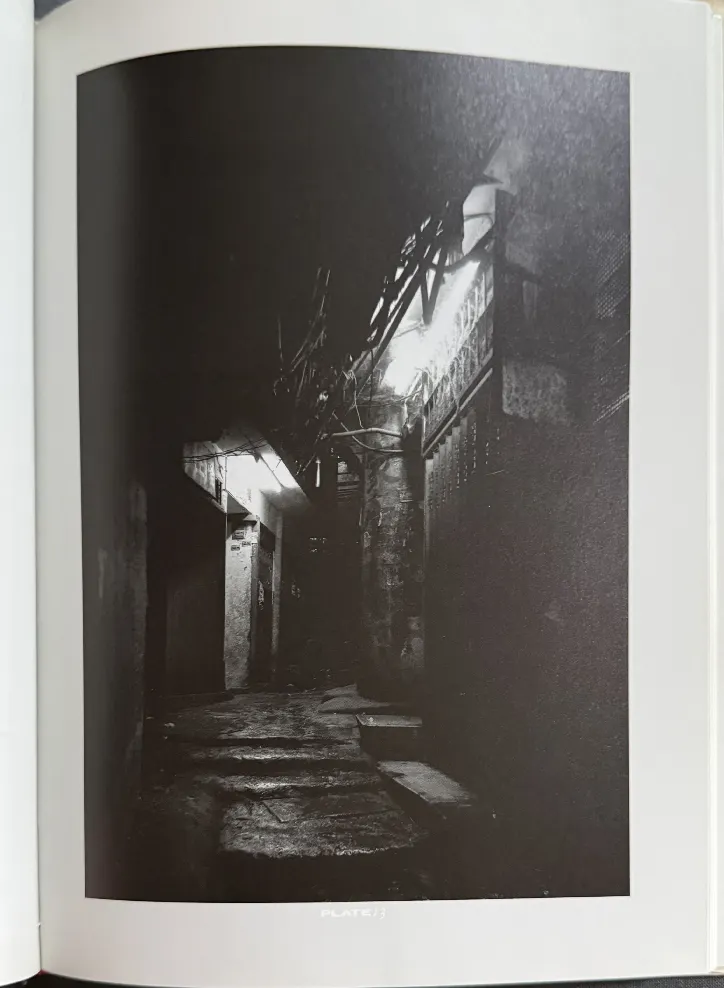
The Kowloon Walled City was a densely populated, largely ungoverned enclave in Hong Kong. Originally a Qing Dynasty military fort, it evolved over decades of political limbo into a labyrinthine, vertical slum. With its maze-like alleyways, lack of sunlight, illegal businesses, and staggering population density, it became a global symbol of urban chaos, dystopian architecture, and resilient community adaptation before the government ultimately demolished it in the 1990s.
Miyamoto, often celebrated as a "ruins photographer," brought a highly unique perspective to this project. Drawing from his early career in architectural journalism, he approached the Walled City not merely as a socio-economic problem, but as a living, breathing example of what he called "handmade architecture".
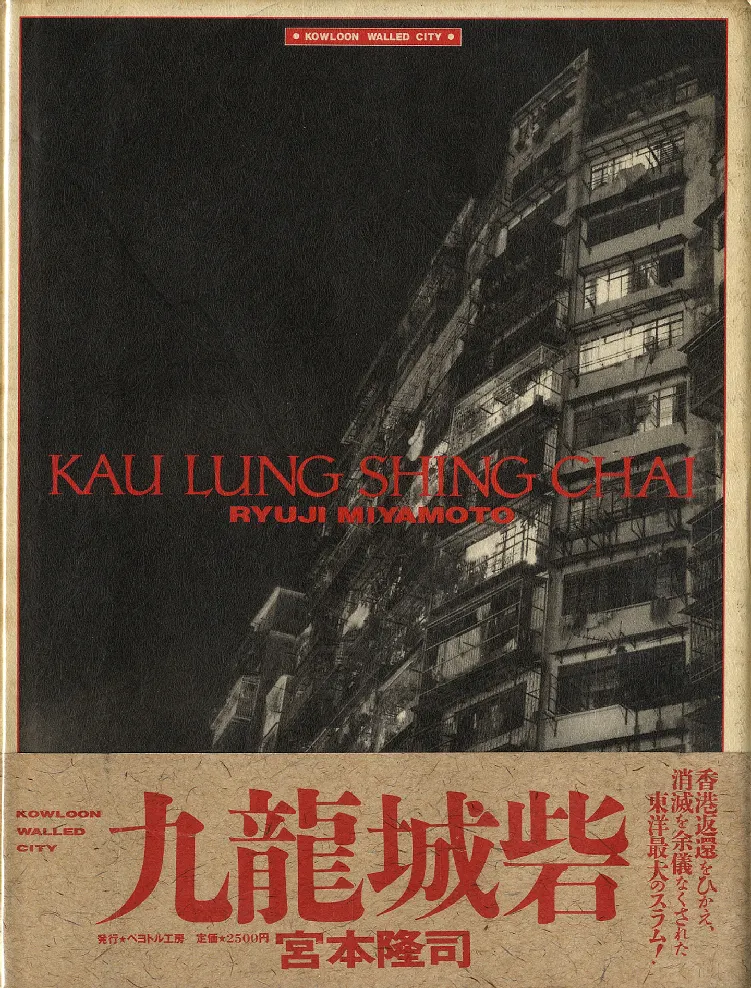
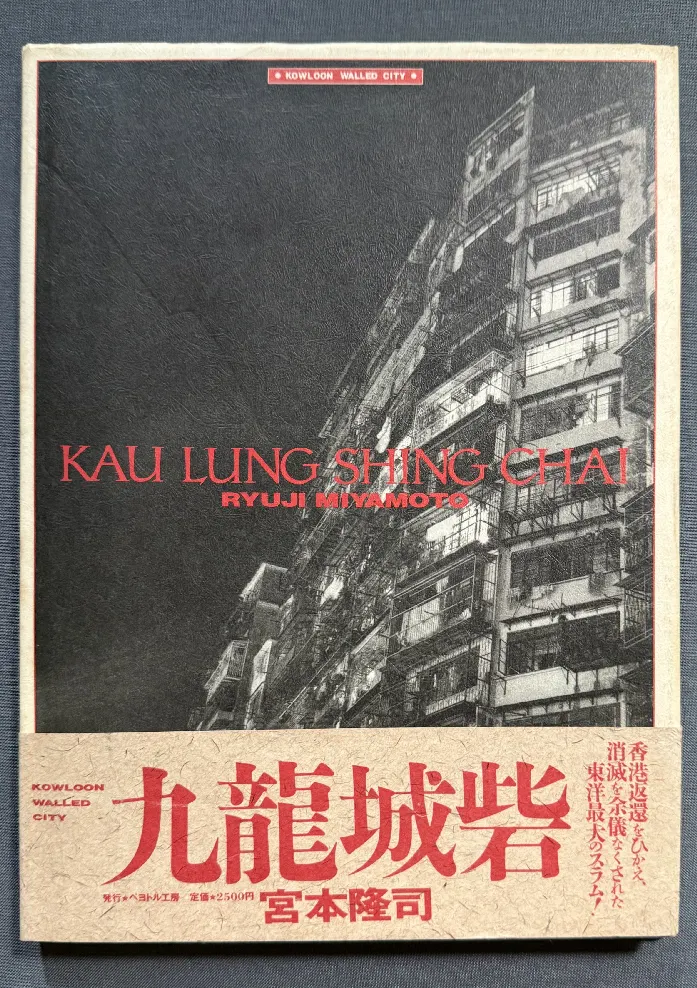
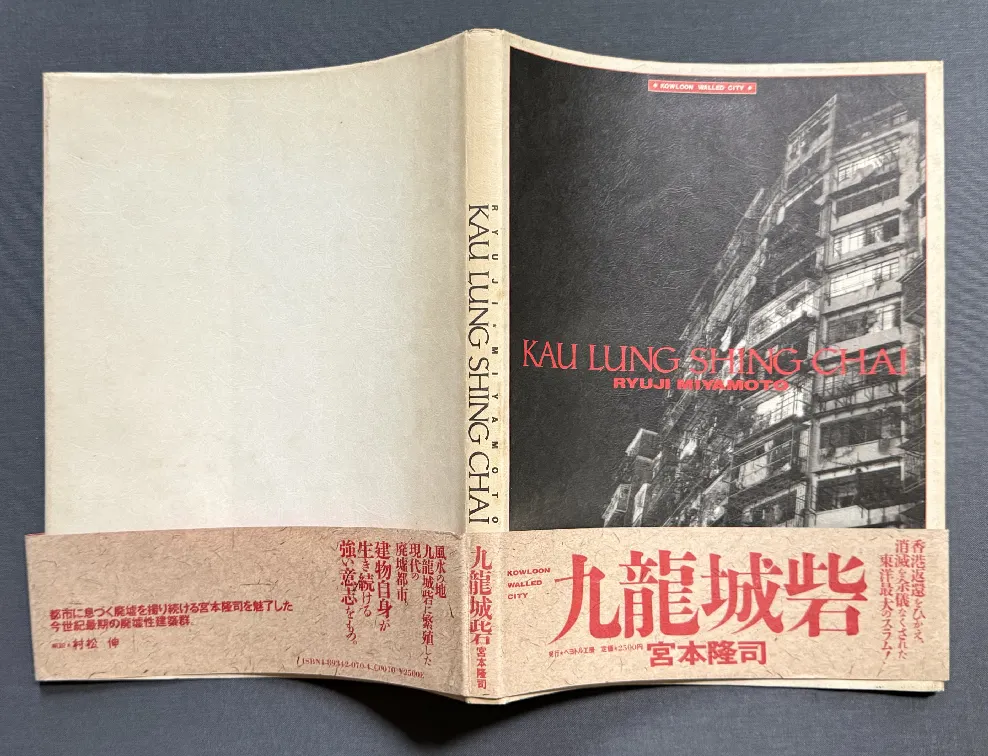
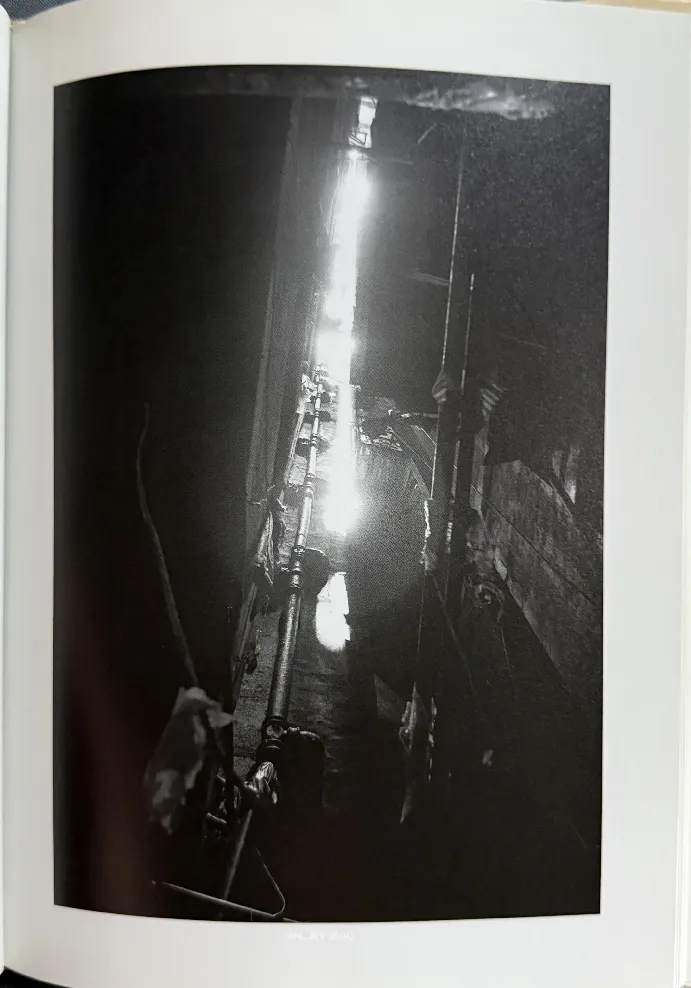
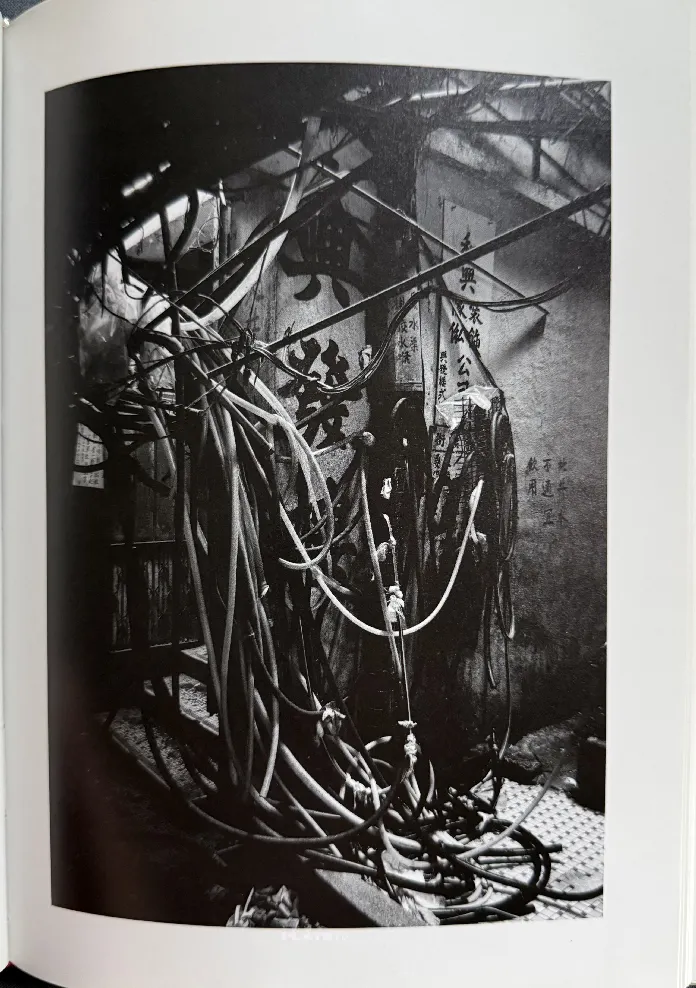
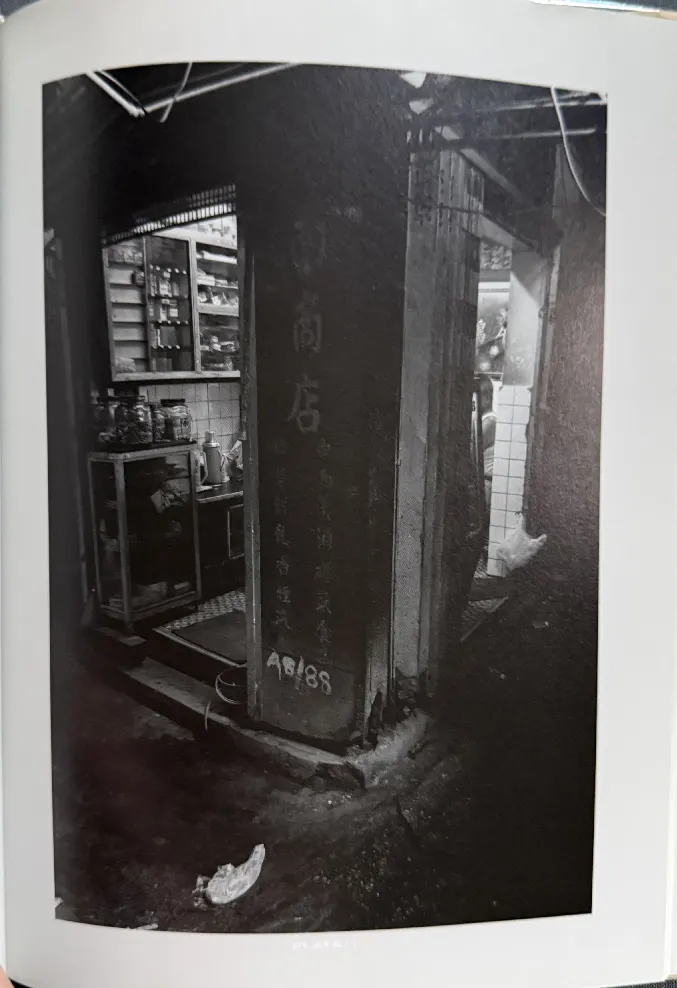
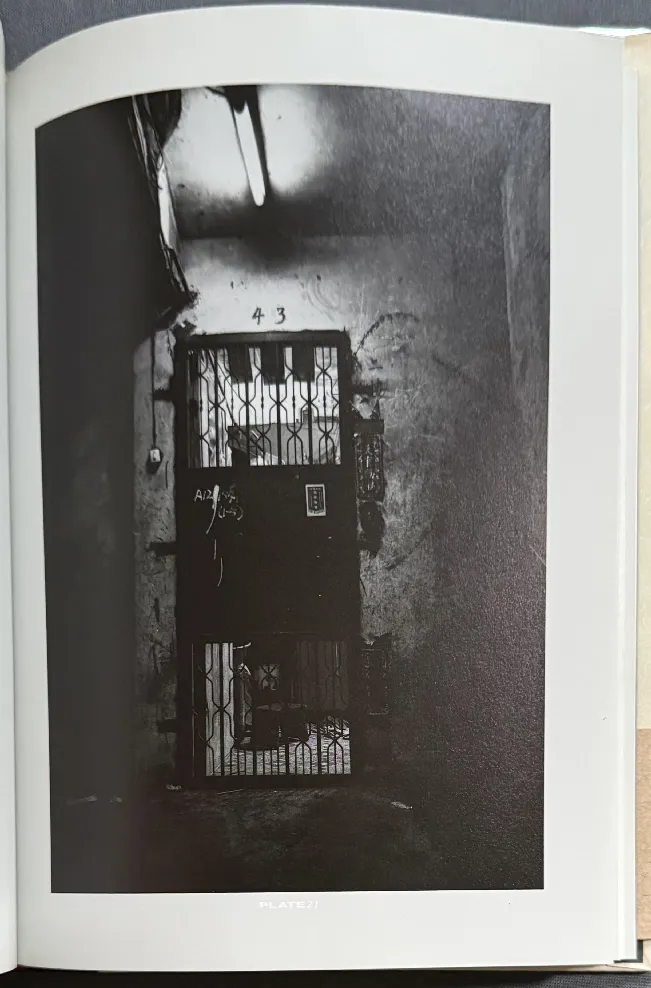
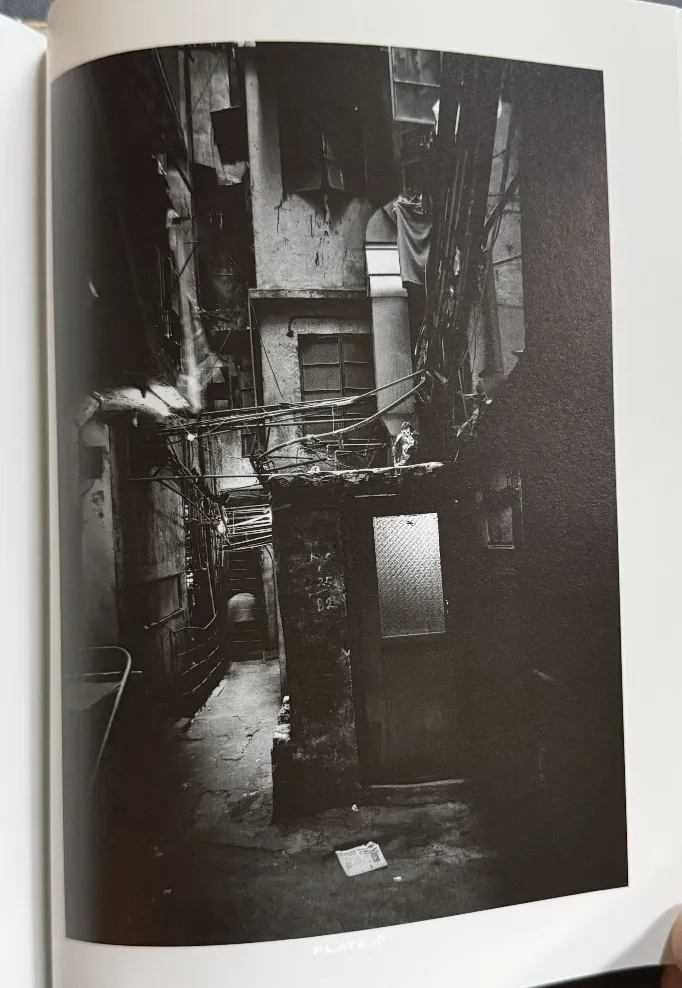
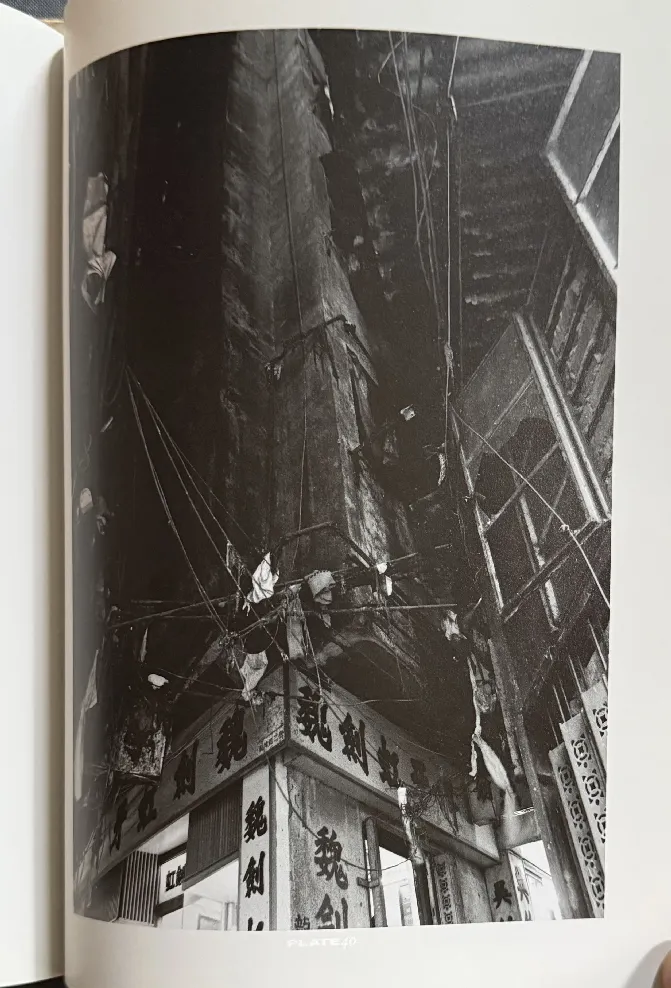
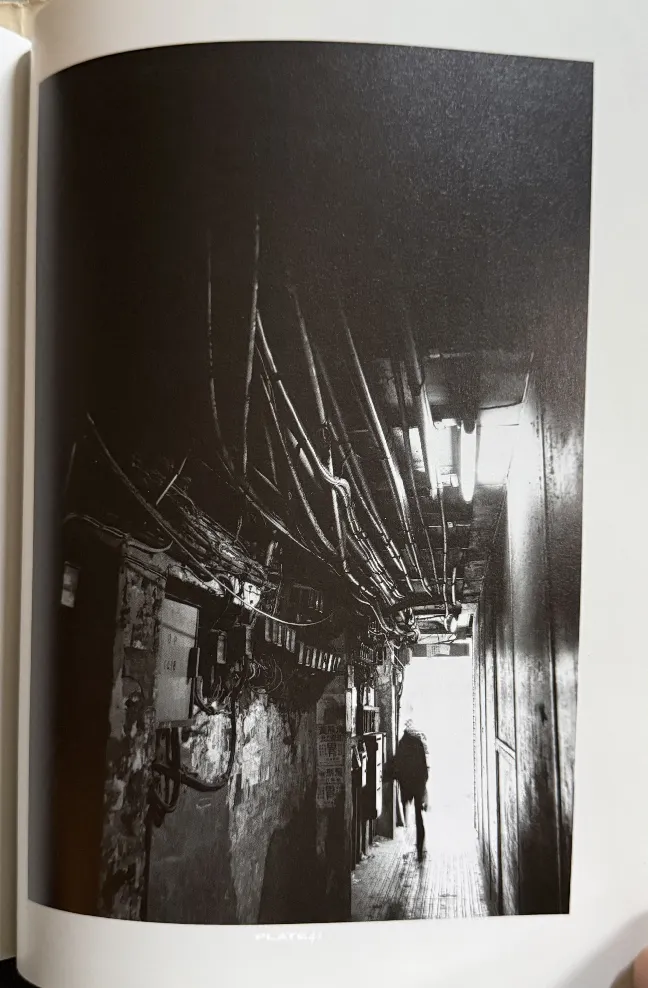
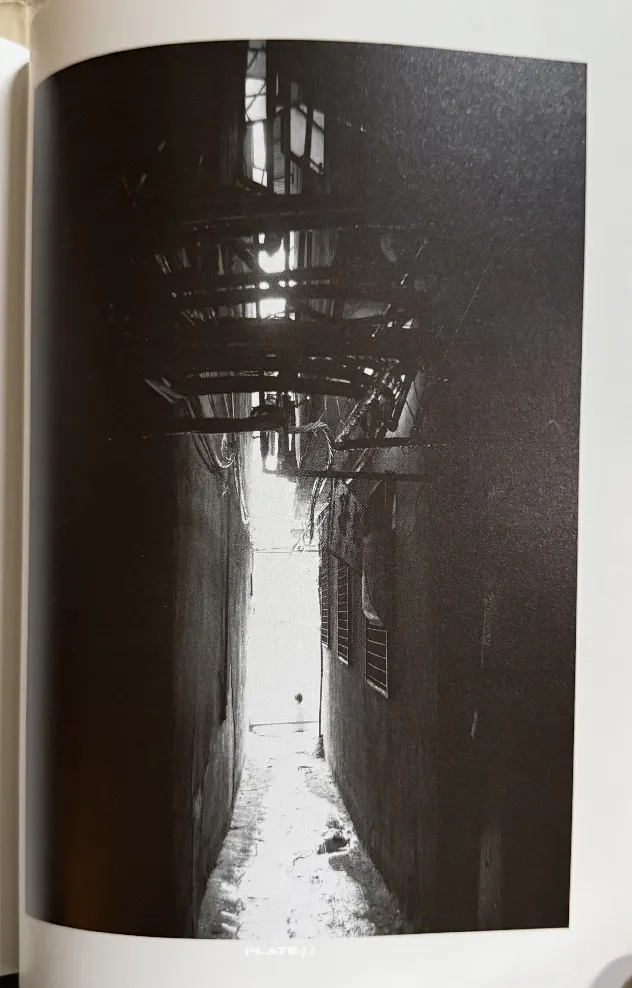
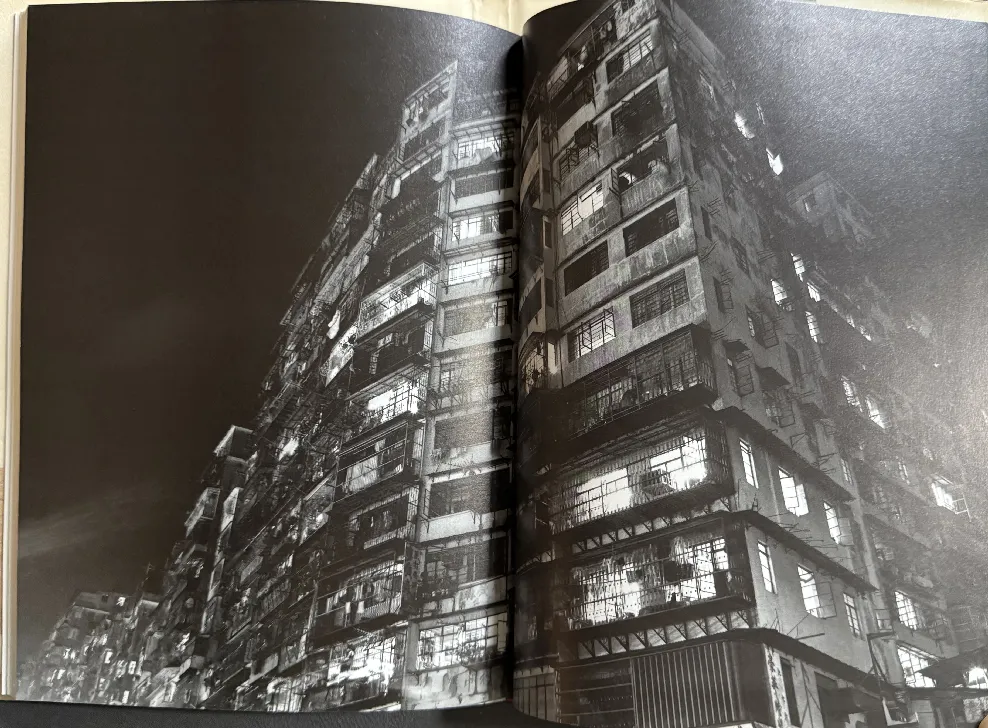
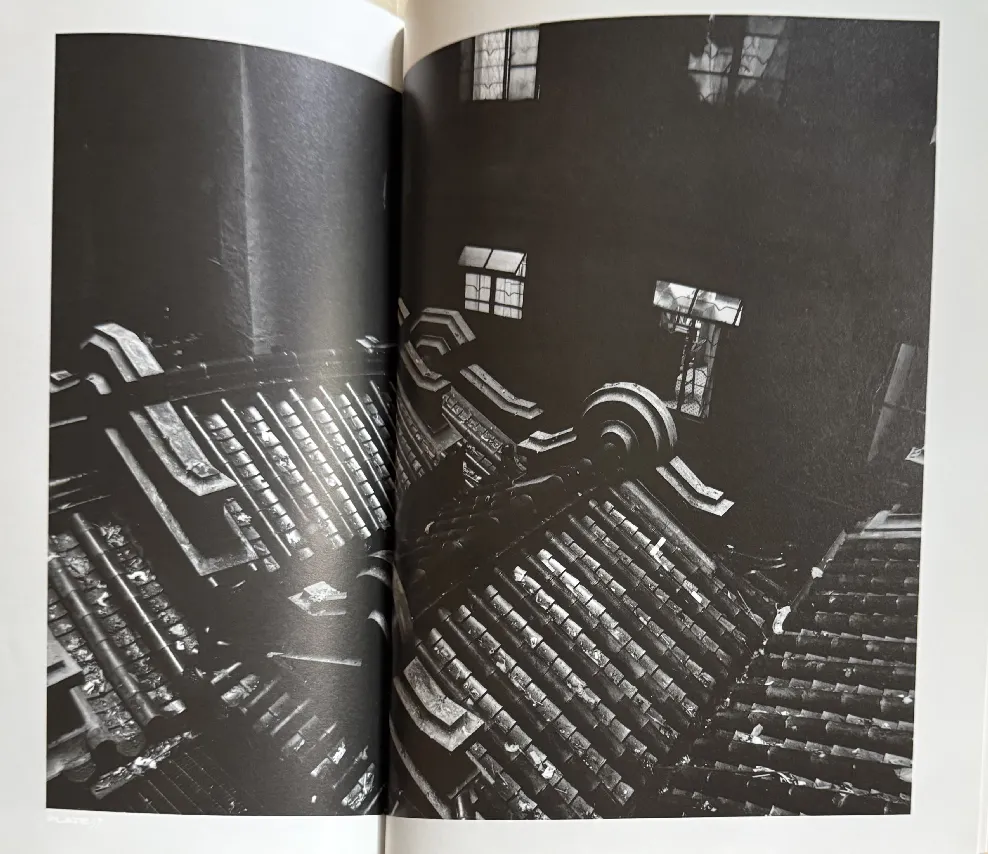
Unlike traditional photojournalism that focused heavily on poverty or crime, Miyamoto's Kowloon Walled City series focuses on the imposing, chaotic beauty of the structures themselves. He captured the ominous night views and the intricate, claustrophobic spatial dynamics, treating the sprawling, mutating buildings almost as an autonomous, organic entity.

The Kowloon Walled City was a densely populated, largely ungoverned enclave in Hong Kong. Originally a Qing Dynasty military fort, it evolved over decades of political limbo into a labyrinthine, vertical slum. With its maze-like alleyways, lack of sunlight, illegal businesses, and staggering population density, it became a global symbol of urban chaos, dystopian architecture, and resilient community adaptation before the government ultimately demolished it in the 1990s.
Miyamoto, often celebrated as a "ruins photographer," brought a highly unique perspective to this project. Drawing from his early career in architectural journalism, he approached the Walled City not merely as a socio-economic problem, but as a living, breathing example of what he called "handmade architecture".
Unlike traditional photojournalism that focused heavily on poverty or crime, Miyamoto's Kowloon Walled City series focuses on the imposing, chaotic beauty of the structures themselves. He captured the ominous night views and the intricate, claustrophobic spatial dynamics, treating the sprawling, mutating buildings almost as an autonomous, organic entity.