

Hardcover with dust jacket
ISBN:
9780810941915


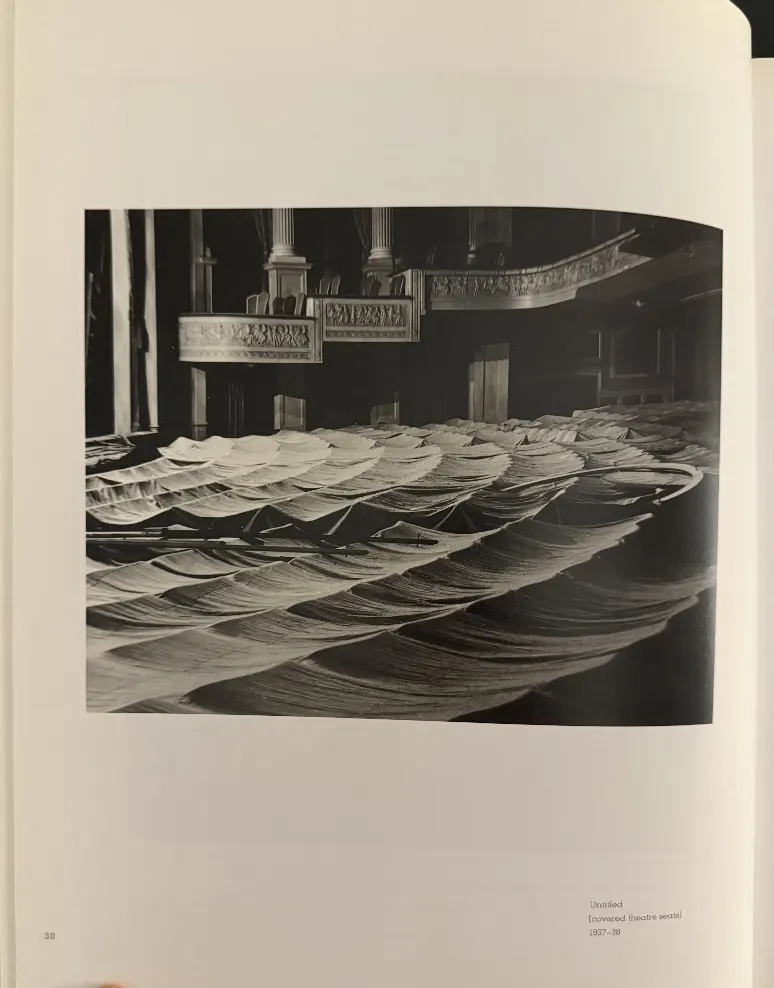
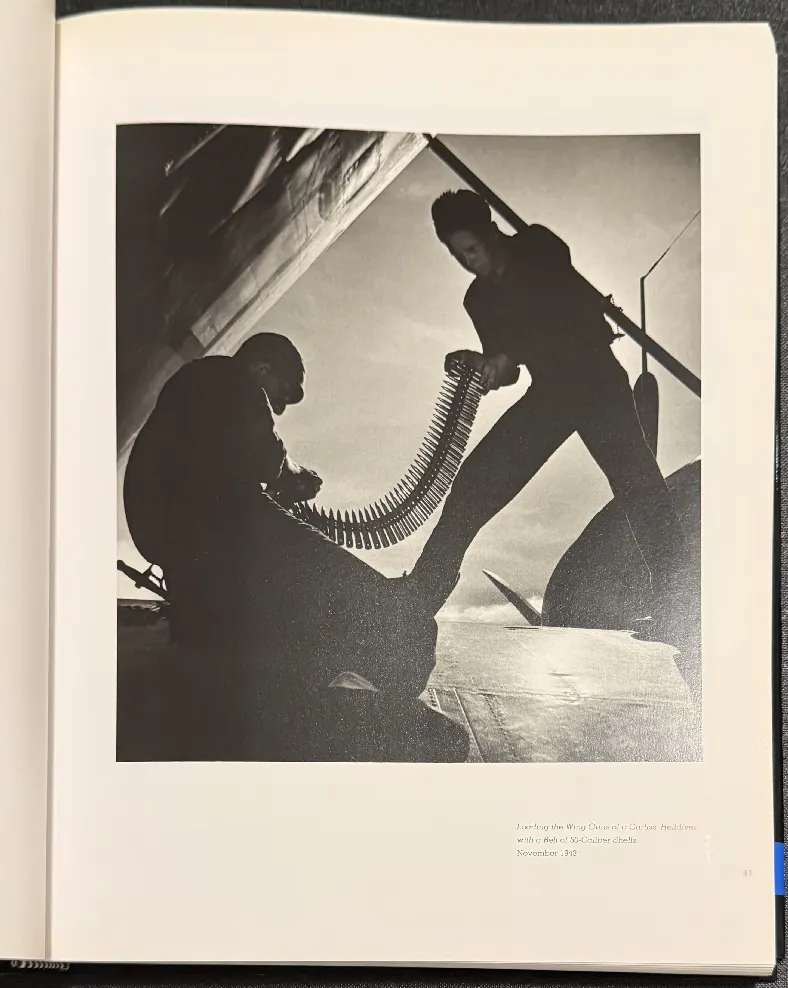
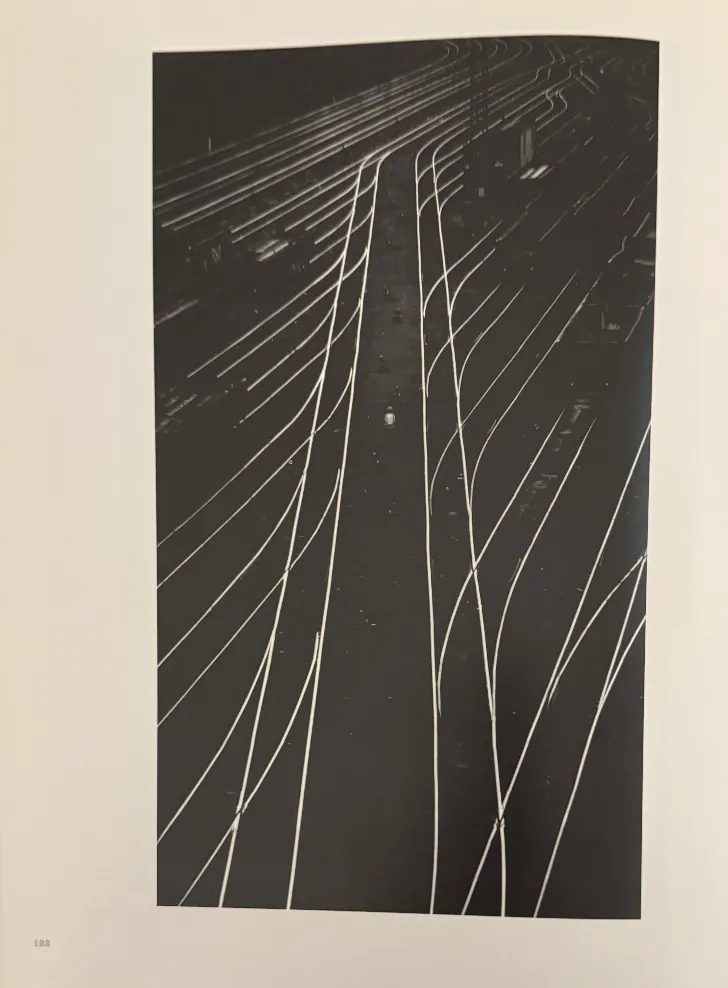
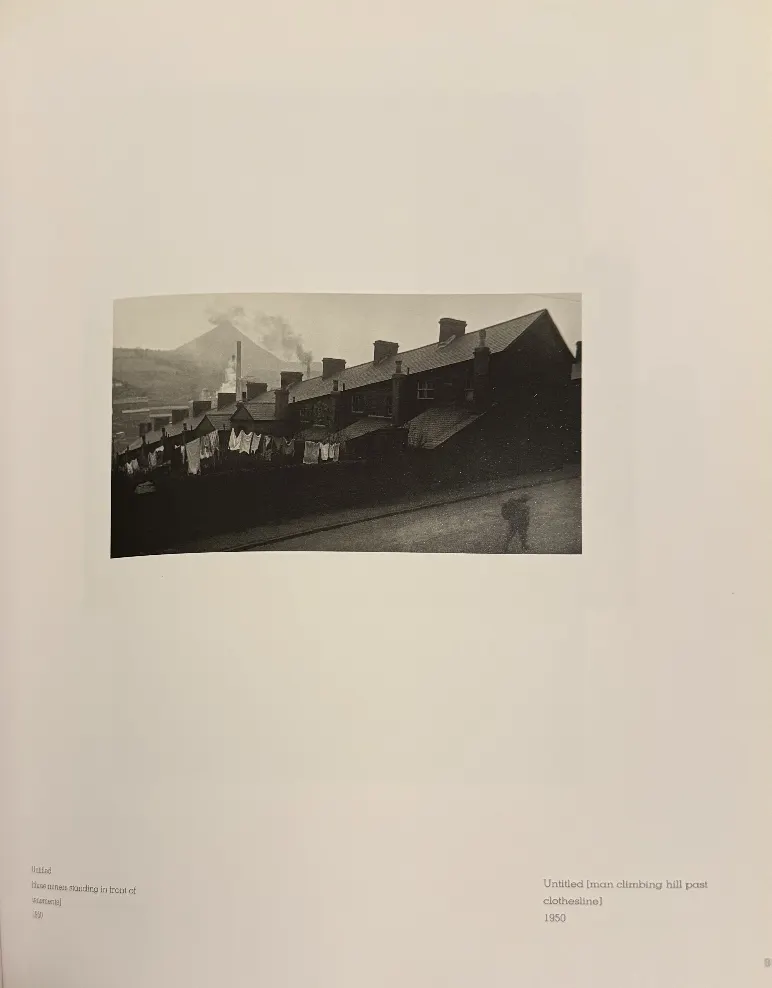
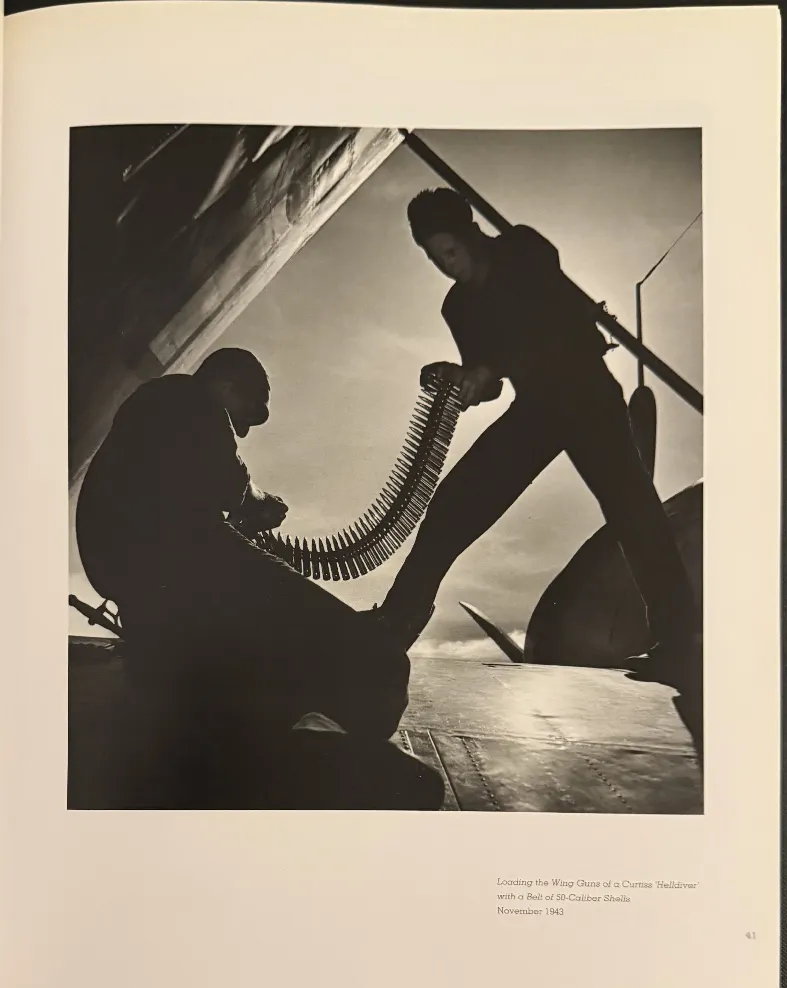
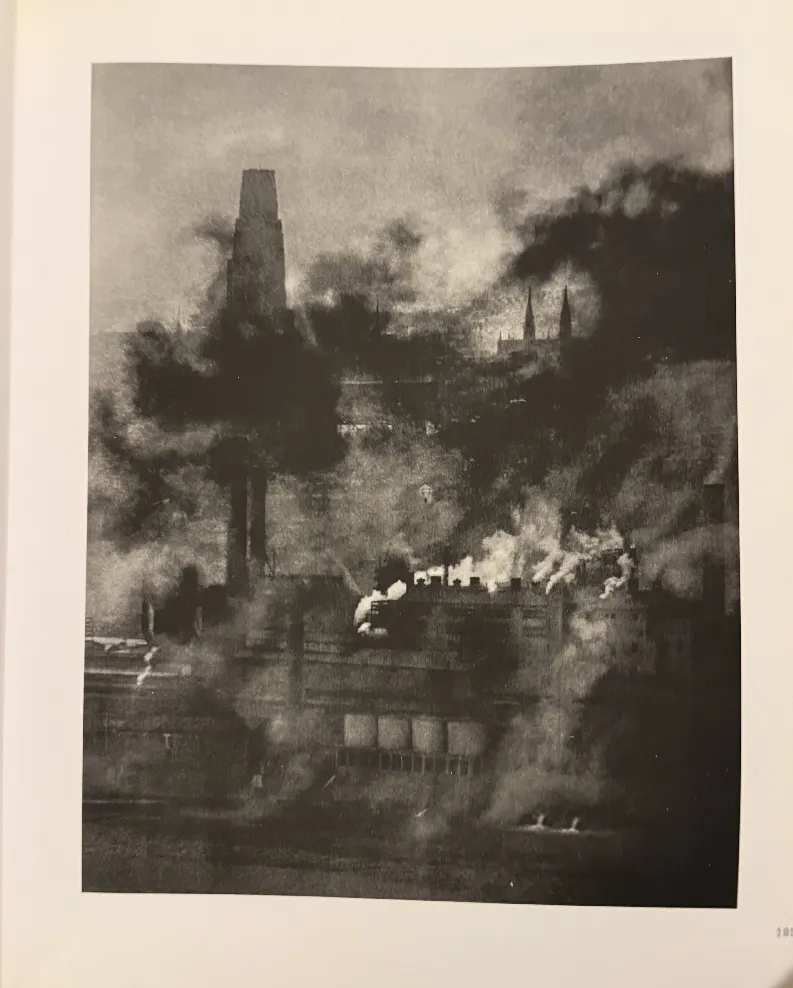
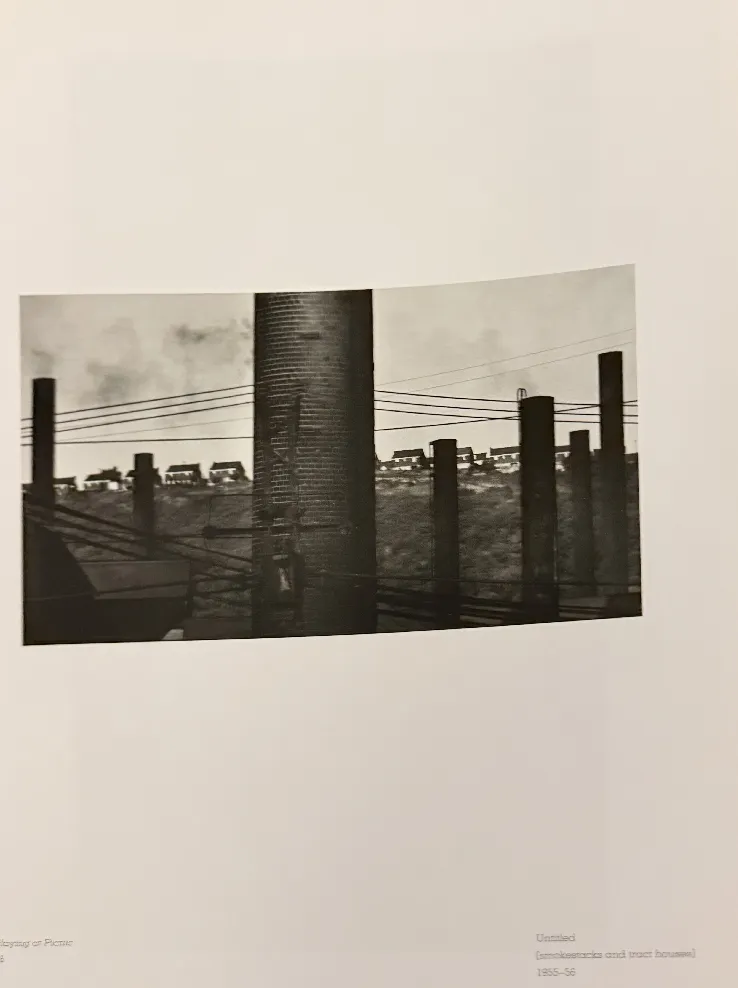
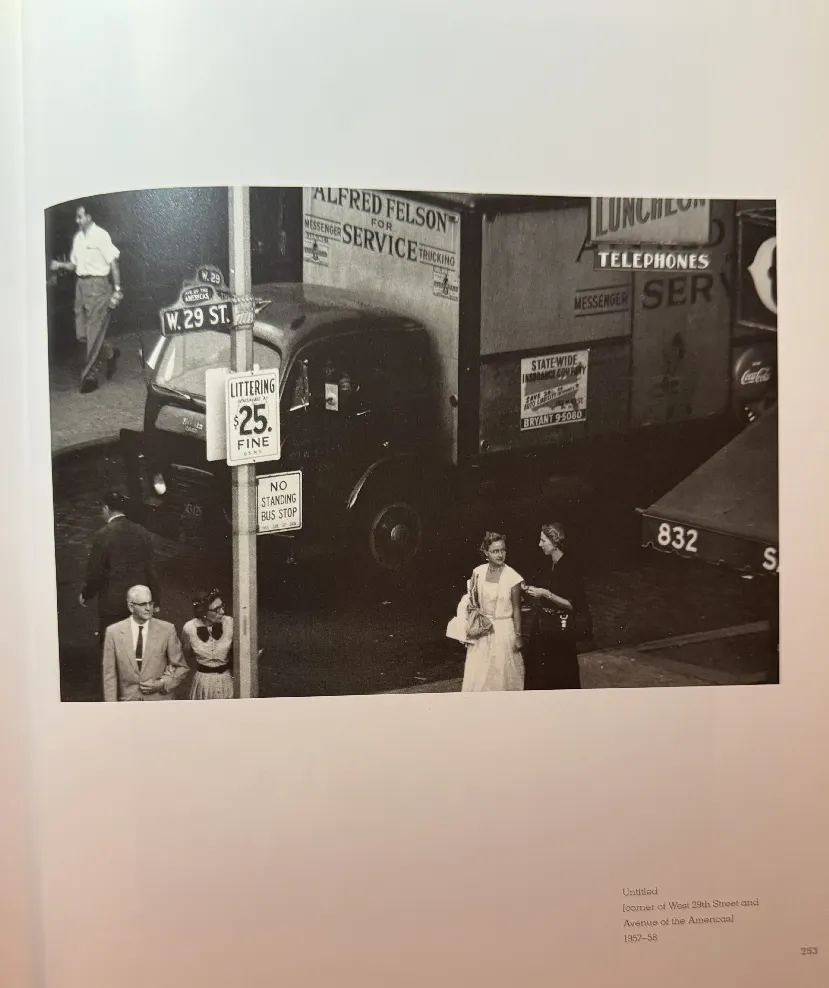
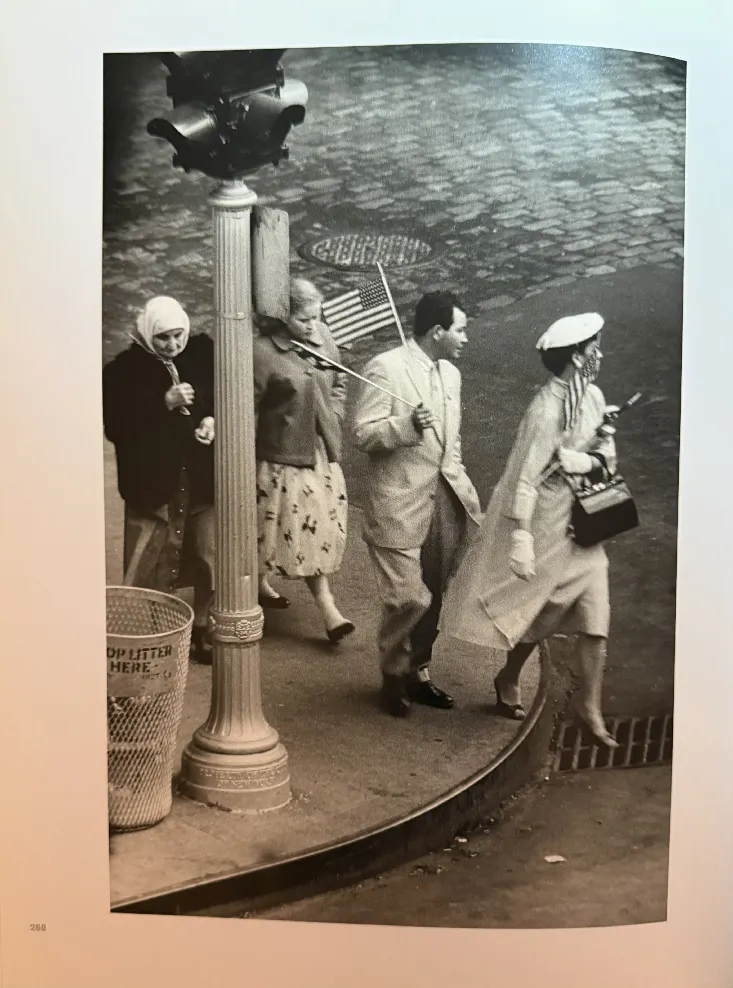
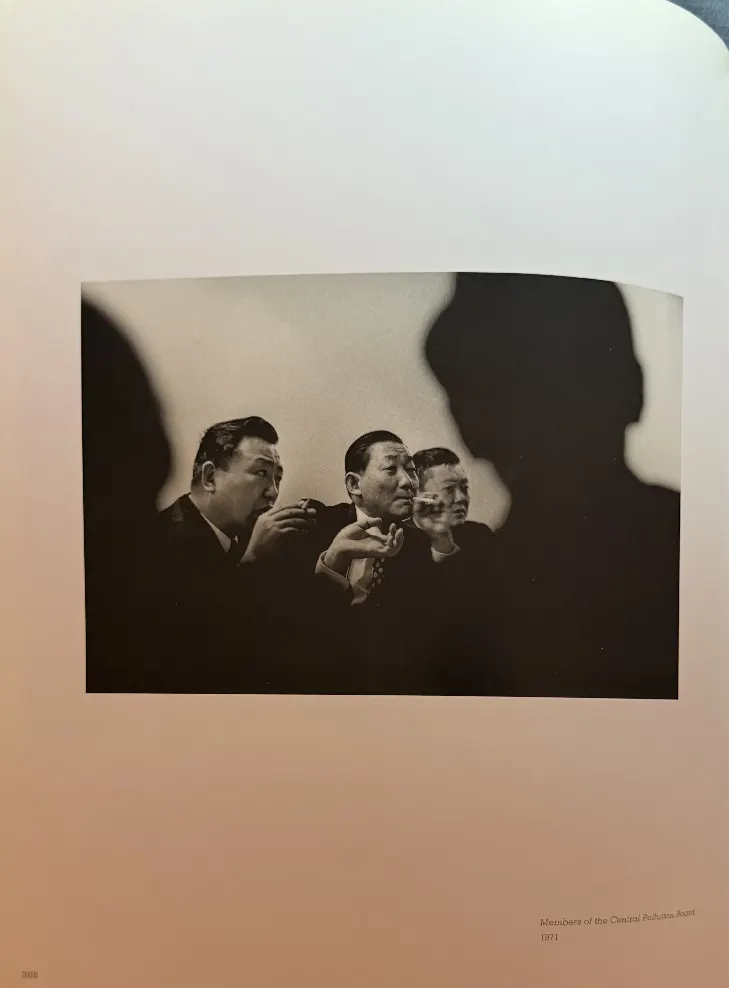
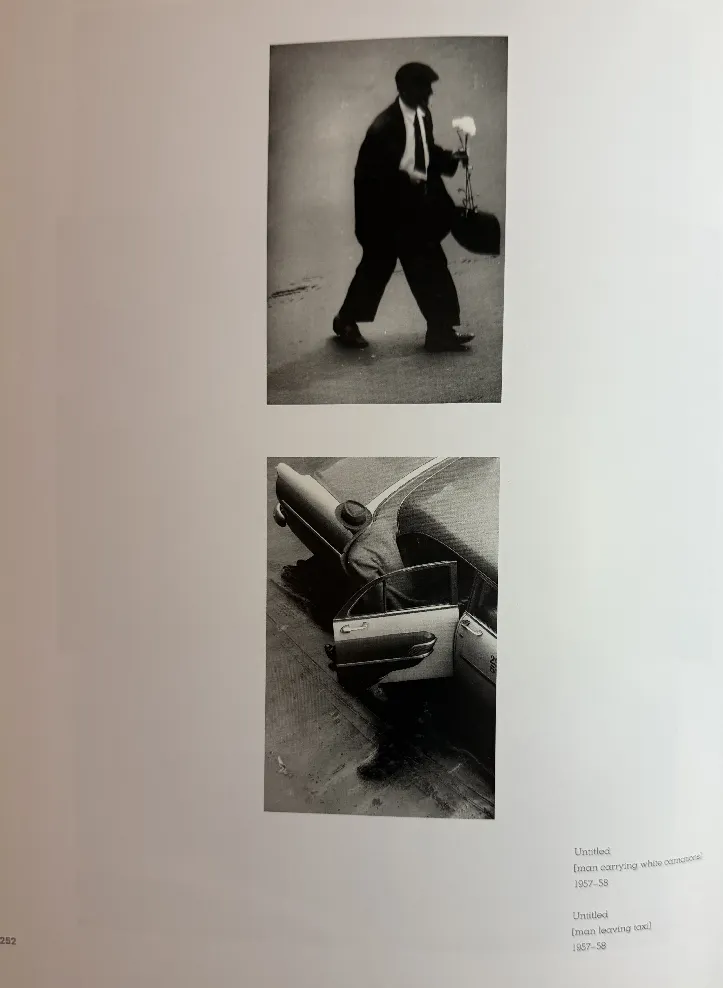
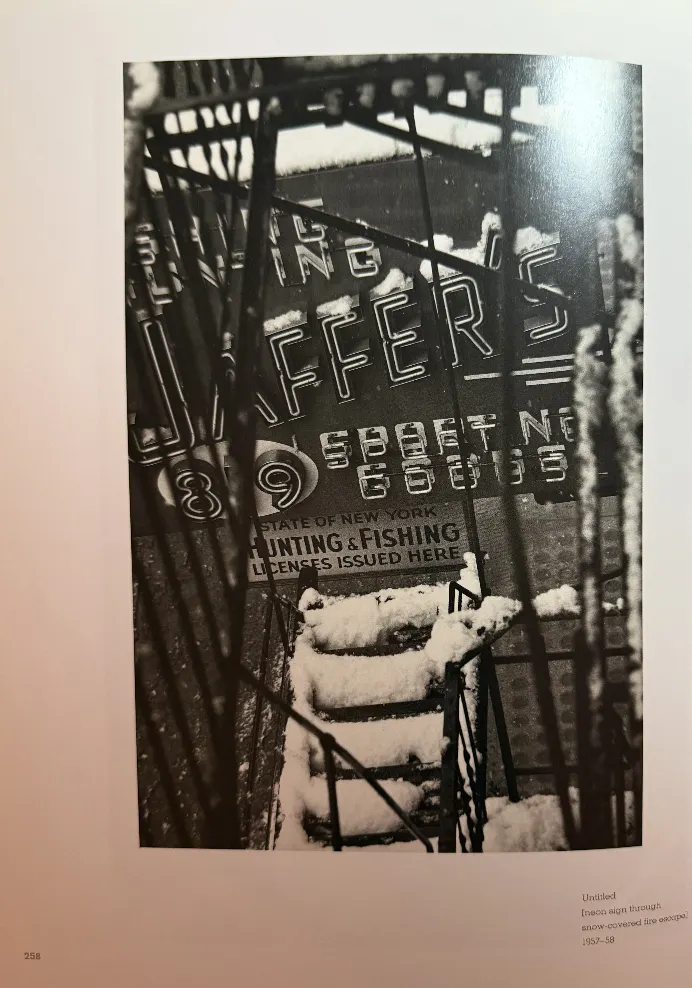
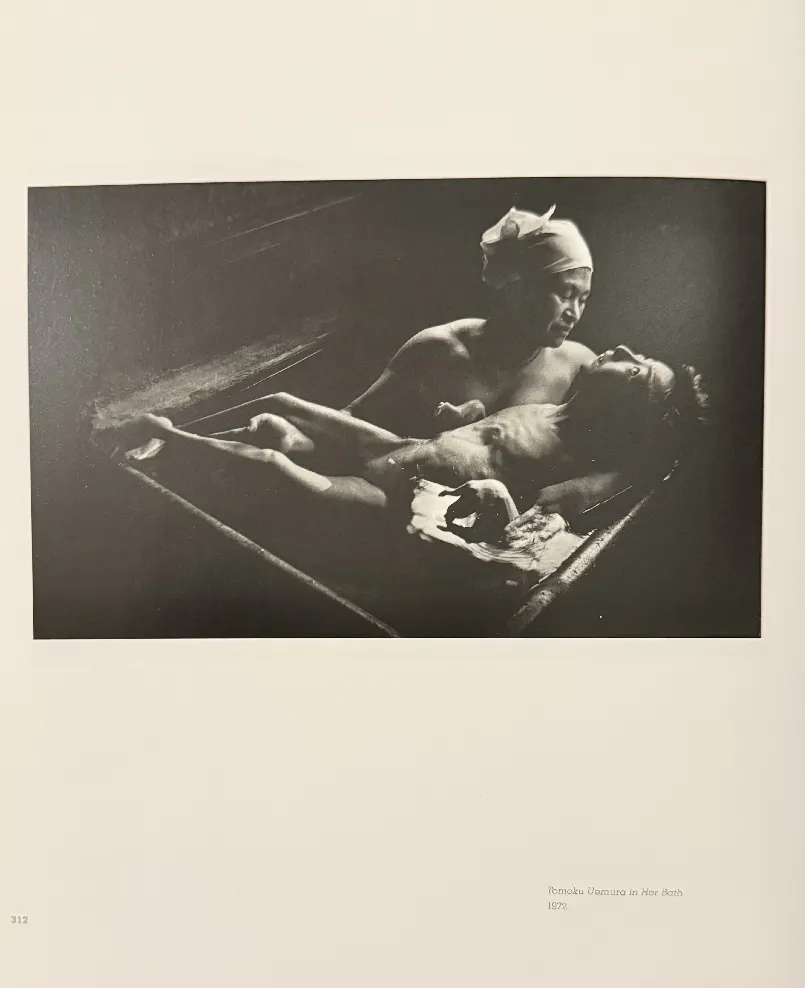
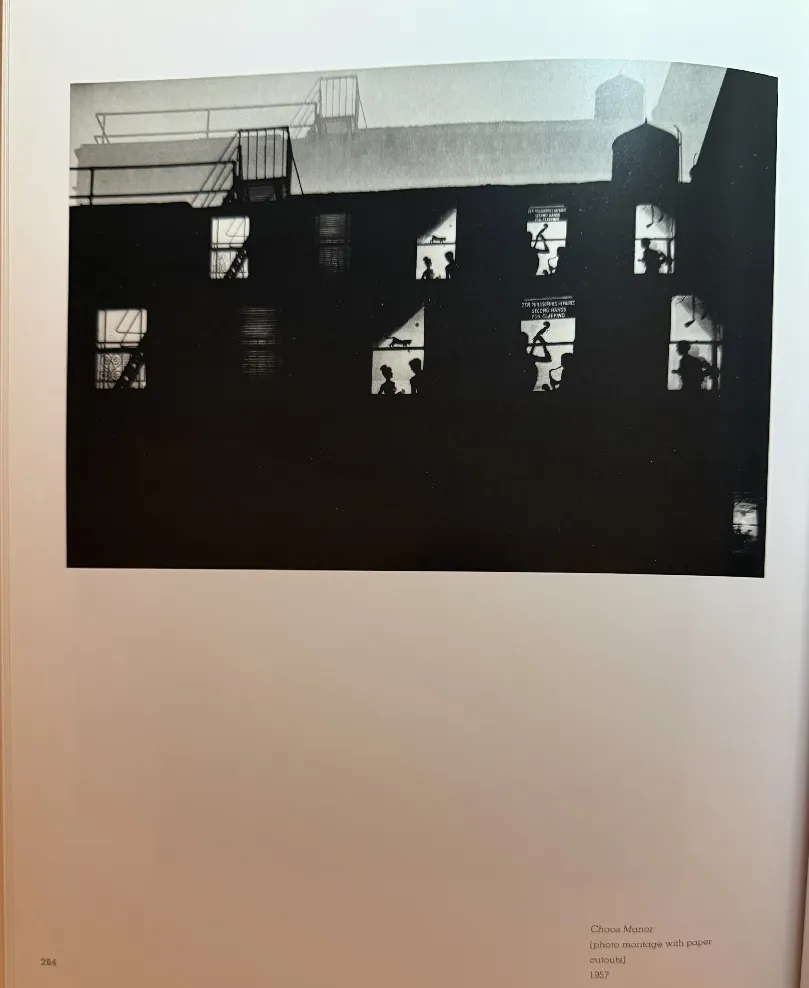
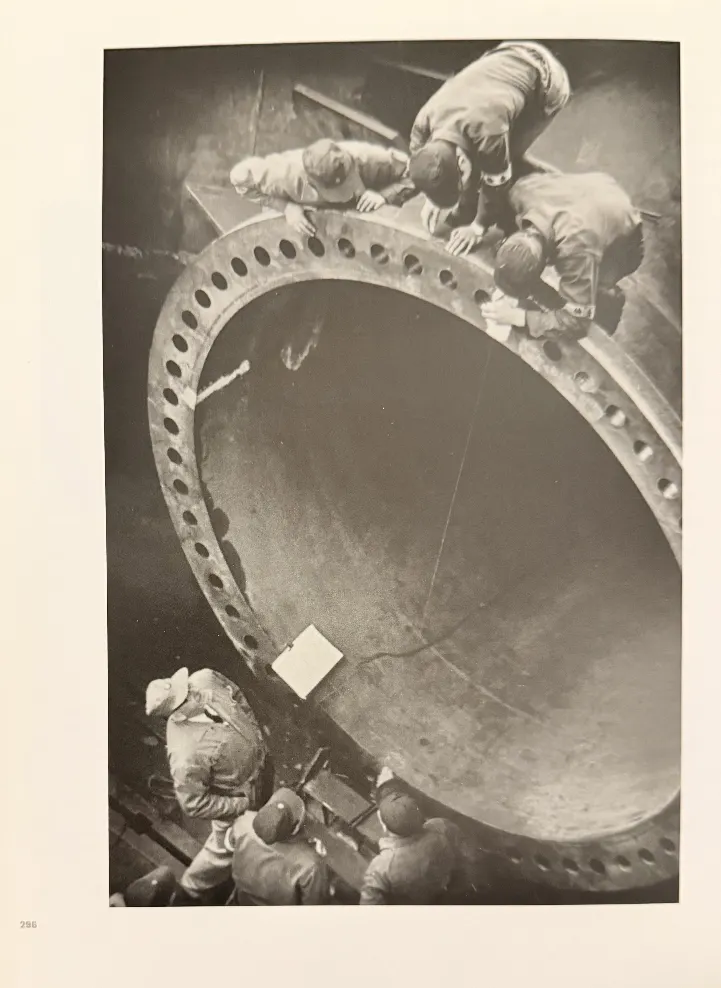
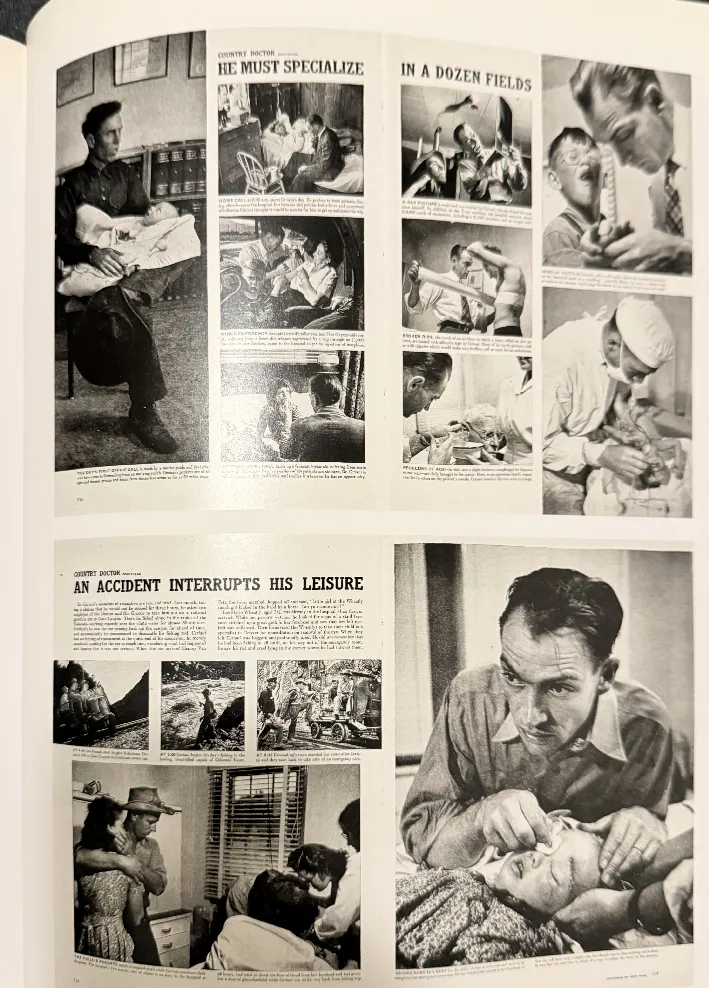
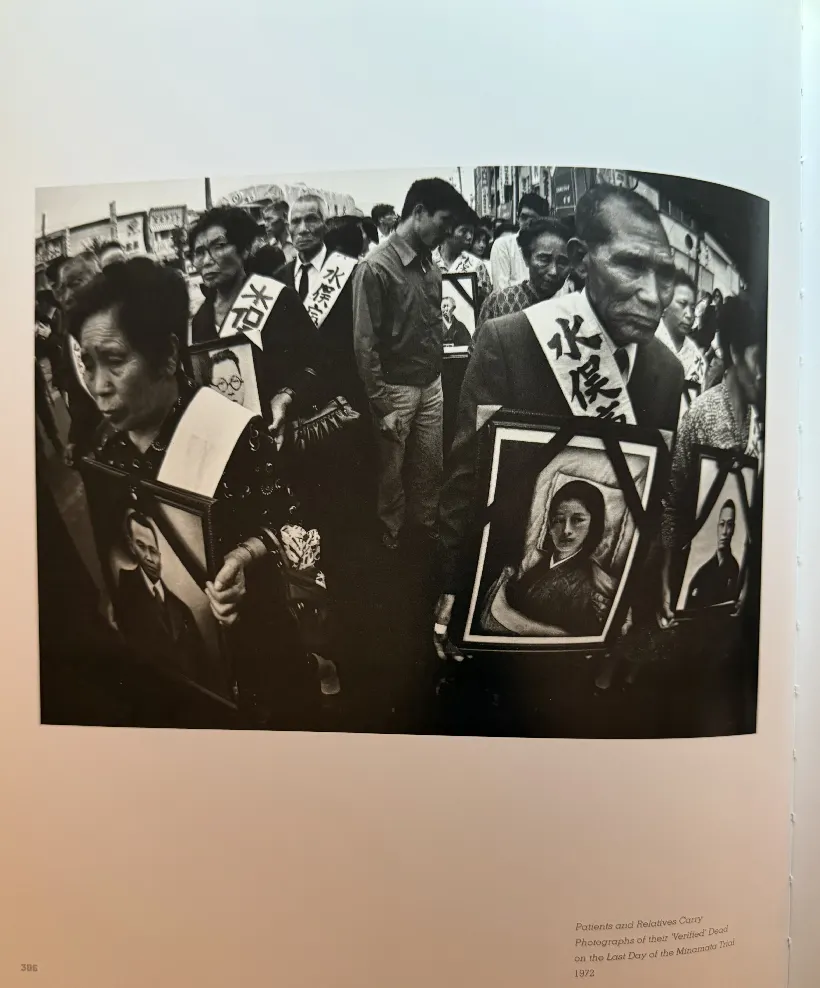
W. Eugene Smith’s W. Eugene Smith Photographs 1934–1975 serves as a definitive retrospective tracking the evolution of one of the twentieth century's most uncompromising photojournalists. Bringing together four decades of landmark work, the volume spans his early graphic reportage and World War II Pacific combat coverage, his revolutionary long-form essays for Life magazine, such as Country Doctor, Spanish Village, and Nurse Midwife, his towering industrial survey of Pittsburgh, and his harrowing final documentation of mercury poisoning in Minamata.
The publication is structured as a chronological and thematic survey that traces Smith's transition from straightforward journalistic assignment work to deeply immersive, subjective photo-essays. By sequencing these milestone projects back-to-back, the book articulates his unwavering commitment to the photograph as a vehicle of moral witness, empathy, and social advocacy.
The volume is distinguished by high-quality duotone and monochrome plate printing that meticulously preserves Smith's legendary darkroom mastery.