
Softcover
ISBN:


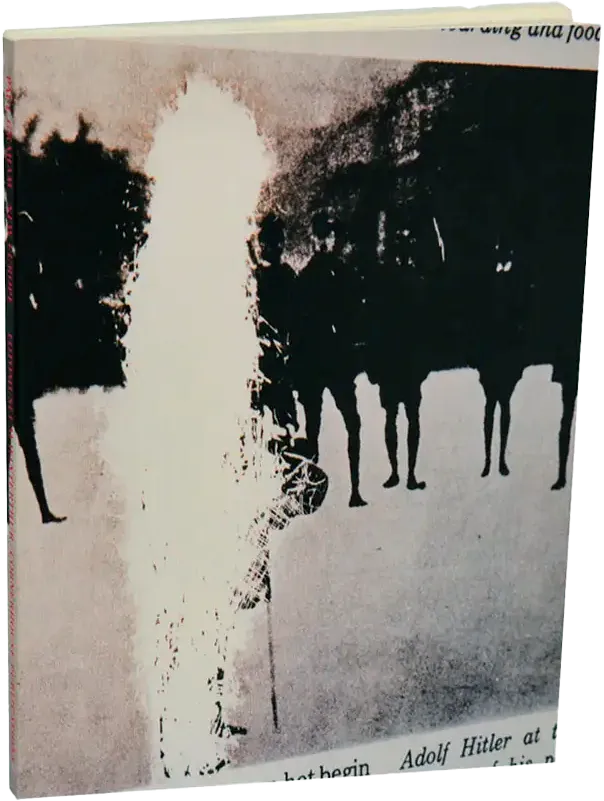
Graham’s New Europe originates from a period of historical transition, capturing the continent between 1986 and 1992, an era defined by the fall of the Berlin Wall and the uneasy march toward a unified European Union. Rather than photographing major political events, Graham focused on the psychological undercurrents of a landscape awkwardly attempting to forge an optimistic future while remaining deeply haunted by the traumas of the twentieth century. This body of work investigates a kind of collective amnesia, exploring how the shadows of dictatorships, war, and historical trauma linger just beneath the surface of modern, everyday life.
The content of the book oscillates between the banal and the historically burdened. Graham sequences blank, introspective portraits of young Europeans alongside tightly cropped images of scarred environments, discarded consumer goods, and mundane spaces. By juxtaposing everyday scenes, such as a sticky nightclub floor, a rusted metal door, or a simple ash tray; with the invisible weight of history, he constructs a narrative that is fragmented, poetic, and deeply unsettling.
Included in Parr/Badger Vol 2