

Softcover
ISBN:
9781597115421


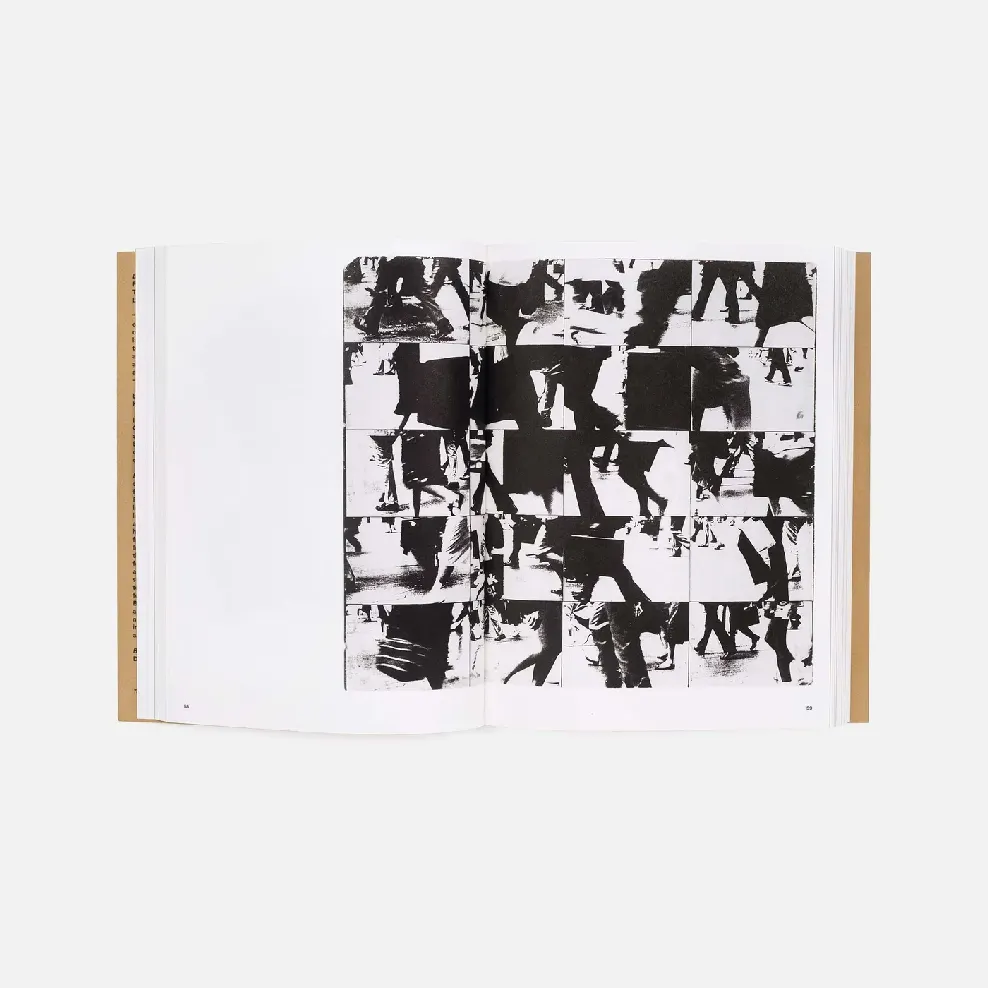
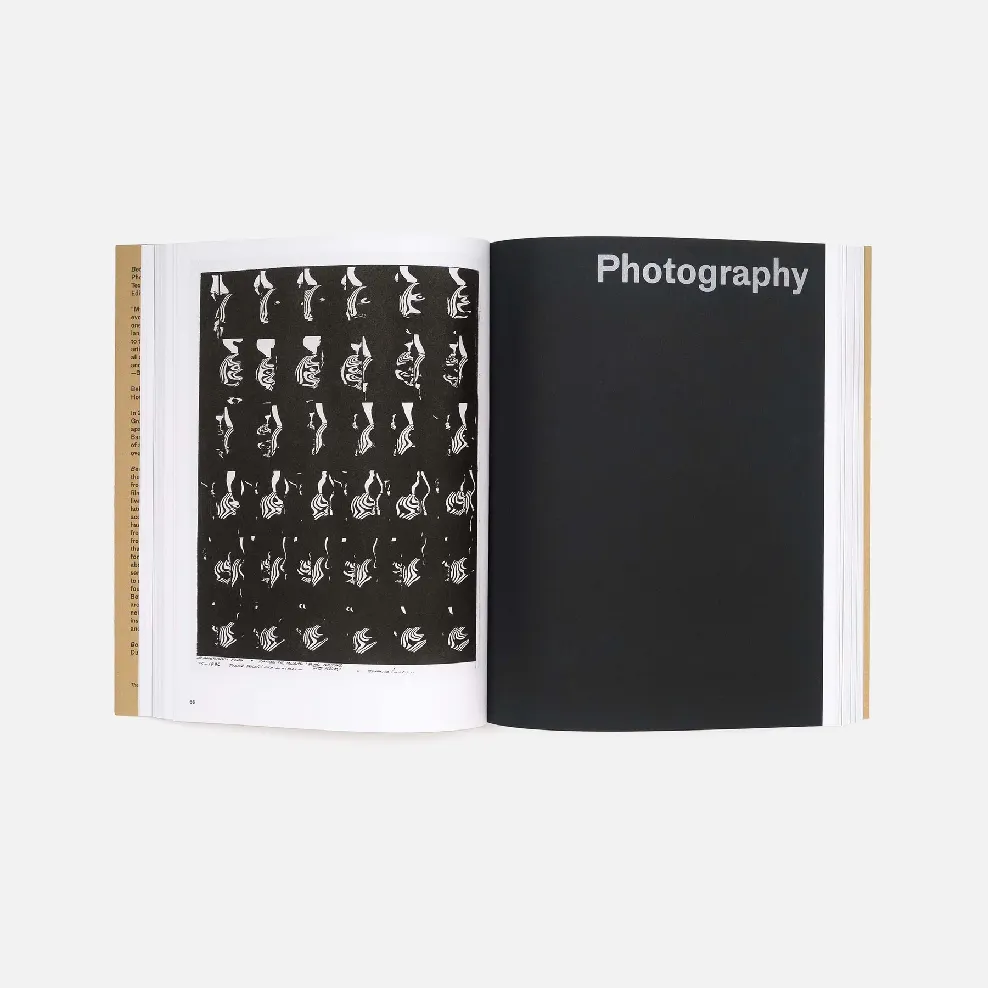
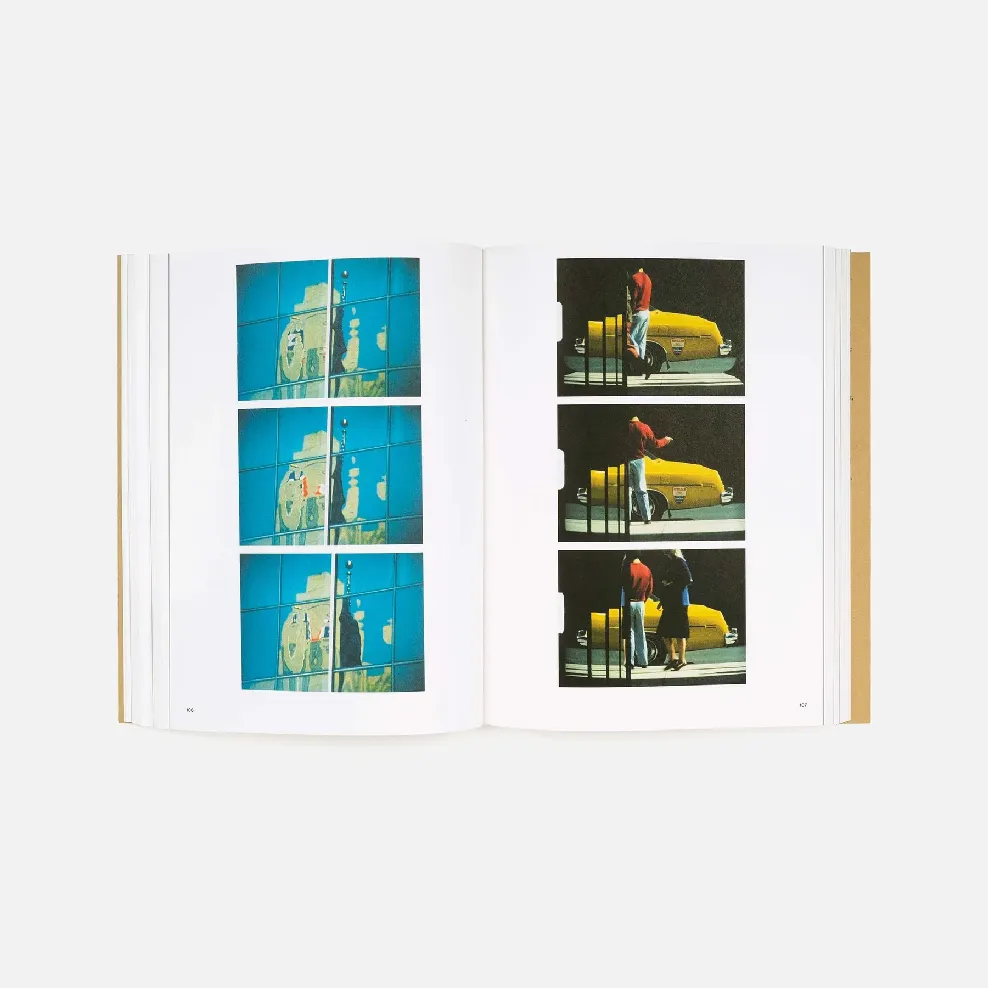
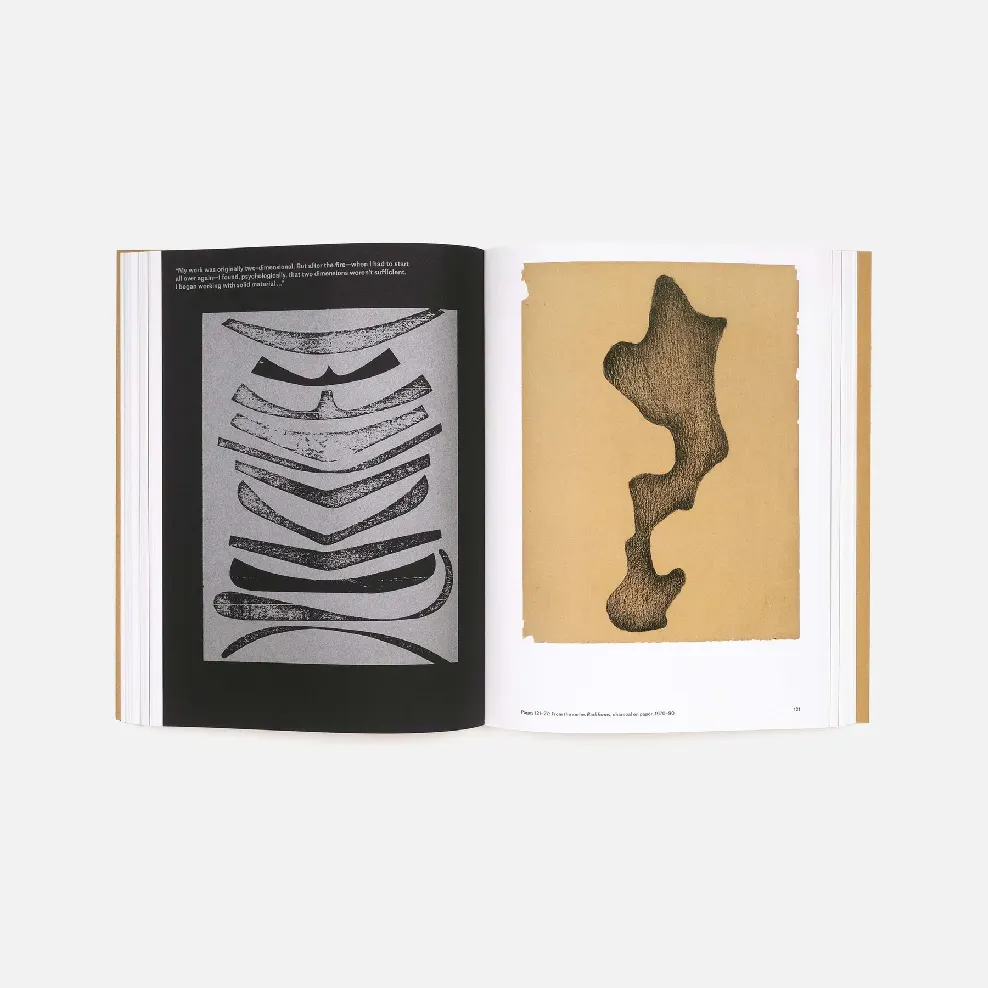
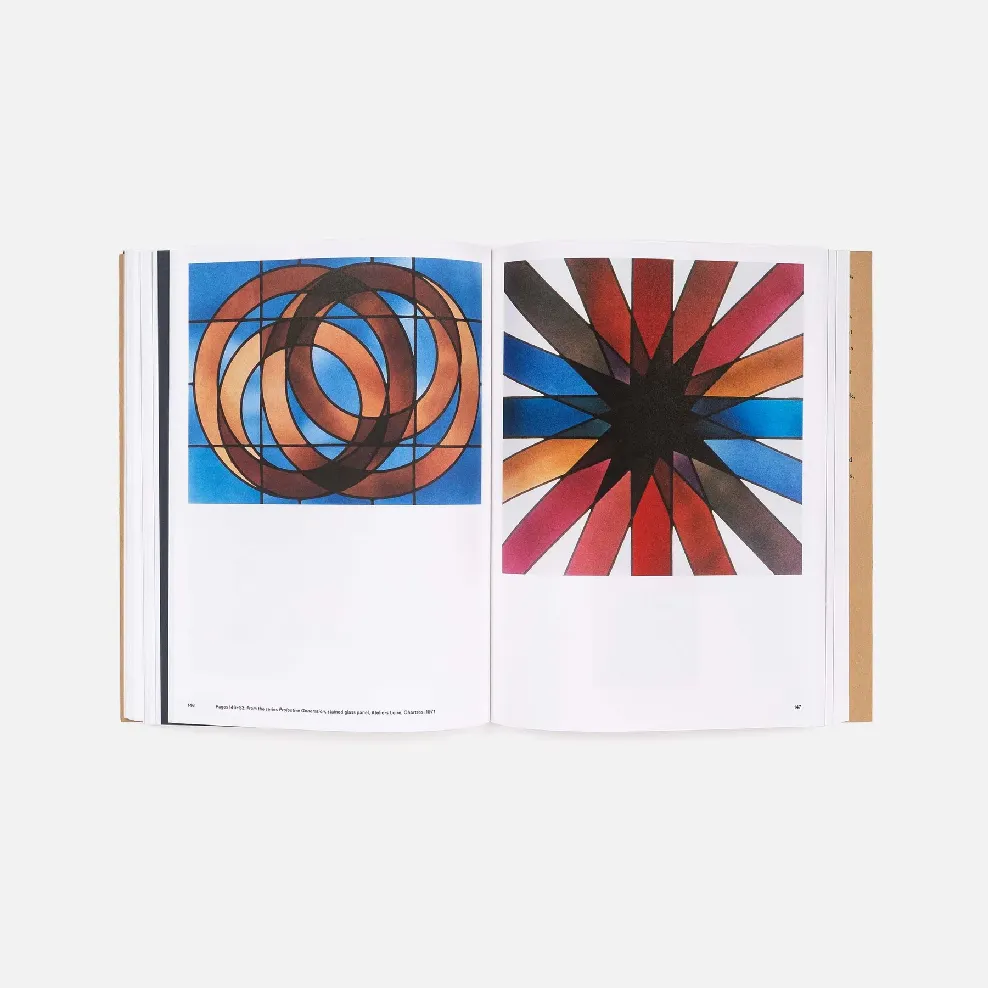
Based off an archaeological recovery project, Bettina serves as the first comprehensive monograph of the visionary conceptual artist Bettina Grossman. Living a reclusive life in New York’s Chelsea Hotel from 1968 until her death in 2021, Bettina transformed her apartment into a dense, overflowing archive of her own prolific output. Edited by artist Yto Barrada and designer Gregor Huber, the publication systematically catalogs an unseen, wildly interdisciplinary practice that bridged photography, sculpture, textile, and cinema. Rather than a standard retrospective, the book functions as a collaborative translation of her physical space, bringing light to an unsung artist who obsessively dedicated her life to the abstraction of the everyday.
Aesthetically, Bettina’s visual language is defined by a strict adherence to geometric abstraction, seriality, and pattern. Frequently photographing pedestrians, shadows, and architectural fragments from her high-rise window, she isolated the chaotic movement of the street into rigorous graphic typologies. Her methodology treated the camera not as a straightforward documentary tool, but as a generative starting point. The photographs were continuously manipulated and reimagined, eventually morphing into sculptural pieces and abstract “verbal forms”. The publication itself mirrors this obsessive seriality, utilizing a dense, structured sequencing that highlights how she seamlessly dissolved the boundaries between two-dimensional capture and three-dimensional form.