
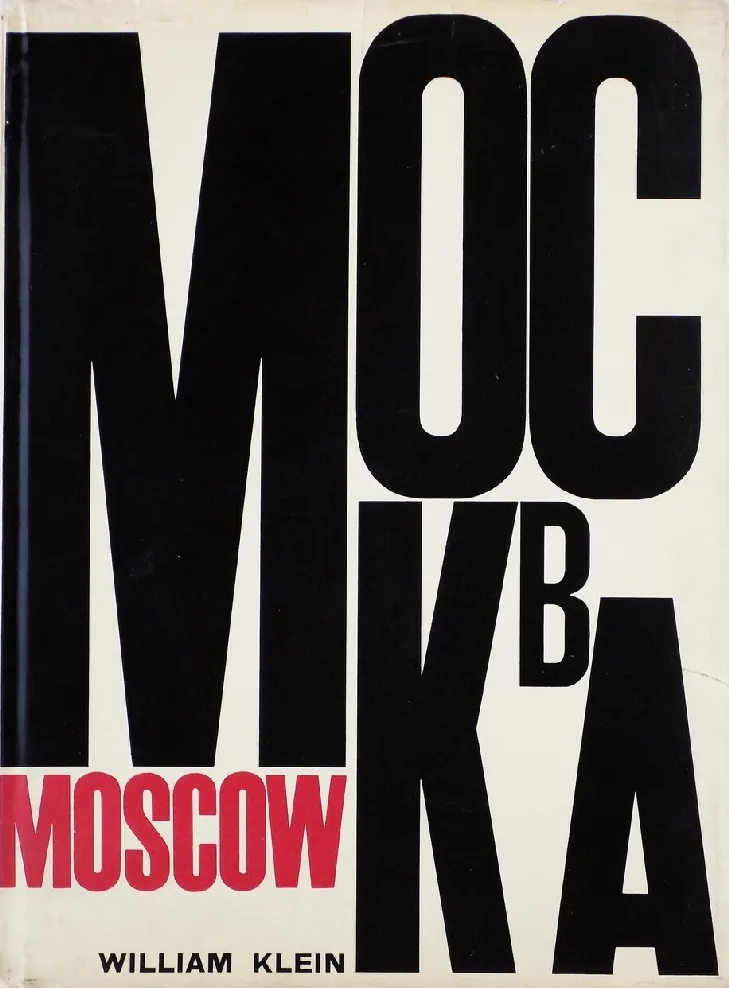


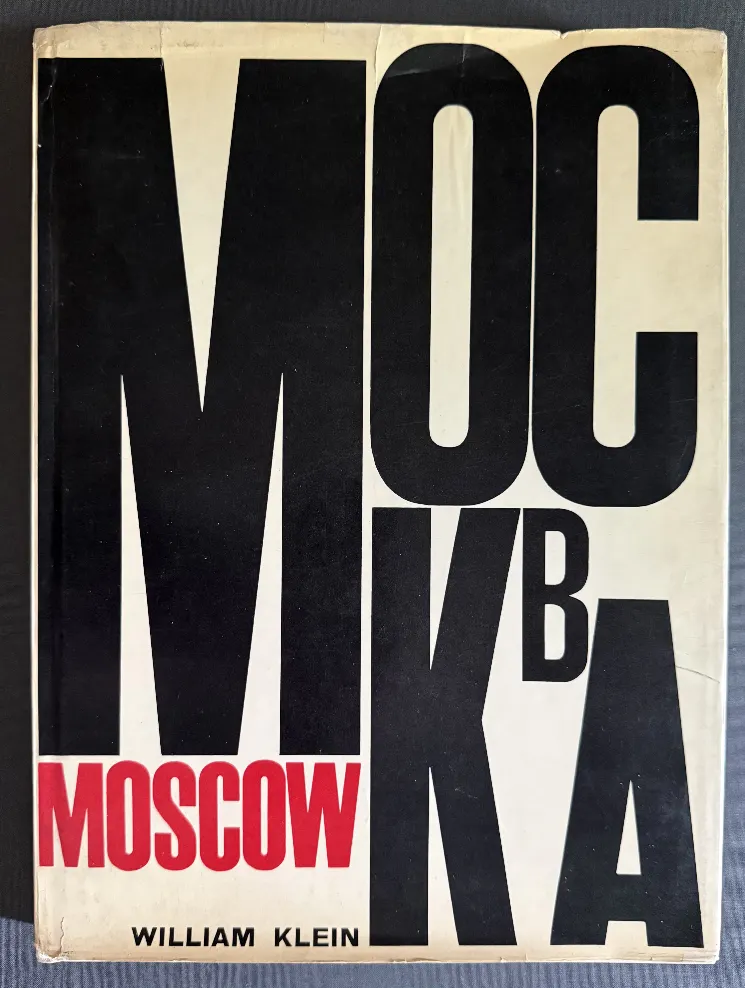

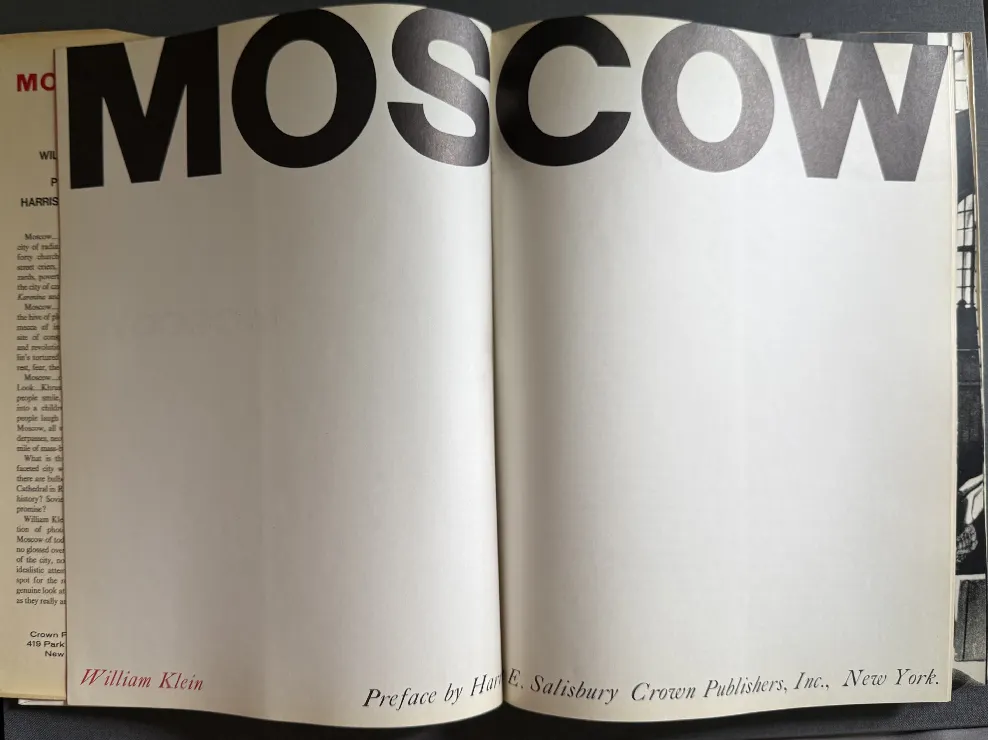




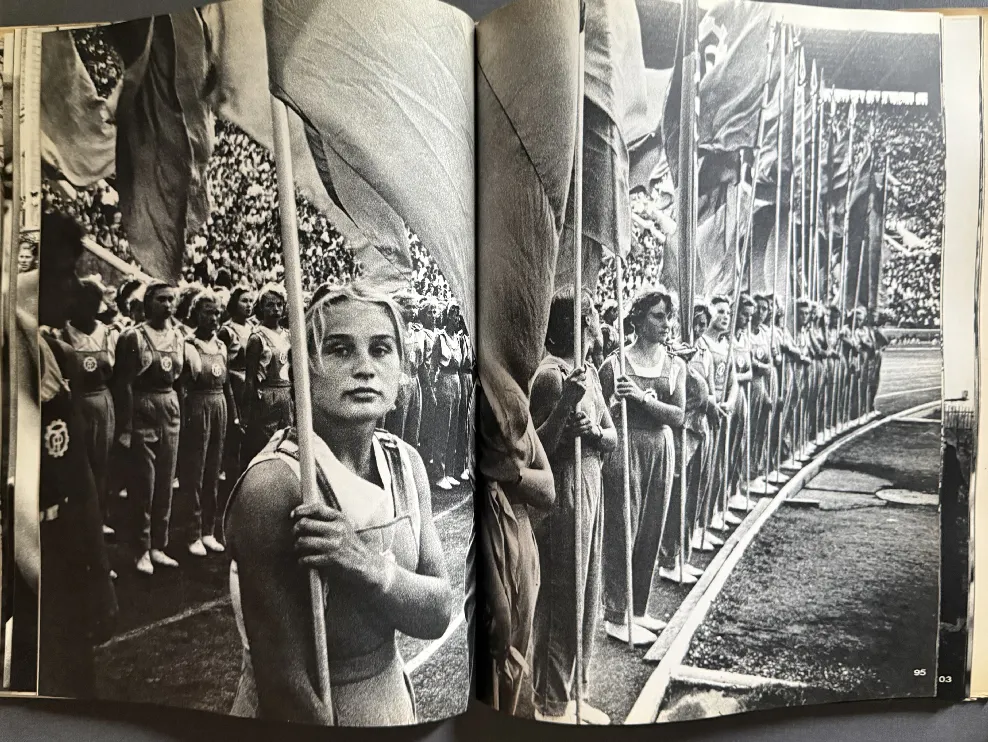
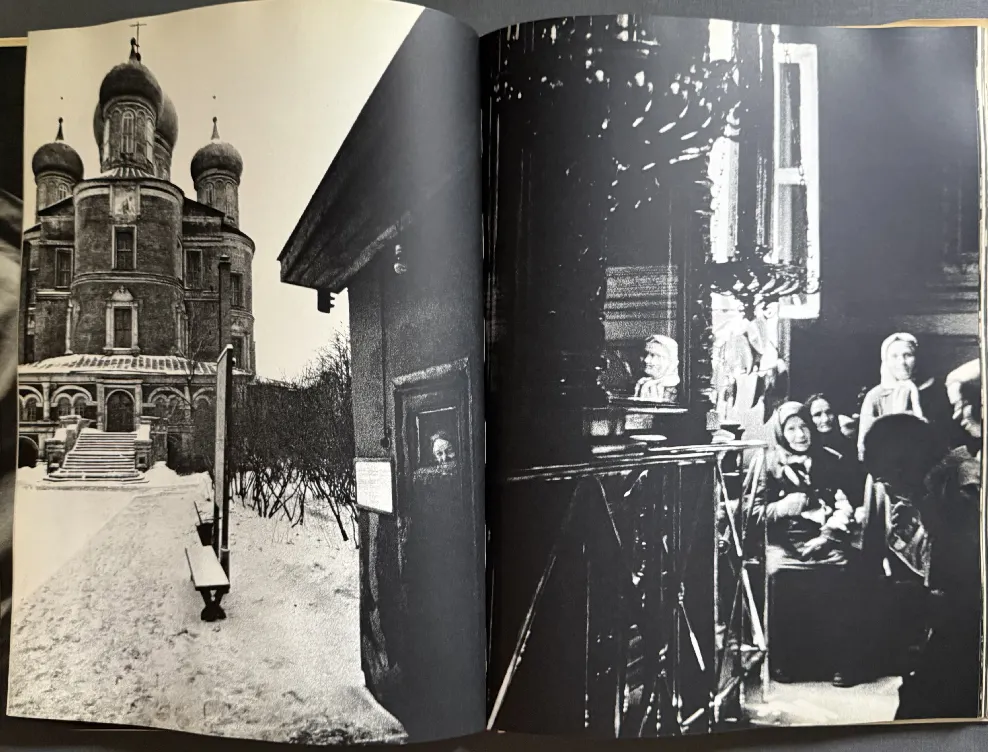
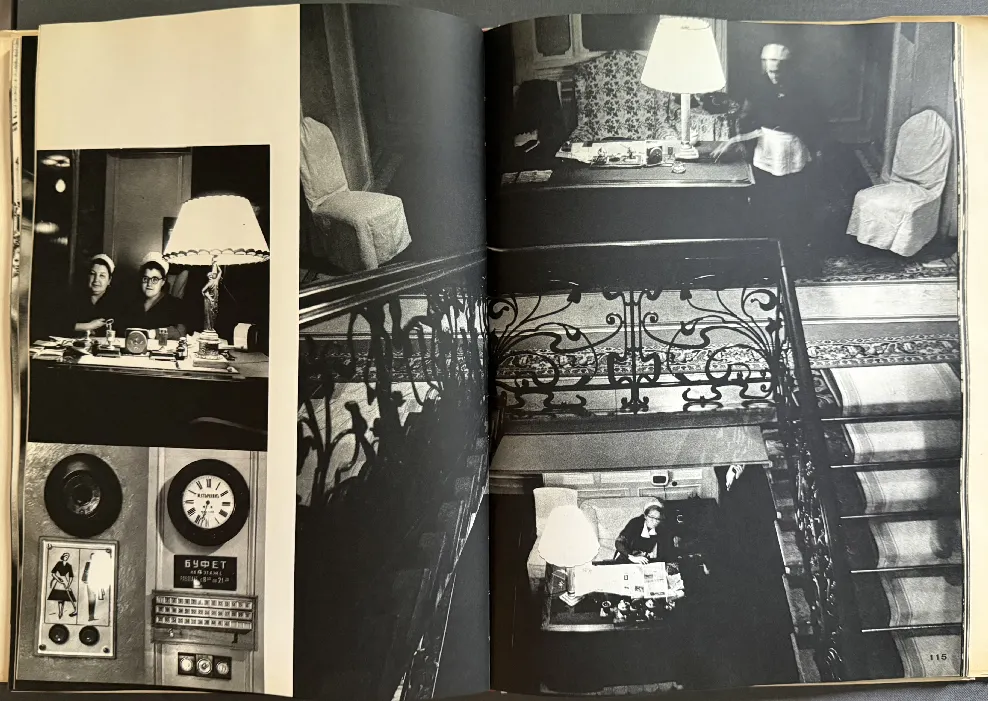
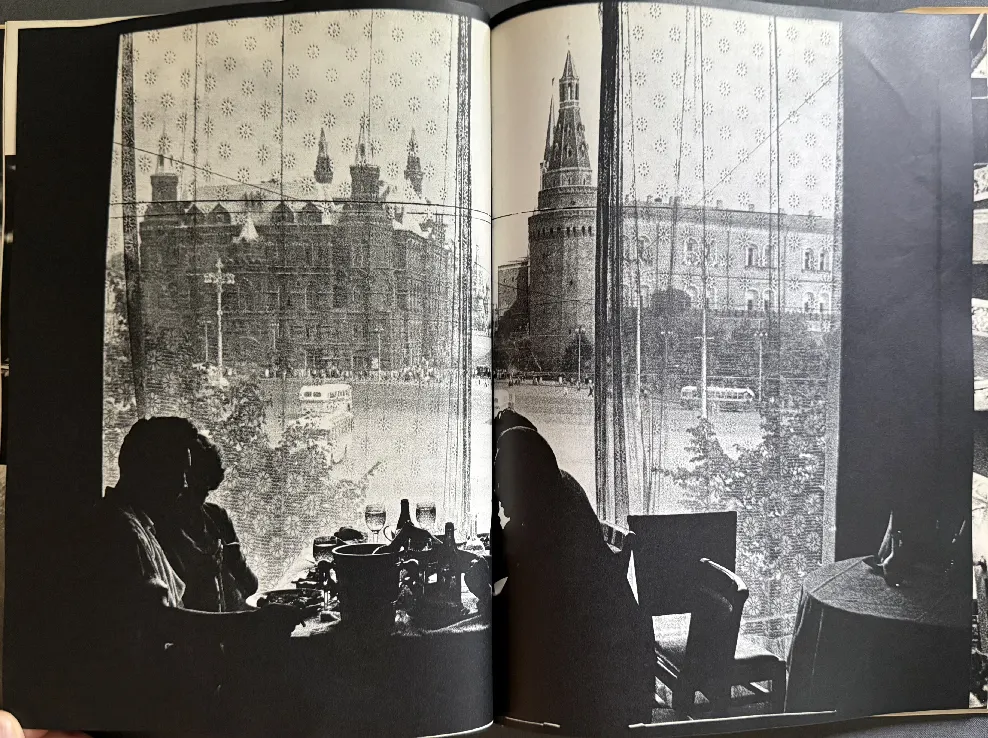


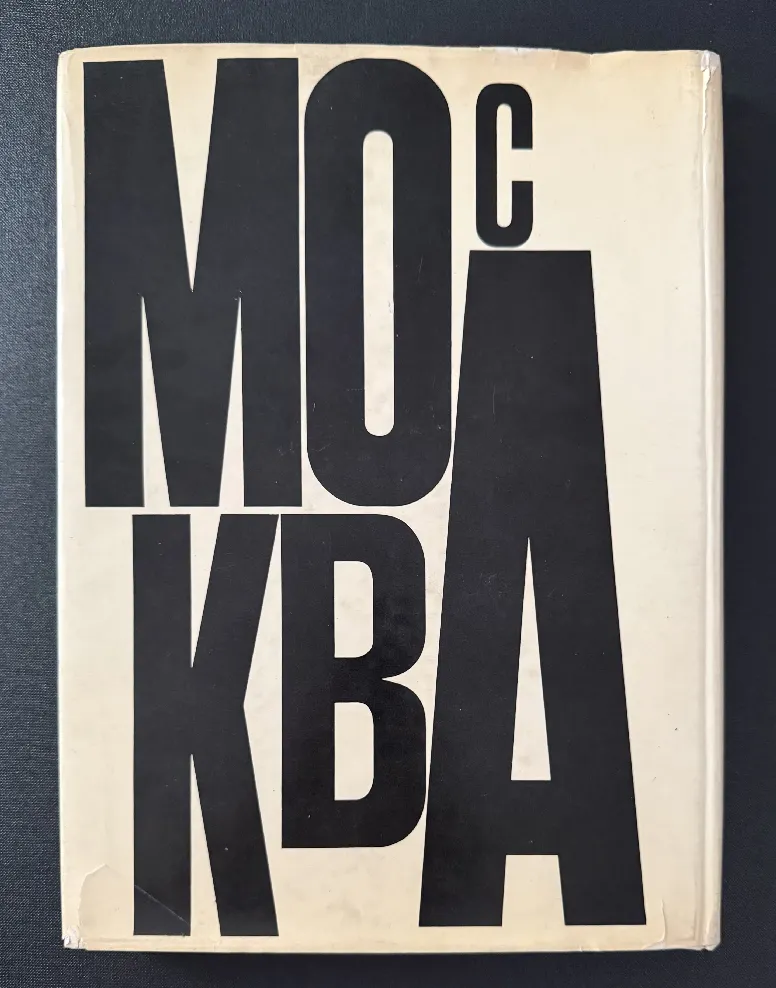
Published in 1964, Moscow is the third installment in Klein's iconic "City Tetralogy" (following New York and Rome, and preceding Tokyo). Shot during the height of the Cold War in 1959, Klein visited the Soviet capital expecting suspicion and friction as an American photographer, but instead encountered a city surprisingly open to his camera.
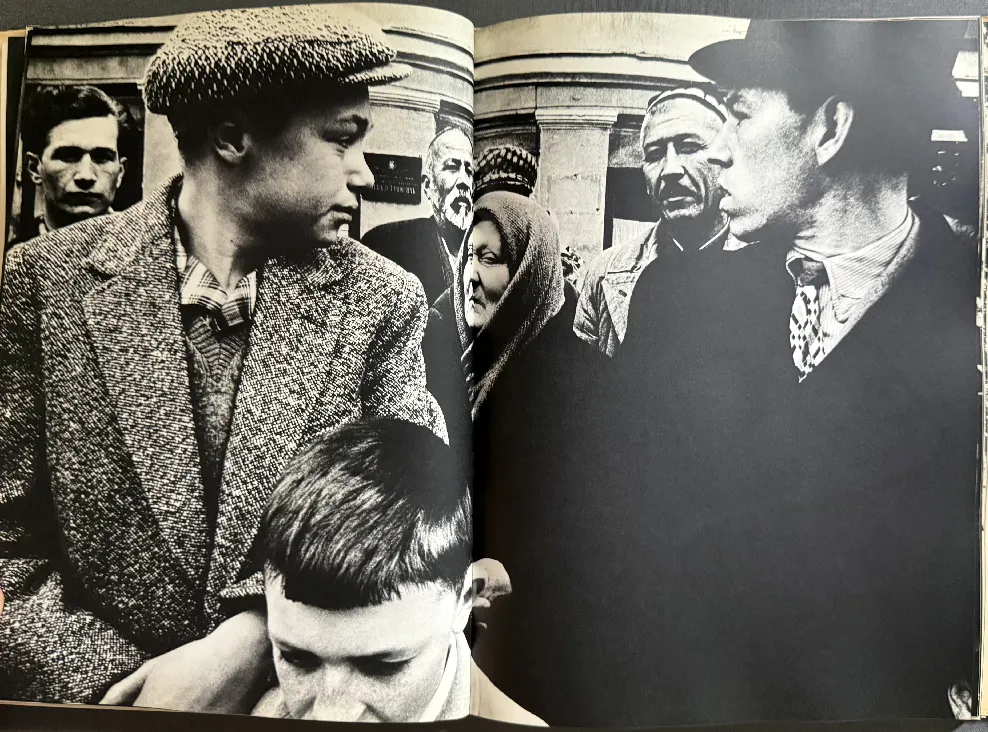
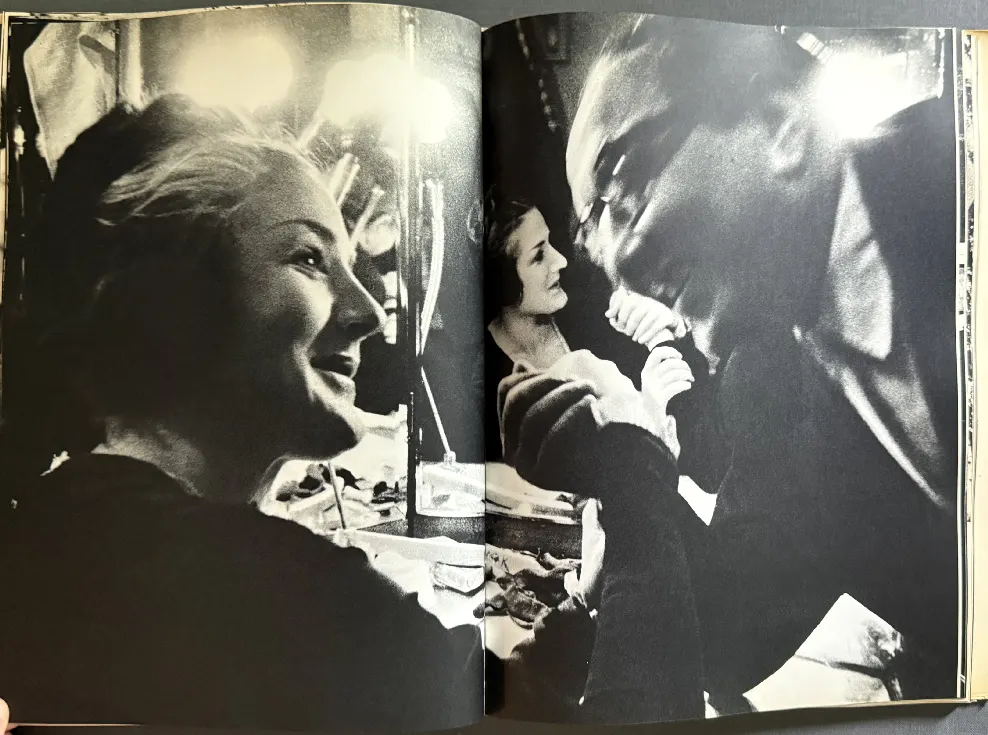
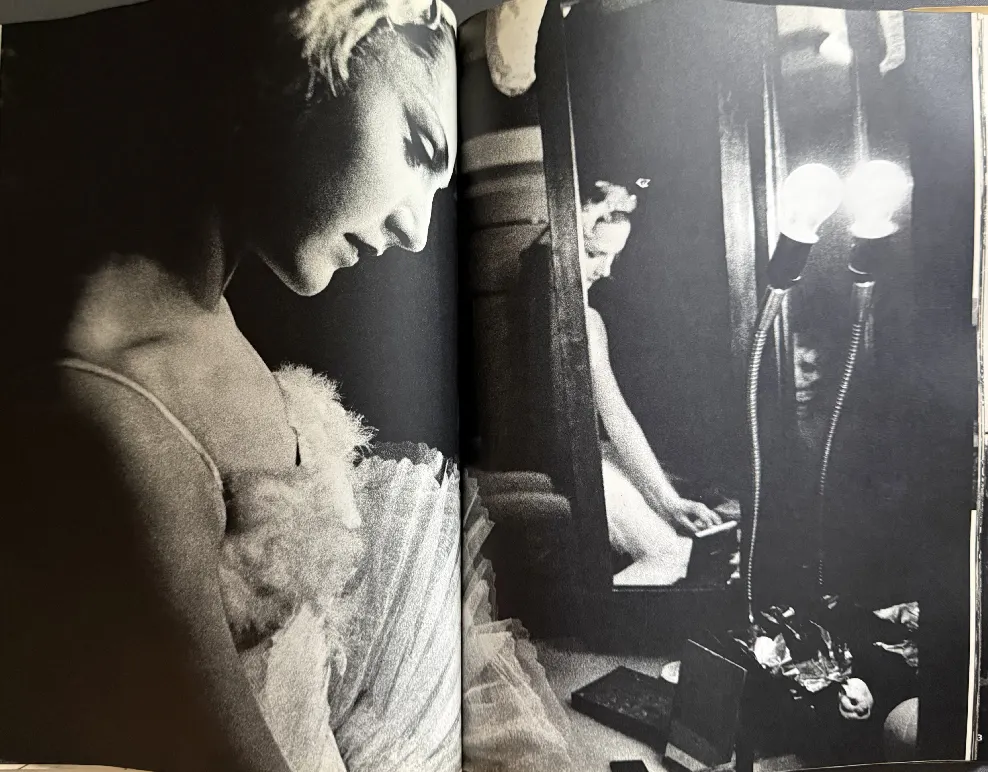
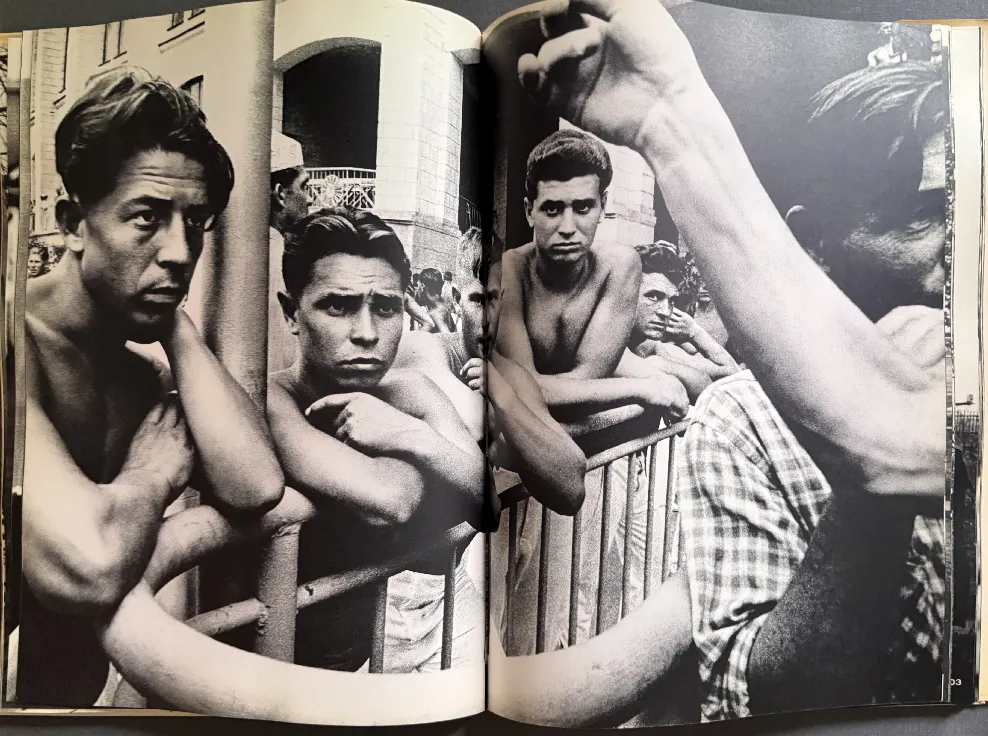
Rather than delivering state-sponsored Soviet propaganda or a somber, Western Cold War stereotype of a bleak empire, Klein painted a humanizing, lively, and candid portrait of everyday Muscovites.
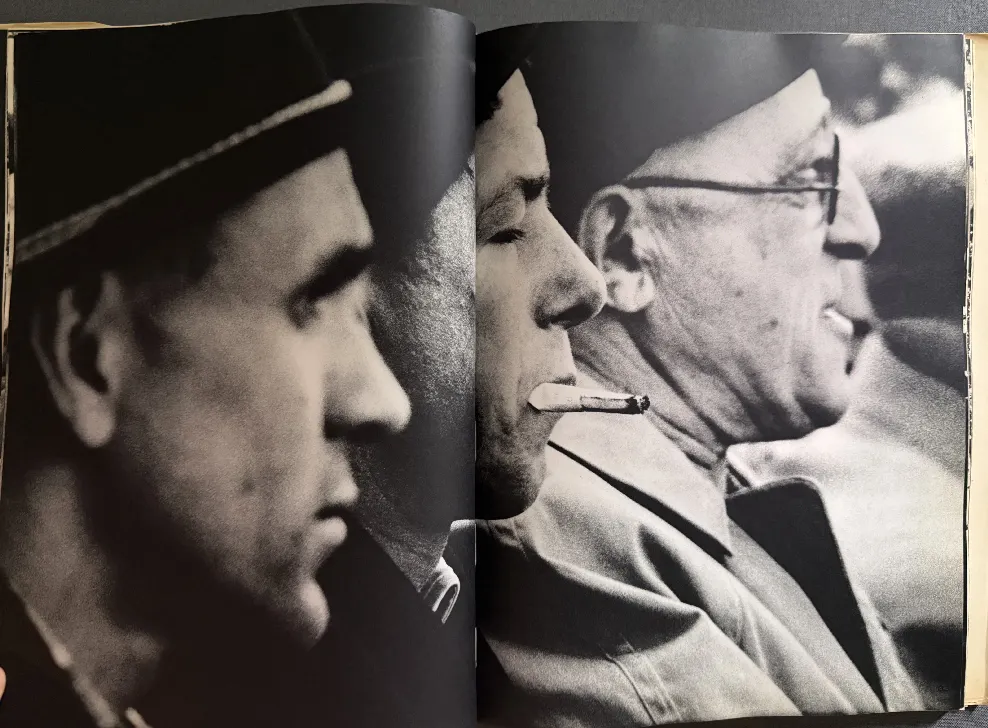
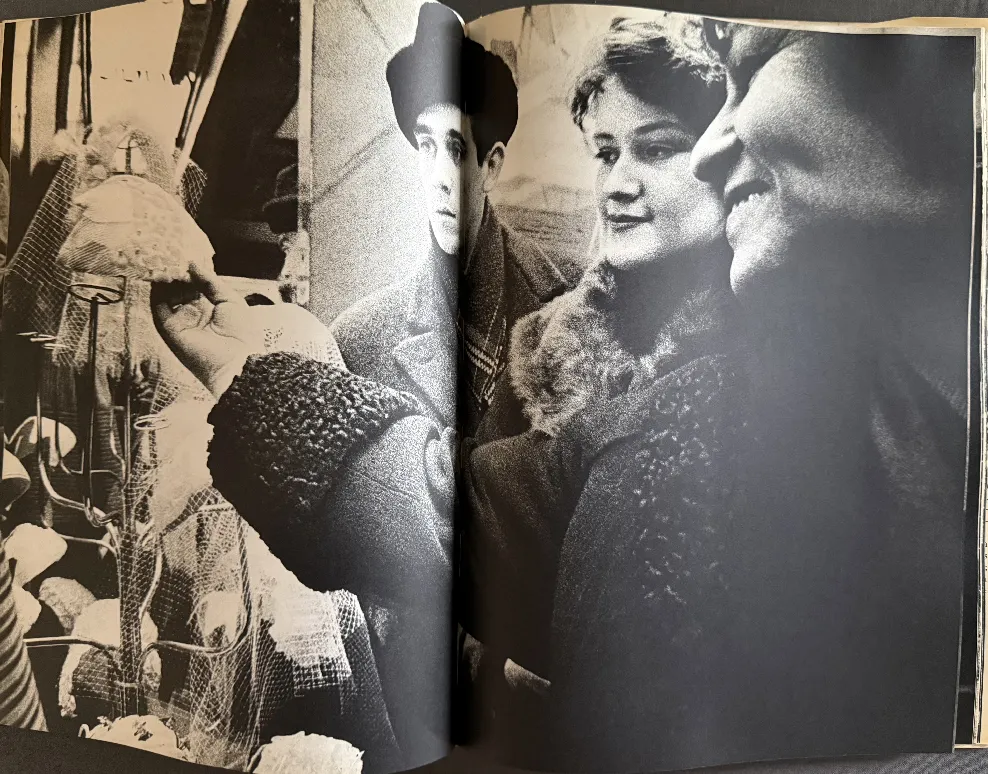
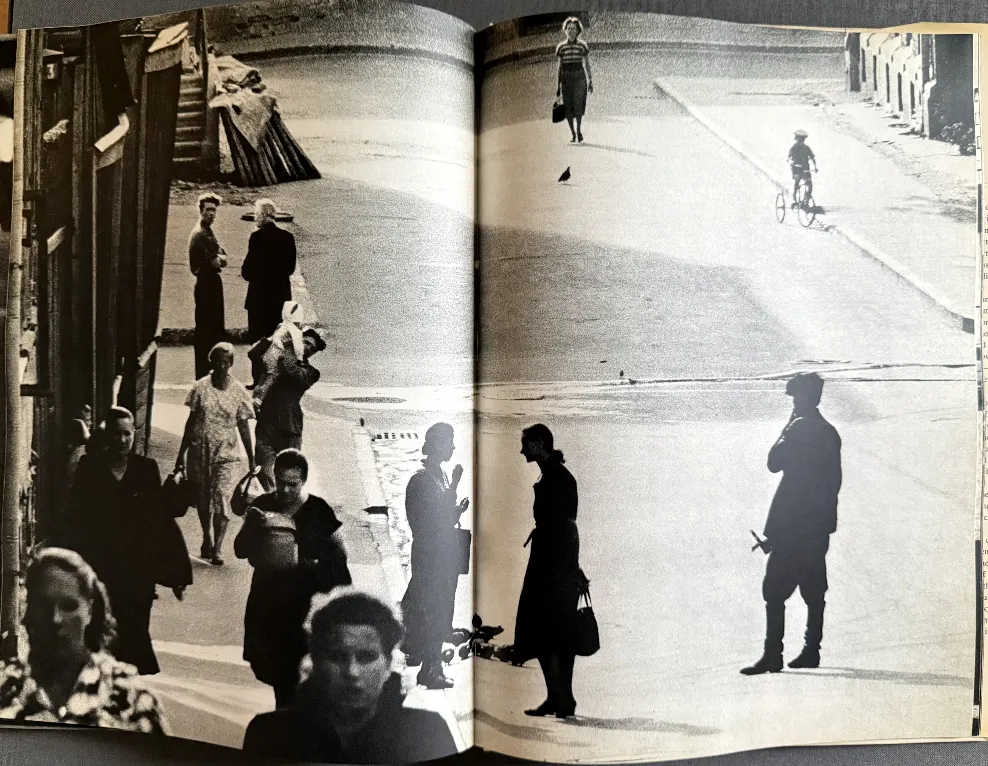
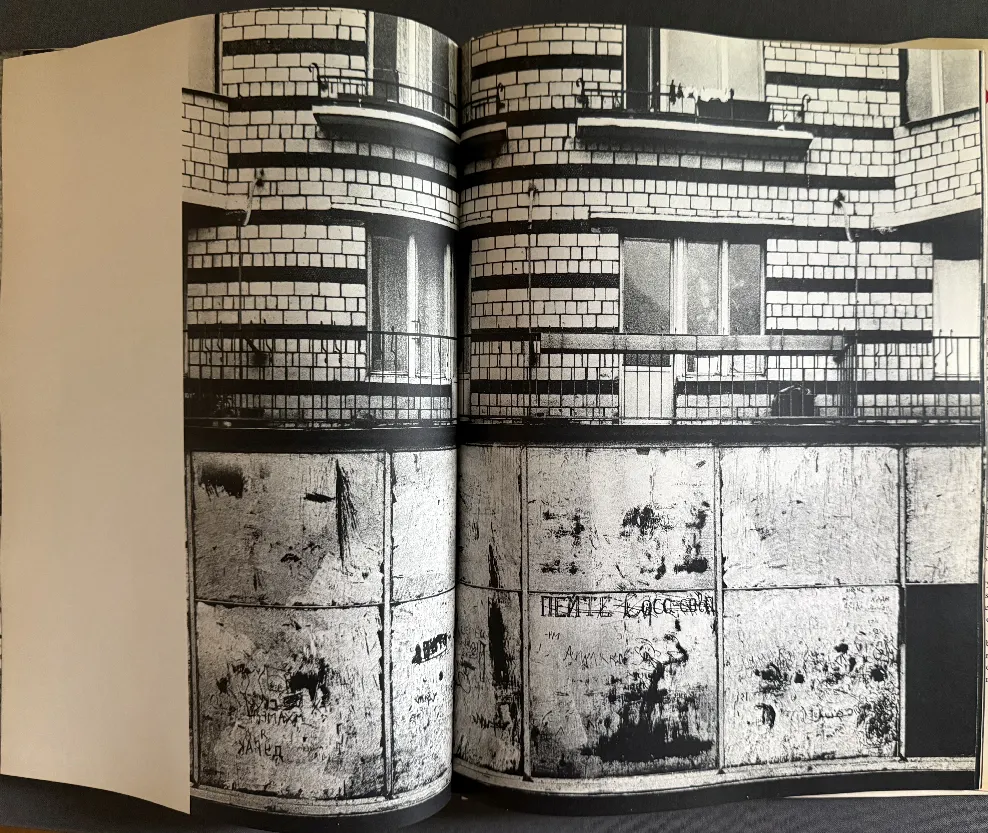
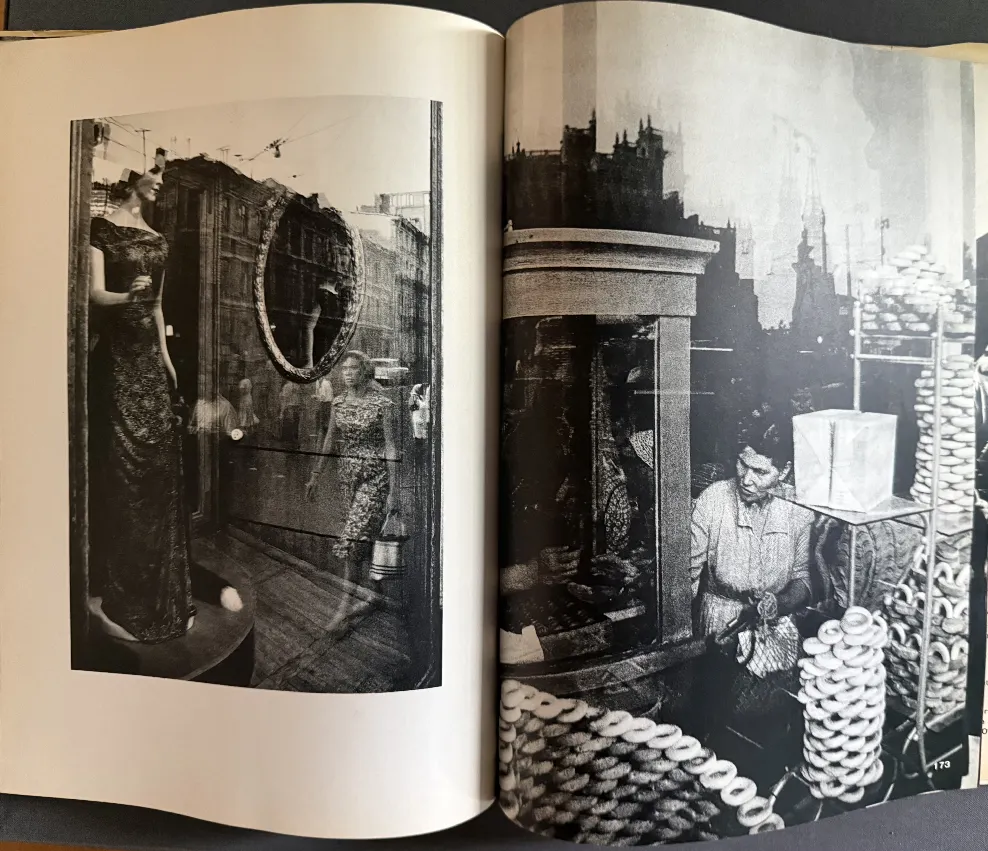
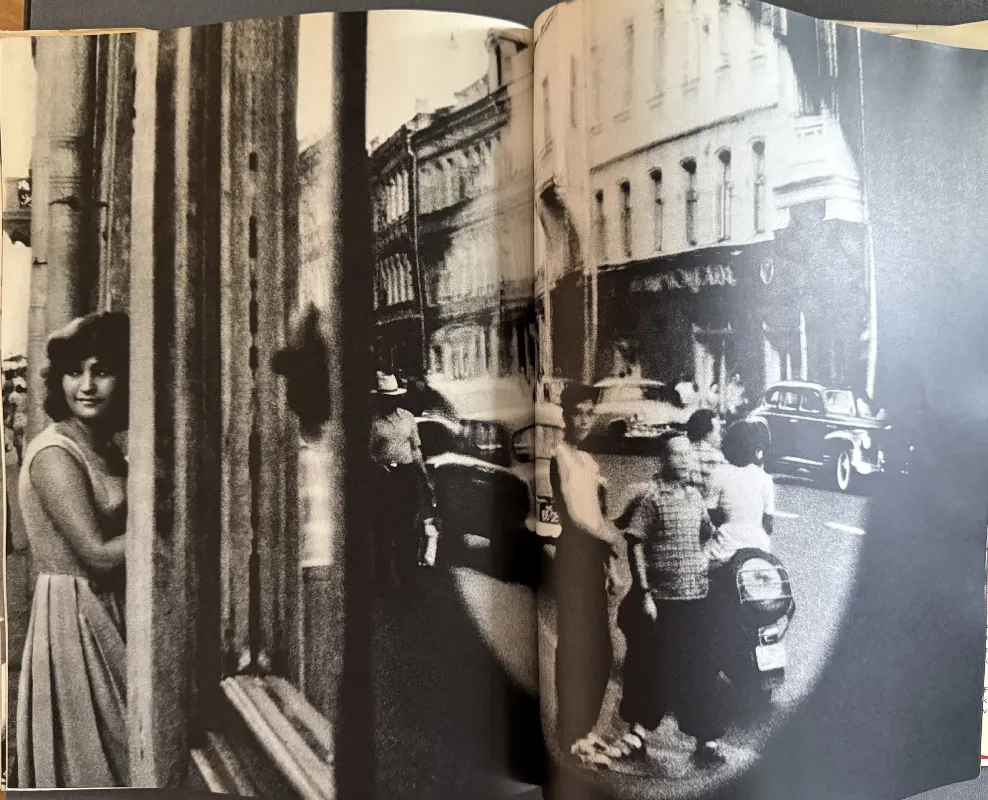
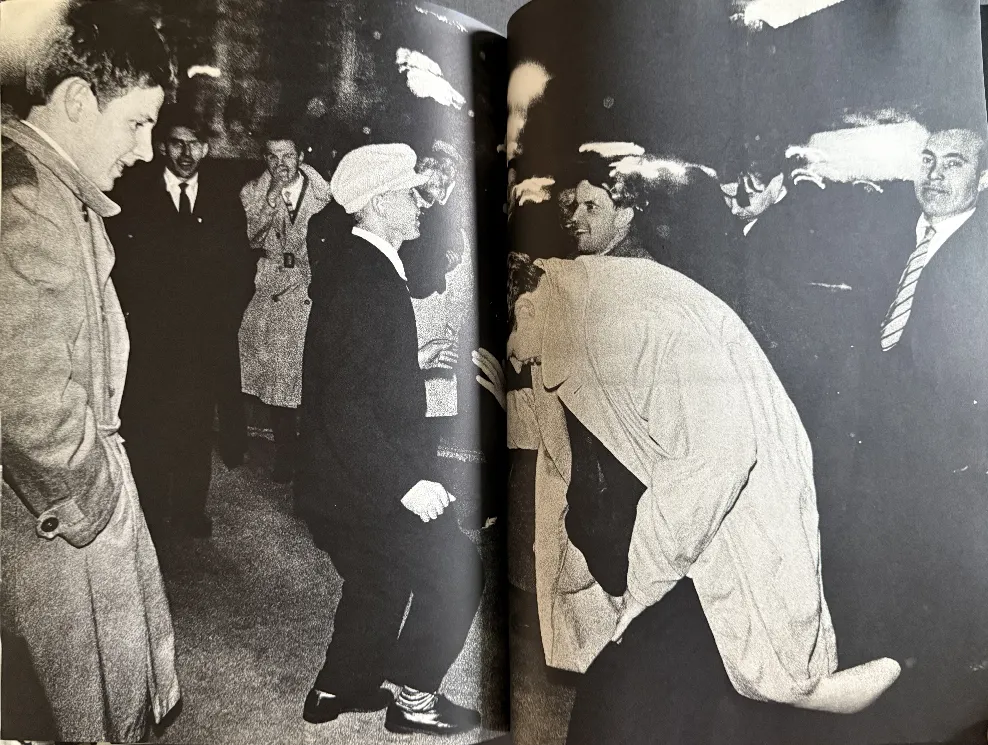
Muscovites were unaccustomed to photographers freely wandering their streets. Klein used a wide-angle lens and got extremely close to his subjects, capturing raw reactions and unposed moments of crowd behavior. As with his previous city photobooks, Klein rejected classical framing. He utilized high contrast, deep blacks, motion blur, and tight cropping to give the book a cinematic, jazz-like tempo.
The book is organized into four distinct thematic chapters:
Simultaneously published internationally across multiple houses, including Zokeisha (Japan), Delpire (France), Die Zeit (Germany), and Crown (US).

Published in 1964, Moscow is the third installment in Klein's iconic "City Tetralogy" (following New York and Rome, and preceding Tokyo). Shot during the height of the Cold War in 1959, Klein visited the Soviet capital expecting suspicion and friction as an American photographer, but instead encountered a city surprisingly open to his camera.
Rather than delivering state-sponsored Soviet propaganda or a somber, Western Cold War stereotype of a bleak empire, Klein painted a humanizing, lively, and candid portrait of everyday Muscovites.
Muscovites were unaccustomed to photographers freely wandering their streets. Klein used a wide-angle lens and got extremely close to his subjects, capturing raw reactions and unposed moments of crowd behavior. As with his previous city photobooks, Klein rejected classical framing. He utilized high contrast, deep blacks, motion blur, and tight cropping to give the book a cinematic, jazz-like tempo.
The book is organized into four distinct thematic chapters:
Simultaneously published internationally across multiple houses, including Zokeisha (Japan), Delpire (France), Die Zeit (Germany), and Crown (US).