



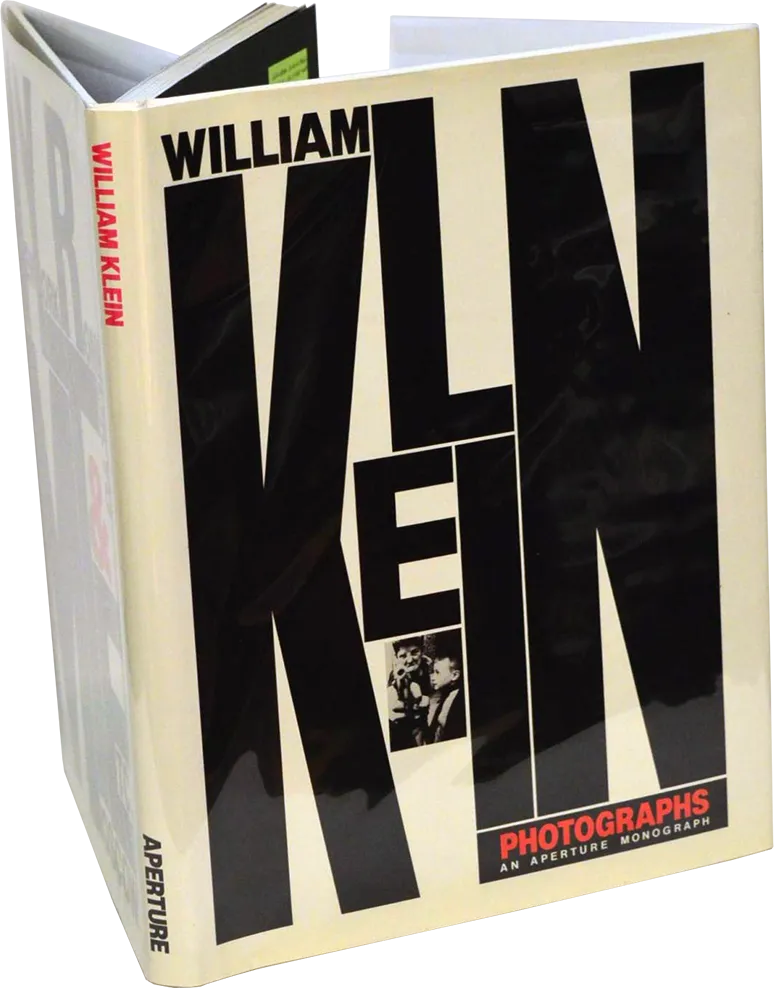
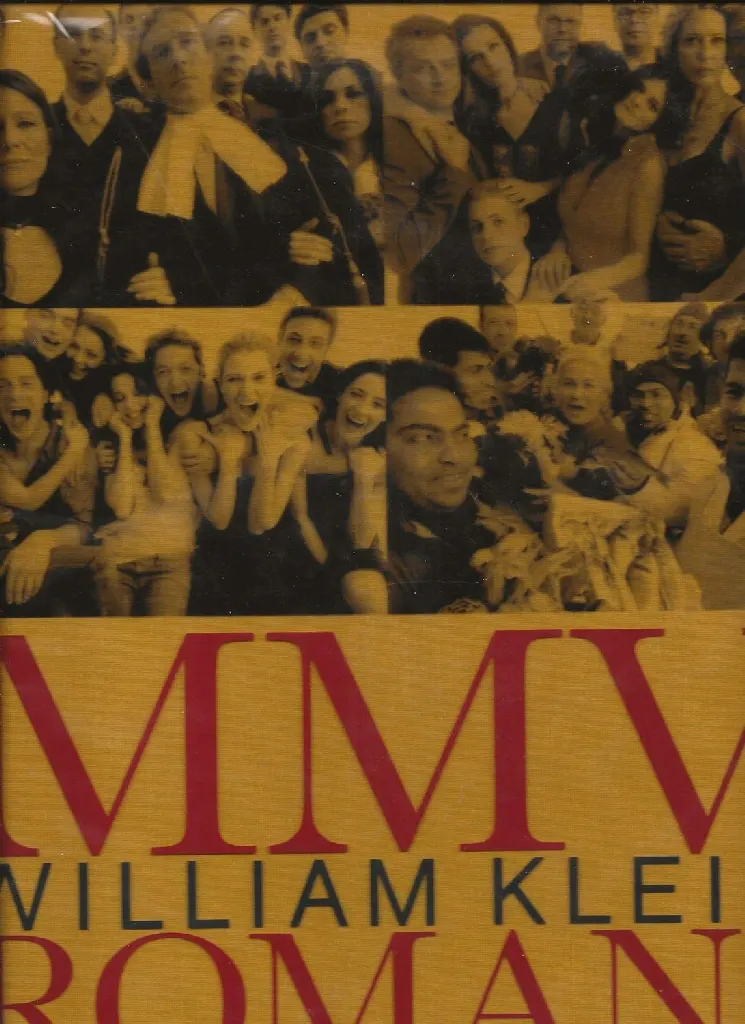
Which art books, prints and posters are available by and about this artist? Here is a sample of items of interest to a typical collector:
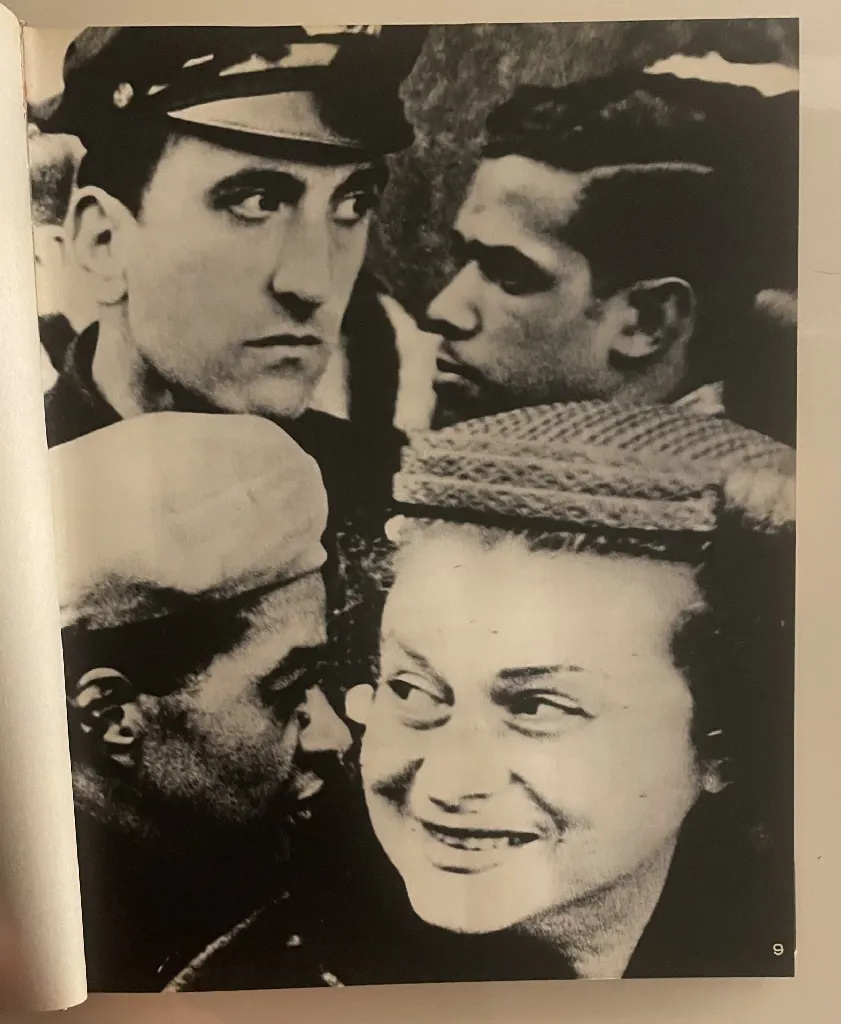
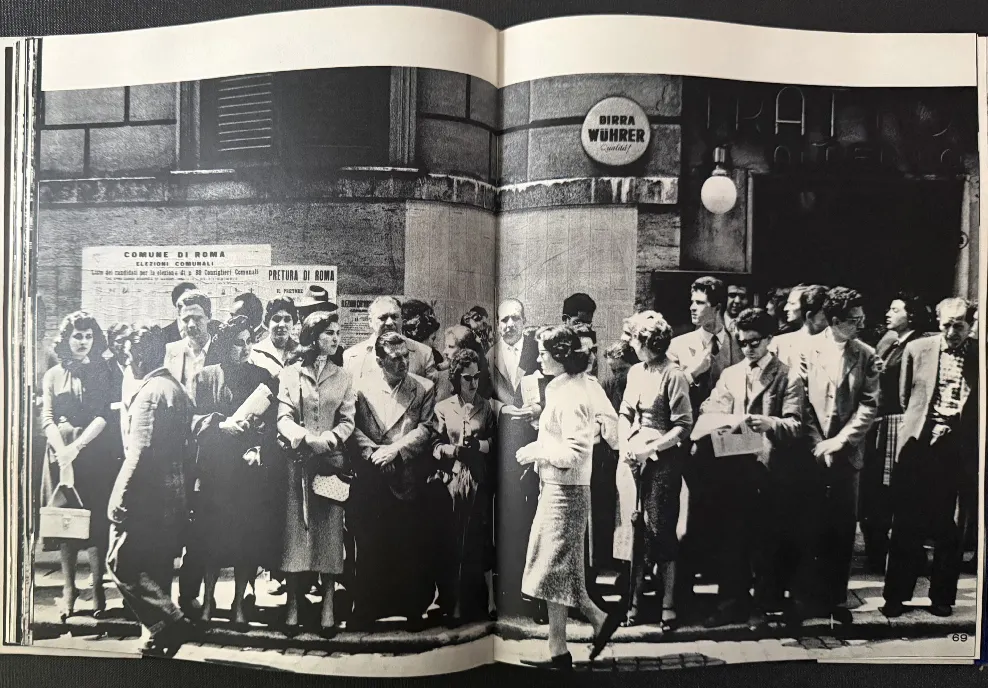
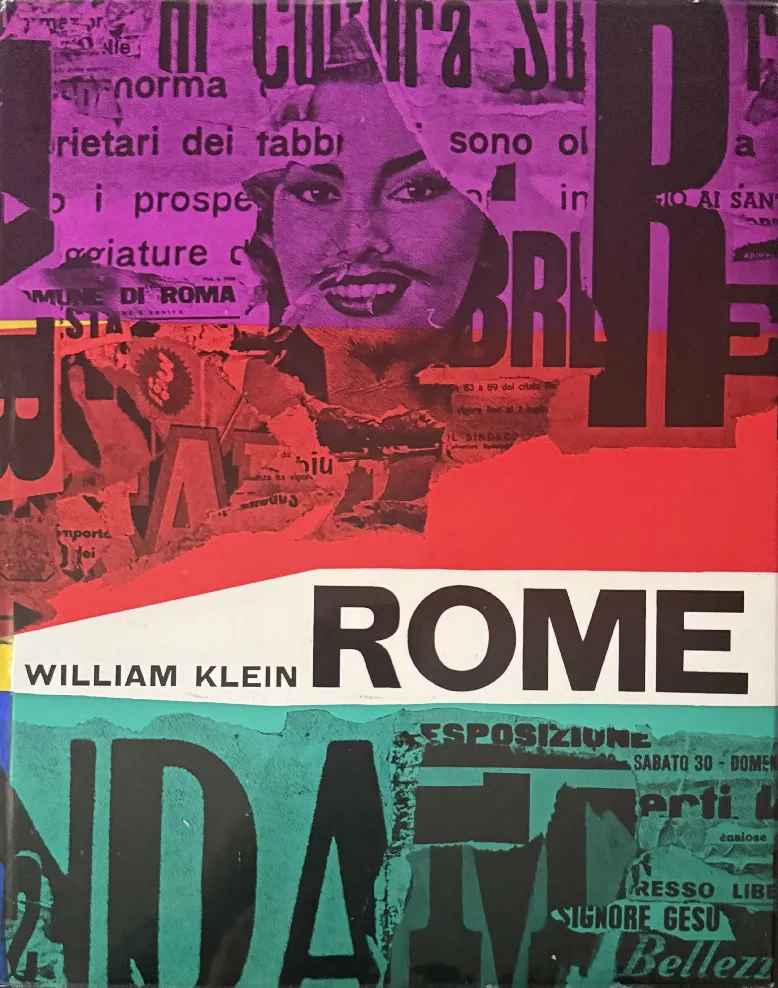
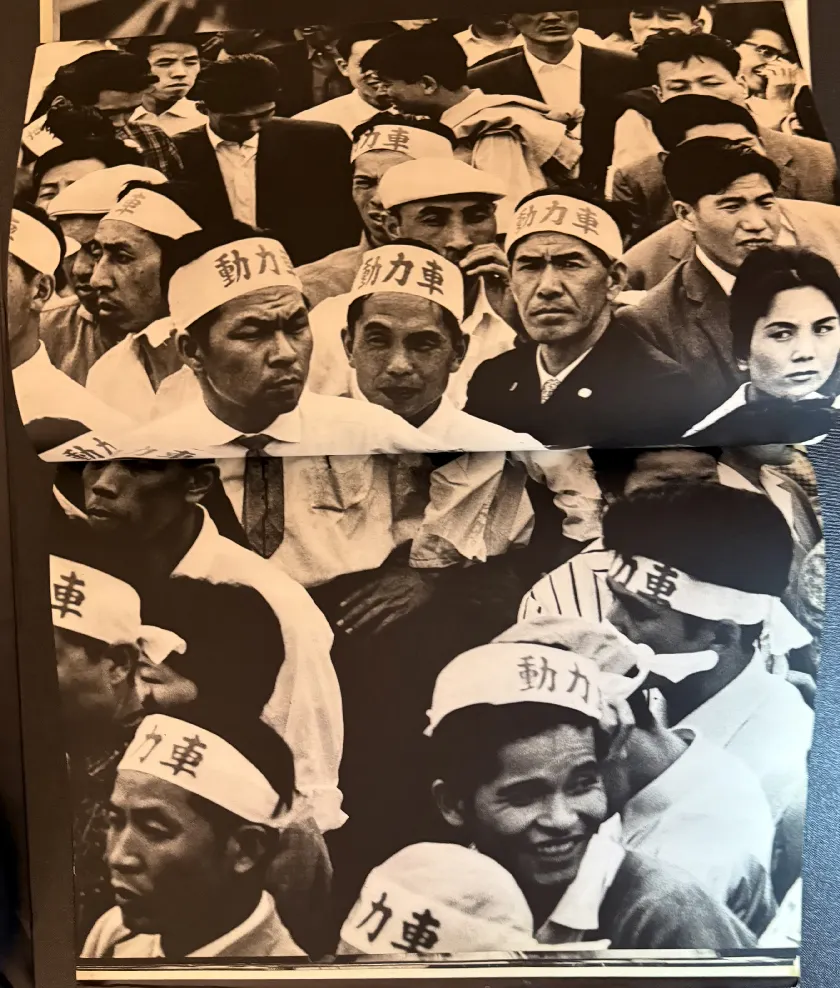
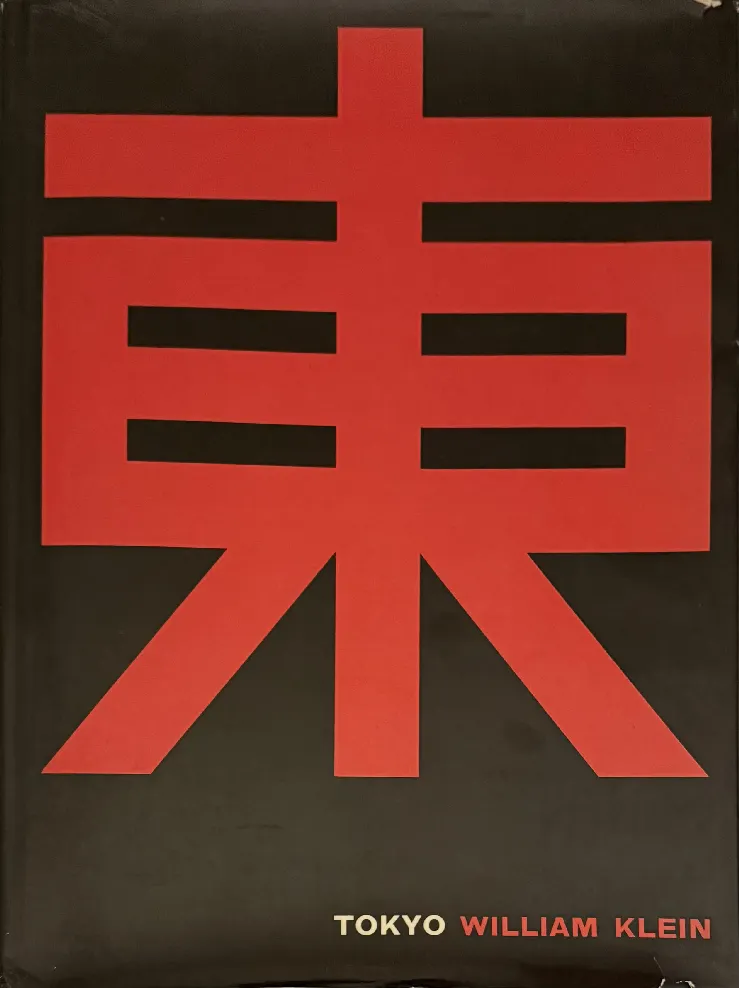
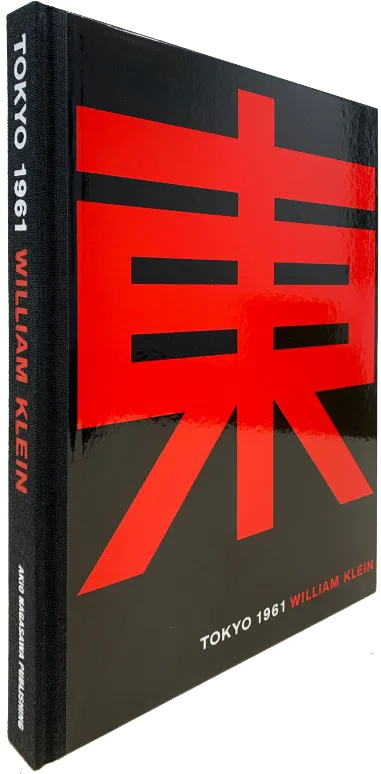
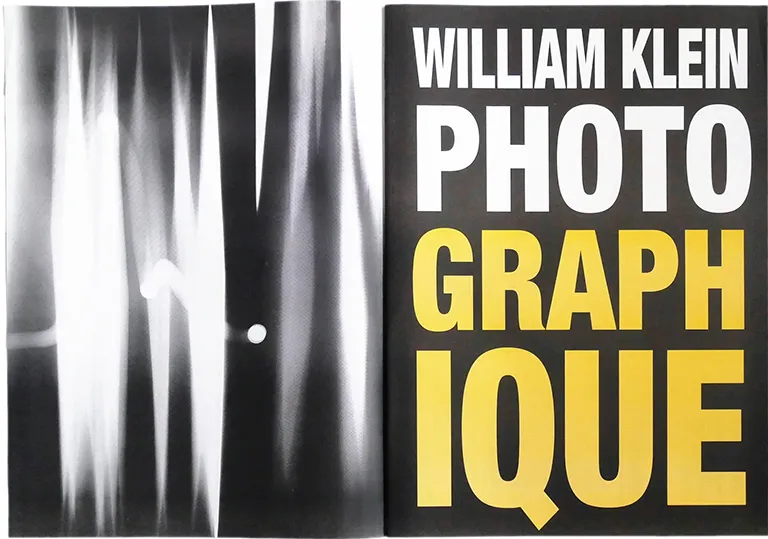
First published in 1964 by Zokeisha in Tokyo and Delpire in Paris, Tokyo is the final chapter in William Klein’s celebrated series of major city-portrait photobooks (following Life is Good & Good for You in New York [1956], Rome [1959], and Moscow [1964]). Klein spent three months in Tokyo in 1961 capturing the metropolis at a historical turning point, a time when post-war Japan was undergoing rapid economic transformation while preparing to host the 1964 Summer Olympic Games.
Klein arrived in Japan with official hosts and sponsors who initially steered him toward institutional centers of power. He took unconventional, highly intimate shots of places like the Tokyo Stock Exchange, sumo tournaments, and even an imperial couple portrait of Emperor Hirohito and Empress Nagako.
However, Klein soon broke away from his guides to wander the streets. Assisted by legendary Japanese photographer Eikoh Hosoe, he connected with Tokyo’s radical artistic avant-garde. He photographed Kazuo Ohno, co-founder of the avant-garde Butoh dance movement, performing outdoors in the city streets. and he captured Neo-Dada artist Ushio Shinohara during one of his famous "boxing-painting" performance pieces.
He also documented ordinary street life, crowds, pachinko parlors, nightlife, and political anti-American street demonstrations.
Reinventing the Photobook Layout: Klein scaled up the physical page size for Tokyo compared to his earlier books. Using wide double-page, full-bleed layouts, the images feel like massive, immersive murals filled with dense, graphic energy, urban signage, and harsh contrasts.
Influence on Japanese Photography: Tokyo broke radically from the softer, traditional style of 1950s Japanese photography. Its raw, chaotic, and aggressive aesthetic deeply influenced an entire generation of Japanese street photographers, most notably Daidō Moriyama, who famously referred to Klein’s city photography as his visual "bible".









%2520Foam.webp)
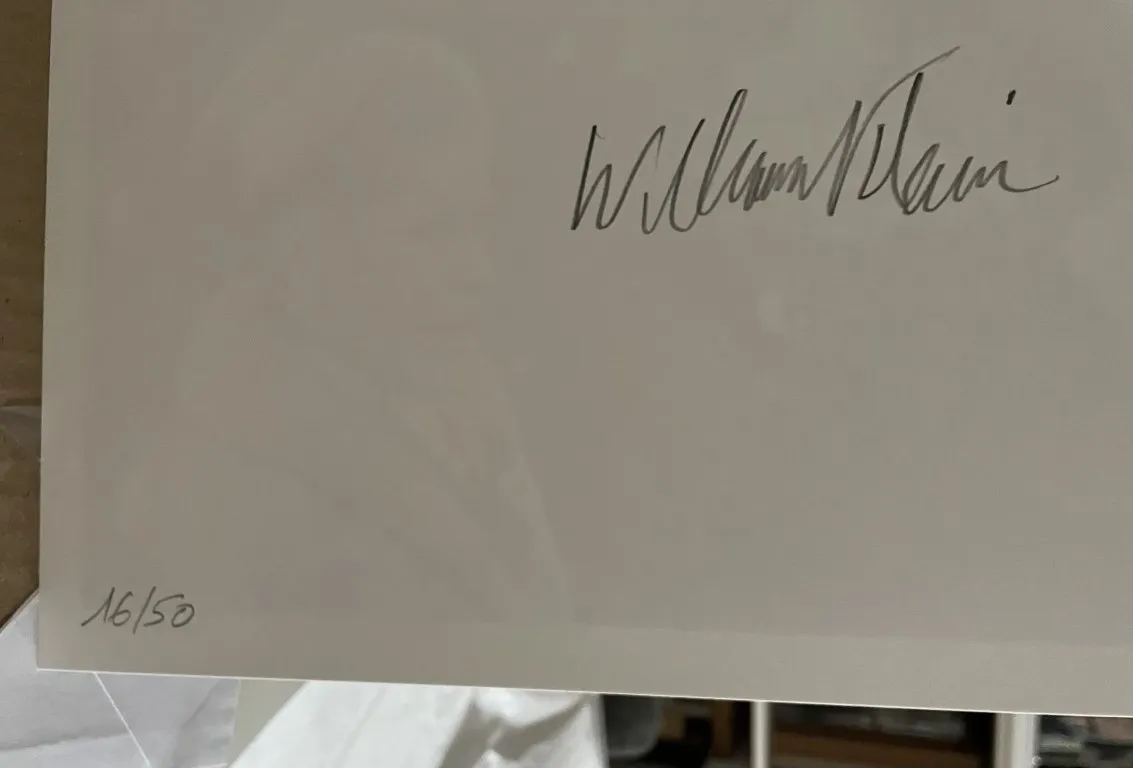
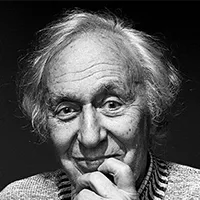
William Klein, American-born French, b. 1926, in New York City, died in Paris on September 10, 2022.
Klein was a polymathic American-born artist who redefined the visual language of the mid-twentieth century through his raw, confrontational approach to photography, filmmaking, and graphic design. Born in New York City in 1926, Klein initially moved to Paris after serving in the army to study painting under Fernand Léger. This formal training in modernism and abstraction deeply influenced his later work, giving him a unique eye for geometric composition and bold visual structures that he would eventually translate into the medium of photography.
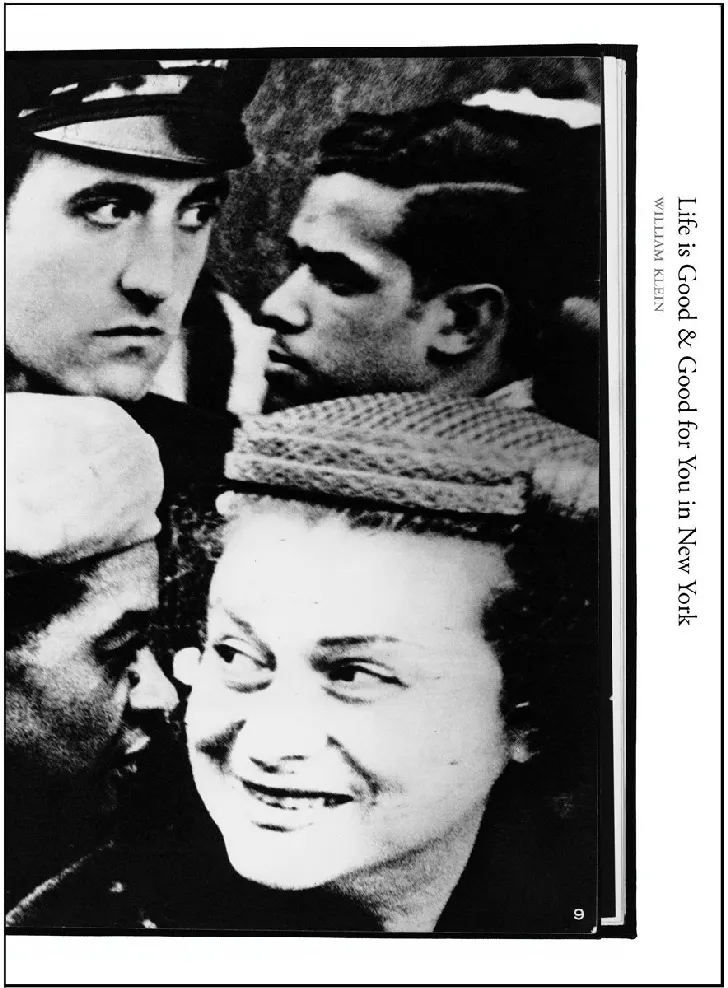
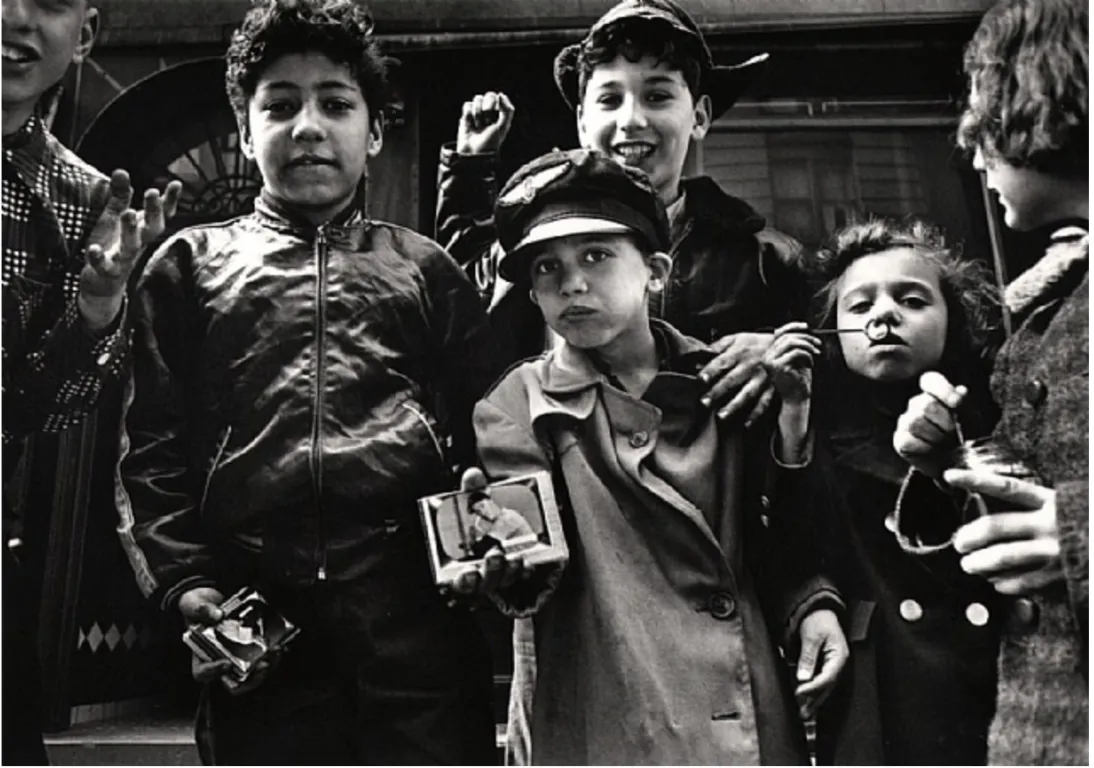
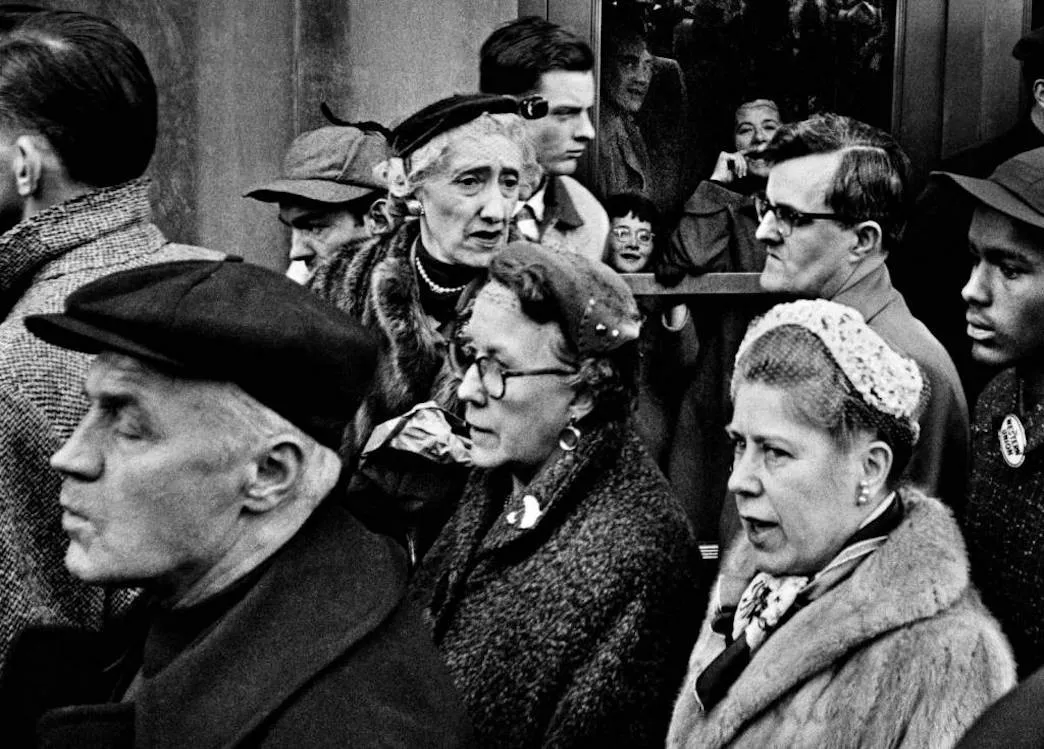
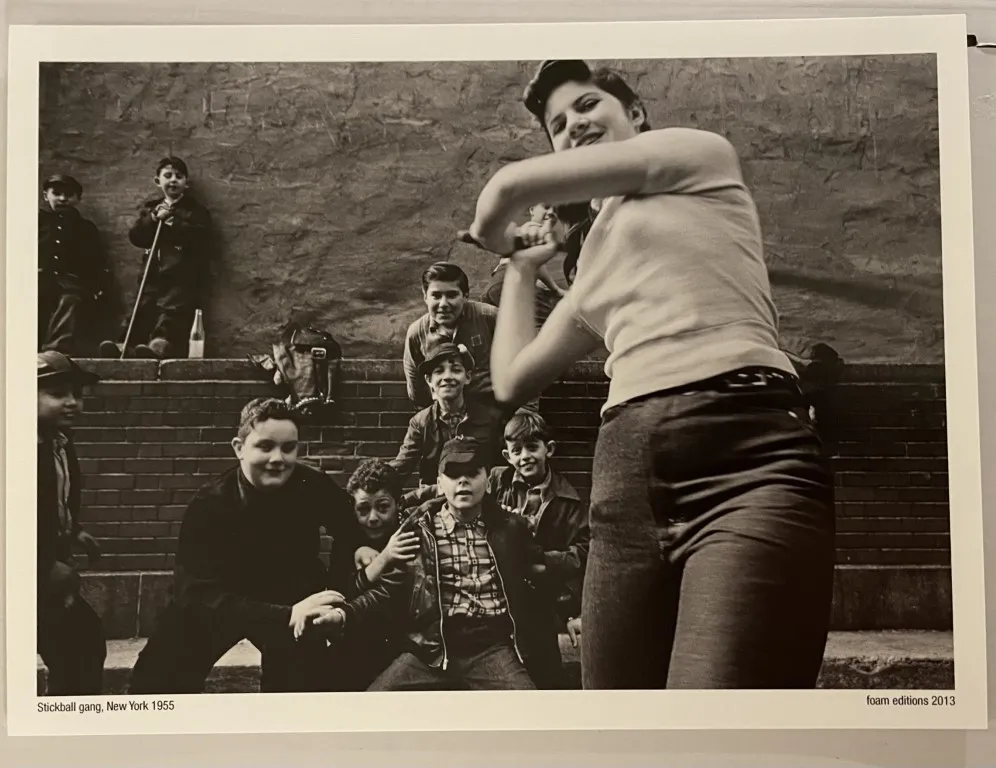
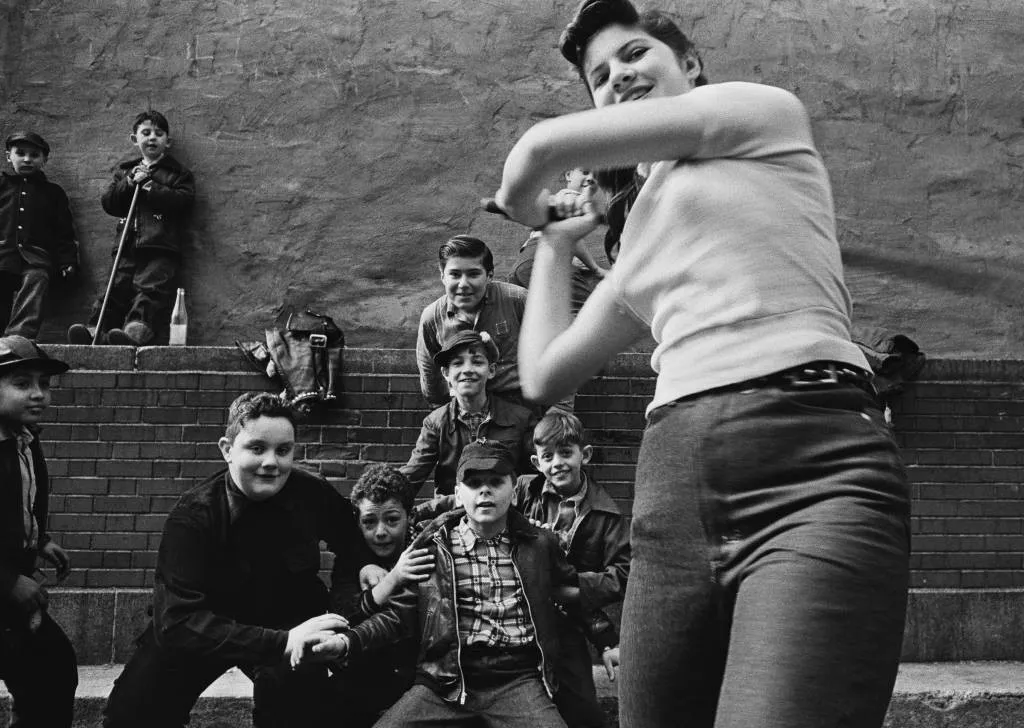
He rose to international prominence in the 1950s with his seminal book, Life is Good & Good for You in New York, which broke every established rule of traditional photography. Unlike the "decisive moment" popularized by his contemporaries, Klein’s images were often grainy, blurry, and high-contrast, featuring subjects who reacted directly to his presence on the street. This aggressive, immersive style captured the chaotic energy of urban life in a way that felt immediate and unfiltered. His work in fashion photography for Vogue was equally subversive, as he often took models out of the studio and into the gritty, crowded streets of cities like New York and Rome, using telephoto lenses and wide angles to create a sense of cinematic tension.
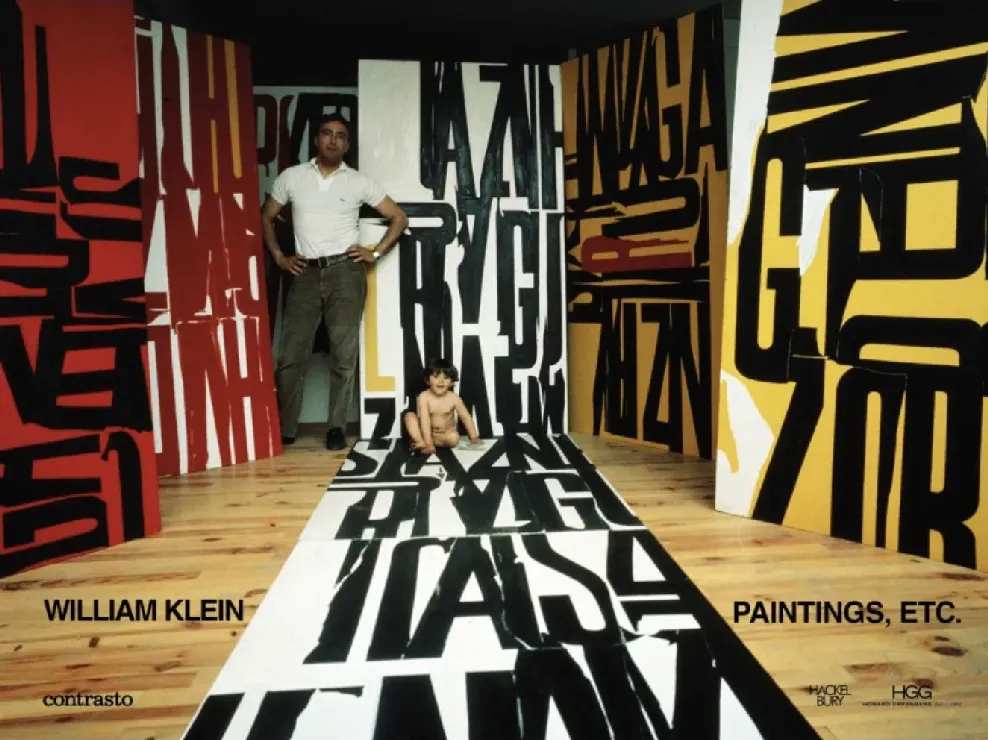
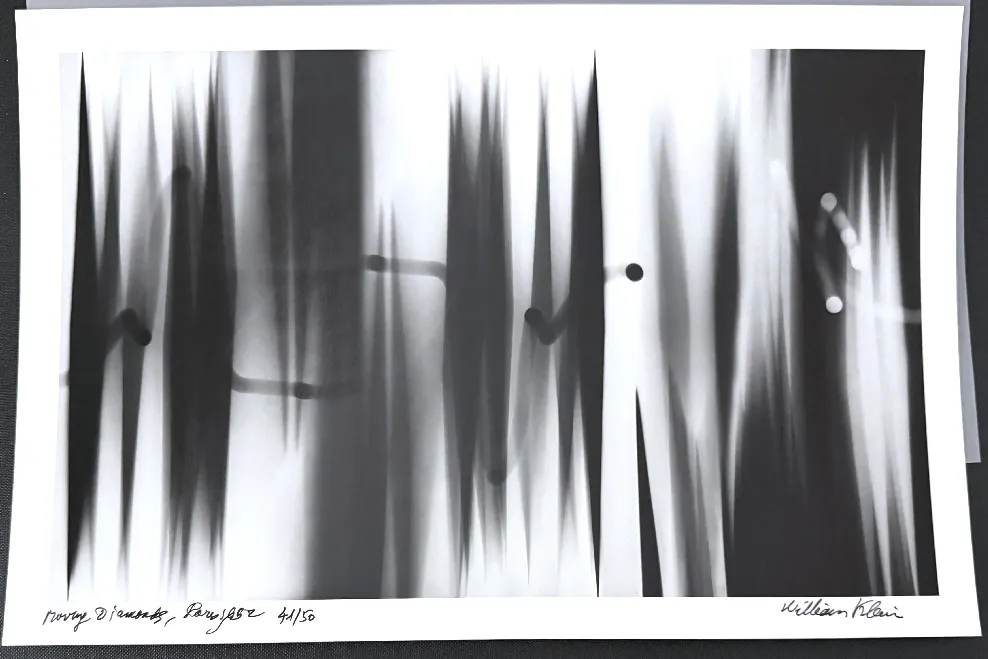
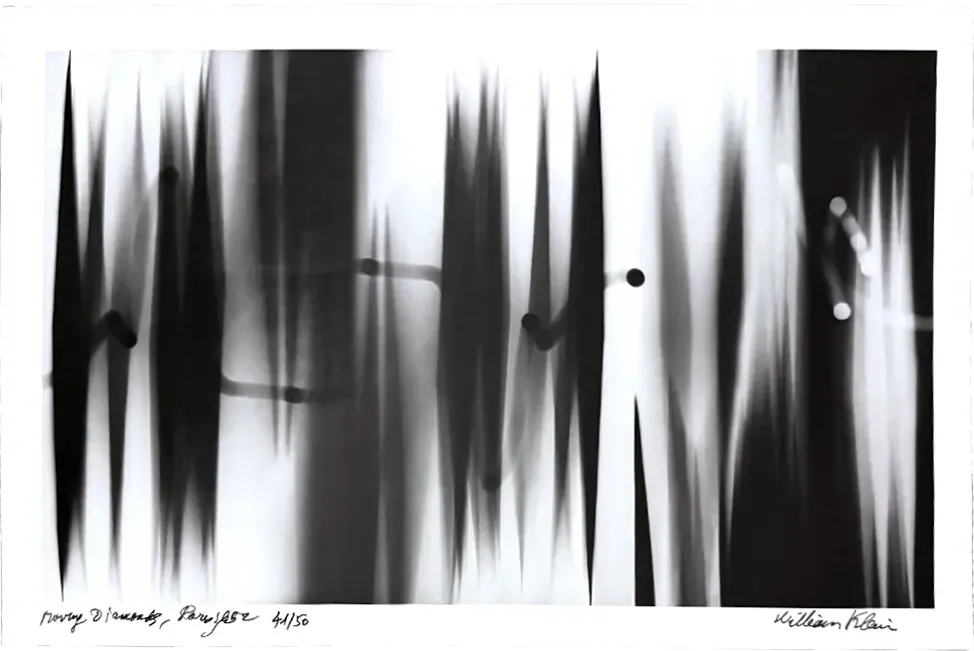
While lesser known, William Klein's venture into abstraction began in the late 1940s and early 1950s, primarily rooted in his training as a painter under Fernand Léger in Paris. His early abstract work, often explored through mural-sized paintings and later translated into photography, focused on geometric shapes, hard-edged lines, and the interplay of light and shadow. A pivotal moment in this evolution occurred when he began experimenting with long exposures and moving light sources, resulting in his "light drawings" that transformed physical movement into static, graphic forms. These experiments, later collected in works like Black and Light (1952-2015), demonstrate his rejection of the camera as a mere recording device. Instead, he used it as a tool for formal invention, bridging the gap between the structured world of modernist painting and the fluid potential of the photographic medium. Even as he moved toward street photography, this foundational interest in bold, graphic abstraction remained a signature element of his visual language.
William Klein’s bibliography is a testament to his rejection of technical polish in favor of raw, kinetic energy. His books transformed the medium from a collection of static images into a cinematic experience, characterized by high-contrast printing, wide-angle distortion, and a direct, often confrontational relationship with his subjects.
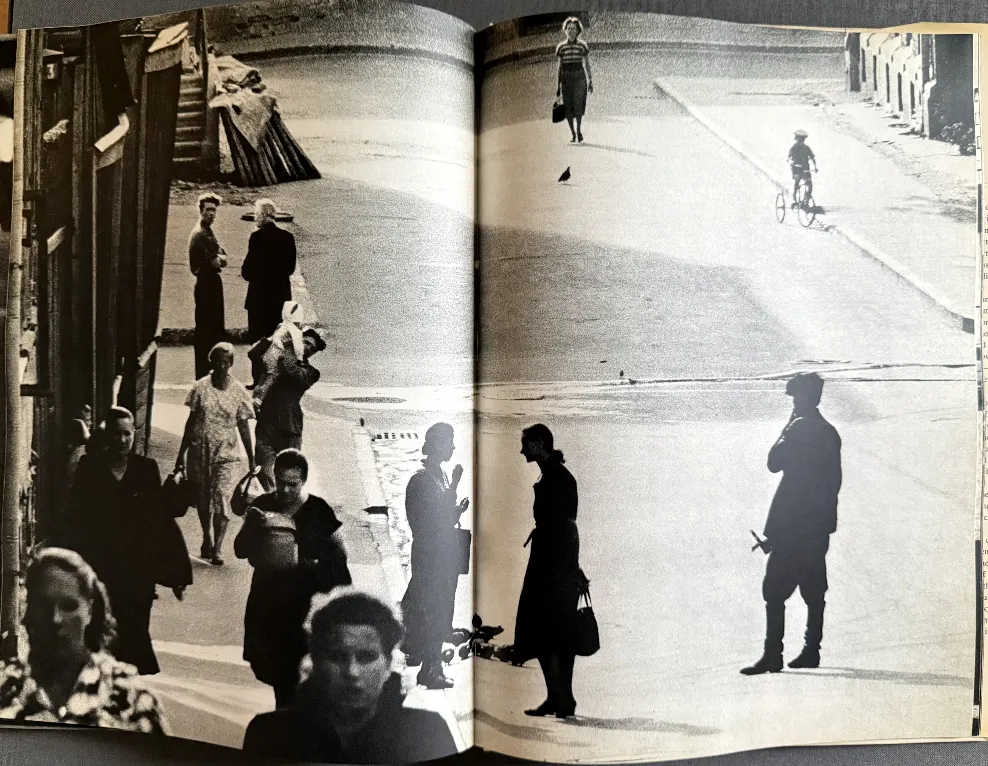
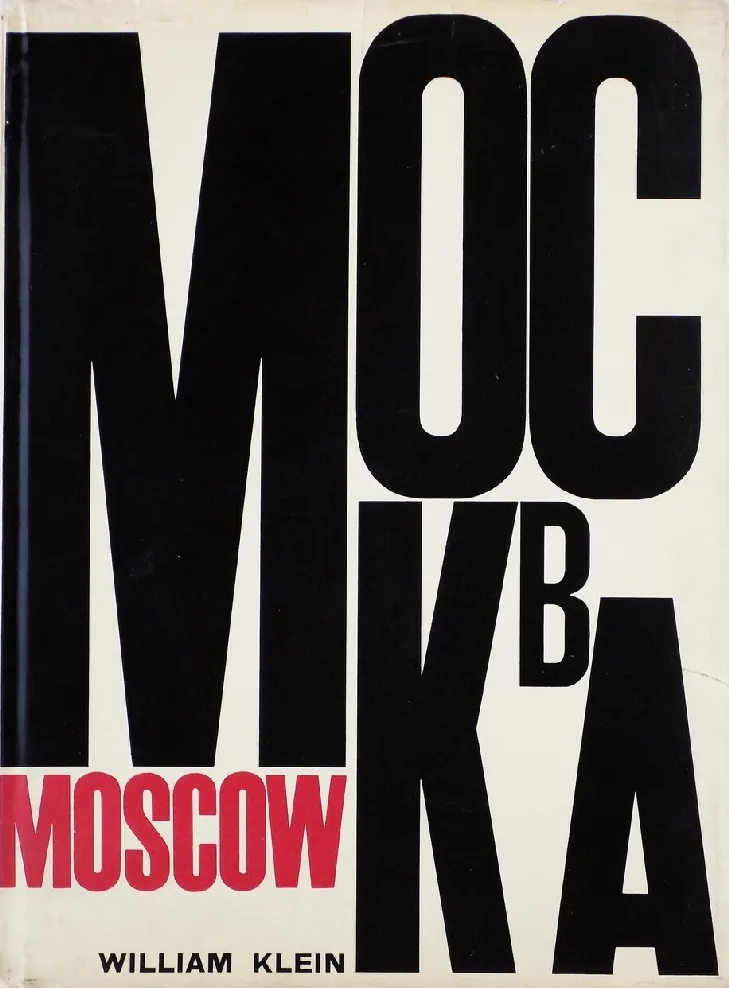
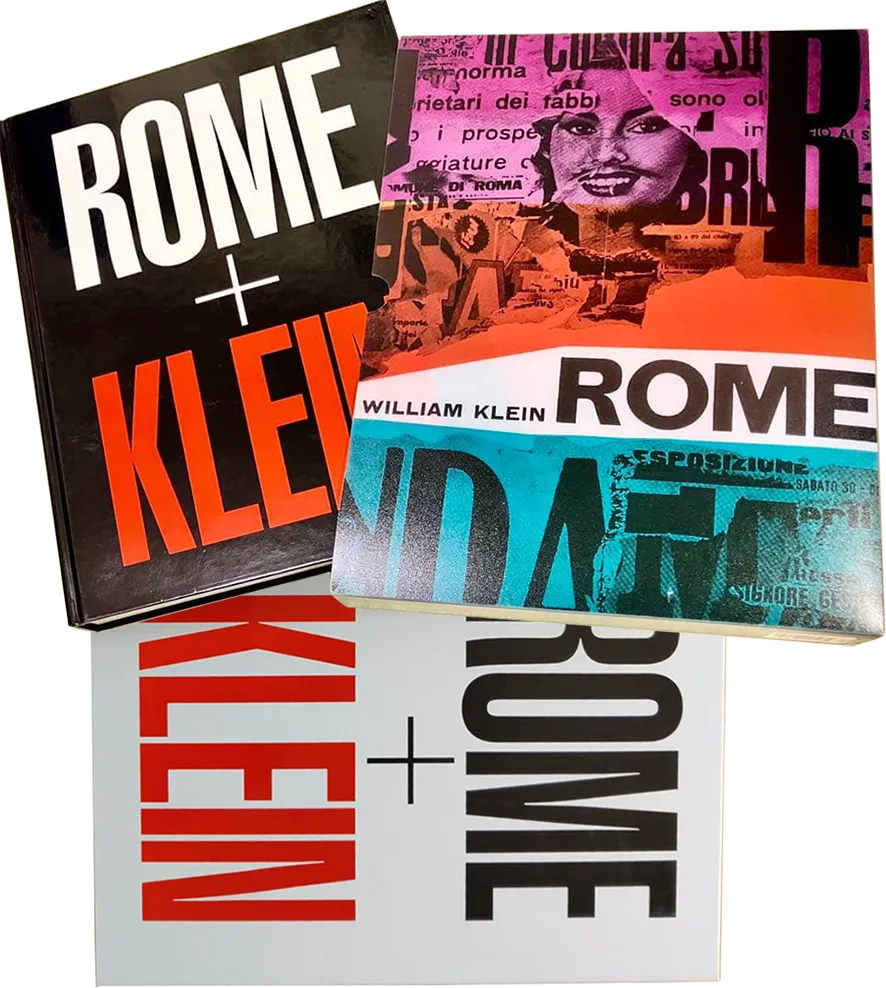
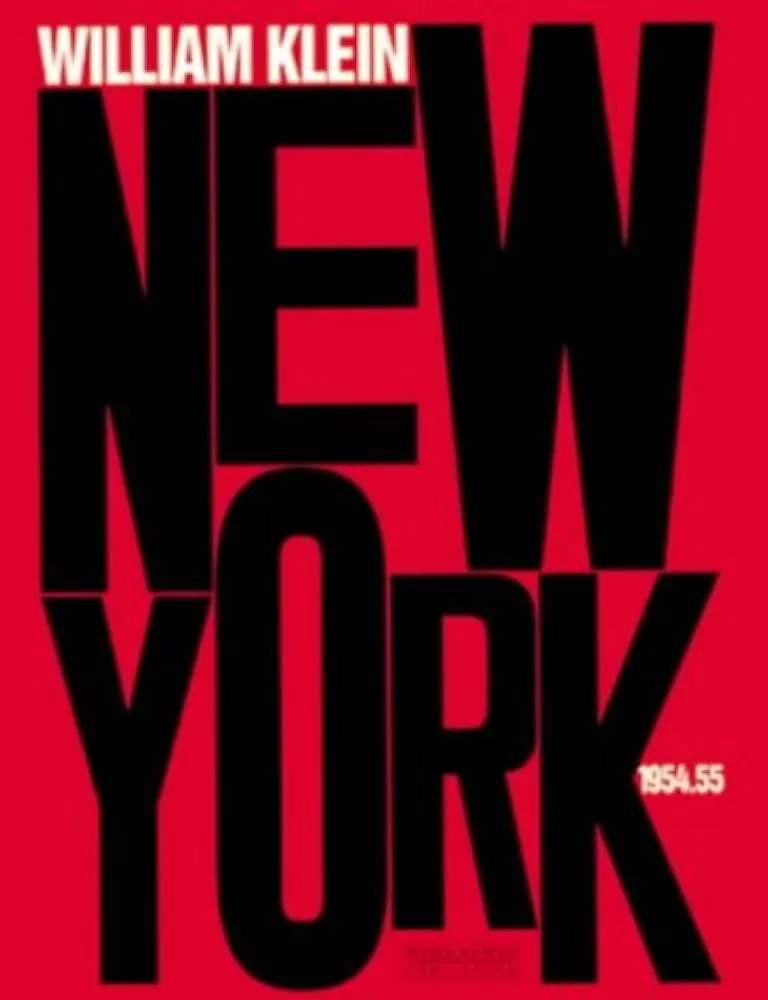
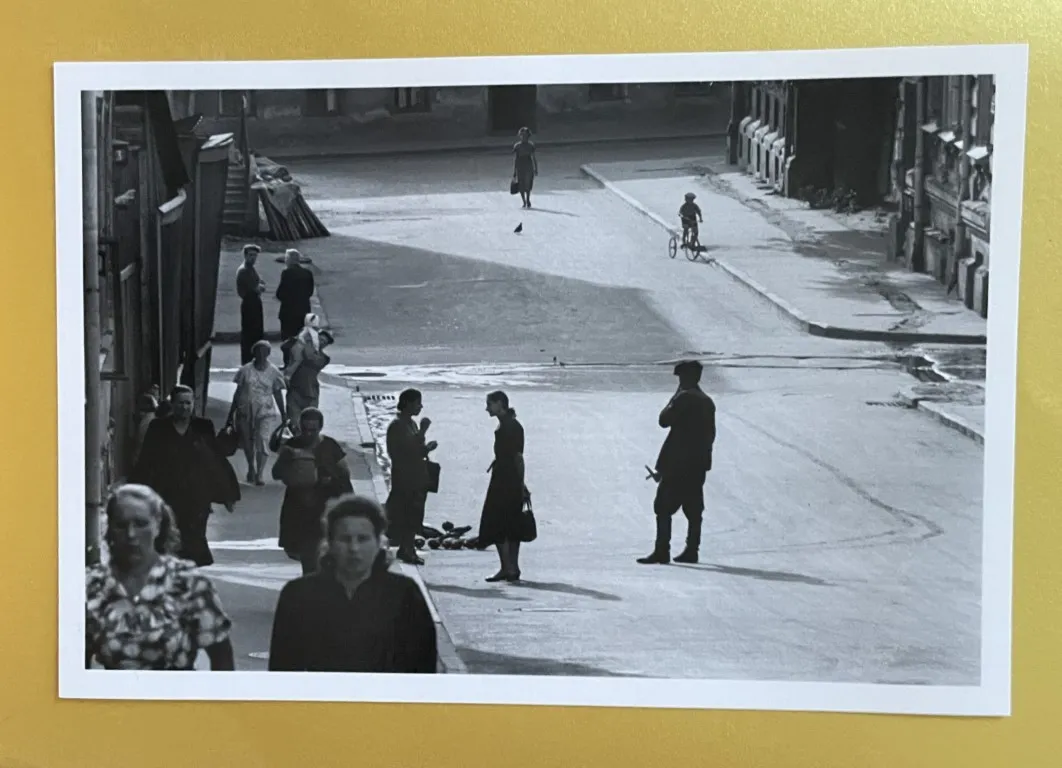
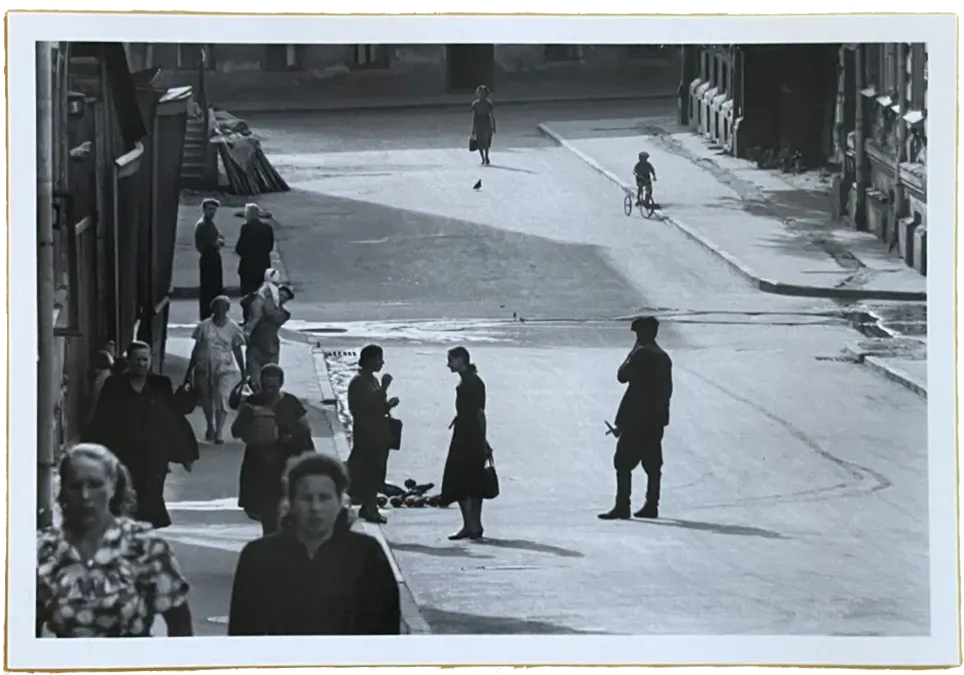
The City Tetralogy: beyond his groundbreaking book Life is Good & Good for You in New York (1956), a gritty, chaotic portrait of his hometown that broke every rule of "fine art" photography and was initially rejected by American publishers. He followed this with Rome (1959), a more theatrical and satirical look at the city influenced by his time working with Federico Fellini. In 1964, he released two more landmarks: Tokyo, a visually dense exploration of a city in the midst of hyper-modernization, and Moscow (1964), which provided a rare, humanizing look at Soviet citizens during the height of the Cold War.
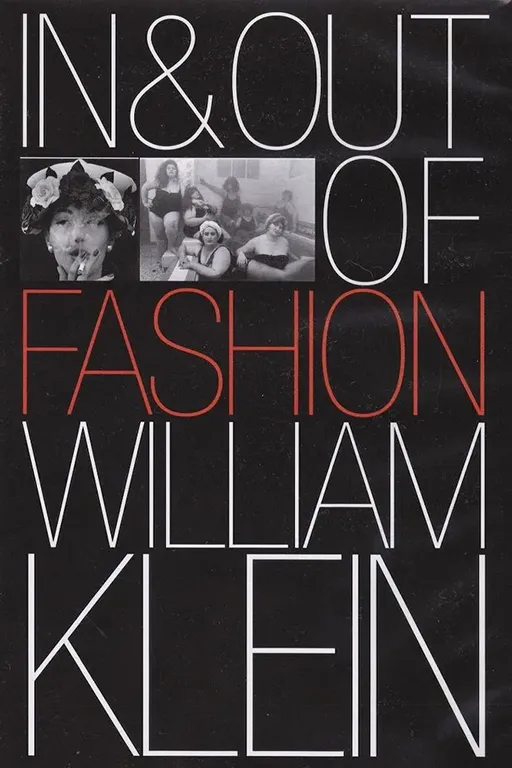
Fashion and Satire: Klein’s work for Vogue was equally subversive, moving models from the studio to the sidewalk. In and Out of Fashion serves as the definitive retrospective of this era, documenting how he used telephoto lenses to compress models into the urban bustle. His book William Klein-Paris further explores this world, blending high-fashion elegance with the biting social critique found in his satirical films.
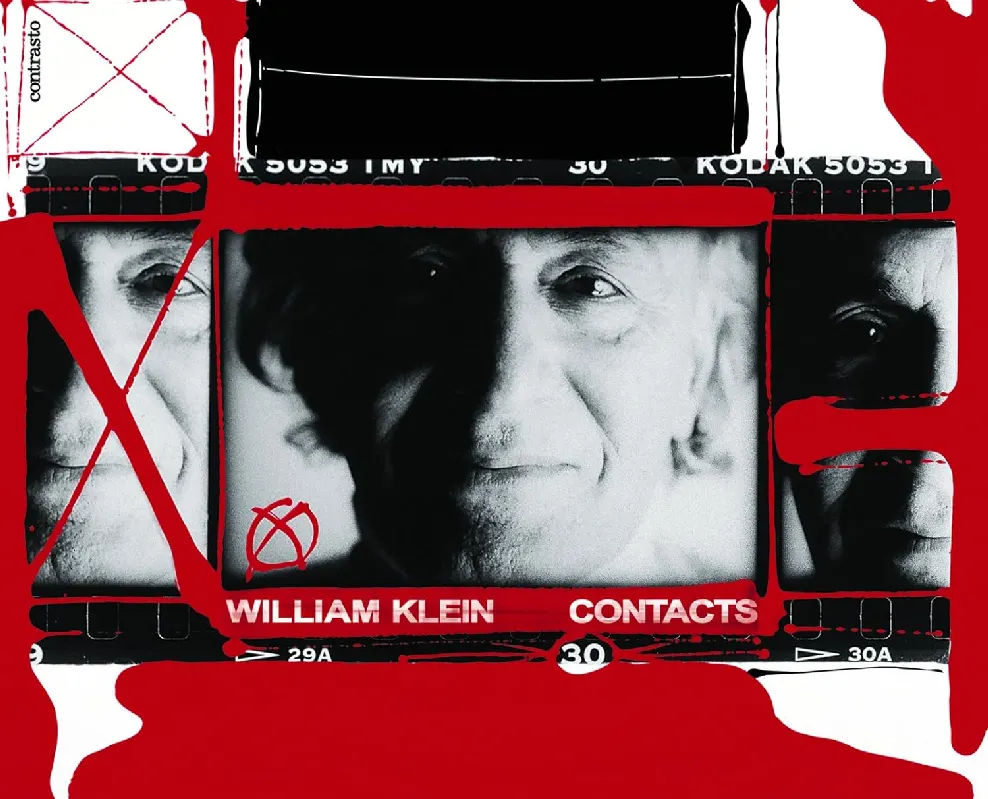
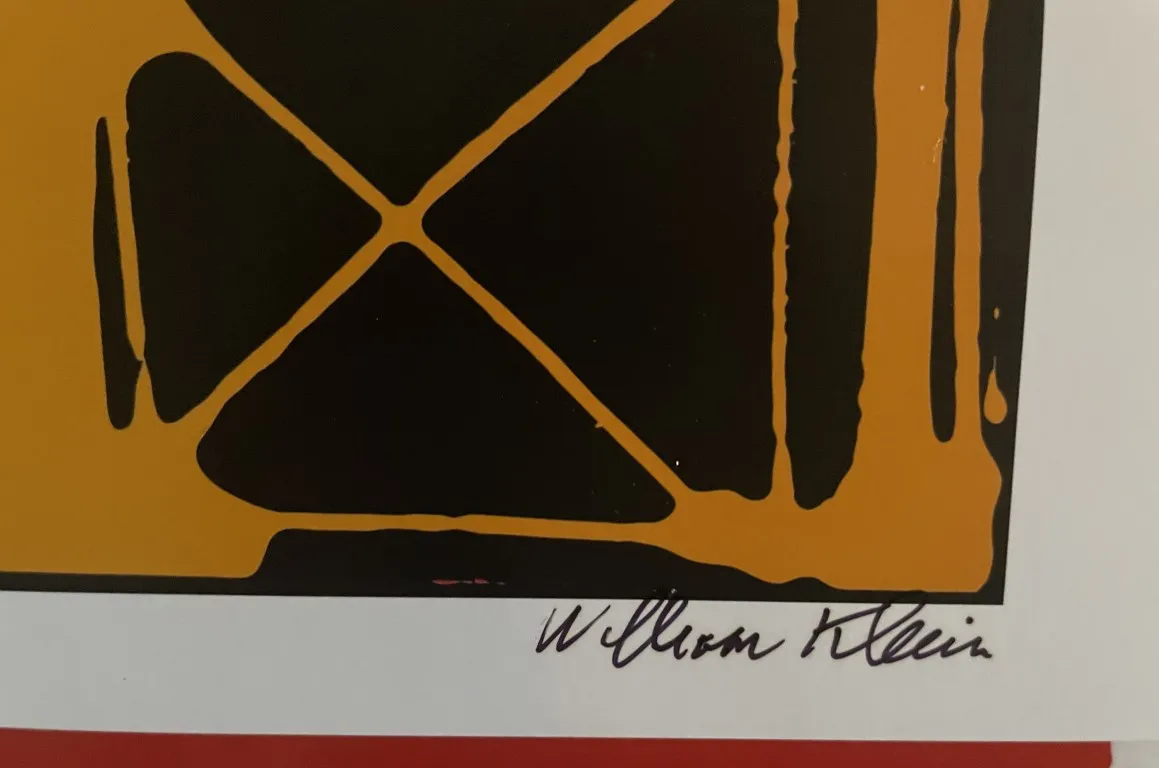
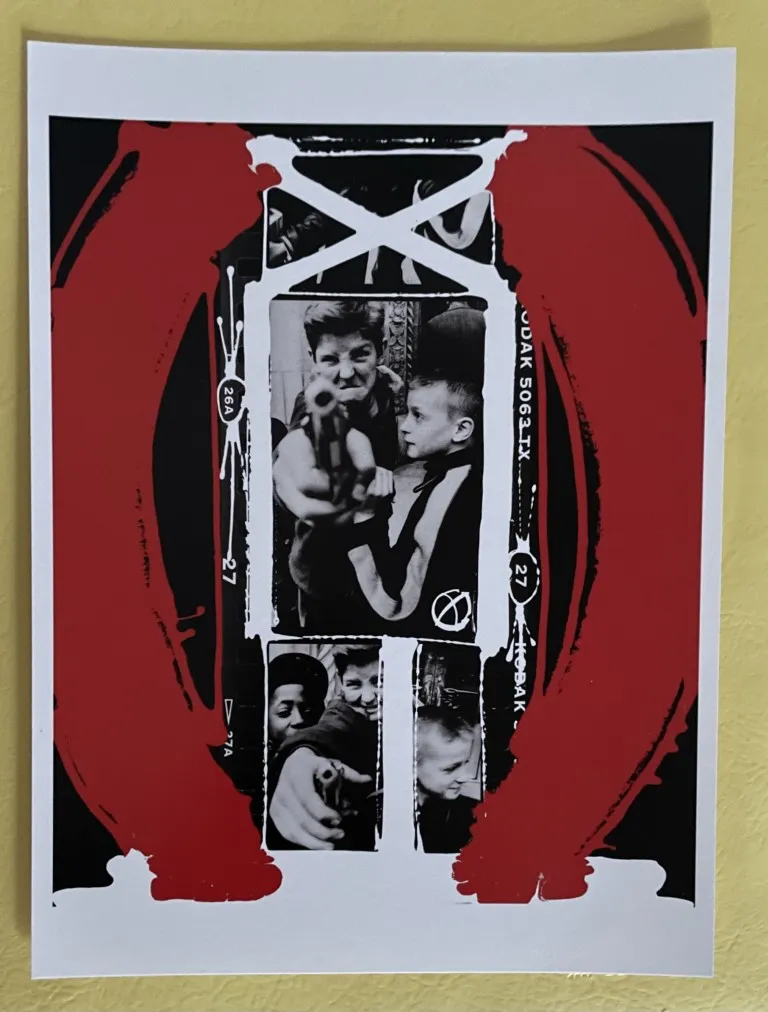
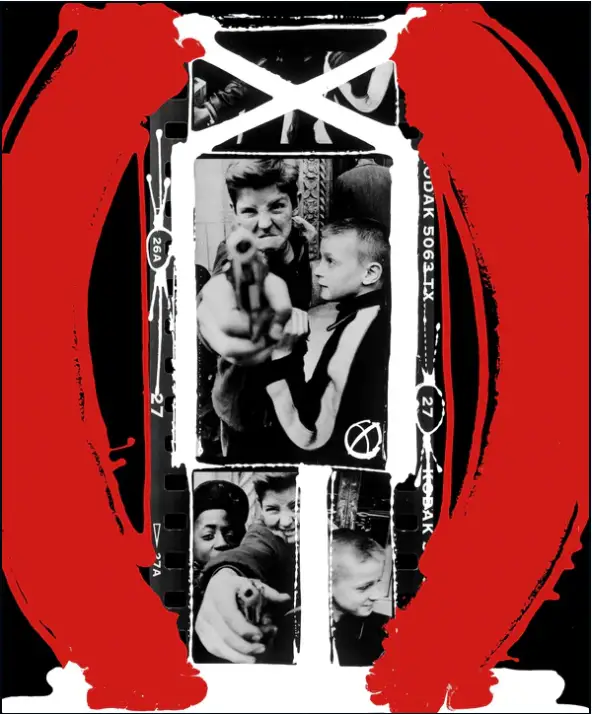
The Painted Contacts: In his later years, Klein returned to the physical nature of the image. The Contacts series, including various limited editions, showcases his "painted contact sheets." By applying bold strokes of enamel paint directly onto the film strips, he bridged the gap between his photography and his early training as a painter, highlighting his selection process and reclaiming the photograph as a unique, physical object.
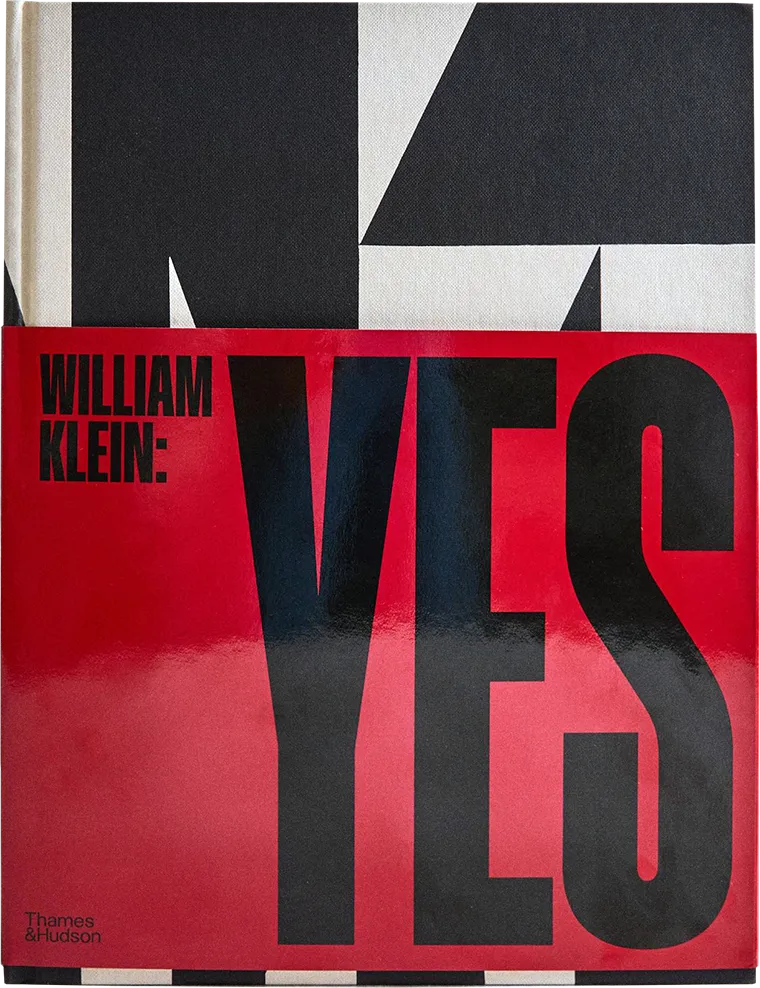
Specialized Collections: Other notable titles include Black and Light (1952-2015), which focuses on his early abstract light experiments, and William Klein: Yes, the final comprehensive retrospective published around the time of his death in 2022. Together, these books form a revolutionary body of work that prioritizes visual truth and emotional impact over technical perfection.
In the 1960s, Klein pivoted significantly toward filmmaking, producing a body of work that was as politically charged as it was stylistically innovative. He directed several influential documentaries and satirical features, including Who Are You, Polly Maggoo?, which offered a biting critique of the fashion industry, and Muhammad Ali, the Greatest, a personal look at the legendary boxer. His films often utilized a collage-like aesthetic, blending documentary realism with avant-garde techniques to challenge the viewer's perception of media and celebrity.
Throughout his long career, Klein remained an outsider who refused to be pigeonholed into a single discipline. He spent most of his adult life in Paris, where he continued to experiment with "painted contacts," a process in which he applied bold strokes of enamel paint directly onto his photographic contact sheets to highlight and transform his original frames. By the time of his death in 2022, Klein was recognized as one of the most influential image-makers of the modern era, leaving behind a legacy characterized by a relentless pursuit of visual truth and a complete disregard for technical perfection.


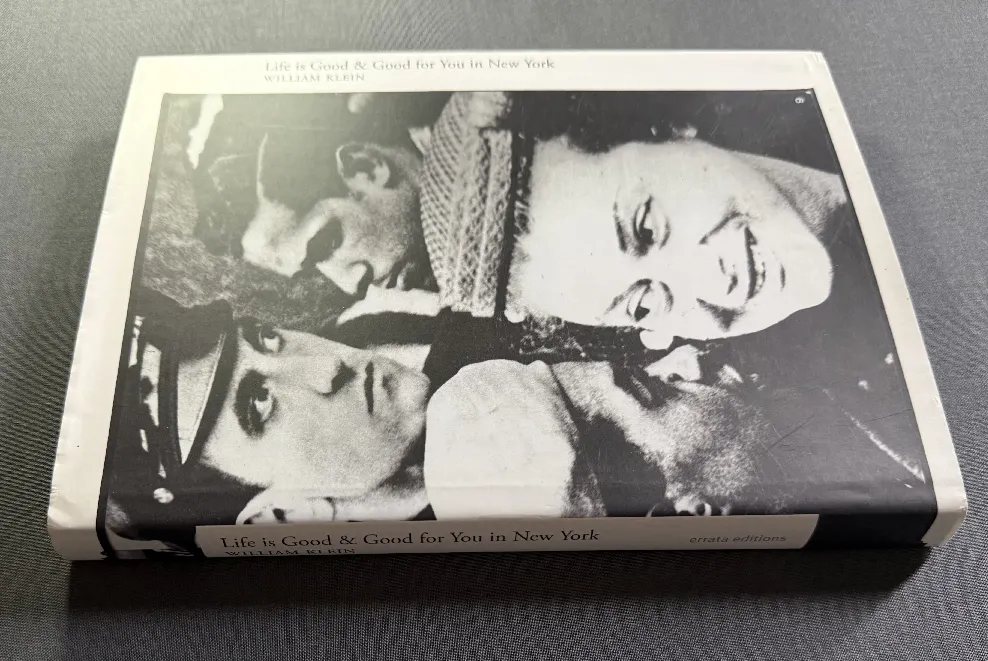
First published in 1956, Life is Good & Good for You in New York is widely considered one of the most groundbreaking and influential photography books of the 20th century. Returning to his hometown after studying painting in Paris and working in fashion photography, Klein sought to capture a raw, unglamorized, and chaotic vision of New York City, a place he famously described as "the world capital of anguish."
Unlike traditional photojournalists of the era, Klein broke almost every rule of photographic convention:
He rejected detached objectivity, often getting right up close to his subjects and encouraging them to pose, perform, or react directly to his lens. He intentionally embraced motion blur, heavy grain, high-contrast, wide-angle distortion, and off-center compositions to match the pulse of the city.
Klein designed the layout himself, eliminating traditional white margins to create tight, cinematic full-bleed spreads with dynamic, "bebop" editing rhythms.
Klein initially pitched the project to American publishers, but every major publisher in the US rejected it. Their refusal stemmed from several key factors. American publishers felt Klein's depiction of New York was too dark, chaotic, and unflattering. They were accustomed to polished, romanticized, or heroic imagery of post-WWII America and felt Klein's vision was "too violent" or "vulgar". Klein broke almost every rule of conventional photography, embracing extreme motion blur, heavy grain, wide-angle distortion, and off-center compositions. American photo-editors saw these stylistic choices as technical defects rather than deliberate art. Traditional photo books of the era featured neatly centered photos with wide white margins and quiet captions. Klein designed the layout himself with tight, aggressive, full-bleed images that collided on the page ' a style mainstream US publishers didn't know how to digest.
Because of this rejection in his home country, Klein returned to Paris, where he was already living at the time, and found an audience and publisher willing to embrace his avant-garde visual language. The book was first published in Paris in 1956 by the French publishing house Éditions du Seuil. It was released as part of their Petite Planète album series, with international co-editions published simultaneously (or shortly after) in London and in Italy (though all three editions were printed in France).
The copy in the BSS collection is the Italian edition, published by Feltrinelli, which includes the leaflet in Italian language. The book's text is in French, English and Italian. Colophon in French.